
Educational Tools of the Era: From Bamboo Slips to Wooden Tablets


Welcome to Feudal Japan History, where we embark on a fascinating journey through the intricate tapestry of Japan's feudal era. In our featured article, “Educational Tools of the Era: From Bamboo Slips to Wooden Tablets,” we delve into the innovative methods that shaped learning and knowledge during this captivating period. Discover how these tools influenced society and culture, and prepare to unlock the secrets of a time that laid the groundwork for modern Japan. Are you ready to explore the unique educational practices that flourished in feudal Japan? Dive in and let your curiosity lead the way!
- Introduction to Educational Tools in Feudal Japan
- The Evolution of Educational Tools in Feudal Japan
- Types of Educational Tools in Feudal Japan
- The Influence of Confucianism on Educational Tools
- Educational Methods and Practices Utilizing Tools
- The Societal Impact of Educational Tools
- Legacy of Educational Tools in Feudal Japan
- Conclusion: The Significance of Educational Tools in Feudal Japan
-
Frequently Asked Questions
- What were the primary educational tools used in feudal Japan?
- How did bamboo slips contribute to education during this era?
- What role did wooden tablets play in the learning process?
- Were there any specific subjects taught using these educational tools?
- How did the use of these tools impact societal development in Japan?
- Final Reflection: The Evolution of Educational Tools and Their Lasting Legacy
- Unveil the Future of Learning with Timeless Tools!
Introduction to Educational Tools in Feudal Japan
In the rich tapestry of Japan's feudal era, education played a pivotal role in shaping society and culture. The period, spanning from the late 12th century to the early 17th century, witnessed the emergence of various educational tools that were essential for learning and knowledge dissemination. This article delves into the educational tools in feudal Japan, examining how instruments such as bamboo slips, wooden tablets, and other resources contributed to the educational landscape. By understanding these tools, we can gain deeper insights into the historical, cultural, and societal aspects that defined this fascinating era.
Overview of Education in Feudal Japan
Education in feudal Japan was primarily influenced by Confucian principles, which emphasized moral development, social harmony, and hierarchical relationships. The educational system was largely informal and varied significantly based on social class.
- Warrior Class (Samurai): Samurai received formal education in military strategy, ethics, and literature. Schools known as terakoya emerged, where samurai and their children were taught reading, writing, and the arts of war.
- Peasants and Commoners: While formal education was less accessible, village elders often imparted knowledge through oral traditions and practical skills. Terakoya also catered to commoners, teaching basic literacy and numeracy.
- Religious Influence: Buddhist temples and Shinto shrines acted as centers of learning, offering spiritual and philosophical education alongside practical skills.
The educational landscape was thus multifaceted, reflecting the complexities of social stratification during the feudal period.
Importance of Educational Tools in Historical Context
The tools utilized for education during feudal Japan were not just instruments of learning; they were embodiments of the era's cultural values and practices.
- Bamboo Slips: Used for writing, these were an early form of educational material, showcasing the transition from oral to written knowledge. They were lightweight and easily transportable, making them ideal for the dissemination of information among the samurai class.
- Wooden Tablets: Often employed in terakoya, wooden tablets facilitated writing practice and the learning of kanji characters. Their durability allowed for repeated use, making them a practical tool for educators and students alike.
- Scrolls and Manuscripts: These items served as important texts for study, containing works of literature, philosophy, and history that shaped the intellectual landscape of the time.
In a historical context, these educational tools played a vital role in the preservation and transmission of knowledge, ensuring that the values and teachings of the past were passed down through generations. Understanding the significance of these tools helps us appreciate the educational foundations that shaped feudal Japan and influenced its subsequent cultural development.
The Evolution of Educational Tools in Feudal Japan
From Bamboo Slips to Wooden Tablets: A Historical Journey
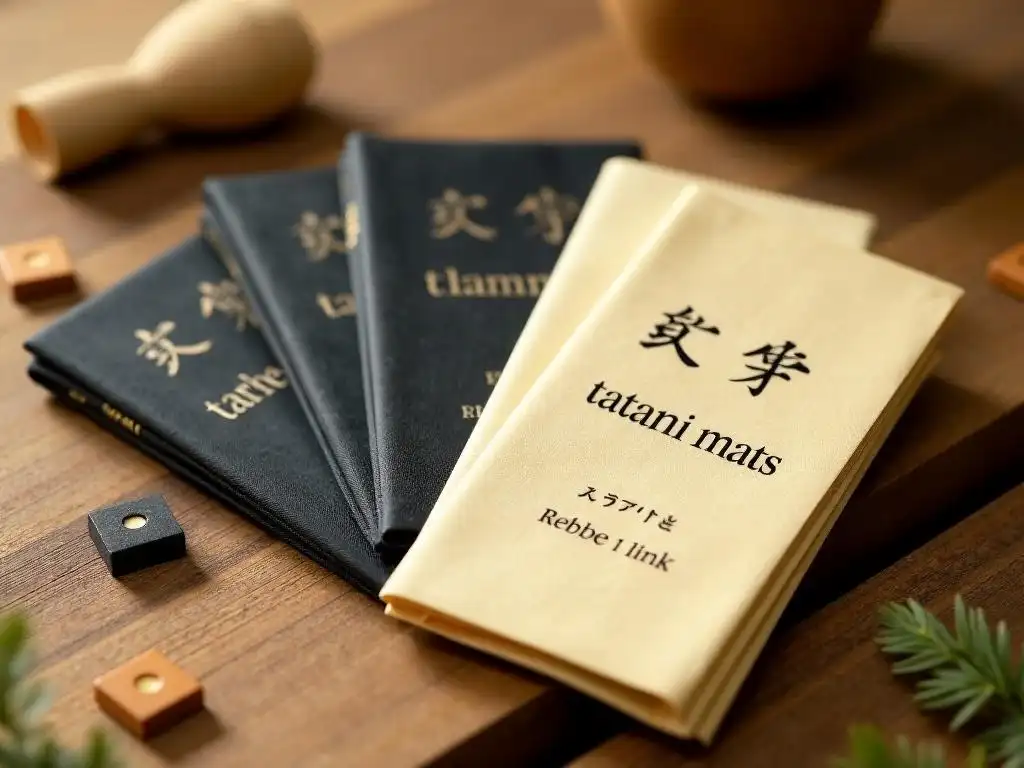
The educational landscape of feudal Japan underwent significant transformations that mirrored the country's socio-political changes. Initially, bamboo slips, known as “takegaki”, served as one of the primary mediums for recording and disseminating knowledge. These slips were lightweight and portable, allowing scholars and students to carry essential texts easily. The use of bamboo for writing dates back to the Asuka period (538-710 AD), where it was primarily employed for Buddhist scriptures and government documents.
As Japan transitioned into the Heian period (794-1185), wooden tablets became increasingly popular. These “mokkan”, made from thin strips of wood, were used not only for writing but also for educational purposes, particularly in schools that taught the arts of poetry, calligraphy, and Confucian texts. The durability of wood allowed for repeated use, making mokkan a practical choice for learners.
The shift from bamboo slips to wooden tablets reflects a broader trend in educational practices. By the Kamakura period (1185-1333), the emergence of Zen Buddhism and the samurai class influenced educational content, prompting a greater emphasis on moral and ethical teachings alongside classical literature. Schools began to incorporate various materials and tools, signaling a more structured approach to education.
Key Materials Used in Educational Tools
The materials utilized in the educational tools of feudal Japan were critical in shaping the learning experience. Below is a breakdown of the primary materials and their specific uses:
| Material | Description | Uses |
|---|---|---|
| Bamboo | Lightweight and flexible; easy to write on. | Early texts; religious scriptures. |
| Wood | Durable and reusable; often carved or painted for clarity. | Wooden tablets for writing and learning. |
| Paper | Developed during the Heian period; allowed for more elaborate documentation. | Textbooks, poetry, and administrative records. |
| Ink | Made from soot and other natural materials; essential for writing. | Writing on bamboo slips and wooden tablets. |
| Brushes | Crafted from animal hair; used for calligraphy and painting. | Calligraphy practice and artistic expression. |
The evolution of these materials paralleled changes in educational philosophy and the increasing accessibility of learning. For instance, while bamboo and wood were common among the elite, the development of paper during the Heian period democratized access to educational resources, allowing a broader segment of society to engage with literature and learning.
The progression from bamboo slips to wooden tablets and eventually to paper illustrates not only the technological advancements of the time but also the evolving priorities in the education of feudal Japan. These educational tools played a vital role in shaping the intellectual landscape of the era, influencing both the elite and commoners through the dissemination of knowledge.
Types of Educational Tools in Feudal Japan
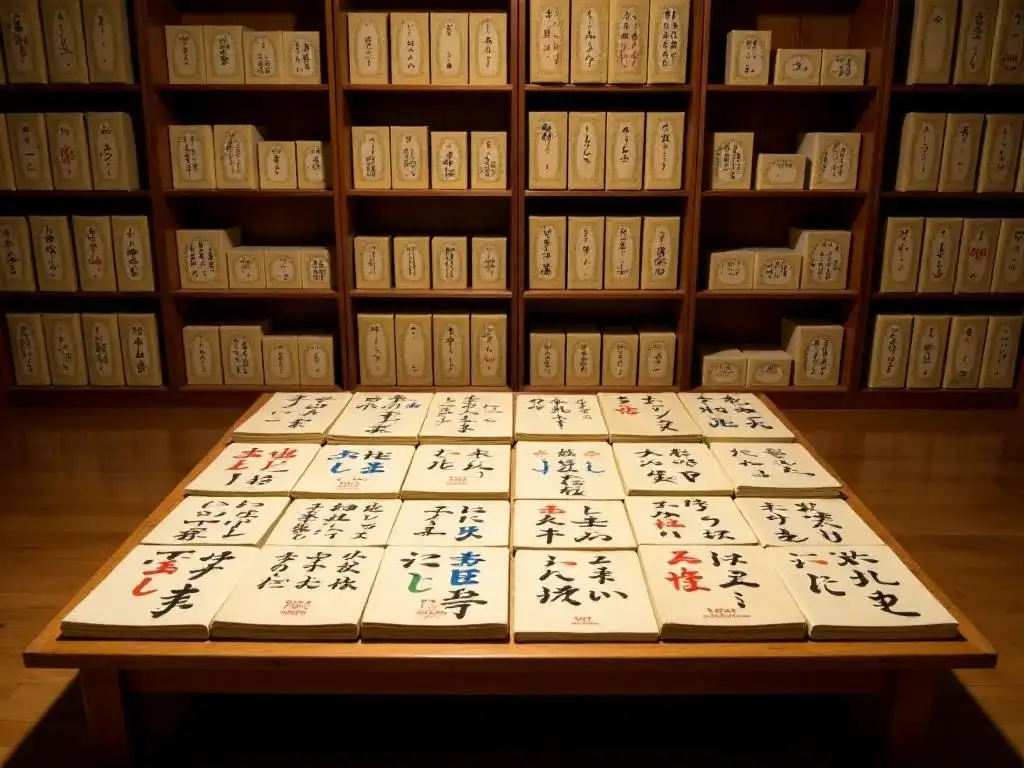
The educational landscape of feudal Japan was shaped by various tools that facilitated learning and the dissemination of knowledge. Among these, bamboo slips and wooden tablets played pivotal roles, reflecting the evolution of educational practices through the ages. Each type of tool served specific purposes, catering to the needs of students and teachers in a society that valued learning and cultural transmission.
Bamboo Slips: The Earliest Writing Medium
Bamboo slips, or takegaki, emerged as one of the earliest writing mediums in Japan, particularly during the Heian period (794-1185). These slips were crafted from the thin, flexible strips of bamboo, allowing for easy handling and writing.
Characteristics and Usage of Bamboo Slips
- Material Composition: Bamboo slips were typically made from mature bamboo stalks, which were split into thin, flat pieces.
- Writing Technique: Characters were inscribed on the surface using a stylus or brush with ink made from soot and water.
- Storage and Organization: These slips were often tied together with silk or hemp cords, making it easy to compile and reference multiple texts.
Bamboo slips were primarily used for recording literature, historical accounts, and philosophical texts. They were lightweight, portable, and ideal for the needs of scholars and students who required a means of notating and sharing knowledge.
Educational Significance of Bamboo Slips
The use of bamboo slips held significant educational value:
- Accessibility: They allowed for the recording of lessons and important texts, making education more accessible to a broader audience.
- Cultural Transmission: Bamboo slips played a crucial role in preserving and transmitting cultural knowledge, including poetry, Confucian texts, and legal codes.
- Foundation for Future Tools: The techniques developed for writing on bamboo laid the groundwork for subsequent educational tools, showcasing the evolution of written communication.
The significance of bamboo slips in feudal Japan cannot be overstated, as they represented a crucial step in the development of educational tools and practices.
Wooden Tablets: The Transition to More Durable Tools
As educational needs evolved, wooden tablets became a favored medium for instruction in feudal Japan. These tablets represented a transition to a more durable and reusable writing surface, enhancing the learning experience.
Features of Wooden Tablets in Education
- Durability: Unlike bamboo slips, wooden tablets provided a sturdier surface for writing, allowing for repeated use.
- Surface Treatment: Typically made from pine or cedar, these tablets were often coated with a thin layer of lacquer, facilitating easier writing and erasing.
- Variety of Sizes: Wooden tablets came in various sizes, catering to different educational contexts, from small personal tablets for students to larger ones used by teachers for instructional purposes.
In the classroom, wooden tablets were commonly used for exercises in calligraphy, arithmetic, and even language studies, enhancing the interactive aspect of learning.
Role of Wooden Tablets in Teaching Practices
Wooden tablets transformed teaching practices in several ways:
- Interactive Learning: The ability to write, erase, and rewrite on wooden tablets encouraged active participation and engagement from students.
- Standardization of Instruction: With the introduction of standardized characters and writing formats on these tablets, teaching became more systematic, aiding in the uniformity of education across regions.
- Record Keeping: Teachers utilized wooden tablets to keep records of student progress, attendance, and lesson plans, contributing to a structured educational environment.
The adoption of wooden tablets marked a significant advancement in educational tools during feudal Japan, reflecting the society's ongoing commitment to education and scholarly pursuits.
The Influence of Confucianism on Educational Tools
The introduction of Confucianism in Japan during the 6th century profoundly influenced various aspects of Japanese society, including education. Confucian ideals permeated the educational landscape, leading to the development of specific tools and materials that reflected these philosophical principles. The emphasis on moral development, social harmony, and respect for hierarchy became integral to the educational system of feudal Japan, shaping both the content and format of learning materials.
Confucian Ideals and Their Impact on Learning Materials
Confucianism prioritizes virtue, ethics, and the cultivation of moral character. In feudal Japan, this focus translated into the design and use of educational tools that aimed to instill these values in students. Key aspects of Confucian ideals that influenced learning materials include:
- Moral Education: Learning materials were developed to promote virtues such as loyalty, filial piety, and respect for authority. Texts often included stories and parables illustrating these values, encouraging students to emulate the characters within.
- Hierarchy and Structure: Confucian thought places great emphasis on social hierarchy, which was reflected in educational tools. For instance, bamboo slips and wooden tablets were often inscribed with teachings that delineated the roles and responsibilities of individuals within society, reinforcing the importance of social order.
- Rituals and Ceremony: The learning process itself was imbued with ritual. Educational tools were often used in formal settings that echoed Confucian ceremonies, stressing the importance of respect for the learning environment and the teacher.
The design of educational tools in feudal Japan was not merely functional; it was also a reflection of these Confucian ideals, serving to reinforce the moral framework within which students were educated.
Incorporation of Confucian Texts in Educational Tools
The integration of Confucian texts into educational tools was a significant development in the feudal Japanese education system. These texts served as foundational materials for teaching and learning, influencing curricula across various levels of education. Notable aspects of this incorporation include:
- Classic Texts: Essential Confucian works, such as the Analects and The Great Learning, were frequently transcribed onto bamboo slips and wooden tablets. These texts became central to the education of samurai and scholars, emphasizing ethical governance and moral conduct.
- Adaptation and Translation: As Confucian texts were introduced, they were adapted to fit the Japanese context. Scholars translated and annotated these works, making them accessible to students and ensuring that they resonated with local values and customs.
- Use in Schools: Educational institutions, particularly those established by the samurai class, relied heavily on Confucian texts as core materials. The incorporation of these texts into the curriculum allowed for a standardized approach to moral and ethical education, fostering a shared cultural identity among students.
- Wooden Tablets as Teaching Aids: Wooden tablets were often used in conjunction with Confucian texts to illustrate key concepts. Teachers would write passages or questions on these tablets, facilitating interactive learning and discussion among students.
The incorporation of Confucian texts into educational tools played a crucial role in shaping the learning environment in feudal Japan. Through this integration, Confucian ideals were not only transmitted but also reinforced, ensuring that the values of the time remained a guiding force in the education of Japan's youth.
Educational Methods and Practices Utilizing Tools

In feudal Japan, educational methods were deeply intertwined with societal norms and the requirements of different classes, particularly the samurai and the clergy. The emphasis on education varied significantly across these groups, shaping the tools that were used for instruction. The educational tools in feudal Japan not only served practical purposes but also reflected the cultural values of the time.
The Role of Educational Tools in Samurai Training
The samurai class, known for their military prowess and adherence to a strict code of conduct, utilized various educational tools to hone their skills and knowledge. Among the most prevalent tools were:
- Bamboo Slips: Early forms of written communication, bamboo slips were used to record military strategies, philosophies, and scholarly texts. These slips were lightweight and portable, making them ideal for the mobile lifestyle of samurai warriors.
- Scrolls: Made from paper or silk, scrolls contained extensive knowledge on martial arts, tactics, and ethics. Scrolls such as the Hōjōki (An Account of My Hut) provided philosophical insights, while treatises on swordsmanship were crucial for training.
- Wooden Tablets (Tablets): These were often inscribed with essential teachings or reminders of the samurai code, Bushido. The tablets served as both practical study aids and moral compasses, reinforcing the values of loyalty, honor, and bravery.
- Rehearsal Weapons: Practice swords, known as bokken, were used in training exercises. While not a traditional educational tool in the sense of writing or recording, they were crucial for physical education, helping samurai to perfect their techniques and combat strategies.
Key Practices in Samurai Education
- Mentorship: Samurai education was heavily reliant on mentorship. Senior samurai would often instruct younger ones, passing down knowledge through direct demonstration and oral tradition.
- Martial Arts Schools: Specialized schools, known as koryū, were established to teach various martial arts. Here, students used the tools mentioned above to learn both physical techniques and the underlying philosophies.
- Literary Education: Alongside martial training, samurai were also educated in literature and philosophy, often using the same tools to study texts that emphasized ethics and governance.
Tools Used in Temples and Monasteries for Scholarly Learning
Temples and monasteries in feudal Japan were central to intellectual and spiritual education. They provided a structured environment for scholarly pursuits, particularly for the clergy and lay students. The tools utilized in these settings included:
- Sutra Scrolls: These sacred texts, often hand-copied, were crucial for Buddhist education. Monks and students would study and memorize the sutras, which contained teachings and doctrines fundamental to Buddhist philosophy.
- Wooden Tablets: Similar to their use in samurai education, wooden tablets were utilized in religious education to inscribe prayers and moral teachings. These tablets served as both educational aids and tools for meditation.
- Ink and Brush Sets: Writing tools, including ink and brushes, were essential for copying texts and practicing calligraphy. The art of calligraphy was not only an educational pursuit but also a respected skill that reflected a monk’s discipline and dedication.
- Teaching Manuals: Manuals that compiled various teachings from notable Buddhist masters were used to guide students in their studies. These texts often included commentaries and interpretations that deepened understanding.
Scholarly Practices in Temples and Monasteries
- Meditation and Reflection: Education in these settings was often experiential, emphasizing meditation as a tool for learning. Students would reflect on texts and teachings, developing personal insights.
- Debate and Discussion: Scholarly debates were common, fostering critical thinking. Students would engage in discussions about doctrines, using the tools at their disposal to support their arguments.
- Rituals and Practices: Educational tools were also employed in rituals, reinforcing learning through practice. For example, chanting sutras was both a form of worship and a method of memorization.
The educational tools in feudal Japan were varied and adapted to meet the needs of different societal classes. From the samurai's rigorous training methods to the contemplative studies in temples, these tools played a crucial role in shaping the educational landscape of the era.
The Societal Impact of Educational Tools

The educational tools used during feudal Japan played a crucial role in shaping societal structures and cultural norms. These tools were not merely instruments for learning; they were integral to the dissemination of knowledge and the formation of social hierarchies. By examining the various educational tools of the era, we can gain insights into their broader societal implications and the way they influenced both individual and community development.
In feudal Japan, educational tools such as bamboo slips, wooden tablets, and scrolls were primarily accessible to the samurai and the upper classes. This exclusivity reinforced existing social hierarchies. The samurai, trained in the arts of war and governance, were often educated in Confucian teachings and military strategy, using educational tools that were sophisticated and complex. In contrast, commoners had limited access to education; their learning was often informal and based on oral traditions.
- Bamboo Slips: These were used for recording important texts and lessons, often associated with Confucian teachings. The ability to read and write was a privilege that distinguished the samurai class from the peasantry.
- Wooden Tablets: Used for more practical applications, these tablets often contained records of agricultural practices or local laws. While they served a functional purpose, their use was primarily among those with a certain level of education, further entrenching social divisions.
The educational tools available not only facilitated learning but also dictated who could rise to positions of authority. As such, education became a means of maintaining the status quo, perpetuating the dominance of the ruling classes while limiting the opportunities for the lower classes.
The Role of Educational Tools in Community Development
Despite their role in reinforcing social hierarchies, educational tools also played a significant role in community development during feudal Japan. They contributed to the spread of shared knowledge, cultural practices, and local governance.
- Community Literacy: Some educational tools were utilized in communal settings, fostering basic literacy among commoners. For example, local temples often served as centers for learning, where wooden tablets were used to teach reading and writing. This encouraged a sense of community identity and collective knowledge.
- Cultural Transmission: Educational tools facilitated the transmission of cultural norms and values. Scrolls depicting historical events or moral tales were used in festivals and gatherings, promoting a unified cultural narrative that helped to strengthen communal bonds.
- Local Governance: As communities developed, the need for governance also increased. Educational tools such as wooden tablets were essential for documenting local laws and decisions, ensuring that all members of the community were aware of their rights and responsibilities.
Summary
While educational tools in feudal Japan were instrumental in establishing and maintaining social hierarchies, they also served as vehicles for community development and cultural continuity. The interplay between education and society during this period highlights the complexity of social relations and the dual nature of knowledge as both a privilege and a communal resource. Understanding these dynamics is essential to grasp the broader implications of education in feudal Japan and its lasting impact on Japanese society.
Legacy of Educational Tools in Feudal Japan
The educational tools utilized during feudal Japan played a significant role in shaping the learning processes of the era, impacting both societal structures and cultural practices. These tools, ranging from bamboo slips to wooden tablets, reflect the values and knowledge systems of the time. Their legacy is not only evident in historical texts but also in the modern educational landscape of Japan.
Lasting Influence on Modern Japanese Education
The educational tools of feudal Japan laid the groundwork for contemporary teaching methodologies in Japan. The use of simple yet effective materials, such as bamboo slips for writing, influenced the evolution of literacy and record-keeping. This focus on documentation and written communication remains a cornerstone of Japanese education today.
- Integration of Traditional Practices:
- The practice of using written materials to facilitate learning has persisted, with modern schools employing various forms of texts, including digital media, to promote literacy.
- Techniques originating from feudal times, such as rote memorization and calligraphy, continue to be integral parts of educational curricula.
- Cultural Significance:
- The reverence for knowledge and education rooted in feudal Japan is reflected in the ongoing cultural emphasis on academic achievement and respect for teachers.
- Educational philosophies that prioritize discipline and hard work can trace their origins back to the Confucian ideals that influenced feudal educational practices.
- Innovations in Educational Tools:
- The transition from bamboo slips to wooden tablets and eventually to paper marked significant advancements in educational tools. This evolution showcases a continuous improvement in accessibility to educational resources, which is mirrored in today’s emphasis on technological integration in classrooms.
By understanding the legacy of these educational tools, one can appreciate how they have shaped not only historical educational practices but also the foundational principles that govern modern Japanese education.
Preservation of Historical Educational Tools Today
The historical educational tools of feudal Japan are preserved in various forms, contributing to our understanding of the era's educational practices. Museums, cultural institutions, and academic research have all played roles in maintaining these artifacts and their associated knowledge.
- Museums and Exhibitions:
- Several museums in Japan exhibit ancient educational tools, including bamboo slips and wooden tablets. These artifacts provide insight into the literacy and education of the period, showcasing the materials that were vital for teaching and learning.
- Academic Research:
- Scholars continue to study these educational tools to unearth their significance in historical contexts. Research often focuses on how these tools functioned within the educational systems of their time, providing a deeper understanding of societal structures.
- Cultural Heritage Programs:
- Programs aimed at preserving traditional crafts and educational practices have emerged. For instance, workshops that teach calligraphy and the use of historical writing tools help keep the knowledge alive for future generations.
- Digital Archives:
- The advent of technology has facilitated the creation of digital archives that preserve images and descriptions of historical educational tools. These resources allow for greater accessibility and promote ongoing education about feudal Japan.
The preservation and appreciation of educational tools from feudal Japan not only enrich our understanding of the era but also serve as a reminder of the enduring value of education throughout history. By studying these tools, we can draw connections to contemporary practices and continue to honor the legacy of learning that has evolved over centuries.
Conclusion: The Significance of Educational Tools in Feudal Japan
Summary of Key Insights on Educational Tools
Throughout the feudal period in Japan, a diverse array of educational tools played a vital role in shaping the learning landscape. From the use of bamboo slips to wooden tablets, these tools were not only functional but also reflective of the cultural and societal values of the time. Here are some key insights:
- Bamboo Slips: Used primarily for writing and recording important texts, bamboo slips were a fundamental educational tool. They allowed scholars and students to document lessons and literary works, fostering a culture of literacy among the samurai class and other educated individuals.
- Wooden Tablets: Often inscribed with characters and used for teaching purposes, wooden tablets served as an effective medium for learning. These tablets could be reused, making them a practical choice for schools and scholars.
- Calligraphy Brushes: Integral to education, calligraphy brushes were utilized to teach the art of writing. Mastery of this skill was essential for anyone wishing to ascend the social ladder, particularly within the samurai class.
- Scrolls: Elaborate scrolls containing texts on philosophy, history, and the arts were common in educational settings. They served as both teaching aids and sources of inspiration for students, promoting a rich intellectual environment.
The educational tools of feudal Japan not only facilitated learning but also played a role in the preservation and dissemination of knowledge across generations.
Reflections on the Evolution of Education in Japan
The evolution of education in Japan reflects broader societal changes throughout history. During the feudal era, education was largely reserved for the elite, particularly the samurai class. However, as Japan transitioned from feudalism to a more centralized government in the Meiji period, educational tools evolved accordingly.
- Accessibility: Initially, educational tools were limited to the privileged classes. Over time, the inclusion of commoners in educational systems marked a significant shift. The establishment of public schools in the Meiji era expanded access to education, allowing for a wider distribution of knowledge.
- Standardization: With the introduction of modern educational reforms, the tools and methodologies of teaching began to standardize. Textbooks replaced bamboo slips and wooden tablets, creating a more uniform approach to education across the nation.
- Cultural Legacy: The emphasis on educational tools during the feudal era has left a lasting impact on Japanese culture. The arts of calligraphy and literature continue to be celebrated and taught in contemporary Japan, illustrating the enduring value of these historical practices.
The educational tools of feudal Japan not only served immediate instructional purposes but also laid the groundwork for the evolution of education in Japan, highlighting a rich legacy that continues to influence modern educational practices.
Frequently Asked Questions
What were the primary educational tools used in feudal Japan?
In feudal Japan, the main educational tools included bamboo slips, wooden tablets, and ink and brushes, which facilitated writing and learning.
How did bamboo slips contribute to education during this era?
Bamboo slips, used as writing surfaces, were lightweight and portable, allowing students to practice their writing skills and record important texts.
What role did wooden tablets play in the learning process?
Wooden tablets served as a more durable medium for writing compared to bamboo slips, enabling students to engage in longer-term study and record keeping.
Were there any specific subjects taught using these educational tools?
Students in feudal Japan primarily studied literature, calligraphy, and classical texts, using bamboo slips and wooden tablets to enhance their knowledge.
How did the use of these tools impact societal development in Japan?
The availability of educational tools like bamboo slips and wooden tablets fostered literacy and knowledge, significantly contributing to the cultural and societal evolution of feudal Japan.
Final Reflection: The Evolution of Educational Tools and Their Lasting Legacy
The journey of educational tools from bamboo slips to wooden tablets illustrates the profound impact of innovation on learning. Today, as we navigate an era dominated by digital technology, the essence of these ancient tools reminds us that education is not merely about the medium but the message and the methods we employ to impart knowledge. The evolution of educational tools in feudal Japan serves as a testament to the adaptability and resilience of human curiosity and the relentless pursuit of enlightenment.
Cultural and social landscapes have been shaped by the tools we use to educate ourselves and others. The transition from bamboo slips to wooden tablets reflects not only a change in material but also an evolution in thought and pedagogy. These tools were instrumental in fostering a culture of scholarship and learning, paving the way for future generations. As the philosopher Confucius once said, Education breeds confidence. Confidence breeds hope. Hope breeds peace.
This sentiment resonates today, as we continue to build upon the foundations laid by those who came before us, recognizing that the tools we choose to educate can either empower or limit our potential.
As we reflect on the lessons from the past, let us embrace the opportunity to innovate and adapt our educational practices for the future. Consider how you can incorporate the spirit of these ancient tools into your own learning journey. Whether through the use of modern technology or the revival of traditional methods, the goal remains the same: to foster a love for learning and to empower ourselves and others.
Take a moment to think about the educational tools you engage with daily and how they shape your understanding of the world. The legacy of educational tools in feudal Japan is not just a historical narrative; it is an invitation to explore, innovate, and inspire in our quest for knowledge.
Unveil the Future of Learning with Timeless Tools!
Thank you for diving into the fascinating world of educational tools throughout history! You've gained valuable insights into how these innovative instruments shaped learning in feudal Japan. Now, it's time to transform that knowledge into action and deepen your understanding.
Here are some exciting steps you can take:
- Explore further: Discover more about the tools used by ancient scholars by delving into our comprehensive articles on educational methods and philosophies from the feudal era.
- Join the conversation: Share your thoughts and questions in our community forum. What educational tool captures your interest, and how do you think it has influenced modern learning?
- Experience nostalgia: Create or find a DIY project that replicates one of these ancient educational tools to connect with history in a hands-on way.
Which ancient educational tool intrigues you the most, and how do you think it continues to impact learning today?