
The Technological Innovations that Drove Edo's Urban Growth

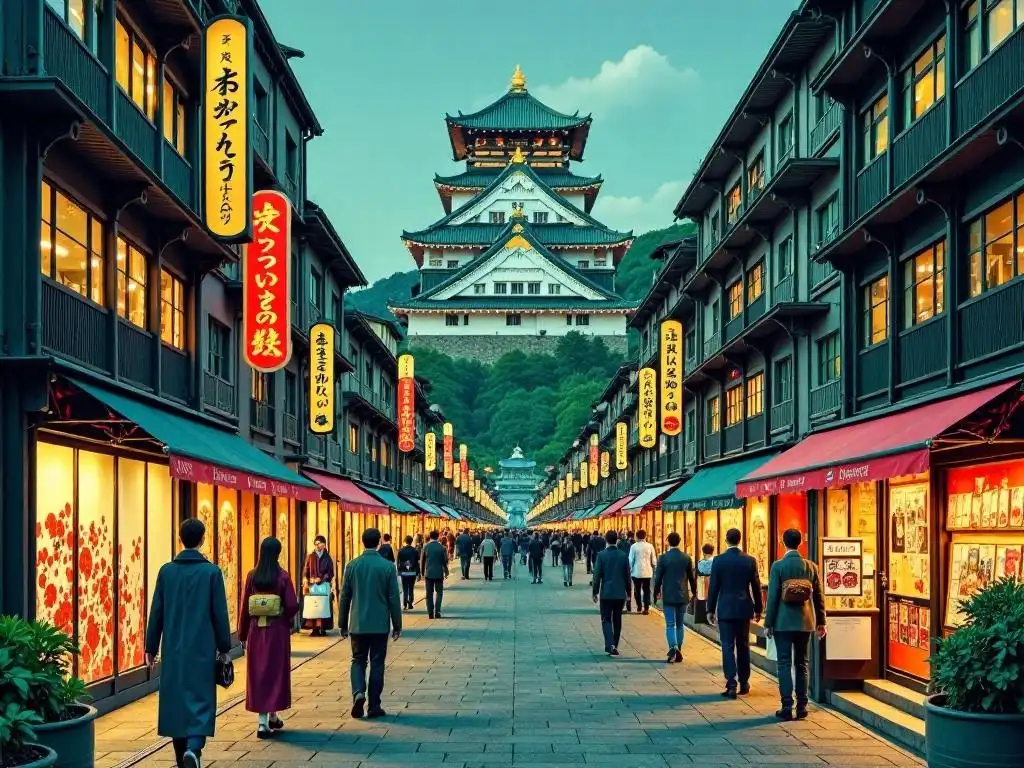
Welcome to Feudal Japan History, where we embark on an intriguing journey through the captivating epochs of Japan's feudal era. In this exploration, we shine a spotlight on the Edo period technological advancements that not only transformed urban landscapes but also laid the groundwork for modern Japan. Are you ready to uncover the innovations that fueled Edo's remarkable growth? Delve deeper into our expert-driven articles and discover the dynamic interplay of history, culture, and society that shaped this fascinating period. Your adventure begins now!
- Introduction to the Edo Period Technological Advancements
- Key Technological Innovations in Edo
- The Impact of Technological Advancements on Edo's Urban Growth
- Comparison of Edo Period Innovations with Other Historical Periods
- Challenges and Limitations of Technological Innovations in Edo
- Conclusion: The Legacy of Edo Period Technological Advancements
-
Frequently Asked Questions
- What were the major technological advancements during the Edo period?
- How did transportation innovations impact Edo's urban development?
- What role did printing technology play in the Edo period?
- How did agricultural advancements contribute to Edo's growth?
- Why is the Edo period significant for understanding Japan's history?
- Final Reflection: The Enduring Legacy of Edo Period Technological Advancements
- Unveil the Future of Urban Growth Inspired by Edo!
Introduction to the Edo Period Technological Advancements
The Edo period, which lasted from 1603 to 1868, marks a significant chapter in Japan's history where peace, stability, and economic growth flourished under the Tokugawa shogunate. During this time, Tokyo, originally known as Edo, transformed from a modest fishing village into one of the largest cities in the world. This transformation was not merely a result of population increase but was driven by a series of remarkable technological advancements that reshaped urban life, commerce, and society.
In this article, we will delve into the specific innovations that spurred this urban growth, examining how they interwove with the cultural and economic fabric of the Edo period. By understanding these developments, we gain insight into the intricate relationship between technology and urbanization during this pivotal era in Japanese history.
Overview of the Edo Period
The Edo period is characterized by its unique political structure, cultural developments, and societal norms. The Tokugawa shogunate established a centralized feudal system, which maintained order and stability across Japan for over two and a half centuries. This era witnessed significant changes, such as:
- Isolationist Policies: The sakoku (closed country) policy limited foreign influence, promoting self-sufficiency and domestic innovation.
- Cultural Flourishing: The period saw the rise of distinctive art forms, literature, and theater, reflecting the everyday lives and aspirations of the urban populace.
- Population Growth: Edo's population swelled from around 200,000 in the early 17th century to over 1 million by the 19th century, making it one of the most populous cities in the world.
These elements created a fertile ground for technological innovations that would further enhance urban living and economic activities.
Importance of Technological Innovations in Urban Growth
Technological advancements during the Edo period played a crucial role in facilitating urban growth and improving the quality of life for its inhabitants. Key areas of innovation included:
- Transportation: The development of the tokaido road network and advancements in transportation technology, such as the use of boats and palanquins, greatly improved trade and communication between cities.
- Agricultural Techniques: Innovations in farming, including crop rotation and improved irrigation methods, led to increased food production, supporting a growing urban population.
- Manufacturing: The rise of cottage industries and urban crafts, supported by new techniques and tools, allowed for increased production of goods, stimulating economic activity.
These technological advancements not only supported the expansion of Edo as a commercial hub but also contributed to a vibrant urban culture, shaping the very essence of life in this historic period. Understanding these innovations offers a clearer picture of how Edo became a model of urbanization that influenced future generations.
Key Technological Innovations in Edo
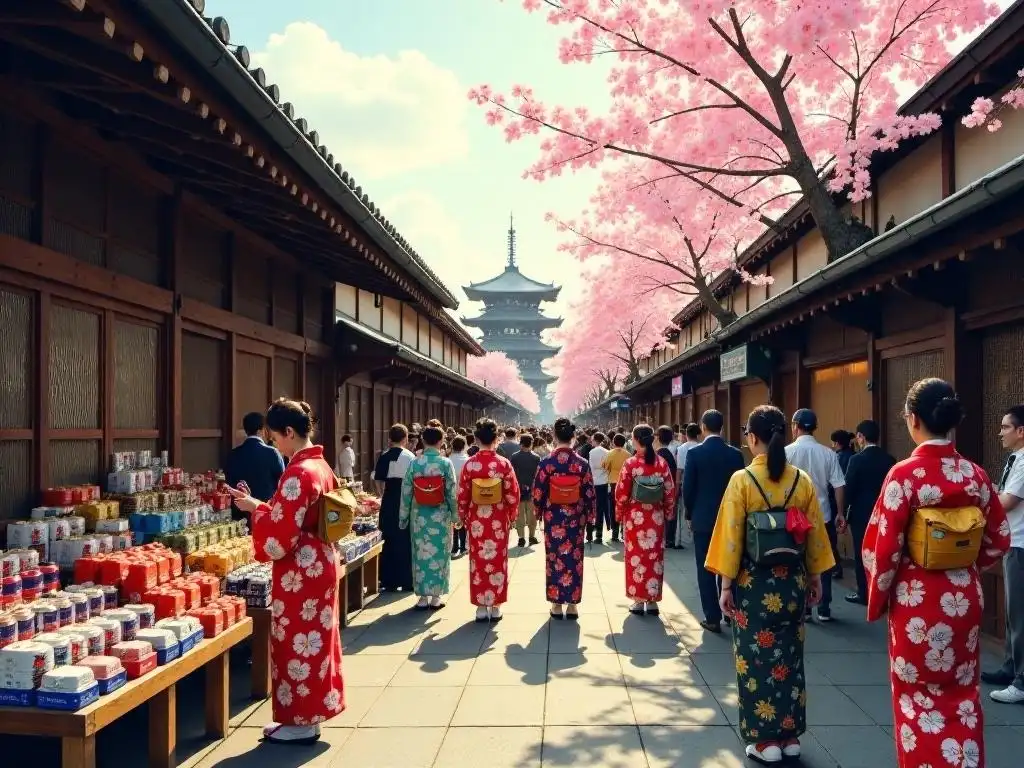
The Edo period, spanning from 1603 to 1868, was a time of significant transformation in Japan. This era witnessed remarkable technological advancements that propelled urban growth, particularly in Edo (modern-day Tokyo). These innovations not only altered agricultural practices but also revolutionized transportation and infrastructure, creating a vibrant urban environment that supported a burgeoning population.
Agricultural Advancements in the Edo Period
Introduction of New Crops and Farming Techniques
The Edo period saw the introduction of various new crops and farming techniques that significantly enhanced agricultural productivity. Notable among these was the cultivation of rice, which became a staple food and a crucial economic driver. Farmers began to experiment with different strains of rice, leading to improved yields.
Additionally, the introduction of crop rotation and the use of fertilizers (derived from human waste and other organic materials) allowed for multiple harvests in a single year. This practice not only maximized land use but also improved soil fertility, enabling farmers to sustain higher production levels.
Impact of Agricultural Innovations on Urban Population Growth
These agricultural innovations directly contributed to the urban population boom in Edo. As food production increased, the surplus allowed for a larger population to reside in urban areas. By the mid-Edo period, Edo had grown to become one of the world’s largest cities, with estimates suggesting a population of over one million residents.
This growth was not solely due to an increase in food supply; it also fostered a robust market economy. With more food available, trade flourished, leading to the establishment of vibrant marketplaces and a burgeoning merchant class, which in turn stimulated further urbanization.
Transportation and Infrastructure Developments
Construction of the Edo Road Network
The Edo period is notable for its extensive road construction, which facilitated the movement of goods and people. The Five Major Routes (Gokaido) radiated from Edo, connecting it to other regions and significantly enhancing trade and communication.
These roads were engineered with improved techniques, including the use of durable materials and strategic layouts that took into account the geography of the land. Regular maintenance ensured that these routes remained accessible, fostering economic activities and allowing for the seamless flow of agricultural products into the city.
Innovations in Water Transportation: Canals and Boats
In addition to road improvements, the development of water transportation played a critical role in Edo's urban growth. The construction of canals and the advancement of boat technology enabled efficient transport of goods.
Canals were designed to link rivers and lakes, creating a comprehensive network that facilitated the movement of rice, textiles, and other essential commodities. Sailing vessels were improved upon, incorporating larger holds for cargo, which allowed for the transport of greater quantities over longer distances.
These innovations in both land and water transportation not only supported trade but also contributed to the cultural exchange between urban and rural areas, further enriching the social fabric of Edo during this transformative period.
The technological advancements during the Edo period were instrumental in shaping the urban landscape of Edo. Agricultural innovations increased food production, which supported a growing population, while advancements in transportation infrastructure effectively linked the city with the broader region, fostering economic prosperity and cultural exchange.
Communication Technologies
During the Edo period, communication technologies underwent significant advancements that played a crucial role in the urbanization of Edo (modern-day Tokyo). These innovations not only facilitated the exchange of information but also contributed to the economic and cultural dynamism of the growing urban center. Key developments in communication technologies included the post system and print technology, both of which transformed how information was disseminated across Japan.
The Role of the Post System in Edo’s Urbanization
The post system, known as "kōbu" or "tōkaidō," was an essential communication network established to connect Edo with other regions. This system comprised a series of relay stations (shukuba) strategically located along major highways, allowing for the efficient transport of messages, goods, and people.
- Infrastructure and Organization: The post system was meticulously organized, featuring designated routes such as the Tōkaidō, which linked Edo to Kyoto. Each station was staffed with couriers (hikyaku) who were responsible for carrying messages and parcels. This infrastructure facilitated rapid communication, which was vital for the administration and commerce of the growing city.
- Economic Impact: The efficiency of the post system significantly contributed to Edo's urban growth. Merchants and local businesses relied on the swift delivery of goods and information to expand their operations. This connectivity fostered trade relationships and stimulated economic activity, making Edo a bustling economic hub.
- Cultural Exchange: The post system also enabled cultural exchanges between Edo and other regions. News about events, literature, and artistic trends spread quickly, enriching the cultural landscape of the city. The ability to share information fostered a sense of community and collective identity among Edo's inhabitants.
Development of Print Technology and Its Influence on Society
The Edo period witnessed a remarkable evolution in print technology, which revolutionized the dissemination of knowledge and culture. The introduction of woodblock printing (ukiyo-e) and later advancements in printing techniques greatly influenced various aspects of society.
- Ukiyo-e and Popular Culture: Woodblock prints became a popular medium for artistic expression, depicting scenes from everyday life, landscapes, and kabuki theater. This art form not only entertained but also educated the public about societal norms and cultural values, making art accessible to a broader audience.
- Literature and Information Dissemination: The development of print technology facilitated the production of books, pamphlets, and newspapers. This surge in literature allowed for the widespread distribution of knowledge, contributing to a more informed populace. Works such as "The Tale of Genji" and various instructional texts became widely available, promoting literacy and intellectual discourse.
- Social Impacts: The availability of printed materials encouraged the growth of a reading public, leading to the emergence of new social classes, including the merchant class, who became increasingly influential. The printed word allowed for the expression of diverse ideas and opinions, paving the way for social changes and the questioning of traditional norms.
The advancements in communication technologies during the Edo period, particularly through the post system and print technology, played a pivotal role in shaping urbanization. These innovations not only facilitated trade and cultural exchange but also contributed to the social and economic dynamics that characterized Edo as a thriving metropolis.
The Impact of Technological Advancements on Edo's Urban Growth
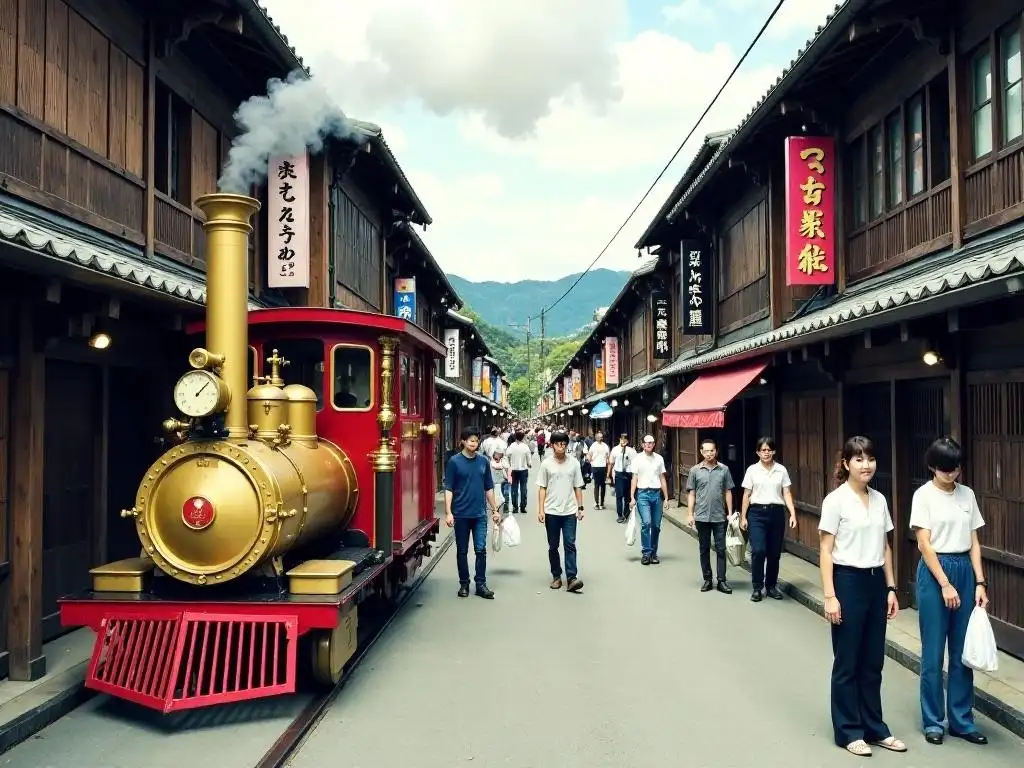
Population Density and Urban Expansion
The Edo period, spanning from 1603 to 1868, witnessed remarkable urban growth, with Edo (modern-day Tokyo) emerging as one of the largest cities in the world by the 18th century. This meteoric rise in population density can be largely attributed to several key technological advancements that transformed the city and its infrastructure.
1. Transportation Innovations:
The development of efficient transportation networks was pivotal in facilitating urban expansion. The construction of roads, such as the Tokaido and Nakasendo, allowed for smoother movement of people and goods. The introduction of kago (palanquins) and norimono (carriages) improved travel times significantly, making it easier for rural populations to migrate to urban areas in search of better opportunities.
2. Water Management Systems:
Edo's urban growth was also supported by advanced water management technologies. The establishment of canals and aqueducts not only provided a reliable water supply for the burgeoning population but also enhanced agricultural productivity in surrounding areas. These systems ensured that the city could sustain a large population, attracting more residents and fostering urban density.
3. Fire Prevention Measures:
Given the wooden architecture prevalent in Edo, fire was a constant threat. Innovations in fire-fighting techniques, such as the implementation of firebreaks and organized fire-fighting brigades, helped mitigate these risks. This increase in safety allowed for denser housing and more complex urban layouts, contributing to the overall growth of the city.
Economic Growth Driven by Technological Changes
Technological advancements during the Edo period had a profound impact on economic growth, propelling Edo towards becoming a commercial powerhouse.
1. Agricultural Advancements:
Innovations in agriculture, including the introduction of crop rotation and new rice cultivation techniques, led to increased food production. This surplus not only fed the growing urban population but also supported market activities, as farmers began to sell excess produce in Edo’s bustling markets, stimulating economic growth.
2. Craftsmanship and Manufacturing:
The Edo period saw a rise in artisan craftsmanship and the establishment of manufacturing centers. The development of techniques such as woodblock printing and the production of textiles created new industries and job opportunities. As a result, Edo became a hub for commerce, with vibrant markets showcasing a plethora of goods, from ceramics to silk.
3. Banking and Financial Systems:
The establishment of currency exchange and banking practices during this period facilitated trade and commerce. The emergence of moneylenders and merchant banks provided crucial financial support for businesses, allowing for increased investment in urban enterprises and further fueling economic growth.
Cultural Shifts Resulting from Technological Progress
The technological advancements of the Edo period not only spurred economic and urban growth but also led to significant cultural shifts within society.
1. Rise of the Merchant Class:
As the economy flourished, a new merchant class emerged, gaining wealth and influence. This shift altered the traditional social hierarchy, with merchants often surpassing samurai in wealth. The newfound affluence of the merchant class fostered a culture of consumerism, leading to the development of theater, art, and literature that catered to urban tastes.
2. Increased Literacy and Education:
Technological innovations in printing made literature more accessible, leading to a surge in literacy rates among the populace. Educational institutions, such as terakoya (temple schools), proliferated, emphasizing the importance of learning and cultural engagement. This increase in literacy contributed to a more informed and culturally rich society.
3. The Fusion of Traditional and Modern Influences:
As Edo embraced technological advancements, traditional Japanese culture began to blend with new ideas and practices. This fusion is evident in various art forms, such as ukiyo-e (pictures of the floating world), which depicted both the beauty of nature and the vibrant life of urban society. This cultural evolution laid the groundwork for modern Japanese identity.
The technological advancements of the Edo period were instrumental in shaping the urban landscape, driving economic prosperity, and fostering significant cultural changes. These innovations not only transformed Edo into a bustling metropolis but also influenced the trajectory of Japan's development in the years to come.
Comparison of Edo Period Innovations with Other Historical Periods
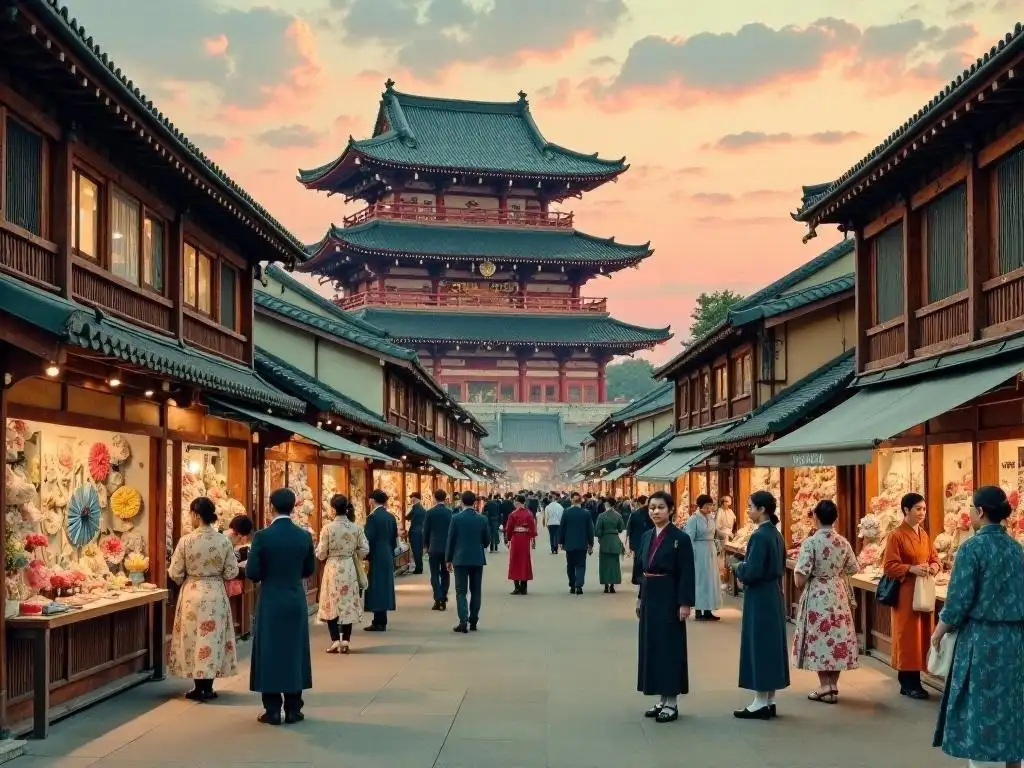
The Edo period, spanning from 1603 to 1868, is notable for its remarkable technological innovations that significantly contributed to urban growth. To fully appreciate these advancements, it is essential to compare them with innovations from other historical periods, particularly within feudal societies. This comparison highlights the unique aspects of the Edo period's technological progress and its impact on Japanese society.
Technological Innovations in Other Feudal Societies
Feudal societies across the world experienced technological advancements, albeit varying in scope and nature. Notable examples include:
- Medieval Europe (5th to 15th Century):
- Agricultural Tools: The heavy plow and three-field system enhanced agricultural output, supporting population growth.
- Architecture: Innovations in Gothic architecture, such as flying buttresses, allowed for taller cathedrals and increased urban centers.
- Textile Production: The spinning wheel revolutionized cloth production, making textiles more accessible.
- Song Dynasty China (960 to 1279):
- Printing Technology: The invention of movable type printing facilitated the spread of knowledge and literacy, paralleling the later developments in Edo.
- Agricultural Innovations: The introduction of rice cultivation from Southeast Asia led to significant population growth and urbanization.
- Mughal Empire (1526 to 1857):
- Architectural Advances: Techniques in marble inlay and the construction of monumental structures like the Taj Mahal reflected advancements in engineering and artistry.
- Water Management: Innovations in irrigation and water management systems improved agricultural efficiency, supporting urban populations.
While these innovations were pivotal in their societies, the unique combination of Edo period technological advancements, particularly in urban infrastructure, commerce, and communication, set it apart. The development of the Tokaido road system and the postal network, for instance, facilitated trade and information flow in ways that were not seen in other feudal societies.
Unique Features of Edo’s Technological Advancements
Edo's technological advancements were characterized by several unique features that played a critical role in shaping its urban growth:
- Urban Infrastructure:
- Fire Prevention Measures: The implementation of firebreaks and fire-resistant building materials addressed the frequent fires in densely populated areas, showcasing a proactive approach to urban planning.
- Canal Systems: Extensive canal networks improved transportation and trade, enabling the movement of goods and people throughout the city.
- Commercial Innovations:
- Rinpa and Ukiyo-e Printing: The use of woodblock printing not only enhanced artistic expression but also facilitated the mass production of literature and artwork, contributing to a vibrant urban culture.
- Emergence of Markets: Innovations in trade practices, such as the establishment of haikwan (merchants’ guilds), supported a burgeoning economy that thrived on the exchange of goods and services.
- Transportation Advancements:
- The Use of Palanquins and Horse-drawn Carts: Innovations in transportation methods improved mobility for both people and goods, fostering greater connectivity within urban areas.
- Increased Accessibility: The development of thoroughfares and urban pathways made the city more navigable, allowing for the efficient movement of the populace.
The unique amalgamation of these technological advancements during the Edo period not only fueled urban growth but also laid the groundwork for modern Japan. The focus on community-centric innovations, fire safety, and efficient trade practices distinguished Edo's technological evolution from that of other historical periods, reflecting a society that was adapting to the challenges of urbanization while fostering cultural growth and economic stability.
Challenges and Limitations of Technological Innovations in Edo
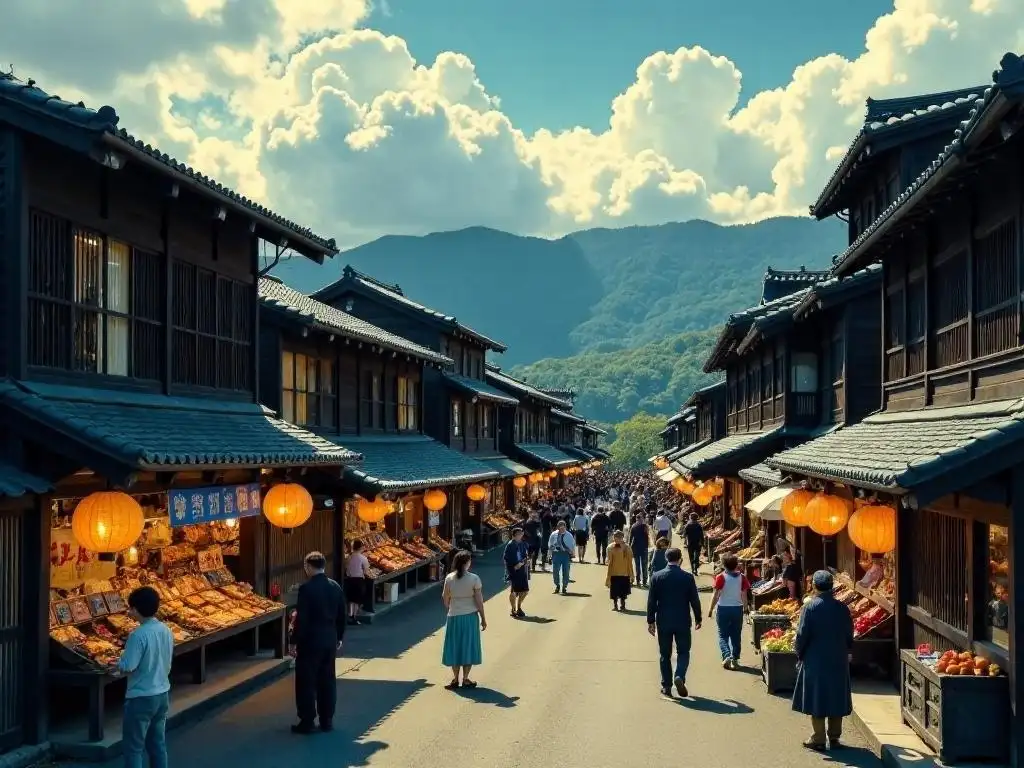
The technological innovations during the Edo period played a significant role in transforming urban life; however, they were not without challenges and limitations. While advancements such as improved agricultural techniques and the development of transportation infrastructure contributed to urban growth, they also introduced various obstacles that affected both society and the environment.
Environmental Impact of Agricultural Advancements
The agricultural advancements in Edo, particularly the introduction of new rice cultivation techniques and irrigation systems, drastically increased productivity. However, these innovations also had notable environmental consequences.
- Intensive Farming Practices:
- The shift to more intensive farming methods, such as double-cropping rice, led to soil depletion. This practice exhausted nutrients in the soil, requiring farmers to rely on chemical fertilizers, which eventually degraded the land's fertility over time.
- Water Resource Management:
- The development of extensive irrigation systems altered local waterways. While these systems improved crop yields, they also caused problems such as water scarcity in some regions and increased vulnerability to flooding in others.
- Deforestation:
- As urban areas expanded, the demand for timber for construction and fuel led to significant deforestation. This loss of forests not only disrupted local ecosystems but also contributed to soil erosion and decreased biodiversity.
- Pollution and Waste Management:
- The growth of urban centers resulted in increased waste production. The lack of effective waste management systems during the Edo period caused pollution in rivers and agricultural fields, which not only affected public health but also reduced agricultural productivity.
The rapid urbanization of Edo brought about profound changes in social structures and relationships, leading to noticeable disparities.
- Economic Inequality:
- While some merchants and landowners prospered from the technological advancements, many laborers and farmers remained impoverished. The wealth generated from urban growth was not evenly distributed, resulting in a widening gap between the rich and the poor.
- Class Distinctions:
- The emergence of a wealthy merchant class challenged the traditional samurai hierarchy. As merchants became more influential, tensions arose between different social classes, leading to conflicts and resentment.
- Access to Education and Resources:
- Urbanization created a disparity in access to education and resources. Wealthier families could afford to educate their children and access better opportunities, while poorer families often could not, perpetuating cycles of poverty.
- Urban Migration Pressures:
- The influx of people migrating to cities in search of work led to overcrowded living conditions. Urban areas struggled to accommodate the growing population, resulting in inadequate housing, sanitation issues, and increased crime rates.
While the Edo period technological advancements contributed significantly to urban growth, they also brought forth substantial challenges and limitations that impacted both the environment and social structures. Acknowledging these complexities is crucial to understanding the multifaceted nature of urbanization during this pivotal era in Japanese history.
Conclusion: The Legacy of Edo Period Technological Advancements
The Edo period (1603-1868) stands as a pivotal era in Japan's history, marked not only by political stability under the Tokugawa shogunate but also by remarkable technological advancements that significantly influenced urban growth. The innovations of this period laid a foundation that continues to affect modern Japan.
Lasting Effects on Modern Japan
The legacy of Edo period technological advancements is evident in various aspects of contemporary Japanese society. Many of the advancements developed during this time have found their way into modern practices, shaping everything from architecture to urban planning.
- Urban Infrastructure
- Road Networks: The extensive road systems established during the Edo period facilitated trade and communication, influencing today’s transportation frameworks. Cities like Tokyo still reflect the patterns of these historical routes.
- Water Management: Innovations in water supply and drainage systems can be traced back to Edo. Techniques developed for managing rivers and irrigation have evolved into modern urban water management systems.
- Commercial Practices
- Market Systems: The growth of urban centers during the Edo period saw the establishment of sophisticated market practices, including the use of standardized weights and measures, which are foundational to Japan's economic systems today.
- Cultural Continuity
- Craftsmanship and Art: Many traditional crafts and artistic practices, such as ukiyo-e (woodblock prints) and kimono making, flourish today and are rooted in the technological innovations of the Edo period.
Reflection on Urban Growth and Innovation in Historical Context
The urban growth witnessed during the Edo period was not merely a byproduct of technological innovation; it was a complex interplay of social, political, and economic factors. The Tokugawa shogunate’s policies encouraged population movement to urban areas, leading to the rise of cities like Edo (modern-day Tokyo) as bustling metropolises.
- Population Dynamics: The Edo period saw a significant increase in urban population, from approximately 200,000 in 1600 to over a million by the late 18th century, driven largely by improved agricultural productivity and innovative transportation methods. This demographic shift created a vibrant urban culture that fostered creativity and commerce.
- Social Structures: The stratification of society into distinct classes (samurai, merchants, artisans, and farmers) facilitated the specialization of labor, which in turn spurred technological innovations. Each class contributed to urban life, with merchants playing a crucial role in economic growth that directly resulted from these technological advancements.
- Cultural Exchange: The relative peace of the Edo period allowed for the exchange of ideas and technologies both domestically and internationally, leading to innovations that would be pivotal in Japan's later modernization.
The technological advancements during the Edo period were instrumental in shaping urban growth and have left a lasting impact on modern Japan. Understanding this historical context not only highlights the ingenuity of the era but also underscores the enduring legacy of those innovations in today’s society.
Frequently Asked Questions
What were the major technological advancements during the Edo period?
The Edo period saw significant technological advancements in areas such as agriculture, transportation, and printing, which greatly contributed to urban growth.
How did transportation innovations impact Edo's urban development?
Innovations like the construction of roads and the use of canals facilitated trade and mobility, leading to increased urbanization and economic prosperity in Edo.
What role did printing technology play in the Edo period?
The development of woodblock printing allowed for the mass production of literature and art, enhancing cultural exchange and education among the populace.
How did agricultural advancements contribute to Edo's growth?
Improvements in farming techniques and irrigation systems boosted food production, supporting a larger population and leading to the expansion of urban areas.
Why is the Edo period significant for understanding Japan's history?
The Edo period represents a pivotal era in Japanese history, characterized by peaceful stability, economic growth, and cultural flourishing, shaping modern Japan's identity.
Final Reflection: The Enduring Legacy of Edo Period Technological Advancements
The technological innovations that fueled Edo's urban growth are not merely relics of the past; they resonate profoundly in our contemporary society. As we navigate an era defined by rapid technological change, understanding how these advancements shaped urban life in Edo provides invaluable insights into our own urban development and the challenges we face today. The ingenuity of the Edo period serves as a reminder that innovation can drive societal progress and transform communities in ways we may not fully appreciate until we reflect on their historical significance.
Cultural and social landscapes are continually influenced by the technological advancements of the past. The innovations of the Edo period laid the groundwork for modern infrastructure, commerce, and social organization, demonstrating how technology can enhance the quality of life. As we witness the ongoing evolution of urban environments, we can draw parallels to the transformative changes that occurred in Edo. Innovation is the ability to see change as an opportunity – not a threat.
This quote encapsulates the spirit of the Edo period, urging us to embrace change and harness it for the betterment of society.
As we conclude this exploration of Edo's technological advancements, I invite you to reflect on how these lessons can be applied to your own life and community. Consider how you can be an agent of change, using technology to address contemporary challenges and foster growth. Whether through sustainable practices, community engagement, or embracing new ideas, each of us has the potential to contribute to a brighter, more innovative future. Let the legacy of Edo inspire you to think creatively and act boldly in the face of change.
Unveil the Future of Urban Growth Inspired by Edo!
Thank you for taking the time to explore the remarkable technological innovations that spurred Edo's urban growth. We hope you found inspiration in how these advancements transformed society and how they can inform our own future!
Now, it's your turn to take action! Here are a few ways you can deepen your understanding and engage with this fascinating topic:
- Dive deeper: Investigate how these innovations compare to contemporary advancements in your own city and identify similarities.
- Share your thoughts: Initiate a discussion with friends or on social media about the impact of technology on urban living today.
- Join our community: Subscribe to our newsletter to stay informed about insights from feudal Japan that can inspire current urban initiatives.
What technologies from Edo do you think could be reintegrated into our modern cities for sustainable growth? We would love to hear your ideas!