
Discover the Enigmatic Architecture of Japan's Feudal Castles: A Traveler's Guide


Welcome to Feudal Japan History! Here, we invite you to embark on a captivating journey through the intricate tapestry of Japan’s feudal era. Dive deep into the fascinating world of Japan feudal castles architecture, where every stone tells a story and every design whispers secrets of a time long past.
Our featured article, "Discover the Enigmatic Architecture of Japan's Feudal Castles: A Traveler's Guide," promises to unveil the mysteries behind these magnificent structures, igniting your curiosity and inspiring your next adventure. Join us as we explore the rich historical, cultural, and societal layers that define this remarkable period in Japan's history. Ready to unlock the wonders of feudal Japan?
- Introduction to Japan's Feudal Castles Architecture
- Historical Context of Japanese Feudal Castles
- Architectural Features of Japan's Feudal Castles
- Notable Feudal Castles to Visit in Japan
- The Cultural Importance of Castles in Feudal Japan
- Exploring the Modern-Day Legacy of Feudal Castles
- Practical Tips for Travelers Exploring Japan’s Feudal Castles
- Conclusion: Embracing the Enigmatic Architecture of Japan's Feudal Castles
- Additional Resources for Further Exploration
- Frequently Asked Questions
- Final Reflection: Embracing the Legacy of Japan's Feudal Castles
- Unveil the Secrets of Japan’s Enigmatic Castles!
Introduction to Japan's Feudal Castles Architecture
Japan's feudal castles are not merely remnants of the past; they are monumental testaments to the rich tapestry of history, culture, and artistry that defined an era of samurai warriors, shoguns, and intricate political alliances. From their strategic locations to their breathtaking designs, these castles offer a unique lens through which to explore the complexities of feudal Japan.
This article delves into the distinctive architectural features of Japan's feudal castles, providing a comprehensive guide for travelers and history enthusiasts alike. As we journey through these historic sites, we will uncover the significance they held during Japan's feudal period and the lasting impact they continue to have on modern culture and tourism.
The Significance of Feudal Castles in Japanese History
Feudal castles, known as shiro in Japanese, played a critical role in the socio-political landscape of Japan from the 12th to the 19th centuries. These architectural marvels were not only military fortifications but also symbols of power, status, and cultural identity.
- Military Function: Initially built to defend against rival clans and invasions, many castles were strategically placed atop hills or near water sources. Their imposing walls and towers provided both a lookout and a stronghold for samurai forces.
- Cultural Centers: Beyond their military significance, these castles served as administrative centers where local lords, or daimyō, governed their territories. They were hubs of cultural exchange, where arts, crafts, and the samurai code of honor flourished.
- Political Statements: The design and grandeur of these castles often reflected the wealth and influence of their rulers. Castles like Himeji and Matsumoto not only showcased impressive architectural skills but also conveyed the authority and stability of the ruling class.
In essence, feudal castles are pivotal to understanding Japan's historical narrative, embodying the complexities of power, culture, and society during a transformative period.
Overview of Japan Feudal Castles Architecture
The architecture of Japan's feudal castles is a captivating blend of functionality, aesthetics, and symbolism. Key features of this architectural style include:
- Yagura (Towers): The most recognizable elements, these multi-storied towers served as watchtowers and residences for the lords. Their intricate designs, often embellished with decorative roofs, are a hallmark of Japanese castle architecture.
- Moats and Walls: Surrounding many castles, moats served as defensive barriers, while thick stone walls and wooden palisades added further protection. The layout often included multiple layers of defenses, showcasing advanced military strategy.
- Gardens and Surroundings: Many castles were designed with carefully landscaped gardens and natural elements, reflecting the Japanese aesthetic of harmony with nature. These gardens contributed to the overall tranquility and beauty of the castle grounds.
- Interior Layout: Inside, castles were designed for both defense and comfort, featuring elaborate rooms for the lord and versatile spaces for administration and hospitality.
The architecture of Japan's feudal castles is a fascinating study of historical significance and artistic expression. Understanding these structures enhances our appreciation for Japan's rich feudal history and invites travelers to explore the magnificent legacies left behind.
Historical Context of Japanese Feudal Castles

Understanding the architecture of Japan's feudal castles necessitates a deep dive into the historical context that shaped their development. These fortifications, symbols of power and resilience, reflect the intricate interplay of societal structures, warfare, and cultural evolution during Japan's feudal era.
The Rise of Feudalism in Japan
Feudalism in Japan emerged during the late Heian period (794-1185) and solidified its influence during the Kamakura period (1185-1333). This system was characterized by a hierarchy where the emperor held nominal power, while real authority lay with the samurai class and local lords, or daimyos. The rise of feudalism was fueled by several factors:
- Political Instability: The decline of central authority led to the rise of regional powers. As the imperial court weakened, local lords began to establish their dominion, necessitating fortified structures for protection and governance.
- Military Necessity: The frequent conflicts between rival clans and the Mongol invasions in the late 13th century emphasized the need for robust defensive architecture. Castles were designed not only as residences but also as military strongholds.
- Economic Changes: The agrarian economy supported the feudal system, with land as the primary source of wealth. Castles often served as administrative centers, where daimyos managed their lands and collected taxes.
As feudalism matured, the architectural styles of these castles evolved, adapting to the needs of their occupants and the threats they faced.
Key Historical Events Shaping Castle Architecture
Several pivotal events were instrumental in shaping the architecture of Japan's feudal castles:
- The Genpei War (1180-1185): This conflict between the Taira and Minamoto clans catalyzed the establishment of fortified structures. Castles like Himeji began to take shape during this time, showcasing early defensive elements such as moats and wooden palisades.
- The Kamakura Shogunate (1185-1333): The establishment of the Kamakura shogunate marked the beginning of a new architectural style. Castles began to incorporate stone foundations and more complex layouts, reflecting the need for enhanced defense mechanisms. The use of tenshu (towers) became prevalent, serving both as lookout points and symbolic representations of power.
- The Sengoku Period (1467-1603): Known as the Age of Warring States, this era saw castle construction reach its zenith. The architecture became more sophisticated, with the introduction of elaborate stone walls and intricate wooden structures. Notable examples include Nagoya Castle and Osaka Castle, which incorporated hirajiro (flatland castles) that utilized the surrounding landscape for strategic advantage.
- The Edo Period (1603-1868): With the unification of Japan under the Tokugawa shogunate, castle architecture shifted towards aesthetic and administrative functions. The castles became symbols of stability and peace, adorned with elaborate interiors and gardens. The Nijo Castle in Kyoto exemplifies this shift, combining defensive features with cultural elements.
The architecture of Japan's feudal castles is a testament to the dynamic shifts in political, military, and cultural landscapes throughout history. From simple wooden structures to grand stone fortifications, these castles encapsulate the essence of Japan’s feudal past and remain a significant attraction for travelers today.
Architectural Features of Japan's Feudal Castles
Distinctive Elements of Japanese Castle Design
Japan's feudal castles are masterpieces of architectural ingenuity, embodying both functionality and aesthetic beauty. These structures were not merely military fortifications; they served as the administrative centers of powerful feudal lords (daimyō) and reflected the cultural characteristics of their time.
Key elements of Japanese castle architecture include:
- Tenshu (Main Keep): Typically the most prominent structure, the tenshu often features multiple stories and serves as a watchtower.
- Yagura (Turrets): These smaller towers provided strategic vantage points and housed weapons and supplies.
- Bailey (Ninomaru): The secondary enclosure that often contained living quarters and administrative buildings, serving both military and residential purposes.
- Entrances and Gates: Crafted for both defense and aesthetics, gates were often adorned with intricate wooden carvings and served as a transition from the outside world to the inner sanctum.
The architectural harmony seen in these castles reflects the principles of Japanese aesthetics, integrating natural elements and emphasizing simplicity and elegance.
Stone Walls and Moats: Defensive Features
The defensive architecture of Japan's feudal castles is characterized by robust stone walls and intricate moats.
- Stone Walls: Constructed from large, interlocking stones, these walls were designed to withstand attacks. The use of stones in a stepped manner not only enhanced structural integrity but also created an imposing presence.
- Moats: Surrounding many castles, moats served as a formidable obstacle against invaders. They were often filled with water, making it difficult for enemy forces to approach. The width and depth of these moats varied by castle, with some featuring additional defensive structures like palisades.
The combination of stone walls and moats exemplifies the dual focus on aesthetics and defense, where beauty does not compromise functionality.
Wooden Structures and Roof Designs: Aesthetic Considerations
While stone provided strength, the wooden structures of feudal castles offered warmth and beauty, showcasing Japan's unique architectural style.
- Kizuki (Wooden Framework): The use of wood in castle construction allowed for flexibility and resilience against earthquakes, a common natural disaster in Japan. The intricate joinery techniques employed, such as kanawa tsugi (mortise and tenon joints), demonstrated advanced craftsmanship.
- Roof Designs: The iconic curved roofs, adorned with tiles ( kawara), not only enhanced aesthetic appeal but also served practical functions, such as shedding rainwater effectively. The ornate karahafu (Chinese-style gables) and irimoya (hip-and-gable roofs) further illustrate the architectural sophistication.
Through these elements, Japan's feudal castle architecture achieved a balance of beauty, functionality, and resilience.
Regional Variations in Castle Architecture
Japan's feudal castles exhibit significant regional variations, influenced by local resources, climate, and cultural exchanges.
Castles in Honshu vs. Hokkaido: A Comparative Analysis
The architectural styles and materials used in castles across the two major islands—Honshu and Hokkaido—reflect their unique historical contexts.
- Honshu Castles: As the political heart of Japan, Honshu is home to some of the most famous castles, such as Himeji and Matsumoto. Here, the castles often feature elaborate stone foundations and extensive moats, reflecting the wealth and power of the daimyō.
- Hokkaido Castles: In contrast, Hokkaido's castles, such as Matsumae, were built later and often utilized more readily available materials like wood and clay. The architectural styles were influenced by the indigenous Ainu culture and the adaptation to harsher climates, resulting in simpler designs compared to their Honshu counterparts.
This comparative analysis highlights how geography and local culture shaped the evolution of castle architecture across Japan.
Influences from Chinese and Korean Architecture
The architectural design of Japan's feudal castles was also significantly influenced by neighboring cultures, particularly China and Korea.
- Chinese Influence: The grandiose style of Chinese architecture can be seen in the use of monumental gates and the layout of castle compounds, which often included multiple courtyards and symmetrical designs. The concept of Feng Shui played a role in site selection and orientation, emphasizing harmony with the surrounding environment.
- Korean Influence: The influence of Korean architecture is particularly visible in the roof designs of Japanese castles. The characteristic sweeping curves of the roofs bear similarities to those found in Korean palaces, suggesting a shared cultural exchange during periods of historical interaction.
These cross-cultural influences enriched the architectural landscape of Japan's feudal castles, creating a unique blend that reflects both indigenous and foreign elements.
Notable Feudal Castles to Visit in Japan
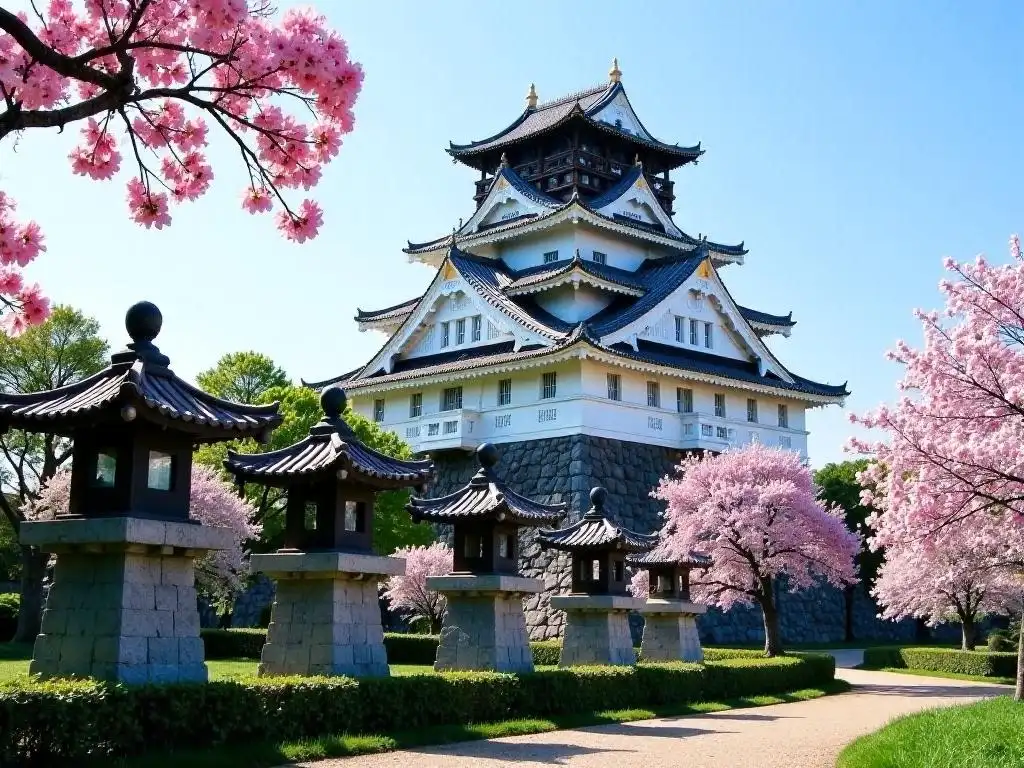
Japan's feudal castles are not only remarkable examples of architecture but also serve as portals into the rich history and culture of the era. Each castle tells a unique story, from the strategic military designs to the aesthetic choices that reflect the values of the time. Here, we explore two of the most notable feudal castles that travelers should not miss: Himeji Castle and Matsumoto Castle.
Himeji Castle: The Pinnacle of Japanese Castle Architecture
Himeji Castle, also known as Shirasagi-jō (White Egret Castle), is often regarded as the finest surviving example of Japanese castle architecture. It was designated a UNESCO World Heritage Site in 1993 and is renowned for its elegant white exterior and complex defensive systems.
Architectural Highlights and Unique Features
- Five-Story Main Keep: The castle's main keep (tenshu) stands majestically with five stories, showcasing intricate wooden construction and traditional Japanese design elements.
- Complex Defensive Structures: The layout includes numerous gates, walls, and moats, designed strategically to thwart intruders. The winding pathways lead to hidden vantage points for defenders.
- Symbolic Design: The white plaster walls not only serve a defensive purpose but also represent purity and elegance, embodying the aesthetic values of the samurai culture.
- Gardens and Surroundings: The surrounding gardens, particularly the Kokoen Garden, provide a serene contrast to the castle’s grandeur, featuring traditional landscape designs that enhance the overall experience.
Visitors can explore the castle's interior, which houses various exhibits detailing its history, architecture, and significance.
Visitor Information and Guided Tours
- Location: Himeji City, Hyogo Prefecture.
- Opening Hours: Generally open from 9:00 AM to 5:00 PM, with extended hours during peak seasons.
- Entry Fee: Approximately ¥1,000 for adults.
- Guided Tours: English-speaking guided tours are available, offering insights into the castle's historical context and architectural features. Reservations are recommended, especially during peak tourist seasons.
Matsumoto Castle: A Blend of Beauty and Functionality
Matsumoto Castle, known as the Black Crow Castle (Karasu-jō) due to its dark exterior, is one of Japan’s most complete and oldest castle complexes. It offers a fascinating glimpse into the military architecture of the feudal period, combined with stunning aesthetic qualities.
The Black Crow Castle: A Historical Overview
- Construction: Built in the late 16th century, Matsumoto Castle served as a fortress during the Sengoku period, a time of intense military conflict.
- Unique Design: Unlike many other feudal castles, Matsumoto Castle features a unique combination of a keep and a series of defensive structures, showcasing the evolution of Japanese castle architecture.
- Cultural Significance: The castle has been preserved as a National Treasure of Japan and is a symbol of Matsumoto City, attracting visitors from around the world.
Tips for Exploring Matsumoto Castle
- Best Time to Visit: Spring during cherry blossom season (late March to early April) or autumn for the vibrant foliage provide stunning backdrops for photography.
- Accessibility: The castle is easily accessible by public transportation, with Matsumoto Station being a short bus ride away.
- Experience the Interior: Climb the steep wooden stairs of the main keep to enjoy panoramic views of the surrounding landscape and the Japanese Alps.
- Local Cuisine: Don’t miss trying local specialties such as soba noodles at nearby restaurants, enhancing your cultural experience.
Each of these castles provides a unique perspective on Japan's feudal past while captivating visitors with their architectural beauty and historical significance. Whether you're an architecture enthusiast or a history buff, exploring these iconic sites will deepen your appreciation for Japan's rich cultural heritage.
Kumamoto Castle: Reconstruction and Preservation Efforts
Kumamoto Castle, one of Japan's most iconic feudal castles, is renowned for its impressive architecture and rich history. After suffering significant damage from the 2016 Kumamoto earthquakes, extensive reconstruction and preservation efforts have been initiated. These efforts aim to restore the castle to its former glory while ensuring its structural integrity against future seismic activities.
The restoration process is not just about repairing physical damage; it also includes the meticulous preservation of the castle's historical elements. Skilled craftsmen are employing traditional techniques to maintain the authenticity of the structure. This blend of modern engineering and historical craftsmanship reflects the commitment to honor the castle's legacy while adapting to contemporary safety standards.
Visitors to Kumamoto Castle can witness these ongoing efforts firsthand. The surrounding areas have been revitalized, and many sections of the castle are now accessible, allowing guests to appreciate the beauty of the architecture and the resilience of the local community.
Architectural Style and Historical Significance
Kumamoto Castle exemplifies the hirayama-style architecture, characterized by its strategic design and fortifications. Built in the early 17th century by the powerful Kato clan, it features a unique combination of stone walls, wooden structures, and intricate roof designs. The castle's imposing keep, or tenshu, stands as a testament to the defensive strategies of the time, with its multiple tiers and elegant curvature.
Historically, Kumamoto Castle played a pivotal role during the Sengoku period, serving as a stronghold for various clans. Its strategic location allowed for effective control over the region, making it a vital military base. The architecture not only reflects the aesthetic values of feudal Japan but also illustrates the technological advancements of the era, such as the use of stone walls to deter attackers.
Today, the castle is recognized as a National Important Cultural Property, attracting historians, architects, and tourists alike. Its architectural significance goes beyond mere aesthetics; it embodies Japan’s feudal history and the evolution of castle design throughout the centuries.
Access and Visitor Experience
Kumamoto Castle is conveniently located in the heart of Kumamoto City, making it easily accessible for travelers. The nearest major transport hub is Kumamoto Airport, which offers connections to various cities across Japan. From the airport, visitors can take a bus or taxi to reach the castle in approximately 30 minutes. Alternatively, the castle is within walking distance from the Kumamoto Station, making it a viable option for those traveling by train.
Once at the castle, visitors are greeted by beautifully landscaped gardens and historical displays. The main keep is a highlight, offering panoramic views of the surrounding area from its upper floors. Guided tours are available, providing insights into the castle's history, architectural details, and ongoing restoration efforts.
For a more immersive experience, visitors can participate in various cultural activities available on-site, such as tea ceremonies and martial arts demonstrations. The castle's museum also showcases artifacts from the feudal era, enriching the visitor's understanding of the time period.
Overall, Kumamoto Castle not only offers a glimpse into Japan's feudal heritage but also serves as a symbol of resilience and cultural pride, making it a must-visit destination for travelers exploring the country’s historic castles.
The Cultural Importance of Castles in Feudal Japan

The architecture of Japan's feudal castles is a testament to the intricate relationship between power, culture, and society during the feudal era. Castles were not merely military fortifications; they served as symbols of authority, governance, and cultural identity. The design and layout of these structures reflect the values and beliefs of the time, making them significant not only in a historical context but also in cultural heritage.
Castles as Centers of Power and Governance
During the feudal period, from the late 12th century to the 19th century, castles functioned as the epicenters of political power. They were strategically constructed to oversee vast territories and served multiple purposes, including administrative, military, and residential functions.
- Strategic Locations:
- Most castles were built on elevated ground or near water sources, providing a tactical advantage against invaders.
- The layout often included moats and walls, enhancing defense mechanisms while showcasing the power of the ruling clan.
- Symbolism of Authority:
- Castles symbolized the authority of the daimyo (feudal lords) and their ability to govern.
- The architecture was often grand, featuring ornate gates and intricate designs that reflected the wealth and status of the ruling family.
- Administrative Functions:
- Castles served as the administrative hubs where local governance took place.
- They housed government officials and acted as command centers for military operations, showcasing the dual role of castles in governance and defense.
The Role of Samurai and Their Influence on Castle Architecture
The samurai class played a crucial role in shaping the architectural features of Japan's feudal castles. Their status, lifestyle, and martial culture directly influenced the design and functionality of these structures.
- Architectural Features:
- The defensive features of castles, such as high walls and watchtowers, were designed to accommodate the samurai's need for protection during conflicts.
- The use of natural elements, such as stones and timber, in construction was influenced by the samurai's connection to nature and the principles of Zen Buddhism.
- Cultural Significance:
- Castles often included ceremonial spaces where samurai could engage in traditional practices, reflecting their cultural values and warrior code (Bushido).
- The aesthetics of castle gardens and interiors were designed to promote tranquility and contemplation, essential aspects of samurai philosophy.
- Evolution of Design:
- As the samurai's role evolved, so did the architecture of the castles. The transition from purely military structures to more luxurious residences marked the rise of the feudal elite.
- Architectural innovations, such as the introduction of the tenshu (main keep), became common, reflecting the samurai's desire for both defense and comfort.
The architecture of Japan's feudal castles not only served functional purposes but also played a pivotal role in expressing the cultural and societal values of the time. The interplay between power, governance, and the samurai's influence created unique architectural masterpieces that continue to fascinate travelers and historians alike.
Exploring the Modern-Day Legacy of Feudal Castles
The architectural grandeur of Japan's feudal castles continues to leave an indelible mark on the cultural landscape of the nation. These castles not only serve as historical monuments but also as vital links to Japan’s rich heritage. Today, efforts to preserve and restore these structures are paramount, ensuring that future generations can appreciate their historical significance and architectural beauty.
Preservation Efforts and UNESCO World Heritage Sites
The preservation of Japan's feudal castles is a multifaceted endeavor that involves government agencies, local communities, and heritage organizations. Key aspects of these efforts include:
- Legal Protection: Many castles are designated as Important Cultural Properties, providing them with legal protection against alterations that could compromise their integrity.
- UNESCO World Heritage Designation: Several feudal castles have been recognized by UNESCO, such as Himeji Castle, which was designated a World Heritage Site in 1993. This designation not only highlights the castle's universal value but also facilitates funding and international support for its preservation.
By 2023, Japan boasts 23 UNESCO World Heritage Sites, with several featuring historic castles that exemplify the country’s architectural prowess and cultural legacy.
Challenges in Maintaining Historical Integrity
Despite concerted preservation efforts, maintaining the historical integrity of feudal castles poses significant challenges:
- Natural Disasters: Japan is prone to earthquakes and typhoons, which can cause severe damage to these ancient structures. For instance, the Kumamoto Castle suffered extensive damage during the 2016 Kumamoto earthquake, highlighting the vulnerability of these historical sites.
- Funding Limitations: Restoration and maintenance require substantial financial resources. Local governments often struggle to secure funding, which can hinder ongoing preservation efforts.
- Modernization Pressures: As urban development accelerates, the encroachment of modern infrastructure can threaten the surroundings of historic castles, compromising their visual and cultural context.
- Climate Change: The impacts of climate change, including rising temperatures and increased rainfall, pose additional risks. These environmental changes can accelerate deterioration processes in traditional building materials used in feudal architecture.
Successful Restoration Projects in Japan
Despite the challenges, several successful restoration projects serve as exemplars of effective preservation strategies:
- Himeji Castle: After extensive restoration efforts completed in 2015, this iconic castle not only restored its structural integrity but also enhanced visitor facilities, improving the overall experience without compromising historical authenticity.
- Osaka Castle: Following a series of restoration works, Osaka Castle was revitalized, incorporating modern technology while respecting its historical design. The castle now features interactive exhibits that educate visitors about its rich history.
- Nagoya Castle: Although damaged during World War II, Nagoya Castle has undergone significant restoration efforts, with plans to reconstruct its iconic donjon using traditional techniques, ensuring that the legacy of feudal architecture continues.
How Feudal Castles Influence Contemporary Japanese Architecture
The architectural principles and aesthetics of feudal castles have significantly influenced modern Japanese architecture. Key influences include:
- Use of Natural Materials: Modern architects often incorporate traditional materials such as wood and stone, reflecting the craftsmanship of feudal architecture. This choice promotes sustainability and harmony with nature, values deeply rooted in Japanese culture.
- Emphasis on Space and Light: Many contemporary buildings draw inspiration from the spatial arrangements found in feudal castles, emphasizing open spaces and the interplay of light and shadow.
- Cultural Symbolism: The iconic shapes and motifs of feudal castles, such as curved roofs and intricate wooden latticework, have become symbols of Japanese identity. Architects often reference these elements in modern designs to evoke historical resonance.
- Integration with Nature: Much like feudal castles that were strategically positioned within their natural surroundings, contemporary architecture in Japan increasingly focuses on blending with the landscape. This approach not only preserves aesthetic integrity but also promotes environmental sustainability.
The legacy of Japan’s feudal castles continues to thrive, influencing both preservation efforts and contemporary architectural practices. As travelers explore these magnificent structures, they are not only witnessing history but also experiencing the enduring impact of feudal architecture on modern Japan.
Practical Tips for Travelers Exploring Japan’s Feudal Castles

Exploring Japan's feudal castles offers a unique glimpse into the nation's rich history and architectural marvels. To make the most of your visit, here are some practical tips that cater specifically to travelers interested in experiencing the grandeur of Japan's feudal castles architecture.
Best Times to Visit Feudal Castles in Japan
When planning your trip to Japan's feudal castles, timing can significantly enhance your experience. The ideal seasons to visit are:
- Spring (March to May):
- This season brings cherry blossoms, creating a stunning backdrop for castle visits. The sight of sakura trees in full bloom against the historical architecture is breathtaking.
- Autumn (September to November):
- The fall foliage transforms the landscapes surrounding the castles, providing vibrant colors that contrast beautifully with the stone walls and wooden structures.
- Avoiding the Rainy Season (June to July):
- Japan experiences a rainy season that can affect visibility and comfort while exploring. If possible, plan your visits outside this period.
- Weekdays vs. Weekends:
- To avoid large crowds, consider visiting on weekdays. Popular castles can be quite busy on weekends and public holidays.
Essential Travel Gear for Castle Exploration
Having the right gear can significantly enhance your exploration of Japan's feudal castles. Here’s a checklist of essential items to pack:
- Comfortable Footwear:
- Castles often have uneven terrain and require a lot of walking. Invest in sturdy walking shoes or hiking boots that provide good support.
- Lightweight Backpack:
- A small backpack is perfect for carrying essentials like water, snacks, and a camera. Look for one that is comfortable and has multiple compartments.
- Weather-Appropriate Clothing:
- Check the weather forecast before your visit. Layering is advisable, as temperatures can vary throughout the day.
- Portable Charger:
- To keep your devices powered for photography and navigation, a portable charger can be invaluable.
- Travel Guidebook or App:
- Having a guidebook or a reliable travel app can enrich your experience with historical insights and practical information about each castle.
Recommended Products for Travelers
Here are some highly recommended products that can make your castle exploration more enjoyable:
| Product Type | Recommended Products | Features |
|---|---|---|
| Footwear | Merrell Moab 2 Hiking Shoes | Waterproof, durable, excellent traction |
| Backpack | Osprey Daylite Plus Daypack | Lightweight, multiple pockets |
| Weather Gear | Columbia Rain Jacket | Waterproof and breathable |
| Power Bank | Anker PowerCore Portable Charger | High capacity, compact design |
| Travel Guide | Lonely Planet Japan Guidebook | Comprehensive insights, maps included |
By preparing adequately and choosing the right time to visit, travelers can fully immerse themselves in the captivating architecture of Japan's feudal castles, ensuring a memorable adventure through history.
Guided Tours vs. Self-Guided Exploration: Which is Right for You?
When planning a visit to Japan's feudal castles, one of the first decisions travelers face is whether to embark on a guided tour or explore the sites independently. Each option offers distinct advantages and challenges that cater to different styles of travel.
Guided Tours
Opting for a guided tour can significantly enhance your experience at Japan's feudal castles. Here are some compelling reasons to consider this option:
- Expert Knowledge: Guided tours are often led by knowledgeable guides who provide valuable insights into the history, architecture, and cultural significance of each castle. Their expertise helps contextualize your visit and enriches your understanding.
- Convenience: Tours typically include transportation, which can be particularly useful in regions where public transit options to remote castles may be limited. This convenience allows you to focus more on enjoying the experience rather than navigating logistics.
- Social Interaction: Joining a group tour provides opportunities to meet fellow travelers, share experiences, and even forge new friendships. This communal aspect can enhance the enjoyment of your journey.
- Curated Experiences: Many guided tours are thoughtfully curated to include popular attractions, scenic views, and lesser-known gems, ensuring that you don’t miss out on key highlights.
However, guided tours can also have drawbacks:
- Time Constraints: Tours often operate on tight schedules, which may limit your time to explore certain areas or fully absorb the atmosphere of a castle.
- Less Flexibility: Joining a group means you are bound to the itinerary set by the tour operator, which might not align with your personal interests or pace.
Self-Guided Exploration
For travelers who prefer a more independent approach, self-guided exploration can be incredibly rewarding. Here’s why you might choose this option:
- Freedom and Flexibility: Exploring on your own allows you to set your schedule and linger at sites that captivate your interest. You can spend as much time as you want photographing the intricate details of a castle’s architecture or simply enjoying the surroundings.
- Personalized Experience: Self-guided tours enable you to tailor your journey according to your preferences, whether you’re interested in specific architectural features or historical anecdotes. You can also choose the order in which you visit sites.
- Off-the-Beaten-Path Discoveries: When navigating on your own, you might stumble upon hidden gems or lesser-visited castles that are not part of standard tour itineraries. This can lead to unique and memorable experiences.
Considerations for Making Your Choice
Ultimately, the decision between guided tours and self-guided exploration depends on your travel style, interests, and priorities. Consider the following factors:
- Time Available: If you have limited time but want to see as much as possible, a guided tour may be the best option. Conversely, if you have ample time and want to immerse yourself in the experience, self-guided exploration could be more fulfilling.
- Interest Level: For history enthusiasts who crave in-depth knowledge, a guided tour may be ideal. If you prefer a casual visit and enjoy learning at your own pace, self-exploration might be more suitable.
- Comfort with Navigation: If you’re comfortable navigating public transport and enjoy planning routes, self-guided exploration can be a great adventure. If navigating a foreign country feels daunting, a guided tour can alleviate those concerns.
Whether you choose guided tours or self-guided exploration, visiting Japan's feudal castles promises an unforgettable journey through history. Each option has its merits, so weigh your preferences carefully to ensure an enriching experience.
Conclusion: Embracing the Enigmatic Architecture of Japan's Feudal Castles
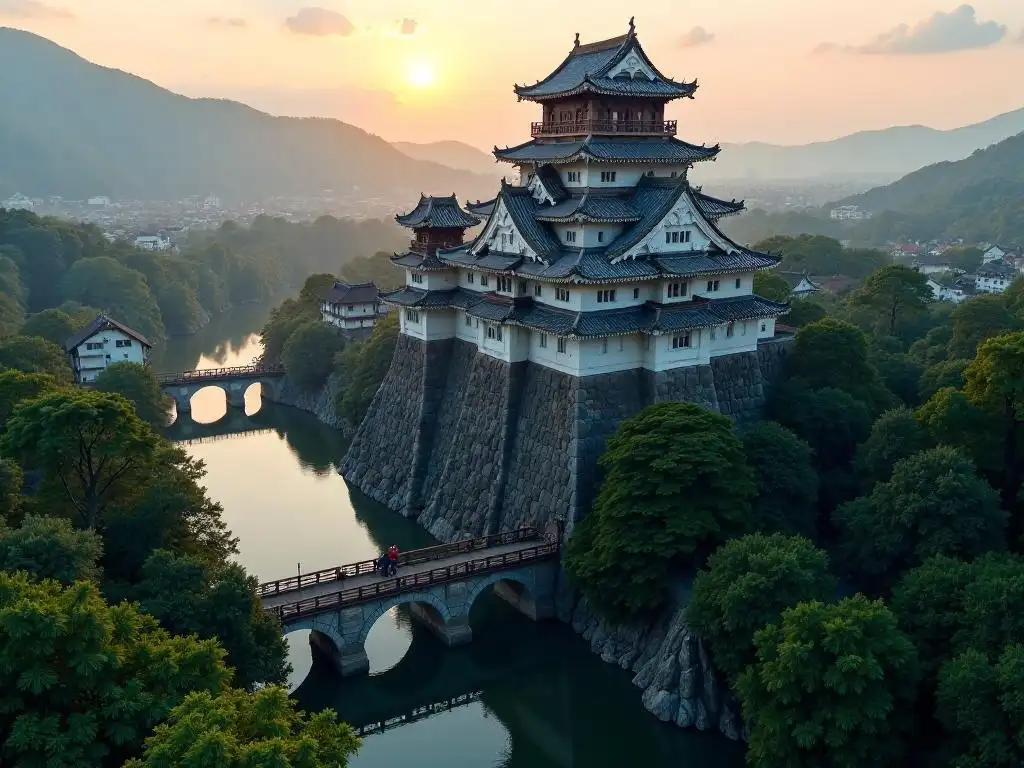
The architecture of Japan's feudal castles stands as a testament to the ingenuity and artistry of a bygone era. These structures, characterized by their unique designs and defensive features, reflect the cultural, social, and political dynamics of feudal Japan. As we conclude our exploration, it is essential to appreciate the lasting legacy these castles have left on modern Japanese society and their significance as a symbol of historical pride.
The Lasting Legacy of Japan's Feudal Era
The feudal era in Japan, spanning from the late 12th century to the 19th century, was marked by the rise of powerful samurai clans and the establishment of a complex social hierarchy. The castles built during this time were not merely military fortifications; they were also centers of administration and culture. Notable examples, such as Himeji Castle and Matsumoto Castle, exemplify the architectural advancements of the period, blending functionality with aesthetic beauty.
- Architectural Features:
- Stone Foundations: Many feudal castles were constructed on elevated stone bases, providing both a strategic advantage and a visual grandeur.
- Wooden Structures: Traditional wooden buildings with intricate joinery and decorative elements, such as ornate roofs and painted screens, highlight the craftsmanship of the era.
- Moats and Walls: Defensive features like deep moats and high walls not only protected the inhabitants but also added to the imposing presence of the castles.
- Cultural Significance:
- Symbol of Power: Castles were symbols of the ruling samurai clans, representing their power and influence in society.
- Cultural Hubs: Beyond their military purposes, these castles served as cultural hubs where art, literature, and politics thrived.
As time progressed, many of these castles have undergone restoration and preservation efforts, allowing them to remain as historical landmarks. Their architectural styles have influenced modern Japanese buildings, contributing to a unique cultural identity.
Encouragement to Explore and Experience the History
For travelers and history enthusiasts, visiting Japan’s feudal castles offers a unique opportunity to step back in time and immerse oneself in the rich tapestry of Japan's history. Each castle tells a story, inviting exploration and discovery. Here are some recommendations for an enriching experience:
- Plan Your Visits: Several castles, such as Nijo Castle in Kyoto and Nagoya Castle, are easily accessible for tourists and offer guided tours to enhance your understanding of their historical context.
- Participate in Events: Many castles host seasonal events, reenactments, and festivals that celebrate their heritage, providing visitors with an engaging way to experience feudal culture.
- Capture the Beauty: The architectural elegance and scenic surroundings of these castles make them ideal for photography, offering a glimpse into the past against the backdrop of Japan's natural beauty.
By embracing the enigmatic architecture of Japan's feudal castles, you not only gain insight into the architectural prowess of the time but also connect with the enduring spirit of a civilization that values its history and traditions. As you embark on your journey, remember that each castle is a chapter in the grand narrative of Japan’s feudal era, waiting to be explored.
Additional Resources for Further Exploration
Recommended Books and Documentaries on Japan Feudal Castles
Exploring the intricate architecture of Japan's feudal castles can be greatly enhanced by delving into well-researched literature and engaging documentaries. Here’s a curated list of recommended resources:
Books
- "Japanese Castles: 100 of Japan's Most Famous Castles" by Stephen Turnbull
- This book offers a comprehensive overview of Japan's most notable castles, complete with illustrations and historical context. It serves as an excellent resource for travelers wishing to understand the significance of these structures.
- "The Architecture of Japan" by David Young
- Young's work explores the evolution of Japanese architecture, including castles. It provides insights into the materials, styles, and cultural influences that shaped these magnificent structures.
- "Castles of the Samurai: The Story of Japan's Ancient Castles" by Michael D. F. McNaughton
- This book not only details the architectural features of samurai castles but also examines the historical narratives that surround them.
Documentaries
- "Secrets of Japan's Castles" (NHK)
- This documentary takes viewers on a journey through some of the most iconic castles in Japan. It combines stunning visuals with expert commentary to reveal the engineering marvels behind these historical fortresses.
- "The Samurai's Castle"
- A visually captivating exploration of how castles functioned as military strongholds during Japan’s feudal period, highlighting both their strategic importance and architectural beauty.
Online Platforms for Booking Tours and Experiences
For those interested in experiencing Japan's feudal castles firsthand, several online platforms cater to travelers looking for guided tours and immersive experiences. Here are some notable options:
- Viator
- Viator offers a variety of tours that focus on Japan's historical sites, including feudal castles. Options range from guided tours to customizable experiences, providing flexibility for travelers.
- Klook
- Klook features a comprehensive selection of tours and tickets for various castles throughout Japan. Users can find promotional deals and book experiences that include local guides, enhancing the exploration process.
- GetYourGuide
- This platform provides access to unique tours, including castle visits that often combine cultural insights with historical narratives. Travelers can read reviews and choose from various packages tailored to their interests.
- Japanican
- Japanican specializes in travel experiences throughout Japan, including castle tours. It often includes transport arrangements, making it convenient for travelers looking to visit multiple historical sites in one trip.
By utilizing these resources and platforms, travelers can deepen their understanding and appreciation of Japan's feudal castles architecture while planning memorable visits to these historic sites.
Frequently Asked Questions
What are Japan's feudal castles known for?
Japan's feudal castles are renowned for their unique architectural styles, combining defensive features with aesthetic beauty. They often showcase intricate woodwork, stone foundations, and moats, reflecting their historical significance.
How did the architecture of feudal castles evolve over time?
The architecture of Japanese feudal castles evolved from simple fortifications to more complex structures, influenced by political changes, military needs, and cultural developments throughout the centuries.
What materials were primarily used in constructing feudal castles?
Feudal castles in Japan predominantly utilized wood for structures, while stone was used for foundations and walls. This choice of materials reflects the need for both durability and aesthetic appeal.
Can visitors explore Japan's feudal castles today?
Yes, many of Japan's feudal castles are preserved or reconstructed, allowing visitors to explore their historical significance and architectural beauty. Some castles also host museums showcasing artifacts from the era.
What role did feudal castles play in Japanese society?
Feudal castles served as military strongholds and the residences of daimyos (feudal lords), playing a crucial role in the political landscape of Japan. They were centers of administration, culture, and power during the feudal era.
Final Reflection: Embracing the Legacy of Japan's Feudal Castles
The architectural marvels of Japan's feudal castles are not merely relics of the past; they are vibrant symbols of resilience and cultural identity that continue to resonate in today's world. As we navigate an era marked by rapid change and globalization, the intricate designs and historical significance of these castles remind us of the importance of preserving our heritage. They stand as testaments to the ingenuity of past civilizations, inviting us to explore their stories and the values they embody.
The influence of Japan's feudal castles extends beyond their physical structures; they shape our understanding of history, culture, and community. These castles are not just monuments; they are living narratives that connect us to the lives of those who once inhabited them. As we walk through their gates, we are reminded of the words of the renowned architect Tadao Ando: Architecture is not about space but about time.
The castles encapsulate the essence of their era, allowing us to reflect on the passage of time and the enduring spirit of the Japanese people.
As you contemplate your journey through Japan's feudal castles, I invite you to consider how these magnificent structures can inspire your own life. Take a moment to reflect on the stories they tell and the lessons they impart about strength, perseverance, and cultural pride.
Whether you are an avid traveler or a history enthusiast, let the architectural beauty and rich history of these castles motivate you to seek out and cherish the stories within your own community. Embrace the legacy of Japan's feudal castles, and let it guide you in your quest for understanding and connection in an ever-evolving world.
Unveil the Secrets of Japan’s Enigmatic Castles!
Thank you for diving into the captivating world of Japan's feudal castles with us! You've gained insights into their rich history and breathtaking architecture. Now, it’s time to take your exploration further.
Here are a few ways you can immerse yourself in the beauty and tales of these magnificent structures:
- Plan a visit to one of Japan’s iconic castles—experience the grandeur firsthand and capture unforgettable memories.
- Join a local history group or an online forum to share your thoughts and connect with fellow enthusiasts who are passionate about the fascinating era of feudal Japan.
- Create your own adventure by researching lesser-known castles—uncover hidden gems waiting to be explored!
Now, we want to hear from you: Which castle would you visit first, and what draws you to it? Share your thoughts and let's spark a conversation about these architectural wonders!