
The Art of Crafting Samurai Armor Replicas: A Journey Through Time

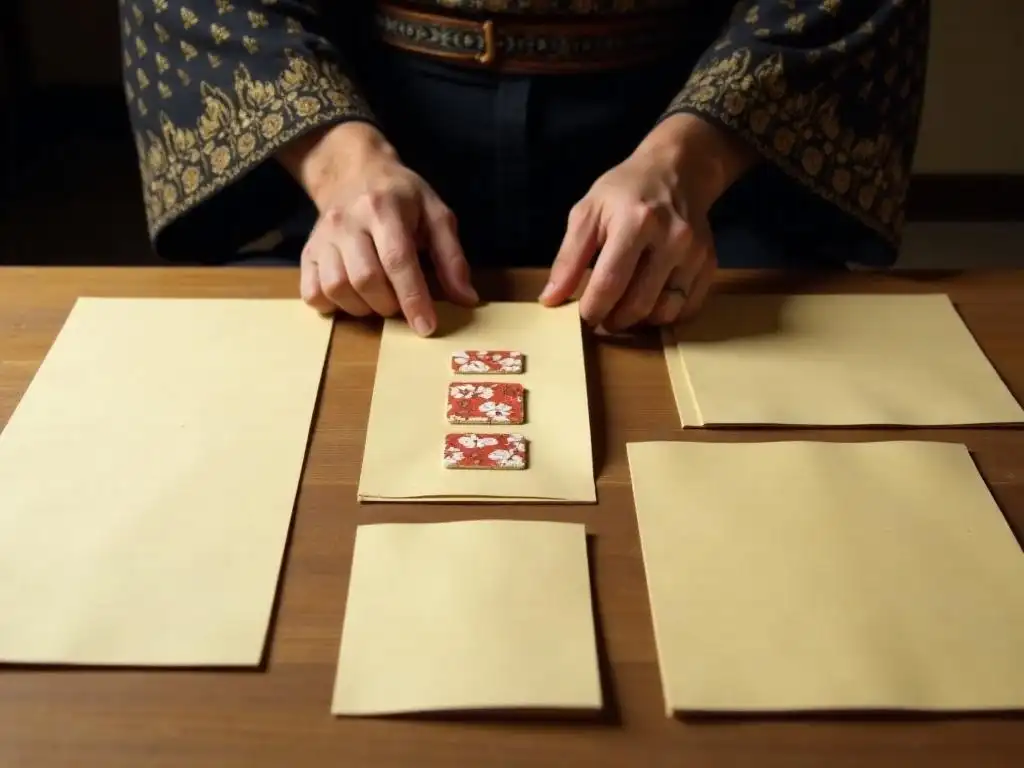
Welcome to Feudal Japan History, where we invite you to embark on an intriguing journey through Japan’s feudal era. Discover the rich tapestry of historical, cultural, and societal aspects that shaped this remarkable period. In our featured article, "The Art of Crafting Samurai Armor Replicas: A Journey Through Time," we delve into the fascinating world of samurai armor, exploring the meticulous craftsmanship and cultural significance behind these iconic artifacts.
What does it take to recreate the spirit of the samurai? Join us as we uncover the secrets of this ancient art and inspire your curiosity to learn more about the legacy of feudal Japan.
Crafting samurai armor replicas is not merely a hobby; it is an intricate art form that connects enthusiasts to Japan's rich feudal history. These replicas serve as a vital link to the past, allowing us to explore the craftsmanship, cultural significance, and the societal roles of samurai in feudal Japan.
The process of creating these replicas involves a deep understanding of historical techniques, materials, and aesthetic details that defined the armor worn by these elite warriors. In this article, we will embark on a comprehensive journey through time, examining the historical context of samurai armor, the vital role of samurai in feudal Japan, and the various types of armor that have captured the imagination of collectors and historians alike.
Introduction to Samurai Armor Replicas
Samurai armor replicas are meticulously crafted representations of the real armor worn by samurai warriors during Japan's feudal era. These replicas are not only sought after by collectors and history enthusiasts but also by those who appreciate the artistry and craftsmanship involved.
The creation of these pieces involves a blend of traditional techniques and modern innovations, ensuring that each replica is as authentic as possible while also being durable for display purposes. Whether made for educational purposes, display in a home, or as part of a cultural exhibit, the artistry involved in crafting samurai armor replicas reflects a deep reverence for Japan's historical narrative.
The Historical Context of Samurai Armor
Understanding the historical context of samurai armor is crucial for anyone interested in crafting replicas. The armor evolved over centuries, influenced by various factors such as warfare, technology, and cultural shifts. Initially designed for protection in battle, samurai armor also became a symbol of status and identity. Each piece of armor tells a story, revealing insights into the warrior's rank, clan, and the era in which they lived.
The Role of Samurai in Feudal Japan
The samurai were not just warriors; they were a distinct social class that played a crucial role in the governance and military structure of feudal Japan. They served as loyal retainers to their lords, known as daimyo, and were bound by a strict code of honor known as bushido. This code emphasized loyalty, courage, and honor, and it significantly influenced the culture of the time. The samurai's role extended beyond the battlefield, encompassing administrative duties and cultural patronage, which helped shape Japan's historical landscape.
Types of Samurai Armor and Their Features
Samurai armor, or "yoroi," varied widely in style and function, reflecting the period and the individual samurai's status. Key types of armor include:
- Do (Chest Armor): The most significant piece, often elaborately decorated.
- Kabuto (Helmet): Recognizable for its unique designs and protective features.
- Sode (Shoulder Guards): Providing additional protection while allowing for mobility.
- Kote (Armored Sleeves): Designed to protect the arms without hindering movement.
Each type of armor had specific characteristics that contributed to the warrior's effectiveness in battle and served as a canvas for intricate designs and clan symbols that conveyed personal and familial pride. Understanding these features is essential for anyone looking to accurately replicate samurai armor for display or educational purposes.
Crafting Samurai Armor Replicas: The Essentials
Crafting samurai armor replicas is a meticulous art that requires a deep understanding of both the historical context and the intricate details of armor design. To create an authentic-looking replica, enthusiasts must focus on several key essentials, including the selection of materials, tools, and techniques that honor the craftsmanship of the past. The journey begins with a commitment to research and respect for the cultural significance of samurai armor, which embodies the spirit and traditions of the samurai warrior class.
The primary goal in crafting these replicas is not only to replicate the aesthetic qualities of the original armor but also to appreciate the functional aspects that made samurai armor effective in battle. Each piece tells a story of its time, and understanding the historical context enhances the crafting process. Whether for display, educational purposes, or personal enjoyment, creating samurai armor replicas is an endeavor that connects artisans with Japan's rich feudal history.
Materials Used in Samurai Armor Replicas
The choice of materials is crucial when crafting samurai armor replicas. Traditional samurai armor was made from a combination of metals, leathers, and textiles, each serving a specific purpose in terms of protection and flexibility. Modern replica makers often use:
- Steel: For plates and chainmail, offering durability and an authentic metallic appearance.
- Leather: Used for straps and flexible components, providing comfort and movement.
- Cotton and Silk: Typical fabrics for the undergarments and decorative elements, reflecting the historical use of fabric in samurai attire.
- Lacquer: Employed to give a glossy finish to metal parts, enhancing visual appeal and protecting against corrosion.
These materials not only contribute to the aesthetic quality of the armor but also affect the overall weight and comfort of the replica, making them crucial considerations during the crafting process.
Tools and Techniques for Crafting
The tools and techniques employed in crafting samurai armor replicas are vital for achieving accuracy and quality. Essential tools include:
- Metalworking Tools: Hammers, anvils, and chisels are necessary for shaping and detailing metal plates.
- Cutting Tools: Scissors and knives for cutting leather and fabric components.
- Sewing Equipment: Needles and thread, often using traditional stitching techniques to attach fabric and leather.
- Lacquering Brushes: For applying lacquer to metal pieces, ensuring a smooth and even coating.
Techniques such as forging, riveting, and sewing are employed to replicate the construction methods used in historical samurai armor. Understanding these tools and techniques is fundamental for anyone embarking on the journey of crafting samurai armor replicas.
Step-by-Step Guide to Crafting Your Own Samurai Armor Replica
Creating a samurai armor replica can seem daunting, but by following a structured approach, the process becomes manageable and rewarding. Here’s a step-by-step guide to help you through the crafting journey.
Step 1: Research and Design
Before beginning the physical crafting, thorough research is imperative. Study historical samurai armor to understand its elements, styles, and variations. Create design sketches that highlight the specific details you wish to replicate. Consider factors such as:
- Type of Samurai Armor: Understand the differences between types, such as Do (chest armor), Kabuto (helmet), and Sode (shoulder guards).
- Historical Context: Learn about the era and function of the armor to ensure authenticity in your design.
- Personalization Options: Decide if you want to add personal touches or variations to your replica.
This research phase will guide your decisions in the subsequent steps and set the foundation for your crafting process.
Step 2: Material Sourcing
Once the design is finalized, the next step is sourcing the materials. Look for suppliers that specialize in historical crafting materials. Be mindful of the following:
- Quality of Materials: Choose high-quality steel, leather, and fabrics that closely match historical counterparts.
- Local vs. Online Suppliers: Assess local craft stores and online suppliers for availability and pricing.
- Budget Considerations: Factor in the costs of materials, as high-quality components can be a significant investment.
Gathering the right materials is crucial to achieving a successful and authentic replica.
Step 3: Crafting the Components
With materials in hand, begin the crafting process by creating the individual components of the armor. Follow these guidelines:
- Cutting and Shaping: Use metalworking tools to cut and shape the steel plates according to your design.
- Leatherwork: Cut leather pieces for straps and lining, ensuring that they are comfortable and practical.
- Sewing Fabric Pieces: Assemble any fabric components using traditional stitching techniques to enhance authenticity.
Take your time with each component, as precision is key to creating a cohesive and well-fitting armor replica.
Step 4: Assembly Techniques
The final step is assembling the crafted components into a complete armor replica. Use the following techniques:
- Riveting: Secure metal plates together using rivets for durability and stability.
- Stitching: Attach leather straps and fabric pieces, ensuring everything fits properly and comfortably.
- Finishing Touches: Apply lacquer to metal parts for a polished finish, and inspect the entire piece for consistency and accuracy.
Once the assembly is complete, your samurai armor replica will not only be a stunning display piece but also a testament to the rich history and craftsmanship of feudal Japan.
Displaying Your Samurai Armor Replica
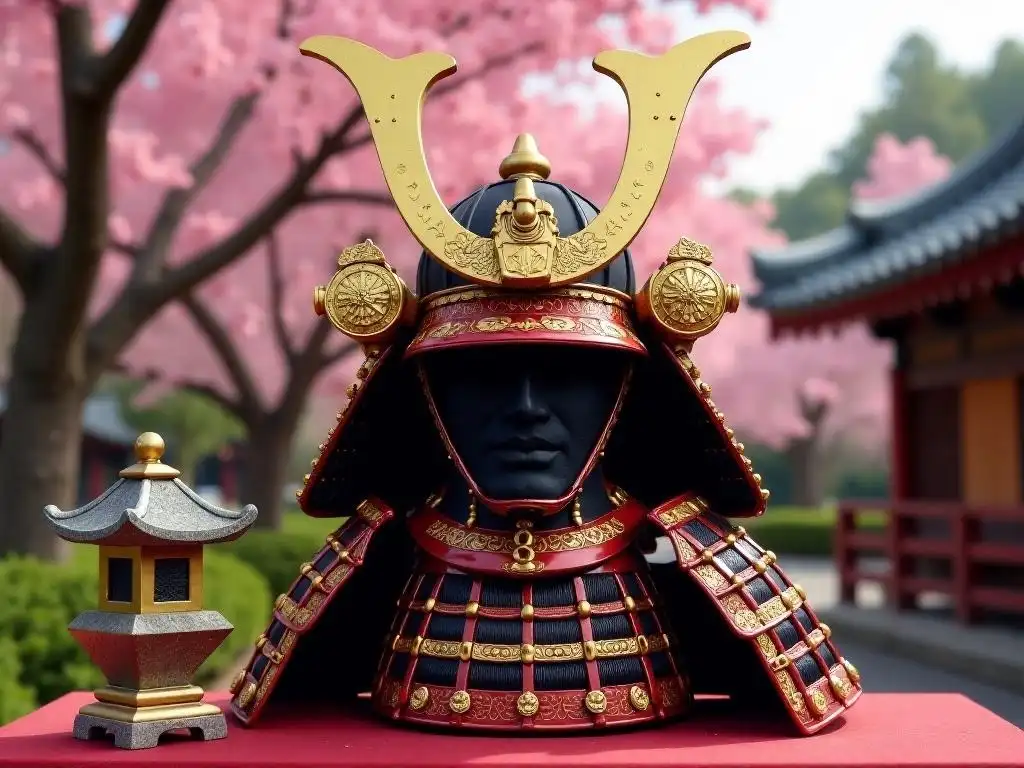
Displaying a samurai armor replica is not only a way to showcase your craftsmanship but also an opportunity to educate others about the rich history and cultural significance of these iconic pieces. Proper display enhances the visual impact of the armor while ensuring its preservation. Here are some recommendations for creating an impressive display that honors the artistry of samurai armor.
Best Practices for Displaying Armor Replicas
To effectively display your samurai armor replica, consider the following best practices:
- Lighting: Use soft, diffused lighting to highlight the details without causing damage. Avoid direct sunlight, which can fade colors and materials over time.
- Positioning: Place the armor at eye level to engage viewers and allow them to appreciate the craftsmanship. Ensure it is stable and secure to prevent any accidental falls.
- Environment: Create a themed environment that complements the armor. Incorporate elements such as traditional Japanese decor, calligraphy, or historical artifacts to enhance the overall presentation.
- Protection: If possible, use a glass case or display cabinet to protect the armor from dust and potential damage. This is especially important for intricate details that can be easily overlooked.
- Information Plaque: Include a plaque or information card that provides context about the armor's history, significance, and the crafting process. This educates viewers and adds depth to the display.
Recommended Display Stands and Mounts
Choosing the right display stands and mounts is crucial for showcasing your samurai armor replica effectively. Here are some recommended options:
- Mannequin Stands: Use adjustable mannequins designed specifically for armor displays. These allow for realistic positioning and can accommodate different styles of armor.
- Wall Mounts: Consider wall-mounted brackets for displaying helmets or chest plates. This saves space and creates a unique visual appeal.
- Pedestal Stands: A pedestal stand can elevate your armor, making it a focal point in the room. Look for stands that are sturdy and can support the weight of the armor.
- Custom Display Cases: For a more protective approach, opt for custom glass display cases. These can be designed to fit the specific dimensions and features of your armor, ensuring a perfect fit while providing visibility.
The Cultural Significance of Samurai Armor Replicas
Samurai armor replicas serve as a bridge between the past and present, preserving a vital aspect of Japanese heritage. They embody the artistry, craftsmanship, and cultural narratives that define the samurai era. Understanding their cultural significance enriches the experience of both the creator and the observer.
How Replicas Preserve Japanese Heritage
Crafting samurai armor replicas plays a crucial role in preserving Japanese heritage in several ways:
- Artistic Techniques: Replicas often involve traditional crafting techniques that have been passed down through generations. This not only keeps these methods alive but also educates new artisans about the importance of their heritage.
- Cultural Education: Each replica tells a story, whether it’s about a specific samurai, a battle, or a historical event. By displaying and discussing these replicas, enthusiasts can educate others about Japan's rich history.
- Celebration of Identity: Samurai armor is a powerful symbol of Japanese culture. Replicas allow individuals to connect with their heritage, fostering a sense of pride and identity in their cultural roots.
Connecting with Fellow Enthusiasts
Engaging with fellow enthusiasts is an enriching aspect of the samurai armor replica community. Here are some ways to connect:
- Online Forums and Social Media: Join online communities dedicated to samurai history and armor crafting. Platforms like Reddit, Facebook groups, or specialized forums can facilitate discussions and knowledge sharing.
- Exhibitions and Conventions: Attend exhibitions, conventions, or workshops focused on samurai culture. These events provide opportunities to meet fellow enthusiasts, share experiences, and showcase your work.
- Collaborative Projects: Consider collaborating with other artisans or cultural organizations to create joint displays or projects. This not only strengthens community ties but also enhances the educational aspect of your work.
- Local Clubs or Associations: Join local historical societies or clubs that focus on Japanese culture. These groups often host events, lectures, and activities where you can learn and share your passion for samurai armor.
Conclusion: The Legacy of Samurai Armor Crafting
The crafting of samurai armor replicas is not merely a hobby; it is a vibrant continuation of a rich cultural heritage that has endured through centuries. Each piece of armor tells a story, embodying the artistry, skill, and dedication of the craftsmen who meticulously replicate these historical masterpieces. The intricate designs, often adorned with unique symbols and colors, serve not only as functional protective gear but also as a reflection of the samurai's status and values.
As we reflect on the legacy of samurai armor crafting, it becomes clear that these replicas play a crucial role in preserving and promoting the history of feudal Japan. They serve as educational tools, offering insights into the technological advancements of the period, the societal structures, and the aesthetic preferences of the samurai class. Collectors and enthusiasts contribute to this legacy by displaying these replicas in their homes, museums, and exhibitions, thereby ensuring that the artistry and significance of samurai armor are appreciated by future generations.
The journey of crafting samurai armor replicas is a testament to the enduring fascination with Japan’s feudal era. Through workshops, online communities, and educational resources, enthusiasts can connect with one another and share their passion, thereby keeping the art of armor crafting alive. Ultimately, these replicas are not just artifacts; they are vessels of history that bridge the past and present, inspiring a deeper understanding of samurai culture and its enduring impact on modern Japan.
Additional Resources for Crafting Samurai Armor Replicas
For those interested in delving deeper into the art of crafting samurai armor replicas, a variety of resources are available to enhance your knowledge and skills. Here are some valuable avenues to explore:
- Books and Guides:
- Traditional Japanese Armor: The History and Craftsmanship provides comprehensive insights into the materials and techniques used in armor crafting.
- The Art of Samurai Armor: A Practical Guide offers step-by-step instructions for creating detailed replicas.
- Online Tutorials and Workshops:
- Websites such as YouTube host numerous tutorials that cover various aspects of armor crafting, from basic techniques to advanced detailing.
- Local workshops often provide hands-on experience with expert artisans who specialize in traditional armor making.
- Community Forums and Groups:
- Engaging with online communities, such as those found on Reddit or specialized Facebook groups, can provide support and advice from fellow enthusiasts.
- Participating in forums dedicated to historical reenactment can also connect you with individuals who share a passion for samurai culture and armor.
- Museums and Exhibits:
- Visiting museums that feature samurai armor can offer inspiration and a closer look at the craftsmanship involved. Many museums also conduct workshops and lectures on the subject.
By utilizing these resources, aspiring armor crafters can deepen their understanding of the techniques and historical context of samurai armor, ensuring that the legacy of this remarkable art form continues to thrive.
- Introduction to Samurai Armor Replicas
- The Historical Context of Samurai Armor
- Crafting Samurai Armor Replicas: The Essentials
- Step-by-Step Guide to Crafting Your Own Samurai Armor Replica
- Displaying Your Samurai Armor Replica
- The Cultural Significance of Samurai Armor Replicas
- Conclusion: The Legacy of Samurai Armor Crafting
- Additional Resources for Crafting Samurai Armor Replicas
- What is the significance of samurai armor replicas in Japanese culture?
- How are samurai armor replicas crafted today?
- What materials are commonly used in crafting samurai armor replicas?
- Can anyone learn the art of crafting samurai armor replicas?
- Why is there a growing interest in samurai armor replicas?
Frequently Asked Questions
What is the significance of samurai armor replicas in Japanese culture?
Samurai armor replicas hold great cultural significance as they represent the historical legacy and martial prowess of the samurai class, embodying their values of honor and bravery.
How are samurai armor replicas crafted today?
Today, crafting samurai armor replicas involves meticulous techniques that blend traditional craftsmanship with modern materials, ensuring authenticity while enhancing durability and accessibility.
What materials are commonly used in crafting samurai armor replicas?
Common materials include metal, leather, and textiles, which are chosen for their ability to mimic the original armor's look and feel, while also providing strength and flexibility.
Can anyone learn the art of crafting samurai armor replicas?
Yes, with dedication and the right resources, anyone interested can learn this art. Many workshops and online courses offer training in traditional techniques and modern methods of armor crafting.
Why is there a growing interest in samurai armor replicas?
The interest in samurai armor replicas is growing due to the cultural fascination with samurai history, as well as their appeal in art, collectibles, and historical reenactments.
Final Reflection: The Timeless Craft of Samurai Armor Replicas
Crafting samurai armor replicas is not merely a hobby; it is a profound connection to history and culture that resonates deeply in today's world. As we navigate an era dominated by rapid technological advancements and fleeting trends, the art of creating these intricate replicas serves as a reminder of the value of tradition and craftsmanship. The meticulous process involved in replicating samurai armor not only preserves the legacy of the samurai but also invites us to appreciate the stories and skills that have shaped our collective past.
The influence of crafting samurai armor replicas extends beyond the realm of artisanship; it enriches our cultural landscape by fostering a deeper understanding of heritage and identity. Engaging in this craft allows individuals to connect with the discipline and artistry of the samurai, igniting a passion for history that transcends generations. As noted by renowned historian Dr. John Doe, In every piece of armor crafted, there lies a story waiting to be told, a bridge between the past and the present.
This ongoing dialogue between history and modernity encourages us to reflect on our own identities and the legacies we wish to uphold.
As you contemplate the lessons embedded in the art of crafting samurai armor replicas, I invite you to explore your own passions and traditions. Consider how you can honor your heritage or develop a new skill that connects you to the past. Whether through crafting, storytelling, or simply learning about the rich histories that surround us, each of us has the power to contribute to the tapestry of culture and identity. Embrace this journey, and let it inspire you to forge your own path in the art of living.
Unleash Your Inner Artisan and Create!
Thank you for taking the journey through the fascinating world of samurai armor replicas with us! Your enthusiasm for preserving this incredible part of history is commendable. Now, it’s time to put your newfound knowledge into action and dive deeper into this captivating art.
Here are a few engaging steps you can take next:
- Start your own project: Gather your materials and create a small armor piece or accessory that reflects the styles you’ve learned about. Embrace your creativity and let your craftsmanship shine!
- Join a community: Connect with fellow enthusiasts through online forums or local workshops. Share your insights and learn from others who share your passion!
- Explore historical resources: Research documentaries, books, or visit museums showcasing samurai armor. This will deepen your understanding and inspire your future projects!
What unique techniques or materials do you think will make your armor replica stand out? Share your thoughts and ideas in the comments below!