
The Legacy of Feudal Farmers: How Their Practices Influenced Modern Agriculture

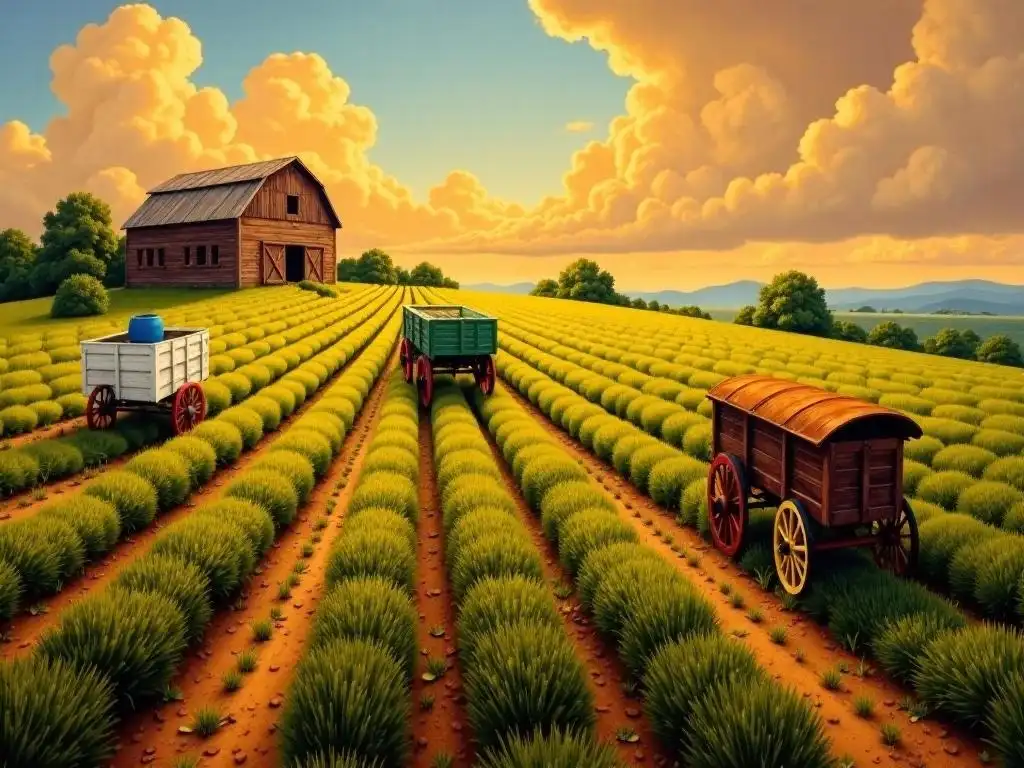
Welcome to Feudal Japan History, where we embark on a captivating journey through the intricate tapestry of Japan’s feudal era. Discover how the influence of feudal farmers resonates through time, shaping modern agriculture in ways you might never have imagined. Our featured article, "The Legacy of Feudal Farmers: How Their Practices Influenced Modern Agriculture," delves deep into the innovative techniques and cultural traditions that laid the groundwork for today’s agricultural practices. Are you curious about how the past informs the present? Join us as we explore the rich history that continues to cultivate our world!
Introduction to Feudal Farmers and Their Role in Japanese Society
The legacy of feudal farmers in Japan is a significant yet often overlooked chapter in the broader narrative of the nation’s history. During the feudal era, which spanned from the late 12th century until the 19th century, agriculture formed the backbone of society and the economy. Feudal farmers were not merely laborers; they were pivotal in shaping the agricultural practices that would influence modern methodologies.
Their techniques, tools, and relationships with the land have left an indelible mark on Japan’s agricultural landscape, providing insights into sustainable practices that resonate even today. Understanding the influence of these farmers helps illuminate the evolution of agricultural practices and offers a glimpse into the socio-economic structures of feudal Japan.
Understanding the Feudal System in Japan
At the heart of feudal Japan was a complex social hierarchy that dictated land ownership and labor. The shogunate, or military government, held the highest power, with daimyōs (feudal lords) commanding land and the loyalty of samurai. Below these elites were the peasants, primarily farmers who worked the land. This system was characterized by a reciprocal relationship: farmers provided food and resources, while the daimyōs offered protection and governance.
The feudal system created a unique environment where agricultural productivity was crucial for survival and prosperity. Due to this interdependence, farmers developed innovative practices that maximized yields and sustained their communities. Understanding this framework is essential for grasping the significance of feudal farmers in shaping Japan’s agricultural heritage.
The Life and Responsibilities of Feudal Farmers
Life as a feudal farmer was arduous and dictated by the rhythms of nature. Farmers were responsible for cultivating crops, maintaining fields, and managing livestock. Their daily routine involved:
- Planting and harvesting seasonal crops.
- Tending to animals, which were integral for labor and food.
- Participating in communal activities, such as irrigation maintenance and festival preparations.
Despite their essential role, farmers often faced challenges, including harsh weather conditions, taxation from their daimyōs, and the threat of conflict. Nonetheless, they also cultivated a rich culture of community and cooperation, which fostered resilience and adaptability.
Historical Practices of Feudal Farmers
Feudal farmers developed various agricultural techniques that not only sustained their immediate communities but also laid the groundwork for modern agricultural practices. Their historical contributions can be categorized into several key areas:
Traditional Farming Techniques in Feudal Japan
Feudal farmers employed a variety of traditional farming techniques tailored to Japan’s diverse climates and terrains. For instance:
- Terracing: This method allowed farmers to maximize arable land on steep hillsides, reducing soil erosion and improving water retention.
- Hand tools: Simple yet effective tools, such as the yoke and sickle, were used for plowing and harvesting, which promoted efficient labor.
These techniques demonstrated an intimate understanding of the land and its ecosystems, fostering a sustainable approach to agriculture that modern practices continue to emulate.
Crop Rotation and Agricultural Diversity
One of the most significant contributions of feudal farmers was the implementation of crop rotation. By alternating different crops in the same field, farmers could:
- Improve soil fertility.
- Reduce pest and disease cycles.
- Enhance overall crop yields.
This practice not only ensured a more reliable food supply but also promoted biodiversity, which is a cornerstone of modern sustainable agriculture.
The Role of Irrigation in Enhancing Crop Yields
Irrigation was another vital practice for feudal farmers, allowing them to cultivate rice and other crops efficiently. Techniques included:
- Dikes and canals: These structures helped manage water flow and distribution, essential for rice paddies.
- Rainwater harvesting: Farmers developed systems to capture and store rainwater, ensuring crops received adequate moisture during dry spells.
Through these innovative irrigation methods, feudal farmers significantly increased their crop yields, setting a precedent for modern water management in agriculture.
By examining these historical practices, we can appreciate the profound influence of feudal farmers on contemporary agricultural techniques, ultimately understanding how their legacy continues to shape our relationship with the land today.
Feudal Farmers' Influence on Modern Agricultural Practices
The practices of feudal farmers in Japan have left an indelible mark on contemporary agricultural methods, shaping various aspects of farming that continue to benefit the industry today. These farmers developed techniques that were not only efficient but also sustainable, demonstrating a profound understanding of their environment. The legacy of their agricultural practices can be seen in modern methods, crop cultivation, and community-oriented farming.
Continuity of Farming Techniques from Feudal Japan to Today
Many farming techniques developed during the feudal era have persisted into modern times, demonstrating remarkable continuity. One key practice is the use of terraced farming, which was essential in mountainous regions of Japan. This method prevents soil erosion and maximizes arable land, and it is still utilized in contemporary agriculture.
Additionally, crop rotation techniques established by feudal farmers have laid the groundwork for modern sustainable agriculture practices. Farmers recognized the importance of varying crops to maintain soil fertility and reduce pest populations. Today, this practice is foundational to organic farming, promoting biodiversity and resilience in crop production.
How Feudal Farming Innovations Shaped Modern Agriculture
Feudal Japan was marked by several agricultural innovations that have significantly influenced modern practices. The introduction and refinement of irrigation systems allowed farmers to cultivate rice more effectively, a staple that remains at the heart of Japanese cuisine and agriculture. Techniques such as the use of water wheels and flooding fields for rice cultivation have been adapted and improved upon in modern agricultural engineering.
Moreover, the feudal era saw the development of specific tools and implements, such as the plow and sickle, which have evolved but retain their essential functions in farming today. These innovations laid the groundwork for mechanized agriculture, allowing for greater efficiency and productivity in farming operations.
The Impact of Feudal Land Management on Contemporary Farming
The land management practices established during feudal Japan have had lasting implications on modern farming. The concept of communal land management, where farmers collectively managed fields, has influenced contemporary cooperative farming models. This approach fosters community engagement and sustainable practices, echoing the communal spirit of feudal agriculture.
Additionally, the allocation of land based on productivity and need established a framework for land use that prioritizes sustainability. Modern sustainable agriculture often reflects this ethos, focusing on maintaining land health and productivity for future generations, reminiscent of the feudal farmers' commitment to stewardship.
Cultural and Societal Impacts of Feudal Farming Practices
The farming practices of feudal Japan were not only ways to produce food; they were deeply intertwined with cultural and societal structures. The rituals, festivals, and community relationships fostered by agricultural life have influenced Japanese society in numerous ways.
The Relationship Between Feudal Farmers and the Environment
Feudal farmers had a profound respect for their environment, which shaped their agricultural practices. They understood the importance of biodiversity and maintained a balance between cultivation and natural ecosystems. This relationship fostered a culture of environmental stewardship that is increasingly relevant today as modern agriculture seeks to address issues of sustainability and ecological impact.
Feudal agricultural practices also included the use of natural fertilizers and pest management techniques that relied on local biodiversity, such as encouraging beneficial insects. These practices predate modern organic methods and highlight an early understanding of ecological principles that continue to inform environmental farming movements.
The Social Structure of Farming Communities in Feudal Japan
The social structure of farming communities during the feudal period was highly organized, with a clear hierarchy that influenced agricultural production. Farmers were often bound to the land they worked, which created a sense of community and shared responsibility. This social fabric allowed for the exchange of knowledge and techniques, contributing to agricultural resilience.
The roles within these communities were defined, with village leaders often taking on the responsibility for planning agricultural activities and mediating disputes. This model of community governance has influenced modern cooperative farming structures, where collective decision-making plays a critical role in agricultural success.
Festivals and Cultural Practices Rooted in Feudal Agriculture
Feudal farming practices gave rise to numerous festivals and cultural traditions that celebrate the agricultural calendar. Matsuri (festivals) often marked the planting and harvest seasons, reflecting the community's reliance on agriculture. These events foster communal ties and preserve traditional practices, some of which are still celebrated today, such as rice planting festivals, which honor the hard work of farmers.
Furthermore, many cultural traditions, such as Shinto rituals, are directly linked to agricultural practices, showcasing the spiritual relationship between farmers and their land. This cultural legacy continues to influence modern Japanese society, emphasizing the importance of agriculture not just as a means of sustenance, but as a vital part of cultural identity.
Comparative Analysis: Feudal Farmers vs. Modern Farmers
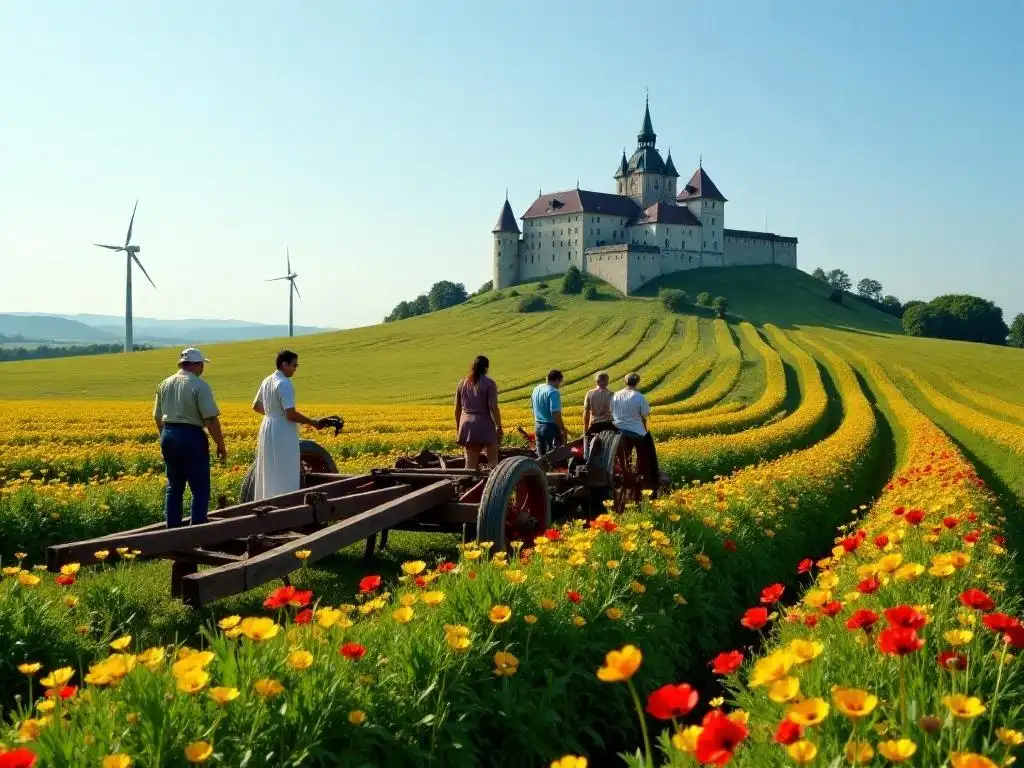
The agricultural practices of feudal farmers in Japan laid the groundwork for contemporary farming methods, creating a rich tapestry of similarities and differences. This comparative analysis highlights the enduring legacy of feudal farmers and their influence on modern agriculture, focusing on agricultural practices, tools and technology, and the evolving roles of farmers in society.
Similarities in Agricultural Practices
Despite the technological advancements and changes in agricultural philosophy over the centuries, several core practices from the feudal era still resonate in modern farming.
- Crop Rotation: Feudal farmers utilized crop rotation to maintain soil fertility, a practice that remains fundamental in sustainable agriculture today. This method helps prevent soil depletion and control pests, ensuring a balanced ecosystem.
- Community Cooperation: The concept of communal farming and shared resources was prevalent among feudal farmers, fostering cooperation among villagers. This ethos can be seen in modern agricultural cooperatives, where farmers band together to share equipment, marketing, and resources.
- Organic Practices: Many feudal farmers relied on organic techniques, using compost and natural fertilizers derived from animal waste and plant materials. This tradition of maintaining soil health through organic means is gaining renewed interest as modern agriculture seeks to reduce chemical inputs.
Differences in Tools and Technology
While the fundamental practices have some continuity, the tools and technology employed by feudal farmers starkly contrast with those used today.
- Manual Labor vs. Mechanization: Feudal farmers relied heavily on manual labor and simple tools, such as hand plows and hoes. In contrast, modern farmers use advanced machinery like tractors, seeders, and automated systems that significantly enhance productivity and reduce labor intensity.
- Irrigation Techniques: Feudal Japan employed basic irrigation methods using simple canals and water diversion techniques. Modern irrigation practices, however, utilize sophisticated systems such as drip irrigation and sprinklers, which optimize water usage and improve crop yields.
- Seed Varieties and Genetic Engineering: Feudal farmers cultivated native seed varieties that were well adapted to local conditions. Today, modern agriculture benefits from genetic engineering, allowing farmers to grow hybrid crops that can resist pests and diseases, and withstand varying climate conditions.
The Evolution of Farmers’ Roles in Society
The role of farmers in society has transformed significantly from the feudal era to the present day.
- Social Status: During the feudal period, farmers held a vital yet lowly status within the social hierarchy, often bound to the land they worked. In contrast, modern farmers are increasingly recognized as critical players in the economy, contributing to food security and sustainability.
- Economic Independence: Feudal farmers typically operated under a landlord system, which limited their economic independence. Today's farmers often own or lease their land, allowing for greater autonomy and the opportunity to innovate in their practices.
- Access to Education and Information: Feudal farmers had limited access to agricultural knowledge, relying on tradition and local practices. Nowadays, farmers benefit from extensive educational resources, including agricultural extension services, online courses, and research institutions that provide valuable information on best practices and innovations.
Conclusion: The Lasting Legacy of Feudal Farmers
The influence of feudal farmers extends beyond their time, shaping the agricultural landscape we see today. Their practices, rooted in sustainability and community, continue to inform modern farming methods and philosophies.
Reflections on the Importance of Historical Agricultural Practices
Understanding the agricultural practices of feudal farmers is crucial for modern society as it sheds light on sustainable practices that have stood the test of time. The emphasis on organic farming, crop rotation, and community cooperation offers valuable lessons for tackling contemporary agricultural challenges, including food security and environmental sustainability.
Future Implications of Feudal Agricultural Knowledge on Modern Techniques
Looking ahead, the integration of feudal agricultural knowledge with modern technology presents exciting possibilities. As the world grapples with climate change and resource depletion, revisiting traditional practices can inspire innovative solutions that marry ancient wisdom with cutting-edge technology. By embracing this legacy, modern agriculture can forge a path towards a more sustainable and resilient future.
References
The influence of feudal farmers on modern agriculture is a rich topic that draws from various historical accounts, agricultural studies, and cultural analyses. Below are key references that provide valuable insights into this subject:
Suggested Readings on Feudal Japan and Agricultural History
-
"The World of the Shining Prince: Court Life in Ancient Japan" by Ivan Morris
This book explores the intricacies of life in Japan during the Heian period, providing context for agricultural practices during the feudal era.
-
"Feudal Japan: The History and Legacy of the Samurai Era" by Charles River Editors
This work offers a concise overview of feudal Japan, including the role of farmers and their contributions to the economy.
-
"Agriculture in Japan: From Feudalism to Modernization" by James W. White
This title discusses the evolution of agricultural practices in Japan, highlighting the transition from feudal systems to contemporary methods.
-
"Japan's Rural Communities: A Historical and Contemporary Perspective" by Paul D. S. Tanaka
An exploration of rural societies in Japan, this book delves into how historical farming practices shaped modern rural life.
-
"The Agrarian Societies of Japan" by Hiroshi Nakagawa
This text provides an in-depth analysis of agrarian structures in Japan, focusing on the feudal system and its long-term effects on agricultural practices.
Academic Studies on the Influence of Feudal Practices on Modern Agriculture
-
"Historical Agricultural Practices and Their Influence on Modern Agriculture in Japan" by Akira Taniguchi
This study examines specific agricultural techniques used by feudal farmers and how these techniques are still relevant in contemporary farming practices.
-
"The Role of Peasants in the Development of Agricultural Techniques in Japan" by Yoko Matsumoto
This academic paper analyzes how the innovations introduced by feudal farmers laid the groundwork for current agricultural methods in Japan.
-
"From Rice to Robots: The Evolution of Japanese Agriculture" by Haruto Saito
This research explores the transformation of Japanese agriculture from the feudal era to the modern age, emphasizing the continuity of certain farming practices.
-
"Cultural Heritage and Agricultural Practices: A Study of Feudal Japan’s Influence on Sustainable Farming" by Rina Yoshida
This article discusses the cultural significance of traditional farming methods and their adoption in modern sustainable agriculture.
-
"Feudalism and Farming: An Interdisciplinary Study of Japan's Agricultural Evolution" by Kenjiro Fujimoto
This interdisciplinary study combines history, sociology, and agriculture to analyze the lasting impacts of feudal farming systems on Japan's agricultural landscape today.
- Introduction to Feudal Farmers and Their Role in Japanese Society
- Historical Practices of Feudal Farmers
- Feudal Farmers' Influence on Modern Agricultural Practices
- Cultural and Societal Impacts of Feudal Farming Practices
- Comparative Analysis: Feudal Farmers vs. Modern Farmers
- Conclusion: The Lasting Legacy of Feudal Farmers
- References
- What were the primary roles of feudal farmers in Japan?
- How did feudal farming practices shape modern agriculture?
- What impact did the social structure of feudal Japan have on farming?
- How can we see the influence of feudal farmers in today’s agricultural policies?
- Are there specific crops that were introduced during the feudal period still relevant today?
Frequently Asked Questions
What were the primary roles of feudal farmers in Japan?
Feudal farmers were essential to the agricultural economy, providing sustenance and resources for the ruling class and urban populations, while practicing sustainable farming methods.
How did feudal farming practices shape modern agriculture?
Many techniques developed during the feudal era, such as crop rotation and irrigation systems, laid the groundwork for contemporary agricultural practices that enhance productivity and sustainability.
The social hierarchy dictated land ownership and farming responsibilities, leading to a division of labor that influenced agricultural output and the development of rural communities.
How can we see the influence of feudal farmers in today’s agricultural policies?
Modern policies often reflect the sustainable practices established during the feudal era, emphasizing local farming and environmental stewardship that originated from historical farming techniques.
Are there specific crops that were introduced during the feudal period still relevant today?
Yes, many crops, such as rice and barley, were cultivated during the feudal era and continue to be vital to Japan’s agricultural landscape, showcasing the lasting impact of feudal farmers.
Final Reflection: The Enduring Influence of Feudal Farmers on Modern Agriculture
The practices of feudal farmers have shaped the very foundation of our agricultural systems today, demonstrating that the wisdom of the past is not merely historical but profoundly relevant to our current challenges. As we face issues such as climate change, food security, and sustainable farming, understanding the legacy of these early agriculturalists can provide invaluable insights. Their innovative techniques and community-oriented approaches remind us that agriculture is not just about production; it's about stewardship of the land and nurturing relationships within our communities.
The influence of feudal farmers extends beyond historical practices; it resonates deeply within our cultural and social landscapes, reminding us of the interconnectedness of our food systems. Their methods of crop rotation, soil management, and communal farming have laid the groundwork for modern sustainable practices. As we navigate the complexities of contemporary agriculture, we can draw inspiration from their resilience and adaptability. The land is our common heritage, and we must cultivate it with respect and care,
a sentiment that echoes the principles of feudal farming and highlights the importance of sustainable practices in our modern world.
As we reflect on the lessons learned from feudal farmers, I invite you to consider how you can apply these principles in your own life. Whether through supporting local agriculture, practicing sustainable gardening, or advocating for policies that honor our agricultural heritage, each of us has a role to play in shaping the future of farming. Let us honor the legacy of those who came before us by committing to practices that not only sustain our environment but also foster community and resilience for generations to come.
Unleash the Wisdom of Ancient Agriculture!
Thank you for exploring the captivating history of feudal farmers and their remarkable impact on modern agriculture. You've gained insights into practices that have shaped our food systems today. Now, let's turn this knowledge into action that benefits both you and our agricultural community!
Here are a few practical steps to get involved:
- Implement sustainable farming techniques inspired by traditional agricultural methods in your own gardening or farming efforts.
- Share this article with friends and family to spark conversations about the significance of historical practices in our food systems.
- Join local agricultural workshops or community gardens to connect with individuals who are passionate about sustainable farming.
How will you incorporate ancient wisdom into your daily life or farming practices? We would love to hear your thoughts in the comments!