
Understanding the Socioeconomic Impact of Trade on Feudal Japanese Society

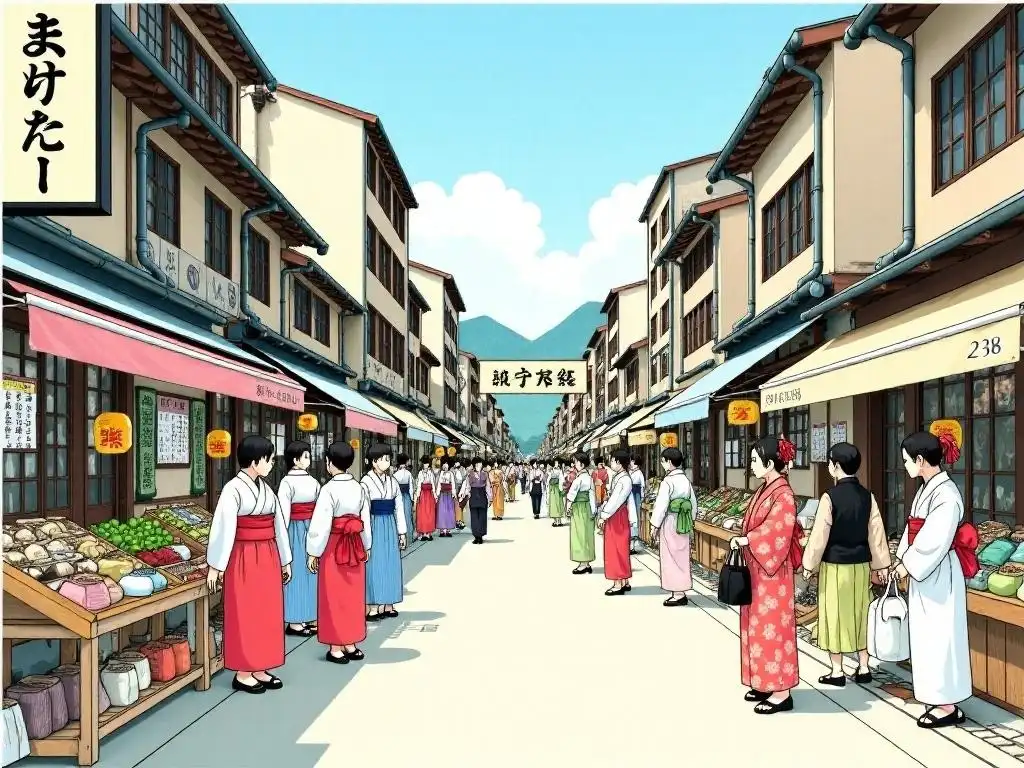
Welcome to Feudal Japan History, where we invite you to embark on a fascinating journey through the intricate tapestry of Japan’s feudal era. Here, we delve into the socioeconomic impact of trade and how it shaped the very fabric of society, culture, and foreign relations during this pivotal time. What hidden influences did commerce have on the lives of samurai, merchants, and peasants alike?
Prepare to uncover the answers as we unravel the complexities of trade in Feudal Japan. Your exploration begins now—dive into our latest article to discover the profound connections between economics and society in this captivating period of history.
Trade played a pivotal role in shaping the socioeconomic landscape of feudal Japan, influencing not only the economy but also the cultural and societal structures that defined this historical period. As Japan engaged in trade with neighboring countries, particularly Korea and China, the flow of goods, ideas, and technology created a complex web of interactions that transformed local communities and the nation as a whole.
This article delves into the multifaceted impacts of trade during feudal Japan, exploring how these exchanges contributed to the development of Japanese society and the economy. By examining key trade routes, partnerships, and goods, we can gain a deeper understanding of the intricate relationships that defined the socioeconomic fabric of feudal Japan.
Introduction to Feudal Japan Trade
Overview of Feudal Japan's Economic Framework
Feudal Japan, spanning from the late 12th century to the mid-19th century, operated within a distinct economic framework characterized by a hierarchical structure of land ownership and social status. The economy was predominantly agrarian, with land controlled by daimyōs (feudal lords) and worked by peasants. This agrarian base was supplemented by trade, which, while limited in the early periods, grew substantially as Japan established connections with neighboring countries.
Key components of this economic framework included:
- Land Ownership: Land was the primary source of wealth and power, with daimyōs exercising control over vast estates.
- Peasant Economy: The majority of the population were farmers, whose labor supported both local economies and the elite.
- Emergence of Markets: As trade routes developed, markets began to emerge, facilitating the exchange of goods and services.
Significance of Trade in Feudal Society
Trade in feudal Japan held immense significance, influencing various aspects of society, including:
- Cultural Exchange: Trade facilitated not only the exchange of goods but also the sharing of cultural practices, philosophies, and technologies.
- Economic Growth: The influx of foreign goods and resources contributed to economic diversification and the rise of a merchant class, challenging the traditional power dynamics.
- Social Mobility: Increased trade opportunities allowed some individuals to rise in status, creating a more fluid social structure compared to the rigid hierarchies typical of feudal systems.
Historical Context of Trade in Feudal Japan
Trade Routes and Key Partners: Korea and China
Japan's trade networks were primarily established through maritime routes, connecting it to key partners such as Korea and China. These partnerships were crucial for the flow of goods and cultural exchange:
- Korea: Trade with Korea introduced Japan to new agricultural techniques, textiles, and ceramics. The proximity of the Korean Peninsula made it a vital trading partner.
- China: The vast array of goods from China, including silk, porcelain, and books, significantly impacted Japanese culture and economy. The influence of Chinese Confucianism also shaped societal norms and governance.
Major Trade Goods and Their Influence on Society
The exchange of various goods during this era had profound effects on Japanese society:
| Trade Good | Origin | Impact on Society |
|---|---|---|
| Silk | China | Became a symbol of status and luxury among the elite. |
| Pottery and Ceramics | Korea | Influenced local craftsmanship and artistic expression. |
| Iron and Steel | China | Enhanced agricultural and military productivity. |
| Spices and Herbs | Various | Enriched Japanese cuisine and medicinal practices. |
These goods not only met practical needs but also fostered a sense of identity and cultural sophistication among the Japanese people, ultimately contributing to the evolution of feudal society.
The Socioeconomic Impact of Feudal Japan Trade
Trade in feudal Japan played a crucial role in shaping the socioeconomic landscape of the period. As Japan engaged in trade with neighboring countries like Korea and China, a variety of economic, cultural, and social transformations took place. These exchanges influenced not only the wealth and resources available to various social classes but also the cultural exchange that enriched Japanese society. The impacts of trade were multifaceted, affecting everything from the rise of merchant classes to the evolution of societal norms and values.
Economic Growth Driven by Trade
The influx of goods and resources through trade significantly contributed to Japan's economic growth during the feudal era. Key commodities such as rice, textiles, and metals were exchanged, leading to increased agricultural production and the expansion of markets. The establishment of trade routes, particularly with Korea and China, enabled the flow of not just goods but also ideas and technologies.
- Agricultural Development: The demand for Japanese rice spurred advancements in agricultural techniques, enhancing productivity and leading to surplus production.
- Market Expansion: As trade flourished, towns began to develop around ports and markets, fostering a vibrant commercial class. Merchants gained influence and wealth, challenging the traditional power dynamics dominated by the samurai class.
- Currency and Banking Systems: The need for efficient trade led to the development of currency systems and banking practices, facilitating smoother transactions and stimulating economic activity.
Overall, trade was a catalyst for economic diversification, moving Japan from a predominantly agrarian society towards a more complex economic structure.
Social Changes Resulting from Trade
The socio-cultural fabric of feudal Japan was also transformed as a result of trade interactions. These exchanges not only brought material goods but also introduced new ideas, lifestyles, and social classes.
- Rise of the Merchant Class: The emergence of a prosperous merchant class altered the traditional class hierarchy. Wealth accumulation among merchants began to challenge the dominance of the samurai and landed aristocracy.
- Cultural Exchange: Trade with China and Korea facilitated the introduction of new cultural practices, philosophies, and artistic influences, enriching Japanese culture. For example, the importation of Chinese ceramics and textiles significantly influenced Japanese craftsmanship.
- Urbanization: The growth of trade hubs led to urbanization, with people migrating to cities for economic opportunities. This shift contributed to a more dynamic social landscape, with increased interaction among various social classes.
These social changes underscored the profound impact of trade on the evolution of Japanese society, reshaping identities and relationships across the feudal hierarchy.
Analysis of Trade Policies in Feudal Japan
The trade policies enacted by the Japanese government during the feudal era were pivotal in regulating the flow of goods and the relationship with foreign nations. These policies reflected both the strategic interests of the ruling class and the economic realities of the time.
Government Regulations Affecting Trade
The shogunate and local daimyo implemented various regulations to control trade effectively. These regulations aimed to balance the benefits of trade while maintaining social order and political stability.
- Trade Restrictions: The government often imposed restrictions on foreign trade to protect local industries and preserve cultural integrity. For instance, certain goods were restricted from import to limit foreign influence.
- Licensing and Control: Merchants were required to obtain licenses for trade, allowing the government to monitor and regulate trading activities. This control ensured that trade benefited the ruling elite while minimizing risks associated with foreign interactions.
- Tribute System: The tribute system established formalized trade relations with neighboring countries like Korea and China, which often included the exchange of goods for political recognition and stability.
These regulations reflect a nuanced approach to trade, balancing economic interests with the political and social imperatives of the time.
Comparison of Trade Policies with Korea vs. China
The trade policies of feudal Japan differed significantly between Korea and China, shaped by historical relationships and geopolitical contexts.
- Trade with Korea: Relations with Korea were often characterized by a more direct and accessible trade approach, where goods were exchanged more freely. The cultural closeness allowed for the rapid adoption of various Korean innovations and practices.
- Trade with China: In contrast, trade with China was governed by more complex diplomatic protocols, including the tribute system, which required Japan to acknowledge Chinese superiority. While this created a structured framework for trade, it also imposed limitations on the types of goods exchanged and the nature of the relationships.
| Aspect | Trade with Korea | Trade with China |
|---|---|---|
| Accessibility | More direct exchanges | Structured tribute system |
| Cultural Exchange | Rapid adoption of practices | Controlled cultural exchange |
| Economic Impact | Localized growth | Broader economic implications |
The varying trade policies with Korea and China highlight the strategic considerations that shaped Japan's foreign relations and economic development during the feudal era. The impacts of these policies were significant, influencing not just trade but the overall socioeconomic structure of feudal Japan.
Case Studies: Key Trade Events and Their Socioeconomic Outcomes

Understanding the socioeconomic impact of trade during the feudal era in Japan requires an examination of specific case studies that highlight the key trade events and their effects on society. The trade dynamics with neighboring countries, particularly China and Korea, played a crucial role in shaping Japan's economy, culture, and social hierarchies. By analyzing these interactions, we can appreciate the transformative influence of trade on feudal Japanese society.
Case Study 1: The Silk Trade with China
The silk trade with China represents one of the most significant economic interactions in feudal Japan. Established during the Tang Dynasty (618–907 AD), this trade route facilitated the exchange of luxury goods, particularly silk, which became a symbol of status and wealth in Japanese society.
- Economic Growth: The import of silk not only boosted the economy but also led to the development of local silk weaving industries in Japan. Cities like Kyoto and Nara became renowned for their high-quality silk garments, creating employment opportunities and enhancing the local economy.
- Cultural Exchange: The silk trade also fostered cultural exchanges between Japan and China. The introduction of advanced weaving techniques, along with Chinese artistic influences, enriched Japanese craftsmanship and aesthetics. This interaction significantly shaped the cultural landscape of Japan, leading to the emergence of unique artistic styles.
- Social Stratification: The demand for silk contributed to the growing wealth of the samurai and merchant classes, while the peasantry often remained impoverished. The resulting socioeconomic disparities laid the groundwork for complex social hierarchies that characterized feudal Japan.
Case Study 2: The Impact of Korean Trade Relations
Trade relations with Korea during the feudal era were pivotal in introducing new technologies and goods to Japan. The proximity of Korea facilitated regular exchanges, which profoundly impacted Japanese society.
- Technological Advancements: One of the most notable contributions from Korea was the introduction of iron production techniques and agricultural innovations. These advancements significantly improved farming practices in Japan, leading to increased agricultural productivity and supporting the growing population.
- Cultural and Religious Influences: Korean trade also played a vital role in the transmission of Buddhism and Confucianism to Japan. This cultural exchange influenced Japanese philosophy, art, and governance, promoting a more organized societal structure aligned with Confucian ideals.
- Economic Implications: The trade of goods such as ceramics and textiles from Korea enriched Japanese markets, enhancing the quality of life for many. However, the economic benefits were often concentrated among the ruling elite, reinforcing existing class divisions.
Challenges and Limitations of Trade in Feudal Japan
Despite the benefits brought by trade, various challenges and limitations affected the flow of goods and the socioeconomic landscape in feudal Japan. These obstacles often resulted in significant disruptions and hindered the potential for broader economic development.
Natural Disasters and Trade Disruptions
Natural disasters played a critical role in shaping trade dynamics during the feudal era. Japan's geographical location made it susceptible to earthquakes, typhoons, and tsunamis, which could devastate coastal trade routes.
- Impact on Trade Routes: Major disasters often led to the destruction of ports and shipping infrastructure, halting trade with vital partners like China and Korea. Such interruptions could result in shortages of essential goods, leading to increased prices and economic strain on the populace.
- Socioeconomic Consequences: The aftermath of natural disasters typically exacerbated existing socioeconomic inequalities. While wealthier landowners might recover quickly, poorer farmers often faced years of hardship, resulting in increased poverty and social unrest.
Political Conflicts Affecting Trade Routes
Political instability, both within Japan and in neighboring regions, significantly impacted trade relations. Feudal Japan experienced numerous power struggles, civil wars, and conflicts that disrupted trade.
- Internal Conflicts: The Sengoku period (1467–1603) was marked by civil strife, leading to fragmented governance and control over trade routes. Warlords often prioritized personal power over economic stability, which hampered trade and created uncertainty for merchants.
- External Threats: Relations with neighboring countries were frequently strained due to territorial disputes and military conflicts. For instance, hostilities with Korea or China could lead to blockades and restrictions on trade, diminishing access to critical goods and resources.
While trade significantly influenced the socioeconomic fabric of feudal Japan, various challenges, including natural disasters and political conflicts, shaped its trajectory. Understanding these dynamics reveals the complexities of trade and its role in the development of Japanese society during this transformative era.
Conclusion: The Lasting Socioeconomic Effects of Trade on Feudal Japan
The trade relationships that developed during the feudal era of Japan, particularly with neighboring countries such as Korea and China, had profound and lasting effects on the socioeconomic landscape of Japanese society. These interactions not only facilitated the exchange of goods but also fostered the transmission of ideas, cultural practices, and technological advancements that shaped Japan's development. The evolution of trade routes, merchant classes, and the associated economic policies created a complex web of dependencies and influences, ultimately defining the character of feudal Japan.
Trade played a pivotal role in boosting local economies, leading to the emergence of urban centers that became hubs of commerce and culture. The wealth generated from trade allowed the samurai class to engage in patronage of the arts and architecture, as well as to fund military campaigns. Furthermore, the influx of foreign goods and ideas contributed to a dynamic cultural exchange that enriched Japanese society. However, this economic prosperity was not without its challenges, as trade also exacerbated social stratification and created tensions between different classes within feudal Japan.
Summary of Trade's Impact on Economic and Social Structures
The socioeconomic impact of trade on feudal Japan can be summarized through several key factors:
- Economic Growth: The influx of goods, such as silk, ceramics, and spices, from Korea and China stimulated local economies. This growth led to increased agricultural production and urbanization, as merchants sought to capitalize on trade opportunities.
- Social Mobility: The rise of a merchant class, known as the chōnin, altered traditional social hierarchies. Wealthy merchants began to exert influence and challenge the dominance of the samurai class, leading to shifting power dynamics within society.
- Cultural Exchange: Trade facilitated the spread of ideas, religions (like Buddhism and Confucianism), and art forms between Japan and its trading partners. This exchange enriched Japanese culture and led to the development of unique Japanese interpretations of foreign influences.
- Infrastructure Development: To support trade activities, significant investments were made in infrastructure, including roads and ports. This development not only improved trade efficiency but also enhanced communication and connectivity within Japan.
These factors illustrate how trade was integral to both the economic and social evolution of feudal Japan, laying the groundwork for the country's transformation in the centuries that followed.
Implications for Understanding Feudal Japanese History
Understanding the socioeconomic impact of trade during the feudal period offers valuable insights into the broader historical narrative of Japan. It highlights how external influences shaped domestic policies and social structures, challenging the notion of Japan as an isolated society. The dynamic interactions with Korea and China contributed to Japan's unique trajectory, illustrating that trade was not merely a means of economic exchange but a catalyst for cultural and social change.
Moreover, examining trade's implications encourages a reevaluation of historical events, such as the rise of the samurai and the eventual transition to the Edo period, where trade would become even more regulated. By recognizing the significance of trade in shaping Japan's history, scholars and enthusiasts can gain a deeper understanding of the complex interplay between economy, society, and culture during this pivotal era.
References
Key Texts and Resources for Further Reading on Feudal Japan Trade
-
"Japan: A History" by John Nathan
This comprehensive overview provides context for Japan's historical interactions with its neighboring countries, including the impact of trade on societal changes.
-
"The Origins of Japan's Modern Economy" by Masayuki Tanimoto
This work explores how the economic foundations established during the feudal era influenced Japan's modernization in the 19th century.
-
"Commerce and Culture in Japan: 1600–1868" by Richard Rubinger
This book delves into the development of commerce in Japan, focusing on the cultural exchanges that occurred as a result of trade.
-
"The Tale of Genji" by Murasaki Shikibu
While primarily a work of fiction, this classic novel offers insights into the aristocratic culture of the Heian period, reflecting the societal dynamics influenced by trade.
-
"Feudal Japan: The History of a Nation" by William Scott Wilson
An accessible introduction to Japan's feudal era, touching upon the various economic, social, and cultural aspects that were affected by trade.
- Introduction to Feudal Japan Trade
- Historical Context of Trade in Feudal Japan
- The Socioeconomic Impact of Feudal Japan Trade
- Analysis of Trade Policies in Feudal Japan
- Case Studies: Key Trade Events and Their Socioeconomic Outcomes
- Challenges and Limitations of Trade in Feudal Japan
- Conclusion: The Lasting Socioeconomic Effects of Trade on Feudal Japan
- References
Frequently Asked Questions
What was the primary trade system in Feudal Japan?
The primary trade system in Feudal Japan revolved around barter and exchange, facilitated by local markets and trade routes that connected various regions.
How did trade influence the economy of Feudal Japan?
Trade significantly influenced the economy of Feudal Japan by enhancing the flow of goods, creating wealth among merchants, and contributing to the rise of a merchant class.
What were the key goods traded during this period?
Key goods included silk, rice, pottery, and metals, which were crucial for both local consumption and export to other countries, impacting the socioeconomic landscape.
Trade contributed to a shift in social structures by empowering the merchant class, which led to changes in status dynamics and challenged the traditional samurai hierarchy.
What role did foreign trade play in Feudal Japan?
Foreign trade introduced new ideas and technologies, fostering cultural exchange and significantly impacting the socioeconomic fabric of society, particularly during the Edo period.
Final Reflection: The Enduring Legacy of Feudal Japan's Trade Dynamics
The socioeconomic impact of trade in Feudal Japan continues to resonate in today's global economy, revealing the intricate connections between commerce, culture, and societal structure. As we explore the historical nuances of trade during this era, we uncover not only the economic transformations that shaped Japanese society but also the profound implications these changes have on our understanding of modern trade dynamics. The lessons learned from Feudal Japan remind us that trade is not merely a transactional process; it is a powerful force that can redefine social hierarchies and cultural identities.
The influence of trade on the social fabric of Feudal Japan is a testament to the transformative power of economic exchange. The interactions between merchants, samurai, and farmers created a complex web of relationships that ultimately led to shifts in power and societal roles. As we reflect on this historical context, we can appreciate how trade continues to shape our contemporary world. Trade is not just about goods; it is about relationships, cultures, and the very essence of human connection.
This quote encapsulates the enduring significance of trade, reminding us that the socioeconomic impact of commerce extends far beyond mere economics.
As we conclude this exploration of Feudal Japan's trade dynamics, I invite you to reflect on your own relationship with trade and its broader implications. Consider how the lessons from the past can inform your understanding of today's global economy. Whether through conscious consumer choices or engaging in discussions about trade policies, each of us has the power to influence the socioeconomic landscape. Embrace the opportunity to learn from history, and let it inspire you to foster connections that transcend borders, ultimately contributing to a more equitable and interconnected world.
Unleash the Power of Knowledge – Dive Deeper into Feudal Japan!
Thank you for exploring the intricate relationship between trade and the socioeconomic landscape of feudal Japan. Your curiosity plays a crucial role in understanding how these historical dynamics shaped society—and the lessons they offer us today!
Now, let's take that knowledge further with some inspired actions:
- Explore more: Read our in-depth articles on key trade routes and their influence on feudal Japan’s economy and social structures.
- Get involved: Join our vibrant community by sharing your insights or questions in the comments below.
- Share the knowledge: Pass this article on to a friend who is interested in history and trade, and spark a conversation about the lasting effects of these ancient practices!
How do you think trade in feudal Japan has influenced modern economic systems? We would love to hear your thoughts!