
The Exchange of Technology: How Korean and Chinese Innovations Impacted Japan

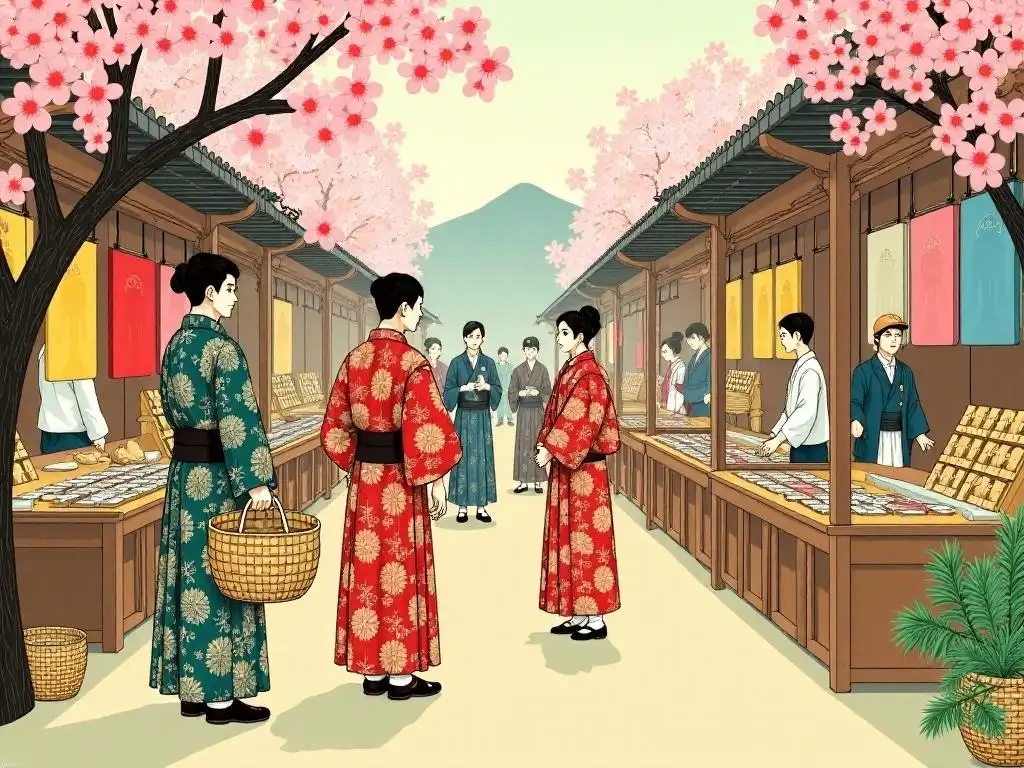
Welcome to Feudal Japan History, where we invite you to embark on a fascinating journey through the intricate tapestry of Japan's feudal era. In this exploration, we delve into the profound influences that shaped the archipelago, particularly the Chinese and Korean innovations that left an indelible mark on its development. Have you ever wondered how these cultural exchanges transformed Japan's technological landscape?
Join us as we unravel the connections and uncover the stories behind the exchange of ideas that forged a unique identity in the heart of Asia. Dive deeper into our main article, "The Exchange of Technology: How Korean and Chinese Innovations Impacted Japan," and discover the hidden gems of history that await you!
Introduction to Chinese and Korean Influence on Japan
The historical tapestry of Japan is richly woven with threads of influence from its neighboring countries, particularly China and Korea. During the feudal era, which spanned from the 12th to the 19th century, Japan experienced significant transformations driven by external technological innovations. This period was marked by dynamic interactions, where the exchange of ideas and inventions played a pivotal role in shaping Japanese society.
The influence of Chinese and Korean innovations not only provided practical advancements in agriculture, military, and architecture but also fostered cultural exchanges that enriched Japan's artistic and philosophical landscapes. Understanding this exchange is crucial to grasp the broader narrative of Japan's development during its feudal era.
Overview of the Feudal Era and Foreign Relations
During the feudal era, Japan was characterized by a decentralized political structure, where power was held by local lords known as daimyōs. This system fostered a complex web of relationships between various regions, creating a landscape ripe for trade and cultural exchange. Japan's foreign relations, particularly with Korea and China, were influenced by a combination of diplomatic missions, trade routes, and military confrontations. The interactions not only facilitated the movement of goods but also allowed for the flow of innovative technologies that would ultimately enhance Japan's agricultural productivity and military capabilities.
- Key Features of the Feudal Era:
- Decentralized power structure with daimyōs in control
- Flourishing trade networks with Korea and China
- Cultural exchanges through diplomatic missions
- Military confrontations leading to technology adoption
Significance of Technology Exchange in Historical Context
The exchange of technology during this period was not merely a transfer of tools and techniques; it represented a critical avenue for societal advancement in Japan. Innovations from Korea and China significantly impacted various aspects of Japanese life, laying the groundwork for future developments. Technologies such as rice cultivation methods, metalworking, and architectural techniques not only improved efficiency but also influenced social structures and cultural practices. This period highlights the importance of cross-cultural interactions in historical development, emphasizing that no nation exists in isolation.
- Impact of Technology Exchange:
- Enhanced agricultural productivity through improved techniques
- Development of military technologies leading to strategic advantages
- Influence on architectural styles and urban planning
- Cultural enrichment through the introduction of new artistic forms
Historical Context of Chinese and Korean Innovations
The technological advancements from Korea and China that found their way to Japan were diverse and extensive. Understanding these innovations is vital to appreciate their influence on Japanese society and culture.
Overview of Technological Advancements in Korea
Korea was a conduit for many Chinese innovations before they reached Japan. The Korean Peninsula acted as a bridge, facilitating the transfer of technologies, particularly in fields such as metallurgy, agriculture, and textiles. Significant advancements included:
- Rice cultivation techniques: Korean farmers adopted methods that significantly increased yields.
- Metalworking: Innovations in iron and bronze casting improved weapon production and agricultural tools.
- Printing technology: The introduction of wooden movable type printing revolutionized communication and record-keeping.
Key Innovations from China
China, with its rich history of innovation, contributed a wealth of technologies that profoundly influenced Japan. Key contributions include:
- Agricultural tools: The plow and irrigation systems enhanced farming efficiency.
- Gunpowder: Introduced military technology that transformed warfare.
- Buddhism and Confucianism: Philosophical ideas that shaped social structures and governance.
Timeline of Technology Exchange with Japan
The timeline of technology exchange between China, Korea, and Japan reveals a pattern of gradual adoption and adaptation of innovations. Below is a simplified overview:
| Year | Innovation | Source | Impact on Japan |
|---|---|---|---|
| 500-700 AD | Introduction of Buddhism | China | Cultural and spiritual transformation |
| 600-800 AD | Rice cultivation techniques | Korea | Improved agricultural productivity |
| 800-1000 AD | Metalworking techniques | Korea | Enhanced weaponry and tools |
| 1200-1300 AD | Gunpowder | China | Shift in military strategies and warfare |
| 1400-1500 AD | Printing technology | Korea | Revolutionized communication and education |
The interplay of these innovations encapsulates the essence of the Chinese Korean influence on Japan, illustrating a rich history of technological exchange that has left an indelible mark on Japan's development.
The Impact of Korean Innovations on Japanese Society
The influence of Korean innovations on Japanese society during the feudal era was profound, shaping various aspects of daily life, agriculture, and craftsmanship. Korea played a pivotal role as a cultural conduit, transmitting not only technologies but also ideologies that would significantly impact Japan’s development. From agriculture to pottery and textiles, the innovations introduced from Korea were integral to the evolution of Japanese society.
Agricultural Techniques and Their Adoption
One of the most significant contributions from Korea to Japan was in the realm of agriculture. The introduction of advanced farming techniques, such as the use of wet rice cultivation, transformed Japan’s agrarian landscape. This method, which included the construction of paddy fields, allowed for more efficient rice production, which became a staple food in Japan.
Korean farmers also brought sophisticated irrigation techniques, enabling the cultivation of rice in areas previously deemed unsuitable for agriculture. The adoption of these farming practices not only increased food production but also led to population growth and the establishment of more complex societal structures. These advancements in agriculture laid the groundwork for Japan's economic stability during the feudal period.
Advancements in Pottery and Ceramics
Korean innovations in pottery and ceramics had a lasting impact on Japanese craftsmanship. The introduction of high-fired ceramics, particularly stoneware, revolutionized Japanese pottery techniques. Korean potters were known for their mastery in creating durable and aesthetically pleasing ceramics, which included both functional and decorative items.
Japanese artisans adopted these Korean techniques, leading to the development of unique styles such as the renowned Bizen and Shigaraki ware. This influence not only enhanced the quality of Japanese ceramics but also inspired a new appreciation for artistry and craftsmanship, which became central to Japanese culture. The exchange of ceramic techniques fostered an artistic dialogue that enriched both Korean and Japanese pottery traditions.
Influence on Textile Production
Textile production in Japan was significantly influenced by Korean innovations, particularly in the techniques of weaving and dyeing. The introduction of silk weaving from Korea allowed Japanese artisans to experiment with new materials and methods, leading to the creation of luxurious textiles that were previously unavailable in Japan.
Korean dyeing techniques, such as indigo dyeing, also made their way to Japan, enhancing the vibrancy and quality of Japanese fabrics. As a result, textiles became not only a staple of everyday life but also a symbol of status and cultural identity. The fusion of Korean and Japanese textile practices contributed to the rich tapestry of Japan’s cultural heritage.
The Influence of Chinese Innovations on Japan
The impact of Chinese innovations on Japan was equally significant, facilitating advancements in writing, philosophy, and technology. The exchange of ideas and technologies between China and Japan contributed to the latter's socio-economic and cultural evolution, as Japan adopted and adapted various Chinese practices that resonated with its unique context.
Introduction of Chinese Writing and Literature
One of the most profound influences of China on Japan was the introduction of Chinese writing systems, particularly kanji. This adoption not only provided a means of written communication but also opened the door to Chinese literature, philosophy, and governance concepts.
The integration of kanji into the Japanese language allowed for the documentation of Japanese history, literature, and culture. Works such as the “Tale of Genji” emerged, showcasing the interplay between Chinese literary forms and Japanese narrative styles. This literary exchange laid the foundation for a rich tradition of Japanese literature that continues to thrive today.
The Role of Confucianism in Japanese Society
Confucianism, a philosophical system rooted in Chinese thought, significantly influenced Japanese societal structures and values. The principles of filial piety, hierarchical relationships, and moral conduct became integral to Japanese culture, affecting family dynamics, governance, and education.
The adoption of Confucian ideals led to the establishment of educational systems that emphasized moral integrity and social responsibility. As a result, Confucianism shaped the ethical framework of Japanese society, influencing its social norms and political philosophies throughout the feudal era.
Technological Transfers: Gunpowder and Metallurgy
Chinese innovations in technology, particularly in metallurgy and the production of gunpowder, had a dramatic impact on Japan’s military capabilities. The introduction of ironworking techniques from China allowed for the production of superior weapons and tools, which were crucial for warfare and agriculture.
Gunpowder, first developed in China, revolutionized Japanese military tactics. The introduction of firearms in the 16th century marked a turning point in warfare, leading to changes in battle strategies and the formation of new military hierarchies. This technological exchange not only enhanced Japan’s military prowess but also facilitated the emergence of a more centralized political structure during the late feudal period.
Case Studies of Technology Exchange
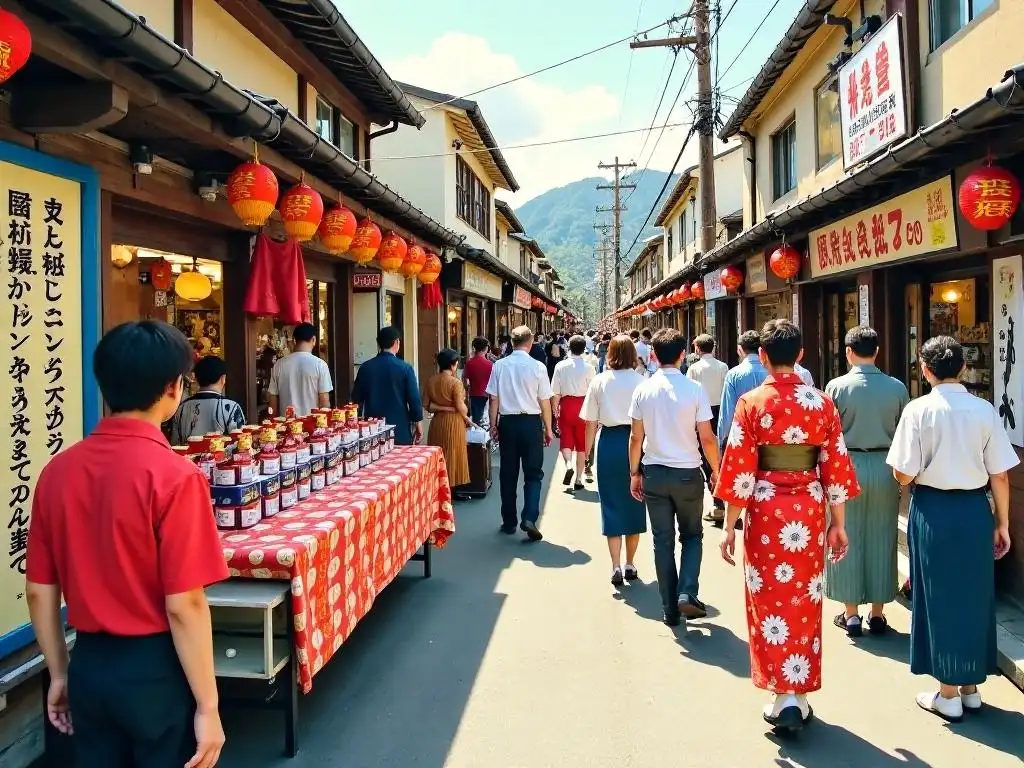
During Japan's feudal era, the exchange of technology with Korea and China significantly influenced various aspects of Japanese society. This exchange was not a one-way street; instead, it involved a complex interplay of ideas, practices, and innovations that shaped Japan's development in crucial ways. Here, we explore three pivotal case studies of this technology exchange, illustrating the profound impact these interactions had on Japan's cultural and technological landscape.
The Introduction of Buddhism and Its Influence
Buddhism, which originated in India, made its way to Japan through China and Korea, marking a transformative period in Japanese history. The introduction of Buddhism in the 6th century CE, particularly via Korea's Baekje kingdom, brought not only spiritual teachings but also advanced knowledge in various fields, including art, philosophy, medicine, and architecture.
The construction of temples, such as Hōryū-ji, exemplifies the architectural advancements brought by Buddhist influence. Furthermore, the introduction of Buddhist texts led to the development of written language in Japan, as religious scholars began to translate Chinese texts. This facilitated the spread of literacy and learning, profoundly impacting Japanese culture and education.
The Development of Printing Techniques
The advent of printing techniques in Japan is another crucial example of technology exchange with China. The Chinese invention of woodblock printing during the Tang Dynasty (618-907 CE) was transmitted to Japan, where it was adapted and expanded upon. By the late 8th century, Japanese artisans began producing their own printed works, which significantly contributed to the dissemination of literature and art.
One notable example is the "Tale of Genji," considered one of the world's first novels, which was printed and circulated widely in Japan. The printing techniques allowed for greater access to texts, fostering a culture of reading and scholarship that would shape Japan's literary tradition for centuries to come.
The Impact of Compass Technology on Navigation
Compass technology, which originated in China, revolutionized navigation in Japan during the feudal era. Prior to the introduction of the magnetic compass, Japanese navigators relied on celestial navigation, which was limited by weather conditions and daylight. The compass provided a reliable means of navigation, enabling more precise maritime travel.
This advancement was particularly important for trade and military expeditions. The ability to navigate the seas more effectively facilitated increased trade with Korea and China, allowing Japan to import goods, culture, and technology. The adoption of the compass is a testament to how Chinese innovations significantly shaped Japan’s maritime capabilities and economic growth.
Cultural Exchange and Its Implications
The cultural exchange between Japan, Korea, and China during the feudal era had far-reaching implications that transcended mere technological advancements. It fostered a rich tapestry of cultural intermingling, influencing language, literature, art, and diplomatic relations.
Language and Literature: The Korean and Chinese Contributions
The influence of Korean and Chinese languages on Japanese was profound, especially in the development of kanji (Chinese characters) which were integrated into the Japanese writing system. This adaptation allowed for the expansion of literary expression in Japan.
Chinese classical literature served as a model for Japanese poets and writers, leading to the creation of unique forms such as waka and haiku. Furthermore, the introduction of Confucian texts shaped Japanese philosophy and governance, integrating concepts of ethics and social hierarchy into Japanese society.
Art and Aesthetics: How Korean and Chinese Styles Shaped Japanese Culture
The artistic exchange with Korea and China had a significant impact on Japanese aesthetics. Chinese painting techniques, landscape styles, and calligraphy were integrated into Japanese art forms. The use of ink wash painting and the development of sumi-e are direct examples of this influence.
Korean pottery, particularly the use of celadon glazes, also inspired Japanese ceramics. The blending of these artistic traditions fostered a distinctive Japanese style that retained elements of its origins while developing unique characteristics over time.
The Formation of Trade Networks and Diplomatic Relations
The exchange of technology and culture was intrinsically linked to the formation of trade networks and diplomatic relations between Japan, Korea, and China. Early trade routes established during the Heian period facilitated not only the exchange of goods but also ideas and innovations.
Diplomatic missions, such as the Kentōshi sent to Tang China, played a crucial role in diplomatic relations, enabling Japan to learn from Chinese governance and culture. These interactions laid the groundwork for future relations and economic ties, ultimately shaping Japan's position in East Asia. The establishment of these networks contributed to Japan's growth as a significant player in regional trade and cultural exchange.
Conclusion: The Lasting Legacy of Chinese and Korean Influence on Japan
The exchange of technology between China and Korea has left an indelible mark on Japan, shaping its cultural, technological, and societal landscapes. From the introduction of writing systems and governance structures to advancements in agriculture and craftsmanship, these influences have been pivotal in Japan's evolution during the feudal era. The persistence of these innovations can be observed in various facets of Japanese society, including language, art, and even philosophy. The rich intermingling of ideas and practices from neighboring regions has not only enriched Japan's heritage but has also laid the groundwork for its future development.
Through centuries of trade, diplomacy, and cultural exchange, Japan has absorbed and adapted numerous elements from its continental neighbors, creating a unique synthesis that continues to resonate today. The legacy of these early exchanges is evident in Japan's modern technological achievements and its ongoing relationships with Korea and China. The historical context of these interactions serves as a reminder of the importance of cross-cultural dialogue in fostering innovation and progress, a lesson that remains relevant in today's globalized world.
Summary of Key Innovations and Their Effects
The key innovations introduced to Japan from Korea and China during the feudal era include:
- Writing Systems: The introduction of Chinese characters (kanji) revolutionized Japanese communication, leading to the development of a distinct literary culture. This influence continues to be a fundamental aspect of the Japanese language today.
- Agricultural Techniques: Advanced farming practices, including wet rice cultivation and irrigation methods, significantly enhanced agricultural productivity in Japan. These innovations contributed to population growth and urbanization during the Heian period.
- Buddhism and Confucianism: The transmission of these philosophies not only shaped religious practices in Japan but also influenced its political and social structures, emphasizing hierarchy and ethical governance.
- Art and Craftsmanship: Techniques in pottery, textiles, and metalwork were introduced, leading to the refinement of Japanese arts. The incorporation of Chinese painting styles and architectural designs can be seen in various historical sites throughout Japan.
The effects of these innovations were profound, facilitating Japan's transition from a collection of disparate clans to a more centralized and culturally cohesive society.
Reflection on Modern Implications of Historical Exchanges
The historical exchanges between Japan, Korea, and China provide critical insights into the dynamics of cultural influence that persist in today's global landscape. Understanding these interactions underscores the importance of acknowledging and appreciating the complexity of cultural heritage. In contemporary times, Japan continues to engage with its neighbors, embracing technological advancements and cultural practices while maintaining a unique identity.
Moreover, the historical context of these exchanges can inform current discussions about globalization, trade relationships, and cultural diplomacy. By recognizing the benefits of collaboration and sharing knowledge, nations can build stronger ties and foster innovation, much like the historical exchanges that shaped Japan during the feudal era.
References and Further Reading
Suggested Literature on Chinese and Korean Influence on Japan
- "Japan and China: A History of Exchange" by Christopher P. Atwood
- "Korean Influence on Japanese Culture" by Kim Hyun-soo
- "The Cultural Exchange Between Korea and Japan: A Historical Perspective" by Kwang-Soo Lee
These works delve into the intricate web of cultural and technological exchanges that have shaped Japan, providing comprehensive insights into historical contexts and implications.
Additional Resources on Feudal Japan History
- "The Feudal System in Japan" by Edward Seidensticker
- "Feudal Japan: The Age of the Samurai" by Thomas D. Conlan
- Online databases and archives dedicated to feudal Japanese history, such as the National Archives of Japan, which provide access to primary sources and scholarly articles.
These resources can further enhance understanding of the broader historical framework within which Chinese and Korean influences operated, offering a deeper appreciation of Japan's rich feudal legacy.
- Introduction to Chinese and Korean Influence on Japan
- Historical Context of Chinese and Korean Innovations
- The Impact of Korean Innovations on Japanese Society
- The Influence of Chinese Innovations on Japan
- Case Studies of Technology Exchange
- Cultural Exchange and Its Implications
- Conclusion: The Lasting Legacy of Chinese and Korean Influence on Japan
- References and Further Reading
- What were the main technological exchanges between Korea, China, and Japan during the feudal era?
- How did Chinese and Korean philosophy shape Japanese culture?
- What role did trade routes play in the exchange of innovations?
- How did Korean advances in agriculture affect Japan?
- Can you explain the impact of Chinese calligraphy on Japanese writing systems?
Frequently Asked Questions
What were the main technological exchanges between Korea, China, and Japan during the feudal era?
The feudal era saw significant technological exchanges, particularly in fields like agriculture, pottery, and metalworking. These innovations greatly influenced Japanese society and its development.
How did Chinese and Korean philosophy shape Japanese culture?
Chinese and Korean philosophies, especially Confucianism and Buddhism, played a crucial role in shaping Japanese societal norms, values, and governance during the feudal period.
What role did trade routes play in the exchange of innovations?
Trade routes facilitated the transfer of technology and ideas, allowing Japan to adopt and adapt Chinese and Korean innovations, which enriched its own cultural landscape.
How did Korean advances in agriculture affect Japan?
Korean agricultural techniques, such as improved irrigation systems and crop rotation, significantly boosted Japan's food production, leading to population growth and economic stability.
Can you explain the impact of Chinese calligraphy on Japanese writing systems?
Chinese calligraphy was instrumental in the development of kanji, the Japanese writing system. This adaptation not only enhanced literacy but also enriched Japanese literature and artistic expression.
Final Reflection: The Interwoven Tapestry of Influence
The exchange of technology between Korea, China, and Japan is not merely a historical footnote; it is a testament to the enduring power of cultural exchange that continues to shape our modern world. As we navigate an era defined by rapid technological advancements, understanding how these nations have influenced one another provides crucial insights into the dynamics of innovation and collaboration that persist today. The legacy of this exchange is not only relevant but vital in our increasingly interconnected global landscape.
The cultural and technological influences from Korea and China have profoundly shaped Japan's identity, fostering a unique blend of traditions and innovations. This ongoing dialogue between these nations serves as a reminder of the importance of cooperation and mutual respect in the face of competition. Innovation thrives at the intersection of diverse ideas and cultures.
This quote encapsulates the essence of how the shared histories of these nations have led to remarkable advancements, illustrating that the fusion of different perspectives can lead to groundbreaking progress.
As we reflect on the lessons drawn from this rich tapestry of influence, I invite you to consider your own role in the ongoing exchange of ideas and innovations. How can you embrace the spirit of collaboration and learning from others in your own life?
Whether through fostering relationships across cultures, seeking out diverse perspectives, or simply being open to new ideas, each of us has the power to contribute to a future where innovation knows no borders. Let us carry forward the legacy of exchange that has shaped nations and strive to create a world where collaboration leads to even greater advancements.
Embrace the Future: Harness These Innovations Today!
Thank you for exploring how Korean and Chinese innovations have shaped Japan's rich history. By delving into these technological exchanges, you've gained insight into the powerful impact of shared knowledge and culture. Now, it's time to take what you've learned and put it into action!
Here are a few steps you can take next:
- Explore further: Dive deeper into the history of these technologies. Consider watching documentaries or reading books that examine the trajectories of these innovations and their cultural contexts.
- Share with others: Discuss your newfound knowledge with friends or participate in online forums to engage with fellow history enthusiasts. What insights can you contribute to the conversation?
- Reflect and innovate: Think about how these historical exchanges can inspire modern collaborations. What current technologies do you believe have the potential to redefine our future?
What aspect of cross-cultural exchange do you find most fascinating, and how do you think it can influence today's technological landscape?