
Gender and Genre: The Impact of Femininity in Feudal Japanese Writing

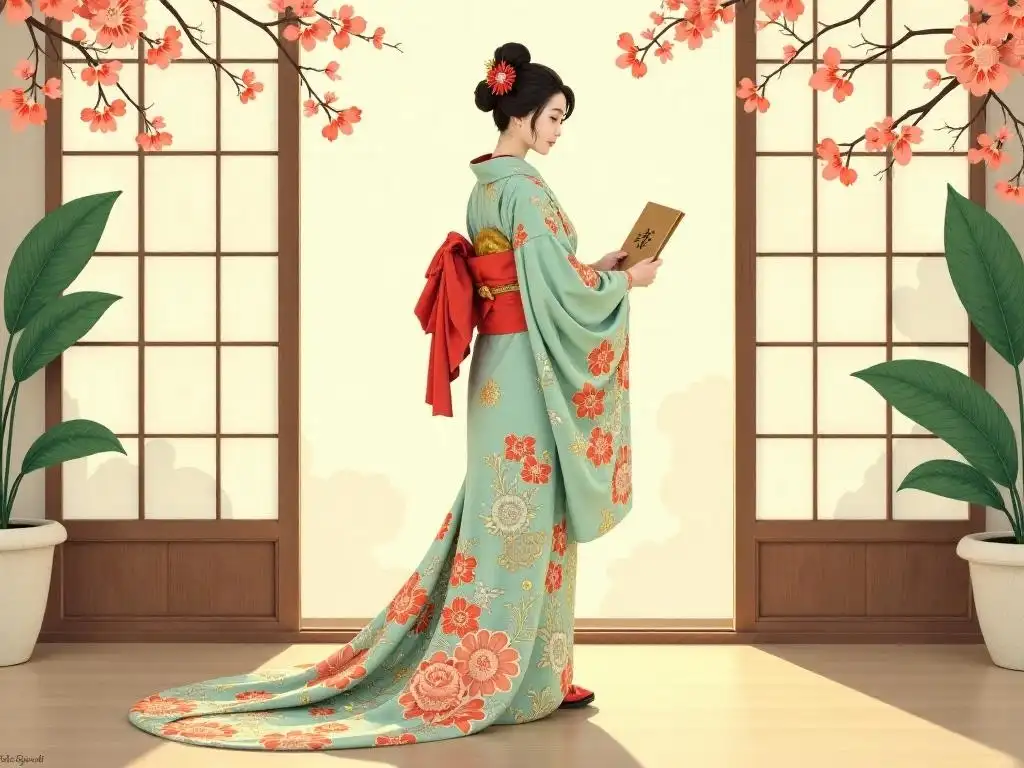
Welcome to Feudal Japan History, where we embark on a fascinating journey through the intricate tapestry of Japan’s feudal era. Here, you will uncover the rich historical, cultural, and societal layers that shaped this remarkable period. In our featured article, “Gender and Genre: The Impact of Femininity in Feudal Japanese Writing,” we delve into the profound influence of femininity on literature and culture.
What roles did women play in this dynamic society, and how did their voices resonate through the written word? Join us as we explore these compelling questions and more, igniting your curiosity about the hidden narratives of feudal Japan.
Introduction to Femininity in Feudal Japan
The exploration of femininity in feudal Japan unveils a complex tapestry woven from historical, cultural, and literary threads. During the feudal era, which spanned from the late 12th to the early 19th century, Japan's societal structures were deeply influenced by Confucian ideals and a rigid class system. This framework not only shaped the roles of men and women but also significantly impacted the literary landscape. Understanding femininity in this context requires a thorough examination of how women's roles were defined and represented, particularly in literature.
In literary works from this period, femininity often emerges as a multifaceted theme, reflecting societal norms, personal expression, and the broader cultural milieu. Women were not only subjects of literature but also contributed to its creation, shaping narratives that explored their experiences, desires, and struggles. This article delves into the nuances of femininity in feudal Japanese writing, highlighting its significance and the ways it influenced the genre and content of literary works.
Overview of Gender Roles in Feudal Japanese Society
In feudal Japan, gender roles were distinctly delineated, with expectations rooted in tradition and socio-political hierarchy. Men typically held positions of power as samurai, landowners, and decision-makers, while women were largely relegated to domestic spheres. However, the reality was often more nuanced:
- Patriarchal Structure: Men dominated public life, including politics and warfare.
- Domestic Responsibility: Women managed household affairs, raising children, and maintaining family honor.
- Limited Autonomy: Social norms restricted women's freedom, yet they sometimes wielded influence within the household.
Despite these limitations, women found avenues for expression through literature, often using writing as a means to navigate their constrained realities.
Importance of Femininity in Cultural and Literary Contexts
The role of femininity in feudal Japanese literature extends beyond mere representation; it serves as a lens through which cultural values and societal dynamics can be examined. Key points to consider include:
- Cultural Reflections: Literary portrayals of women often mirrored the complexities of their societal roles, providing insight into the era's attitudes toward gender.
- Literary Contributions: Women writers, such as Sei Shonagon and Murasaki Shikibu, not only captured the female experience but also shaped literary genres like the monogatari (tale) and nikki (diary).
- Symbolism and Themes: Femininity in literature frequently embodies themes of beauty, tragedy, and resilience, highlighting the struggles and strengths of women in a male-dominated society.
The Historical Context of Femininity in Feudal Japan
Understanding the historical context surrounding femininity in feudal Japan is essential to appreciate its literary manifestations. This section will explore the societal roles of women, notable female figures, and the constraints imposed upon femininity during this period.
The Role of Women in Feudal Japanese Society
Women’s roles in feudal Japan were influenced by the rigid class system and prevailing cultural beliefs. Their primary responsibilities included:
- Rearing Children: Ensuring the continuation of family lineage and values.
- Managing Households: Overseeing domestic tasks and finances.
- Social Networking: Engaging in relationships that could enhance family status.
While these roles were primarily domestic, women occasionally stepped beyond these bounds, especially in the context of art and literature.
Influential Female Figures in Feudal Japan
Throughout feudal Japan, several women emerged as notable figures, influencing both society and literature. Some prominent examples include:
- Sei Shonagon: A court lady known for her work The Pillow Book, which provides a vivid depiction of court life and female perspective.
- Murasaki Shikibu: Author of The Tale of Genji, often regarded as the world's first novel, offering profound insights into the complexities of human emotions and relationships.
These women not only contributed to the literary world but also challenged societal norms through their writings.
Societal Expectations and Limitations of Femininity
Despite the contributions of women, societal expectations often confined them to restrictive roles. The limitations imposed on femininity included:
- Educational Barriers: Access to education was often limited for women, particularly in the samurai class.
- Marital Obligations: Women were typically expected to marry and uphold family duties, often at the expense of personal aspirations.
- Cultural Stereotypes: Women were frequently portrayed in literature as idealized figures, which reinforced societal stereotypes and diminished individual agency.
The exploration of femininity in feudal Japan reveals a rich interplay between gender roles and literary expression, offering valuable insights into the era's cultural history. Through examining the historical context, influential figures, and societal limitations, this article aims to shed light on the profound impact of femininity on the literary landscape of feudal Japan.
Literary Genres Reflecting Femininity in Feudal Japan
The literary landscape of feudal Japan is rich and diverse, with various genres that not only reflect the cultural values of the time but also provide insight into the roles and experiences of women. During this era, femininity was not merely an aspect of personal identity; it was intricately woven into the fabric of literary expression. Different genres served as platforms for women to articulate their thoughts, emotions, and experiences, ultimately shaping the literary canon of feudal Japan.
Overview of Literary Genres in Feudal Japan
Feudal Japan saw the flourishing of multiple literary genres, each contributing uniquely to the understanding of gender roles and femininity. Notably, genres such as waka poetry, narrative tales, and diaries became crucial in showcasing women's perspectives. Waka, a traditional form of Japanese poetry, was often a medium for women to express intimate feelings and personal experiences, while narrative tales provided a broader canvas for storytelling, often intertwining the lives of women with the socio-political dynamics of the time.
In addition to poetry and prose, the diary genre emerged as a significant form of literature during the Heian period. Women, particularly those from the court, utilized diaries to document their daily lives, thoughts, and observations, which often included reflections on love, loss, and the intricacies of court life. These genres not only allowed women to voice their experiences but also played a critical role in the development of a distinctly feminine literary voice.
The Emergence of Women's Literature
The emergence of women's literature in feudal Japan marked a pivotal moment in the cultural history of the country. Although men predominantly dominated the literary sphere, women began to carve out their niche, particularly during the Heian period (794-1185). This era saw a rise in female authorship, with women increasingly contributing to important literary works.
One significant factor contributing to this emergence was the relative education and literacy rates among women in the court. Many women were well-educated and proficient in kanji and kana, which enabled them to write with sophistication and creativity. The establishment of women's writing circles and the patronage of noble families also facilitated this literary development.
As women began to write, they explored themes that resonated with their lived experiences, including love, desire, and the constraints imposed by society. This not only enriched Japanese literature but also provided a platform for women's voices that had previously been marginalized.
Poetry and Prose: The Expressions of Femininity
Poetry and prose served as vital avenues for expressing femininity in feudal Japan. Waka, a poetic form characterized by its 31-syllable structure, became particularly popular among women, allowing them to convey deep emotional nuances. Women poets utilized waka to articulate their feelings about love, longing, and the complexities of relationships, often drawing upon the seasonal imagery that is a hallmark of Japanese poetry.
In contrast, prose narratives such as monogatari (tales) offered more expansive storytelling opportunities. These narratives often featured female protagonists navigating the challenges of court life, love affairs, and familial obligations. The use of first-person narration in these works provided an intimate glimpse into women's inner lives, showcasing their thoughts, desires, and struggles with personal agency.
This interplay between poetry and prose not only enriched the literary canon but also highlighted the unique perspectives of women, underscoring the importance of femininity in shaping the cultural discourse of the period.
Key Works Illustrating Femininity in Feudal Japanese Writing
The exploration of femininity in feudal Japanese writing is exemplified by several key works that have become cornerstones of literature. These texts not only reflect the values and norms of their time but also challenge the traditional narratives surrounding women's roles in society.
The Tale of Genji: A Study in Feminine Ideals
Considered one of the first novels in the world, The Tale of Genji by Murasaki Shikibu is a seminal work that encapsulates the ideals of femininity in feudal Japan. Written in the early 11th century, the narrative follows the life and loves of Hikaru Genji, while also exploring the lives of various women who encounter him.
The characters in The Tale of Genji are richly developed, with their emotions and motivations intricately portrayed. Through their experiences, the text examines themes of love, jealousy, and the ephemeral nature of beauty, all of which are central to the feminine experience. The portrayal of women in this work often reflects the societal expectations of the time, yet also provides a nuanced understanding of their inner lives and desires.
The Pillow Book: Women’s Perspectives in Feudal Literature
The Pillow Book (or Makura no Soshi) by Sei Shonagon is another vital text that offers insight into feminine perspectives during the Heian period. This work is a collection of essays, lists, and personal reflections that capture the author's observations of court life.
Shonagon's writing is characterized by its wit, humor, and keen observations of human behavior, particularly among women. Through her candid reflections, she reveals the complexities of life as a woman in the court, navigating relationships, societal expectations, and personal desires. The text stands out for its celebration of female intellect and emotional depth, making it a crucial piece in the study of femininity in feudal Japan.
Other Notable Works by Female Authors
In addition to The Tale of Genji and The Pillow Book, several other notable works by female authors contribute to the understanding of femininity in feudal Japanese literature.
- The Diary of Lady Murasaki: This work provides an autobiographical account of the author’s life, offering insights into her thoughts and experiences as a woman writer in a male-dominated society.
- The Confessions of Lady Nijo: A remarkable autobiographical narrative that recounts the life of a court lady, exploring themes of love, loss, and the challenges faced by women in the court.
- Kokin Wakashu: A collection of poems that includes contributions from female poets, showcasing their voices and perspectives within the poetic tradition.
These works collectively enrich the narrative of femininity in feudal Japan, highlighting the varied experiences and voices of women during this transformative period. Each text not only reflects the cultural context of its time but also serves as a testament to the enduring legacy of women's contributions to Japanese literature.
Themes of Femininity in Feudal Japanese Literature
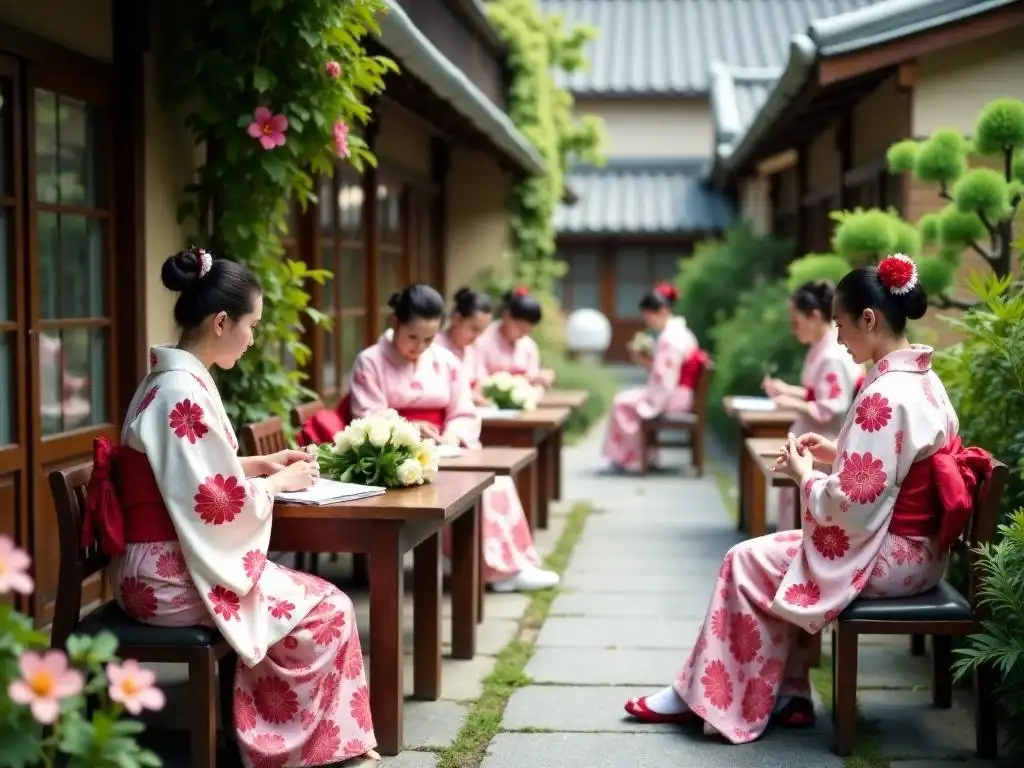
The themes of femininity in feudal Japanese literature are deeply woven into the narratives, reflecting the complexities of women's roles in society. Central to this exploration is the portrayal of women as both subjects and creators of literature, which often encapsulates their emotional depth, societal constraints, and spiritual insights. Key themes include love and relationships, the connection to nature, and the intersection of femininity with spirituality, each offering a unique perspective on the feminine experience during this era.
The literature of feudal Japan provides a canvas for female voices, often using personal narratives to express the joys and sorrows of love, longing, and loss. These themes resonate through various genres, including poetry, prose, and drama, showcasing how femininity shaped the literary landscape. The emphasis on emotional expression and spiritual depth in works authored by women highlights their significant influence on the cultural ethos of the time.
Love and Relationships: Female Narratives
Love and relationships are prominent themes in the literature of feudal Japan, particularly in works penned by women. Female authors often depicted the intricacies of romantic entanglements through a lens of personal experience and emotional truth. One of the most notable examples is The Tale of Genji, written by Murasaki Shikibu, which intricately explores the romantic adventures of its male protagonist while also providing profound insights into the female characters' perspectives and emotional lives.
In these narratives, love is often portrayed as both a source of joy and a source of suffering. Women navigate societal expectations and personal desires, which can create tension within their relationships. The exploration of unrequited love, jealousy, and the fleeting nature of romance reveals a deep understanding of the emotional landscape of women in feudal society. This focus on female narratives not only enriches the literary tradition but also offers a reflection of women's experiences, aspirations, and challenges during this period.
Nature and Femininity: Symbolism in Literature
The connection between femininity and nature is a prevalent theme in feudal Japanese literature. Nature is often personified and imbued with feminine qualities, symbolizing beauty, transience, and emotional complexity. Female authors frequently used natural imagery to evoke feelings and convey deeper meanings related to the human experience.
For instance, cherry blossoms—symbolic of the fleeting nature of life—are a recurring motif in poetry and prose, representing both the beauty and fragility of existence. Women writers often drew parallels between their emotional states and the changing seasons, effectively using nature as a metaphor for their inner lives. This interplay between femininity and nature not only enhances the thematic richness of the literature but also underscores the cultural significance of the natural world in shaping women's identities and experiences in feudal Japan.
The Intersection of Femininity and Spirituality
The intersection of femininity and spirituality in feudal Japanese literature adds another layer of complexity to the understanding of women's roles. Women often occupied unique positions within spiritual and religious contexts, serving as mediators between the earthly and the divine. Literature from this era reflects the spiritual depth of female characters, showcasing their connections to religious practices and beliefs.
For example, many women were involved in Shinto and Buddhist practices, where they played crucial roles in rituals and ceremonies. This spiritual involvement is often mirrored in literary works, where female characters embark on journeys of self-discovery and enlightenment. Their experiences are portrayed as deeply introspective, revealing the ways in which spirituality intertwines with femininity. This theme highlights the strength and resilience of women, portraying them as powerful figures capable of transcending societal restrictions through their spiritual journeys.
The Impact of Femininity on Japanese Literary Tradition
The impact of femininity on Japanese literary tradition is profound, as the contributions of female authors and the themes they explored have shaped the evolution of literature in Japan. The narratives crafted by women not only enriched the literary canon but also challenged societal norms, providing a counter-narrative to male-dominated perspectives.
The legacy of women's writing in feudal Japan continues to resonate, influencing subsequent generations of writers and readers. By examining the themes and narratives that emerged from this era, one can gain a deeper appreciation for the complexities of gender dynamics and the essential role femininity played in shaping cultural identity.
The Legacy of Women's Writing in Feudal Japan
The legacy of women's writing in feudal Japan is marked by its enduring influence on Japanese literature and culture. Despite the historical constraints faced by women, their literary contributions were significant and varied. Works such as The Pillow Book by Sei Shonagon and The Tale of Genji demonstrate the creativity and intellectual depth of female authors. These texts continue to be studied and celebrated for their artistic merit and insightful commentary on the human experience.
Women's writings from this period established a foundation for future generations, encouraging women to express themselves through literature. The themes explored in these works—love, nature, and spirituality—remain relevant today, allowing contemporary readers to connect with the past and understand the complexities of femininity in different contexts.
How Femininity Influenced Later Japanese Literature
The influence of femininity on later Japanese literature can be traced through various movements and styles that emerged after the feudal era. The themes and narrative techniques introduced by women writers laid the groundwork for future literary developments, fostering a greater appreciation for emotional expression and personal storytelling.
In the modern era, authors such as Yasunari Kawabata and Banana Yoshimoto have continued to explore themes of femininity, often drawing inspiration from the rich literary tradition established by their female predecessors. The exploration of female identity, relationships, and the emotional landscape remains a powerful aspect of Japanese literature, reflecting the ongoing relevance of femininity in cultural narratives.
Comparative Analysis with Male-Authored Works
A comparative analysis of female-authored and male-authored works reveals significant differences in perspective, thematic focus, and narrative style. While male authors often centered their narratives around heroic exploits and political intrigue, female authors frequently delved into the emotional depths of their characters, illuminating the complexities of human relationships.
This divergence in storytelling highlights the varied experiences and challenges faced by men and women in feudal Japan. Female authors brought unique insights into the emotional and spiritual lives of women, often using their work to critique societal norms and expectations. The contrasting approaches to narrative and characterization not only enrich Japanese literature but also underscore the importance of diverse voices in shaping cultural history. The interplay between these gendered perspectives continues to inform contemporary literary discourse, illustrating the lasting impact of femininity in feudal Japan.
Conclusion: The Enduring Influence of Femininity in Feudal Japanese Literature
The exploration of femininity in feudal Japanese literature reveals a rich tapestry of cultural values, social norms, and artistic expressions that have significantly shaped literary works throughout this era. Female authors, despite the constraints imposed by a patriarchal society, found ways to convey their unique perspectives, emotions, and experiences, thus contributing to a diverse literary landscape. Works such as "The Tale of Genji" by Murasaki Shikibu and "The Pillow Book" by Sei Shonagon not only showcase the intricate lives of women but also reflect broader societal themes of love, power, and identity.
These literary contributions have transcended time, influencing subsequent generations of writers and scholars. The themes of femininity, as explored in feudal literature, continue to resonate in contemporary discussions about gender roles and representation in literature. By examining these works, we gain insights into the complexities of female identity and the societal expectations that shaped their narratives. The lasting impact of femininity in feudal Japanese writing underscores the importance of female voices in the literary canon and invites further exploration of gender dynamics in historical contexts.
Reflection on Gender and Genre in Literary Analysis
Analyzing gender within the framework of genre in feudal Japanese literature reveals the intricate relationship between societal norms and literary expression. The genres that flourished during this period, such as court poetry, narrative fiction, and essays, often mirrored the gendered experiences of their authors. For instance, women writers frequently employed genres that allowed them to navigate societal constraints while expressing their innermost thoughts and feelings.
The use of language, imagery, and narrative style also varied significantly between male and female authors, reflecting differing perspectives on themes such as love, honor, and domesticity. This nuanced approach invites scholars to reconsider traditional literary analyses that may overlook the contributions of female authors and the unique genres they cultivated. By recognizing the interplay between gender and genre, we can deepen our understanding of the cultural and literary history of feudal Japan, allowing for a more comprehensive analysis of texts that have previously been marginalized.
Future Research Directions on Femininity and Literature in Feudal Japan
Future research on femininity in feudal Japanese literature could explore several promising directions. One area of interest is the examination of lesser-known female authors and their contributions to literary culture. While prominent figures like Murasaki Shikibu and Sei Shonagon have received considerable attention, many other women writers' works remain underexplored. Uncovering their narratives could provide a more holistic view of women's literary roles during this period.
Additionally, interdisciplinary approaches that incorporate feminist theory, historical context, and cultural studies could yield valuable insights into the societal implications of femininity in feudal literature. Investigating how these texts have been received and interpreted over time, especially in contemporary Japan, could also offer perspectives on the evolving discourse surrounding gender and literature.
Lastly, comparative studies examining femininity across different cultures and literary traditions during the same era may reveal shared themes and divergent experiences, enriching the understanding of gender dynamics in global literature. By pursuing these avenues, scholars can continue to illuminate the significant yet often overlooked contributions of femininity in feudal Japanese writing, fostering a more inclusive literary scholarship.
- Introduction to Femininity in Feudal Japan
- The Historical Context of Femininity in Feudal Japan
- Literary Genres Reflecting Femininity in Feudal Japan
- Key Works Illustrating Femininity in Feudal Japanese Writing
- Themes of Femininity in Feudal Japanese Literature
- The Impact of Femininity on Japanese Literary Tradition
- Conclusion: The Enduring Influence of Femininity in Feudal Japanese Literature
- What was the role of femininity in feudal Japan's literature?
- How did gender influence writing styles in feudal Japan?
- What are some key works that exemplify femininity in feudal Japanese writing?
- How did societal norms affect women's expression in literature during this era?
- In what ways did femininity influence cultural practices in feudal Japan?
Frequently Asked Questions
What was the role of femininity in feudal Japan's literature?
Femininity played a crucial role in shaping literary themes and character development, often reflecting societal views on women during the feudal era.
How did gender influence writing styles in feudal Japan?
Gender influenced writing styles by creating distinct genres that catered to male and female audiences, with women's writings often characterized by emotional depth and introspection.
What are some key works that exemplify femininity in feudal Japanese writing?
Notable works like The Tale of Genji highlight feminine perspectives, showcasing the complexities of women's lives and their social positions in feudal society.
How did societal norms affect women's expression in literature during this era?
Societal norms often restricted women's roles, yet many found ways to express their thoughts and feelings through poetry and storytelling, challenging the established boundaries.
In what ways did femininity influence cultural practices in feudal Japan?
Femininity influenced cultural practices by shaping art, poetry, and performance, leading to a rich tapestry of expressive forms that celebrated women's experiences and contributions.
Final Reflection: The Enduring Legacy of Femininity in Feudal Japan
The exploration of femininity in feudal Japan reveals not only the complexities of gender roles but also the profound impact these roles have on literature and culture today. As we delve into the nuanced portrayals of women in historical texts, we uncover a rich tapestry of voices that challenge the traditional narratives and resonate with contemporary discussions about gender equality and representation.
The stories of these women remind us that their struggles and triumphs are not confined to the past; they echo in our modern society, urging us to reflect on the ongoing journey toward understanding and embracing femininity in all its forms.
Clearly, the influence of femininity in feudal Japanese writing extends beyond its historical context, shaping our cultural and social landscape in significant ways. The narratives crafted by women during this era have paved the way for future generations to express their identities and experiences. As we recognize the importance of these voices, we are reminded of the words of feminist scholar Judith Butler: Gender is not something we are, but something we do.
This perspective invites us to consider how the actions and representations of women in feudal Japan continue to inspire and inform our current understanding of gender dynamics and the power of storytelling.
As we reflect on the lessons gleaned from the rich history of femininity in feudal Japan, I invite you to consider how these insights can be applied in your own life. Take a moment to engage with the stories of women from the past and present, allowing their experiences to inform your understanding of gender and identity.
By embracing the lessons of history, we can foster a more inclusive and empathetic society that values the diverse narratives that shape our world. Let us honor the legacy of these voices and continue to advocate for a future where all expressions of femininity are celebrated and recognized.
Unveil the Voices of Femininity in Feudal Japan!
Thank you for taking the time to explore the intricate interplay of gender and genre in feudal Japanese writing. By delving into this rich history, you’ve gained valuable insight into the powerful voices that shaped a unique literary landscape. Now, it’s time to transform that knowledge into action!
- Dive deeper: Explore more about influential female authors of feudal Japan by seeking out their works or academic discussions surrounding them.
- Connect and share: Discuss your thoughts on the significance of these authors with friends, or post your insights on social media using the hashtag #FeudalVoices.
- Join our community: Sign up for our newsletter to receive curated stories, updates, and events celebrating the literary history of feudal Japan.
What perspective of femininity in writing do you think had the most profound impact on societal views during feudal times? Share your thoughts in the comments below!