
Censorship and Freedom: The Challenges of Literary Expression

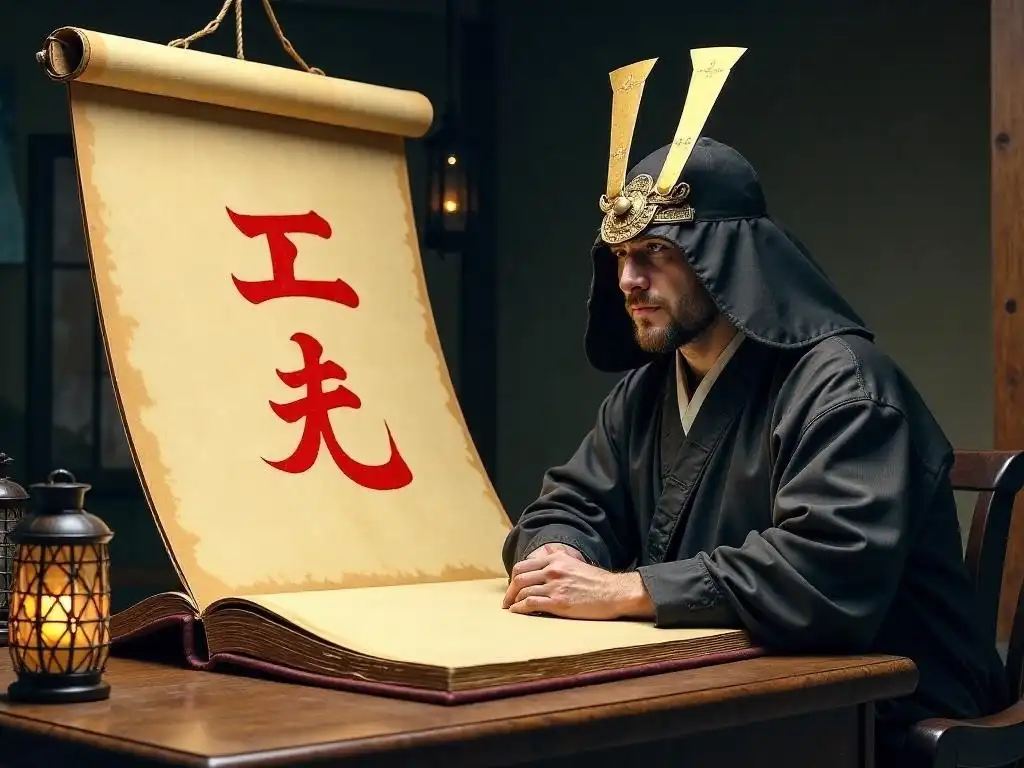
Welcome to Feudal Japan History, where we embark on a fascinating journey through the intricate tapestry of Japan's feudal era. Here, we delve into the profound impact of literary censorship on creative expression, exploring the delicate balance between control and freedom that defined this captivating period. Our featured article, “Censorship and Freedom: The Challenges of Literary Expression,” invites you to uncover the hidden narratives and struggles of writers in feudal Japan.
What tales were silenced, and what truths emerged? Join us as we illuminate the shadows of history and spark your curiosity about a world where words wielded both power and peril.
- Censorship and Freedom: The Challenges of Literary Expression in Feudal Japan
-
Frequently Asked Questions
- What was the role of literary censorship in Feudal Japan?
- How did censorship affect cultural expression during this period?
- Were there any notable literary works that faced censorship?
- How did the public respond to literary censorship in Feudal Japan?
- What impact did literary censorship have on modern Japanese literature?
- Final Reflection: The Enduring Struggle for Literary Freedom
- Unleash the Power of Your Voice!
Censorship and Freedom: The Challenges of Literary Expression in Feudal Japan
The literary landscape of Feudal Japan was marked by a complex interplay of creativity and constraint, where authors navigated the delicate balance between expression and censorship. This era, spanning from the late 12th century to the mid-19th century, was characterized by various forms of governance that imposed restrictions on literary works, reflecting broader societal and political dynamics.
As we delve into the intricacies of Feudal Japan literary censorship, we will explore how historical contexts, government influence, and key figures shaped the environment in which literary expression flourished or struggled to survive. This examination will uncover not only the mechanisms of censorship but also the resilience and ingenuity of writers who sought to convey their thoughts and emotions despite the ever-present shadow of authority.
Understanding Feudal Japan Literary Censorship
Definition of Literary Censorship in Feudal Japan
Literary censorship in Feudal Japan can be defined as the systematic suppression or regulation of written works by authorities aiming to control public discourse and maintain social order. This practice often targeted various genres, from poetry and novels to political treatises, reflecting the prevailing values and ideologies of the time. The censorship mechanisms ranged from outright bans to the alteration of texts, ensuring that only government-approved narratives reached the audience.
Historical Context of Censorship Practices
The roots of censorship in Feudal Japan can be traced back to early governance structures, where the need for stability and conformity led to the regulation of cultural expression. As the political landscape evolved, particularly with the rise of the shogunate, censorship became a tool for enforcing loyalty and suppressing dissent. Significant historical events, such as the Sengoku period (1467-1603), saw intensified censorship efforts as warlords sought to control not only military factions but also the cultural narrative that influenced public sentiment.
Key Figures in Censorship During the Feudal Era
Several influential figures played pivotal roles in shaping censorship practices during the Feudal era. Notable among them were the shoguns, who wielded considerable power over cultural policies, and local daimyōs, whose authority extended to the regulation of literature in their domains. Additionally, scholars and literati often found themselves navigating the censorship landscape, sometimes becoming informal censors themselves by self-editing their works to avoid repercussions.
The Shogunate's Influence on Literary Expression
The shogunate, as the de facto government of Japan during much of the Feudal era, significantly influenced literary expression through its policies and enforcement mechanisms. The Tokugawa shogunate (1603-1868), in particular, implemented strict regulations on publishing, requiring works to undergo approval processes before dissemination. This control extended to popular literature, such as ukiyo-e prints and kabuki plays, which were often subject to scrutiny and censorship.
Policies and Regulations Affecting Writers
Various policies emerged throughout the Feudal era, impacting writers and their creative processes. The Buke shohatto (Laws for the Military Houses) established guidelines that restricted the content of literature, aiming to curb any potential criticism of the ruling class. Additionally, the prohibition of certain themes, such as critiques of government or discussions of social issues, led many authors to adopt veiled language or allegory to convey their messages while sidestepping censorship.
Notable Censorship Events in Feudal Japan
Several notable events highlight the challenges of literary expression under censorship in Feudal Japan. The suppression of works such as "The Tale of Genji" and the banning of certain kabuki plays illustrate the government's efforts to control the narrative and maintain authority. These instances not only reveal the tensions between creativity and censorship but also the ways in which literature served as a mirror to societal norms and challenges, often reflecting the struggles of authors against restrictive measures.
By examining these critical aspects, we can better understand the enduring legacy of literary censorship in Feudal Japan and its impact on the cultural history of the nation.
Impact of Censorship on Literary Works
Censorship during feudal Japan had profound implications on the literary landscape, shaping both the content and the trajectory of written expression. As the ruling classes sought to control the narrative and maintain social order, many authors faced significant constraints. This led to alterations in themes, styles, and even the outright suppression of certain works. The impact was multifaceted, affecting not only the authors but also the audiences who craved unfiltered expressions of thought and creativity.
The restrictions imposed by the Tokugawa shogunate, particularly those aimed at suppressing dissent and promoting Confucian ideals, led to a notable shift in literary production. Many writers resorted to subtlety and allegory in their works, embedding critiques of society within layers of metaphor. This transformation fostered an environment where literature became a battleground for ideas, despite the looming threat of censorship.
Alteration and Suppression of Classic Texts
The alteration and suppression of classic texts during feudal Japan were pervasive. Works that challenged the status quo or questioned the authority of the ruling samurai class often faced censorship. For instance, the government imposed bans on certain themes, such as the romanticization of the common people or criticism of the samurai ethos.
Classics like "The Tale of Genji" underwent scrutiny, with revisions that aligned more closely with Confucian values. These alterations diluted the original messages and forced authors to reimagine their narratives to fit within the restrictive bounds of acceptable literature. The result was a literary scene that often prioritized conformity over creativity, with many authors self-censoring to avoid severe repercussions.
The Rise of Underground Literature
In response to the stringent censorship prevalent in feudal Japan, underground literature began to flourish. Writers who sought to express dissenting opinions or explore taboo subjects often turned to clandestine methods of publication. This underground scene became a refuge for authors to share their works without the fear of government reprisal.
Dramatic forms such as ukiyo-zōshi, or "pictures of the floating world," emerged, which allowed for commentary on societal issues through the guise of entertainment. This literature frequently circulated in secret, fostering a subculture of readers and writers who valued freedom of expression. The rise of this underground movement not only preserved alternative voices but also laid the groundwork for future literary revolutions.
Case Studies of Censored Authors and Their Works
Several notable authors from feudal Japan faced the brunt of censorship, their works often modified or banned outright. One prominent example is Ihara Saikaku, whose works, such as "The Life of an Amorous Man," faced scrutiny for their candid depictions of sexuality and the lives of the merchant class. Despite facing censorship, Saikaku's narrative style and themes resonated with readers, highlighting the tension between state control and literary freedom.
Another significant figure is Matsuo Bashō, the famous haiku poet. While his work was not overtly censored, the philosophical undertones in his poetry often brushed against societal norms. Bashō's subtle resistance through nature imagery and profound insights served as a quiet rebellion against the constraints placed upon him.
Literary Expression and Resistance
Literary expression during feudal Japan was not solely a victim of censorship; it also became a means of resistance. Authors employed various strategies to navigate the oppressive literary landscape, using their works to challenge authority and provoke thought.
Forms of Resistance Against Censorship
Resistance against censorship took many forms, ranging from covert criticism to the use of allegory. Writers frequently embedded their dissenting views within seemingly innocuous narratives, allowing them to evade scrutiny while still engaging with pressing societal issues. This clever use of language and symbolism became a hallmark of feudal Japanese literature, as authors sought to communicate with readers who could decode their messages.
Additionally, some authors openly defied censorship by publishing their works outside the reach of government oversight. This included the distribution of pamphlets and broadsides, which allowed for the rapid spread of ideas among the populace. Such acts of defiance were risky but showcased the resilience of literary expression in the face of oppression.
The Role of Literature in Social Commentary
Literature in feudal Japan served as a critical platform for social commentary, reflecting the struggles and aspirations of the populace. Authors used their works to critique the rigid class structures and the moral decay they perceived within society. By addressing issues such as poverty, corruption, and the plight of women, writers like Chikamatsu Monzaemon utilized the stage to voice dissent and inspire change, even when faced with censorship.
This dual role of literature—as both an art form and a tool for social critique—allowed authors to engage with their readers on deeper levels, fostering a sense of community around shared ideas and discontent.
Notable Literary Movements During the Feudal Era
Various literary movements emerged during the feudal era, each responding to the challenges of censorship and societal constraints. The Edo period saw the rise of the ukiyo-e movement, which emphasized the fleeting nature of life and often portrayed scenes of everyday life, love, and pleasure. This movement provided a counter-narrative to the austere Confucian ideals promoted by the shogunate.
Additionally, the development of haiku as a distinct literary form allowed poets to convey profound thoughts and emotions in concise, impactful language. Figures like Matsuo Bashō and Yosa Buson exemplified this movement, using nature and personal experience as vehicles for deeper philosophical reflections.
Ultimately, these literary movements illustrated the enduring spirit of creativity and resistance among authors during feudal Japan, proving that even in the face of censorship, literature could thrive and inspire change.
The Cultural Significance of Censorship
Censorship in feudal Japan played a pivotal role in shaping the cultural landscape of the era. It was not merely a mechanism to suppress dissent but rather a tool that influenced the very fabric of literary expression. The governing authorities, particularly the shogunate, enforced regulations that dictated what could be published, thereby controlling the narrative and ensuring that it aligned with their political and social agendas. This control extended to various forms of art, including theater, poetry, and prose, which were often subjected to scrutiny before reaching the public.
The impact of censorship was profound, sparking a complex relationship between writers and their works. Authors frequently navigated these restrictions by employing metaphor, allegory, and subtext, fostering a culture of subtlety and nuance. This artistic strategy not only allowed for the continuation of creative expression but also enriched the literature of the time, as writers found innovative ways to convey their messages without incurring the wrath of the authorities. Hence, censorship emerged as both a constraint and a catalyst for artistic ingenuity.
Censorship and its Effect on Japanese Culture
Censorship significantly affected Japanese culture, shaping social norms and the collective consciousness of society. It dictated the themes and values that were permissible, leading to a homogenization of literary content that favored the status quo. Historical texts, such as The Tale of Genji and various Noh plays, reflect the cultural expectations of the time, often glorifying loyalty, honor, and conformity, which were prized by the ruling classes.
Moreover, censorship created an environment of fear and self-censorship among writers and artists. Many feared reprisals or punishment for expressing dissenting opinions or for tackling controversial subjects. This atmosphere stifled open discourse and critical examination of societal issues, leading to a lack of diverse perspectives in literature. Yet, within these confines, some authors emerged as pioneering figures who challenged the boundaries, subtly critiquing the status quo while maintaining a semblance of compliance with censorship laws.
The Legacy of Censorship in Modern Japanese Literature
The legacy of censorship in feudal Japan has left an indelible mark on modern Japanese literature. While contemporary authors enjoy greater freedom of expression, the historical constraints have shaped the thematic concerns and stylistic approaches of modern writers. The nuanced storytelling techniques developed in response to censorship continue to influence how narratives are constructed today.
Modern Japanese literature often grapples with themes of identity, societal pressure, and the quest for individuality—issues that were historically suppressed. Authors like Haruki Murakami and Banana Yoshimoto reflect a blend of traditional motifs and modern existential dilemmas, showcasing the lasting effects of censorship’s historical legacy. The ongoing exploration of freedom and restriction in their works suggests a cultural memory that remains sensitive to the past's constraints, even as it seeks to break free from them.
Comparative Analysis: Censorship in Other Historical Contexts
Censorship is not unique to feudal Japan; it has been a prevalent force in various historical contexts worldwide. For instance, in the medieval European context, the Catholic Church imposed strict censorship on literature, controlling the flow of religious and secular ideas. Similarly, during the Ming and Qing dynasties in China, the government enforced literary censorship to maintain political stability and discourage dissent.
In each of these contexts, censorship served similar functions: it shaped cultural production, influenced societal values, and often led to the emergence of underground movements that sought to challenge the status quo. The comparative analysis reveals that while the tools and methods of censorship may differ, its impact on literary expression and cultural narratives remains a constant thread throughout history. This shared experience highlights the universal struggle for freedom of expression and the resilience of writers against oppressive regimes.
Conclusion: The Ongoing Dialogue Between Censorship and Freedom
The tension between censorship and freedom of expression continues to resonate in contemporary discourse, both in Japan and globally. The historical challenges faced by writers during the feudal era serve as a reminder of the importance of literary freedom in fostering a vibrant and diverse cultural landscape. As society evolves, the dialogue surrounding censorship must also adapt, reflecting the ongoing struggle for artistic integrity and individual expression.
Reflections on the Importance of Literary Freedom
Literary freedom is essential for the flourishing of culture and society. It allows for the exploration of diverse perspectives and the questioning of dominant narratives. The reflections on historical censorship in Japan highlight the need for vigilance in protecting the rights of writers to express their thoughts and ideas without fear of repression. This freedom not only enriches literature but also empowers readers, fostering critical thinking and societal progress.
Future Implications for Literature in Japan
Looking ahead, the implications for literature in Japan are significant. As digital platforms emerge and the global exchange of ideas accelerates, the potential for unrestricted expression increases. However, the specter of censorship remains, particularly in the context of social media and online publishing. As authors navigate these new landscapes, the lessons learned from feudal Japan's literary history will inform their approaches to creativity and expression, encouraging them to advocate for their rights to voice their truths.
Call to Action: Advocating for Unrestricted Expression in Literature
It is imperative that we advocate for unrestricted expression in literature, recognizing its fundamental role in shaping culture and society. Readers, writers, and cultural institutions must unite to challenge censorship and support initiatives that promote freedom of expression. By fostering an environment where diverse voices can be heard and celebrated, we can ensure that the literary heritage of Japan—and indeed the world—remains vibrant and dynamic, free from the shackles of censorship.
Frequently Asked Questions
What was the role of literary censorship in Feudal Japan?
Literary censorship in Feudal Japan was primarily aimed at controlling political dissent and maintaining the authority of the ruling classes. Officials often monitored and restricted literature that could challenge their power.
How did censorship affect cultural expression during this period?
The censorship imposed by the authorities limited the freedom of expression, leading to a more subdued cultural landscape. However, this also spurred creativity as writers found ways to express their ideas within the confines of the law.
Were there any notable literary works that faced censorship?
Yes, many literary works were censored or banned, particularly those that critiqued the shogunate or explored themes of rebellion. Some authors had to resort to subtle symbolism to convey their messages.
How did the public respond to literary censorship in Feudal Japan?
The public response varied; while some accepted the restrictions, others sought underground literature or turned to oral traditions to bypass censorship, showcasing a desire for freedom of thought.
What impact did literary censorship have on modern Japanese literature?
The legacy of literary censorship in Feudal Japan continues to influence modern Japanese literature, as themes of resistance and the struggle for freedom of expression are prevalent in contemporary works.
Final Reflection: The Enduring Struggle for Literary Freedom
Censorship remains a pressing issue in today's society, echoing the challenges faced during Feudal Japan, where literary expression was often stifled by authoritarian control. The historical context of literary censorship serves as a stark reminder of the fragility of freedom of expression and the ongoing battle against oppressive forces. As we navigate a world increasingly influenced by digital media and political agendas, the lessons from the past resonate more than ever, urging us to remain vigilant in protecting our voices.
The legacy of literary censorship in Feudal Japan has profoundly shaped our cultural landscape, influencing not only the way literature is created but also how it is consumed and perceived. The echoes of this struggle can be seen in contemporary debates surrounding free speech and artistic expression, where the specter of censorship looms large. As noted by author Haruki Murakami, In a world where we can’t express ourselves freely, we lose a part of our humanity.
This observation underscores the vital importance of safeguarding literary freedom, as it is not merely about words on a page but about the essence of our identities and the stories that define us.
As we reflect on the challenges of literary expression, I invite you to consider your own role in this ongoing narrative. How can you champion the freedom to express ideas and stories that matter? Whether through supporting local authors, advocating for policies that protect free speech, or simply engaging in conversations about the power of literature, your actions can contribute to a more open and expressive society. Let us embrace the lessons of history and commit ourselves to fostering an environment where creativity can flourish, ensuring that the voices of today and tomorrow are never silenced.
Unleash the Power of Your Voice!
Thank you for exploring the complexities of censorship and freedom in literary expression. Your engagement with this essential topic helps illuminate the struggles many face in sharing their truths. Now, let’s transform your newfound insights into action!
- Share your thoughts: Join the conversation! Write a brief piece about censorship in your community and share it on social media to spark meaningful dialogue.
- Explore further: Discover the stories of authors who have faced censorship. Choose a book that has been challenged and reflect on how it resonates with your views on freedom of expression.
- Connect with fellow thinkers: Engage with local book clubs or online forums focused on literature and censorship to exchange experiences and strategies for promoting free expression.
What powerful story or idea are you ready to share that could inspire others to advocate for literary freedom?