
The Rise of the Samurai: A Catalyst for Change in Japanese Society

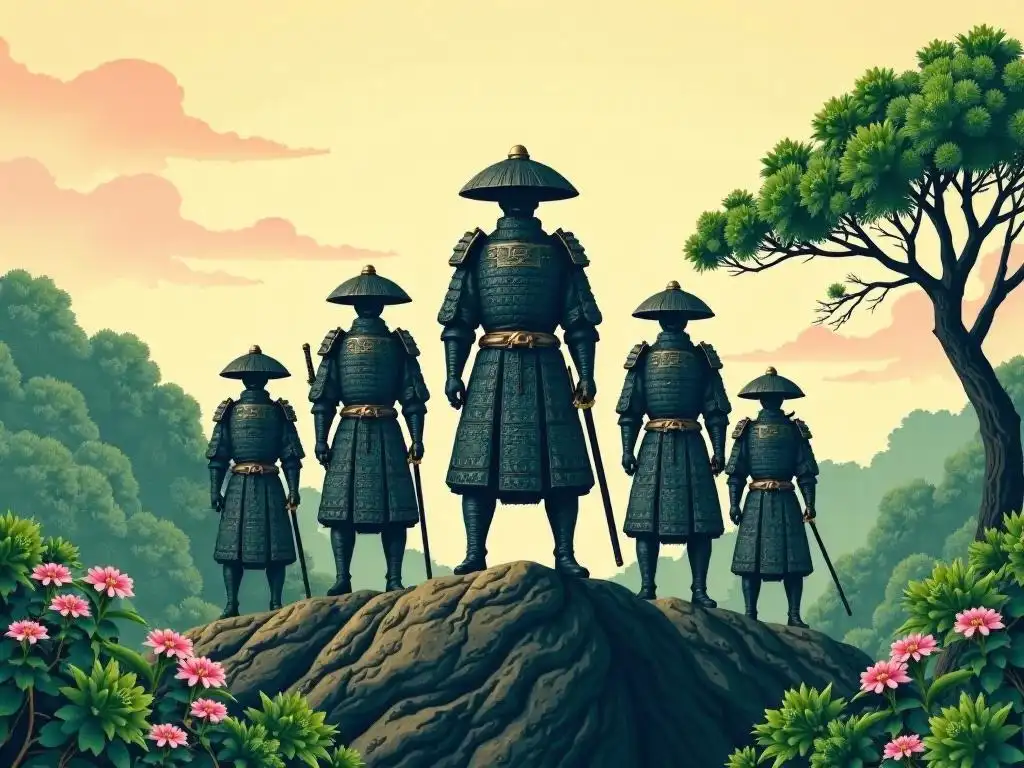
Welcome to Feudal Japan History, where we embark on a fascinating journey through the intricate tapestry of Japan’s feudal era. Here, we delve deep into the impact of Samurai on Japan, exploring how these legendary warriors became a catalyst for profound changes in society, culture, and politics. As you navigate through our expert-driven insights, prepare to uncover the untold stories and pivotal moments that shaped a nation.
What secrets lie within the rise of the Samurai? Join us as we unravel the complexities of this remarkable period and discover how the echoes of the past continue to resonate today. Dive in and explore!
The rise of the samurai marks a pivotal chapter in Japanese history, characterized by significant transformations across political, social, and cultural landscapes. Emerging during the Heian period and solidifying their status through the Kamakura period, the samurai not only shaped the military framework of Japan but also redefined the relationship between governance and societal order.
This article delves into the intricate journey of the samurai class, exploring their origins, their establishment as a warrior elite, and their profound impact on the political dynamics of feudal Japan. By understanding the impact of samurai on Japan, we can appreciate how this formidable class catalyzed changes that reverberated throughout Japanese society for centuries.
Introduction to the Samurai Class
Definition and Origins of Samurai
The term "samurai" derives from the Japanese verb "saburau," meaning "to serve," reflecting their role as noble warriors who served the ruling elite. Initially, the samurai were provincial warriors serving local lords, but over time, they evolved into a distinct social class characterized by their code of conduct, known as Bushido.
This code emphasized virtues such as loyalty, honor, and discipline, shaping the moral framework of the samurai. The origins of the samurai can be traced back to the early Heian period, when they first began to organize as military retainers in response to the need for protection and order in an increasingly fragmented landscape.
The Historical Context of the Samurai Emergence
The emergence of the samurai class must be understood against the backdrop of Japan's political fragmentation during the Heian period (794-1185). As the imperial court in Kyoto became increasingly detached from the rural provinces, local warlords (known as daimyōs) began to assert their authority, leading to a power vacuum that the samurai filled. This period of civil strife, paired with a declining central authority, set the stage for the rise of the samurai as both warriors and administrators, ultimately culminating in the establishment of the Kamakura Shogunate in 1192.
The Impact of Samurai on Japan's Political Landscape
Establishment of Feudalism in Japan
The samurai played a crucial role in the establishment of feudalism in Japan, a system that emphasized land ownership and loyalty. Under this system, daimyōs granted land (or fiefs) to samurai in exchange for military service, creating a hierarchical structure that defined Japanese society for centuries. This feudal arrangement not only solidified the power of the samurai but also fostered a culture of loyalty and duty that permeated Japanese society, influencing both governance and interpersonal relationships.
The Role of Samurai in Military Governance
Samurai were not merely warriors; they were also central figures in the military governance of Japan. As the primary enforcers of the daimyōs' will, they maintained order and security across their territories. The samurai's dual role as both soldier and local administrator allowed them to exert significant control over the lands they governed, often leading to the establishment of local laws and customs that reflected their values and priorities. This military governance laid the groundwork for future political structures and practices in Japan.
Influence of Samurai on Political Alliances and Conflicts
The samurai's influence extended beyond mere governance; they also shaped the political landscape through strategic alliances and conflicts. The battles between rival clans—often fought by samurai—were pivotal in determining the balance of power in feudal Japan. These conflicts, coupled with the samurai's commitment to loyalty and honor, often led to the formation of alliances that reshaped regional dynamics. The intricate web of relationships among samurai, their lords, and rival factions created a complex political environment that significantly impacted Japan's historical trajectory.
Through their military prowess and societal influence, the samurai emerged as a formidable force, leaving an indelible mark on the political history of Japan. Their legacy continues to resonate, offering valuable insights into the evolution of Japanese society and governance.
Cultural Transformations Driven by Samurai
The rise of the samurai class marked a significant shift in Japanese culture during the feudal era. This transformation was characterized by a blend of martial prowess, ethical codes, and artistic patronage, which collectively influenced various aspects of Japanese life. The samurai were not merely warriors; they were also custodians of culture, promoting a unique identity that resonated across the nation.
The Samurai Code: Bushido and Its Significance
At the heart of samurai culture was Bushido, the "Way of the Warrior," a code of conduct that emphasized virtues such as loyalty, honor, and courage. This code was not only a guideline for behavior in battle but also served as a moral compass for samurai in their daily lives. By adhering to Bushido, samurai cultivated a sense of discipline that extended beyond the battlefield, fostering a societal emphasis on ethical behavior and responsibility. This influence permeated Japanese society, impacting the samurai's relationships with their lords and the common people, and ultimately shaping the moral framework of the era.
The Contribution of Samurai to Arts and Literature
Samurai were instrumental in the advancement of various art forms, including literature, painting, and martial arts. They patronized artists and writers, leading to the flourishing of cultural expressions such as Noh theater and ink painting. Notably, many samurai were literate and engaged in poetry, with the haiku form gaining popularity during this time. The samurai's appreciation for aesthetics and the pursuit of beauty contributed significantly to the cultural landscape of Japan, creating a rich tapestry of artistic achievement that is still celebrated today.
Samurai Influence on Religion and Philosophy in Japan
The samurai also played a crucial role in the evolution of religion and philosophy in Japan. Their beliefs were often intertwined with Zen Buddhism, which emphasized mindfulness and discipline—principles that resonated with the samurai ethos. The adoption of Zen practices influenced samurai training and mindset, fostering a philosophical approach that valued simplicity and directness. This blending of martial and spiritual ideals led to a distinctive Japanese worldview that emphasized harmony, balance, and the importance of nature, leaving a lasting impact on Japanese culture.
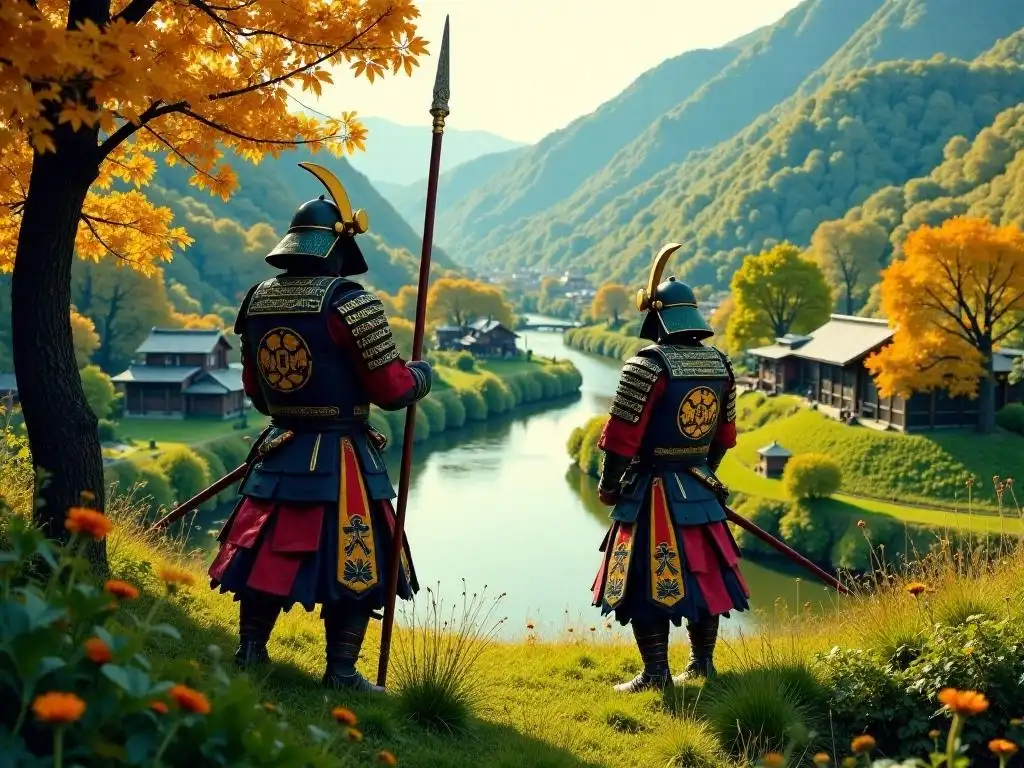
The emergence of the samurai class brought about profound social changes that altered the fabric of Japanese society. As warriors and noblemen, samurai shifted the power dynamics in Japan, leading to new social structures and relationships.
The Shift in Social Hierarchy: From Peasants to Samurai
Historically, Japan’s feudal society was predominantly agrarian, with peasants forming the backbone of the economy. However, as the samurai gained prominence, the social hierarchy began to shift. The samurai occupied a higher status than peasants, establishing a system where loyalty to a lord was rewarded with land and privileges. This transformation not only elevated the samurai class but also created a distinct separation between the ruling elite and the working class, fundamentally reshaping societal roles and expectations.
Samurai's Role in Shaping Japanese Identity
The samurai's influence extended beyond the battlefield, as they became emblematic of Japanese identity. Their values and lifestyle became synonymous with the notion of Japanese honor and pride. The samurai's dedication to their lords and readiness to sacrifice themselves for their beliefs fostered a sense of national identity that was deeply rooted in the concepts of loyalty and duty. This identity was cultivated through stories of valor and sacrifice, which permeated popular culture and significantly impacted the collective consciousness of the Japanese people.
The Economic Impact of Samurai on Feudal Society
The samurai class also had a considerable economic impact on feudal Japan. As landowners, they managed estates and collected taxes from peasants, which contributed to the economic structure of the time. This system allowed the samurai to sustain themselves and their families while maintaining a degree of control over the agrarian populace. Furthermore, the samurai's patronage of artisans and merchants stimulated trade and craftsmanship, leading to economic growth in various regions. Thus, the samurai not only shaped the political landscape but also played a crucial role in the economic fabric of feudal Japan.
The Decline of Samurai Influence
The decline of the samurai’s influence in Japan is a complex narrative driven by various socio-political changes that transpired in the late 19th century. The Meiji Restoration of 1868 marked a significant turning point, as the new government aimed to modernize Japan and dismantle the feudal structure that had long been in place. As a result, the samurai class, which had held significant power and privilege, began to lose its status and relevance in the rapidly changing society.
The abolition of the feudal system effectively stripped the samurai of their traditional roles as warriors and retainers. The new government established a conscript army that rendered the samurai's military prowess obsolete. Additionally, the government instituted reforms that promoted meritocracy over hereditary privilege. This shift meant that positions of power and influence were increasingly awarded based on capability rather than lineage, further diminishing the samurai's societal standing.
Factors Leading to the Fall of the Samurai Class
Several interrelated factors contributed to the fall of the samurai class:
- Economic Changes: The shift from a primarily agrarian economy to a more industrialized one diminished the samurai's land-based wealth. As commerce and industry flourished, the economic power of samurai who relied on land revenue waned.
- Political Reforms: The Meiji government implemented policies that centralized power and reduced the autonomy of the samurai. This included the dissolution of domains (han) and the establishment of a centralized bureaucratic state.
- Cultural Shifts: The adoption of Western ideologies and practices led to a cultural transformation that de-emphasized the samurai's values, such as bushido, in favor of modernization and Westernization.
- Civil Conflicts: The Boshin War (1868-1869), fought between pro-imperial and pro-shogunate forces, demonstrated the declining military relevance of the samurai. Their defeat signaled a shift towards a more unified, modern state.
The Transition from Samurai to Modern Japan
The transition from a samurai-dominated society to modern Japan involved a profound transformation in many aspects of life. The Meiji government introduced a series of reforms aimed at consolidating power and modernizing the country. This included the establishment of a national army, which replaced the samurai as the primary military force. The old warrior class was largely disbanded, and many samurai found themselves in unfamiliar roles as bureaucrats, educators, or businesspeople.
Moreover, the educational system was revamped to promote a new national identity, emphasizing loyalty to the emperor and the state rather than to feudal lords. As Western influences permeated Japanese society, the samurai's traditional lifestyle and values began to fade, giving way to a new era characterized by industrial growth and modernization.
Legacy of the Samurai in Contemporary Japanese Society
Despite their decline, the samurai left an indelible mark on contemporary Japanese society. Their values, particularly the principles of honor, loyalty, and discipline, have been integrated into various aspects of modern life. The influence of bushido, the samurai code of conduct, can be seen in contemporary martial arts, corporate culture, and even in the realm of politics.
Cultural representations of samurai in literature, film, and art continue to celebrate their legacy, romanticizing their ideals and exploring the complexities of their roles in society. Festivals and traditions that honor samurai heritage still exist, showcasing a blend of historical reverence and modern interpretation.
Conclusion: The Lasting Impact of Samurai on Japan
The samurai's impact on Japan transcends their military prowess and political dominance. As catalysts for change, they played a crucial role in shaping Japanese culture, governance, and social structures. The decline of their influence marked the end of an era but also paved the way for a new Japan, one that embraced modernization while still acknowledging its rich history.
Reflection on the Samurai's Role as Catalysts for Change
The samurai class served as both rulers and warriors, influencing the very fabric of Japanese society. Their transition to a modern state facilitated significant reforms in governance, military, and cultural practices. By embodying conflicting ideals of loyalty and individuality, the samurai catalyzed a national dialogue about identity and purpose in a rapidly evolving world.
The Enduring Influence of Samurai Culture in Modern Japan
Even in contemporary Japan, the legacy of the samurai endures. Their cultural significance permeates various facets of life, from traditional arts to modern philosophy. The samurai spirit continues to inspire individuals and institutions, manifesting in values such as perseverance, respect for tradition, and collective responsibility. This enduring influence ensures that the samurai's impact on Japan remains a vital part of the national identity, bridging the past with the present.
- Introduction to the Samurai Class
- The Impact of Samurai on Japan's Political Landscape
- Cultural Transformations Driven by Samurai
- Social Changes Initiated by the Samurai Class
- The Decline of Samurai Influence
- Conclusion: The Lasting Impact of Samurai on Japan
Frequently Asked Questions
What was the role of the Samurai in feudal Japan?
The Samurai served as the military nobility of feudal Japan, embodying the values of honor, loyalty, and discipline. Their influence extended beyond warfare, shaping the cultural and social structures of the era.
How did the Samurai impact Japanese culture?
The impact of Samurai on Japanese culture is profound, introducing ideals such as Bushido (the way of the warrior) which emphasized ethics, loyalty, and courage. Their cultural legacy includes contributions to literature, art, and martial traditions.
What changes did the rise of the Samurai bring to society?
The rise of the Samurai catalyzed significant social and political changes, leading to the establishment of a feudal system in Japan. Their dominance influenced land ownership, governance, and the overall class structure of society.
How did Samurai warfare influence Japan's history?
Samurai warfare was instrumental in shaping Japan's historical landscape, including the unification of the country during the warring states period. Their strategies and combat techniques laid the groundwork for military practices that persisted for centuries.
What was the relationship between the Samurai and the ruling class?
The Samurai had a complex relationship with the ruling class, often serving as vassals to the daimyo (feudal lords). This relationship was based on mutual benefit, where Samurai provided military service in exchange for land and protection.
Final Reflection: The Enduring Impact of Samurai on Japan
The legacy of the samurai is not merely a relic of the past; it is a profound influence that continues to shape modern Japanese society. As we explore the intricate tapestry of Japan's history, we see how the samurai's values of honor, discipline, and loyalty have transcended time, leaving an indelible mark on contemporary culture and social structures. The samurai were not just warriors; they were catalysts for change, fostering a sense of identity and unity that resonates even today.
Culturally, the samurai have become symbols of resilience and integrity, inspiring generations to uphold these values in various aspects of life. Their influence is evident in Japan's art, literature, and even corporate culture, where the principles of bushido can be seen in the dedication to craftsmanship and service.
As noted by historian John W. Hall, > “The samurai were not only warriors; they were also the architects of a cultural ethos that continues to guide Japanese society.” This observation underscores the ongoing relevance of the samurai's impact, reminding us that their legacy is woven into the very fabric of Japan's identity.
As we reflect on the lessons from the samurai, let us consider how we can embody their principles in our own lives. Embrace the values of honor, discipline, and loyalty in your daily actions, and strive to be a catalyst for positive change in your community.
The spirit of the samurai lives on in each of us, urging us to rise above challenges and contribute to a society that values integrity and respect. Take a moment to reflect on how you can carry forward this legacy, not just as a historical fascination, but as a guiding force for your own journey.
Embrace the Legacy: Stand with the Samurai Spirit!
Thank you for diving into the compelling world of the Samurai and how they shaped Japanese society. Your interest in this transformative era highlights the profound impact these warriors had on culture and leadership. Now, it’s time to take that knowledge and harness the power of the Samurai spirit in your own life!
Here are some impactful ways to cultivate resilience and honor the legacy of the Samurai:
- Reflect on Your Own Values: Take a moment to write down what courage and honor mean to you. How can you incorporate these qualities into your daily life?
- Engage with Your Community: Share what you’ve learned about the Samurai with friends or family. Start a discussion or create a group dedicated to exploring aspects of this historical culture!
- Explore Further: Dive deeper into the rich history of the Samurai by reading books or watching documentaries. Consider visiting a local museum or cultural event focused on this fascinating period.
What Samurai qualities will you adopt in your journey towards personal growth and leadership? Share your thoughts in the comments below!