
The Role of Christianity in Japan's Isolationist Policies

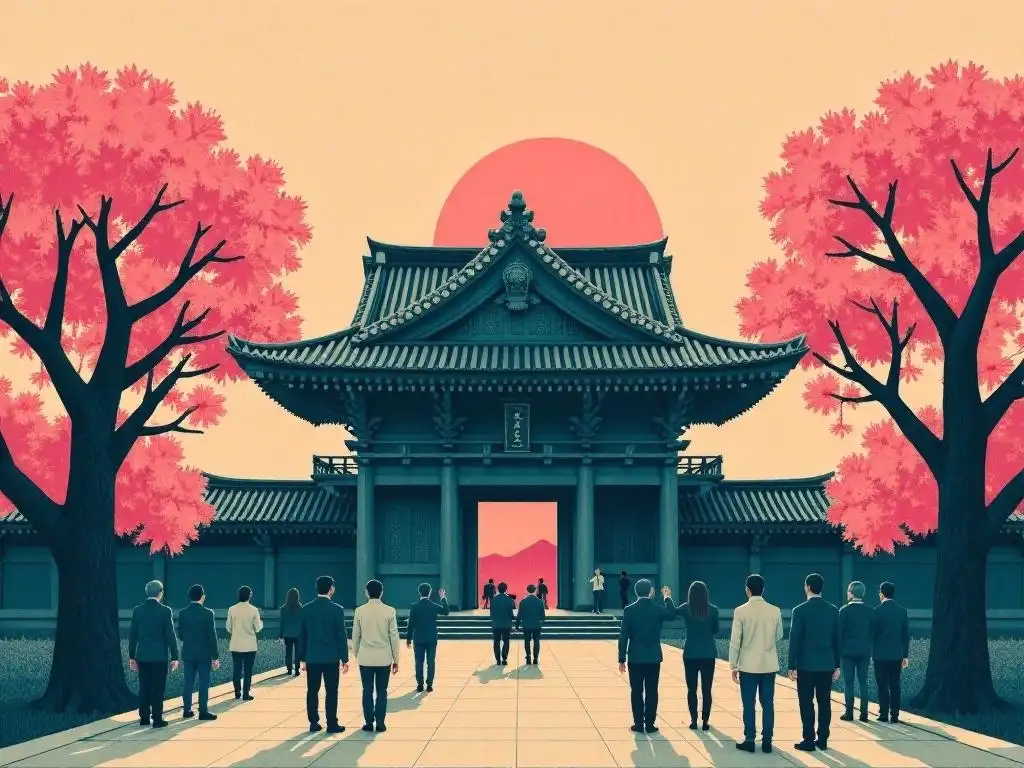
Welcome to Feudal Japan History, where we embark on a captivating journey through the intricate tapestry of Japan's feudal era. Here, you will uncover the profound impact of Christianity on Japan's isolationist policies, a topic that intertwines foreign relations with the cultural and societal dynamics of the time. What role did faith play in shaping a nation’s boundaries and identity? As you delve deeper into our expert-driven articles, you’ll find answers that challenge conventional narratives and invite you to explore the complex interplay between religion and isolation. Ready to unravel the secrets of Japan's past? Your adventure begins here!
Japan's feudal era was marked by profound transformations in its societal and political landscapes, significantly shaped by foreign influences and internal dynamics. One of the most intriguing chapters of this history is the interaction between Christianity and Japan's isolationist policies during the 17th century. As European powers began to extend their reach into Asia, Christianity entered Japan, sparking both curiosity and conflict. This article delves into the complex relationship between Christianity and Japan's isolation, exploring the historical context, key figures, and the political maneuvers that ultimately led to a national policy of seclusion.
Introduction to Christianity in Japan
Brief history of Christianity's introduction to Japan
Christianity first made its mark in Japan in the mid-16th century, primarily through the efforts of Portuguese missionaries who arrived in 1549. The Jesuit priest Francis Xavier is often credited with being the first to introduce Christianity to the Japanese, preaching a message of faith that resonated with many, especially among the samurai class. By the early 1600s, the number of converts had grown, leading to the establishment of several Christian communities throughout the country.
Key figures in early Christian missions in Japan
Several key figures emerged during this initial phase of Christian missionary work in Japan:
- Francis Xavier: The first Jesuit missionary in Japan, he laid the groundwork for future missions and attracted numerous followers through his charismatic preaching.
- Alessandro Valignano: A Jesuit who played a crucial role in shaping the missionary strategy in Japan, emphasizing the importance of cultural adaptation.
- Giovanni Battista de Sequeira: Another influential Jesuit who contributed to the spread of Christianity through his efforts in education and community building.
These missionaries not only focused on religious conversion but also engaged with Japanese culture, attempting to integrate their teachings within the local context.
Initial reception of Christianity by Japanese society
Initially, Christianity was met with a mix of curiosity and enthusiasm. Many Japanese people, intrigued by the new ideas and technologies brought by the missionaries, converted to Christianity. However, this acceptance was not universal. Traditional religious beliefs, such as Shinto and Buddhism, remained deeply embedded in Japanese society, leading to tensions as Christianity began to gain a foothold.
The Rise of Isolationist Policies in Japan
Overview of Japan's political landscape in the 17th century
The 17th century was a turbulent time in Japan, characterized by the rise of the Tokugawa Shogunate, which sought to consolidate power and stabilize the nation after years of civil war. The new shogunate implemented strict social orders, emphasizing loyalty to the state and the ruling class. This political context set the stage for a reevaluation of foreign influences, including Christianity.
Factors leading to Japan's isolationist policies
Several factors contributed to the emergence of Japan's isolationist policies, including:
- Fear of foreign influence: The shogunate viewed the growing number of Christian converts as a potential threat to political stability.
- Economic considerations: Japan sought to limit foreign trade to maintain control over its economy and resources.
- Cultural preservation: There was a strong desire to protect Japanese culture and traditions from foreign domination.
These concerns culminated in a series of edicts that increasingly restricted foreign interactions and ultimately led to the national policy of sakoku (closed country).
The influence of the Tokugawa Shogunate on isolation
The Tokugawa Shogunate played a pivotal role in enforcing isolationist policies. By the 1630s, measures were taken to expel missionaries and suppress Christianity, viewing them as catalysts for unrest. The shogunate's policies effectively closed Japan to most foreign influences for over two centuries, profoundly shaping the country's historical trajectory and cultural identity.
In understanding the interplay between Christianity and Japan's isolationist policies, we can gain insight into the broader themes of cultural exchange, resistance, and adaptation that defined this pivotal period in Japanese history.
The Conflict between Christianity and Isolationism
The interaction between Christianity and Japan's isolationist policies represents a complex and multifaceted historical narrative. During the late 16th and early 17th centuries, Christianity, introduced primarily by European missionaries, began to gain traction in Japan. However, this rise of a foreign religion came into direct conflict with the emerging isolationist stance of the Tokugawa shogunate. The shogunate perceived Christianity not only as a religious challenge but also as a potential political threat, leading to a series of actions aimed at curbing its influence and reinforcing the nation's isolationist policies.
Tensions between Christian missionaries and Japanese authorities
The arrival of Jesuit missionaries, such as Francis Xavier in 1549, marked the beginning of significant Christian influence in Japan. Initially, many Japanese, including samurai and merchants, were receptive to the teachings of Christianity, which offered new perspectives and opportunities for trade with European powers. However, as the number of converts grew, so did the concerns of the Tokugawa shogunate. Authorities feared that the loyalty of Christians might lie more with the Pope and foreign powers than with the Japanese state.
This tension escalated as missionaries began to openly challenge traditional Japanese beliefs and practices, leading to confrontations with local authorities. The shogunate implemented restrictive measures, including the prohibition of Christianity in 1614, viewing it as a divisive force that could undermine the social order and national unity. The suppression of Christianity became a symbol of Japan's commitment to maintaining its sovereignty and cultural identity against perceived foreign encroachment.
Key events that marked the suppression of Christianity
Several pivotal events underscore the suppression of Christianity in Japan. In 1614, the Tokugawa shogunate issued an edict that outlawed Christianity and expelled foreign missionaries. This marked the beginning of a systematic campaign to eradicate the faith from Japanese society. The shogunate established policies that included the persecution of Christians, leading to executions and torture of those who defied the ban.
One of the most notable incidents was the martyrdom of 26 Christians in Nagasaki in 1597, which served as a chilling warning against the practice of the faith. The subsequent crackdown on Christianity included the infamous "fumie" practice, where suspected Christians were forced to step on images of Christ to prove their loyalty to the shogunate. These actions not only decimated the Christian population but also reinforced the narrative of isolationism as a defensive measure against foreign influence.
The impact of Christianity on Japan's foreign relations
Christianity's rise and subsequent suppression had profound implications for Japan's foreign relations. Initially, the presence of missionaries fostered connections with European nations, particularly in trade and cultural exchange. However, as the Tokugawa shogunate solidified its isolationist policies, foreign relations became increasingly strained. The expulsion of missionaries and the persecution of Japanese Christians led to a decline in diplomatic relations with countries such as Portugal and Spain, which viewed the actions of the shogunate as hostile.
Moreover, the shogunate’s stance against Christianity was mirrored by its broader isolationist approach, which sought to limit foreign influence and maintain internal stability. The eventual policy of sakoku, or closed country, in the 1630s further isolated Japan from the world, with only limited trade permitted through designated ports. This isolation was, in part, a response to the perceived threat of Christianity, showcasing how the faith played a critical role in shaping Japan's foreign relations during this period.
Christianity as a Catalyst for Isolationist Measures

The emergence of Christianity in Japan acted as a catalyst for the development and implementation of isolationist measures by the Tokugawa shogunate. The perceived threat of a foreign religion led to a reevaluation of foreign interactions and the establishment of policies aimed at protecting Japan's cultural integrity and political sovereignty.
How Christianity influenced Japanese perceptions of foreign influence
Christianity contributed to a growing sentiment among Japanese leaders that foreign influences posed a significant risk to the nation's unity and stability. The association of Christianity with colonial ambitions, particularly as European powers expanded their reach globally, led to heightened suspicions of all foreign interactions. Many shogunate officials believed that the spread of Christianity was a precursor to political domination, which prompted a defensive posture against any foreign engagement.
This perception was shaped by the shogunate’s prioritization of social harmony and order, which were seen as essential for the stability of the nation. Consequently, Christianity came to be viewed as a disruptive force that could incite division and unrest among the populace, thus justifying the implementation of strict isolationist policies.
The role of Christianity in shaping isolationist policies
Christianity's influence on Japan's isolationist policies was evident in the shogunate's legislative actions and societal regulations. The need to control the spread of Christianity led to the establishment of laws that limited foreign interactions, including prohibiting the entry of missionaries and foreign nationals. These measures were designed to prevent the resurgence of Christianity and to maintain the shogunate's authority over religious and cultural matters.
The shogunate's policies emphasized the importance of Confucian values and traditional Japanese beliefs, positioning them as essential components of national identity. By framing Christianity as a threat to these values, the shogunate solidified its rationale for isolationism, intertwining religious suppression with nationalistic motives.
Legislative actions against Christianity and their implications
The legislative measures taken against Christianity had far-reaching implications for Japanese society and its foreign relations. The prohibition of Christianity in 1614 was followed by a series of edicts that reinforced the ban and persecuted adherents. The introduction of the "Christianity Act" and subsequent laws mandated severe penalties for those who practiced the faith or engaged with foreign missionaries.
These actions not only curtailed religious freedom but also fostered a culture of suspicion and vigilance against foreign influences. The long-term implications included the entrenchment of isolationist policies that lasted for more than two centuries, ultimately shaping Japan's historical trajectory and its interactions with the outside world. The shogunate's commitment to isolationism was, in many ways, a direct response to the challenges posed by Christianity, illustrating the intricate relationship between religion and foreign policy during this period in Japanese history.
Cultural and Societal Impacts of Christianity's Suppression
The suppression of Christianity in Japan during the early modern period significantly impacted both cultural and societal structures. Following the establishment of isolationist policies, which were largely influenced by the fear of foreign influence and the potential destabilization of society, Christianity was not only marginalized but systematically persecuted. This suppression created a cultural vacuum that led to a resurgence of traditional Japanese religious practices, such as Shintoism and Buddhism, which emphasized loyalty to the state and the emperor.
The societal impact was profound; communities that had embraced Christianity were often torn apart, leading to a loss of social cohesion among converts. The Tokugawa shogunate’s efforts to eliminate Christianity included the execution of countless believers and the imposition of heavy surveillance on suspected Christians. Such actions fostered a climate of fear, pushing many underground and erasing their influence on broader societal norms and practices. This contributed to a more homogenous society, with a stronger emphasis on Confucian ideals, loyalty, and hierarchy, which contrasted sharply with the earlier, more diverse cultural tapestry that included Christian philosophies.
Changes in Japanese society due to the isolationist stance
The isolationist stance adopted by Japan in the early 17th century led to significant changes in Japanese society. The closure of borders to foreign influences meant that Japan became increasingly inward-looking. As a result, the cultural exchange that had previously occurred—facilitated by Christian missionaries, traders, and scholars—was curtailed. This shift had several notable consequences:
- Cultural Homogeneity: With the exclusion of foreign ideologies, Japanese society became more uniform, reinforcing traditional values and practices.
- Educational Restrictions: The ban on Christianity led to limitations on Western learning and education, which had been introduced by missionaries. This stunted the intellectual growth that could have emerged from exposure to different philosophies and scientific advancements.
- Political Stability: The Tokugawa shogunate sought to control the populace by promoting a singular cultural identity, which they believed would maintain social order. Christianity's suppression was viewed as critical in preventing civil unrest and maintaining the shogunate’s power.
The legacy of Christianity in Japan post-isolation
Despite the harsh measures taken against Christianity, its legacy persisted in various forms after Japan reopened to the world in the mid-19th century. The Meiji Restoration marked a significant turning point, allowing for a resurgence of Christianity in a new context. The following aspects highlight this legacy:
- Cultural Resurgence: Some aspects of Christian thought and ethics began influencing Japanese culture, particularly in areas such as education, social reform, and human rights.
- Historical Awareness: The narrative of persecution has been preserved, leading to a complex relationship with Christianity where it is sometimes viewed as part of the broader narrative of Japan’s struggle against foreign domination.
- Modern Christianity: Today, Christianity exists alongside other religions in Japan, contributing to the nation’s diverse religious landscape. Its historical significance is acknowledged in commemorative events and in literature, reflecting a reconciliatory approach to its past.
Differences in regional responses to Christianity and isolation
The responses to Christianity and the policies surrounding isolation varied significantly across different regions of Japan. While the Tokugawa shogunate imposed strict controls in urban centers like Edo (now Tokyo), rural areas often displayed a more nuanced attitude:
- Urban Areas: In cities where Christianity had gained a foothold, such as Nagasaki, the authorities implemented severe crackdowns. The presence of foreign traders and the visibility of Christian practices made these areas focal points for persecution.
- Rural Regions: In contrast, some rural communities maintained a degree of tolerance towards Christianity, often viewing it as beneficial for trade and education. The local leaders sometimes engaged with missionaries to improve their agricultural practices and healthcare.
- Regional Variations in Belief: The impact of Christianity also differed based on local beliefs and practices, with some areas integrating Christian ethics into their existing frameworks, while others rejected it outright.
Conclusion: The Lasting Effects of Christianity and Isolationism
Summary of Christianity’s impact on Japan’s isolationist policies
The relationship between Christianity and Japan’s isolationist policies is marked by a complex interplay of cultural suppression, societal transformation, and the eventual emergence of a unique Japanese identity. The shogunate’s actions against Christianity not only shaped the religious landscape but also influenced broader societal norms, creating a legacy that would resonate long after the policies were lifted. The suppression led to a revival of indigenous beliefs and practices, solidifying traditional values while silencing alternative perspectives.
Reflection on the historical significance of this relationship
The historical significance of Christianity's suppression during Japan's isolationist period lies in its profound impact on the nation’s socio-political fabric. It serves as a pivotal case study of how fear of foreign influence can shape national policies and cultural identity. Moreover, this period exemplifies the lengths to which a government may go to maintain control over its populace and protect its cultural integrity, highlighting the delicate balance between tradition and foreign influence.
Implications for understanding modern Japan's cultural identity
Understanding the role of Christianity in Japan's isolationist policies is crucial for comprehending modern Japan’s cultural identity. The historical narrative of persecution and revival has contributed to a multifaceted society where traditional beliefs coexist with modern values. This duality is evident in contemporary Japanese culture, which reflects influences from both indigenous practices and Western ideologies. The legacy of isolationism continues to inform Japan's cautious approach to globalization and foreign relations, making it essential to acknowledge the historical context in discussions about Japan's ongoing cultural evolution.
- Introduction to Christianity in Japan
- The Rise of Isolationist Policies in Japan
- The Conflict between Christianity and Isolationism
- Christianity as a Catalyst for Isolationist Measures
- Cultural and Societal Impacts of Christianity's Suppression
- Conclusion: The Lasting Effects of Christianity and Isolationism
- What was the impact of Christianity on Japan during the feudal era?
- Why did Japan adopt isolationist policies in relation to Christianity?
- How did the Tokugawa shogunate respond to Christianity?
- What were the consequences of Japan's isolation on Christianity?
- Are there any lasting effects of this historical isolation on modern Japan?
Frequently Asked Questions
What was the impact of Christianity on Japan during the feudal era?
Christianity played a significant role in shaping Japan's isolationist policies. The spread of Christianity in the 16th century led to concerns about foreign influence, prompting the government to impose restrictions.
Why did Japan adopt isolationist policies in relation to Christianity?
Japan adopted isolationist policies primarily to safeguard its cultural identity and maintain political stability. The fear of foreign domination and the potential for dissent fueled this decision.
How did the Tokugawa shogunate respond to Christianity?
The Tokugawa shogunate enacted severe measures against Christian missionaries and followers, including persecution and bans. This response aimed to eliminate any potential challenges to their authority.
What were the consequences of Japan's isolation on Christianity?
Japan's isolation led to the near eradication of Christianity in the country for over two centuries. The policies resulted in a subterranean church where followers practiced their faith in secrecy.
Are there any lasting effects of this historical isolation on modern Japan?
Yes, the historical isolation has influenced modern Japan's cultural outlook and relationships with foreign religions. It has created a unique blend of tradition and modernity within the society.
Final Reflection: The Enduring Legacy of Christianity and Japan's Isolation
In exploring the intricate relationship between Christianity and Japan's isolationist policies, we uncover a narrative that resonates deeply with contemporary discussions about cultural exchange and national identity. The historical interplay between these two forces not only shaped Japan's past but also offers vital insights into the complexities of globalization today. As we navigate a world increasingly defined by interconnectedness, the lessons drawn from Japan's isolationist era remind us of the delicate balance between embracing foreign influences and preserving cultural integrity.
The influence of Christianity on Japan's isolationist policies has left an indelible mark on the cultural and social landscape of the nation. This historical context serves as a poignant reminder of how faith can both unite and divide societies. The tension between the desire for spiritual growth and the need for national sovereignty continues to echo in modern Japan, where the legacy of isolationism still informs contemporary attitudes toward foreign cultures. History is a vast early warning system.
– Norman Cousins. This quote encapsulates the importance of reflecting on our past as we navigate the complexities of our present and future.
As we conclude this exploration, I invite you to reflect on the lessons of history and consider how they apply to your own life. How can we learn from Japan's experience with Christianity and isolation to foster a more inclusive and understanding society today? Embrace the opportunity to engage with diverse perspectives while honoring your own cultural heritage. Let us carry forward the wisdom gleaned from the past, ensuring that our actions today contribute to a future where dialogue and mutual respect prevail.
Unveil New Perspectives on Japan's History!
Thank you for exploring the intricate relationship between Christianity and Japan's isolationist policies with us. Your interest in this unique aspect of history is invaluable, and we hope you've gained insightful knowledge about the cultural dynamics at play during this fascinating period.
Now, it's time to take that knowledge further! Here are a few actions you can consider:
- Dive Deeper: Read more about the Isolated Era in Japanese history and explore other influences that shaped the country. Consider checking out our featured articles on the Tokugawa Shogunate.
- Join the Conversation: Share your thoughts or questions in the comments below, or connect with fellow history enthusiasts on our dedicated community forum.
- Spread the Knowledge: Share this article with friends or on social media! The more we discuss and dissect these historical threads, the greater our understanding becomes.
What aspect of Japan’s isolationist policies surprises you the most, and how do you think Christianity influenced its direction? We’d love to hear your thoughts!