
Foreign Relations and Isolationism: The Dichotomy of Japan's Edo Period

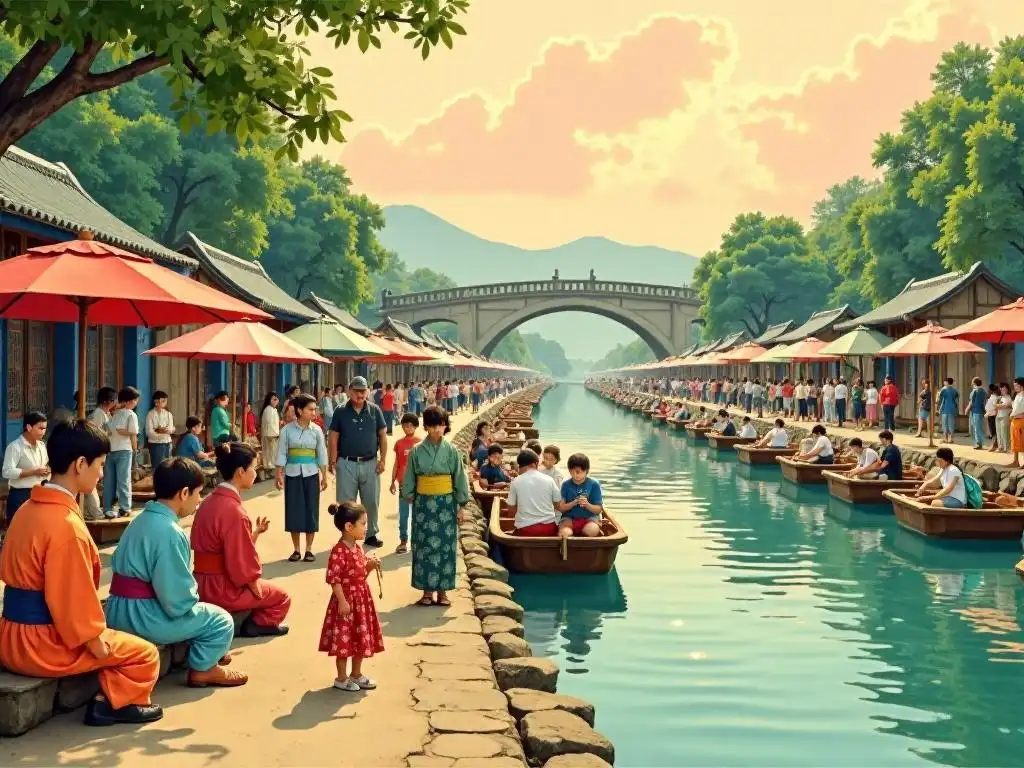
Welcome to Feudal Japan History, where we delve into the rich and intricate tapestry of Japan's feudal era. Here, you’ll embark on a captivating journey through time, exploring the remarkable Edo period—a pivotal chapter marked by the delicate balance of foreign relations and isolationism. What drove Japan to embrace seclusion while simultaneously engaging with the world? Join us as we unravel the complexities of this fascinating dichotomy and uncover the hidden narratives that shaped a nation. Prepare to be intrigued and inspired as you navigate our expert-driven insights and in-depth articles!
- Introduction to Japan's Edo Period Foreign Relations
- The Historical Context of Japan's Foreign Relations
- The Policy of Sakoku: Japan's Isolationist Approach
- Foreign Relations during the Edo Period
- The Dichotomy of Isolationism and Foreign Influence
- Challenges to Isolationism
- Conclusion: The Legacy of Japan’s Edo Period Foreign Relations
- References and Further Reading
-
Frequently Asked Questions
- What were the main foreign relations during Japan's Edo period?
- How did isolationism impact Japan during the Edo period?
- What events led to the end of Japan's isolationist policies?
- How did foreign trade influence Japanese culture during the Edo period?
- What role did the samurai play in foreign relations during the Edo period?
- Final Reflection: The Enduring Legacy of Japan's Edo Period Foreign Relations
- Unveil the Lessons of Edo: Engage with Japan's Unique Path!
Introduction to Japan's Edo Period Foreign Relations
The Edo Period, spanning from 1603 to 1868, marked a significant era in Japan's history characterized by a unique blend of isolationist policies and selective foreign relations. This complex dichotomy shaped not only Japan’s interactions with the outside world but also its internal development, cultural evolution, and societal structures. At the heart of this period lies the Tokugawa shogunate, which implemented strict regulations to control foreign influence while strategically engaging with select nations.
Understanding the dynamics of Japan's foreign relations during the Edo period is crucial for comprehending how these policies affected the nation’s trajectory and identity. This article delves into the intricate balance of diplomacy and isolationism that defined this fascinating era, exploring the historical context, cultural implications, and lasting significance of Japan’s foreign relations during the Edo period.
Overview of the Edo Period (1603-1868)
The Edo period, also known as the Tokugawa period, commenced when Tokugawa Ieyasu unified Japan after a long period of civil war. This era is marked by remarkable stability, economic growth, and cultural flourishing. The shogunate established a centralized feudal system that emphasized strict social hierarchies and governance.
Key features of the Edo period include:
- Political Structure: The Tokugawa shogunate maintained power through a system of daimyos (feudal lords) who governed local territories while pledging loyalty to the shogun.
- Economic Growth: Agricultural productivity surged, leading to an increase in trade and commerce, particularly in urban centers like Edo (modern-day Tokyo).
- Cultural Flourishing: The period saw the emergence of distinct Japanese arts, literature, and philosophy, including the popularization of kabuki theater and ukiyo-e woodblock prints.
While the Edo period was a time of peace and prosperity, it also marked the onset of isolationist policies that would define Japan's foreign relations for over two centuries.
Significance of Foreign Relations in Feudal Japan
Foreign relations during the Edo period were pivotal in shaping Japan's interactions with the world, despite the overarching isolationist stance. The shogunate's policies towards foreign nations were characterized by a careful selection of trade partners and diplomatic engagements, primarily driven by economic interests and the desire to maintain internal order.
Some significant aspects include:
- Limited Trade: Japan engaged in limited trade with a few select nations, notably the Dutch and the Chinese, while prohibiting contact with other foreign powers, particularly the Portuguese and Spanish, due to their missionary activities.
- Cultural Exchange: Despite restrictions, the exchange of goods and ideas from foreign countries influenced Japanese culture. Dutch learning (Rangaku) allowed for the introduction of Western science and technology, albeit in a controlled manner.
- Impact on National Identity: The isolationist policies cultivated a sense of nationalism and cultural homogeneity, but they also set the stage for eventual encounters with the West in the mid-19th century, leading to significant transformations in Japan's political and social fabric.
Understanding these foreign relations is essential for appreciating the complexities of Japan's Edo period, where isolationism coexisted with selective engagement, ultimately influencing the nation's path towards modernization and global integration.
The Historical Context of Japan's Foreign Relations
Early Trade and Diplomatic Relations Before the Edo Period
Before the Edo period, Japan's foreign relations were characterized by a series of complex interactions with neighboring countries, primarily China, Korea, and the Southeast Asian nations. During the 8th to 12th centuries, Japan maintained a tributary relationship with China, importing cultural, religious, and technological influences. The introduction of Buddhism and the adoption of Chinese characters for writing are notable examples of this cultural exchange.
In the 14th and 15th centuries, maritime trade expanded significantly. The Muromachi period saw the rise of the Nanban trade, where Portuguese and Spanish traders began to establish commercial ties with Japan. This period marked the arrival of European influence, including firearms and Christianity, which altered Japan's socio-political landscape. Key points include:
- Trade Routes: The development of maritime routes facilitated the exchange of goods such as silk, spices, and ceramics.
- Diplomatic Missions: Envoys sent to and from China were common, reflecting a desire for mutual recognition and trade agreements.
However, these interactions were often fraught with tension, as local daimyō (feudal lords) competed for power and influence, often leading to conflicts that shaped Japan's early relations with foreign entities.
Transition to Isolationism in the Edo Period
With the establishment of the Tokugawa shogunate in 1603, Japan underwent a significant transformation in its foreign relations, leading to the implementation of strict isolationist policies. The Edo period, lasting until 1868, was marked by a deliberate strategy to limit foreign influence, primarily to maintain political stability and cultural integrity. Several key developments defined this transition:
- Sakoku Edicts: In the 1630s, the shogunate enacted the Sakoku (鎖国) edicts, which severely restricted foreign trade and prohibited Japanese citizens from traveling abroad. Only a few designated ports, such as Nagasaki, allowed limited trade with specific foreign nations, notably the Dutch and the Chinese.
- Control of Christianity: The Tokugawa regime viewed Christianity as a threat to its authority and initiated a campaign to eradicate it. This led to the persecution of Christians and the closure of foreign missions, effectively severing ties with European powers.
- Cultural Insulation: The isolationism fostered a unique Japanese culture that thrived in the absence of foreign influence, leading to developments in art, literature, and philosophy. While foreign trade was restricted, the Edo period saw the flourishing of domestic industries and crafts.
- Economic Implications: The focus on self-sufficiency led to the growth of local economies, but also created challenges, such as a lack of technological advancement compared to Western nations by the mid-19th century.
Japan's Edo period represents a complex dichotomy of foreign relations marked by initial openness that gradually transitioned into a stringent isolationist policy, ultimately defining the socio-political landscape of feudal Japan.
The Policy of Sakoku: Japan's Isolationist Approach
Definition and Implementation of Sakoku
Sakoku, literally meaning "locked country," was a policy implemented in Japan during the Edo period (1603-1868) that sought to eliminate foreign influence and control over Japanese society. This policy was officially enacted in 1635 under the Tokugawa shogunate, marking a decisive shift in Japan's foreign relations. The primary objective was to maintain political stability and preserve Japanese culture by limiting contact with foreign nations, particularly European powers and missionaries.
Under Sakoku, Japan restricted trade to a few select ports, most notably Nagasaki, which became the sole gateway for foreign commerce. Only the Dutch and the Chinese were permitted to trade with Japan, and even then, under stringent regulations. The Dutch were granted limited access to the port of Nagasaki and were required to adhere to strict protocols, including a prohibition on proselytizing, which the Japanese saw as a threat to their social order.
This isolationist policy was not merely about trade restrictions, but also encompassed severe limitations on the movement of Japanese people. Citizens were forbidden to travel abroad, and those who attempted to do so faced harsh penalties. The shogunate's approach was rooted in a desire to protect Japan from the perceived threats of colonialism, cultural dilution, and religious conversion that were prevalent in other parts of Asia during this period.
Impact of Sakoku on Japan's Foreign Relations
The Sakoku policy had profound effects on Japan's foreign relations during the Edo period. By limiting interactions with foreign nations, Japan effectively withdrew from the global stage and created a unique cultural and political environment that would shape its identity for centuries to come.
Economic Implications
- Trade Restrictions: The restrictions on foreign trade limited the influx of foreign goods and ideas, which isolated Japan economically. While it allowed local industries to flourish without foreign competition, it also hindered technological advancement and access to international markets.
- Dutch Trade: The Dutch were allowed to maintain a small trading post in Nagasaki, which became a crucial conduit for the limited exchange of Western knowledge, particularly in science and technology. Dutch studies (Rangaku) emerged as a significant intellectual movement within Japan, albeit under tight supervision.
Diplomatic Relations
- Limited Diplomacy: Japan's diplomatic relations were heavily curtailed. The shogunate focused on maintaining peace and order internally rather than expanding its influence abroad. This led to a lack of formal diplomatic ties with most nations, which would later prove problematic when Western powers sought to engage Japan in the 19th century.
- Perception of Foreigners: The isolationist stance fostered a perception of foreigners as potential threats. This view was compounded by various incidents, including the arrival of European missionaries, which fueled fears of foreign interference in Japanese affairs.
Reasons Behind the Isolationist Policy
Several factors contributed to the establishment of the Sakoku policy, each reflecting the complex interplay of societal, political, and cultural dynamics within Japan during the Edo period.
Political Stability
- Tokugawa Control: The Tokugawa shogunate sought to consolidate power and eliminate potential threats to its authority. The influx of foreign ideas and influence was perceived as a destabilizing force that could incite rebellion or unrest.
- Preceding Conflicts: The memory of the Sengoku period (Warring States period) fueled a desire for stability. The shogunate aimed to prevent any resurgence of civil strife that could arise from foreign meddling.
Cultural Preservation
- Cultural Identity: There was a strong emphasis on preserving Japanese culture and traditions against the encroachment of Western ideologies and practices. The shogunate promoted a sense of national identity that was distinctly Japanese, resisting foreign influences that could dilute this identity.
- Religious Concerns: The rise of Christianity, particularly after the arrival of European missionaries, raised alarm among Japanese leaders. The shogunate feared that Christianity could undermine the traditional social order and loyalty to the emperor.
Economic Considerations
- Self-Sufficiency: The shogunate's economic policies favored self-sufficiency and local production over dependence on foreign imports. This approach was intended to strengthen Japan's economy while minimizing vulnerability to foreign powers.
- Control of Trade: By limiting foreign trade and interactions, the Tokugawa regime could better control the flow of goods and resources, ensuring that wealth remained within Japan rather than being siphoned off by foreign interests.
The Sakoku policy was a multifaceted strategy that shaped Japan's foreign relations during the Edo period. Its implementation reflected a deep-seated desire for political stability, cultural preservation, and economic control, which ultimately defined Japan's approach to the outside world until the mid-19th century.
Foreign Relations during the Edo Period
The Edo period (1603-1868) was marked by a unique approach to foreign relations, characterized by the strict isolationist policies implemented by the Tokugawa shogunate. This era saw Japan engaging selectively with foreign entities while simultaneously limiting outside influence. The policy of sakoku (鎖国), or "locked country," defined Japan's foreign relations during this time, creating a complex interplay of isolation and limited international engagement.
Key Foreign Entities: The Dutch, Chinese, and Koreans
During the Edo period, certain foreign entities were permitted limited interaction with Japan. The most significant were the Dutch, Chinese, and Koreans.
- The Dutch:
- The Dutch East India Company was allowed to trade at Nagasaki, primarily because they were seen as useful intermediaries. Unlike the Portuguese, who were closely associated with Christianity, the Dutch maintained a strictly commercial relationship, which the Tokugawa shogunate found more acceptable.
- The Dutch were the only Europeans permitted to conduct trade in Japan, and they introduced various Western technologies and ideas, including advancements in science and medicine.
- The Chinese:
- Trade with China was significant, as it provided Japan with essential goods such as silk, ceramics, and books. The Chinese merchants operated under the watchful eye of the shogunate, who sought to regulate trade strictly.
- The cultural influence of China was profound, affecting art, literature, and philosophy in Japan during this period. The importation of Chinese texts contributed to the spread of Confucian ideals.
- The Koreans:
- Relations with Korea were more complex, influenced by historical tensions stemming from invasions in the late 16th century. Despite this, the Tokugawa shogunate maintained diplomatic ties.
- Korean envoys, known as Tongsinsa, visited Japan, facilitating cultural exchanges and trade, though these interactions were limited and heavily monitored.
Trade Relations: The Role of Nagasaki
Nagasaki served as the sole port for international trade during the Edo period, becoming the focal point of Japan's foreign relations. The city's strategic location and controlled access allowed the Tokugawa shogunate to regulate foreign influence effectively.
| Entity | Goods Traded | Impact on Japan |
|---|---|---|
| Dutch | Textiles, scientific instruments, books | Introduction of Western knowledge, technology |
| Chinese | Silk, ceramics, books | Enrichment of culture, literature, and philosophy |
| Korean | Ginseng, textiles | Strengthening of diplomatic ties, cultural exchange |
- Controlled Access: The shogunate enforced strict regulations on trade, limiting foreign merchants to specific quarters and monitoring all transactions. This isolationist policy was aimed at maintaining social stability and preventing the spread of Christianity.
- Nagasaki as a Cultural Hub: Despite its isolation, Nagasaki became a melting pot of cultures. The presence of foreign merchants led to the emergence of Rangaku (Dutch learning), where scholars studied Western science and technology, gradually influencing Japanese thought and innovation.
Cultural Exchanges and Influences from Foreign Nations
The limited foreign relations of the Edo period did not preclude cultural exchanges; rather, they shaped a unique fusion of ideas and practices.
- Western Influences: Through the Dutch, Japan gained access to various Western scientific texts, medical practices, and technologies. This exchange laid the groundwork for later modernization efforts in the Meiji Restoration.
- Chinese Cultural Impact: The significant influx of Chinese literature and philosophy during this period led to the adoption of Confucian ideals in governance and social behavior. The revival of Neo-Confucianism influenced the samurai class and the education system.
- Artistic Exchanges: The limited interactions with foreign entities also fostered artistic influences. For example, Ukiyo-e (woodblock prints) began incorporating elements from Western art, such as perspective and shading, demonstrating a blend of styles.
While Japan's Edo period is often characterized by its isolationist policies, the carefully managed foreign relations with entities like the Dutch, Chinese, and Koreans contributed significantly to Japan's cultural and technological landscape. This intricate balance between isolation and engagement played a crucial role in shaping Japan's identity during the feudal era.
The Dichotomy of Isolationism and Foreign Influence
The Edo period (1603-1868) in Japan is characterized by a complex relationship between isolationism and foreign influence. This era, marked predominantly by the Tokugawa shogunate's strict policies, aimed to maintain stability and prevent the disruption caused by foreign interactions. However, this isolation was not absolute; it led to a unique dichotomy where Japan developed internally while still experiencing subtle external influences.
The Tokugawa shogunate's policies were primarily designed to control foreign influence, particularly from Western nations and Christian missionaries. The implementation of the Sakoku (鎖国) policy effectively closed Japan off from the world, restricting trade and limiting contact with foreign nations to a select few. Despite these measures, the period also saw Japan's internal structures evolve significantly, with the emergence of a vibrant merchant class and the development of unique cultural practices.
One of the most notable aspects of this dichotomy is how Japan managed to cultivate its identity while simultaneously contending with the realities of the outside world. The shogunate’s isolationist policies were not solely about rejecting external influences; rather, they were a strategic maneuver to ensure the nation's sovereignty and stability during a time of potential upheaval.
How Isolationism Shaped Japan’s Internal Development
Japan's isolationist policies during the Edo period had profound implications for its internal development. By limiting foreign influence, the Tokugawa shogunate fostered a sense of national identity that was distinct and cohesive. This self-imposed seclusion allowed for the flourishing of various cultural and artistic movements, which contributed to a uniquely Japanese cultural landscape.
- Economic Growth: The restrictions on foreign trade led to the rise of a domestic economy. The merchant class (chōnin) began to play a crucial role, facilitating trade within Japan and creating a market that supported local artisans and farmers. This economic independence encouraged innovation and the development of new products.
- Cultural Flourishing: With limited foreign influence, traditional Japanese arts such as ukiyo-e (woodblock printing), kabuki (theater), and tea ceremonies gained prominence. This period saw a resurgence of classical literature and the practice of noh and kyogen theater, which became integral to Japanese cultural identity.
- Social Stratification: The isolationist policies solidified the social hierarchy. The samurai class maintained their status as the ruling elite, while the growing merchant class began to challenge traditional norms. This shift led to a reconfiguration of social structures that would have lasting effects on Japanese society.
The careful balance between maintaining internal stability and cultivating a distinct cultural identity was a hallmark of the Edo period, showcasing how isolationism shaped Japan's internal development.
Examples of Cultural and Technological Influences Despite Isolation
While Japan pursued strict isolationist policies during the Edo period, it was not entirely impervious to external cultural and technological influences. The limited engagement with foreign entities allowed for selective assimilation of ideas and practices that were adapted to fit within the Japanese context.
- Dutch Learning (Rangaku): The only Europeans allowed to trade with Japan during the Sakoku period were the Dutch. This limited contact resulted in the influx of Western knowledge, particularly in the fields of medicine, astronomy, and military technology. Dutch learning played a pivotal role in introducing new scientific ideas and practices to Japan.
- Artistic Exchanges: Although foreign artists were largely excluded, influences from Western art techniques can be seen in Japanese prints. The use of perspective and chiaroscuro in ukiyo-e prints illustrates how Japanese artists adapted foreign methods to their traditional styles.
- Agricultural Practices: The introduction of new crops and farming techniques, albeit indirectly through limited trade, contributed to agricultural improvements. For instance, the adoption of new rice strains and farming tools led to increased productivity and food security.
These examples highlight the nuanced interactions between Japan and the outside world, demonstrating that even in isolation, cultural and technological exchanges could occur and significantly impact Japanese society.
The Role of Christianity and Western Influence
Christianity played a complex role during the Edo period, particularly given the Tokugawa shogunate's efforts to suppress it. After its initial spread in the 16th century, Christianity posed a significant threat to the established order, leading to the shogunate's aggressive isolationist policies aimed at eradicating foreign religions.
- Persecution of Christians: The shogunate's clampdown on Christianity culminated in the persecution of converts and missionaries. The infamous "Christian martyrs" of Japan, such as St. Paul Miki, exemplified the severe consequences of foreign influence, leading to a significant reduction in Christian presence.
- Cultural Resistance: Despite the suppression, aspects of Western thought and culture found subtle ways to influence Japanese life. The fascination with Western science and philosophy persisted among intellectuals, leading to a form of cultural resistance that would resurface in later periods.
- Legacy of Isolation: The shogunate's strict policies against Christianity and foreign influences ultimately shaped Japan’s identity. The legacy of this isolation would influence Japan's approach to foreign relations well into the Meiji era and beyond, creating a complex narrative of resistance and adaptation.
The Edo period's approach to foreign relations through isolationism engendered a unique environment where Japan could develop its internal structures while grappling with the realities of external influences. This dichotomy of isolation and interaction shaped not only Japan's historical trajectory but also its cultural and societal evolution.
Challenges to Isolationism

The Edo period, while marked by a strict policy of isolationism, faced numerous challenges that ultimately contributed to the eventual breakdown of these barriers. These challenges emerged from both external pressures and internal conflicts, setting the stage for a transformative era in Japanese history.
External Pressures: Western Imperialism in the 19th Century
The arrival of Western powers in the 19th century posed significant challenges to Japan's isolationist policies. By the late 1800s, many nations, including the United States and European countries, were actively seeking to expand their influence in Asia. Their motives included trade opportunities, territorial expansion, and the spread of Western ideals.
- The Opium Wars: The success of Western imperialism in nearby China, particularly following the Opium Wars, highlighted the vulnerability of isolated nations. Japan observed the consequences of failing to engage with Western powers, which included loss of sovereignty and economic exploitation.
- Treaties and Unequal Agreements: The U.S. and European nations began to impose unequal treaties upon Asian countries, challenging the notion of Japan's self-imposed isolation. These treaties often included extraterritorial rights for foreigners, undermining local laws and governance.
- Military Threats: The military prowess displayed by Western nations, exemplified by naval superiority, instilled fear in the Japanese leadership. The perception that Japan could face similar threats as China led to an urgent re-evaluation of its foreign relations strategies.
The culmination of these pressures would force Japan to confront its isolationist stance, prompting a reevaluation of its foreign relations and leading to significant political and societal shifts.
Internal Conflicts: The Rise of the Sonno Joi Movement
Internally, Japan faced a growing discontent that fueled movements against the Tokugawa shogunate's isolationist policies. One of the most notable movements was the Sonno Joi ("Revere the Emperor, Expel the Barbarians") movement, which emerged in the mid-19th century.
- Philosophical Foundations: Rooted in Confucianism, the Sonno Joi ideology advocated for the restoration of imperial power and the rejection of foreign influence. Its supporters viewed the shogunate's policies as a betrayal of national sovereignty.
- Youth Involvement: The movement gained traction among the samurai class and young intellectuals, who were increasingly frustrated by the Tokugawa leadership's inability to respond effectively to external threats. This frustration manifested in violent uprisings and protests against foreign presence.
- Culmination in the Meiji Restoration: The Sonno Joi movement played a crucial role in the political landscape of Japan, contributing to the fall of the Tokugawa shogunate and the subsequent Meiji Restoration in 1868. This marked a significant shift from isolationism to a more open stance towards foreign relations.
The internal conflicts represented by the Sonno Joi movement indicated a growing desire for reform and modernization, compelling Japan to reconsider its place in the world.
The End of Isolationism: Commodore Perry’s Expedition
One of the pivotal moments that effectively marked the end of Japan's isolationism was Commodore Matthew Perry’s expedition in 1853-1854. This event catalyzed a series of changes that altered Japan's foreign relations landscape.
- The Black Ships: Perry arrived in Japan with a fleet of "Black Ships," showcasing advanced naval technology and military might. His show of force was a clear message that Japan's isolationist policies were untenable against modern military power.
- Treaty of Kanagawa (1854): Following negotiations, Japan signed the Treaty of Kanagawa, which opened two ports to American ships and established a U.S. consul in Japan. This treaty marked the beginning of formal diplomatic relations between Japan and Western nations.
- Impact on Foreign Relations: The signing of the Treaty of Kanagawa led to subsequent treaties with other Western powers, effectively ending Japan's isolationist policies. It forced Japan to engage in international diplomacy and trade, setting the stage for rapid modernization and industrialization.
The events surrounding Commodore Perry’s expedition represent a critical juncture in Japan's history, as the nation transitioned from isolation to active participation in global affairs. This shift had profound implications for Japan's development and its eventual emergence as a world power.
Conclusion: The Legacy of Japan’s Edo Period Foreign Relations
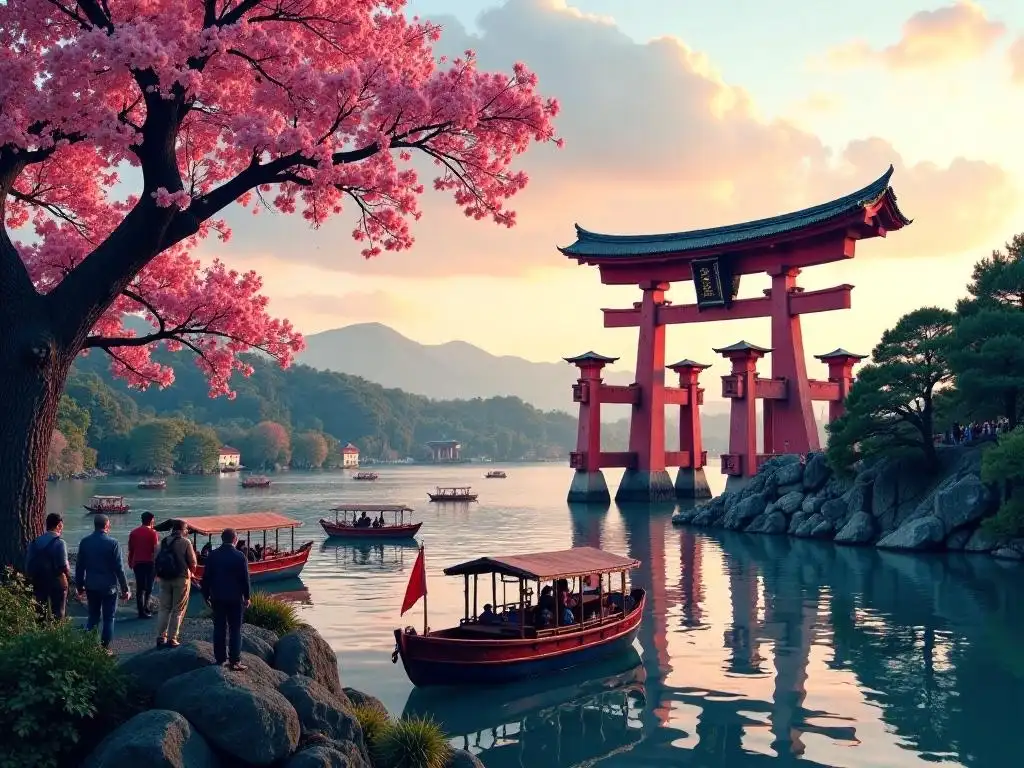
The Edo period (1603-1868) was a transformative era in Japanese history, marked by significant developments in foreign relations and a rigid adherence to isolationism. The legacy of this period continues to influence Japan's contemporary foreign policies. Despite the initial intent of isolationist policies to protect national sovereignty and cultural integrity, the outcomes have shaped Japan's approach to international relations in profound ways.
Lasting Impacts on Modern Japan’s Foreign Policies
Japan's Edo period foreign relations were primarily characterized by the sakoku policy, which restricted foreign influence and trade to a select few nations, notably the Dutch and the Chinese. This selective engagement helped Japan develop a unique cultural identity, insulated from widespread foreign invasion and colonization that affected other Asian nations. The following impacts can be observed in modern Japan's foreign policies:
- Cautious Engagement: The Edo period instilled a sense of caution in Japan's diplomatic strategies. Modern policies often reflect a balance between engagement with international partners and preserving national interests. For instance, Japan remains cautious about foreign military alliances despite being a key ally of the United States.
- Cultural Preservation: The isolationist policies of the Edo period fostered a strong sense of national pride and cultural identity. This legacy manifests in Japan's modern foreign relations, where cultural diplomacy plays a crucial role in soft power strategies, promoting Japanese culture through initiatives like kawaii culture, anime, and traditional arts.
- Economic Strategy: The focus on limited trade during the Edo period has evolved into a modern economic strategy that emphasizes the importance of selective trade partnerships. Japan’s participation in trade agreements, such as the Comprehensive and Progressive Agreement for Trans-Pacific Partnership (CPTPP), reflects a strategic approach to international economics while safeguarding domestic industries.
| Aspect | Edo Period Influence | Modern Policy Reflection |
|---|---|---|
| Diplomatic Caution | Limited foreign engagement | Careful balancing of international relations |
| Cultural Identity | Preservation of Japanese culture | Promotion of soft power through cultural diplomacy |
| Trade Strategy | Selective trade with few nations | Strategic trade agreements and partnerships |
Reflection on the Balance Between Isolationism and Globalization
The Edo period serves as a historical case study in balancing isolationism with the necessity of global interactions. While Japan's sakoku policy effectively shielded the nation from external pressures, it also limited the potential for innovation and technological advancement that came from broader engagement.
As globalization continues to reshape the world, Japan's experience during the Edo period provides valuable insights into striking a balance between maintaining cultural integrity and embracing global interconnectivity. Key reflections include:
- Cultural Exchange vs. Cultural Preservation: The challenge remains in how Japan navigates the influx of foreign cultures while preserving its own. The Edo period’s isolationist stance taught the importance of cultural identity, which Japan strives to maintain even amid globalization.
- Economic Adaptation: Modern Japan must adapt economically to global markets while recalling the lessons of the Edo period. The isolationist policies highlight the need for both self-sufficiency and openness to innovation, leading to a hybrid approach in today’s economy.
- Diplomatic Relationships: The complexity of Japan's diplomatic relationships today echoes the selective engagements of the Edo period. Japan continues to engage critically with the global community, ensuring that its interests and cultural identity remain protected.
In essence, the Edo period's foreign relations reflect a dichotomy that continues to resonate in modern Japan, illustrating the delicate balance between isolationism and the inevitable forces of globalization. As Japan moves forward, understanding this historical context will be crucial in shaping its future diplomatic and economic strategies.
References and Further Reading
Key Texts on Japan's Edo Period and Foreign Relations
To gain a deeper understanding of Japan's Edo period foreign relations, several key texts provide a wealth of information and critical perspectives. These works not only explore the diplomatic interactions Japan had with the outside world but also delve into the broader implications of its isolationist policies.
- "The Making of Modern Japan" by Gerald Curtis
- This comprehensive text offers an insightful overview of Japan's transformation during the Edo period and beyond. It examines how foreign relations influenced socio-political developments and the eventual shift towards modernization.
- "Japan's Foreign Relations in the 19th Century" by John W. Dower
- Dower's work focuses on the interactions between Japan and Western powers during the late Edo period. It highlights the tension and negotiations that characterized Japan’s re-emergence on the global stage.
- "Edo: The City That Became Tokyo" by Edward Seidensticker
- Although primarily about the city itself, this book provides context on how Edo's isolationist policies shaped its development and interactions with foreign entities. Seidensticker's narrative offers a cultural perspective that enriches the historical understanding.
- "The Tokugawa World" edited by James L. McClain, John R. D. W. Hurst, and Takahashi Shigeru
- A definitive collection that presents various aspects of Tokugawa society, including foreign relations, this anthology contains essays by leading scholars that dissect the complexities of isolationism and diplomacy.
- "Japan’s Isolation and Its Consequences" by H. Paul Varley
- Varley discusses the reasons behind Japan's isolationist stance and its implications for foreign relations, providing a critical analysis of the Edo period's policies and their long-term effects.
Recommended Resources for Further Exploration of Isolationist Policies
For those looking to explore the nuances of Japan's isolationist policies during the Edo period, the following resources are invaluable:
- Academic Journals:
- The Journal of Japanese Studies features peer-reviewed articles that cover a wide range of topics, including foreign relations and isolationism.
- Online Databases:
- JSTOR and Project MUSE provide access to numerous scholarly articles and books focused on Japan’s Edo period, making them excellent platforms for research.
- Documentaries and Lectures:
- Various educational platforms, such as YouTube and academic institutions, offer documentaries and recorded lectures that visually narrate Japan's feudal history, including its foreign relations.
- Historical Maps and Archives:
- Institutions like the National Archives of Japan contain historical maps and documents that illustrate Japan's foreign relations and isolationist policies, allowing for a visual exploration of the era.
- Local Museums and Exhibits:
- Visiting museums dedicated to Japanese history can provide tangible insights through artifacts, letters, and other historical items related to the Edo period and its foreign interactions.
By consulting these resources, readers can gain a comprehensive view of the complexities surrounding Japan's foreign relations and isolationism during the Edo period, enriching their understanding of this pivotal era in Japanese history.
Frequently Asked Questions
What were the main foreign relations during Japan's Edo period?
During the Edo period, Japan maintained limited foreign relations mainly with the Dutch and the Chinese, focusing on trade while largely isolating itself from other nations.
How did isolationism impact Japan during the Edo period?
Isolationism allowed Japan to develop a unique culture and society without foreign influence, but it also led to technological stagnation and limited external interactions until the mid-19th century.
What events led to the end of Japan's isolationist policies?
The arrival of Commodore Perry in 1853 and subsequent treaties forced Japan to open its ports, marking the end of Edo period isolationism and leading to significant political and social changes.
How did foreign trade influence Japanese culture during the Edo period?
Limited trade with the Dutch and Chinese introduced new ideas and goods, which influenced Japanese arts, cuisine, and technology, fostering a unique blend of local and foreign elements.
What role did the samurai play in foreign relations during the Edo period?
Samurai were key in maintaining internal stability and often served as diplomats handling foreign negotiations, reflecting their status in Japanese society during the Edo period.
Final Reflection: The Enduring Legacy of Japan's Edo Period Foreign Relations
The exploration of Japan's Edo period foreign relations reveals a complex interplay between isolationism and engagement that resonates profoundly in today's global landscape. As nations grapple with the challenges of globalization and the desire for sovereignty, the lessons from Japan's historical stance remind us of the delicate balance between openness and self-preservation. The Edo period serves as a powerful testament to how a nation can navigate the tides of foreign influence while maintaining its cultural integrity.
Culture and diplomacy are inextricably linked, and the Edo period exemplifies this connection through its unique approach to foreign relations. The isolationist policies of the time not only shaped Japan's identity but also influenced its interactions with the world, fostering a sense of national pride and resilience. As historian John Dower aptly stated, The past is never dead. It's not even past.
This quote underscores the ongoing relevance of historical foreign relations as we continue to confront similar dilemmas in our interconnected world.
As we reflect on the lessons of the Edo period, let us consider how we can apply these insights to our own lives and communities. How can we cultivate a sense of identity while remaining open to the world around us? I invite you to engage in this reflection, to explore the balance between embracing global connections and preserving what is uniquely yours. By doing so, we honor the legacy of Japan's Edo period and contribute to a more harmonious future.
Unveil the Lessons of Edo: Engage with Japan's Unique Path!
Thank you for exploring the intricate dynamics of Japan's Edo Period with us! You've delved into a fascinating era that shaped international relations and isolationist policies. Now, let's take these insights a step further.
Here are some actionable steps you can take right now:
- Dive Deeper: Explore more about the cultural exchanges during the Edo Period by reading additional resources on our site. Discover how art, trade, and diplomacy influenced both Japan and the wider world.
- Join the Conversation: Share your thoughts in the comments below! What do you believe was the most significant impact of isolationism on Japan’s development?
- Expand Your Knowledge: Introduce a friend or family member to the wonders of feudal Japan by sharing this article. Initiate a discussion on how these historical themes resonate in today's society.
What aspect of Japan's Edo Period intrigues you the most, and how do you believe it informs our understanding of modern foreign relations?