
The Influence of Zen Buddhism on Japanese Aesthetic in Clothing

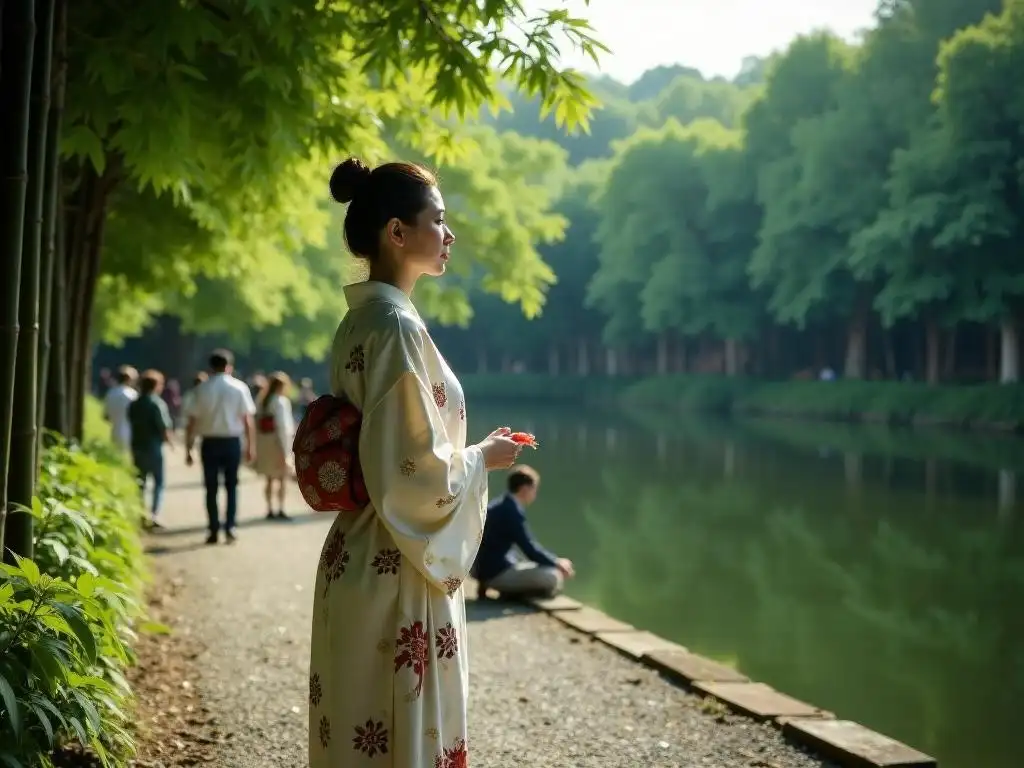
Welcome to Feudal Japan History, where we invite you to embark on a captivating journey through the intricate tapestry of Japan’s feudal era. Within these pages, you will discover how Zen Buddhism has profoundly shaped the aesthetic of clothing in Japan, influencing not just what people wore but also the very essence of daily life and societal norms.
As you delve into our featured article, "The Influence of Zen Buddhism on Japanese Aesthetic in Clothing," prepare to unveil the elegant simplicity and spiritual depth that define this unique intersection of faith and fashion. Join us as we explore the threads that connect culture, history, and artistry—your exploration starts here!
Zen Buddhism has profoundly influenced various aspects of Japanese culture, particularly in the realm of aesthetics and design. This influence is notably present in clothing, where the principles of Zen philosophy manifest in simplicity, harmony, and a deep connection to nature.
As we explore the intricate relationship between Zen Buddhism and Japanese clothing aesthetics, we will delve into the core tenets of Zen, its historical context in Japan, and how these elements have shaped the fashion landscape throughout the ages. Understanding this connection not only illuminates the evolution of Japanese clothing but also highlights the broader societal impact of Zen Buddhism on daily life during the feudal era.
Introduction to Zen Buddhism and Its Principles
Overview of Zen Buddhism
Zen Buddhism, a school of Mahayana Buddhism, emphasizes direct experience and meditation as pathways to enlightenment. Originating in China as Chan Buddhism, it later spread to Japan, transforming into a unique form that deeply resonated with the Japanese ethos. Zen encourages individuals to transcend conventional thought patterns and embrace a state of mindfulness, fostering a profound appreciation for the present moment. This philosophical outlook has significantly shaped various artistic expressions, including the realm of clothing.
Core Principles Influencing Aesthetics
The aesthetics of Zen Buddhism are rooted in several core principles: simplicity, asymmetry, and naturalness. These ideals promote an appreciation for the beauty found in imperfection and the organic forms of nature. In clothing design, this translates to garments that favor minimalistic styles, often devoid of excessive ornamentation. The concept of wabi-sabi, which celebrates the beauty of transience and imperfection, further complements the Zen aesthetic, influencing patterns, colors, and textures used in traditional Japanese attire.
The Role of Nature in Zen Philosophy
Nature plays a pivotal role in Zen philosophy, reflecting the belief that the natural world is a source of inspiration and tranquility. This connection to nature is evident in the choice of materials and colors in clothing, often derived from natural dyes and fabrics. The integration of natural elements not only enhances the aesthetic appeal but also aligns with the Zen practice of mindfulness, encouraging wearers to cultivate a deeper awareness of their surroundings.
Historical Context of Zen Buddhism in Japan
Introduction of Zen Buddhism to Japan
Zen Buddhism was introduced to Japan during the Kamakura period (1185-1333), primarily through the efforts of monks who traveled from China. It gained prominence among the samurai class and influential figures in society, who were drawn to its emphasis on meditation and discipline. The arrival of Zen not only brought new spiritual practices but also prompted a cultural renaissance that impacted various artistic fields, including architecture, poetry, and indeed, clothing.
Zen Buddhism's Integration into Japanese Culture
As Zen Buddhism took root in Japan, it began to meld with existing cultural practices, leading to a distinctive Japanese interpretation of Zen principles. This fusion was particularly evident in the development of traditional arts such as the tea ceremony, which emphasized simplicity and mindfulness. The influence of Zen extended to clothing, as practitioners began to adopt styles that embodied Zen aesthetics, emphasizing comfort, functionality, and a connection to nature.
Impact on Daily Life and Society in Feudal Japan
The impact of Zen Buddhism on daily life in feudal Japan was profound. It not only shaped individual spirituality but also influenced social interactions, art, and clothing practices. The simplicity and elegance of Zen-inspired clothing became a reflection of the values upheld by society, where humility, respect, and a connection to nature were paramount. This integration of Zen principles into everyday life created a unique cultural landscape that celebrated both aesthetic beauty and spiritual depth, leaving a lasting legacy on Japanese clothing traditions.
The Aesthetic Principles of Zen Buddhism
Zen Buddhism, rooted in the pursuit of enlightenment and inner peace, profoundly influences various aspects of Japanese culture, including aesthetics in clothing. The aesthetic principles derived from Zen emphasize simplicity, tranquility, and a profound connection to nature. These principles are not merely decorative but serve as a philosophical framework that guides the choices people make in their clothing and overall appearance. At the heart of this aesthetic lies a harmonious balance that reflects the Zen ideals of mindfulness and presence in the moment.
Simplicity and Minimalism in Zen
Simplicity and minimalism are core tenets of Zen philosophy, manifesting profoundly in clothing choices. The minimalist approach encourages individuals to focus on the essential aspects of life, stripping away excess and distractions. This principle is evident in the streamlined forms and lack of embellishment found in traditional Japanese garments.
In practice, this means favoring clothing designs that feature clean lines and subdued colors, allowing the wearer to present a calm and unobtrusive appearance. For example, the kimono, often made from a single piece of fabric, exemplifies this simplicity. The minimalist aesthetic promotes an appreciation for the beauty found in everyday objects, encouraging wearers to embrace a sense of serenity and mindfulness in their attire.
The Concept of Wabi-Sabi in Clothing
Wabi-sabi is a unique aesthetic philosophy that celebrates imperfection and transience, aligning perfectly with Zen Buddhist values. This concept finds expression in clothing through the appreciation of natural dyes, handwoven fabrics, and the subtle irregularities that arise from traditional crafting techniques.
Incorporating wabi-sabi into clothing means recognizing the beauty in asymmetry, faded colors, and the natural wear that garments acquire over time. For instance, a hand-dyed kimono may have variations in hue that reflect the organic processes of dyeing, making each piece unique. This acceptance of imperfection encourages wearers to embrace their individuality and the passage of time, fostering a deeper connection with their clothing.
Natural Materials and Their Significance
The use of natural materials in clothing is a significant aspect of Zen Buddhism's influence on Japanese aesthetics. Fabrics such as cotton, silk, and linen not only offer comfort and functionality but also resonate with the Zen appreciation for nature. These materials often age gracefully, embodying the wabi-sabi philosophy through their evolving textures and colors.
Furthermore, the choice of materials is often guided by the season and environment, reflecting a deep respect for the natural world. For example, lightweight cottons might be favored in summer, allowing for breathability and comfort, while thicker silks are chosen in winter for warmth. This thoughtful approach to material selection underscores the Zen belief in living in harmony with one's surroundings.
Zen Buddhism's Influence on Traditional Japanese Clothing
Zen Buddhism's principles have significantly shaped traditional Japanese clothing, particularly in how garments are designed and worn. The influence of Zen can be seen in various aspects of clothing, from the cut and fabric to the colors and patterns that adorn them.
Kimono: A Symbol of Zen Aesthetic
The kimono stands as a quintessential symbol of the Zen aesthetic in clothing. Traditionally, kimonos are designed with simplicity in mind, favoring elegant lines and modest silhouettes that reflect the wearer's inner tranquility. The choice of fabric and color often embodies the changing seasons, further emphasizing the connection to nature that is central to Zen philosophy.
In addition, kimonos are typically worn in a manner that promotes mindfulness. The process of dressing—tying the obi (sash) and adjusting the layers—encourages a slow, deliberate approach to clothing, allowing the wearer to engage fully with the act of dressing. This ritualistic aspect of wearing a kimono aligns seamlessly with Zen practices, focusing on presence and awareness.
Use of Color and Patterns in Zen-Inspired Clothing
In Zen-inspired clothing, color and patterns are carefully chosen to evoke a sense of calm and harmony. Soft, muted colors dominate the palette, reflecting the tranquil landscapes of Japan and the simplicity of Zen gardens. Colors like indigo, beige, and earthy tones are preferred, as they promote a feeling of peace and connection to nature.
Patterns, when used, are often understated and inspired by natural elements, such as waves, leaves, or mountains, which further emphasize the relationship between clothing and the environment. The subtlety of these designs encourages a sense of refinement without overwhelming the senses, allowing the wearer to embody the Zen principle of harmony.
The Evolution of Clothing Styles Due to Zen Philosophy
The influence of Zen philosophy has led to the evolution of clothing styles throughout Japanese history. As Zen Buddhism gained prominence in Japan during the Kamakura period (1185-1333), its principles began to permeate various aspects of daily life, including dress.
During this time, clothing became less ornate and more functional, reflecting the Zen ideals of humility and simplicity. The adoption of natural dyes and sustainable practices in textile production also gained momentum, influenced by the principles of mindfulness and environmental consciousness inherent in Zen teachings.
As society evolved, these Zen-inspired aesthetics continued to shape clothing styles, leading to modern interpretations that still resonate with the original philosophies. Today, many contemporary Japanese designers draw upon Zen principles to create clothing that honors tradition while embracing innovation, ensuring that the influence of Zen Buddhism on Japanese aesthetic in clothing remains vibrant and relevant.
Case Studies of Zen Influence in Clothing
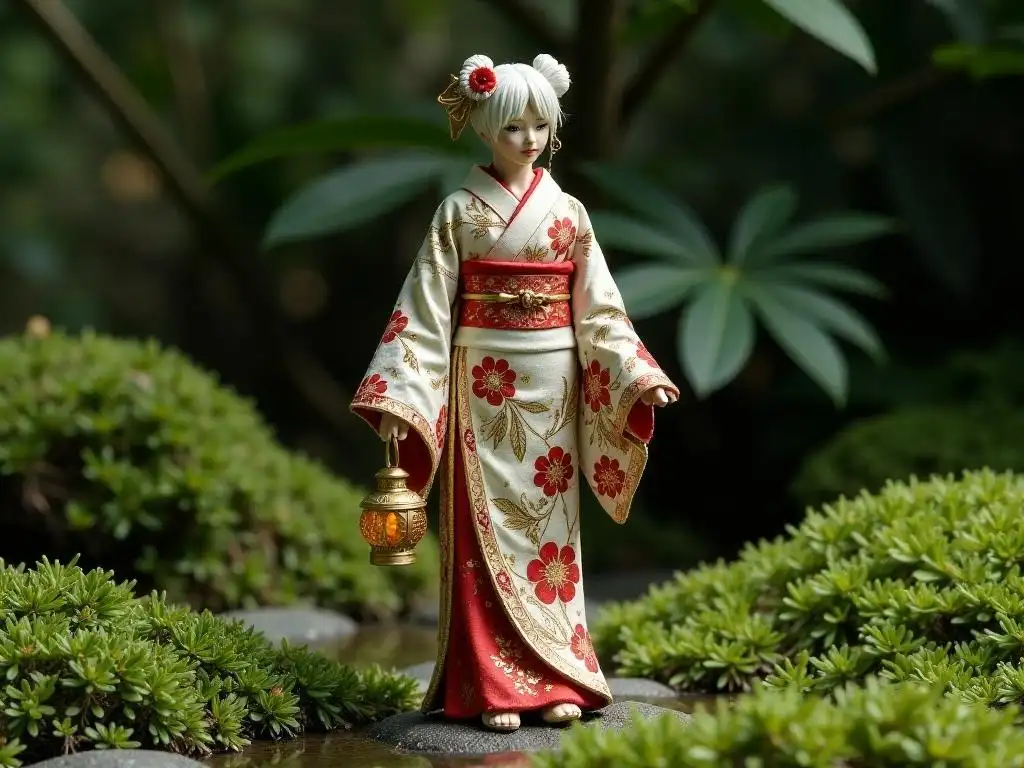
The influence of Zen Buddhism on Japanese clothing aesthetics can be observed through various case studies that highlight the intersection of spirituality and fashion. Zen principles, emphasizing simplicity, natural beauty, and mindfulness, have shaped the design and fabric choices in traditional and contemporary Japanese clothing. These case studies reveal how Zen philosophy has been woven into the very fabric of Japanese attire, leading to an enduring legacy that continues to inspire designers today.
Analysis of Specific Clothing Items
Several clothing items stand out when discussing the influence of Zen on Japanese fashion. One significant example is the kimono, which reflects Zen aesthetics through its use of minimalistic patterns and colors that evoke tranquility. The kimono's flowing lines and natural fabrics symbolize harmony with nature, a core tenet of Zen philosophy.
Another notable item is the hakama, a traditional pleated skirt worn over the kimono. Its design promotes ease of movement and comfort, aligning with the Zen principle of being present and mindful in one’s actions. Additionally, the noragi, a work jacket traditionally worn by farmers, embodies Zen's appreciation for utilitarian simplicity. Its straightforward design and functional purpose exemplify the Zen focus on practicality and authenticity.
Notable Designers Incorporating Zen Aesthetics
Several contemporary designers have successfully integrated Zen aesthetics into their collections, bridging traditional elements with modern fashion. Issey Miyake, for instance, is renowned for his innovative use of pleats and natural fabrics, creating garments that emphasize movement and the natural form. His designs often reflect a Zen-like appreciation for simplicity, focusing on the relationship between the garment and the wearer.
Another influential designer is Yohji Yamamoto, whose avant-garde style often incorporates Zen principles. His use of black fabric and asymmetrical cuts creates a sense of calm and contemplation, embodying the essence of Zen. Additionally, Junya Watanabe has explored the fusion of traditional Japanese clothing with contemporary styles, often drawing inspiration from Zen gardens and landscapes, which translates into his unique textile choices and silhouettes.
The Impact of Zen Buddhism on Modern Japanese Fashion
The impact of Zen Buddhism on modern Japanese fashion is profound, influencing not only designers but also the broader fashion landscape. As Japan continues to modernize, the essence of Zen persists, manifesting in various ways across clothing styles and trends.
Contemporary Trends Reflecting Zen Principles
Current fashion trends in Japan often reflect Zen principles through minimalism and sustainability. The rise of slow fashion emphasizes quality over quantity, encouraging consumers to appreciate craftsmanship and thoughtful design—a concept deeply rooted in Zen philosophy. Brands are increasingly opting for natural dyes and eco-friendly materials, aligning with Zen’s reverence for nature.
Moreover, the trend of layering in contemporary Japanese fashion showcases the Zen influence by promoting versatility and mindfulness in outfit choices. Layering allows individuals to express themselves while remaining attuned to their environment, embodying the Zen practice of being present and aware.
Global Influence of Zen Aesthetic on Fashion Design
The Zen aesthetic has transcended Japan's borders, influencing global fashion design. Designers worldwide are incorporating Zen principles of simplicity and tranquility into their collections, recognizing the appeal of a more mindful approach to fashion. This phenomenon is evident in the works of designers like Roksanda Ilincic and Jil Sander, who emphasize clean lines, muted colors, and functional designs, echoing the essence of Zen.
Furthermore, the growing interest in wellness and mindfulness in the fashion industry has led to a resurgence of styles that prioritize comfort and simplicity, elements that resonate with Zen philosophy. This global embrace of Zen aesthetics not only reflects a shift in consumer preferences but also promotes a deeper understanding of the historical and cultural significance of Zen in fashion.
Case Examples of Modern Brands Embracing Zen
Several modern brands have embraced Zen aesthetics, creating collections that resonate with the principles of mindfulness and simplicity. Muji, known for its minimalist design philosophy, emphasizes functionality and natural materials, embodying Zen values in everyday clothing. Their approach encourages consumers to engage with their surroundings more consciously.
Another example is Nitori, a home goods brand that has expanded into clothing, focusing on simple designs and natural fabrics that reflect a Zen-inspired lifestyle. Their collections promote a sense of calm and balance, appealing to those seeking tranquility in their daily attire.
Lastly, UNIQLO has also tapped into Zen aesthetics through its AIRism line, which emphasizes comfort and breathability while maintaining a simple and elegant design. This reflects a growing trend in fashion that honors the Zen principles of practicality and mindfulness, resonating with consumers seeking a deeper connection to their clothing.
Conclusion
The influence of Zen Buddhism on Japanese clothing aesthetics is profound and multifaceted, permeating various aspects of fashion, design, and cultural expression. By emphasizing simplicity, natural materials, and a deep connection to nature, Zen principles have shaped the way clothing is perceived and worn in Japan throughout history. This minimalist approach not only reflects the spiritual values of Zen but also resonates with contemporary trends in Japanese fashion that prioritize sustainability and mindfulness.
Summary of Zen Buddhism's Impact on Clothing Aesthetics
Zen Buddhism has significantly impacted the aesthetics of clothing in Japan by fostering a culture of minimalism and intentionality. The core teachings of Zen encourage individuals to find beauty in simplicity and to consider the emotional and spiritual significance of their choices. This philosophy is evident in several key areas:
- Natural Materials: Zen practitioners often favor fabrics such as cotton, silk, and hemp, which are not only sustainable but also embody a sense of purity and connection to nature.
- Colors and Patterns: The use of subdued colors and simple patterns reflects Zen principles, promoting a sense of tranquility and calmness in attire.
- Design and Functionality: Zen-inspired clothing emphasizes practicality and comfort, aligning with the belief that attire should facilitate meditation and mindfulness rather than distract from it.
These elements of Zen aesthetics have woven themselves into the fabric of Japanese clothing, creating a unique style that marries spiritual philosophy with everyday wear.
The Lasting Legacy of Zen in Japanese Fashion
The legacy of Zen Buddhism in Japanese fashion is enduring, continuing to influence modern designs and trends. Many contemporary designers draw inspiration from Zen principles, integrating them into their collections and promoting a return to simplicity and authenticity. For example:
- Haute Couture and Streetwear: Leading fashion houses in Japan often infuse Zen elements into their haute couture lines, while streetwear brands embrace minimalist designs that reflect Zen aesthetics.
- Sustainable Practices: The modern fashion industry is increasingly leaning towards sustainability, echoing Zen's respect for nature and the environment. Brands that prioritize eco-friendly materials and ethical production methods resonate with the Zen philosophy of mindfulness.
- Cultural Significance: Traditional garments like the kimono continue to evolve while retaining the influence of Zen, demonstrating how historical practices can inform contemporary fashion narratives.
The ongoing integration of Zen philosophy into fashion illustrates its adaptability and relevance in a rapidly changing world.
Future Implications for Fashion and Aesthetics in Japan
Looking ahead, the influence of Zen Buddhism on clothing aesthetics in Japan is likely to continue evolving, with several implications for the future of fashion:
- Increased Mindfulness in Consumption: As consumers become more aware of their impact on the environment, the principles of Zen may inspire a shift towards more mindful consumption practices, encouraging individuals to choose quality over quantity in their wardrobes.
- Fusion of Traditional and Modern: The blending of traditional Zen-inspired clothing with modern fashion trends may lead to innovative designs that honor cultural heritage while appealing to contemporary tastes.
- Global Influence: As Japanese fashion continues to gain international recognition, the Zen aesthetic may inspire designers worldwide, promoting a global appreciation for simplicity and natural beauty.
The ongoing dialogue between Zen Buddhism and Japanese clothing aesthetics not only enriches the cultural tapestry of Japan but also offers valuable insights into the future of fashion in an increasingly complex world.
- Introduction to Zen Buddhism and Its Principles
- Historical Context of Zen Buddhism in Japan
- The Aesthetic Principles of Zen Buddhism
- Zen Buddhism's Influence on Traditional Japanese Clothing
- Case Studies of Zen Influence in Clothing
- The Impact of Zen Buddhism on Modern Japanese Fashion
- Conclusion
- What is the relationship between Zen Buddhism and Japanese clothing?
- How did Zen principles shape the fashion of feudal Japan?
- What types of clothing were popular in Zen-influenced Japan?
- How did Zen Buddhism impact the textile industry in Japan?
- Are there any modern adaptations of Zen-influenced clothing today?
Frequently Asked Questions
What is the relationship between Zen Buddhism and Japanese clothing?
Zen Buddhism significantly influenced Japanese clothing aesthetics, promoting simplicity, natural materials, and a focus on minimalism and functionality in design.
How did Zen principles shape the fashion of feudal Japan?
During the feudal era, Zen principles encouraged the use of earthy colors and unembellished designs in clothing, reflecting a harmonious connection with nature and inner peace.
What types of clothing were popular in Zen-influenced Japan?
Clothing styles such as kimono and hakama were prevalent, often made from natural fabrics like cotton and silk, emphasizing comfort and ease of movement aligned with Zen practices.
How did Zen Buddhism impact the textile industry in Japan?
The influence of Zen Buddhism spurred the use of handmade textiles, leading to a revival of traditional techniques that prioritized craftsmanship and sustainability over mass production.
Are there any modern adaptations of Zen-influenced clothing today?
Yes, contemporary fashion designers still draw inspiration from Zen aesthetics, creating modern garments that embody the simplicity, elegance, and mindfulness characteristic of this rich tradition.
Final Reflection: The Enduring Influence of Zen Buddhism on Japanese Aesthetic in Clothing
The relationship between Zen Buddhism and Japanese clothing aesthetics is not merely a historical curiosity; it is a vibrant thread that continues to shape contemporary fashion and cultural identity. In a world increasingly driven by fast fashion and fleeting trends, the principles of simplicity, mindfulness, and natural beauty rooted in Zen philosophy offer a refreshing counter-narrative. This enduring influence reminds us that clothing can be more than just a means of self-expression; it can embody deeper values and a connection to our surroundings.
The impact of Zen Buddhism on Japanese clothing transcends mere fabric and design; it reflects a profound cultural ethos that prioritizes harmony and balance. This influence is evident in the minimalist designs and earthy tones that characterize modern Japanese fashion, echoing the Zen ideals of simplicity and tranquility. As the renowned designer Issey Miyake once said, Fashion is not about the clothes, it's about the person wearing them.
This sentiment encapsulates how Zen principles encourage individuals to cultivate a sense of self-awareness and authenticity through their clothing choices, fostering a deeper connection with both themselves and the world around them.
As we reflect on the teachings of Zen Buddhism and their application in clothing, I invite you to consider how these principles can enrich your own life. How can you embrace simplicity and mindfulness in your daily choices, not just in fashion but in all aspects of your life? Let the essence of Zen inspire you to seek beauty in simplicity, to appreciate the craftsmanship behind your clothing, and to wear your garments with intention. By doing so, you not only honor the rich cultural heritage of Japan but also cultivate a more meaningful and conscious way of living.
Embrace Zen: Transform Your Wardrobe Today!
Thank you for diving into the captivating world of Zen Buddhism and its profound impact on Japanese clothing aesthetics! We hope you’ve gained valuable insights into how simplicity and mindfulness can elevate not just how we dress, but also how we perceive beauty in our surroundings.
Now, let’s take that inspiration and put it into action!
- Explore your closet: Identify pieces that embody simplicity and elegance. Consider what these items say about your personal style.
- Incorporate Zen principles: Try a minimalist approach for a week by focusing on fewer, versatile items that bring you peace and joy.
- Share your journey: Document your transformation on social media with a unique hashtag, and connect with others who appreciate the beauty of Zen-inspired fashion.
What aspect of Zen do you find most inspiring when it comes to your wardrobe—simplicity, mindfulness, or perhaps the connection to nature?