
The World of Edo Literature: From Haikus to Historical Novels

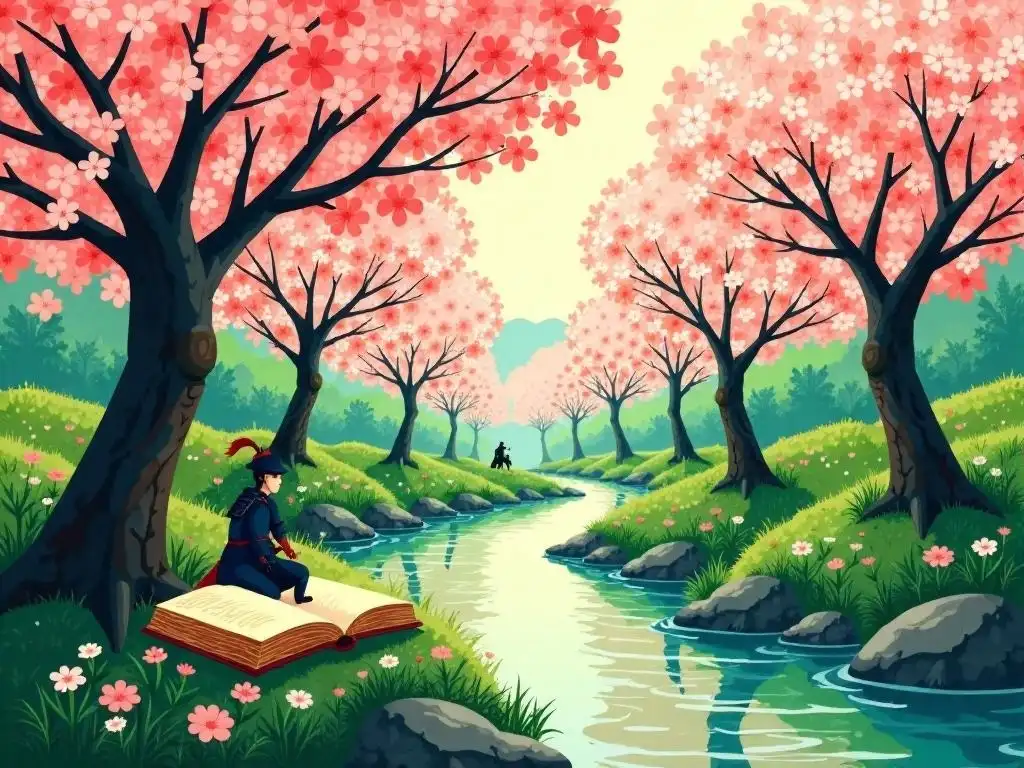
Welcome to Feudal Japan History, where we invite you to embark on a captivating journey through the intricate tapestry of Japan's feudal era. Here, you will uncover the profound depths of cultural history, starting with our featured article on Edo period literature analysis. Delve into the enchanting world of Edo literature, where haikus dance alongside historical novels, revealing the rich narratives and societal reflections of a bygone era.
Discover how these literary masterpieces not only entertained but also shaped the very fabric of Japanese culture. Ready to explore the stories that defined a period? Join us as we turn the pages of history!
Introduction to Edo Period Literature Analysis
The Edo period (1603-1868) represents a significant era in Japanese history, characterized by relative peace, political stability, and isolation from foreign influence. It fostered a unique cultural environment that saw the flourishing of literature in various forms.
This period witnessed the emergence of diverse literary genres, including poetry, short stories, and novels, each reflecting the social dynamics and cultural values of the time. In this article, we will delve into an Edo period literature analysis, exploring the prominent literary forms and their roles within Edo society, while also highlighting the intricate interplay between art, culture, and daily life during this fascinating epoch.
Overview of the Edo Period (1603-1868)
The Edo period marks the rule of the Tokugawa shogunate, a time when Japan experienced a long period of peace and economic stability following centuries of warfare. The isolationist policies of the shogunate allowed for the development of a distinct Japanese culture that was largely insulated from foreign influences. During this time, cities like Edo (modern-day Tokyo) became bustling urban centers, fostering a vibrant cultural scene.
Key features of the Edo period include:
- Political Stability: The Tokugawa shogunate maintained control through a rigid class structure, restricting movements and interactions among the samurai, peasants, artisans, and merchants.
- Economic Growth: The rise of a merchant class led to increased trade and the proliferation of urban culture, which in turn stimulated literary production.
- Cultural Flourishing: The arts, including literature, theater, and visual arts, thrived as literacy rates rose among the urban populace.
Significance of Literature in Edo Society
Literature in Edo society served not only as a means of entertainment but also as a vehicle for social commentary and moral instruction. Authors used their works to reflect on the experiences and challenges of everyday life, often engaging with themes of love, loyalty, and the complexities of human relationships.
Literature played a crucial role in:
- Cultural Identity: It helped to solidify a distinct Japanese cultural identity during a time of isolation.
- Social Commentary: Writers often critiqued societal norms and the rigid class system through their narratives.
- Education: Literature became an essential part of education, fostering a reading culture that permeated various social classes.
Key Genres of Edo Period Literature
Edo period literature is rich and diverse, encompassing a variety of genres that catered to different audiences and tastes. Below, we explore some of the key genres that define this literary landscape.
Haiku Poetry: The Essence of Simplicity
Haiku poetry, with its concise structure of 17 syllables arranged in a 5-7-5 format, captures moments of beauty and nature with remarkable clarity. Originating from earlier forms of Japanese poetry, haiku became a popular literary form during the Edo period, largely due to the influence of poets like Matsuo Bashō.
- Themes: Nature, seasons, and fleeting moments are central themes in haiku.
- Cultural Impact: Haiku reflects the Zen Buddhist philosophy of simplicity and mindfulness, resonating deeply with the aesthetics of Edo culture.
Novelettes: Short Stories with Depth
Novelettes, or "kibyōshi", were illustrated books featuring stories that often combined humor, romance, and social critique. These short narratives provided a glimpse into the lives and struggles of ordinary people, making them relatable to a broad audience.
- Illustrations: The integration of visual art enriched the reading experience and appealed to the growing literate population.
- Social Reflection: Novelettes often addressed social issues, making them both entertaining and thought-provoking.
Historical Novels: Blending Fact with Fiction
Historical novels gained prominence towards the latter part of the Edo period, with authors weaving tales that blended factual events with fictional narratives. These works often centered around samurai, battles, and significant historical figures, allowing readers to engage with Japan's rich history.
- Famous Authors: Notable authors like Takizawa Bakin and Yoshikawa Eiji contributed significantly to this genre.
- Cultural Relevance: These novels played a vital role in shaping national consciousness and historical understanding.
Kabuki and Bunraku: Theatrical Literature
Kabuki and bunraku are forms of traditional Japanese theater that incorporated literary elements, drawing from historical events, folklore, and societal themes. These theatrical performances were not only popular forms of entertainment but also served as a medium for literary expression.
- Kabuki: Known for its elaborate costumes and dramatic narratives, kabuki often featured themes of love, revenge, and honor.
- Bunraku: This puppet theater incorporated intricate storytelling and music, offering a unique literary experience.
Through this exploration of various genres, we can gain a comprehensive understanding of how Edo period literature reflects the complexities of its time, providing valuable insights into the cultural and societal dynamics of Japan during this pivotal historical era.
Edo period literature is marked by a rich tapestry of voices that have significantly influenced Japanese literary traditions. The era saw the emergence of various genres, from haikus to historical novels, with authors who not only contributed to their respective genres but also shaped the cultural landscape of Japan. This section highlights some of the most notable authors of the Edo period and their key contributions to literature.
Matsuo Bashō: The Master of Haiku
Matsuo Bashō (1644-1694) is widely regarded as the foremost haiku poet of the Edo period. His work epitomizes the essence of this poetic form, characterized by its brevity and depth. Bashō's haikus often reflect an acute observation of nature and the changing seasons, employing simple yet profound imagery.
His most famous work, "The Narrow Road to the Deep North" (Oku no Hosomichi), combines travel narrative with poetic expression, showcasing his philosophy of transience and the beauty of the natural world. Bashō’s innovative techniques and profound insights paved the way for future generations of poets and established haiku as a respected literary form.
Ihara Saikaku: The Pioneer of Prose
Ihara Saikaku (1642-1693) is celebrated as a pioneer in the genre of prose fiction during the Edo period. His notable works, such as "The Life of an Amorous Man" and "The Five Women Who Loved Love," delve into the lives of the merchant class and their romantic escapades. Saikaku's writing is characterized by its sharp wit, vivid characterizations, and a focus on the complexities of human relationships.
He is credited with introducing a more realistic portrayal of everyday life, breaking from the classical themes of previous literature. His contributions laid the groundwork for the development of the modern Japanese novel.
Jippensha Ikku: The Innovator of Travel Literature
Jippensha Ikku (1765-1831) is best known for his innovative approach to travel literature, particularly with his work "Shank's Mare" (Tōkaidōchū Hizakurige). This novel combines humor, adventure, and social commentary as it follows the journey of two hapless travelers along the famous Tōkaidō road. Ikku's blending of travel narrative with comedic elements not only entertained readers but also provided insights into the various landscapes, cultures, and societal norms of the time. His unique style and focus on the experiences of common people contributed to the popularity of travel literature in Japan.
Ueda Akinari: The Creator of Historical Fiction
Ueda Akinari (1734-1809) is renowned for his contributions to historical fiction and is often hailed as one of the foremost writers of the Edo period. His notable work, "Ugetsu Monogatari" (Tales of Moonlight and Rain), comprises a collection of supernatural stories intertwined with historical settings and themes. Akinari's ability to blend folklore with historical narrative created a distinctive genre that appealed to readers' fascination with the past. His exploration of human emotions, morality, and the supernatural has left a lasting impact on Japanese literature, influencing later authors in their portrayal of history through fiction.
Themes Explored in Edo Literature
Edo period literature is rich in themes that reflect the complexities of society, nature, and human experience. The narratives crafted by Edo authors often delve into various aspects of life during this time, revealing the cultural values and societal norms that shaped Japan. The following sections explore some of the prominent themes found in Edo literature.
Nature and Seasons in Haikus
One of the most defining characteristics of Edo period literature, especially in haikus, is the emphasis on nature and the changing seasons. Poets like Matsuo Bashō captured the fleeting beauty of nature, using seasonal imagery to evoke emotions and convey deeper philosophical meanings. The seasonal theme serves not only as a backdrop but also as a metaphor for the transience of life, urging readers to appreciate the present moment. This connection to nature reflects the broader cultural appreciation for simplicity and harmony with the environment that was prevalent during the Edo period.
The Role of Women in Edo Society
Edo literature often reflects the evolving roles of women within society. Many narratives explore the lives of women from various social strata, showcasing their struggles, desires, and resilience. Authors like Ihara Saikaku depicted women as complex characters navigating the constraints of a patriarchal society while asserting their agency in personal relationships. The portrayal of women in literature serves as a commentary on the socio-economic conditions of the time, offering insights into the expectations and realities faced by women in Edo Japan.
Class and Social Structure in Historical Novels
The Edo period was characterized by a rigid social hierarchy, and literature from this time often reflects the complexities of class and social structure. Historical novels frequently delve into the lives of samurai, merchants, and commoners, exploring themes of honor, loyalty, and ambition. Authors like Ueda Akinari highlighted the tensions between different social classes, examining how these dynamics influenced personal relationships and societal interactions. The depiction of class struggles in literature provides a lens through which readers can understand the intricacies of Edo society.
Spirituality and Folklore in Edo Literature
Spirituality and folklore play a significant role in Edo literature, often interwoven with the narratives to explore human existence and the supernatural. Many authors incorporated elements of Shinto and Buddhist beliefs, reflecting the spiritual landscape of the time. Stories featuring yōkai (supernatural creatures) and other folkloric elements reveal the cultural significance of mythology and spirituality in everyday life. This blend of the spiritual and the mundane not only enriches the narratives but also offers readers insight into the collective consciousness of Edo-period Japan.
The Evolution of Edo Literature
The Edo period, spanning from 1603 to 1868, marked a significant transformation in Japanese literature. This era witnessed a flourishing of various literary forms, including poetry, drama, and prose. Edo literature evolved under the influence of a stable political environment, economic prosperity, and the rise of a merchant class that increasingly sought entertainment and cultural expression.
During the early Edo period, literature was heavily influenced by the samurai class, who valued classical forms and themes derived from previous periods. However, as the century progressed, there was a shift towards popular literature that catered to the growing urban population in cities like Edo (modern-day Tokyo), Osaka, and Kyoto. This led to the rise of new genres such as ukiyo-zōshi (floating world books) and kabuki plays, which depicted the lives and interests of the common people.
The introduction of the haiku, a concise form of poetry, became a defining feature of Edo literature. Poets like Matsuo Bashō and Yosa Buson contributed significantly to this genre, creating works that captured the essence of nature and human emotion in just a few syllables. As the Edo period progressed, literature became more accessible, with the proliferation of woodblock-printed books, allowing for a wider audience and fostering a vibrant literary culture.
Influences of Chinese Literature on Edo Works
Chinese literature played a pivotal role in shaping the literary landscape of the Edo period. The Confucian classics, along with Buddhist texts, were highly regarded and served as foundational texts for Japanese scholars and writers. Many Edo-period authors were well-versed in Chinese literature and often drew inspiration from its themes, styles, and philosophies.
The influence of Chinese poetry can be seen in the works of Edo poets who adopted the kanbun style, which utilized Chinese characters alongside Japanese grammatical structures. This blend allowed for a rich intertextual dialogue between the two literary traditions. Notable figures such as Ishikawa Takuboku and Kobayashi Issa incorporated these influences into their haikus, merging the brevity of Japanese poetry with the depth of Chinese philosophical thought.
Additionally, the genre of historical novels in Edo literature often mirrored the historical narratives found in Chinese literature, focusing on themes of loyalty, honor, and the trials of life. This cross-cultural exchange enriched the Edo literary canon and established a foundation for future literary endeavors.
The Impact of Western Literature Post-Edo
The end of the Edo period ushered in the Meiji Restoration, a time of significant cultural and literary transformation in Japan. As Japan opened its borders to the West, Western literature began to influence Japanese writers profoundly. The exposure to Western literary styles, themes, and narrative techniques led to a reevaluation of traditional Japanese literature.
Writers such as Natsume Sōseki and Mori Ōgai began to integrate Western literary forms, such as the novel and short story, into their works. This marked a departure from the traditional themes of Edo literature towards more complex psychological explorations and societal critiques. The blending of Western literary techniques with Edo literary foundations created a unique narrative style that reflected Japan's modernization and the struggles of its people during a time of rapid change.
Moreover, the themes of individualism and personal experience, prevalent in Western literature, started to emerge in Japanese writing, leading to a more introspective and diverse literary landscape. This transition set the stage for the development of modern Japanese literature, highlighting the lasting impact of the Edo period on future generations of writers.
The Legacy of Edo Literature in Modern Japan
The literary innovations and cultural expressions of the Edo period have left an indelible mark on modern Japanese literature and culture. The themes, forms, and styles developed during this time continue to resonate in contemporary works, showcasing the enduring legacy of Edo literature.
Revival of Edo Literary Forms in Contemporary Works
In recent years, there has been a resurgence of interest in the literary forms and themes of the Edo period. Contemporary writers and poets are revisiting and revitalizing traditional genres such as haiku and ukiyo-zōshi. This revival reflects a desire to connect with Japan's literary heritage while also exploring modern sensibilities and issues.
For instance, modern haiku poets often experiment with structure and subject matter, pushing the boundaries of the traditional form to capture contemporary experiences and emotions. Additionally, historical fiction inspired by the Edo period has gained popularity, blending historical accuracy with imaginative storytelling to engage readers with Japan's rich cultural past.
Influence on Japanese Popular Culture: Manga and Anime
Edo literature's influence extends beyond traditional literary forms into modern popular culture, particularly in manga and anime. The visual storytelling techniques and character-driven narratives found in these mediums often draw inspiration from the themes and archetypes established during the Edo period.
Many manga series incorporate historical settings reminiscent of Edo, exploring the lives of samurai, merchants, and everyday people. Similarly, anime adaptations of Edo-era tales bring these stories to life, making them accessible to a global audience. The narrative depth, moral dilemmas, and cultural nuances present in Edo literature continue to inform character development and plotlines in contemporary works, bridging the gap between past and present.
Preservation of Edo Literature in Modern Education
Edo literature is not only celebrated in popular culture but is also preserved and taught in modern educational institutions. Literature courses often include works from the Edo period, highlighting the significance of this era in understanding Japan's cultural and literary evolution.
Textbooks frequently feature classic haikus and excerpts from historical novels, encouraging students to explore the themes of nature, love, and societal change that permeate Edo literature. This educational focus not only fosters appreciation for Japan's literary heritage but also inspires future generations of writers to draw upon the rich traditions established during the Edo period.
The legacy of Edo literature is woven into the fabric of modern Japanese culture, showcasing its enduring relevance and influence across various artistic and educational domains.
Conclusion: The Importance of Edo Period Literature Analysis
The Edo period, spanning from 1603 to 1868, was a time of profound cultural and literary development in Japan. Analyzing Edo period literature allows us to gain insights into the social dynamics, historical contexts, and artistic expressions that characterized this era. By exploring the various literary forms, from haikus to historical novels, we can appreciate the unique narratives that shaped the cultural landscape of Japan. This analysis not only enriches our understanding of the literature itself but also illuminates the values, beliefs, and struggles of the people during this transformative period.
Reflecting on Cultural Heritage
Edo period literature serves as a rich repository of Japan's cultural heritage. The themes and motifs found in the works of renowned authors like Matsuo Bashō and Saikaku reflect the everyday lives, philosophies, and societal norms of the time. Through haikus, writers captured fleeting moments in nature, embodying the Japanese aesthetic of simplicity and transience, known as mono no aware. Conversely, the burgeoning genre of historical novels, such as those by Yoshikawa Eiji, delves into the complexities of Japan's feudal past, providing readers with a narrative that intertwines historical facts with the imagination.
By analyzing these works, scholars and enthusiasts alike can trace the evolution of Japanese thought and artistic expression. The literature not only mirrors the historical context of the Edo period but also influences contemporary Japanese culture. Understanding this literary heritage fosters a deeper appreciation for Japan's artistic achievements and the cultural narratives that continue to resonate today.
The Lasting Impact of Edo Literature on Japanese Identity
Edo literature has left an indelible mark on Japanese identity, shaping not only literary traditions but also cultural values that persist to this day. The exploration of individualism, societal roles, and moral dilemmas in Edo literature resonates with modern audiences, reflecting ongoing themes in Japanese literature and art.
Moreover, the period's emphasis on storytelling, whether through the concise beauty of haikus or the intricate plots of novels, has laid the groundwork for Japan's contemporary literary landscape. Writers today draw inspiration from the narrative techniques and thematic depth of their Edo predecessors, creating a vibrant literary conversation that bridges the past and present.
In a global context, Edo period literature also contributes to Japan's cultural diplomacy, allowing international audiences to engage with its rich narratives. As such, the analysis of this literature is not merely an academic pursuit; it is an essential endeavor for understanding the complexities of Japanese identity and the cultural threads that continue to weave through the nation’s story.
- Introduction to Edo Period Literature Analysis
- Key Genres of Edo Period Literature
- Notable Authors and Their Contributions
- Themes Explored in Edo Literature
- The Evolution of Edo Literature
- The Legacy of Edo Literature in Modern Japan
- Conclusion: The Importance of Edo Period Literature Analysis
- What is the Edo period in Japanese history?
- What are the main forms of literature produced during the Edo period?
- How did haikus evolve during the Edo period?
- What role did historical novels play in Edo period literature?
- How has the Edo period literature analysis influenced modern Japanese literature?
Frequently Asked Questions
What is the Edo period in Japanese history?
The Edo period (1603-1868) was a time of peace and stability in Japan, characterized by the rule of the Tokugawa shogunate, leading to a flourishing of culture and arts, especially literature.
What are the main forms of literature produced during the Edo period?
During the Edo period, literature included various forms such as haikus, narrative prose, and historical novels, reflecting the rich tapestry of Japanese culture and societal changes.
How did haikus evolve during the Edo period?
Haikus became a prominent poetic form during the Edo period, with poets like Matsuo Bashō innovating the style, emphasizing nature, emotion, and seasonal themes through concise imagery.
What role did historical novels play in Edo period literature?
Historical novels became popular in the Edo period, often blending fiction with historical events, allowing readers to explore Japan's past while engaging with entertaining narratives and moral lessons.
How has the Edo period literature analysis influenced modern Japanese literature?
The analysis of Edo period literature has greatly impacted modern Japanese writers, inspiring themes of identity, conflict, and cultural reflection, while also shaping contemporary literary styles and forms.
Final Reflection: The Enduring Legacy of Edo Period Literature
Edo period literature serves as a profound testament to the cultural richness and complexity of its time, revealing insights that resonate powerfully in today's world. The themes of human experience, social dynamics, and artistic expression found within haikus, historical novels, and other literary forms continue to inspire contemporary writers and readers alike. As we navigate a rapidly changing society, the wisdom embedded in Edo literature reminds us of the timeless nature of storytelling and its ability to bridge generations.
Edo literature has not only shaped Japan's cultural landscape but has also influenced global literary traditions. The intricate narratives and poetic forms invite us to reflect on our own lives and the societies we inhabit. As we explore these works, we uncover layers of meaning that speak to the universal human condition. Literature is the most beautiful of all lies.
This quote encapsulates the essence of Edo literature, where fiction intertwines with reality, offering us a mirror to our own truths and aspirations.
As you close this chapter on Edo period literature, I invite you to carry its lessons into your own life. Consider how the themes of love, loss, and resilience found in these texts can inform your understanding of the world today. Reflect on the stories that shape your identity and the narratives you wish to share. Embrace the power of literature to connect, inspire, and transform, and let the echoes of Edo's literary past guide you toward a more profound appreciation of the stories that surround us.
Dive Deeper into the Timeless Tales of Edo Literature!
Thank you for exploring the fascinating world of Edo literature with us! You’ve uncovered the beauty of haikus and the richness of historical novels that have shaped Japan’s cultural landscape. Now, it's time to take your newfound knowledge further and immerse yourself in the vibrant culture of the Edo period.
Here’s how you can continue your journey:
- Read a novel or poetry collection from the Edo period to experience the emotions and narratives firsthand. Visit your local library or find a digital copy online to connect with these literary treasures.
- Join an online book club dedicated to Japanese literature. Engaging with fellow enthusiasts will enhance your understanding and appreciation of these remarkable works.
- Share a favorite haiku or passage from an Edo author on social media to spark interest among your friends and inspire discussions about this rich literary tradition.
Which Edo literary work has had the greatest impact on your understanding of Japan's history and culture?