
The Process of Creating a Noh Play: From Script to Stage

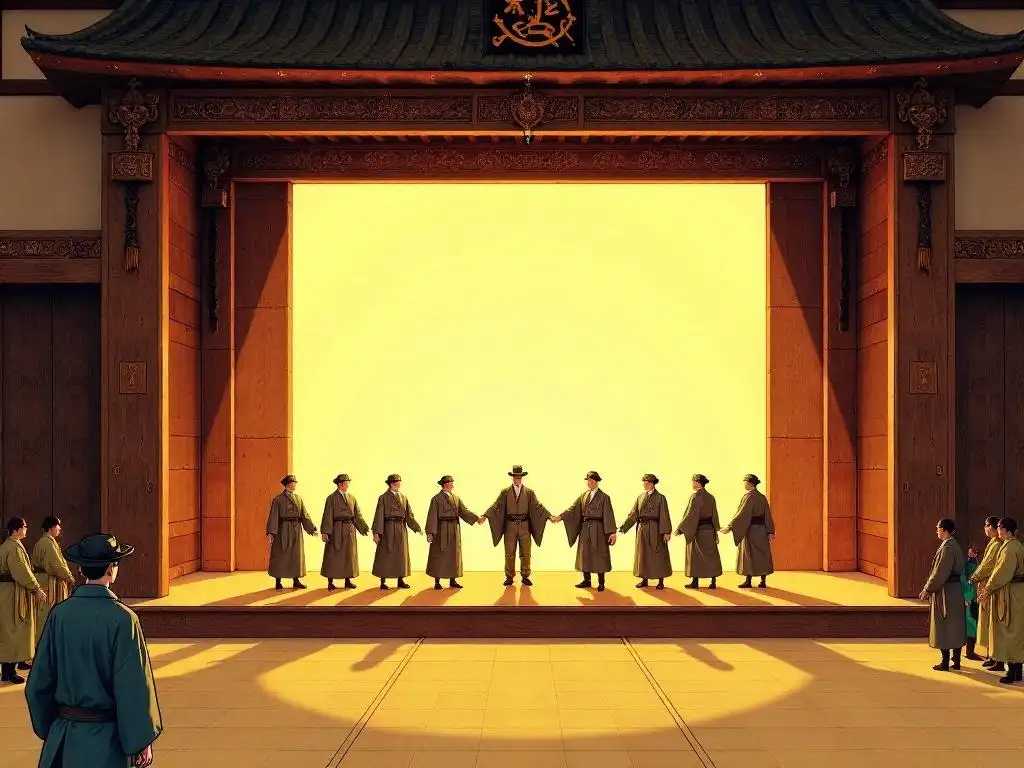
Welcome to Feudal Japan History, where we embark on a captivating journey through the intricate tapestry of Japan’s feudal era. Dive deep into the Noh play creation process, a fascinating exploration of how ancient scripts are transformed into mesmerizing performances on stage. Have you ever wondered what it takes to breathe life into these timeless stories? Join us as we unravel the artistry behind Noh theatre, revealing the cultural significance and meticulous craftsmanship involved. Prepare to be enchanted as we guide you through this unique facet of Japan's rich heritage—your adventure begins here!
Creating a Noh play is a meticulous and artistic endeavor that intertwines centuries of tradition with the skilled craftsmanship of its practitioners. Noh theatre, one of Japan's oldest forms of classical drama, is characterized by its unique blend of dance, music, and poetic storytelling.
This article will delve into the Noh play creation process, shedding light on the intricate steps taken from the initial script development to the mesmerizing performances on stage. By exploring the historical context, cultural significance, and artistic components of Noh, we aim to provide a comprehensive understanding of this revered theatrical form and its enduring legacy within the cultural history of Japan.
Understanding Noh Theatre
What is Noh Theatre?
Noh theatre, originating in the 14th century, is a highly stylized form of Japanese drama that emphasizes the use of masks, minimalistic sets, and slow, deliberate movements. Typically performed by a small troupe of actors, Noh plays often draw upon themes from literature, mythology, and the spiritual world, conveying deep emotions and philosophical ideas through a subtle interplay of movement and music. The performances are distinguished by their poetic language, which is often accompanied by traditional instruments such as the flute and drums.
Historical Significance of Noh in Feudal Japan
Noh theatre flourished during Japan's feudal era, particularly under the patronage of samurai clans and the shogunate. It served not only as entertainment but also as a vehicle for the transmission of cultural values and societal norms. The plays often reflect the struggles and aspirations of the samurai class, offering insights into the moral dilemmas and philosophical questions of the time. As a result, Noh became an essential part of the cultural fabric of feudal Japan, influencing subsequent generations of artists and playwrights.
Key Elements of Noh Performance
A Noh performance is composed of several vital elements that work in harmony to create a powerful theatrical experience. These include:
- Masks: Each mask is meticulously crafted to convey specific emotions and character traits, allowing actors to embody their roles with depth and authenticity.
- Costumes: Richly adorned costumes reflect the characters’ social status and era, enhancing the visual storytelling.
- Music and Chanting: The integration of traditional instruments and vocalizations sets the mood, guiding the audience through the emotional landscape of the performance.
- Movement: The slow, deliberate movements of the actors are choreographed to convey both action and emotion, often drawing on the principles of Zen philosophy.
The Noh Play Creation Process
Overview of the Noh Play Creation Process
The creation of a Noh play is a collaborative effort that involves playwrights, actors, musicians, and stagehands. Each participant plays a crucial role in bringing the script to life, ensuring that the play resonates with audiences both emotionally and intellectually. The process is deeply rooted in tradition, with each step reflecting the values and aesthetics of Noh theatre.
Steps Involved in Creating a Noh Play
The Noh play creation process can be broken down into several key steps:
- Script Development
- Story Selection: The playwright chooses a theme or story, often derived from classical literature or historical events.
- Writing the Text: The script is crafted using poetic language, with attention to rhythm and imagery.
- Casting and Rehearsals
- Selecting Actors: Actors are chosen based on their skills and ability to convey the character’s essence.
- Rehearsal Process: Actors engage in rigorous rehearsals to master their movements and vocal techniques.
- Music Composition
- Score Creation: Musicians compose the accompanying music, tailored to enhance the script’s emotional depth.
- Integration with Performance: Music is rehearsed alongside the actors to ensure cohesion during the performance.
- Stage Design and Costuming
- Set Design: The stage is designed with minimalistic yet symbolic elements to reflect the play's themes.
- Costume Preparation: Costumes are crafted to align with the characters’ identities and the historical context of the play.
- Final Performance
- Dress Rehearsal: A complete run-through is conducted to fine-tune all aspects of the performance.
- Public Performance: The play is presented to an audience, where the culmination of effort and artistry comes to life.
This intricate process not only showcases the beauty of Noh theatre but also honors Japan's rich cultural heritage, ensuring that the art of Noh continues to captivate and inspire future generations.
Step 1: Scriptwriting for Noh Plays
Scriptwriting is the foundational step in the process of creating a Noh play. This intricate and poetic form of Japanese theater requires a deep understanding of its historical context and artistic conventions. The script, known as "Noh shō," serves not only as a blueprint for performance but also as a cultural artifact that reflects the philosophical and aesthetic values of the time.
Importance of the Noh Play Script
The Noh play script is crucial for several reasons. Firstly, it encapsulates the narrative and thematic essence of the performance, guiding actors, musicians, and the audience through the emotional landscape of the play. The script also preserves the language and style of traditional Japanese literature, allowing future generations to connect with Japan's cultural heritage. Furthermore, the script is a vehicle for the poetic expression characteristic of Noh, often employing a highly stylized form of dialogue that conveys complex emotions and ideas with economy and precision.
Themes and Motifs in Noh Scripts
Noh plays often explore universal themes such as love, loss, and the transience of life, reflecting the Buddhist belief in impermanence. Common motifs include ghostly apparitions, nature, and the contrast between reality and illusion. The interplay of these themes serves to evoke a sense of nostalgia and reflection in the audience, allowing them to engage deeply with the emotional undercurrents of the narrative. By utilizing these motifs, Noh playwrights create a rich tapestry of meaning that resonates on both personal and societal levels.
Traditional Japanese Poetry and Noh Scripts
The Noh script is heavily influenced by traditional Japanese poetry, particularly the forms of "waka" and "haiku." These poetic structures prioritize brevity and emotional depth, which aligns perfectly with the Noh aesthetic. The integration of poetic elements into the dialogue of Noh plays enhances their lyrical quality and provides a rhythmic flow that complements the performance. This poetic foundation gives Noh its unique character, distinguishing it from other forms of theater and enriching the audience's experience.
Step 2: Character Development in Noh
Character development in Noh is a meticulous process that relies on the cultural and historical context of the characters portrayed. Each character is crafted with care to embody specific traits and emotions, allowing the audience to connect with the narrative on a deeper level. The portrayal of characters in Noh is not merely about acting but involves a profound understanding of the underlying symbolism and cultural significance.
Roles and Types of Characters in Noh
Noh plays feature a limited but distinct set of character roles, primarily categorized into three types: "shite" (the main character), "waki" (the secondary character), and "kyogen" (the comedic character). The "shite" often embodies the central theme of the play, while the "waki" serves as a foil or counterpart, helping to illuminate the main narrative. "Kyogen" characters, although separate from the Noh drama, provide comic relief and serve to balance the emotional weight of the performance. Understanding these roles is essential for appreciating the complexities of Noh character dynamics.
The Significance of Masks in Noh Theatre
Masks hold a pivotal role in Noh theatre, serving as a tool for character portrayal and emotional expression. Each mask is meticulously crafted to convey specific emotions and personality traits, allowing the actor to embody the character deeply. The use of masks enables a unique form of expression, where subtle movements and gestures become amplified, creating a powerful visual narrative. The careful selection and application of masks are integral to the storytelling process, as they enhance the mystique and allure of the characters.
Characterization Techniques in Noh
Characterization in Noh involves a combination of physical movements, vocal techniques, and the use of symbolic gestures. Actors employ a stylized form of movement that is slow and deliberate, allowing each action to carry significant weight. Vocal delivery is equally crucial, with actors using a distinctive intonation and rhythm that echoes the poetic nature of the script.
Additionally, the interplay of light and shadow, combined with the use of props, contributes to the overall characterization, creating a rich and immersive experience for the audience. Through these techniques, Noh actors bring their characters to life, transforming the script into a captivating performance.
Step 3: Music and Chants in Noh Plays
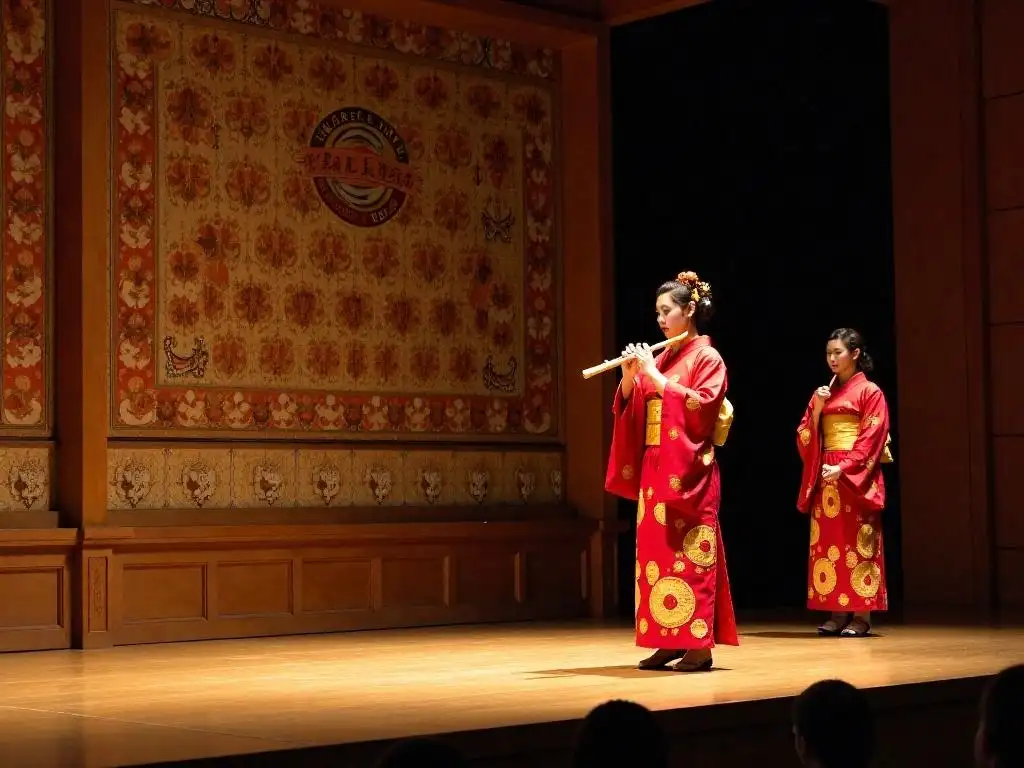
Music and chants are integral components of Noh theatre, serving not only to enhance the emotional depth of the performance but also to establish the rhythm and atmosphere of the piece. As a highly stylized form of expression, Noh relies on a specific musical framework that complements the visual elements presented by the actors.
Role of Music in Noh Theatre
The music in Noh theatre is multifaceted, primarily setting the emotional tone and guiding the audience through the narrative. It serves three primary functions:
- Enhancement of Atmosphere: Music helps create an ethereal atmosphere, transporting the audience into the world of the play. The haunting melodies and structured rhythms evoke feelings that align with the themes of the performance.
- Narrative Support: Music acts as a narrative device, punctuating key moments in the story. It often signals transitions in the plot, such as shifts in time or emotional states of the characters.
- Cultural Reflection: The music of Noh reflects the rich cultural heritage of Japan, incorporating elements that resonate with traditional values, spirituality, and the natural world.
Traditional Instruments Used in Noh
Noh theatre employs a unique ensemble of traditional instruments that play a crucial role in the performance. The primary instruments include:
- Nōkan: A bamboo flute that provides melodic lines, characterized by its clear and piercing sound, which is essential for conveying the emotional undercurrents of the play.
- Tsuridaiko: A large, round drum that establishes the rhythmic foundation. Its deep tones create a sense of gravity and presence, often used to mark significant moments in the performance.
- Shō: A mouth organ that adds harmonies and supports the melodic structure, providing a distinctive sound that complements the Nōkan.
- Kotsuzumi and Otsuzumi: Hand-held drums that add texture and dynamic variation, allowing for a range of expressions throughout the performance.
These instruments are not merely accompaniment; they are integral to the storytelling process, working in tandem with the actors to elicit emotional responses from the audience.
Integrating Chants with the Noh Play Script
Chants, known as "utai," are a vital aspect of Noh plays, intricately woven into the fabric of the script. The integration of chants occurs in several ways:
- Character Expression: Each character’s emotional state is often articulated through specific chants that reveal their inner thoughts and feelings. This allows for a deeper understanding of the character's motivations.
- Pacing of the Performance: Chants help regulate the pace of the performance, providing moments of reflection and intensity. The timing of these chants is carefully orchestrated to align with the movements and actions of the actors.
- Cultural Significance: The chants frequently draw upon historical and cultural references, enriching the narrative with layers of meaning that resonate with the audience’s understanding of Japanese history and folklore.
The combination of music and chants in Noh theatre creates a unique auditory experience that is essential for conveying the thematic depth and emotional resonance of the performance.
Step 4: Rehearsal and Direction
The rehearsal process is critical in Noh theatre, where precision and artistry must come together seamlessly. Noh is characterized by its slow, deliberate movements and complex expressions, making rehearsal not just beneficial but essential for the success of the performance.
Importance of Rehearsal in Noh Theatre
Rehearsals in Noh are not merely about practicing lines or movements; they serve multiple important purposes:
- Mastery of Technique: Noh performers must master intricate movements and vocal techniques. Rehearsals allow actors to refine their skills and ensure that each gesture conveys the appropriate emotion.
- Cohesion Among Performers: The ensemble nature of Noh requires all performers to work in harmony. Rehearsals foster a sense of unity, ensuring that the timing and interactions between actors are synchronized.
- Exploration of Interpretation: Each performance can bring a new interpretation to a play. Through rehearsal, actors and directors explore different nuances in the script, allowing for a richer and more dynamic presentation.
Techniques for Directing Noh Performances
Directing a Noh performance involves nuanced techniques that respect the traditions while also allowing for artistic expression. Key techniques include:
- Attention to Detail: Directors meticulously observe every aspect of the performance, from the actors' movements to the musical accompaniment, ensuring that everything aligns with the intended vision.
- Focus on Expression: Given the subtlety of Noh, directors emphasize the importance of facial expressions and body language. They guide actors in conveying emotions through minimal yet powerful gestures.
- Creating a Shared Vision: A successful director fosters collaboration among the cast and crew, ensuring that everyone shares a common understanding of the thematic elements and emotional undertones of the performance.
Collaborating with Actors in Noh Rehearsals
Collaboration is at the heart of Noh rehearsals. Directors and actors engage in a dialogue that enhances the creative process:
- Feedback Loop: Directors provide constructive feedback, allowing actors to refine their performances. This iterative process helps actors internalize their characters more deeply.
- Emphasis on Tradition: Directors guide actors in adhering to traditional practices while encouraging individual expression, creating a balance between respecting the art form and personal creativity.
- Building Trust: A collaborative rehearsal environment fosters trust among the performers, which is crucial for a successful Noh performance. This trust allows actors to take risks and explore new interpretations.
The rehearsal and direction process in Noh theatre is a meticulous journey that shapes the performance, ensuring that the artistry and heritage of this traditional form are preserved and celebrated.
Step 5: Stage Design and Costume
The stage design and costumes are crucial elements in the creation of a Noh play, significantly contributing to the overall aesthetic and thematic expression of the performance. This step involves careful consideration of spatial arrangements, visual symbolism, and the emotional resonance of the costumes worn by the actors.
Noh Stage: Layout and Design
The Noh stage, known as the Noh butai, is characterized by its simple yet profound design. Typically, the stage comprises a flat platform elevated above the audience, surrounded by a low railing. The back wall features a painted pine tree, symbolizing eternity and a connection to nature. This layout allows for a clear view of the performers while fostering an intimate atmosphere between the actors and audience.
The entrance to the stage is through a side corridor, known as the hashigakari, which serves as a bridge between the mundane and the spiritual. The stage's minimalist design is intentional, focusing the audience's attention on the performance rather than elaborate set pieces. The use of natural materials, such as wood, not only enhances the aesthetic but also reflects the traditional Japanese value of harmony with nature.
Traditional Costumes and Their Symbolism
Costumes in Noh theater are meticulously crafted and rich in symbolism. Each costume is designed to convey the character's social status, personality, and emotional state. The fabrics used are often luxurious, including brocade and silk, adorned with intricate patterns that carry specific meanings.
For instance, the shite (main actor) often wears a kimono that denotes nobility and is layered with additional garments to signify wealth and power. The colors chosen for costumes are not arbitrary; they often represent different elements such as the seasons or the character's psychological journey.
Moreover, the use of masks in Noh theater adds another layer of depth to the performance. These masks are not merely decorative; they encapsulate the essence of the character being portrayed, allowing for a profound connection between the actor and the audience. The craftsmanship of these masks involves intricate carving and painting techniques, making them both art pieces and tools for storytelling.
Setting the Scene for a Noh Performance
Setting the scene for a Noh performance involves creating a cohesive atmosphere that enhances the narrative. Lighting plays a vital role, as it is often soft and minimal, contributing to the ethereal quality of the performance. The use of shadows and subtle changes in lighting helps to evoke emotions and accentuate pivotal moments in the play.
Sound design is equally important. Traditional instruments such as the nōkan (a bamboo flute) and ko-tsuzumi (small hand drum) are essential for creating the unique soundscape of Noh. These instruments not only provide rhythm and melody but also serve to heighten dramatic tension and underscore emotional nuances.
The overall ambiance of the stage is carefully curated to transport the audience into the world of the play, making use of incense, floral arrangements, and even the positioning of the performers to create a holistic experience. This meticulous attention to detail ensures that every aspect of the performance is aligned with the thematic and emotional undertones of the story being told.
Step 6: The Performance of a Noh Play
The performance itself is the culmination of the entire Noh play creation process, where all elements come together in a ritualistic and highly stylized manner. This step not only showcases the artistry of the performers but also embodies the philosophical and cultural values inherent in Noh theater.
The Rituals of Noh Performance
Noh performances are steeped in rituals that reflect the art form's deep connections to spirituality and tradition. Before the performance begins, a series of rituals are observed, including offerings to the deities and a purification ceremony to cleanse the space. These practices are intended to honor the gods and ancestors, ensuring that the performance is conducted with respect and reverence.
The actors engage in warm-up exercises and vocalizations that prepare their bodies and minds for the performance. The entire process is seen as a sacred act, emphasizing the notion that Noh is not merely entertainment but a spiritual experience for both performers and audiences alike.
The performance itself unfolds in a slow, deliberate manner, characterized by minimal movement and a focus on the subtleties of gesture and expression. This ritualistic pacing allows the audience to engage deeply with the themes and emotions presented, creating a meditative experience.
Engaging the Audience in Noh
Engaging the audience is a fundamental aspect of Noh theater. The performers rely on the audience's active participation and emotional investment to bring the narrative to life. The use of symbolism and the evocative nature of the costumes and stage design invites viewers to interpret the performance on multiple levels.
The audience is encouraged to reflect on the themes presented, such as love, loss, and the transient nature of life. This engagement fosters a unique connection between the performer and the audience, making each performance a shared journey of emotional exploration.
The intimate nature of Noh performances also allows for a sense of closeness; the audience's reactions can influence the energy of the performance, creating a dynamic interplay between the actors and spectators.
The Impact of Noh on Japanese Culture
Noh theater has had a profound impact on Japanese culture, influencing various art forms, including literature, visual arts, and even modern theater. Its emphasis on aesthetics, simplicity, and depth of emotion resonates throughout Japanese culture, inspiring artists and performers across generations.
The philosophical underpinnings of Noh, particularly its focus on impermanence and the beauty of melancholy, have shaped the Japanese worldview. Concepts such as mono no aware—the sensitivity to the ephemeral nature of life—find their roots in Noh, permeating Japanese literature and art.
Moreover, Noh has played a crucial role in preserving traditional Japanese culture and values, serving as a bridge between the past and present. As contemporary artists draw inspiration from Noh, the art form continues to evolve while maintaining its core principles, ensuring its relevance in modern society. The enduring legacy of Noh theater is a testament to its significance in the cultural tapestry of Japan.
Conclusion: The Cultural Importance of Noh Play Creation
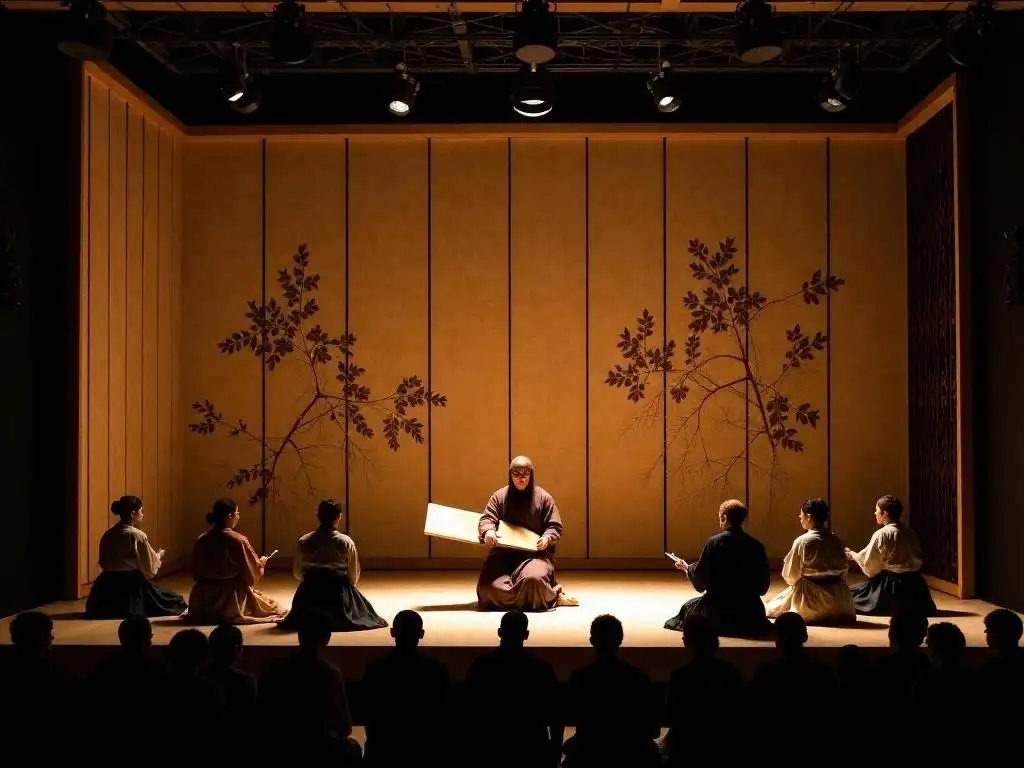
The creation of Noh plays is not merely an artistic endeavor; it is a profound cultural practice that reflects the rich history and societal values of Japan. Rooted in the traditions of the 14th century, Noh theater serves as a vessel for storytelling, emotional expression, and philosophical exploration. Each production is a meticulously crafted piece that combines poetry, music, dance, and visual artistry, all of which contribute to its unique aesthetic and emotional depth.
The Noh play creation process highlights the significance of collaboration among various artists, from playwrights to performers, and emphasizes the importance of tradition and innovation. Through this intricate process, Noh not only preserves its historical narratives but also adapts them to resonate with contemporary audiences. This adaptability ensures that Noh remains relevant, allowing it to serve as both a cultural artifact and a living art form that speaks to the human condition.
The Legacy of Noh Theatre in Modern Japan
Noh theatre has left an indelible mark on Japanese culture, influencing various forms of art, literature, and performance. Its emphasis on minimalism and subtlety can be seen in modern Japanese cinema and theatre, where directors often draw upon Noh’s unique storytelling techniques and aesthetic principles. The legacy of Noh extends beyond performance; it inspires contemporary artists to explore themes of nature, spirituality, and the transient nature of life, which are central to Noh’s narratives.
Moreover, Noh has become a symbol of cultural pride and identity in Japan. Institutions dedicated to the preservation of Noh, such as the National Noh Theatre in Tokyo, play a crucial role in educating new generations about its history and practices. This ongoing commitment to preservation ensures that the legacy of Noh theatre continues to thrive in the fabric of Japanese culture.
Future of Noh Theatre and Its Creative Process
As we look to the future, Noh theatre faces both challenges and opportunities in its creative process. The traditional forms of Noh must navigate the complexities of modern society, including shifting audience demographics and the influence of global art forms. However, this evolution also opens the door for innovative interpretations and collaborations that can breathe new life into this ancient art.
Artists are increasingly experimenting with the Noh format, incorporating contemporary themes and technology while respecting traditional elements. This synthesis not only attracts younger audiences but also invites diverse interpretations that reflect the complexities of modern life. The future of Noh theatre hinges on its ability to maintain its core values while embracing change, ensuring that it remains a vibrant part of Japan's cultural landscape.
Additional Resources on Noh Theatre
To deepen your understanding of Noh theatre and its creation process, a variety of resources are available. These include scholarly articles, performance recordings, and educational materials that provide insights into the art form's history, techniques, and cultural significance. Here is a selection of resources that can enhance your knowledge:
Recommended Readings on Noh Play Creation Process
- "Noh Theatre: Principles and Practice" by Ronald Cavendish: – A comprehensive guide that explores the foundational elements of Noh, including its history, structure, and performance techniques.
- "The Noh Plays of Japan" by Kōji Suzuki – This book presents a collection of translated Noh plays, offering readers a chance to engage with the texts that form the backbone of this art form.
- "The Noh Drama of Japan" by Eric van Oevelen – This examination delves into the cultural significance of Noh and its evolution over the centuries.
Documentaries and Performances to Explore Noh Theatre
- "Noh: The Art of the Japanese Theatre": – A documentary that provides an in-depth look at the history and practice of Noh, featuring interviews with leading practitioners and scholars.
- "Noh Theatre: The Story of a Thousand Years": – This film offers a visual exploration of Noh performances, showcasing the intricate craftsmanship involved in staging a play.
- Live Performances – Many theaters in Japan and internationally host Noh performances, providing audiences with an opportunity to experience this unique art form firsthand. Participating in these events can significantly enhance one’s appreciation of the Noh play creation process.
By engaging with these resources, you can gain a richer understanding of Noh theatre, its historical context, and the intricate process of creating a Noh play.
- Understanding Noh Theatre
- The Noh Play Creation Process
- Step 1: Scriptwriting for Noh Plays
- Step 2: Character Development in Noh
- Step 3: Music and Chants in Noh Plays
- Step 4: Rehearsal and Direction
- Step 5: Stage Design and Costume
- Step 6: The Performance of a Noh Play
- Conclusion: The Cultural Importance of Noh Play Creation
- The Legacy of Noh Theatre in Modern Japan
- Future of Noh Theatre and Its Creative Process
- Additional Resources on Noh Theatre
Frequently Asked Questions
What is a Noh play?
A Noh play is a traditional form of Japanese theater that combines dance, music, and poetry. It is characterized by its minimalist staging and the use of masks to convey emotions.
What are the key steps in the Noh play creation process?
The creation process of a Noh play involves several steps, including scriptwriting, rehearsal, and performance. Each stage requires collaboration among actors, musicians, and directors.
How is the script for a Noh play developed?
The script for a Noh play is often based on historical events, mythology, or literary sources. It is crafted with careful attention to language, rhythm, and imagery to enhance its poetic qualities.
What role do masks play in Noh performances?
Masks are crucial in Noh performances as they allow actors to portray a range of characters and emotions. Each mask is designed to convey a specific expression, enhancing the storytelling aspect of the play.
How long does the Noh play creation process typically take?
The creation process for a Noh play can take several months to years, depending on the complexity of the script, the number of rehearsals, and the level of detail in the production.
Final Reflection: The Timeless Journey of Noh Play Creation
The process of creating a Noh play is not merely a series of steps; it is a profound journey that intertwines tradition, artistry, and cultural expression. In today's fast-paced world, where instant gratification often overshadows the beauty of meticulous craftsmanship, the Noh play creation process stands as a testament to the power of patience and dedication. This ancient art form reminds us that true beauty emerges from the careful layering of narrative, movement, and emotion, inviting us to slow down and appreciate the intricacies of artistic expression.
Creating a Noh play is more than just a performance; it is a cultural dialogue that resonates through generations. The meticulous attention to detail in every aspect—from scriptwriting to staging—reflects a deep respect for history and tradition. As we witness the revival and adaptation of Noh plays in contemporary settings, we see how this art form continues to influence the cultural landscape, bridging the past with the present. Art is the most beautiful of all lies.
This quote encapsulates the essence of Noh, where the lines between reality and illusion blur, inviting audiences into a world rich with meaning and emotion.
As you reflect on the Noh play creation process, consider how you can incorporate the principles of patience, dedication, and cultural appreciation into your own life. Embrace the journey of creation in whatever form it may take—be it in art, relationships, or personal growth. Allow the lessons from this timeless tradition to inspire you to craft your own narrative, one that honors the past while boldly stepping into the future.
Unveil the Magic of Noh Theatre!
Thank you for taking the time to explore the intricate process of creating a Noh play! Your journey through the artistry, discipline, and rich tradition of this unique form of Japanese theatre has equipped you with fascinating insights. Now, it's time to take that inspiration and put it into action!
- Dive deeper into the world of Noh: Explore renowned Noh performances or learn about influential practitioners to expand your understanding of this captivating art form.
- Experiment with creativity: Try your hand at writing a short scene inspired by Noh, incorporating traditional themes and structures. You might ignite a new passion for storytelling!
- Share your findings: Discuss your insights with friends, or join an online community focused on Noh and Japanese arts to connect with fellow enthusiasts.
What aspects of Noh theatre resonate with you the most, and how can you incorporate those lessons into your own creative endeavors?