
The Connection Between Tea and Poetry: Celebrating Art Through Ceremony

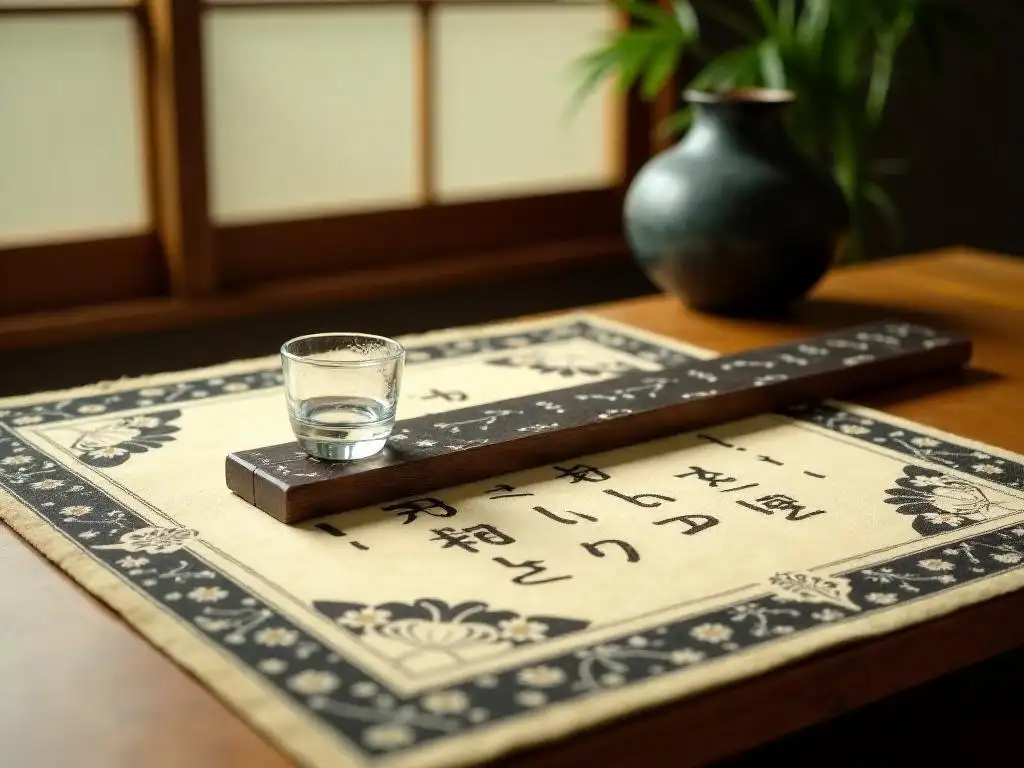
Welcome to Feudal Japan History, where we invite you on an intriguing journey through the captivating tapestry of Japan’s feudal era. Here, we delve into the profound connections between culture, society, and art, with our featured article focusing on the enchanting world of Japanese tea ceremony poetry. Discover how the delicate ritual of tea intertwines with poetic expression, creating a unique celebration of artistry and tradition. As you explore, you’ll uncover the layers of meaning that elevate a simple cup of tea into a profound cultural experience. Get ready to immerse yourself in the beauty of this extraordinary legacy!
Introduction to Japanese Tea Ceremony Poetry
The relationship between tea and poetry in Japan is a profound and intricate connection that reflects the rich tapestry of Japanese culture and aesthetics. The Japanese tea ceremony, known as chanoyu or sado, is not merely a ritual of preparing and serving tea; it is an art form steeped in philosophy, mindfulness, and a deep appreciation for beauty in simplicity.
This ceremonial practice often intertwines with poetry, creating a harmonious blend that celebrates the nuances of human emotion and nature. Through the lens of tea, poets have expressed their thoughts and feelings, capturing fleeting moments and evoking a sense of tranquility and reflection.
In this article, we will explore the multifaceted relationship between the Japanese tea ceremony and poetry, examining how they complement each other and how they have evolved over time. We will delve into the historical context of this connection, shedding light on notable figures and events that have shaped the cultural significance of both practices. By understanding the profound interplay between tea and poetry, we can appreciate how this tradition continues to resonate in contemporary Japanese society.
Definition of Japanese Tea Ceremony
The Japanese tea ceremony is a ritualistic practice centered around the preparation and consumption of matcha, a powdered green tea. It embodies principles of harmony ( wa), respect ( kei), purity ( sei), and tranquility ( jaku). Each ceremony is meticulously designed, from the selection of utensils to the arrangement of the tea room, reflecting the host’s thoughtfulness and the transient beauty of nature. Participants engage in a shared experience that fosters a sense of connection and mindfulness, often accompanied by the recitation of poetry, which enhances the atmosphere of serenity and contemplation.
The Role of Poetry in Japanese Culture
Poetry holds a revered place in Japanese culture, serving as a medium for self-expression and a means to convey the beauty of the world. Traditional forms such as haiku and tanka are valued for their brevity and ability to evoke profound emotions. The integration of poetry into the tea ceremony elevates the experience, allowing participants to reflect on the themes of nature, impermanence, and human emotion. This synthesis of tea and poetry not only enriches the ceremony but also highlights the philosophical underpinnings of both art forms, emphasizing the importance of mindfulness and aesthetic appreciation.
Historical Context of Tea and Poetry in Japan
The Origins of the Japanese Tea Ceremony
The origins of the Japanese tea ceremony can be traced back to the Tang Dynasty in China, where tea was first introduced to Japan in the 9th century. However, it was not until the 12th century that the practice began to take root in Japanese culture, particularly with the influence of Zen Buddhism.
The tea ceremony evolved over the years, becoming a formalized ritual by the 15th century under the guidance of tea masters like Sen no Rikyū, who emphasized the spiritual and aesthetic dimensions of the practice. During this period, poetry began to weave itself into the fabric of the tea ceremony, as participants sought to express their experiences and emotions through verse.
Influences of Historical Figures on Tea and Poetry
Several historical figures have played a pivotal role in shaping the connection between tea and poetry in Japan. Notably, Miyamoto Musashi, the legendary swordsman, not only excelled in martial arts but also embraced the arts of tea and poetry, leaving behind a legacy that encouraged the pursuit of beauty and mastery in all forms.
Similarly, Kobayashi Issa, a renowned haiku poet, often drew inspiration from the tea ceremony, capturing the essence of the experience in his verses. These influential figures have contributed to the enduring tradition of intertwining tea and poetry, solidifying their place in the cultural history of Japan.
This exploration will guide us through the nuances of how tea and poetry together create a unique celebration of art and mindfulness, revealing the depth of their interconnectedness in Japanese culture.
The Aesthetics of the Japanese Tea Ceremony
The Japanese tea ceremony, known as chanoyu, is not merely a ritual for preparing and serving tea; it is a holistic experience that embodies a unique aesthetic philosophy. The aesthetics of this ceremony are deeply rooted in principles of simplicity, harmony, and mindfulness, which together create an atmosphere conducive to introspection and appreciation of the moment. Key elements include the tea utensils, the tea room, and the overall ambiance, which are all carefully curated to enhance the sensory experience.
Every item used in the tea ceremony, from the tea bowl to the tea whisk, is chosen with intention, often reflecting a blend of functionality and artistry. This careful selection speaks to the broader aesthetic values found throughout Japanese culture, where beauty is often derived from imperfection and transience, aligning with the philosophy of wabi-sabi.
Visual and Sensory Elements in Tea Ceremonies
The visual aspects of the tea ceremony are meticulously designed to engage the senses and evoke an emotional response. The tea room, or chashitsu, is typically minimalistic, featuring natural materials such as wood and paper, which create a warm, inviting atmosphere. The arrangement of utensils, the choice of flowers, and even the manner in which the tea is served are all intended to create visual harmony.
In addition to visual appeal, sensory elements play a crucial role. The delicate sound of water boiling, the aroma of tea leaves, and the tactile sensation of the tea bowl enrich the experience. Each element is harmonized to foster mindfulness, encouraging participants to immerse themselves fully in the moment.
The Importance of Nature and Simplicity in Aesthetics
Nature holds a central place in the aesthetics of the Japanese tea ceremony. The principles of shizen (naturalness) and jiyū (freedom) permeate the ceremony, emphasizing the beauty found in the natural world. Seasonal flowers, the changing light, and even the surrounding landscape are integrated into the experience, reminding participants of the transient nature of life.
Simplicity is equally vital; the ceremony embraces minimalism, stripping away the unnecessary to focus on the essential. This approach not only creates a serene environment but also encourages a deeper appreciation for the moment and the act of sharing tea. The interplay of nature and simplicity serves as a reflection of Japanese cultural values, where the beauty of life is often found in understated elegance.
Poetry as an Integral Part of the Japanese Tea Ceremony
Poetry holds a significant place within the Japanese tea ceremony, reflecting the deep interconnection between the two art forms. The act of preparing and serving tea often inspires poetic expression, with participants encouraged to engage with their thoughts and emotions through verses. The presence of poetry enriches the ceremony, transforming it into a platform for artistic expression and introspection.
The integration of poetry into the tea ceremony is not just an embellishment; it serves to enhance the overall experience, allowing individuals to articulate their feelings and observations in a manner that resonates with the ceremonial spirit. This fusion of tea and poetry exemplifies the artistic essence of chanoyu.
Forms of Poetry Embraced in Tea Ceremonies
Several forms of poetry are commonly embraced during tea ceremonies, with haiku and tanka being the most prominent.
- Haiku: This traditional form, consisting of three lines with a 5-7-5 syllable structure, captures fleeting moments and natural beauty, making it particularly well-suited to the meditative context of the tea ceremony.
- Tanka: A five-line poem that allows for deeper emotional expression, tanka can explore more complex themes and reflections, often drawing from personal experiences or observations during the tea ritual.
Participants may recite their own poems or share famous works, creating a dialogue between the tea and the art of poetry that deepens the ceremony's significance.
The Interplay Between Tea Rituals and Poetic Expression
The interplay between tea rituals and poetic expression is a dynamic relationship that enhances the overall significance of the tea ceremony. As participants engage in the meticulous process of preparing and serving tea, they are encouraged to reflect on their surroundings, emotions, and thoughts, often leading to spontaneous poetic inspiration.
This interaction fosters a unique atmosphere where creativity flourishes. The act of sharing tea becomes a shared experience enriched by the evocative power of words, as participants weave their reflections into the fabric of the ceremony. This synergy highlights the importance of mindfulness and emotional connection, illustrating how chanoyu transcends mere consumption of tea to become a profound celebration of art, nature, and human experience.
Symbolism in Tea Ceremony Poetry
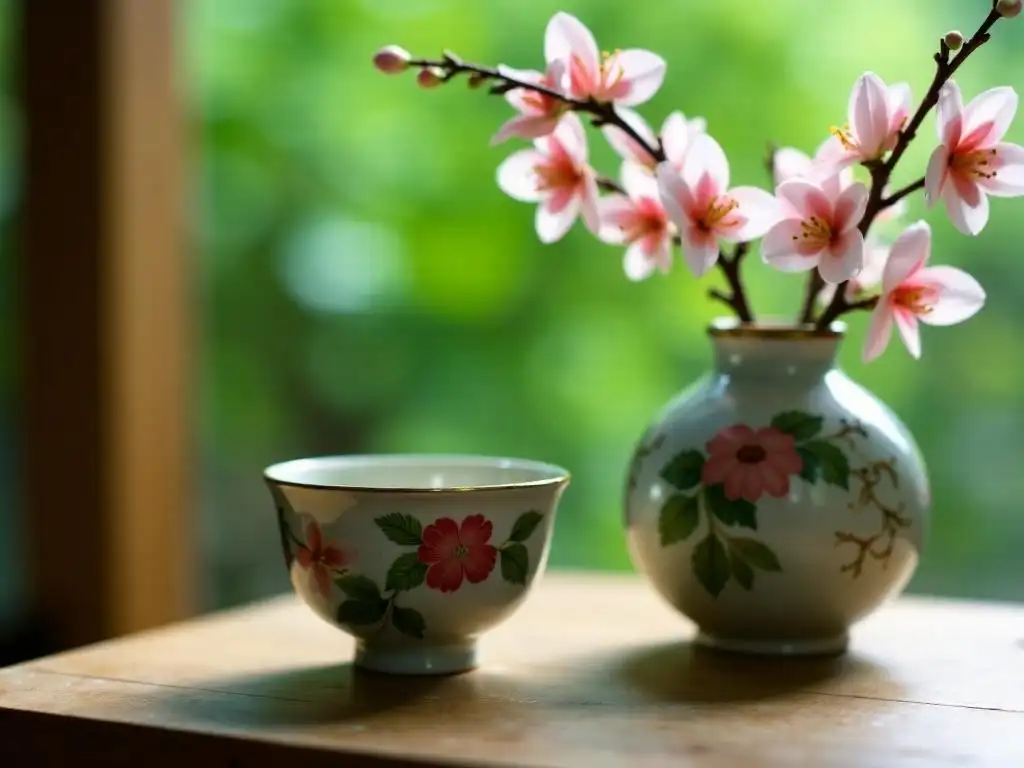
The Japanese tea ceremony, or chanoyu, is not merely a ritual of preparing and consuming tea; it is a profound cultural practice rich in symbolism that deeply intertwines with poetry. Within this context, poetry often serves to articulate the emotional and aesthetic experiences evoked by the tea ceremony. Each element of the ceremony, from the choice of utensils to the nature of the tea itself, can carry metaphorical weight, prompting reflections on beauty, nature, and the human experience.
The act of preparing tea can symbolize purity and tranquility, while the tea itself represents harmony and the transient nature of life. This symbolism is often mirrored in poetry, where poets use metaphors drawn from the tea ceremony to express complex emotions and philosophical ideas. The phrases and imagery found in tea ceremony poetry often evoke a sense of serenity, suggesting that the act of tea drinking is not just a physical activity but a spiritual journey that fosters deeper connections between individuals and their surroundings.
Themes of Transience and Impermanence
A central theme in tea ceremony poetry is the concept of mono no aware, which translates to "the beauty of transience." This theme highlights the ephemeral nature of existence, reflecting the fleeting moments captured within the tea ceremony itself. The preparation of tea, the taste, and even the company enjoyed during the ceremony are all transient experiences that embody the essence of life’s impermanence.
In poetry inspired by tea ceremonies, this theme often manifests through imagery of seasonal changes, the changing colors of leaves, or the fleeting beauty of cherry blossoms. Poets express a deep appreciation for these moments, recognizing that their beauty lies in their temporality. This appreciation can evoke feelings of nostalgia and reflection, reminding participants and readers alike to cherish each moment as it comes, as it will soon pass.
The Connection to Zen Buddhism and Mindfulness
The influence of Zen Buddhism on the Japanese tea ceremony is profound and is reflected in the poetry that arises from this practice. Zen teaches the importance of mindfulness, awareness, and living in the moment—principles that are integral to the tea ceremony. Each action performed during the ceremony is deliberate and meditative, aiming to cultivate a sense of peace and presence.
Poetry that emerges from this context often embodies these Zen principles. It encourages readers to embrace stillness and to appreciate simplicity. The act of writing poetry, like the tea ceremony, becomes an exercise in mindfulness, where the poet immerses themselves in the moment, drawing inspiration from their surroundings and the sensory experiences of the ceremony. The connection between tea and poetry thus becomes a celebration of mindfulness, where both art forms encourage a deeper awareness of life’s fleeting beauty.
Celebrating the Art of Tea and Poetry Together
The convergence of tea ceremony and poetry creates a unique cultural tapestry that celebrates artistic expression in its many forms. Both practices encourage a deep appreciation for aesthetics, whether through the delicate preparation of tea or the careful crafting of verses. This synergy fosters a richer understanding of Japanese culture, where both tea and poetry are seen as vehicles for expressing the complexities of human experience.
In gatherings, participants may recite poetry as part of the tea ceremony, enhancing the ritual with lyrical reflections that echo the themes of the ceremony itself. This interplay between the two art forms elevates the experience, allowing individuals to engage with both the sensory and intellectual aspects of the ceremony.
Notable Poets Influenced by the Tea Ceremony
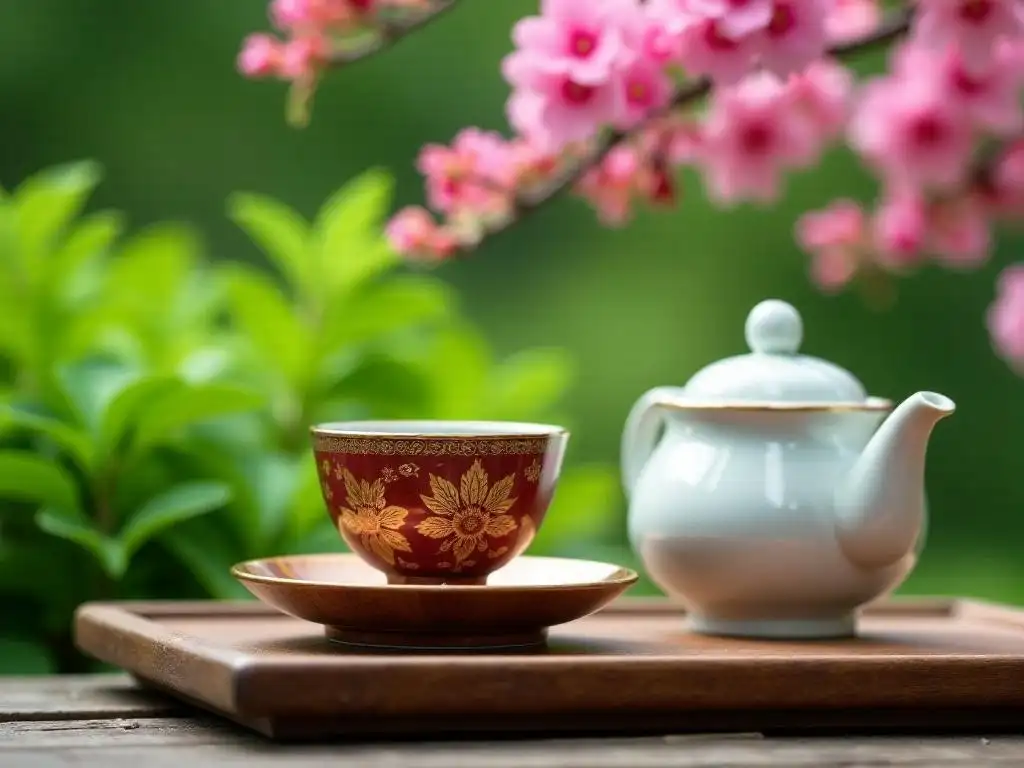
Several notable poets have drawn inspiration from the tea ceremony, weaving its themes and symbolism into their works. One prominent figure is Matsuo Bashō, a master of haiku who often reflected on nature and fleeting beauty, elements inherently tied to the tea ceremony. His poems encapsulate the essence of mono no aware, capturing transient moments with emotional depth.
Another influential poet is Sen no Rikyū, a tea master who integrated poetic elements into the practice of tea. His contributions to the aesthetics of the tea ceremony have left a lasting impact on both tea culture and Japanese poetry. Rikyū’s philosophy emphasized simplicity, and his poetry mirrors the elegance found in the tea ceremony's rituals.
Other poets, such as Yosa Buson and Kobayashi Issa, also explored the connections between tea, nature, and the human experience, creating works that resonate with the tranquility and beauty of the tea ceremony.
Modern Interpretations of Tea Ceremony Poetry
In contemporary times, the connection between the tea ceremony and poetry continues to thrive, evolving as new generations reinterpret these traditions. Modern poets are exploring the themes of mindfulness and transience in innovative ways, often integrating contemporary experiences and perspectives into their works.
While traditional forms like haiku remain popular, many poets experiment with free verse and other styles, allowing for a broader expression of ideas. This evolution reflects the ongoing relevance of the tea ceremony in modern life, where its principles of mindfulness and appreciation for beauty can be applied to contemporary challenges.
Moreover, workshops and gatherings that combine tea drinking with poetry readings are becoming increasingly popular, fostering a communal spirit that honors both traditions. These modern interpretations serve to bridge the gap between the past and the present, ensuring that the art of tea and poetry continues to flourish in the cultural landscape of Japan.
The Influence of Japanese Tea Ceremony Poetry on Contemporary Culture
The intricate relationship between the Japanese tea ceremony and poetry has significantly influenced contemporary culture in Japan and beyond. This bond, rooted in the aesthetics of simplicity and mindfulness, continues to inspire modern artistic expressions, including literature, visual arts, and performance. The tea ceremony, or chanoyu, is not merely a ritual of serving tea; it embodies a philosophy that resonates with the themes of harmony, respect, purity, and tranquility, which are often echoed in poetry.
In recent years, there has been a resurgence of interest in traditional arts, including tea ceremonies and their poetic components. Many contemporary poets integrate the principles of the tea ceremony into their works, reflecting the meditative nature of the ritual. The imagery of the tea ceremony often manifests in poetry, evoking a sense of place and moment that connects readers to the sensory experiences of taste, smell, and sight.
Reviving Traditions in Modern Japan
In modern Japan, there is a concerted effort to revive and sustain traditional practices such as the tea ceremony, which is often intertwined with poetic expression. Various cultural organizations and artists are dedicated to preserving these traditions by hosting workshops, exhibitions, and performances that celebrate the art of tea and poetry together.
Schools and educational institutions have recognized the value of these practices in cultivating creativity and mindfulness among students. This revival is particularly evident among younger generations who seek to reconnect with their cultural heritage while navigating a rapidly changing world. Initiatives such as poetry contests inspired by the tea ceremony encourage new voices to explore the rich tapestry of emotions and experiences that this connection offers.
The Global Impact of Japanese Tea Ceremony and Poetry
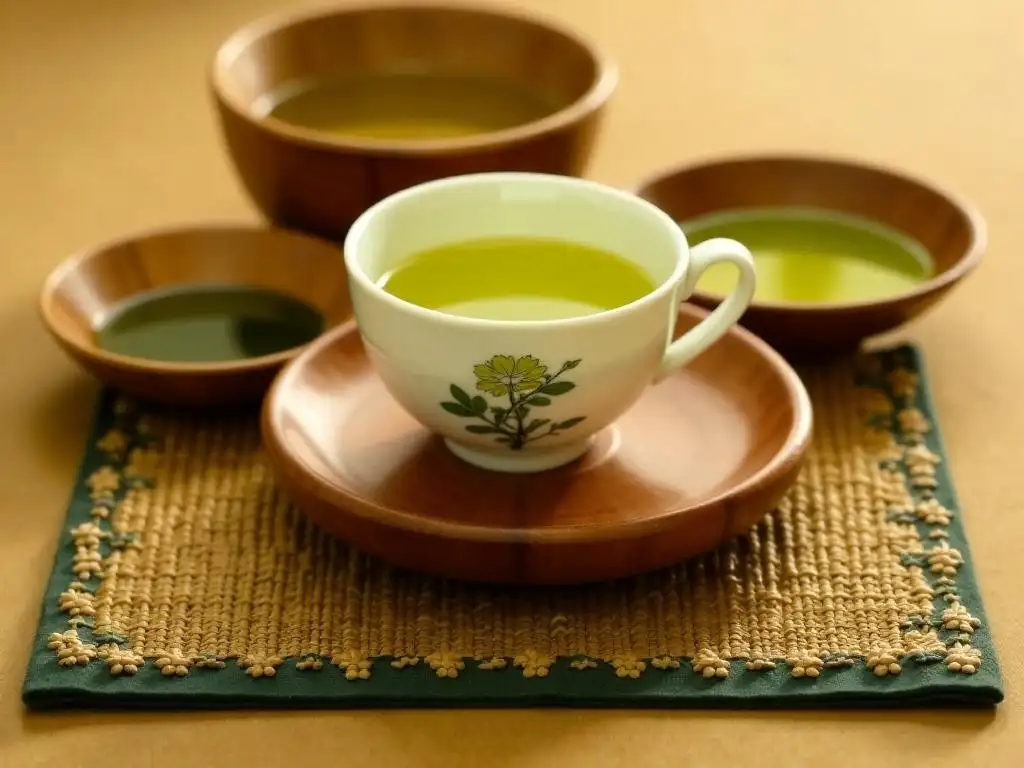
The influence of the Japanese tea ceremony and its associated poetry has transcended national borders, resonating with audiences around the globe. Aspects of the tea ceremony are incorporated into various cultural practices, prompting a worldwide appreciation for its philosophical underpinnings and aesthetic beauty.
International interest in Japanese culture has led to the establishment of tea houses and cultural exchange programs that teach the tea ceremony alongside traditional poetry forms like haiku and tanka. These programs often emphasize the importance of mindfulness, a key tenet of both the tea ceremony and poetry, fostering a deeper understanding of how these art forms can promote tranquility and introspection.
Moreover, contemporary poets worldwide have drawn inspiration from the themes and styles of Japanese poetry, creating works that reflect the elegance and simplicity found in the tea ceremony. This global exchange highlights the universal appeal of these art forms, as they continue to inspire creativity and connection across cultures.
Conclusion: The Lasting Legacy of Japanese Tea Ceremony Poetry
The legacy of Japanese tea ceremony poetry is profound, influencing not only artistic expression but also the broader cultural landscape. It serves as a reminder of the importance of mindfulness and appreciation for the moment, which is integral to both tea rituals and poetic creation.
As society evolves, the enduring nature of these traditions ensures that they remain relevant, providing a space for reflection and connection amid the chaos of modern life.
Reflections on the Art of Tea and Poetry
The interplay between the art of tea and poetry invites profound reflections on the human experience. Both practices encourage participants to engage with their surroundings, fostering a sense of presence that often leads to moments of introspection. The delicate balance of flavors in tea and the careful choice of words in poetry create a shared experience that transcends individual expression.
Furthermore, the act of sharing tea and poetry cultivates community and connection, emphasizing the importance of relationships in both art forms. This communal aspect underscores the belief that art is not just a solitary pursuit but a means of fostering understanding and empathy among people.
The Future of Tea and Poetry in Japanese Culture
Looking ahead, the future of tea and poetry in Japanese culture appears promising. As younger generations embrace these traditions, there is potential for innovative reinterpretations that honor historical practices while infusing them with contemporary relevance.
Workshops, events, and collaborations between poets and tea masters are becoming more common, indicating a vibrant dialogue between past and present. Digital platforms also play a critical role in spreading awareness and appreciation for the art of tea and poetry, allowing for broader engagement with these cultural treasures.
The enduring connection between tea and poetry not only enriches Japan's cultural heritage but also offers timeless lessons in mindfulness, beauty, and community that resonate across cultures and generations.
- Introduction to Japanese Tea Ceremony Poetry
- Historical Context of Tea and Poetry in Japan
- The Aesthetics of the Japanese Tea Ceremony
- Poetry as an Integral Part of the Japanese Tea Ceremony
- Symbolism in Tea Ceremony Poetry
- Themes of Transience and Impermanence
- The Connection to Zen Buddhism and Mindfulness
- Celebrating the Art of Tea and Poetry Together
- Notable Poets Influenced by the Tea Ceremony
- Modern Interpretations of Tea Ceremony Poetry
- The Influence of Japanese Tea Ceremony Poetry on Contemporary Culture
- Reviving Traditions in Modern Japan
- The Global Impact of Japanese Tea Ceremony and Poetry
- Conclusion: The Lasting Legacy of Japanese Tea Ceremony Poetry
- Reflections on the Art of Tea and Poetry
- The Future of Tea and Poetry in Japanese Culture
- What is the significance of the Japanese tea ceremony in relation to poetry?
- How does poetry enhance the experience of the tea ceremony?
- What types of poetry are commonly associated with the Japanese tea ceremony?
- How did historical figures influence the connection between tea and poetry?
- Can the tea ceremony be seen as a form of art beyond just tea preparation?
Frequently Asked Questions
What is the significance of the Japanese tea ceremony in relation to poetry?
The Japanese tea ceremony is not only a ritual for preparing and drinking tea but also a platform for expressing poetry, reflecting the aesthetic values and philosophies of the era.
How does poetry enhance the experience of the tea ceremony?
Poetry adds a layer of depth to the tea ceremony, allowing participants to engage in thoughtful reflection and appreciate the beauty of the moment through carefully chosen words.
What types of poetry are commonly associated with the Japanese tea ceremony?
Common forms of poetry include haiku and tanka, which capture the essence of nature and transitory beauty, paralleling the fleeting moments of the tea ceremony.
How did historical figures influence the connection between tea and poetry?
Historical figures, such as Sen no Rikyū, emphasized the role of aesthetics and simplicity in the tea ceremony, intertwining it with poetic expression to elevate the experience.
Can the tea ceremony be seen as a form of art beyond just tea preparation?
Yes, the tea ceremony is regarded as a holistic art form that combines tea preparation, poetic expression, calligraphy, and ceramics, celebrating the interconnectedness of all artistic pursuits.
Final Reflection: The Harmony of Tea and Poetry in Our Lives
The intricate relationship between tea and poetry is more relevant today than ever, as we seek solace and connection in a fast-paced world. The Japanese tea ceremony, with its rich history and profound rituals, serves as a reminder of the beauty found in simplicity and mindfulness. In a time when distractions abound, the act of brewing tea and engaging with poetry invites us to slow down and appreciate the moment, fostering a deeper connection to ourselves and to one another.
The influence of the Japanese tea ceremony and its poetic expressions continues to resonate across cultures, enriching our social fabric. It encourages us to embrace moments of stillness and reflection, allowing creativity to flourish. As we gather with friends or find solace in solitude, the interplay of tea and poetry creates a sacred space for introspection and inspiration. Poetry is the language of the soul, and tea is the vessel that carries it.
This sentiment captures the essence of how these two art forms intertwine, nurturing our spirit and enhancing our appreciation for the beauty of life.
As you reflect on the themes explored in this article, I invite you to consider how you can incorporate the rituals of tea and poetry into your daily life. Take a moment to brew a cup of your favorite tea, and let the warmth envelop you as you pen your thoughts or read a cherished poem.
By honoring these traditions, we not only celebrate the art of tea and poetry but also cultivate a deeper understanding of ourselves and the world around us. Embrace the serenity and creativity that comes from this beautiful connection, and let it inspire your journey forward.
Savor the Poetry in Your Tea Ceremony
Thank you for diving into the enchanting world of tea and poetry with us! We hope you’ve uncovered the beauty of how these two art forms intertwine in celebration and ceremony. Now, it’s time to take that inspiration and turn it into meaningful action.
Here’s how you can embrace this delightful connection:
- Host your own tea ceremony: Gather friends or family to celebrate not just the flavors of tea, but also the words of cherished poets. Share their works as you sip and reflect on the art of both tea and poetry.
- Write a poem inspired by your favorite tea: Take a moment to savor your most beloved brew and let the experience guide your creativity. Capture the aromas, the warmth, and the cherished memories that tea evokes for you.
- Join a community of tea and poetry enthusiasts: Seek out local meetups or online forums where you can share your experiences and discover the creative expressions of others who appreciate these timeless traditions.
What’s your favorite tea, and how does it inspire your creativity? We invite you to share your thoughts below!