
Kabuki Unmasked: The Colorful World of Edo Period Performances

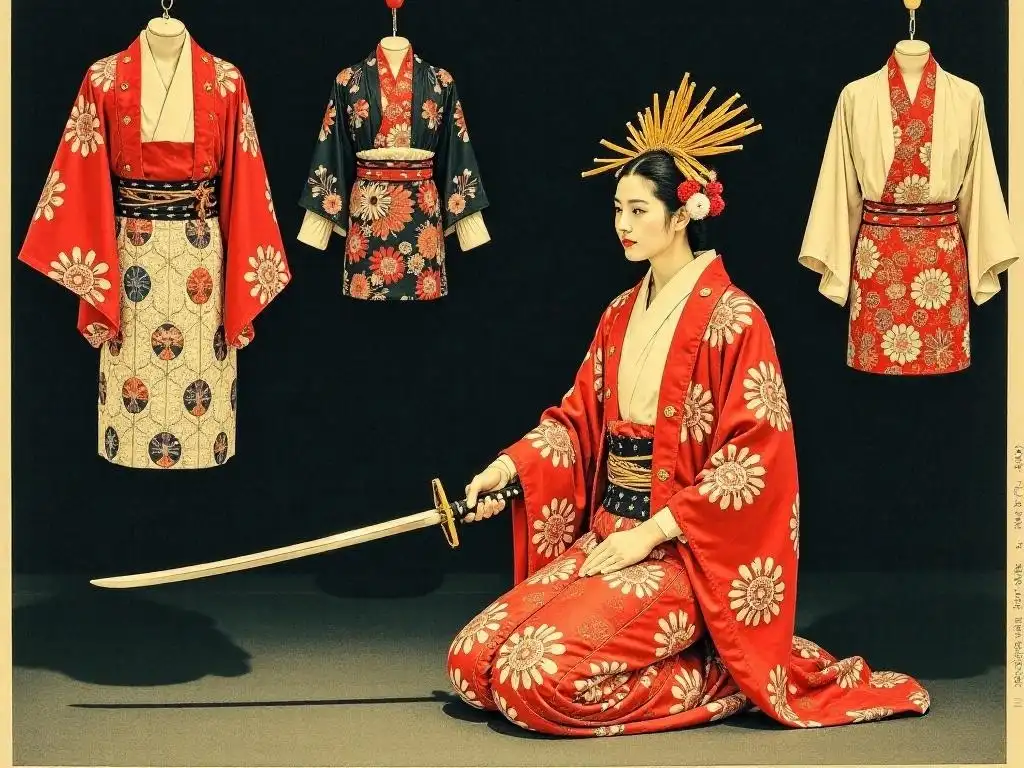
Welcome to Feudal Japan History, where we invite you to journey through the vibrant tapestry of Japan’s feudal era. Here, we delve deep into the Edo period Kabuki performances, a mesmerizing art form that captivated audiences with its dramatic storytelling and stunning visuals. What secrets lie behind the masks and elaborate costumes of Kabuki? As you explore our in-depth articles, you'll uncover the rich cultural significance and societal impact of these performances. Get ready to be enchanted by a world where every performance tells a story and every detail holds a lesson. Dive in and let the exploration begin!
- Introduction to Edo Period Kabuki Performances
- Historical Context of Edo Period Kabuki
- Characteristics of Edo Period Kabuki Performances
- The Social Impact of Kabuki in Edo Period Society
- Famous Kabuki Plays and Their Legacy
- The Decline and Transformation of Kabuki
- Conclusion: The Enduring Legacy of Edo Period Kabuki Performances
- Frequently Asked Questions
- Final Reflection: Embracing the Legacy of Edo Period Kabuki Performances
- Step into the Vibrant World of Kabuki!
Introduction to Edo Period Kabuki Performances
The Edo period (1603-1868) marks a significant chapter in Japan's history, characterized by a flourishing of arts and culture that profoundly influenced the nation's identity. Among the most captivating cultural expressions of this era is Kabuki, a theatrical form that combines drama, music, and dance into a unique performance art.
This article dives deep into the vibrant world of Edo period Kabuki performances, exploring its historical roots, the aesthetic elements that define it, and its enduring relevance in Japanese society. By examining the intricate details of Kabuki, we can better understand not only the entertainment landscape of the time but also the broader societal values and cultural narratives that it encapsulated.
Overview of Kabuki Theatre in the Edo Period
Kabuki theatre emerged in the early 17th century and quickly gained popularity among the common people in Edo (modern-day Tokyo). The theatrical form is distinguished by its elaborate costumes, stylized movements, and the use of intricate makeup known as Kumadori. These elements contribute to a visually striking performance that captivates audiences.
- Origins and Evolution:
- Kabuki began with female performers, known as onnagata, but due to various regulations, the performances transitioned to an all-male cast, which remains a hallmark of the genre.
- The plays often depict historical events, moral tales, and the trials of love, reflecting the social dynamics of the time.
- Theatrical Elements:
- Sets and Staging: The stage design in Kabuki is unique, featuring a hanamichi (a walkway that extends into the audience), allowing for dramatic entrances and exits.
- Music and Dance: Traditional instruments like the shamisen accompany the performances, enhancing the emotional depth of the narratives. Dance is integral, with performers often trained in various styles to embody their characters fully.
Kabuki performances were not merely entertainment; they served as a reflection of the societal values, conflicts, and aspirations of the Edo period, making them a rich subject for exploration.
Significance of Kabuki in Japanese Culture
Kabuki's significance extends beyond the realm of entertainment, intertwining with the cultural and social fabric of Japan.
- Cultural Identity:
- As a distinctly Japanese art form, Kabuki embodies the aesthetics and philosophies of the Edo period, contributing to a sense of national identity that resonates even today.
- The themes explored in Kabuki, such as loyalty, honor, and the struggle against fate, reflect the moral underpinnings of Japanese society.
- Influence on Modern Arts:
- Kabuki has left an indelible mark on contemporary Japanese theatre, influencing various performance arts, including Noh and Bunraku, as well as Western plays and musicals.
- The stylized performance techniques and narrative structures of Kabuki continue to inspire artists and performers around the world.
- Preservation and Evolution:
- In recent years, efforts to preserve and revitalize Kabuki have led to a resurgence of interest, with contemporary interpretations attracting new audiences.
- Festivals and special performances, such as the Shunjuza, celebrate this cultural heritage, ensuring its place in Japan's artistic landscape.
Kabuki theatre is not only a window into the past but also a living tradition that continues to evolve and engage audiences, reinforcing its significance in the tapestry of Japanese culture.
Historical Context of Edo Period Kabuki
The Origins of Kabuki Theatre
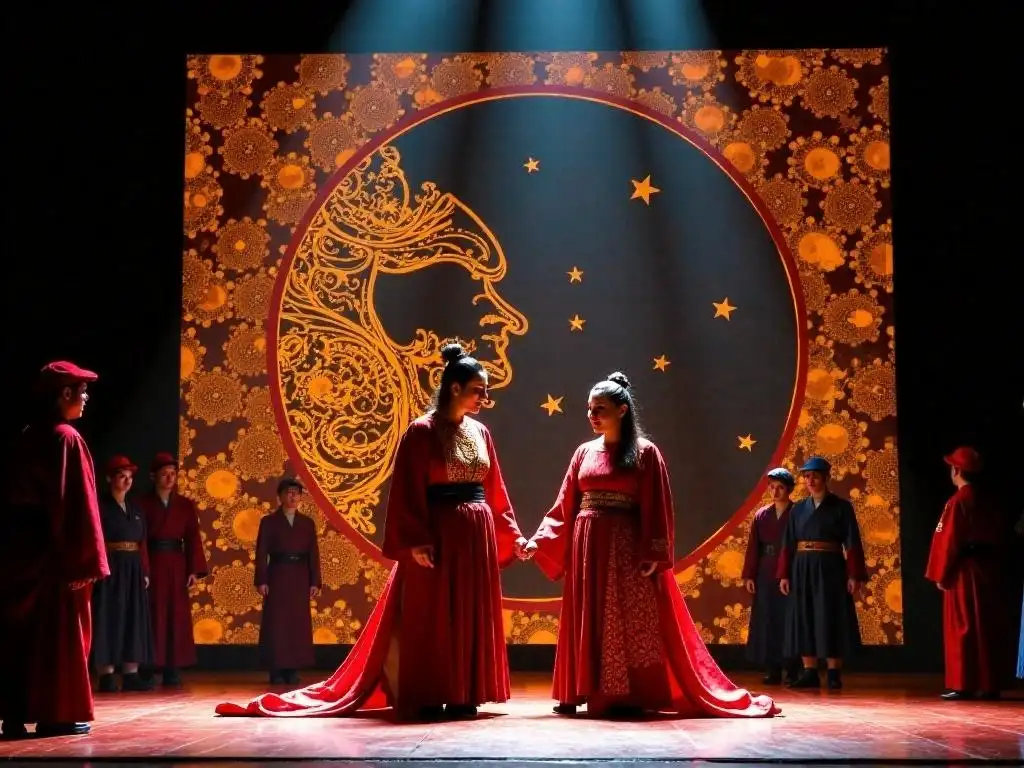
Kabuki theatre, a hallmark of Japanese culture, traces its origins back to the early 17th century during the Edo period (1603-1868). Initially, it emerged as a form of popular entertainment in the streets of Kyoto, characterized by its unique blend of drama, music, and dance. The term "Kabuki" itself is derived from the verb "kabuku," meaning "to lean" or "to be out of the ordinary." This reflects its unconventional style, which stood in stark contrast to the more traditional Noh and Bunraku forms of theatre that predated it.
The first recorded performance of Kabuki was by a female performer named Okuni in 1603. Her innovative and provocative dances captivated audiences, leading to the establishment of the art form. However, due to the risqué nature of the performances and the involvement of women, the Tokugawa shogunate later banned female performers in 1629. This ban paved the way for the emergence of male actors, known as "onnagata," who specialized in portraying female roles.
The early Kabuki performances were marked by improvisation and a more spontaneous style, often set in the vibrant urban landscape of Edo (modern-day Tokyo). The theatre's popularity quickly spread, giving rise to various regional styles and the establishment of dedicated theatres. This laid the foundation for what would become a significant cultural phenomenon in Japan.
Development and Evolution During the Edo Period
As the Edo period progressed, Kabuki underwent significant transformation and refinement, evolving into a more structured and stylized form of theatre. The introduction of elaborate staging, costumes, and makeup contributed to its appeal, captivating audiences with visual spectacle alongside dramatic storytelling.
By the mid-17th century, Kabuki had become institutionalized, with established theatres such as the Nakamura-za and the Ichimura-za in Edo. The performances began to incorporate complex narratives, often adapted from historical events, folklore, and contemporary life. This storytelling approach not only entertained but also reflected the social and political dynamics of the time.
The Seiwa and Genroku periods (1688-1704) are particularly notable for their contributions to Kabuki's development. During this time, playwrights like Chikamatsu Monzaemon began crafting plays that delved into the emotional depths of characters, blending tragedy and comedy. The emergence of specific genres, such as Jidaimono (historical plays) and Sewamono (domestic plays), allowed for greater thematic exploration and audience engagement.
Furthermore, the late Edo period saw the introduction of keren, or stage tricks, which included revolving stages and trap doors, enhancing the theatrical experience. This innovation reflected the growing sophistication of Kabuki performances, as they began to incorporate greater visual and auditory elements, such as live music played by an ensemble of musicians.
Key Historical Figures in Kabuki's History
The rich tapestry of Kabuki theatre is woven with the contributions of numerous influential figures who shaped its trajectory throughout the Edo period. Some of the most prominent include:
- Okuni: As the founder of Kabuki, her innovative performances set the stage for the subsequent evolution of the art form. Her ability to captivate audiences laid the groundwork for future generations of performers.
- Chikamatsu Monzaemon: Often considered the Shakespeare of Japan, Chikamatsu was a prolific playwright whose works are still performed today. His ability to weave complex characters and poignant narratives significantly enriched Kabuki's repertoire.
- Ichikawa Danjūrō: A legendary actor and playwright, Ichikawa Danjūrō is credited with establishing the "aragoto" style, characterized by exaggerated movements and bold portrayals of heroic figures. His legacy continues to influence actors in Kabuki theatre.
- Kikugoro Onoe: Renowned for his mastery in portraying female roles as an onnagata, Kikugoro Onoe was instrumental in elevating the artistic standards of Kabuki performances. His refined technique and emotional depth in acting are celebrated to this day.
These figures, among others, played crucial roles in shaping the identity of Edo period Kabuki performances, ensuring that this vibrant art form remained a central aspect of Japanese cultural life. As Kabuki evolved, it not only reflected the societal values and artistic trends of its time but also laid the groundwork for future theatrical expressions in Japan.
Characteristics of Edo Period Kabuki Performances
Unique Elements of Kabuki Theatre
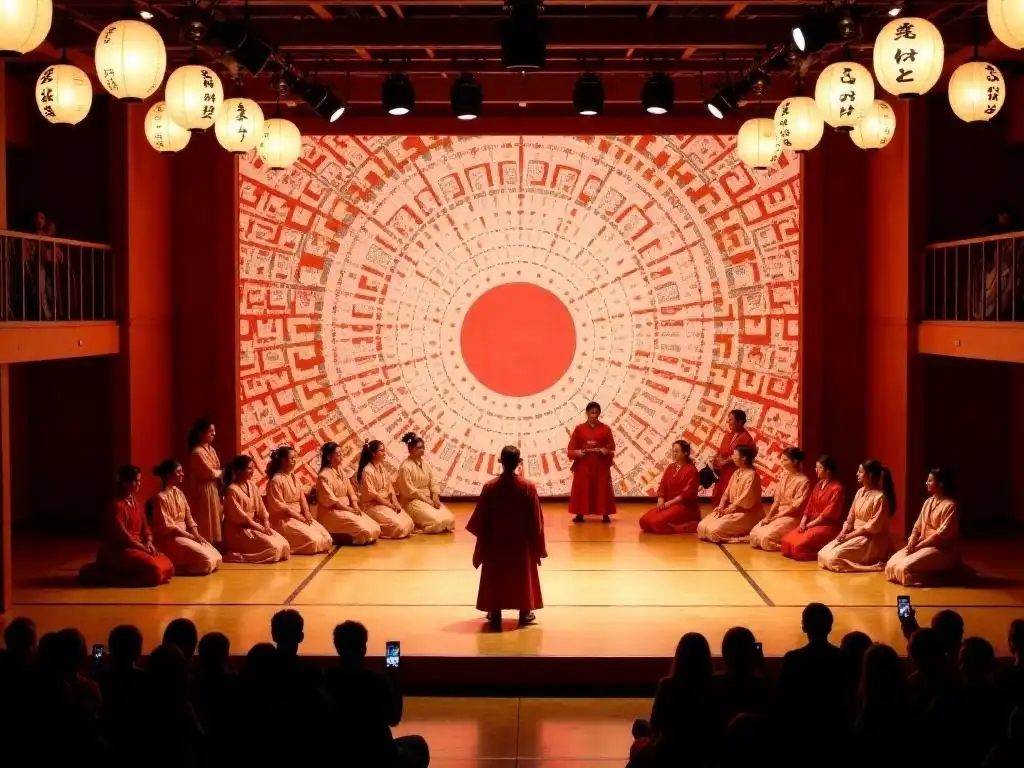
Kabuki theatre, emerging during the Edo period (1603-1868), is renowned for its distinctive characteristics that set it apart from other forms of Japanese theatre. One of the most striking features is its stylized movement and exaggerated actions, which serve to convey emotions and intentions clearly to the audience. Performers often utilize a highly formalized acting style, known as kata, which includes preset movements that can express a wide range of feelings and narrative nuances.
Another unique aspect of Kabuki is its use of a rotating stage and elaborate mechanical effects. This innovation allows for seamless scene changes and dramatic entrances, providing an immersive experience. The stage is often adorned with intricate backdrops, allowing for rich visual storytelling. The audience's engagement is heightened by the actors’ direct interactions with spectators, creating a dynamic environment where applause and shouts of appreciation are encouraged.
Costumes and Makeup in Kabuki
Costumes in Kabuki are nothing short of spectacular. They are often lavishly designed, incorporating vibrant colors and intricate patterns that reflect the character's social status, personality, and the play’s themes. The use of layers and accessories, such as wigs and props, is common, enhancing the visual appeal and storytelling.
Makeup, or kumadori, is another hallmark of Kabuki. This bold makeup style utilizes colored pigments to convey the character's traits and emotions:
- Red (aka): Indicates a virtuous character, often associated with heroes.
- Blue (ao): Represents villains or malevolent figures.
- Black (kuro): Used for characters with a more nuanced morality, often embodying complexity.
The application of kumadori is an art form in itself, with actors often spending significant time preparing before performances, ensuring that their visual representation aligns with their character's essence.
The Role of Music and Dance in Performances
Music and dance are integral to the fabric of Kabuki performances. The score, performed live by traditional ensembles, includes instruments such as the shamisen, drums, and flutes, creating a rich auditory backdrop that complements the visual spectacle. The music not only enhances the emotional tone of the scenes but also guides the actors' movements and timing.
Dance in Kabuki is characterized by its choreographed sequences that convey narrative elements. Different styles of dance, such as odori (dance) and nagauta (long song), are utilized to express various emotions and themes, making dance an essential storytelling medium within the performance. The interplay of dance and music creates a mesmerizing atmosphere that captivates audiences and immerses them in the world of the play.
Themes and Storylines of Edo Period Kabuki
Kabuki performances often draw upon a diverse array of themes and storylines, reflecting the complexities of Edo period society. Many plays are based on historical events, folklore, or literary works, intertwining real-life narratives with fantastical elements. Common themes include:
- Love and Betrayal: These narratives frequently showcase the emotional turmoil of characters navigating relationships, often leading to tragic outcomes.
- Samurai and Honor: Tales of samurai loyalty, honor, and the consequences of betrayal resonate deeply, illustrating the values held by the Edo period society.
- Supernatural Elements: Kabuki often incorporates supernatural themes, featuring ghosts, spirits, and deities, which reflect the cultural significance of the yokai and kami in Japanese folklore.
The accessibility of these themes, coupled with the engaging performances, allowed Kabuki to resonate with a wide audience, from commoners to the elite. This connection to societal issues and human emotions continues to make Kabuki a relevant art form, preserving its legacy in contemporary Japanese culture.
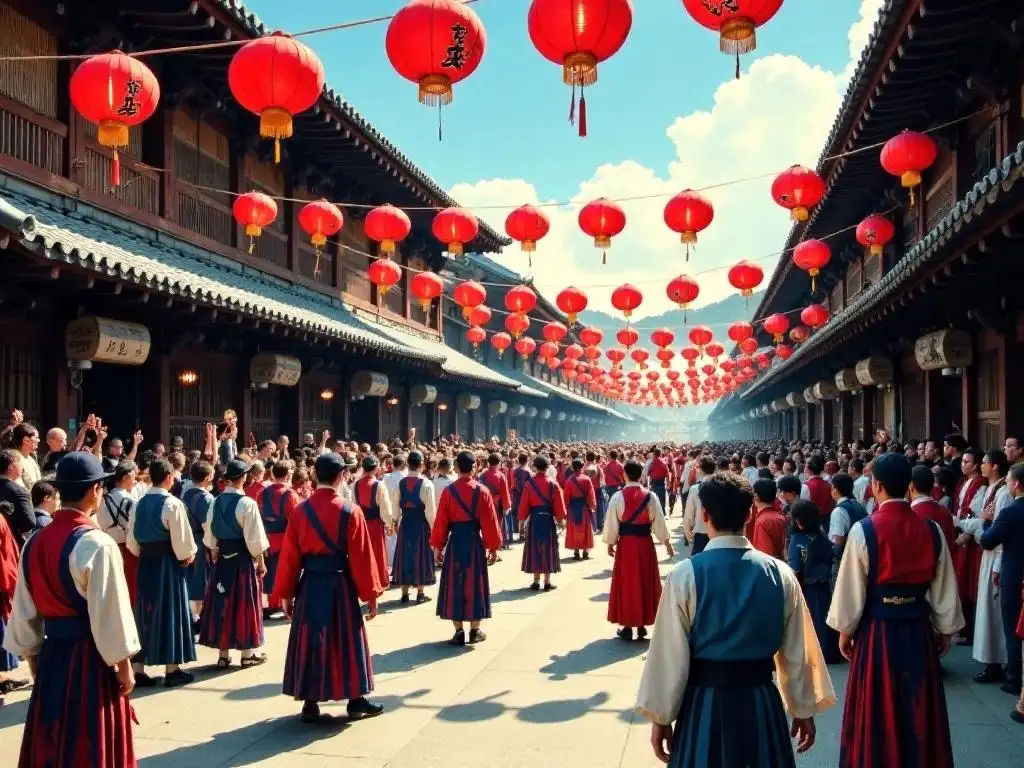
Kabuki, as an integral part of Edo period culture, not only entertained but also shaped the social dynamics of its time. Emerging in the early 17th century, this theatrical form became a reflection of the societal norms, values, and tensions of the period. The performances often served as a commentary on contemporary issues, allowing audiences to engage with complex social themes through the lens of entertainment.
Kabuki and Its Audience: Who Watched?
The audience of Edo period Kabuki performances was remarkably diverse, encompassing various social classes. While initially attracting the merchant class and townspeople, the popularity of Kabuki eventually drew the attention of samurai, nobility, and even the imperial court.
- Commoners: The majority of Kabuki's audience consisted of commoners, who found both joy and escapism in the elaborate performances. The vibrant costumes, dramatic storytelling, and exaggerated expressions resonated with their everyday experiences.
- Samurai and Nobility: Though initially skeptical, samurai and members of the nobility began to attend performances, captivated by the artistry and the opportunity to observe the lives of common folk.
- Women: Despite restrictions, women made up a significant portion of the audience. Kabuki's themes often explored the plight of women, creating a connection that resonated deeply with female spectators.
The seating arrangements in theaters like the Nakamura-za in Edo reflected this diversity. The lower-priced seats were located in the front, accessible to the common folk, while more affluent patrons occupied the elevated boxes, providing a clear visual hierarchy within the audience.
The Influence of Kabuki on Popular Culture
Kabuki's influence extended far beyond the theater, permeating various aspects of Edo period popular culture. The performances contributed to a vibrant cultural landscape characterized by a blend of art, fashion, and literature.
- Fashion: Kabuki actors set trends in fashion. The elaborate costumes worn by performers influenced the attire of everyday people, leading to the adoption of styles that mimicked those seen on stage. The iconic patterns and colors became synonymous with the Kabuki aesthetic.
- Literature and Arts: The narratives portrayed in Kabuki inspired countless works in literature and visual arts. Ukiyo-e, a popular woodblock printing technique, often depicted scenes from famous Kabuki plays, showcasing the actors and their dramatic roles. This cross-pollination fostered a rich artistic dialogue that celebrated Kabuki as an essential cultural touchstone.
Kabuki also popularized certain phrases and motifs that found their way into the vernacular. The expression "Kabuki-like" began to describe anything that was overly dramatic or exaggerated in everyday life, illustrating the performance's lasting impact on language and social commentary.
Gender Roles in Kabuki Performances
Gender roles in Kabuki performances present a fascinating paradox that reflects the complexities of Edo period society. Although women were initially the stars of early Kabuki, later restrictions led to the emergence of male actors portraying female characters (onnagata).
- Onnagata: Male actors specializing in female roles became highly skilled in embodying femininity, blurring the lines between gender and performance. Their portrayals were often idealized, showcasing a romanticized version of womanhood that appealed to the audience's fantasies.
- Themes of Gender: Kabuki plays frequently explored themes of love, loyalty, and betrayal, often from a female perspective. These narratives provided a platform for discussions about gender roles, societal expectations, and the struggles faced by women, albeit through a male lens.
The portrayal of women in Kabuki, while restricted by the norms of the time, also offered a space for subversion. Characters like the tragic heroine or the cunning femme fatale challenged societal expectations, allowing audiences to engage with themes of empowerment and resistance.
The social impact of Edo period Kabuki performances was profound, influencing audience dynamics, popular culture, and gender roles. Through its vibrant storytelling and rich artistic expression, Kabuki not only entertained but also sparked conversations that resonated throughout the fabric of Edo period society.
Famous Kabuki Plays and Their Legacy
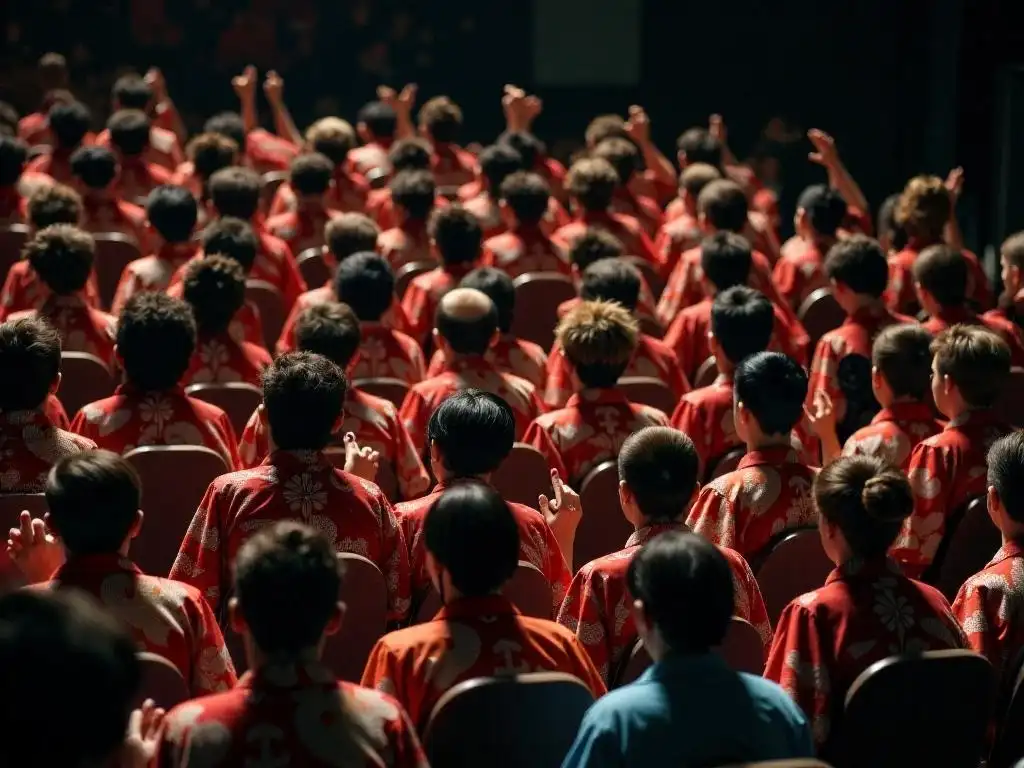
Kabuki, a classical Japanese dance-drama known for its stylized performances and elaborate costumes, flourished during the Edo period (1603-1868). This era gave rise to numerous famous Kabuki plays that not only entertained audiences but also conveyed complex themes, emotions, and societal commentary. The legacy of these works continues to influence modern Japanese culture and theater.
Notable Kabuki Works from the Edo Period
The Edo period produced a plethora of Kabuki plays, many of which remain popular today. Here are some of the most notable works:
- Kanadehon Chūshingura (The Treasury of Loyal Retainers)
- This play, based on the historical incident of the 47 ronin, explores themes of loyalty, honor, and revenge. It has been performed countless times and is a cornerstone of Kabuki repertoire.
- Yoshitsune Senbon Zakura (Yoshitsune and the Thousand Cherry Trees)
- This play dramatizes the life of the legendary hero Minamoto no Yoshitsune and his struggles against his brother. It is renowned for its stunning visuals and intricate staging, showcasing the beauty of cherry blossoms.
- Sukeroku (Sukeroku, The Flower of Edo)
- A romantic drama intertwined with elements of comedy, this play features a famous Edo period character, Sukeroku, who embodies the spirit of the city. Its exploration of love and societal roles has made it a timeless favorite.
- Kanjinchō (The Subscription List)
- This play illustrates the cleverness of the protagonist, Benkei, as he disguises himself and his master, Yoshitsune, to evade capture. It highlights themes of friendship and cunning, making it a staple in Kabuki performances.
- Tōkaidō Yotsuya Kaidan (The Yotsuya Ghost Story)
- A horror classic, this play tells the tragic tale of betrayal and revenge, merging the supernatural with human emotions. Its chilling narrative and haunting visuals have left a lasting impact on Japanese theater.
Each of these works reflects the societal values and cultural narratives of the Edo period, showcasing the deep connection between Kabuki performances and the historical context in which they were created. The plays not only serve as entertainment but also as a means of preserving and transmitting cultural heritage.
Iconic Kabuki Actors and Their Contributions
The Edo period was also marked by the rise of iconic Kabuki actors, whose performances contributed significantly to the popularity and evolution of this art form. Here are some of the most influential figures:
- Ichikawa Danjūrō
- Renowned for his powerful performances, Ichikawa Danjūrō is credited with defining the aragoto (rough style) of acting. His ability to portray heroic characters with passion and intensity made him a revered figure in Kabuki history.
- Onoe Kikugorō
- A master of the wagoto (soft style), Onoe Kikugorō was known for his delicate portrayals of romantic leads. His performances were characterized by emotional depth and subtlety, attracting a wide audience.
- Ichikawa Ebizō
- Famous for his versatility, Ichikawa Ebizō excelled in various roles, from tragic heroes to comedic characters. His ability to connect with the audience and his dynamic stage presence solidified his status as an iconic Kabuki actor.
- Tamura Kōkichi
- A pioneer in the art of female impersonation (onnagata), Tamura Kōkichi brought a new level of beauty and grace to Kabuki performances. His contributions helped to elevate the portrayal of female characters in this male-dominated art form.
- Mizuki Kōgenta
- Known for his innovative interpretations and modern approaches, Mizuki Kōgenta played a crucial role in revitalizing Kabuki for contemporary audiences. His willingness to experiment with traditional forms has inspired a new generation of performers.
The contributions of these iconic actors not only shaped the performance styles of their time but also left a lasting legacy that continues to influence Kabuki today. Their dedication to the craft and ability to resonate with audiences ensured that Kabuki remained a vital part of Japan's cultural landscape throughout the Edo period and beyond.
The Decline and Transformation of Kabuki
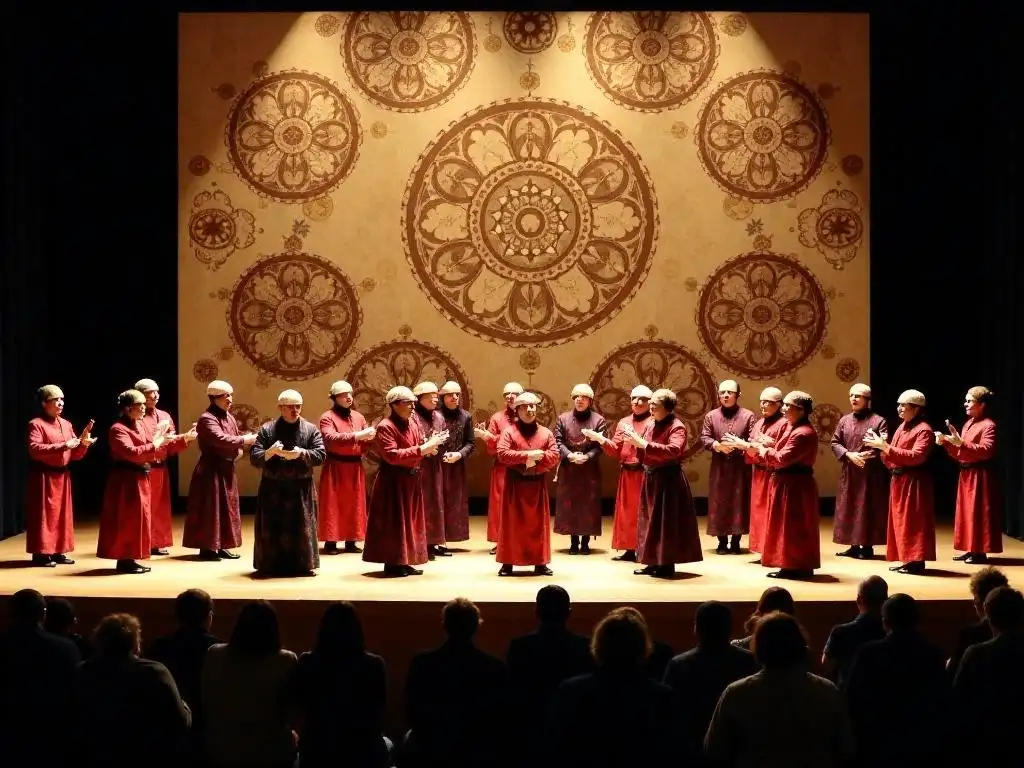
The evolution of Edo period Kabuki performances is marked by a series of transformations that reflect the changing dynamics of Japanese society, culture, and politics. While Kabuki flourished during the Edo period (1603-1868), it eventually faced decline and underwent significant transformations as Japan transitioned into the modern era. Understanding this decline and transformation is crucial to appreciate the enduring legacy of Kabuki in contemporary Japan.
Factors Leading to the Decline of Edo Period Kabuki
Several factors contributed to the decline of Edo period Kabuki, which saw its popularity wane towards the end of the 19th century. These factors include:
- Political Changes:
- The Meiji Restoration in 1868 marked a significant political shift in Japan, moving from feudal rule to a more centralized government. This transition led to the suppression of traditional arts like Kabuki, which were seen as representative of the old order.
- Anti-Kabuki sentiments arose as the new government sought to promote Western ideals and modernize Japanese culture.
- Societal Shifts:
- The rapid modernization and urbanization of Japan brought about changes in social structures. The emerging middle class began to seek new forms of entertainment, leading to a decline in the audience for traditional Kabuki performances.
- The rise of Western theater and cinema provided alternative forms of entertainment that captivated the public's interest, further diminishing Kabuki's audience.
- Censorship and Regulation:
- The government imposed strict censorship on Kabuki, limiting the themes and content that could be portrayed. This restriction stifled the creativity and innovation that had characterized Kabuki, leading to a stagnation in its artistic development.
- Many Kabuki actors and playwrights faced challenges in expressing their artistry, resulting in a decline in the quality of performances.
- Economic Factors:
- The economic instability during the transition to modern Japan affected the patronage of Kabuki theaters. Many theaters struggled to maintain profitability, leading to closures and reduced performances.
- The audience's changing economic circumstances influenced their spending habits, with fewer people willing to invest in Kabuki performances.
The combination of these factors resulted in a significant decline in the popularity of Edo period Kabuki, forcing it to adapt to the changing landscape of Japanese entertainment.
Modern Interpretations and Revivals of Kabuki
Despite its decline, Kabuki has experienced notable revivals and reinterpretations in modern times. These efforts seek to preserve the art form while making it relevant to contemporary audiences. Some key aspects of modern interpretations and revivals include:
- Fusion with Contemporary Art Forms:
- Modern Kabuki has begun to incorporate elements from other performing arts, such as dance, music, and even multimedia technology. This fusion creates a dynamic performance style that resonates with younger audiences.
- Collaborations with Western artists have also emerged, introducing new perspectives and techniques to the traditional art form.
- Thematic Innovations:
- Contemporary Kabuki performances often explore modern themes and issues, reflecting societal changes and challenges. This approach makes the performances more relatable to today’s audience, bridging the gap between historical content and contemporary relevance.
- The use of innovative storytelling techniques, such as non-linear narratives and interactive elements, has enriched the Kabuki experience.
- Education and Outreach:
- Various initiatives aim to educate the public about Kabuki, including workshops, seminars, and outreach programs. These efforts encourage greater appreciation for the art form and its historical significance.
- Schools and universities are increasingly incorporating Kabuki into their curriculums, fostering a new generation of performers and enthusiasts.
- International Performances:
- Kabuki has gained recognition on the global stage, with performances showcased in international festivals and theaters. This exposure has attracted a diverse audience and sparked interest in the traditional art form beyond Japan.
- The international collaborations and tours have also facilitated cultural exchanges, enhancing the understanding and appreciation of Kabuki worldwide.
The transformation of Kabuki from its Edo period roots to its modern interpretations illustrates the resilience of this art form. By adapting to the changing cultural landscape, Kabuki continues to captivate audiences and remains a vital part of Japan's cultural heritage.
Conclusion: The Enduring Legacy of Edo Period Kabuki Performances
The legacy of Edo period Kabuki performances continues to resonate profoundly in the cultural fabric of Japan and beyond. This theatrical art form, which flourished during the 17th to 19th centuries, not only entertained audiences but also served as a mirror reflecting the societal values, struggles, and aspirations of the time. Today, the vibrancy and complexity of Kabuki remain influential, impacting various art forms and media, from theater and film to fashion and visual arts.
One of the most significant aspects of this legacy is how Kabuki has evolved while retaining its core elements. Modern interpretations often incorporate contemporary themes, yet the traditional practices, such as elaborate costumes, stylized movements, and the use of intricate makeup, remain intact. This blend of old and new ensures that Kabuki continues to captivate audiences, drawing in both those familiar with its history and newcomers alike.
Kabuki's Influence on Contemporary Japanese Arts
Kabuki's influence extends far beyond the stage, permeating various facets of contemporary Japanese arts and culture.
- Theatrical Interpretations: Modern theater companies frequently draw inspiration from Kabuki's narrative structures and performance styles. Productions often integrate Kabuki techniques, such as the use of exaggerated gestures and vocalization, to create a unique theatrical experience.
- Film and Television: The visual storytelling methods established in Kabuki have found their way into Japanese cinema and television dramas. Directors often utilize Kabuki's dramatic flair and thematic depth, contributing to the rich narrative tapestry of contemporary Japanese storytelling.
- Fashion and Design: Kabuki's striking costumes and makeup have inspired fashion designers, both in Japan and internationally. Elements of Kabuki aesthetics are evident in modern clothing lines, theatrical costumes, and even high fashion, showcasing the timeless appeal of its visual artistry.
- Visual Arts: Artists today frequently reference Kabuki in their work, exploring themes of identity, tradition, and modernity. This cross-pollination of ideas enriches the contemporary art scene, making Kabuki a vital source of inspiration.
The Importance of Preserving Kabuki Tradition
Preserving the tradition of Edo period Kabuki performances is crucial for maintaining Japan's cultural heritage. As globalization and modernization continue to influence art forms, there is a growing need to ensure that the fundamental aspects of Kabuki are not lost.
- Educational Initiatives: Various organizations and institutions are dedicated to teaching Kabuki to younger generations. Workshops, performances, and educational programs are essential for instilling appreciation and understanding of this art form. This not only helps in preserving the techniques but also fosters a new generation of performers and enthusiasts.
- Community Engagement: Local Kabuki troupes often engage with their communities through performances and events. This grassroots approach allows for a deeper connection between traditional Kabuki and contemporary audiences, ensuring its relevance in today’s society.
- Cultural Festivals: Festivals celebrating Kabuki serve as platforms for showcasing its beauty and intricacies. These events not only attract tourists but also encourage local participation, creating a vibrant atmosphere where tradition and modernity coexist.
- Research and Documentation: Scholars and historians play a pivotal role in documenting Kabuki's evolution and significance. Through research, publications, and archival projects, they contribute to a deeper understanding of this art form, ensuring that its history is preserved for future generations.
The enduring legacy of Edo period Kabuki performances is evident in its continuing influence on contemporary Japanese arts and the importance placed on its preservation. By embracing this rich heritage, Japan can ensure that Kabuki remains a vibrant and integral part of its cultural landscape for years to come.
Frequently Asked Questions
What is Kabuki, and when did it emerge?
Kabuki is a traditional Japanese theatrical art that emerged in the early 17th century during the Edo period. It is characterized by its stylized performances, elaborate costumes, and the use of makeup to portray characters.
How did Kabuki performances reflect Edo period society?
Kabuki performances often showcased the cultural dynamics of the Edo period, illustrating themes of class struggle, romance, and supernatural elements. They served as both entertainment and a reflection of societal norms.
What are the key elements of Edo period Kabuki performances?
Key elements include exaggerated acting, distinctive makeup styles (known as Kumadori), and elaborate stage designs. Music and dance also play a critical role in creating an immersive experience for the audience.
How did the audience's perception of Kabuki change over time?
Initially, Kabuki was popular among the common populace, but as it evolved, it gained respectability and was embraced by the samurai class and nobility. This shift influenced the themes and styles of performances.
Are there modern influences in contemporary Kabuki?
Yes, contemporary Kabuki often incorporates modern themes and technologies while maintaining the traditional aesthetic and performance style. This blending allows Kabuki to remain relevant and appealing to new generations.
Final Reflection: Embracing the Legacy of Edo Period Kabuki Performances
The vibrant world of Edo period Kabuki performances continues to resonate profoundly in today's cultural landscape. As we explore the intricate layers of this theatrical art form, we uncover not only its historical significance but also its enduring relevance in contemporary society. The colorful costumes, dynamic storytelling, and rich traditions of Kabuki remind us of the power of performance to transcend time and connect generations. Kabuki is not just a relic of the past; it is a living testament to the creativity and resilience of human expression.
Edo period Kabuki has left an indelible mark on the cultural fabric of Japan and beyond, influencing various art forms and inspiring countless artists. The theatrical techniques and narratives developed during this era continue to shape modern performances, fostering a deep appreciation for storytelling through movement and music. Art is the most beautiful of all lies.
- Claude Debussy. This quote encapsulates the essence of Kabuki, where the lines between reality and performance blur, inviting audiences to immerse themselves in a world of imagination and emotion.
As we reflect on the lessons from Edo period Kabuki performances, let us carry forward the spirit of creativity and innovation that defined this art form. I invite you to explore your own artistic expressions, whether through theater, dance, or any other medium that speaks to you. Embrace the vibrant colors of your own narrative and share it with the world, for in doing so, you contribute to the rich tapestry of cultural heritage that connects us all. Let the legacy of Kabuki inspire you to unmask your own creativity and celebrate the stories that shape our lives.
Step into the Vibrant World of Kabuki!
Thank you for exploring the enchanting world of Kabuki through our article on Edo Period performances! You've gained a unique glimpse into a rich cultural legacy that combines stunning visuals and captivating stories. Now, it's time to delve deeper and experience the magic of Kabuki firsthand.
Here are some exciting ways to engage further:
- Plan a Visit: Discover a local theater that showcases Kabuki performances. Attending live shows brings this mesmerizing art form to life and deepens your appreciation!
- Join a Discussion Group: Connect with fellow enthusiasts in person or online to share insights and thoughts about Kabuki and other fascinating aspects of feudal Japanese culture.
- Try Kabuki Makeup: Get creative and experiment with Kabuki-inspired makeup styles to grasp the art of character portrayal and express your artistic side!
What aspects of Kabuki intrigue you the most, and how do you plan to explore them further? We would love to hear your thoughts!