
The Art of the Zen Garden: Landscaping in Feudal Japan

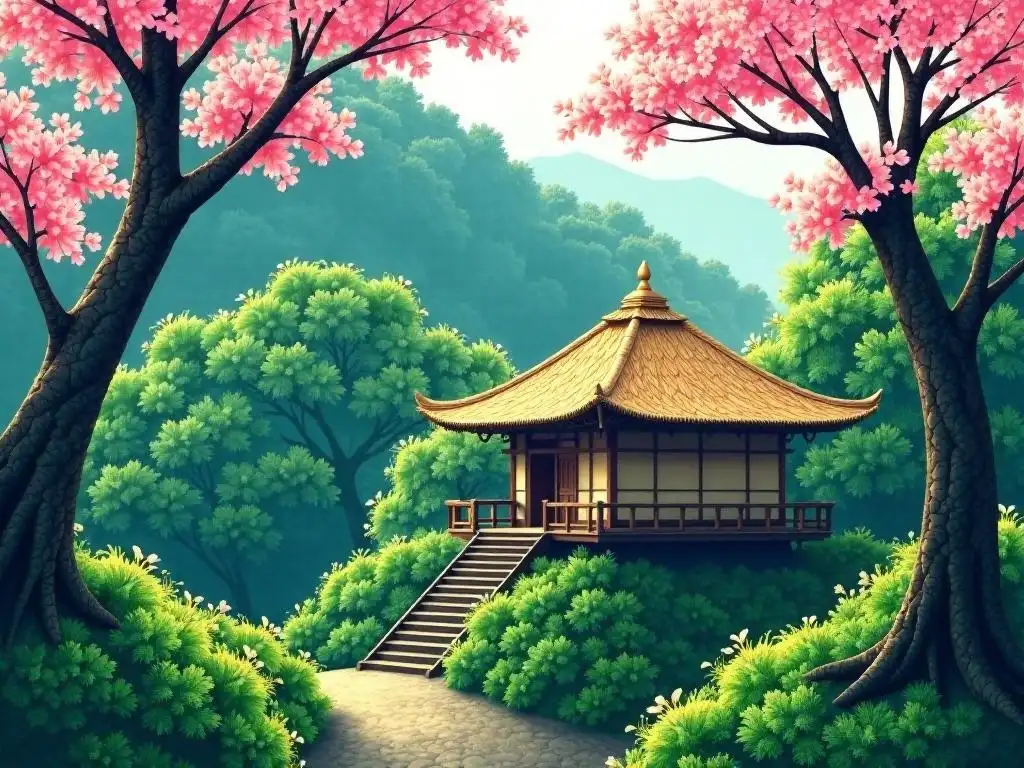
Welcome to Feudal Japan History, where we invite you to journey through the rich tapestry of Japan’s feudal era. Today, we delve into the serene beauty and profound significance of Zen garden landscaping in Japan. Discover how these tranquil spaces were not just aesthetically pleasing but also reflections of the societal values and cultural practices of the time. As you explore our expert-driven insights, you’ll uncover the artistry and philosophy that shaped these enchanting landscapes. Ready to uncover the secrets of the Zen garden? Let’s begin this fascinating exploration!
Introduction to Zen Garden Landscaping in Japan
Zen garden landscaping in Japan represents a profound intersection of art, spirituality, and nature that flourished during the feudal era. These serene spaces, known as karesansui, or dry landscape gardens, serve as a medium for meditation and reflection, embodying the philosophical principles of Zen Buddhism. The meticulous arrangement of stones, gravel, and minimal vegetation offers a unique glimpse into the cultural fabric of feudal Japan, mirroring the era's societal values and artistic expressions. Through this exploration, we will delve into the intricacies of Zen gardens, uncovering their historical significance, design philosophies, and the aesthetic values they embody.
Definition of Zen Gardens
Zen gardens are minimalist landscapes designed to promote meditation and contemplation. Typically characterized by gravel, rocks, and strategically placed plants, these gardens create a tranquil environment that encourages mindfulness. The absence of water features, often found in traditional Japanese gardens, emphasizes the dry landscape, symbolizing the essence of nature in a simplified form. The arrangement of elements within a Zen garden is not arbitrary; each stone and rake line serves a purpose, inviting viewers to reflect on the deeper meanings of life and existence.
Historical Context of Zen Gardens in Feudal Japan
The origins of Zen gardens can be traced back to the Kamakura period (1185–1333), a time marked by the rise of the samurai class and the establishment of Zen Buddhism as a dominant spiritual practice. As the feudal system took root, the aesthetics of Zen gardens became closely intertwined with the ideals of simplicity and purity, which resonated with the samurai's code of conduct. By the Muromachi period (1336–1573), these gardens evolved into sophisticated landscapes that adorned temples and the residences of the elite, serving both as places of retreat and as expressions of artistic prowess.
The Philosophy Behind Zen Garden Design
Principles of Zen Buddhism in Gardening
At the heart of Zen garden design lies the philosophy of Zen Buddhism, which emphasizes the importance of simplicity, mindfulness, and the interconnectedness of all things. The gardens are often created with the intention of evoking a sense of harmony and tranquility. Elements such as asymmetry, natural materials, and the subtle play of light and shadow reflect the Zen principle of wabi-sabi, which finds beauty in imperfection and transience. This philosophy encourages gardeners to engage in a meditative process, fostering a deeper connection with nature.
The Role of Nature in Japanese Aesthetics
Nature plays a pivotal role in Japanese aesthetics, and this is profoundly evident in Zen gardens. The careful selection of rocks, gravel patterns, and plant life is not merely decorative but is meant to evoke natural landscapes, encouraging viewers to reflect on the beauty of the world around them. The raked gravel symbolizes ripples in water, while strategically placed stones represent mountains or islands. This artistic representation of nature serves as a reminder of the impermanence of life and the importance of living in harmony with the environment.
Through this comprehensive exploration, we will further dissect the components and techniques that define Zen garden landscaping in Japan, revealing the profound impact these gardens have had on Japanese culture and beyond.
Key Elements of Zen Garden Landscaping
Zen garden landscaping in Japan is a meticulous art form that emphasizes simplicity, tranquility, and a connection to nature. The design is characterized by its essential components, each serving a specific purpose in creating a harmonious environment. Among these elements, rocks, gravel, water features, plants, and pathways are foundational, each contributing to the overarching philosophy of Zen.
- Rocks and Gravel: These elements symbolize mountains and rivers, representing the natural landscape in a stylized form.
- Water Features: While often minimal, water elements evoke a sense of calm and reflection, playing a crucial role in the overall ambiance.
- Plants and Trees: Carefully chosen flora enhances the aesthetic appeal while reinforcing the garden's tranquil atmosphere.
- Pathways and Bridges: These structures guide visitors through the garden, promoting contemplation and a deeper appreciation for the surroundings.
Through the careful arrangement of these components, Zen gardens aim to foster a meditative experience, allowing individuals to connect with nature and achieve inner peace.
Rocks and Gravel: Symbolism and Placement
In Zen gardens, rocks and gravel are more than mere decorative items; they embody profound symbolism. Rocks often represent mountains or islands, serving as focal points that anchor the garden's design. The placement of these stones is critical; they are arranged in asymmetrical patterns to reflect natural landscapes, encouraging a sense of balance and harmony.
Gravel, typically raked into intricate patterns, symbolizes water ripples or waves. This meticulous raking not only enhances the visual appeal but also serves a meditative function, allowing gardeners to engage in a mindful practice. The act of raking can be seen as a form of moving meditation, promoting tranquility and focus.
Water Features: The Essence of Tranquility
Water features, though minimal in many Zen gardens, are essential for conveying tranquility and serenity. They often take the form of ponds, streams, or even simple basins. These features symbolize purity and the flow of life, reflecting the principles of Zen philosophy.
The sound of water, whether gently trickling or quietly lapping at the edges of a pond, adds to the garden's calming atmosphere. In many cases, the positioning of water features is strategic, designed to be viewed from specific angles that highlight their beauty while encouraging contemplation.
Plants and Trees: Selecting the Appropriate Flora
The selection of plants and trees in a Zen garden is deliberate and purposeful. Common choices include evergreens, moss, and flowering shrubs, which provide year-round interest while embodying the changing seasons.
- Evergreens symbolize endurance and stability, maintaining their presence throughout the year.
- Moss represents the passage of time, often covering stones and soil to create a sense of age and wisdom.
- Flowering plants are used sparingly, offering bursts of color that draw the eye without overwhelming the senses.
The integration of flora is carefully balanced to ensure that it complements the garden's overall design without detracting from its minimalist aesthetic.
Pathways and Bridges: Enhancing the Experience
Pathways and bridges serve as conduits through the Zen garden, guiding visitors along a journey of exploration and reflection. These elements are designed to enhance the sensory experience, encouraging a slow, deliberate pace that allows for contemplation.
Pathways can be constructed from various materials, including stone, wood, or gravel, and are often winding to create a sense of discovery. Bridges, whether arched or flat, provide vantage points from which to appreciate the garden's beauty, inviting visitors to pause and take in the surroundings.
The design of these features contributes to the overall flow of the garden, reinforcing the idea that the journey through the space is as significant as the destination.
Historical Development of Zen Gardens
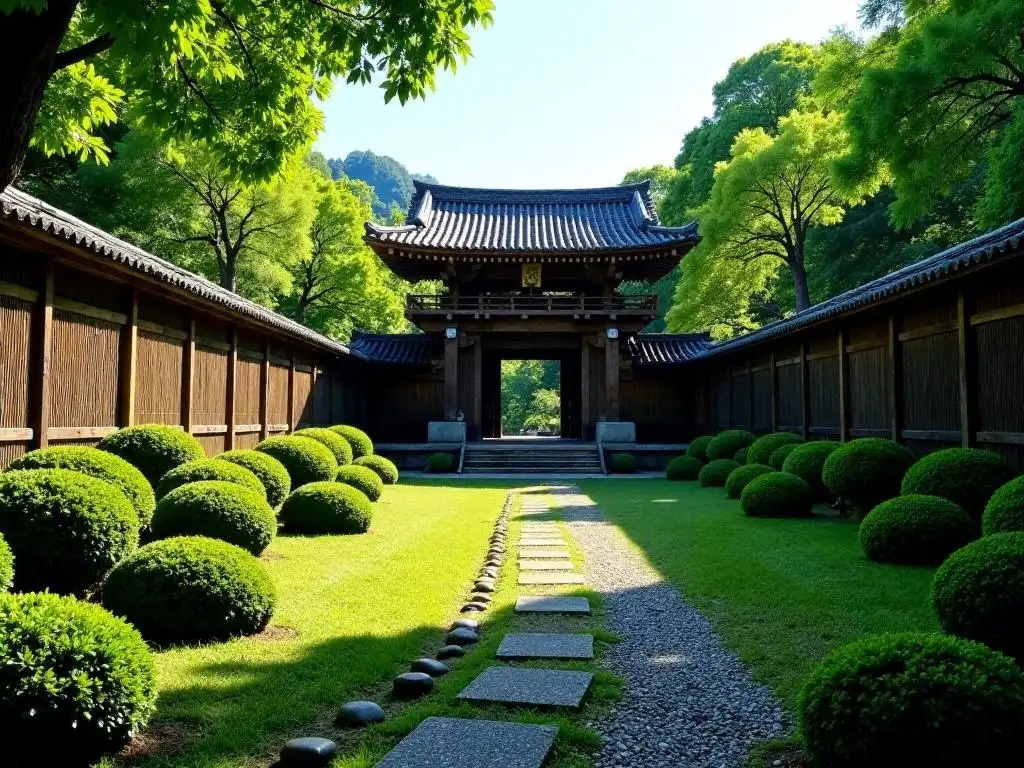
The historical development of Zen gardens in Japan reflects a rich cultural evolution, intertwining the influences of Buddhism, art, and nature. Originating in the 6th century with the introduction of Zen Buddhism from China, these gardens have transformed over the centuries, adapting to changing philosophies and aesthetic preferences.
Initially, Zen gardens served as places for meditation and spiritual practice, often associated with monasteries. As the aesthetic principles of the Muromachi period (1336-1573) emerged, Zen gardens began to influence the design of samurai residences, further embedding these spaces into the social fabric of Japanese life.
The Evolution of Zen Gardens Through the Ages
Throughout the ages, Zen gardens have evolved in style and purpose. During the Kamakura period (1185-1333), the gardens became more accessible to the elite class, reflecting the samurai's appreciation for simplicity and nature. The design shifted towards incorporating more natural elements, such as ponds and streams, which emphasized harmony with the surrounding landscape.
In the Muromachi period, the aesthetics of Zen gardens reached new heights, characterized by the integration of dry landscape (kare-sansui) gardens. These minimalist designs focused on rocks and gravel, abstractly representing nature while providing a space for meditation.
The Edo period (1603-1868) saw the popularization of Zen gardens among the merchant class, leading to diverse interpretations and personal expressions of Zen philosophy. Gardens became sites for leisure and social gatherings, blending practicality with the spiritual.
Influential Zen Masters and Their Contributions
Several Zen masters have significantly influenced the development and philosophy of Zen gardens throughout history. Among them:
- Dōgen Zenji: The founder of the Sōtō school of Zen, Dōgen emphasized the importance of mindfulness in every action, including garden maintenance. His teachings encouraged a deep connection to nature.
- Myoan Eisai: A key figure in the introduction of Zen Buddhism to Japan, Eisai advocated for the establishment of temple gardens. His influence helped shape the aesthetic ideals of Zen gardens, promoting simplicity and tranquility.
- Miyamoto Musashi: Although primarily known as a swordsman, Musashi's writings on strategy and aesthetics have influenced garden design. His philosophy of balance and harmony is reflected in the careful arrangement of garden elements.
These masters and their teachings have left a lasting legacy, shaping the artistic and spiritual dimensions of Zen garden landscaping in Japan, making these spaces timeless symbols of peace and reflection.
Prominent Examples of Zen Gardens in Feudal Japan
Zen gardens, or karesansui, are a quintessential element of Japanese culture, particularly during the feudal era. These meticulously designed landscapes are not only beautiful but also serve as reflections of the philosophical underpinnings of Zen Buddhism. Among the numerous gardens that emerged during this time, three stand out for their historical significance and artistic merit.
Ryoan-ji: The Iconic Rock Garden
Ryoan-ji, located in Kyoto, is perhaps the most famous Zen garden in Japan. Established in the late 15th century, this rock garden features an arrangement of 15 rocks set amidst raked white gravel. The design is intentionally minimalistic, with the rocks placed in such a way that only 14 can be seen from any single vantage point, leaving one rock perpetually hidden.
This element of mystery invites contemplation and reflection, embodying the Zen principle of seeing beyond the obvious. The garden's simplicity is a powerful reminder of the beauty of restraint and the importance of the void in Zen philosophy.
Daisen-in: A Study in Natural Harmony
Daisen-in, part of the Daitoku-ji temple complex, showcases a harmonious relationship between nature and human design. This garden, created in the 16th century, presents a more complex landscape that features not only rocks and gravel but also plant life, water elements, and bridges. The layout is designed to mimic natural landscapes, with paths leading visitors through a carefully curated experience that encourages introspection. The use of seasonal changes in vegetation adds another layer of depth, demonstrating how Zen gardens are dynamic and ever-evolving, much like life itself.
Nanzen-ji: The Integration of Architecture and Landscape
Nanzen-ji, another significant temple complex in Kyoto, features multiple Zen gardens that exemplify the integration of architecture and landscape. One of the most notable gardens here is the Nanzen-in garden, which combines elements of a rock garden with a pond and lush greenery.
This garden is designed to be viewed from the temple, with the architecture framing the landscape, creating a dialogue between the built environment and nature. The interplay of light and shadow, alongside seasonal changes, enhances the meditative quality of the space, making it a perfect example of how Zen gardens serve as a tranquil refuge from the world.
Cultural Significance of Zen Gardens
The cultural significance of Zen gardens extends beyond their visual appeal; they are embedded in the spiritual and philosophical fabric of Japanese society. These gardens are not merely decorative; they are sacred spaces that embody the principles of Zen Buddhism and reflect the aesthetics of simplicity, tranquility, and natural beauty.
Zen Gardens as Spaces for Meditation and Reflection
Zen gardens are designed to be spaces for meditation and reflection. The act of raking gravel into patterns is a meditative practice that helps to calm the mind and focus one’s thoughts. Visitors are encouraged to engage with the garden quietly, allowing the serene environment to facilitate personal introspection. The simplicity of the design invites a deep contemplation of nature and existence, making these gardens essential to Zen practice. The stillness of the gardens mirrors the stillness sought in meditation, providing a tangible space for spiritual exploration.
The Impact of Zen Gardens on Japanese Art and Literature
The influence of Zen gardens extends into various forms of Japanese art and literature. Artists and poets often draw inspiration from the serene beauty and philosophical underpinnings of these landscapes. The aesthetic principles found in Zen gardens, such as simplicity and asymmetry, can be seen in traditional Japanese painting, calligraphy, and poetry.
Notable works, such as the haiku poetry of Matsuo Basho, reflect themes of nature and transience that resonate with the experience of Zen gardens. In this way, Zen garden landscaping in Japan has left an indelible mark on the cultural and artistic landscape of the nation, representing a deep connection between nature, spirituality, and creative expression.
Techniques and Practices in Zen Garden Landscaping

Zen garden landscaping in feudal Japan is characterized by meticulous techniques and practices that reflect the core principles of Zen Buddhism. These gardens, also known as karesansui or dry landscape gardens, are designed to evoke a sense of tranquility and contemplation.
One of the fundamental techniques involves the use of gravel or sand to represent water. The careful raking of these materials into patterns simulates the movement of water, creating an abstract representation of nature. The patterns often vary, with circular motifs symbolizing ripples and straight lines representing waves. This practice not only serves an aesthetic purpose but also encourages mindfulness and focus for those who engage in the raking process.
Another essential aspect of Zen garden landscaping is the strategic placement of rocks and stones. Each stone is chosen for its shape and texture and is positioned to evoke a sense of harmony and balance. The arrangement often follows the principles of asymmetry, where the placement of elements is intentionally uneven to create visual interest and a natural flow. Additionally, moss and small plants may be included, although in a limited fashion, to maintain the minimalistic aesthetic that defines Zen gardens.
The overall design often incorporates elements such as paths, bridges, and seating areas, encouraging visitors to engage with the space. These pathways are usually constructed from natural materials like wood or stone and are designed to guide visitors through the garden, inviting them to reflect and meditate on their surroundings.
Traditional Tools and Materials Used in Zen Gardening
The tools and materials used in Zen gardening are as essential as the design itself, each playing a crucial role in the creation and maintenance of these serene spaces. Traditional tools include:
- Rakes: Specifically designed for gravel or sand, these rakes have fine teeth to create delicate patterns without disturbing the overall layout.
- Shovels: Used for moving soil and gravel, they help in shaping the landscape and preparing the ground for planting.
- Pruners: Essential for maintaining the shrubs and trees within the garden, these tools ensure that the plants stay healthy and do not overpower the landscape.
In terms of materials, the following are typically employed in Zen gardens:
- Gravel and Sand: White gravel is most commonly used to symbolize water, while coarse sand can represent the ocean or rivers.
- Rocks and Stones: Selected for their unique shapes and textures, these elements embody natural features like mountains and islands.
- Moss: Often used to create a lush ground cover, it adds a soft texture to the garden and enhances its natural beauty.
The choice of materials reflects the philosophy of Zen gardening, emphasizing natural and local resources that harmonize with the surrounding environment.
Contemporary Adaptations of Zen Garden Landscaping
In recent years, Zen garden landscaping has evolved to adapt to contemporary tastes and lifestyles while retaining its core principles. Modern adaptations often incorporate elements that allow for easier maintenance and accessibility.
For instance, many contemporary gardens utilize synthetic materials that mimic traditional elements, such as artificial grass or decorative stones, reducing the need for constant upkeep. This shift has made Zen gardens more appealing to urban dwellers who may lack the time or resources for traditional gardening practices.
Additionally, contemporary designs often integrate Zen gardens into residential spaces, such as patios or balconies, allowing individuals to create personal sanctuaries within the constraints of modern living. These small-scale gardens may feature minimalist furniture and water features, enhancing the meditative experience while providing a retreat from the bustling city life.
Moreover, the principles of Zen garden landscaping are being applied in various public spaces, such as parks and urban developments. These designs aim to promote mindfulness and relaxation in busy environments, emphasizing the importance of nature in urban settings.
Conclusion: The Lasting Legacy of Zen Garden Landscaping in Japan
The legacy of Zen garden landscaping in Japan is profound, influencing not only the aesthetic values of Japanese culture but also the spiritual and philosophical approaches to nature. These gardens serve as a testament to the enduring principles of simplicity, tranquility, and harmony, which resonate deeply within the framework of Japanese aesthetics.
Zen gardens have become synonymous with peace and contemplation, providing spaces where individuals can escape the chaos of daily life and reconnect with their inner selves. Their design encourages a mindful approach to living, reminding us of the importance of nature in cultivating a balanced existence.
Zen Gardens in Modern Japanese Culture
In modern Japan, Zen gardens continue to thrive as cultural symbols and sources of inspiration. They are often incorporated into temples, traditional inns (ryokans), and even urban parks, where they serve as spaces for reflection and relaxation. The presence of Zen gardens in contemporary culture highlights their adaptability and relevance, bridging the gap between historical practices and modern lifestyles.
Furthermore, Zen gardens are frequently featured in art and literature, influencing various creative expressions that celebrate the beauty of nature and the philosophy of Zen. This enduring presence in contemporary culture underscores the significance of these gardens as more than mere landscapes; they are living embodiments of a rich cultural heritage.
The Influence of Zen Garden Aesthetics Worldwide
The aesthetics of Zen gardens have transcended geographical boundaries, inspiring garden designs across the globe. The minimalist approach, use of natural materials, and emphasis on tranquility have resonated with many cultures, leading to the incorporation of Zen principles into various landscaping styles.
In Western countries, for instance, Zen gardens are often utilized in private homes and corporate spaces as a means to promote relaxation and mindfulness. The simplicity of the design allows for easy integration into diverse environments, making it a popular choice for those seeking a peaceful retreat.
Additionally, the influence of Zen garden aesthetics can be seen in public spaces, where the incorporation of water features, rocks, and plant life creates serene environments that encourage reflection and connection with nature. This global appreciation for Zen garden landscaping emphasizes its universal appeal and the timeless nature of its underlying principles.
Further Reading and Resources on Zen Garden Landscaping in Japan
Exploring the art of Zen garden landscaping in feudal Japan opens a window into a world where nature, philosophy, and aesthetics intertwine. For those interested in delving deeper into this captivating subject, a variety of resources are available to enrich your understanding and appreciation of Zen gardens.
Recommended Books and Articles
-
"Zen Gardens: The Complete Works" by David Young
This comprehensive guide explores the history, philosophy, and design principles of Zen gardens. Young offers insights into the symbolism of various elements used in these landscapes, making it an essential read for enthusiasts and practitioners alike.
-
"The Art of Japanese Gardens: Designing and Making Your Own" by David M. K. S. McDonald
This book not only covers Zen gardens but also delves into other traditional Japanese garden styles. McDonald provides practical advice on creating your own gardens, along with rich historical context.
-
"Shakkei: The Japanese Art of Borrowed Scenery" by Paul E. B. R. Kwan
Kwan discusses the concept of shakkei, or "borrowed scenery," which is central to Zen garden design. This book is valuable for understanding how gardens integrate with their surroundings.
-
"Zen Garden Design: Creating Tranquil Spaces" by Stephen A. Smith
This article focuses on the practical aspects of creating Zen gardens, including plant selection, layout, and maintenance tips. It serves as a great resource for those looking to implement Zen principles in their own landscapes.
Online Resources for Zen Gardening Enthusiasts
-
The Zen Garden Society
A comprehensive online platform dedicated to Zen gardening. It features articles, tutorials, and forums for enthusiasts to share their experiences and designs.
-
Japanese Gardens of the World
This website showcases various Japanese gardens, including Zen gardens. It offers detailed descriptions, photographs, and insights into the cultural significance of each garden.
-
YouTube Channels
Many channels focus on Japanese gardening techniques, providing visual guidance on creating and maintaining Zen gardens. Look for channels that feature expert landscapers or traditional Japanese gardening practices.
-
Online Courses and Workshops
Institutions like the Kyoto Institute of Technology offer online courses on Japanese gardening, including specialty classes on Zen garden landscaping. These courses often include video lectures, reading materials, and interactive projects.
These resources provide a robust foundation for anyone looking to explore the harmonious world of Zen garden landscaping in Japan, fostering a deeper appreciation for this unique aspect of Japanese culture and history.
- Introduction to Zen Garden Landscaping in Japan
- The Philosophy Behind Zen Garden Design
- Key Elements of Zen Garden Landscaping
- Historical Development of Zen Gardens
- Prominent Examples of Zen Gardens in Feudal Japan
- Cultural Significance of Zen Gardens
- Techniques and Practices in Zen Garden Landscaping
- Conclusion: The Lasting Legacy of Zen Garden Landscaping in Japan
- Further Reading and Resources on Zen Garden Landscaping in Japan
Frequently Asked Questions
What is a Zen garden?
A Zen garden, also known as a karesansui, is a traditional Japanese rock garden that emphasizes simplicity and natural beauty, often used for meditation and reflection.
How did Zen gardens influence landscaping in Feudal Japan?
In Feudal Japan, Zen gardens played a crucial role in landscaping by promoting spiritual tranquility and serving as spaces for meditative practices, which were integral to Zen Buddhism.
What materials are typically used in Zen garden landscaping?
Zen gardens typically utilize rocks, gravel, sand, and moss to create a harmonious landscape that reflects natural elements and encourages a sense of serenity.
How does Zen garden landscaping differ from other garden styles in Japan?
Unlike other Japanese gardens that may feature water and plants, Zen gardens focus on minimalism and abstraction, using carefully arranged stones and raked gravel to symbolize natural landscapes.
Can anyone create a Zen garden at home?
Yes, anyone can create a Zen garden at home, regardless of space, by using simple materials like sand and stones to cultivate a peaceful and meditative environment.
Final Reflection: The Timeless Serenity of Zen Garden Landscaping in Japan
The art of Zen garden landscaping in Japan continues to resonate profoundly in our fast-paced modern world. As we navigate the complexities of contemporary life, the principles of simplicity, mindfulness, and harmony found in these serene landscapes offer a much-needed respite. The beauty of Zen gardens lies not just in their aesthetic appeal but in their ability to foster a deeper connection with nature and ourselves, reminding us that tranquility can be cultivated even amidst chaos.
Culturally, the influence of Zen gardens extends far beyond the borders of Japan, shaping artistic expressions and wellness practices worldwide. The minimalist design and intentional use of natural elements encourage us to reflect on our surroundings and our inner selves. As the renowned Zen master D.T. Suzuki once said, Zen is not some kind of excitement, but concentration on our usual everyday routine.
This observation highlights how the principles of Zen garden landscaping can inspire us to find beauty and peace in our daily lives, urging us to slow down and appreciate the present moment.
As we conclude our exploration of Zen garden landscaping, I invite you to reflect on how these timeless principles can be integrated into your own life. Consider creating your own personal sanctuary, whether through a physical garden or a mental space of tranquility. Embrace the art of simplicity and mindfulness, and allow the teachings of Zen to guide you toward a more harmonious existence. In doing so, you not only honor the rich tradition of Japanese landscaping but also cultivate a deeper sense of peace and purpose in your own journey.
Cultivate Your Own Zen Experience
Thank you for journeying through the tranquil world of Zen gardens with us! You’ve uncovered valuable insights into the artistry and philosophy behind these serene landscapes. Now, it’s time to bring that inspiration into your own life. Here are some practical steps you can take to nurture your inner peace through the principles of Zen gardening:
- Start small: Create a miniature Zen garden at home or in your workspace. Use sand, stones, and a few carefully selected plants to evoke a sense of tranquility.
- Mindful practice: Incorporate mindfulness into your gardening routine. Dedicate quiet moments each day to tending to your plants, focusing on the gentle rustle of leaves or the texture of the soil beneath your fingers.
- Share your journey: Engage with an online community or showcase your Zen garden experience on social media. Inspire others by sharing your progress and insights from your personal Zen journey.
What unique elements would you include in your own Zen garden to reflect your personality and philosophy?