
How Natural Disasters Influenced Governance in the Muromachi Era

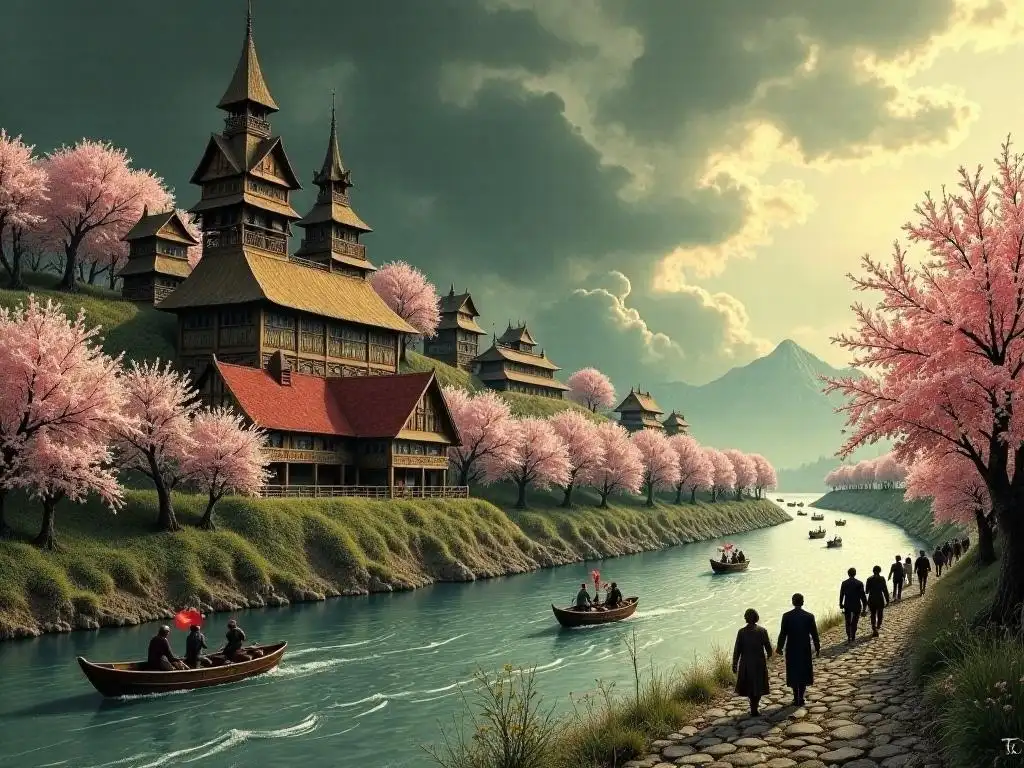
Welcome to Feudal Japan History, where we invite you to journey through the captivating tales of Japan's feudal era. In our latest article, “How Natural Disasters Influenced Governance in the Muromachi Era,” we dive deep into the tumultuous relationship between nature and power, exploring how devastating calamities shaped political landscapes. Discover the intricate ways in which these disasters sparked changes in governance and society, and prepare to have your understanding of the Muromachi period transformed. What secrets lie within the shadows of history? Let’s uncover them together!
- Introduction to the Muromachi Era Natural Disasters Impact
- Types of Natural Disasters in the Muromachi Era
- The Impact of Natural Disasters on Governance
- Case Studies of Notable Natural Disasters
- Societal Reactions to Natural Disasters
- Long-term Effects on Governance Post-Muromachi Era
- Conclusion: The Lasting Influence of Natural Disasters on Governance in the Muromachi Era
- References and Further Reading
-
Frequently Asked Questions
- What were some major natural disasters during the Muromachi era?
- How did natural disasters impact governance during the Muromachi period?
- What role did local leaders play during natural disasters in the Muromachi era?
- Did natural disasters influence the economy during the Muromachi era?
- How did the Muromachi government respond to the challenges posed by natural disasters?
- Final Reflection: The Enduring Impact of Natural Disasters on Governance in the Muromachi Era
- Embrace the Lessons of History and Act!
Introduction to the Muromachi Era Natural Disasters Impact
In the intricate tapestry of Japan's history, the Muromachi era (1336-1573) stands out not only for its political and cultural developments but also for its profound interactions with the natural environment. The impact of natural disasters during this period was not merely a backdrop to historical events but a significant force that shaped governance, societal structures, and cultural responses. Understanding how these disasters influenced the political landscape is crucial for comprehending the broader dynamics of the Muromachi era.
This article delves into the relationship between natural disasters and governance in the Muromachi era, highlighting how events such as earthquakes, floods, and famines prompted shifts in authority, policy-making, and community resilience. By examining the interplay between environmental challenges and political responses, we gain insights into the adaptive strategies employed by rulers and the populace alike. Such an exploration underscores the critical role of natural disasters in shaping the historical narrative of the Muromachi period.
Overview of the Muromachi Era
The Muromachi era, named after the district in Kyoto where the Ashikaga shogunate established its government, was marked by a unique blend of cultural flourishing and political fragmentation. This period succeeded the Kamakura era and was characterized by the rise of the Ashikaga clan, which sought to consolidate power amidst ongoing conflicts with rival factions and the imperial court.
Key Features of the Muromachi Era:
- Political Structure: The era witnessed a decentralized political structure, with regional warlords (daimyō) gaining prominence as the Ashikaga shogunate struggled to maintain control.
- Cultural Developments: The Muromachi period is renowned for its contributions to Japanese arts, including the development of Noh theater, Zen Buddhism, and the tea ceremony, which reflected the era's aesthetic and philosophical values.
- Social Stratification: Society was divided into various classes, including the samurai, farmers, artisans, and merchants, each playing a distinct role in the socio-economic framework of the time.
The Muromachi era's political landscape was heavily influenced by both internal power struggles and external pressures, including natural disasters that tested the resilience of governance.
Significance of Natural Disasters in Historical Context
Natural disasters during the Muromachi era had far-reaching implications for governance and societal dynamics. Events such as earthquakes, droughts, and typhoons not only disrupted daily life but also influenced policy decisions and the balance of power among the ruling elite.
Impact of Natural Disasters:
- Resource Allocation: Disasters often necessitated immediate government intervention in resource distribution, leading to shifts in authority and the emergence of new power dynamics among local leaders.
- Public Response: The populace's response to disasters could strengthen or weaken the legitimacy of the ruling authorities, as effective disaster management fostered loyalty, while failures led to unrest and challenges to governance.
- Cultural Reflections: The recurring nature of natural disasters prompted philosophical and religious reflections, influencing art, literature, and the spiritual practices of the time, as communities sought to make sense of their suffering.
The impact of natural disasters during the Muromachi era was a critical factor in shaping not only the political landscape but also the cultural and social fabric of Japan. Understanding this relationship offers valuable insights into how historical events are interwoven with environmental challenges, leading to significant transformations in governance and society.
Types of Natural Disasters in the Muromachi Era

The Muromachi era, spanning from 1336 to 1573, was marked by a series of natural disasters that significantly influenced governance and societal dynamics in Japan. These disasters include earthquakes, typhoons, floods, and famines, each contributing to the political instability and economic hardships of the period. Understanding these natural disasters provides insight into the challenges faced by the ruling shogunate and local leaders and their responses to such crises.
Earthquakes and Their Frequency
Earthquakes were a prominent threat during the Muromachi era, with several recorded seismic events impacting various regions of Japan. Historical accounts suggest that the frequency and severity of these earthquakes prompted a reevaluation of urban planning and governance strategies.
- Notable Earthquakes:
- The Shohei Earthquake of 1343 is one of the most significant seismic events, causing extensive damage in the Kanto region. It not only devastated infrastructure but also led to loss of life and economic disruption.
- Another major event was the Kanto Earthquake of 1454, which reinforced the need for improved disaster preparedness among the ruling elite.
- Governance Response:
- In the aftermath of these earthquakes, local governments often implemented rebuilding efforts, which included the establishment of more resilient structures and improved urban planning measures.
- The shogunate also recognized the need for effective communication and coordination among local leaders to ensure a unified response to disasters.
These seismic events had a profound effect on the social order, as they often exacerbated existing tensions between the samurai class and the peasantry, leading to uprisings and demands for better governance.
Typhoons and Floods
Typhoons and floods presented another significant challenge during the Muromachi era, impacting agriculture and local economies. The frequent occurrence of these natural disasters often led to disastrous consequences for the populace.
- Impact on Agriculture:
- Seasonal typhoons brought heavy rains that could inundate rice fields, leading to crop failures. For instance, the typhoon of 1447 devastated the Kanto region, resulting in severe agricultural losses.
- Flooding not only wiped out crops but also displaced communities, further straining local resources and governance.
- Political Ramifications:
- The consequences of these disasters often led to increased taxation as governments sought to recover from losses, which in turn fueled discontent among farmers. This discontent contributed to peasant revolts, such as the Kanto Peasant Uprisings of the late 15th century.
- Local leaders had to navigate the complexities of disaster management while maintaining control and addressing the grievances of the affected populations.
The repeated cycle of typhoons and floods reinforced the necessity for a strong and adaptable governance system capable of responding effectively to the challenges posed by nature.
Famines and Agricultural Failures
The combination of earthquakes, typhoons, and flooding often culminated in widespread famines—a critical issue during the Muromachi era. These famines were not merely the result of natural disasters but were exacerbated by the political and social structures of the time.
- Causative Factors:
- Poor agricultural practices, along with the devastation from natural disasters, led to diminished yields. The great famine of 1436 is particularly noted for its severe impact on the population, causing widespread starvation and mortality.
- The depletion of food resources led to increased prices and scarcity, which further destabilized the socio-economic landscape.
- Governance Challenges:
- The shogunate's inability to effectively manage food distribution during these crises highlighted weaknesses in governance. Leaders were often criticized for their failure to provide for the populace, leading to a loss of legitimacy.
- In response, local governments sought to implement measures such as grain storage and distribution networks to alleviate the effects of famine. However, these efforts were often hampered by corruption and mismanagement.
The interconnectedness of natural disasters and governance during the Muromachi era illustrates the delicate balance that leaders had to maintain in addressing both immediate crises and long-term stability. Understanding the impact of these disasters provides a clearer picture of the political history and challenges that defined this tumultuous period in Japan.
The Impact of Natural Disasters on Governance
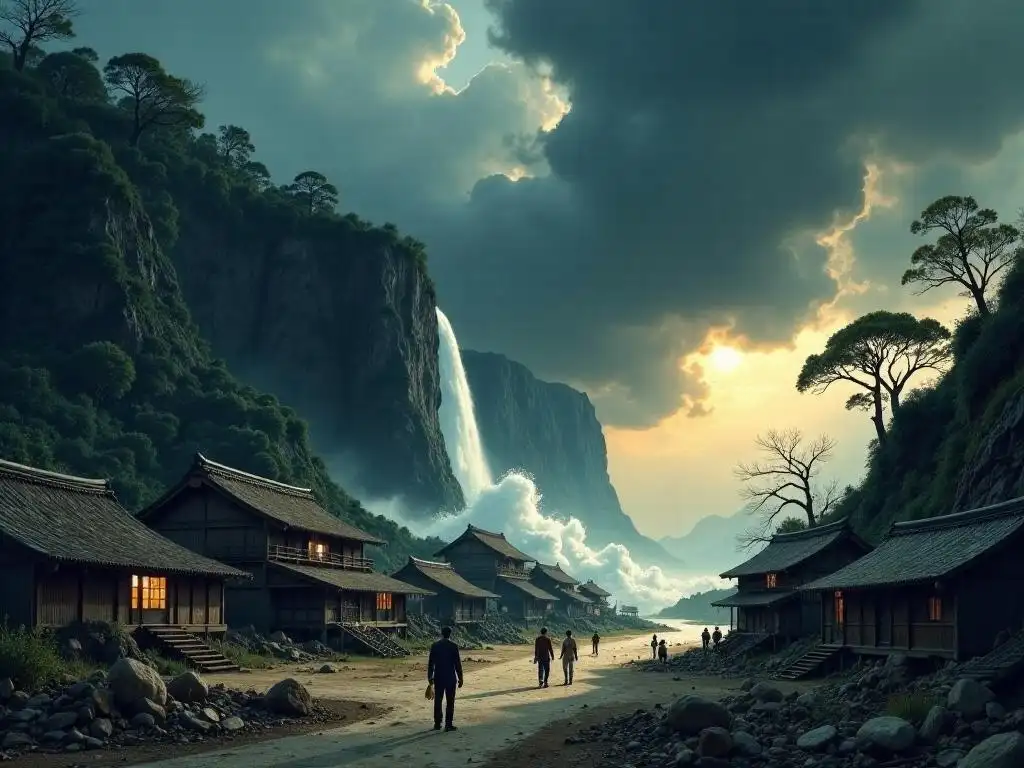
The Muromachi era, spanning from the 14th to the 16th centuries, was marked by significant political and social upheaval, much of which was exacerbated by natural disasters. The impact of these calamities on governance during this period is profound, reshaping power dynamics, economic policies, and local administrative structures. Understanding these influences allows for a deeper insight into how the Muromachi era natural disasters impacted the broader historical narrative of Japan.
Changes in Political Power Dynamics
Natural disasters during the Muromachi era, such as earthquakes, floods, and typhoons, often led to a redistribution of political power. As central authority struggled to respond effectively to these crises, local leaders and warrior clans gained prominence. This shift can be encapsulated in several key developments:
- Rise of Local Warlords: The inability of the Ashikaga shogunate to maintain order and provide relief during disasters led to the emergence of local warlords (daimyōs) who filled the power vacuum. These figures often mobilized resources for disaster relief, thereby increasing their influence and control over their territories.
- Fragmentation of Authority: The repeated occurrence of natural disasters contributed to the fragmentation of authority, as local leaders began to prioritize their own interests over loyalty to the shogunate. This trend weakened centralized power and led to increased autonomy for regional leaders.
- Alliances and Rivalries: In the aftermath of disasters, the need for resources often resulted in shifting alliances among clans. For instance, during the 1498 Nankai Earthquake, local clans often banded together to aid recovery efforts, only to later compete for influence and territory once stability returned.
Shifts in Economic Policies
The economic landscape of the Muromachi era was significantly altered by natural disasters, prompting shifts in policies that would impact governance:
- Resource Allocation: Disasters necessitated the reallocation of resources, often prioritizing immediate relief over long-term investments. This shift affected agricultural policies, as regions most affected by floods or droughts saw changes in land use and crop choices to adapt to changing conditions.
- Taxation Adjustments: The economic strain caused by natural disasters led to adjustments in taxation policies. In many cases, local lords reduced taxes temporarily to support recovery, which, while beneficial in the short term, often resulted in increased financial strain on the shogunate and local governments in the long run.
- Infrastructure Development: The recurrent nature of natural disasters also prompted the need for improved infrastructure, leading to new policies focused on building resilient systems. For example, the construction of levees and irrigation systems became a priority in areas prone to flooding, which altered land management practices and governance approaches.
Influence on Local Governance Structures
Natural disasters also had a profound impact on local governance structures during the Muromachi era:
- Empowerment of Local Leaders: As central government responses faltered, local leaders found themselves in positions to take decisive action, leading to changes in governance structures. The shift towards more localized governance allowed for quicker responses to disasters and a focus on regional needs.
- Community Organization: Disasters often necessitated the formation of community-based organizations for relief efforts. These groups not only provided immediate assistance but also established a precedent for collective action, influencing future governance models.
- Legitimization of Authority: In the wake of disasters, leaders who effectively managed recovery efforts gained legitimacy among their constituents. This phenomenon reinforced the importance of local governance and the accountability of leaders to their communities.
The Muromachi era natural disasters had a multifaceted impact on governance, reshaping political power dynamics, economic policies, and local administrative structures. Understanding these influences is crucial for comprehending the broader historical context of Japan during this tumultuous period.
Case Studies of Notable Natural Disasters
Natural disasters during the Muromachi era had profound effects on governance and societal structure in Japan. This section delves into specific events that shaped the political landscape during this period, emphasizing the interplay between natural calamities and the responses from the ruling authorities.
The 1498 Nankai Earthquake: A Turning Point
The 1498 Nankai Earthquake, one of the most significant seismic events of the Muromachi era, struck off the coast of Japan, causing widespread devastation. With an estimated magnitude of 8.6, this earthquake triggered a tsunami that ultimately ravaged coastal regions, particularly in Shikoku and Kyushu.
Impact on Governance
- Disruption of Power Structures: The earthquake severely weakened local governance as many daimyos (feudal lords) lost their lands and resources. The immediate aftermath left power vacuums that rival factions sought to exploit, leading to increased instability.
- Resource Allocation: The Ashikaga Shogunate faced the immense challenge of reallocating resources for disaster recovery. This necessitated a more centralized approach to governance, as local lords struggled to manage the chaos.
Societal Repercussions
- Population Displacement: Thousands were displaced, leading to increased migration towards urban centers. This migration influenced social structures and economic activities in cities like Kyoto.
- Cultural Shifts: The disaster prompted a wave of religious fervor, with many seeking solace and explanation through Buddhism and Shinto practices, affecting the cultural landscape of the time.
The 1586 Great Flood and Its Aftermath
The 1586 Great Flood brought forth unprecedented rainfall, leading to massive flooding across the Kansai region. This disaster was particularly notable for its extensive impact on agriculture, which was crucial for the feudal economy.
Economic Consequences
- Agricultural Devastation: Crops were washed away, resulting in widespread famine. The loss of agricultural produce created significant economic strain, forcing the Ashikaga Shogunate to intervene.
- Taxation Policies: In response to the economic fallout, the shogunate had to modify their taxation policies. Tax relief measures were implemented to alleviate the burdens on farmers, showcasing the government’s effort to maintain stability.
Political Implications
- Strengthening of Local Leadership: Local leaders who effectively managed relief efforts gained popularity and influence. This shift sometimes led to a decline in the central authority of the Ashikaga Shogunate, as local governance became more pronounced.
- Military Mobilization: The disaster also served as a catalyst for military mobilization, as the shogunate sought to ensure order amidst growing discontent. Troops were deployed to assist in relief efforts and maintain public order.
Response Strategies by the Ashikaga Shogunate
The Ashikaga Shogunate faced the daunting task of responding to the natural disasters that plagued the Muromachi era. Their strategies were critical in shaping public perception and maintaining governance amidst crises.
Centralized Relief Efforts
- Coordination with Local Authorities: The shogunate established protocols for disaster response, coordinating with local daimyos to ensure efficient distribution of aid. This fostered a sense of unity and collective responsibility among the feudal lords.
- Investment in Infrastructure: Recognizing the need for better preparedness, the shogunate invested in infrastructure projects aimed at flood control and earthquake resilience, which had long-term benefits for governance and public safety.
Cultural and Religious Approaches
- Promotion of Religious Institutions: The shogunate supported Buddhist temples and Shinto shrines, which played key roles in disaster relief efforts. This not only provided spiritual solace but also reinforced the shogunate’s influence through patronage.
- Public Morale Initiatives: Efforts to boost public morale included festivals and community gatherings, aimed at fostering a sense of hope and resilience in the face of adversity. These cultural responses helped in strengthening the fabric of society during turbulent times.
Through these case studies, it becomes evident that natural disasters during the Muromachi era significantly influenced governance strategies, societal norms, and cultural practices, ultimately shaping the trajectory of Japan's political history.
Societal Reactions to Natural Disasters
The Muromachi era, spanning from the 14th to the 16th centuries, was marked by significant natural disasters that shaped not only the physical landscape of Japan but also its societal structures and governance. Understanding how these catastrophes influenced the populace's reactions is crucial to grasping the era's overall historical context.
Public Perception and Trust in Governance
Natural disasters during the Muromachi period often led to a crisis of confidence in the ruling authorities. When calamities such as earthquakes, floods, and famines struck, the effectiveness of the shogunate and local lords (daimyōs) was put to the test. The immediate aftermath of disasters typically saw the populace questioning the ability of leaders to protect and provide for their communities.
- Erosion of Authority: Disasters that resulted in significant loss of life or property frequently caused the public to view their leaders as incapable. For instance, the 1498 Nankai Earthquake led to widespread devastation, and many blamed the shogunal government for failing to prepare adequately. This erosion of trust could lead to increased social unrest and a challenge to the established order.
- Religious and Superstitious Interpretations: Many people in the Muromachi era interpreted natural disasters as divine retribution or a sign of displeasure from the gods. This belief system led to a complicated relationship with governance, as leaders were often expected to appease the deities through rituals and offerings. The failure to mitigate the impact of disasters could further diminish public trust.
Community Resilience and Adaptation
Despite the challenges posed by natural disasters, communities in the Muromachi era exhibited remarkable resilience and adaptability. The societal response to these crises often resulted in innovative practices that shaped local governance.
- Local Governance Initiatives: In the face of disasters, community leaders and local councils often stepped in to fill the gaps left by the central government. For example, after a major flood, local leaders would organize relief efforts, demonstrating an adaptive governance structure that emphasized local agency.
- Agricultural Innovations: The need to recover from disasters led to advancements in agricultural techniques. The introduction of flood-resistant rice strains and improved irrigation methods became prevalent as communities sought to minimize future vulnerabilities.
- Social Cohesion and Mutual Aid: Natural disasters often fostered a spirit of solidarity among residents. Communities would form mutual aid networks to assist those affected, leading to strengthened social ties and enhanced local governance structures. This collective response helped ensure survival during trying times and laid the groundwork for future cooperation.
Cultural Responses: Art and Literature
The impact of natural disasters on society during the Muromachi era extended into the cultural realm, influencing art and literature in profound ways.
- Depictions of Nature's Fury: Artists and writers of the period often reflected on the themes of nature's power and human vulnerability in their works. For instance, the ukiyo-e woodblock prints began to portray dramatic scenes of natural disasters, encapsulating the fear and awe felt by the populace. These artistic expressions served as both a commentary on the disasters and a means of processing collective trauma.
- Literary Works and Poetry: Literature from the Muromachi era frequently addressed the human experience in the face of calamity. Poets like Matsuo Bashō wrote about the transient nature of life, using natural disasters as metaphors for impermanence. Such works not only captured the emotional landscape of the time but also offered insights into the societal psyche regarding governance and resilience.
- Religious and Philosophical Reflections: Natural disasters prompted a reevaluation of religious beliefs and philosophical outlooks. Zen Buddhism gained traction during this period, promoting the idea of acceptance and the impermanent nature of existence. This shift in thought influenced how society perceived governance and authority, as many sought solace in spiritual practices during turbulent times.
The societal reactions to natural disasters during the Muromachi era reveal a complex interplay between governance, community resilience, and cultural expression. These elements played a critical role in shaping the historical narrative of the period, underscoring the profound impact of environmental factors on the political landscape of Japan.
Long-term Effects on Governance Post-Muromachi Era
The Muromachi era, characterized by a series of natural disasters, notably influenced governance structures and practices that extended into the Edo period and beyond. Understanding these long-term effects requires an examination of how the calamities reshaped political authority, administrative responses, and societal resilience.
Transition into the Edo Period
The transition from the Muromachi era to the Edo period was not merely a shift in leadership but also a transformation in governance philosophies. The impact of natural disasters during the Muromachi period prompted the ruling classes to reevaluate their approaches to disaster management and societal stability.
- Centralization of Power: The instability caused by disasters led to a stronger centralization of power under the Tokugawa shogunate. As local daimyos struggled to maintain control during periods of crisis, the shogunate seized the opportunity to establish more direct oversight and control over regional governance to ensure effective disaster response.
- Development of Infrastructure: The need for improved infrastructure became apparent as natural disasters revealed vulnerabilities in existing systems. The Edo period saw significant investment in flood control, road construction, and urban planning, intended to mitigate future disaster impacts. This investment not only improved daily life but also reinforced the shogunate's authority as a protector of the populace.
- Socio-political Stability: The lessons learned from the Muromachi era's natural disasters contributed to a more stable governance model in the Edo period. The emphasis on preparedness and systematic response mechanisms helped create a sense of security among the populace, reducing the likelihood of civil unrest during times of crisis.
Legacy of Disaster Management Policies
The Muromachi era's experience with natural disasters left a profound legacy in terms of disaster management policies that were inherited and expanded upon during the Edo period.
- Establishment of Relief Organizations: In response to disasters, the Muromachi government initiated relief efforts that laid the groundwork for more organized disaster response teams. These organizations evolved into formalized structures during the Edo period, tasked with coordinating relief efforts and rebuilding efforts in affected areas.
- Documentation and Planning: The frequency of natural disasters during the Muromachi period highlighted the need for systematic documentation of events and planning for future occurrences. Edo period governance saw the implementation of comprehensive disaster management plans that included resource allocation, risk assessment, and community education on preparedness.
- Community Involvement: The Muromachi era's challenges fostered a sense of community resilience, which was further encouraged in the Edo period. Local communities became integral to disaster response, with the government promoting local initiatives and volunteerism to bolster recovery efforts, thereby enhancing social cohesion.
Lessons Learned for Future Governance
The impact of natural disasters during the Muromachi era provided critical lessons for future governance that extended well beyond the timeframe of the period itself.
- Adaptive Governance: One significant lesson was the importance of adaptability in governance. The ability to respond effectively to unforeseen crises became a hallmark of successful leadership in later periods. This adaptability was rooted in the experiences of local leaders who had to navigate the complexities of disaster response amid political upheaval.
- Holistic Risk Management: The Muromachi era illustrated the necessity of a holistic approach to risk management that integrated environmental, social, and political considerations. Future governance models began to adopt multidisciplinary strategies that considered the interconnectivity of different societal aspects when planning for disaster resilience.
- Cultural Memory and Preparedness: The collective memory of suffering and recovery from natural disasters influenced cultural attitudes toward preparedness. This cultural shift emphasized the importance of education and communal responsibility, ensuring that future generations were equipped to handle potential crises.
The natural disasters of the Muromachi era not only shaped immediate governance responses but also imparted lasting lessons that influenced the political landscape of Japan well into the Edo period and beyond. The adaptive strategies and policies developed during this time became foundational elements in Japan's approach to governance and disaster management.
Conclusion: The Lasting Influence of Natural Disasters on Governance in the Muromachi Era
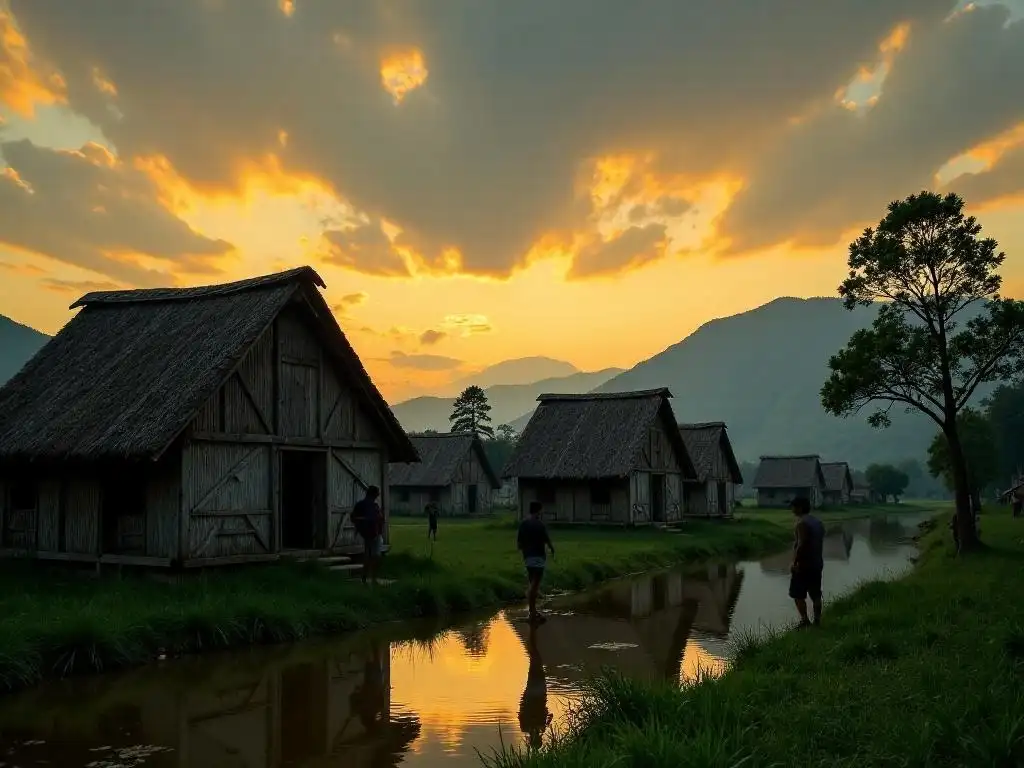
The Muromachi era, spanning from the 14th to the 16th centuries, was a time marked not only by political intrigue and the rise of the samurai class but also by a series of significant natural disasters. These calamities had profound effects on governance, shaping policies and societal structures in ways that resonate even today.
Summary of Key Points
- Frequency of Natural Disasters:
- The Muromachi period experienced numerous natural disasters, including earthquakes, floods, and famines. Notably, the Ansei earthquakes (1855) and the heavy rains that led to widespread flooding disrupted agriculture and economic stability.
- Governance Response:
- Local governments were often quick to respond to the needs of their communities during these times of crisis. They enacted relief measures, such as tax reductions and food distribution programs, to mitigate the impact of disasters on the populace.
- Centralization of Power:
- Repeated disasters led to a centralization of power as the Ashikaga shogunate sought to maintain order and ensure a coordinated response. This shift altered the balance of power between local daimyos and the shogunate.
- Cultural Shifts:
- The calamities prompted philosophical and religious responses, leading to a rise in practices such as rituals and festivals aimed at appeasing the gods and seeking protection from future disasters. This cultural shift influenced governance by intertwining political authority with religious legitimacy.
- Long-term Societal Changes:
- The impact of these disasters extended beyond immediate responses; they reshaped societal norms and values, fostering a sense of community resilience and altering the relationship between the governed and their rulers.
Reflection on Historical Significance and Modern Implications
The governance strategies developed during the Muromachi era in response to natural disasters serve as a historical lens through which we can understand the importance of adaptive governance. Today, the lessons learned from this period underscore the necessity for preparedness and resilience in the face of natural calamities.
Modern governments can draw parallels from the Muromachi era's responses, recognizing that effective crisis management requires not only immediate action but also long-term planning that accounts for future vulnerabilities. The integration of community involvement in disaster response, as practiced during this period, remains a critical component of contemporary governance strategies.
In essence, the influence of natural disasters on governance during the Muromachi era is a testament to the enduring nature of these challenges and the need for a proactive approach to manage the complexities they introduce into society. By studying these historical precedents, we can better equip ourselves to address the natural disasters that continue to affect our world today.
References and Further Reading
Academic Sources on Muromachi Governance
The Muromachi era, spanning from the 14th to the 16th century, is a rich field of study with numerous academic sources that delve into the intricacies of governance during this period. Here are some notable academic references that explore various aspects of governance, including the impact of natural disasters:
- “The Muromachi Period: Japan’s Age of War” by Stephen Turnbull
- This work provides an extensive overview of the political landscape during the Muromachi era, highlighting how conflicts and disasters shaped governance structures.
- “Japan in the Muromachi Period: The Rise of the Samurai” by John D. M. H. Watanabe
- Watanabe examines the socio-political dynamics that emerged in response to natural disasters, showcasing how feudal lords adapted their governance to maintain control.
- “Natural Disasters and the Japanese State: The Role of Governance in Disaster Response” by Yuki Tanaka
- Tanaka analyzes the governance responses to various disasters throughout Japan’s history, with specific case studies from the Muromachi period.
- “Environmental History of Japan” by R. A. H. Hughes
- This scholarly article includes a section on how environmental factors, including natural disasters, influenced political authority and decision-making during the Muromachi era.
Each of these sources provides a unique perspective on the complexities of governance during the Muromachi period, particularly in relation to external challenges like natural disasters.
Recommended Books on Natural Disasters in Japan
Understanding the role of natural disasters in shaping governance during the Muromachi era requires a broader context of Japan's environmental history. Here are some recommended books that explore the impact of natural disasters throughout Japanese history, including the Muromachi period:
- “Disasters in Japan: A Social Perspective” by R. K. S. Takeda
- This book provides an insightful examination of how society and governance reacted to natural disasters in Japan, with specific historical examples from the Muromachi era.
- “The Great Earthquake of 1707: A Historical Account” by K. H. Iwata
- While focused on a later period, Iwata’s work offers valuable insights into historical disaster responses that can be contextualized within the governance frameworks established during the Muromachi era.
- “Japanese Natural Disasters: A Cultural History” by A. W. T. Matsumoto
- Matsumoto explores the cultural and societal implications of natural disasters, shedding light on how these events influenced political decisions and governance.
- “Earthquakes and Tsunamis: Their Impact on Society and Governance in Japan” by T. K. Shimada
- This book analyzes the historical patterns of disaster response and governance, providing a comprehensive look at how such events have shaped political authority in Japan, particularly during the Muromachi period.
These books serve as essential readings for anyone interested in the intersection of natural disasters and governance in Japan, offering both historical context and contemporary relevance.
Frequently Asked Questions
What were some major natural disasters during the Muromachi era?
The Muromachi era (1336-1573) witnessed numerous natural disasters, including earthquakes, floods, and famines, which significantly affected the social and political landscape of Japan.
How did natural disasters impact governance during the Muromachi period?
Natural disasters led to political instability and challenged the shogunate’s authority, forcing leaders to adapt their governance strategies to address public needs and recover from crises.
What role did local leaders play during natural disasters in the Muromachi era?
Local leaders were crucial in disaster response, as they mobilized resources and organized relief efforts, helping to maintain order and community resilience amidst turmoil.
Did natural disasters influence the economy during the Muromachi era?
Yes, natural disasters disrupted agriculture and trade, leading to economic decline, increased taxes, and social unrest, which further complicated governance during this period.
How did the Muromachi government respond to the challenges posed by natural disasters?
The Muromachi government took measures such as land redistribution and rebuilding efforts, aiming to stabilize the region and restore trust in the ruling authorities.
Final Reflection: The Enduring Impact of Natural Disasters on Governance in the Muromachi Era
**The lessons drawn from the Muromachi era's natural disasters resonate profoundly in today's world, reminding us that the forces of nature can shape governance and societal structures in ways we often overlook. As we witness the increasing frequency and intensity of natural disasters in our own time, it becomes clear that understanding historical responses to such crises is not merely an academic exercise but a vital necessity for contemporary governance and resilience planning. The Muromachi era serves as a poignant reminder of how calamity can catalyze change, prompting leaders to adapt and innovate in the face of adversity.
Cultural and social landscapes are often molded by the trials faced by societies, and the Muromachi era is no exception. The natural disasters of that time forced leaders to rethink their strategies, leading to shifts in power dynamics and governance structures that still echo in modern Japan. As we reflect on this historical context, we are reminded of the words of historian William H. McNeill: History is the story of humanity's struggle against nature.
This struggle, as seen in the Muromachi period, illustrates the profound impact that environmental challenges can have on societal organization and leadership.
As we move forward, let us take a moment to reflect on our own responses to the challenges posed by natural disasters. How can we learn from the past to build more resilient communities today? I invite you to consider the lessons of the Muromachi era as a source of inspiration.
Embrace the idea that adversity can lead to growth and transformation, and challenge yourself to think about how you can contribute to a more adaptive and prepared society. Together, we can honor the legacy of those who faced natural disasters in the past by ensuring that their experiences guide our actions in the present and future.
Embrace the Lessons of History and Act!
Thank you for exploring the profound insights about the impact of natural disasters on governance during the Muromachi Era! Understanding these historical events empowers us to appreciate the resilience and adaptability of societies in the face of adversity.
Now it’s time to leverage this knowledge for today's challenges. Here are some actionable steps you can take:
- Reflect on Resilience: Consider how the lessons learned from the Muromachi Era can apply to modern environmental challenges. What practices could you implement in your community to promote resilience?
- Share Your Insights: Discuss with friends or engage with local groups about the historical impacts of natural disasters. Initiate conversations on how we can prepare for and respond to similar events today.
- Explore Further: Investigate other historical events that shaped governance. Browse through our website to uncover more fascinating articles about the transformative power of history!
What historical lesson do you think can best guide us in preparing for the unpredictable nature of our world today? Your thoughts could inspire meaningful discussions!