
Immersive Learning: Picking Up Japanese Phrases from Samurai Films

Welcome to Feudal Japan History! Here, we invite you to embark on a captivating journey through the rich tapestry of Japan’s feudal era, where history, culture, and society intertwine. In our latest article, “Immersive Learning: Picking Up Japanese Phrases from Samurai Films,” discover how the powerful dialogue and evocative language of samurai cinema can enhance your understanding of the Japanese language. Are you ready to unlock the secrets hidden within these iconic films? Dive deeper with us and let your adventure into the world of feudal Japan begin!
- Introduction to Immersive Learning Through Samurai Films
- Understanding Japanese Phrases in Samurai Films
- The Benefits of Learning Japanese Through Film
- Recommended Samurai Films for Language Learning
- Engaging with Japanese Language Learning Resources
- Practical Tips for Learning Japanese Phrases from Samurai Films
- Conclusion: The Path to Mastering Japanese Through Samurai Films
- Additional Resources for Learning Japanese
-
Frequently Asked Questions
- What are Japanese phrases commonly used in samurai films?
- How can watching samurai films help with learning Japanese?
- Are there any recommended samurai films for language learning?
- What is the significance of language in samurai culture?
- Can I find resources to learn Japanese phrases from samurai films?
- Final Reflection: Embracing Language Through the Lens of Samurai Cinema
- Unleash Your Inner Samurai: Start Your Japanese Language Journey!
Introduction to Immersive Learning Through Samurai Films
The world of samurai films offers a unique gateway into the rich tapestry of Japanese culture, history, and language. As these cinematic masterpieces transport viewers to the feudal era of Japan, they not only showcase the valor and code of honor of the samurai but also immerse audiences in the linguistic nuances that define Japanese communication.
By exploring Japanese phrases in samurai films, learners can engage with the language in a dynamic context that enhances retention and understanding. This article aims to delve into the cultural significance of samurai films and how they serve as effective tools for language acquisition, providing a pathway for both language enthusiasts and history buffs alike to connect with Japan's storied past.
The Cultural Significance of Samurai Films in Japanese History
Samurai films, also known as chanbara or sword-fighting films, hold a revered place in Japan's cinematic history. Emerging in the early 20th century, these films reflect the values, struggles, and aesthetics of the samurai class, which dominated Japanese society from the 12th to the 19th centuries.
- Historical Context: The portrayal of samurai in films draws heavily from historical events and figures, often romanticizing the tumultuous periods of civil war and the eventual unification of Japan.
- Cultural Reflection: Through the lens of samurai stories, filmmakers explore themes of loyalty, honor, and sacrifice, which resonate deeply within Japanese culture and continue to influence societal values today.
- Global Influence: Samurai films have transcended Japanese borders, captivating international audiences and influencing global perceptions of Japan's history and culture. Iconic films like Seven Samurai by Akira Kurosawa have inspired countless remakes and adaptations worldwide.
In this context, the language used in samurai films is rich with idiomatic expressions, formal speech, and cultural references that can enhance viewers' understanding of the Japanese language and its societal constructs.
How Samurai Films Enhance Language Acquisition
Learning Japanese through samurai films provides a multifaceted approach to language acquisition that is both engaging and effective. By immersing themselves in the dialogue and scenarios presented in these films, learners can benefit in several ways:
- Contextual Learning: The dramatic settings and intense character interactions offer context for the phrases spoken, making it easier for learners to remember and use them in real-life situations.
- Listening Skills: Exposure to authentic Japanese pronunciation and intonation in samurai films can significantly improve listening comprehension, allowing learners to mimic natural speech patterns.
- Cultural Insights: Understanding the cultural context behind phrases enhances the learning experience, as learners can grasp not just the language but also the significance of various expressions tied to samurai ethos.
- Engagement and Motivation: The captivating stories and visually stunning battles keep learners engaged, fostering a deeper interest in both the language and the rich history of Japan.
Incorporating these elements into language learning can transform the educational experience, making it not only informative but also enjoyable. As viewers delve into the world of samurai films, they unlock a treasure trove of linguistic and cultural knowledge that enriches their understanding of Japan and its language.
Understanding Japanese Phrases in Samurai Films

Key Themes and Language Styles in Samurai Cinema
Samurai films are not only a visual feast but also a rich source of Japanese phrases that reflect the cultural and historical nuances of the era. These films often delve into themes of honor, loyalty, and the warrior code (Bushido), which significantly influence the language used.
Language Styles
The language in samurai films can vary widely based on the period and the character's social status. Here are some key elements:
- Formal vs. Informal Speech: Characters of higher status often use formal language, while lower-ranking samurai or commoners may use more casual speech.
- Honorifics: The use of honorifics is prevalent, conveying respect and hierarchy. Terms like -san or -sama are frequently employed.
- Dialectal Variations: Depending on the region, dialects can affect pronunciation and vocabulary, providing authenticity to the characters.
This linguistic diversity not only enhances the storytelling but also serves as an educational tool for learners of the Japanese language.
Commonly Used Japanese Phrases in Iconic Samurai Movies
Many samurai films feature phrases that have become iconic and are frequently quoted. Here are some examples of common phrases that learners can pick up:
Example: "Sore wa totemo yoi" (That's very good) in Seven Samurai
In Akira Kurosawa’s Seven Samurai, the phrase "Sore wa totemo yoi" is uttered to express approval or satisfaction. This phrase exemplifies the straightforward yet profound communication style of samurai cinema.
- Context: The phrase is used in a scene where the samurai evaluate a plan or a tactic, reflecting their strategic mindset.
- Usage: Learners can use this phrase not only in discussions of film but also in everyday conversations to express agreement or commendation.
Example: "Kowai" (Scary) in The Tale of the 47 Ronin
In The Tale of the 47 Ronin, the term "Kowai" is used to describe fear or something frightening. This simple yet impactful word encapsulates the emotional intensity often depicted in samurai films.
- Context: Characters may use "Kowai" in moments of tension or danger, adding to the dramatic effect.
- Usage: This phrase can be particularly useful for learners discussing horror genres or any situation evoking fear, allowing them to articulate their feelings effectively.
By immersing in the dialogues and phrases of samurai films, learners can not only pick up language skills but also gain insights into the values and emotions that shape Japanese culture.
The Benefits of Learning Japanese Through Film
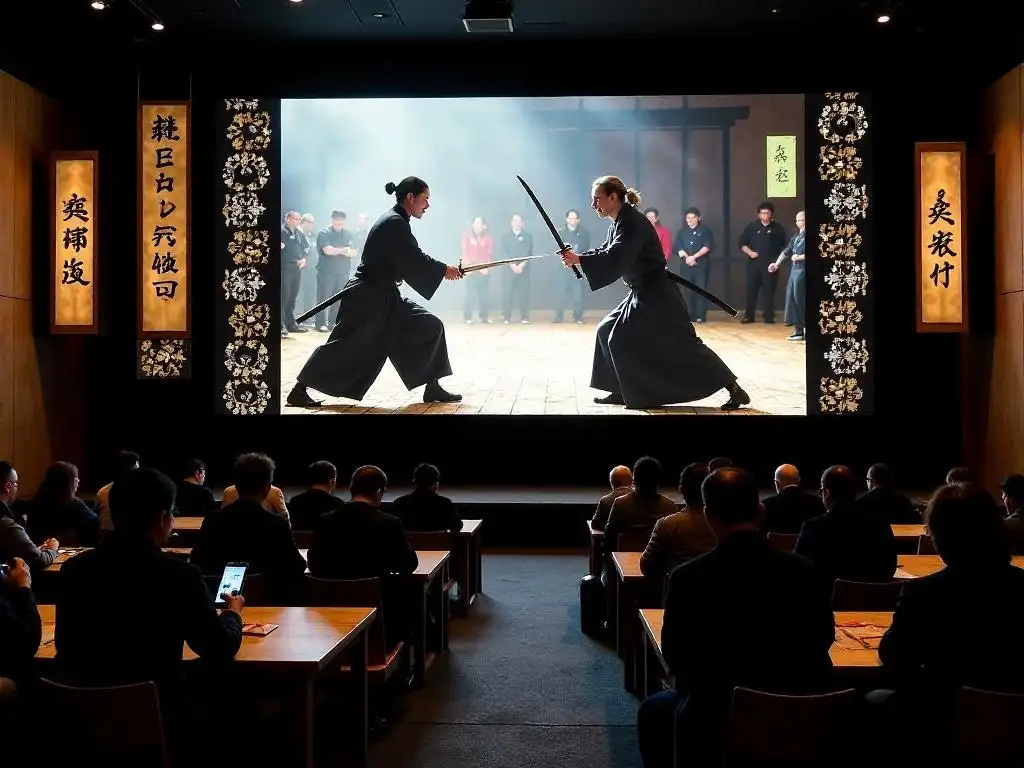
Learning Japanese through film, particularly samurai films, offers numerous benefits that extend beyond traditional classroom methods. The immersive nature of cinema allows learners to engage with the language in a context that is rich in cultural and historical significance. This approach not only enhances language acquisition but also provides insights into Japanese culture, making the learning experience more holistic and enjoyable.
How Visual Context Improves Language Retention
Visual context plays a crucial role in language retention. When learners associate spoken Japanese phrases with specific visual cues, the brain establishes stronger connections, aiding memory recall. Here are some key points illustrating this benefit:
- Multisensory Learning: Engaging multiple senses (sight and sound) helps reinforce memory. The combination of dialogue, expressions, and actions creates a more profound understanding of phrases.
- Cultural Nuances: Samurai films often depict specific cultural contexts that enrich the language. For example, understanding the significance of honor and loyalty in samurai culture enhances the meaning of phrases like "忠義" (chūgi - loyalty).
- Emotional Engagement: Films evoke emotions through storytelling, which can enhance retention. When learners feel an emotional connection to a scene, they're more likely to remember the phrases used.
The Role of Subtitles in Learning Japanese Phrases
Subtitles serve as an invaluable tool for learners of Japanese, particularly in samurai films. They bridge the gap between spoken language and written text, allowing viewers to engage with both. Here are some benefits of using subtitles:
- Bilingual Exposure: Subtitles provide a simultaneous display of Japanese phrases alongside translations, allowing learners to see how phrases are constructed.
- Pronunciation Guidance: Hearing the dialogue while reading the subtitles helps learners grasp proper pronunciation and intonation, which are crucial for effective communication.
- Contextual Understanding: Subtitles can clarify meanings that might be lost in translation, allowing learners to appreciate idiomatic expressions and cultural references.
Analyzing Subtitled Scenes for Effective Learning
To maximize the benefits of learning Japanese phrases from samurai films, analyzing subtitled scenes is essential. Here’s how to approach this analysis:
- Choose Key Scenes: Select scenes that are rich in dialogue and cultural context. Action sequences often contain less dialogue, while character interactions tend to be more meaningful.
- Break Down Phrases: Focus on specific phrases that are relevant to the scene.
- For example, the phrase "お前は死ぬ" (omae wa shinu - "You will die") is impactful in a duel context.
- Contextual Interpretation: Consider the emotional tone and context in which phrases are used. This helps in understanding the nuances of meaning.
- Repetition and Practice: Replay scenes and repeat phrases aloud. This practice not only aids pronunciation but also reinforces memory through repetition.
- Create a Vocabulary List: Compile a list of phrases learned from the film, along with their meanings and contexts. Review this list regularly to boost retention.
By engaging with samurai films in this manner, learners can effectively incorporate Japanese phrases into their vocabulary, enhancing their language skills while appreciating the rich tapestry of feudal Japanese culture.
Recommended Samurai Films for Language Learning
Top Samurai Films with Rich Language Content
Samurai films are not just a visual journey through Japan’s feudal past; they are also a treasure trove of Japanese phrases that reflect the culture, traditions, and values of that era. Engaging with these films can significantly enhance your understanding of the language while immersing you in its historical context. Below are three notable films that exemplify this rich linguistic landscape.
1. Yojimbo: A Deep Dive into the Language Used
Yojimbo, directed by Akira Kurosawa, is a quintessential samurai film that showcases a variety of Japanese phrases within its dialogue. The film's protagonist, a ronin played by Toshiro Mifune, navigates through a town controlled by two rival gangs. This setting creates opportunities to hear phrases related to conflict, negotiation, and loyalty.
- Key Phrases:
- "Nani o shiteru?" (What are you doing?)
- "Kowai!" (Scary!)
These phrases provide insight into everyday communication and the emotions tied to the samurai ethos. The film's sharp dialogue and clever wordplay make it a compelling study for learners.
2. Rashomon: Unique Phrases and Cultural Context
Rashomon, also by Kurosawa, is a landmark film that explores the nature of truth through different perspectives. The language used in the film is reflective of the samurai code and the complexities of human interaction.
- Unique Linguistic Features:
- The use of keigo (honorific language) indicates social hierarchies.
- Phrases like "Anata wa dare desu ka?" (Who are you?) reveal the film's emphasis on identity and honor.
The cultural context surrounding these phrases is crucial for understanding the samurai's place in society. By dissecting the dialogues, learners can grasp not only vocabulary but also the nuances of Japanese interpersonal relationships.
3. Harakiri: Language and Historical Accuracy
Harakiri, directed by Masaki Kobayashi, is a poignant critique of the samurai code, and its dialogue is steeped in historical accuracy. The film is rich with terms related to bushido (the way of the warrior) and seppuku (ritual suicide).
- Important Terms:
- "Seppuku" (切腹) - the act of ritual suicide.
- "Bushido" (武士道) - the way of the warrior.
The film's exploration of these themes provides learners with a deeper appreciation of the language used during the feudal era, along with its moral implications.
Streaming Platforms to Watch Samurai Films
In today’s digital age, accessing samurai films has never been easier. Here are some of the best platforms where you can find these cinematic gems.
Best Platforms for Accessing Samurai Cinema
- Criterion Channel: Offers a curated selection of classic samurai films, along with insightful commentary.
- Amazon Prime Video: Features a wide range of samurai films available for rent or purchase.
- Netflix: Occasionally includes popular samurai films, depending on regional licensing.
These platforms provide not only access to films but also the opportunity to watch with subtitles, enhancing language learning.
Subscription Services with Japanese Language Content
For those serious about learning Japanese through samurai films, consider subscribing to services that specialize in Japanese cinema:
- Funimation: While primarily focused on anime, it also features live-action films and series related to samurai.
- Hulu Japan: Offers a vast library of Japanese films, including a rich selection of samurai cinema.
By leveraging these resources, learners can immerse themselves in the language while enjoying captivating stories from Japan’s feudal history.
Engaging with Japanese Language Learning Resources

Language Learning Apps to Enhance Your Experience
In the pursuit of mastering Japanese phrases in samurai films, leveraging technology can significantly enhance your learning experience. Language learning apps provide interactive platforms to practice vocabulary, pronunciation, and comprehension skills. Here are some of the most effective apps tailored for those interested in Japanese through the lens of samurai cinema.
Recommended Apps: Duolingo and Anki
- Duolingo
- Overview: Duolingo is a popular language learning app that gamifies the process, making it enjoyable and engaging. The app allows users to learn Japanese through bite-sized lessons, which include listening, speaking, and writing exercises.
- Japanese Content: The app includes vocabulary and phrases often found in samurai films, such as greetings, commands, and honorifics.
- Features:
- Daily challenges to motivate consistent practice.
- A community feature to connect with other learners.
- Progress tracking to help visualize improvements.
- Anki
- Overview: Anki is a flashcard app that employs spaced repetition, a technique proven to enhance memory retention. It is particularly beneficial for learning vocabulary and phrases.
- Japanese Content: Users can create custom decks focused on phrases from specific samurai films, enabling targeted learning.
- Features:
- Option to include images or audio clips from films to reinforce learning.
- Community-shared decks that users can download, which may already contain samurai-related content.
Utilizing these apps can create a dynamic and interactive environment for learning Japanese phrases while immersing oneself in the cultural context of samurai films.
Online Courses Focused on Japanese Through Film
To deepen your understanding of Japanese language and culture, consider enrolling in online courses specifically designed around film studies. These courses often provide insights into the language used in samurai films, along with historical and cultural contexts.
Courses Offering Insights into Samurai Films and Language
- Japanese Language and Culture through Cinema
- Content Overview: This course offers a comprehensive study of Japanese films, with a focus on samurai epics. It covers key vocabulary, cultural references, and idiomatic expressions prevalent in the genre.
- Learning Outcomes:
- Understanding of linguistic nuances in samurai dialogues.
- Ability to analyze film scenes for language practice.
- Exposure to historical and cultural themes related to the samurai era.
- Samurai Cinema: Language and Iconography
- Content Overview: This specialized course examines the intersection of language and visual storytelling in samurai films. It focuses on the specific phrases and expressions used by samurai characters.
- Learning Outcomes:
- Mastery of essential phrases in context, enhancing recall and usage.
- Appreciation of the samurai ethos as reflected in language.
- Opportunities for discussion and practice with fellow learners.
By engaging with these online courses, learners can significantly enrich their vocabulary and understanding of Japanese phrases in samurai films, making the learning process both enjoyable and relevant.
Practical Tips for Learning Japanese Phrases from Samurai Films

Active Watching: Techniques for Engaging with Content
When it comes to learning Japanese phrases in samurai films, the technique of active watching is crucial. This method involves more than just passively viewing the film; it requires a conscious effort to engage with the dialogue and scenes. Here are some effective strategies:
- Focus on the Context:
- Try to understand the emotional and cultural context behind each phrase. Samurai films often depict honor, loyalty, and conflict, giving deeper meaning to the words used.
- Pay attention to body language and facial expressions, which can provide additional context to the dialogue.
- Use Subtitles Wisely:
- Start with English subtitles to grasp the overall storyline, then switch to Japanese subtitles to connect the spoken phrases with their written forms.
- After becoming more comfortable, try watching without subtitles to challenge your understanding.
- Rewind and Replay:
- Don’t hesitate to rewind scenes to listen to key phrases multiple times. Repetition helps reinforce memory and improves comprehension.
- Take notes of phrases that stand out to you, noting their pronunciation and context.
Creating a Vocabulary List from Samurai Dialogues
Building a vocabulary list is a practical way to consolidate your learning of Japanese phrases in samurai films. Here’s how to effectively create and utilize your list:
-
Select Key Scenes: Choose pivotal scenes that contain rich dialogue or significant emotional weight. These moments often encapsulate essential phrases.
-
Extract Phrases: As you watch, jot down notable phrases. Focus on:
- Common Expressions: Greetings, farewells, and common interactions.
- Cultural References: Phrases that reflect samurai values, such as “武士道” ( Bushidō, "the way of the warrior").
-
Organize Your List:
Phrase (Japanese) English Translation Context/Usage ありがとう ( Arigatou) Thank you A common expression of gratitude さようなら ( Sayounara) Goodbye Used when parting 申し訳ありません ( Moushiwake arimasen) I’m sorry A formal apology
This structured approach not only aids in memorization but also serves as a quick reference for revisiting essential phrases.
Practicing Pronunciation with Sample Clips
Pronunciation is a vital aspect of language learning, and practicing with sample clips from samurai films can enhance your speaking skills. Here are some strategies to improve pronunciation:
- Listen and Repeat:
- Find clips of dialogues featuring the phrases you've noted. Listen carefully and repeat them out loud. This mimicking technique helps with intonation and rhythm.
- Slow Down the Playback Speed:
- Many video platforms allow you to adjust playback speed. Slowing down the audio can help you catch subtle nuances in pronunciation that might be missed at normal speed.
- Record Yourself:
- Use a voice recording app to capture your pronunciation. Play it back and compare it to the original clip. This self-assessment can reveal areas needing improvement.
- Practice with Dialogue:
- Engage in shadowing exercises. This means speaking simultaneously with the characters in the film, which can significantly improve fluency and confidence in using the phrases.
By integrating these practical tips into your learning routine, you can effectively pick up Japanese phrases from samurai films, enriching both your language skills and cultural understanding.
Conclusion: The Path to Mastering Japanese Through Samurai Films

Exploring Japanese phrases in samurai films offers a unique and engaging method for language learners to immerse themselves in the culture and linguistic nuances of Japan's feudal era. By integrating cinematic experiences with vocabulary acquisition, learners can enhance their understanding of both the language and the historical context in which these phrases were used. This dual approach not only aids in memorization but also enriches the learner's appreciation for the artistry and narrative depth of samurai cinema.
The Long-term Benefits of Immersive Learning
Immersive learning through samurai films has several long-term benefits that extend beyond mere vocabulary acquisition. These benefits include:
- Cultural Understanding:
- Engaging with samurai films enables learners to grasp cultural references and societal values inherent in the language. Understanding idiomatic expressions and phrases within historical narratives allows for a deeper connection to Japanese culture.
- Pronunciation and Intonation:
- Hearing language used in context helps learners refine their pronunciation. The dramatic delivery by actors provides a model for intonation and emotional expression, which are crucial for effective communication.
- Contextual Learning:
- Learning phrases within the context of a story creates memorable associations. This contextualization aids in retention, as phrases are tied to characters, emotions, and actions, making them easier to recall when needed.
- Developing Listening Skills:
- Samurai films often feature rapid dialogue and varying dialects, challenging learners to enhance their listening skills. This exposure prepares them for real-life conversations, where understanding different speech patterns is essential.
- Motivation and Engagement:
- The captivating stories and visual elements of samurai films keep learners motivated. This engagement can lead to a sustained interest in learning Japanese, making the process enjoyable and rewarding.
Encouragement to Explore More Films and Phrases
To fully benefit from learning Japanese through samurai films, learners are encouraged to explore a diverse range of movies and phrases. Consider the following tips:
- Create a Watchlist: Compile a list of classic and contemporary samurai films. Some recommended titles include Seven Samurai, Yojimbo, and The Last Samurai. Each film offers unique phrases that reflect the era's language.
- Take Notes: While watching, jot down any interesting phrases or expressions. Look up their meanings and practice using them in sentences to reinforce learning.
- Join Discussion Groups: Engage with other learners or enthusiasts of samurai cinema. Discussing films can offer new perspectives on phrases and cultural nuances that may enhance understanding.
- Practice Regularly: Revisit favorite scenes and practice repeating the phrases out loud. This repetition helps solidify memory and builds confidence in speaking.
- Explore Related Media: In addition to films, consider reading books or watching documentaries about feudal Japan. This broader exposure can provide context and deepen the understanding of the phrases learned from films.
The journey of mastering Japanese through samurai films is not only an educational endeavor but also a cultural exploration. By immersing oneself in this cinematic world, learners can cultivate a rich vocabulary while gaining insights into the profound heritage of Japan's feudal past.
Additional Resources for Learning Japanese
Books and Guides on Japanese Language and Samurai Culture
To deepen your understanding of both the Japanese language and samurai culture, numerous books and guides serve as invaluable resources. These texts can enhance your learning experience by providing context, vocabulary, and insights that are particularly relevant to samurai films. Here are some notable recommendations:
-
"Japanese for Busy People"
This series is excellent for beginners and provides practical phrases used in everyday life, including those you might encounter in samurai films. The focus on conversational Japanese makes it easier to grasp the nuances of the language.
-
"The Samurai: A Military History" by John M. McCulloh
While primarily a historical account, this book offers insights into the samurai ethos and terminology. Understanding the cultural context enriches the phrases you pick up from films.
-
"Japanese Grammar: A Guide for Students" by David J. Silva
This grammar guide addresses the complexities of Japanese sentence structure and includes examples from literature and film, which can be particularly useful when analyzing dialogue in samurai movies.
-
"A Samurai's Tale" by Erik C. Haugen
This novel not only tells a gripping story but also incorporates authentic language and phrases. It’s a great way to see how the language is used in narrative form, paralleling dialogues in samurai films.
-
"Learn Japanese with Manga"
This series uses engaging comic-style illustrations to teach the language. It often references samurai themes, making it an enjoyable way to learn Japanese phrases in a culturally relevant context.
Online Communities for Language Learners and Film Enthusiasts
Engaging with online communities can significantly enhance your language learning journey, especially when focusing on specialized areas like "Japanese phrases in samurai films." Here are some platforms where learners can connect, share resources, and practice the language:
-
Reddit
Subreddits such as r/LearnJapanese and r/Samurai offer spaces for learners to discuss phrases, share insights from films, and even participate in language exchange. Users often post clips from samurai films for discussion and analysis, making it a rich resource for contextual learning.
-
Language Exchange Apps
Platforms like Tandem and HelloTalk allow you to practice Japanese with native speakers who may also share an interest in samurai films. You can discuss specific phrases and their uses in various contexts, leading to a deeper understanding of the language.
-
Facebook Groups
Groups dedicated to learning Japanese or discussing Japanese cinema often include discussions on samurai films. Participating in these groups can lead to discovering new films, phrases, and cultural insights relevant to your studies.
-
Discord Servers
Many language learning Discord servers have channels specifically for Japanese learners. These communities often host movie nights featuring samurai films, allowing members to watch together and discuss the language in real time.
-
YouTube Channels
Several YouTube channels focus on learning Japanese through film analysis. Channels like "Japanese with Anime" often dissect samurai films, highlighting key phrases and cultural elements, making it easier to immerse yourself in the language.
By utilizing these resources, learners can effectively integrate Japanese phrases from samurai films into their language studies, enriching their understanding of both the language and the fascinating history of the samurai.
Frequently Asked Questions
What are Japanese phrases commonly used in samurai films?
Many samurai films feature phrases like "Banzai!" (meaning long live), and "Tachi" (referring to sword). These phrases enrich the cultural authenticity of the films.
How can watching samurai films help with learning Japanese?
Watching samurai films can enhance your listening skills and pronunciation. The films often showcase real-life language use in context, making it easier to remember phrases.
Are there any recommended samurai films for language learning?
Yes, films like "Seven Samurai" and "Rashomon" are excellent choices. They not only provide rich dialogue but also offer insights into historical and cultural aspects of Japan.
What is the significance of language in samurai culture?
Language in samurai culture reflects their values and honor. Phrases often convey respect, loyalty, and the warrior spirit, enriching the viewer's understanding of their ethos.
Can I find resources to learn Japanese phrases from samurai films?
Absolutely! Various websites and platforms offer subtitled films and language guides tailored for learners, focusing on key phrases and their meanings in context.
Final Reflection: Embracing Language Through the Lens of Samurai Cinema
In today's globalized world, the pursuit of language learning has become more relevant than ever, and immersive experiences like samurai films offer a unique gateway to understanding Japanese culture and language. These cinematic masterpieces not only entertain but also serve as a rich resource for picking up Japanese phrases, allowing learners to engage with the language in a dynamic and culturally significant context. The power of storytelling in these films transcends mere dialogue, illustrating the profound connection between language and identity.
The influence of samurai films extends far beyond the screen, shaping perceptions of Japanese culture and inspiring countless individuals to explore the language. As we immerse ourselves in the world of samurai, we not only learn phrases but also gain insights into values such as honor, loyalty, and resilience. Cinema is a mirror by which we often see ourselves.
This quote encapsulates the transformative power of film; through the lens of samurai cinema, we can reflect on our own lives and the languages we choose to embrace. The phrases we learn become more than just words; they are keys to understanding a rich cultural heritage.
As you embark on your journey of learning Japanese through samurai films, I invite you to reflect on the deeper meanings behind the phrases you encounter. Consider how these expressions can enrich your understanding of not just the language, but also the values and traditions that shape it. Let the lessons of honor and courage from these films inspire you to engage with the language actively, fostering a connection that transcends mere vocabulary. Embrace the adventure of learning, and allow the spirit of the samurai to guide you on your path to fluency.
Unleash Your Inner Samurai: Start Your Japanese Language Journey!
Thank you for diving into the captivating world of immersive learning through samurai films! You’ve uncovered a unique approach to picking up Japanese phrases that can enrich your language skills and appreciation of feudal culture. Now, it’s time to take the next step on your journey!
Here are a few actionable suggestions to deepen your experience:
- Start practicing **new samurai phrases** today! Choose a scene from your favorite film and repeat the lines to boost your pronunciation and confidence.
- Share your favorite phrases with friends or join an online language community to **connect and learn** with fellow enthusiasts.
- Try to **watch a new samurai film** each week! Make it a ritual to explore the language and culture, uncovering more than just words along the way.
What samurai phrase have you discovered that resonated with you the most, and how do you plan to incorporate it into your daily life?