
From Subtitles to Fluency: Learning Japanese Through Samurai Cinema


Welcome to Feudal Japan History, where we invite you to embark on a captivating journey through the rich tapestry of Japan's feudal era. Have you ever wondered how the thrilling world of Samurai cinema can elevate your language skills?
In our featured article, "From Subtitles to Fluency: Learning Japanese Through Samurai Cinema," we delve into the unique ways these films can immerse you in the language and culture of Japan, transforming your learning experience from passive viewing to active engagement. Join us as we explore how the art of storytelling in these iconic films holds the key to mastering Japanese—your adventure begins here!
- Introduction to Learning Japanese Through Samurai Films
- The Benefits of Learning Japanese Through Samurai Films
- Recommended Samurai Films for Language Learners
- Effective Strategies for Learning Japanese Through Samurai Cinema
- Tools and Resources for Learning Japanese via Samurai Films
- Conclusion: Mastering Japanese Through Samurai Films
-
Frequently Asked Questions
- What is the main focus of the article "From Subtitles to Fluency: Learning Japanese Through Samurai Cinema"?
- How can Samurai films aid in learning Japanese?
- Are there specific Samurai films recommended for beginners?
- Is it effective to learn Japanese solely through films?
- What cultural insights can learners gain from Samurai cinema?
- Final Reflection: Embracing Language Through the Lens of Samurai Cinema
- Embark on Your Japanese Fluency Journey Today!
Introduction to Learning Japanese Through Samurai Films
The world of Samurai cinema offers a rich tapestry of storytelling that transcends mere entertainment, making it an invaluable resource for those interested in learning the Japanese language. This unique genre not only captivates audiences with its dramatic narratives and historical context but also serves as an effective tool for language acquisition.
By immersing oneself in the dialogues and cultural nuances presented in these films, learners can enhance their understanding of Japanese in a dynamic and engaging manner. This article aims to explore the importance of Samurai films in the journey of mastering the Japanese language, focusing on their cultural significance and the ways they facilitate language acquisition.
The Cultural Significance of Samurai Cinema
Samurai films, or Jidaigeki, have profoundly influenced Japanese culture and identity since the early 20th century. They encapsulate themes of honor, loyalty, and the struggle between tradition and modernity, reflecting the complexities of Japanese society. Here are some key aspects of their cultural significance:
- Historical Context: Samurai films often depict the Edo period (1603-1868) and earlier, providing viewers with insights into Japan's feudal past. They highlight the societal structures, values, and conflicts of the time, forging a deeper understanding of Japanese history.
- Cultural Values: The films emphasize key Japanese values such as bushido (the way of the warrior), which embodies ideals like bravery, honor, and respect. By engaging with these narratives, learners can gain a nuanced perspective on the cultural fabric of Japan.
- Artistic Expression: Samurai cinema is known for its distinct visual style and choreography, often blending action with traditional Japanese aesthetics. This artistic representation enriches the viewing experience and fosters a greater appreciation for Japanese art and culture.
- Language Nuances: The dialogue in these films is often laden with historical language structures and expressions that may not be present in contemporary conversations. This provides learners with exposure to a more formal register of the language, enhancing their vocabulary and comprehension.
How Samurai Films Enhance Language Acquisition
Learning Japanese through Samurai films is not just about passive viewing; it is an interactive experience that promotes active engagement with the language. Here are several ways in which these films can enhance language acquisition:
- Listening Skills: The varied dialogue in Samurai films exposes learners to different accents, tones, and speech patterns. This auditory immersion helps improve listening comprehension and pronunciation.
- Contextual Learning: By observing language in context, learners can grasp the meaning behind phrases and expressions. Visual storytelling allows for an understanding of cultural references and idiomatic usage that might be missed in traditional language textbooks.
- Subtitles as a Learning Tool: Watching films with subtitles in both Japanese and the learner's native language can facilitate better understanding. This dual exposure helps in recognizing sentence structures and vocabulary while providing immediate translation assistance.
- Emotional Engagement: The dramatic narratives and character arcs in Samurai cinema foster emotional connections, making the learning process more memorable. Engaging with the material on an emotional level can enhance retention and motivation.
- Discussion and Analysis: Viewing Samurai films can spark discussions about themes, characters, and historical contexts, providing opportunities for conversational practice. Analyzing these films in language study groups encourages learners to articulate their thoughts in Japanese, further reinforcing their skills.
The intersection of language learning and Samurai cinema offers a unique and enriching approach to mastering Japanese. By delving into the cultural and historical depths of these films, learners not only acquire language skills but also gain a profound appreciation for Japanese culture.
The Benefits of Learning Japanese Through Samurai Films
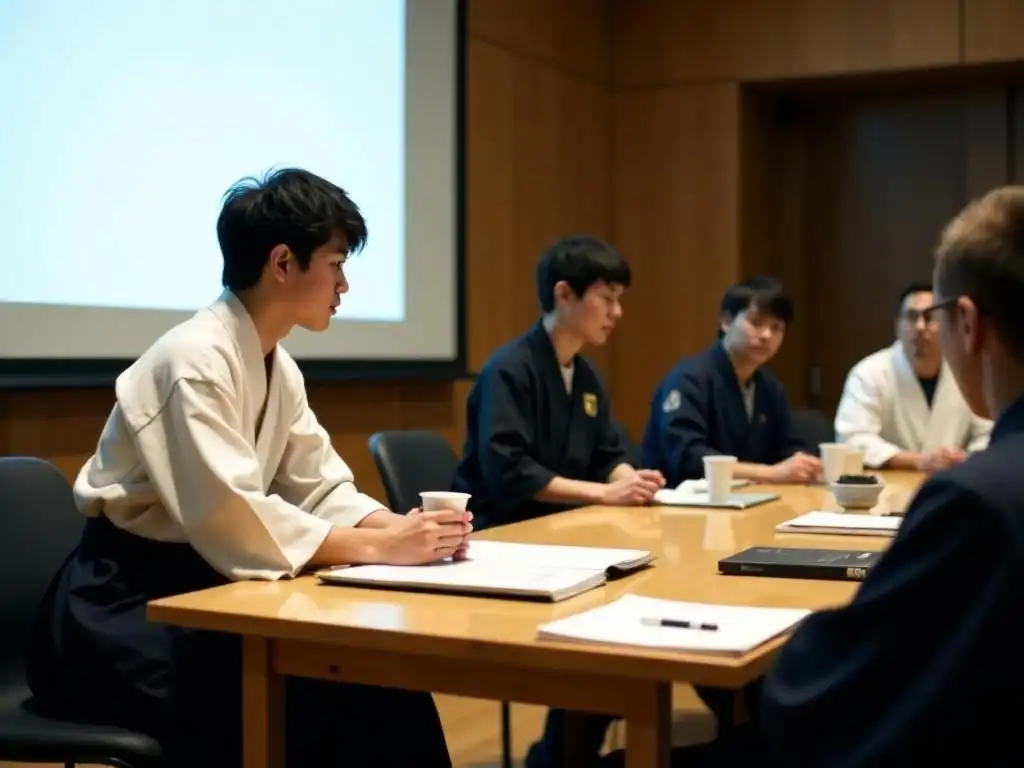
Learning Japanese through samurai films not only provides an engaging way to acquire language skills but also offers a rich cultural context that can enhance comprehension and retention. The unique combination of storytelling, historical settings, and character interactions in these films creates an immersive learning experience that goes beyond traditional methods. Here are some key benefits:
Immersion in Language and Culture
Samurai films serve as a window into Japan's feudal era, showcasing not just the language but also the societal norms, values, and traditions of the time. By watching these films, learners are exposed to:
- Authentic Dialogue: The scripts often use a range of vocabulary, from everyday speech to specialized terms relevant to samurai culture. This exposure helps learners grasp how language varies according to context.
- Cultural Nuances: Films depict rituals, family structures, and social hierarchies, allowing learners to understand the cultural significance behind the language. For instance, the concept of bushido (the way of the warrior) is not only a theme in many samurai films but also a key aspect of Japanese moral philosophy.
- Visual Context: The visual storytelling in these films complements the language. Actions, expressions, and settings provide clues to the meaning of words and phrases, making it easier to remember them.
Contextual Learning: Vocabulary and Phrases from Samurai Movies
One of the most effective ways to acquire a new language is through contextual learning, where vocabulary is learned in relation to its use. Samurai films are rich in specific terminology and phrases that can help learners expand their linguistic repertoire:
- Key Vocabulary: Words related to samurai culture, such as katana (sword), sensei (teacher), and dojo (training hall), are frequently used. Understanding these terms can provide insights into Japanese philosophy and martial arts.
- Common Phrases: Learners can pick up greetings, expressions of gratitude, and honorifics that are integral to Japanese communication. For example, phrases like arigatou gozaimasu (thank you) or onegaishimasu (please) appear often in various contexts.
- Dialogue Practice: By mimicking characters' dialogues, learners can practice pronunciation and intonation. This practice not only aids in vocabulary retention but also helps in developing a natural speaking rhythm.
Understanding Japanese Honorifics through Film Characters
Honorifics are an essential part of the Japanese language, reflecting social hierarchies and relationships. Samurai films provide a dynamic platform to explore these linguistic features:
- Character Interactions: The way characters address each other often highlights their relationships. For example, a samurai may refer to his lord as dono (a respectful title), while a younger character might use san (Mr./Ms.) for peers. This usage teaches learners the importance of respect and context in Japanese.
- Honorific Variations: Different films may depict various historical periods, showcasing how honorifics evolve. Watching characters navigate these titles can provide learners with a deeper understanding of their usage in modern contexts.
- Contextual Application: By observing how honorifics are used in different scenarios, learners can practice incorporating them into their own conversations, enhancing their cultural fluency alongside linguistic skills.
Learning Japanese through samurai films not only enriches vocabulary and language skills but also immerses learners in the culture, rituals, and social structures of feudal Japan. This multi-faceted approach fosters a deeper appreciation of the language and its historical context, making the learning process both enjoyable and effective.
Recommended Samurai Films for Language Learners

Exploring the rich tapestry of samurai cinema not only provides an engaging way to appreciate Japan's historical narratives but also serves as an effective method for learning Japanese through Samurai films. These cinematic masterpieces offer a wealth of cultural insights, language exposure, and historical context that can significantly enhance your language learning experience. Here are some top recommendations to kickstart your journey into samurai films.
Top Samurai Films to Start Your Journey
"Seven Samurai" (1954)
Director: Akira Kurosawa
Synopsis: This iconic film tells the story of a village that hires seven ronin to protect them from bandits. It explores themes of honor, sacrifice, and the social hierarchy of feudal Japan.
Why It’s Great for Learners:
- Language Exposure: The dialogue is rich in historical context and uses a variety of honorifics.
- Cultural Insights: Viewers gain an understanding of samurai ethics and the feudal system.
- Visual Storytelling: Powerful visuals complement the language, making it easier to grasp meanings.
"Yojimbo" (1961)
Director: Akira Kurosawa
Synopsis: A wandering samurai arrives in a town divided by two rival gangs. He cleverly plays both sides against each other in a quest for profit and justice.
Why It’s Great for Learners:
- Use of Simple Language: The film features straightforward dialogue, making it accessible for beginners.
- Humor and Wit: The protagonist's cleverness adds an entertaining layer, keeping viewers engaged.
- Cultural Nuances: The film delves into the concept of the lone hero, a recurring theme in Japanese storytelling.
"Rashomon" (1950)
Director: Akira Kurosawa
Synopsis: A complex narrative that recounts the same event from multiple perspectives, exploring the nature of truth and moral ambiguity.
Why It’s Great for Learners:
- Diverse Dialects: The film showcases various speech patterns, enriching the learner's understanding of regional accents.
- Philosophical Themes: Engaging with deeper themes encourages learners to think critically about the language.
- Symbolic Imagery: The use of visuals to convey narratives aids comprehension beyond spoken words.
"The Last Samurai" (2003)
Director: Edward Zwick
Synopsis: A former American military officer is hired to train the Japanese army in the late 19th century but finds himself drawn to the samurai way of life.
Why It’s Great for Learners:
- Cultural Contrast: The film juxtaposes Western and Japanese values, providing a broader cultural context.
- Modern Japanese Language: The dialogue includes contemporary language and expressions, useful for modern learners.
- Emotional Depth: The character development and emotional storytelling enhance retention of language through connection.
By immersing yourself in these films, you can enhance your language skills while gaining a profound appreciation for the cultural and historical narratives that shape Japan's feudal era. Happy watching! 🎥
Effective Strategies for Learning Japanese Through Samurai Cinema
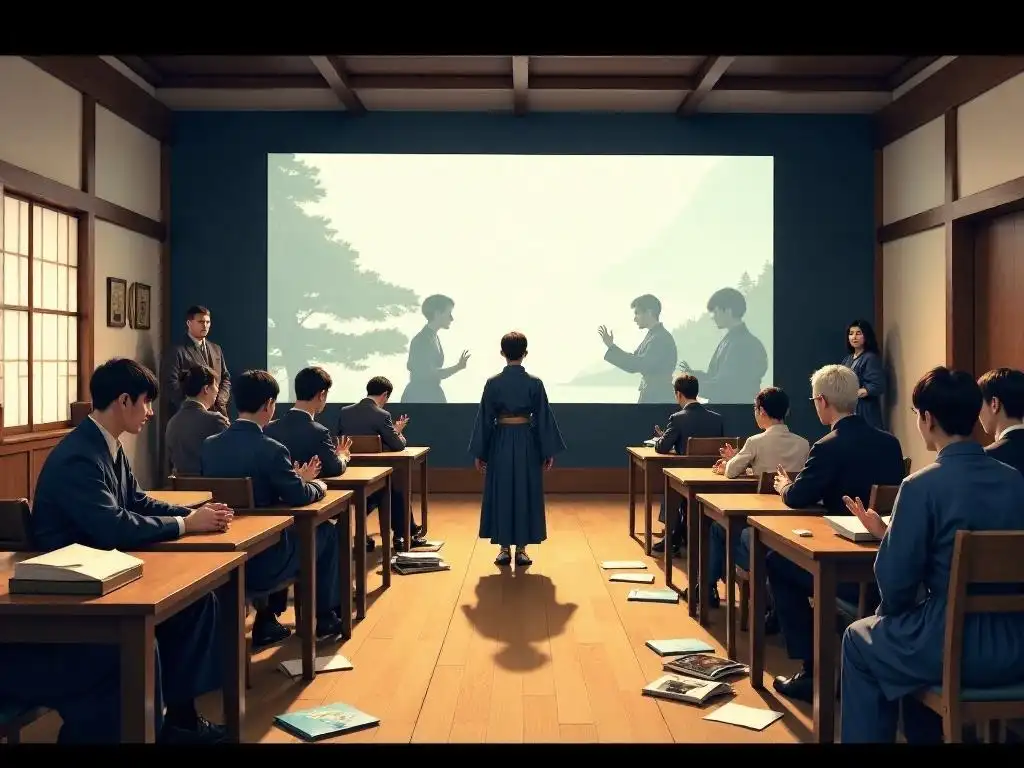
Learning Japanese through Samurai films offers a unique and engaging approach to language acquisition. By immersing oneself in the rich narratives and cultural nuances presented in these films, learners can develop their language skills effectively. Below are several strategies that enhance this learning experience.
Subtitling Techniques: Engaging with Japanese Audio and English Subtitles
Utilizing subtitles effectively can significantly improve your comprehension and retention of the Japanese language. Here's how to optimize this technique:
- Watch with Japanese Subtitles: Start by watching films with Japanese subtitles. This allows you to connect spoken language with written characters, reinforcing vocabulary and grammar structures.
- Dual Subtitling: If available, use dual subtitles (Japanese and English). This method helps you understand the context while exposing you to direct translations, enhancing your vocabulary.
- Pause and Rewind: Don’t hesitate to pause or rewind if you encounter unfamiliar phrases. Take notes on new vocabulary or expressions, and replay sections to hear the pronunciation and intonation again.
- Focus on Cultural Context: Samurai films are rich in cultural references and idiomatic expressions. Pay attention to these subtleties, as they not only enrich your language skills but also deepen your understanding of Japanese culture.
- Create a Subtitling Journal: Keep a dedicated journal for phrases, idioms, and vocabulary encountered in films. Regularly review this journal to reinforce your learning.
Shadowing: Practicing Pronunciation with Samurai Dialogue
Shadowing is an effective language learning technique where you mimic the speech patterns and pronunciation of native speakers. Here’s how to implement it with Samurai cinema:
- Select Key Scenes: Choose impactful scenes with clear dialogue. Samurai films often feature dramatic exchanges that are perfect for shadowing.
- Listen and Repeat: Play a segment of dialogue, then pause and repeat what you hear. Focus on intonation, rhythm, and pronunciation.
- Record Yourself: Use a recording device to capture your shadowing attempts. Playback your recordings to identify areas for improvement.
- Engage with Emotion: Samurai films often convey strong emotions. Try to express these emotions in your shadowing practice, which will make the learning process more enjoyable and memorable.
- Consistent Practice: Dedicate time each week to shadowing. Consistency is key to developing fluency and improving pronunciation.
Vocabulary Building: Creating a Samurai Film Lexicon
Building a specialized vocabulary related to Samurai films can greatly enhance your learning experience. Here are steps to create your own Samurai film lexicon:
- Identify Common Terms: Watch multiple Samurai films and note recurring vocabulary related to themes, characters, and settings. Words like "武士" (bushi - warrior), "刀" (katana - sword), and "名誉" (meiyo - honor) are foundational.
- Use Flashcards: Create flashcards for each new word. Include the Japanese term, its English translation, and an example sentence to provide context.
- Group Vocabulary by Themes: Organize your vocabulary into categories such as weapons, honor, family, and battle tactics. This thematic approach can help reinforce learning through association.
- Practice in Context: Apply the vocabulary in sentences or dialogues inspired by the films. This practice helps solidify your understanding and prepares you for real-life conversations.
- Engage with Others: Join language exchange groups or online forums focused on Samurai cinema. Sharing your vocabulary and discussing the films can enhance your learning experience and provide practical language usage.
By employing these strategies, learners can effectively utilize Samurai films as a dynamic tool for mastering the Japanese language, enriching both their linguistic skills and cultural appreciation.
Tools and Resources for Learning Japanese via Samurai Films
Learning Japanese through Samurai films is an engaging and effective way to immerse oneself in the language while enjoying captivating storytelling and historical narratives. Various tools and resources can enhance this learning experience, making it more interactive and enriching.
Language Learning Apps Featuring Samurai Content
Numerous language learning apps incorporate elements from Samurai cinema, providing users with an opportunity to learn vocabulary, grammar, and cultural nuances associated with the Samurai era. Here are two notable examples:
Tandem – Integrating Film Clips into Learning
Tandem is a language exchange app that connects learners with native speakers. Users can leverage clips from Samurai films to enhance their conversation skills. Here’s how it works:
- Film Clip Integration: Users can share specific scenes from Samurai movies during their chat sessions, prompting discussions about language, culture, and historical context.
- Cultural Context: By discussing the themes and characters in Samurai films, learners can gain insights into Japanese culture, tradition, and values.
- Feedback Mechanism: Native speakers can provide real-time feedback on pronunciation and usage, making the learning process more dynamic.
Tandem’s unique approach allows learners to practice conversational Japanese in a fun and culturally immersive way.
Drops – Vocabulary Quizzes Based on Samurai Movies
Drops is an app designed to make vocabulary learning enjoyable through visual association and quizzes. Here’s how it incorporates Samurai films:
- Themed Vocabulary Sets: Drops features specific vocabulary related to Samurai films, including terms for weapons, honor, and traditional customs.
- Interactive Quizzes: Learners can participate in quizzes based on scenes from Samurai movies, reinforcing their vocabulary through context.
- Visual Learning: The app uses engaging visuals and mnemonic devices to help learners remember words more effectively.
With Drops, users can turn their love for Samurai cinema into a powerful vocabulary-building tool.
Online Communities and Forums for Discussion
Participating in online communities and forums is another excellent way to deepen your understanding of the Japanese language through Samurai films. Here are some platforms where learners can engage with others who share their interests:
- Reddit – r/SamuraiFilms: This subreddit is dedicated to discussions about Samurai cinema. Users can share recommendations, discuss language usage in films, and ask questions about specific phrases or cultural references.
- Language Exchange Communities: Websites like ConversationExchange and MyLanguageExchange allow users to find partners who are also interested in Samurai films. This fosters deeper discussions about language and culture.
- Discord Servers: Many language learning Discord servers have channels specifically for discussing Japanese films, including Samurai-related content. Here, learners can practice their language skills in real-time conversations.
Joining these communities not only helps with language learning but also fosters a sense of belonging and shared passion for Samurai cinema.
By utilizing these tools and resources, learners can effectively enhance their Japanese language skills through the captivating lens of Samurai films, creating a rich and memorable learning experience.
Recommended Books on Samurai Cinema and Language Learning
When it comes to learning Japanese through Samurai films, several books stand out as valuable resources that not only delve into the intricacies of the Samurai genre but also enhance language acquisition. Here are some recommended titles:
-
"Samurai Cinema: The Ultimate Guide" by David Desser
This comprehensive guide provides an in-depth analysis of Samurai films, exploring their historical context, cinematic techniques, and cultural significance. Desser’s work is an excellent resource for learners as it includes vocabulary specific to the genre and references to dialogues that can aid in language comprehension.
-
"The Japanese Language: An Introduction" by Haruko Nakamura
This book offers foundational knowledge of the Japanese language while incorporating cultural references, including Samurai cinema. It helps learners relate language structures to actual film dialogues, making the learning process more engaging and contextual.
-
"Understanding Japanese Cinema: A Guide to Samurai Films" by Yoko Toku
Toku’s book is an essential companion for anyone interested in Samurai cinema. It provides insights into the narrative styles and typical language used in these films, along with exercises that encourage readers to practice their Japanese by analyzing film scripts and dialogues.
-
"Japanese for Busy People" by AJALT
While not exclusively focused on Samurai films, this book is an excellent resource for learners with limited time. It includes practical language lessons and cultural notes that can be applied when watching Samurai films, helping viewers understand the language in context.
-
"The Samurai: A New History" by John Man
This historical account of the Samurai provides background knowledge that enriches the viewing experience. An understanding of the historical context enhances the comprehension of language and themes presented in Samurai films, making it a useful companion for learners.
-
"Japanese Language and Culture for Beginners" by Michael L. Koller
Aimed at newcomers to the language, this book introduces essential vocabulary and grammar with cultural insights. It references popular Samurai films, allowing learners to connect linguistic elements with cinematic examples.
-
"The Art of Japanese Swordsmanship: A Study of Samurai Films" by Kenji Yamamoto
This unique book explores the techniques and philosophies behind Samurai swordsmanship as depicted in films. It includes discussions on the language used in martial arts contexts, which can be particularly useful for learners interested in both language and combat arts.
By incorporating these recommended books into your learning routine, you can enhance your understanding of both the Japanese language and the rich tapestry of Samurai cinema. These resources will not only improve your linguistic skills but also deepen your appreciation for the cultural narratives depicted in these iconic films.
Conclusion: Mastering Japanese Through Samurai Films
Learning Japanese through Samurai films presents a unique and engaging approach to language acquisition, allowing learners to immerse themselves in the language while exploring the rich history and culture of Japan. This method not only enhances language skills but also provides context and depth to the vocabulary and expressions used in everyday conversations. The interplay of visual storytelling and auditory language learning can significantly bolster retention and comprehension.
The Journey from Subtitles to Fluency
As learners progress from relying on subtitles to understanding spoken Japanese in Samurai films, they embark on a transformative journey. Here are some key stages of this process:
- Initial Exposure:
- Watching films with English subtitles helps learners grasp basic narrative structures and familiarizes them with common phrases and cultural references.
- Example films like Seven Samurai or Yojimbo introduce iconic characters and themes, setting the stage for deeper engagement.
- Active Listening:
- As confidence grows, learners can switch to Japanese subtitles, which aids in correlating spoken language with written form.
- This stage enhances listening skills, enabling learners to pick up on nuances in tone and context.
- Vocabulary Expansion:
- Regular exposure to Samurai films cultivates a thematic vocabulary related to honor, battle, and honorifics, essential for understanding Japanese social dynamics.
- Learners might create vocabulary lists from key scenes, helping reinforce their learning.
- Conversational Practice:
- Engaging with dialogue from Samurai films can serve as a resource for practicing pronunciation and intonation.
- Shadowing techniques, where learners mimic characters' speech patterns, can improve fluency and confidence in speaking.
- Cultural Contextualization:
- Understanding the historical and social contexts of Samurai films enriches the learning experience.
- Discussions around the moral lessons and cultural significance of the Samurai code, or Bushido, deepen comprehension and appreciation of the language.
Final Thoughts on the Cultural Impact of Samurai Cinema in Language Learning
Samurai cinema is more than just entertainment; it serves as a cultural artifact that encapsulates the essence of Japanese identity and values. Its impact on language learning is profound, as it bridges the gap between language and culture. Here are a few thoughts that encapsulate this influence:
- Cultural Immersion: Samurai films allow learners to immerse themselves in a world where language, art, and tradition intersect. This cultural immersion fosters a more holistic understanding of the language.
- Inspiration and Motivation: The dramatic narratives and compelling characters often inspire learners to delve deeper into both the language and the culture, driving their passion for Japanese studies.
- Community Building: Engaging with Samurai films can lead to discussions within language learning communities, fostering connections among learners who share a common interest in Japanese culture.
In conclusion, learning Japanese through Samurai films is a dynamic and rewarding approach that not only enhances language skills but also instills a deeper appreciation for the cultural narratives that shape Japan. Embracing this method can transform the language learning experience into a captivating journey filled with historical significance, emotional depth, and linguistic growth.
Frequently Asked Questions
What is the main focus of the article "From Subtitles to Fluency: Learning Japanese Through Samurai Cinema"?
The article explores how Samurai films can serve as a tool for learning Japanese, emphasizing the cultural and linguistic insights they provide.
How can Samurai films aid in learning Japanese?
Samurai films offer authentic language exposure, showcasing historical contexts and cultural nuances that enhance comprehension and retention of the language.
Are there specific Samurai films recommended for beginners?
Yes, the article suggests starting with popular Samurai films that feature clear dialogue and engaging narratives, making it easier for learners to pick up the language.
Is it effective to learn Japanese solely through films?
While films are a great resource, the article emphasizes that they should be part of a broader learning strategy that includes grammar, vocabulary, and practice with native speakers.
What cultural insights can learners gain from Samurai cinema?
Samurai cinema provides a unique perspective on Japanese history and values, allowing learners to understand concepts like honor, loyalty, and the samurai code (Bushido), which are integral to the language.
Final Reflection: Embracing Language Through the Lens of Samurai Cinema
Learning Japanese through Samurai films not only opens a gateway to a rich linguistic landscape but also immerses us in a cultural tapestry that is as vibrant as it is profound. In today's globalized world, where cultural exchange is more accessible than ever, the art of storytelling through cinema serves as a powerful tool for language acquisition.
The allure of Samurai films, with their intricate narratives and historical depth, provides a unique context for learners to engage with the language in a meaningful way. By embracing this cinematic journey, we can transform our language learning experience into an adventure that transcends mere vocabulary and grammar.
Cinema has always been a reflection of society, and Samurai films are no exception; they encapsulate values, struggles, and philosophies that resonate with audiences across generations. The influence of these films extends beyond entertainment, shaping perceptions and fostering a deeper understanding of Japanese culture. As we delve into the world of Samurai, we not only learn the language but also the essence of honor, loyalty, and the complexities of human emotion. Film is a powerful medium that can bridge cultural divides and foster empathy.
This sentiment underscores the importance of engaging with foreign cinema as a means of enriching our own perspectives while learning a new language.
As you reflect on your own journey of learning Japanese through Samurai films, consider how these narratives can inspire you to embrace the language with passion and curiosity. Allow the stories of honor and resilience to motivate you in your studies, and remember that every dialogue you decipher brings you one step closer to fluency.
Take action today: watch a Samurai film, jot down new phrases, and immerse yourself in the beauty of the language. Your adventure in language learning is not just about mastering words; it’s about connecting with a culture that has shaped the world in countless ways.
Embark on Your Japanese Fluency Journey Today!
Thank you for taking the time to explore how samurai cinema can pave your way to mastering Japanese! You've uncovered a unique approach to language learning that embraces culture, history, and entertainment. Now, it's time to put that knowledge into action and elevate your Japanese skills to new heights!
Here are some actionable steps to kickstart your journey:
- Start watching a samurai film tonight! Choose a classic film and take notes on new vocabulary and phrases you hear.
- Explore online Japanese language resources that complement the movies you watch, such as podcasts or apps designed for learning through media.
- Join a language exchange group or online community to discuss what you’ve learned from the films with fellow enthusiasts. This builds community and reinforces your learning.
Which samurai film will you watch first, and how do you plan to deepen your understanding of the language?