
Diplomatic Relations and Trade Agreements: Unpacking Japan’s Foreign Relations in the Feudal Era

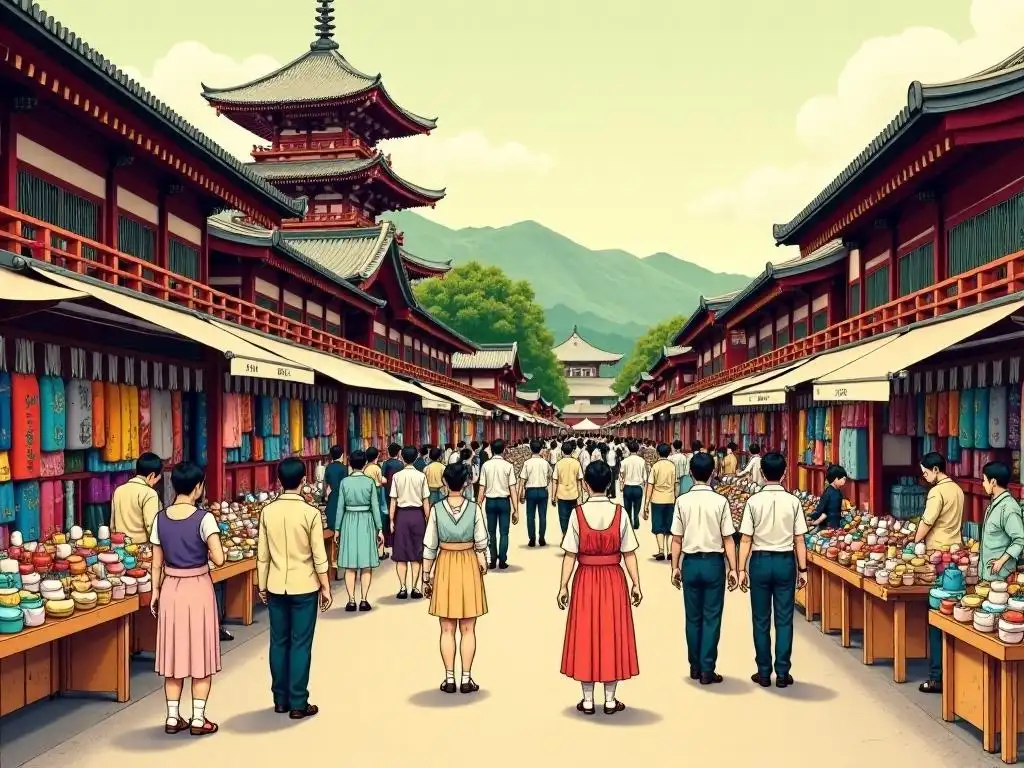
Welcome to Feudal Japan History, your ultimate destination for an immersive journey through Japan’s fascinating feudal era. Here, we delve into the intricate tapestry of historical, cultural, and societal aspects that defined this remarkable period. In our featured article, "Diplomatic Relations and Trade Agreements: Unpacking Japan’s Foreign Relations in the Feudal Era," we invite you to explore the complex web of trade relations that shaped not only Japan's economy but also its interactions with neighboring nations. Prepare to uncover the secrets and stories that lie beneath the surface of this pivotal time—your adventure into the past begins now!
- Introduction to Japan's Feudal Era Trade Relations
- Historical Context of Japan's Foreign Relations
- Japan's Trade Relations with Korea
- Japan's Trade Relations with China
- The Role of the Samurai in Foreign Relations
- Economic Effects of Trade Agreements on Japan
- Conclusion: The Legacy of Feudal Era Trade Relations
- Further Reading on Japan's Feudal Era Trade Relations
-
Frequently Asked Questions
- What were the primary trade relations during Japan's feudal era?
- How did diplomatic relations influence trade agreements in feudal Japan?
- What role did the shogunate play in foreign trade?
- Were there any significant trade routes used during the feudal era?
- How did the foreign relations of feudal Japan evolve over time?
- Final Reflection: The Enduring Legacy of Japan's Feudal Era Trade Relations
- Explore the Rich Tapestry of Japan’s Diplomatic Past!
Introduction to Japan's Feudal Era Trade Relations
The feudal era in Japan, spanning from the late 12th century to the early 17th century, was a transformative period marked by significant socio-political structures and cultural developments. Central to this era were the intricate diplomatic relations and trade agreements that Japan established, primarily with neighboring countries such as Korea and China. Understanding these international interactions provides a comprehensive view of how Japan navigated its position in East Asia and the economic, cultural, and political ramifications that ensued.
Trade during this time was not merely a matter of commerce; it was deeply intertwined with diplomatic relations, cultural exchanges, and the establishment of Japan’s identity on the international stage. This article delves into the complexities of Japan's feudal era trade relations, emphasizing the importance of diplomatic ties and trade agreements in shaping the historical narrative of the time.
Overview of Japan's Foreign Relations in the Feudal Era
During the feudal era, Japan's foreign relations were primarily characterized by interactions with its closest neighbors, notably Korea and China. The Kamamoto period (1185–1333) saw Japan adopting a relatively insular approach; however, by the Muromachi period (1336–1573), trade relations began to flourish, particularly through the establishment of the Nanban trade with European nations and growing ties with the Asian continent.
Key Aspects of Foreign Relations:
- Cultural Exchanges: Japan imported various cultural elements from China, including Confucianism, Buddhism, and advanced technologies, which influenced Japanese society and governance.
- Trade Routes: Key maritime routes facilitated trade, enabling the exchange of goods such as silk, ceramics, and weapons.
- Political Alliances: Diplomatic missions were often sent to China to solidify political ties and establish Japan's status as a sovereign nation.
The interplay of these factors was crucial in shaping Japan's diplomatic landscape and trade dynamics throughout the feudal period.
Importance of Diplomatic Relations and Trade Agreements
Diplomatic relations and trade agreements during Japan's feudal era were not only essential for economic prosperity but also played a pivotal role in establishing Japan's identity in the global arena. Through trade, Japan was able to acquire valuable resources and cultural influences that would shape its society for centuries.
Significance of Trade Agreements:
- Economic Growth: Trade agreements with Korea and China led to increased wealth and resources, stimulating local economies.
- Cultural Development: Exposure to foreign cultures enriched Japanese art, literature, and philosophy, fostering a unique cultural identity.
- International Standing: Successful diplomacy established Japan as a respected player in East Asian politics, allowing it to navigate complex geopolitical landscapes.
The diplomatic relations and trade agreements of the feudal era were instrumental in Japan's development, paving the way for its future as a unified nation and a significant cultural hub in East Asia.
Historical Context of Japan's Foreign Relations

The Political Landscape of Feudal Japan
During the Japan feudal era, which spanned from the late 12th century to the mid-19th century, the political landscape was characterized by a complex hierarchy of power and a distribution of authority that significantly influenced foreign relations. The emergence of the samurai class and the establishment of shogunates centralized military power and dictated Japan's stance towards other nations, particularly Korea and China.
Shogunates and Their Influence
The Kamkura Shogunate (1185-1333) marked the beginning of military governance in Japan, establishing the precedent for future shogunates. This period saw increased contact with the Asian mainland, primarily through trade and diplomacy, as the shogunate sought to legitimize its power and secure alliances.
Later, the Ashikaga Shogunate (1336-1573) continued these diplomatic efforts, fostering relationships with Chinese dynasties. The importance of trade was underscored by the establishment of the Nanban trade with Europeans in the 16th century, which further complicated Japan's foreign relations.
The Role of Daimyo
Local feudal lords, known as daimyo, played a crucial role in shaping diplomatic policies. Each daimyo maintained their own territories and engaged in trade and diplomacy with neighboring regions, often independent of the shogunate's directives. This decentralized approach allowed for varied relationships with Korea and China, which were influenced by local economic needs and political ambitions.
Isolationist Policies
By the early 17th century, the Tokugawa Shogunate implemented sakoku (closed country) policies, restricting foreign influence and trade. This led to Japan's isolation from the rest of the world, though limited trade with the Dutch and Chinese continued to occur in designated areas like Nagasaki. The sakoku period significantly altered Japan's diplomatic landscape, reducing the complexity of foreign relations to a few controlled interactions.
Key Figures in Japan's Diplomatic History
Several pivotal figures emerged during the feudal era, shaping Japan's trade relations and diplomatic endeavors with Korea and China. Understanding their contributions provides insight into the dynamics of Japan's foreign relations.
-
Minamoto no Yoritomo
As the founder of the Kamakura Shogunate, Yoritomo's efforts in consolidating power and establishing military governance opened channels for diplomatic relations with both Korea and China. His leadership set the stage for subsequent trade agreements, particularly with the Song Dynasty.
-
Ashikaga Takauji
The first shogun of the Ashikaga Shogunate, Takauji played a significant role in promoting cultural exchanges and trade with China. His efforts in establishing the Ming Dynasty as a trading partner enhanced Japan's economic landscape, allowing for the import of Chinese goods, culture, and technology.
-
Tokugawa Ieyasu
The founder of the Tokugawa Shogunate, Ieyasu’s policies laid the groundwork for Japan's isolationist stance. However, his initial diplomatic endeavors included establishing relations with the Portuguese and Spanish, marking an important phase in Japan’s interaction with European powers before the sakoku period.
-
Date Masamune
Known as the "One-Eyed Dragon," Date Masamune was a notable daimyo who sought to expand trade beyond Japan's borders. His ambition led to expeditions that sought to establish direct trade relations with countries like the Philippines, reflecting the diverse interests in foreign relations during the feudal era.
The interplay of political structures, local leaders, and their diplomatic initiatives fundamentally shaped Japan's trade relations with neighboring countries during its feudal era. The complexities of these interactions highlight a dynamic landscape that was often influenced by both domestic politics and external pressures.
Japan's Trade Relations with Korea

Early Trade Contacts and Cultural Exchange
During the early stages of the Japan feudal era, trade relations with Korea were established through a complex network of diplomatic missions and cultural exchanges. The Three Kingdoms of Korea—Goguryeo, Baekje, and Silla—played pivotal roles in these interactions. Even before the formalization of trade agreements, Japanese envoys traveled to Korea, often bringing back not only goods but also cultural influences, such as Buddhism, Confucianism, and various art forms.
The introduction of Buddhism in the 6th century, notably through the Baekje kingdom, marked a significant cultural exchange. This was not only a religious transition but also had lasting impacts on architecture, literature, and political philosophy in Japan. The flow of ideas between the two nations laid a foundation for trade that extended beyond mere economic transactions, fostering a mutual understanding that would be beneficial for centuries.
Historically, Japanese merchants sought out Korean goods that were scarce in Japan, such as iron, textiles, and ceramics. In return, Korea had a growing interest in Japanese products, particularly furs and agricultural products. The trade routes that emerged were not limited to maritime paths; overland routes also facilitated contact, allowing for a rich tapestry of exchanges that influenced both nations significantly.
Major Trade Goods and Their Impact
The trade between Japan and Korea during the feudal era was characterized by a variety of goods that had substantial impacts on both economies and societies. Some of the major trade goods included:
- Rice and Agricultural Products: Japan, being an agrarian society, had a strong agricultural base. However, rice from Korea was considered superior, facilitating trade that enriched both territories.
- Iron and Metal Goods: Korea was known for its advanced metallurgy, exporting iron tools and weapons that were crucial for Japan’s military and agricultural development. This trade significantly influenced Japan’s capacity to defend itself as well as enhance agricultural productivity.
- Textiles and Pottery: Korean textiles were highly valued in Japan, introducing new styles and techniques that would evolve over time. Similarly, the introduction of Korean pottery influenced Japanese ceramics, leading to unique local adaptations.
The exchange of these goods was not merely a matter of trade; it also led to advancements in technology and culture. For instance, the introduction of Korean metalworking techniques improved Japan’s weapon manufacturing. Furthermore, the cultural exchanges brought about by these trade relations contributed to the evolution of Japanese aesthetics and craftsmanship.
Diplomatic Agreements with Korean States
The feudal era saw the establishment of several diplomatic agreements that formalized trade relations between Japan and Korean states. One of the most notable agreements was the Treaty of Gyeongju (or Kyōraku), established during the late 7th century. This treaty was instrumental in regulating trade practices, ensuring both nations benefited from their exchanges.
Diplomatic missions, such as the missions from Japan's Taika Reforms, were crucial in maintaining these agreements. These missions often involved the exchange of gifts, which served as a diplomatic gesture to strengthen ties. The sending of envoys allowed for the establishment of a direct dialogue, facilitating a better understanding of trade needs and concerns.
Additionally, the Korean dynasties—particularly the Goryeo and later the Joseon—recognized the importance of these relations. They engaged in negotiations that led to preferential trading terms, enhancing economic cooperation. The establishment of trading posts along the coasts of both nations further solidified these relations, allowing for smoother transactions and cultural exchanges.
The diplomatic agreements forged between Japan and Korea during the feudal era were pivotal in shaping their trade relations, fostering not only economic growth but also cultural enrichment that would resonate throughout history.
This comprehensive exploration of Japan's trade relations with Korea highlights the intricate web of contacts, goods exchanged, and diplomatic efforts that characterized this significant historical period. Understanding these dynamics provides valuable insights into the broader context of Japan's foreign relations during the feudal era.
Japan's Trade Relations with China
The Influence of the Ming and Qing Dynasties
During the Japan feudal era, the influence of the Ming (1368-1644) and Qing (1644-1912) dynasties on Japanese trade relations was significant. The Ming Dynasty marked a period of increased maritime activity, which facilitated trade between Japan and China. This era saw the establishment of the "Maritime Trade Policy," allowing Japanese merchants to engage in trade with Chinese ports, notably in Ningbo and Zhangzhou.
The Ming Dynasty's tribute system played a crucial role in shaping these relations. Japan was recognized as a tributary state, which allowed for formal diplomatic exchanges. This system not only enhanced cultural exchanges but also regulated trade, as Japan exported goods such as silver, copper, and textiles in exchange for Chinese silk, ceramics, and other luxury items.
With the rise of the Qing Dynasty, trade dynamics shifted further. The Qing's more centralized government imposed stricter regulations on trade, yet the demand for Japanese goods, especially during the "Shunzhi" (1644-1661) and "Kangxi" (1661-1722) reigns, remained high. The Qing merchants sought Japanese copper and swords, while Japan continued to rely on Chinese imports for essential commodities and luxury items.
Trade Routes and Economic Impact
The trade routes between Japan and China were well-established during the feudal era, primarily using maritime pathways. The "Silk Route" extends to the maritime routes, facilitating not just the movement of goods but also cultural and technological exchanges. Major ports such as Nagasaki emerged as critical hubs for Sino-Japanese trade.
Key Trade Routes:
- Nagasaki to Fuzhou: This route became a vital link for traders, allowing the transport of Japanese silver and rice in exchange for Chinese silk and porcelain.
- Kagoshima to Guangzhou: This route saw significant traffic, particularly during the late Ming and early Qing periods, with merchants capitalizing on the growing demand for Japanese agricultural products.
The economic impact of these trade routes was profound. The influx of Chinese goods into Japan stimulated local economies and fostered urban growth, particularly in port cities. Conversely, Japan's exports, notably in metalwork and textiles, contributed to the Qing economy, creating a mutually beneficial relationship.
Key Trade Agreements and Their Significance
Several key trade agreements during the feudal era shaped Japan's economic landscape. One of the most notable was the "Treaty of Kanagawa" in 1854, which, although post-feudal, had roots in earlier trade negotiations. It marked the beginning of formalized trade relations between Japan and Western powers, influencing Japan's existing agreements with China.
However, earlier agreements established during the Ming and Qing periods laid the groundwork for these later interactions. The "Ming Tribute System" facilitated trade but also imposed restrictions that regulated the types and quantities of goods exchanged. This system ensured that Japan maintained a favorable balance of trade, allowing it to benefit economically while also adhering to the diplomatic norms of the time.
Moreover, the "Commercial Treaties" during the Qing Dynasty, particularly under the reign of Emperor Kangxi, allowed for greater access to Chinese markets for Japanese goods. These treaties emphasized the importance of maintaining good diplomatic relations, which were crucial for sustaining trade flows.
Japan's feudal era trade relations with China were characterized by a complex interplay of diplomacy, economic necessity, and cultural exchange. The influence of the Ming and Qing dynasties, the establishment of trade routes, and the significance of trade agreements collectively shaped a vibrant economic landscape that would have lasting impacts on Japan's development.
The Role of the Samurai in Foreign Relations

The samurai, as the military nobility of feudal Japan, played a crucial role not only in warfare but also in shaping Japan's foreign relations. Their status and influence allowed them to act as intermediaries between Japan and neighboring countries, primarily Korea and China. This dual role of the samurai is essential for understanding the complexities of Japan’s feudal era trade relations.
Samurai as Diplomatic Envoys
During the feudal era, samurai were often appointed as diplomatic envoys due to their combat skills and noble status, which conferred a degree of respect and authority. These envoys were tasked with negotiating treaties, establishing trade agreements, and fostering diplomatic relationships with foreign nations.
- Key Functions of Samurai Envoys:
- Negotiation of Treaties: Samurai envoys were responsible for negotiating treaties that would benefit Japan's trade and security interests.
- Cultural Exchange: They facilitated cultural exchanges, bringing back ideas, goods, and technology that enriched Japanese society.
- Intelligence Gathering: Samurai also gathered intelligence on foreign powers, which was crucial for national security.
An example of a notable samurai envoy is Date Masamune, who is known for his efforts in establishing trade with the Spanish and Dutch during the early 17th century. His expeditions were significant in expanding Japan's knowledge of European culture and trade practices.
The Impact of Samurai Culture on Trade Relations
The samurai's culture, rooted in values such as honor, loyalty, and discipline, significantly influenced Japan's trade relations during the feudal era. Their code of conduct, known as Bushido, emphasized respect and integrity, which affected how they engaged with foreign traders and diplomats.
- Influences on Trade Relations:
- Respect for Foreign Cultures: The samurai's appreciation for foreign customs facilitated smoother interactions with merchants from Korea and China. This cultural respect often resulted in more favorable trade agreements.
- Protectors of Trade Routes: Samurai were often tasked with the protection of trade routes, ensuring the safety of merchants traveling between regions. This protection was vital for the growth of trade networks.
- Promotion of Economic Policies: As influential figures, samurai leaders often promoted policies that favored trade, leading to economic prosperity within their domains.
The samurai's role as both warriors and diplomats highlights their multifaceted contributions to Japan's feudal era trade relations. Their engagements laid the groundwork for Japan’s diplomatic posture and economic strategies that would resonate through the centuries.
The samurai were instrumental in establishing and maintaining Japan’s foreign relations during the feudal era. Their roles as diplomatic envoys and their cultural values significantly impacted trade relations with neighboring countries, particularly Korea and China. Understanding this dynamic provides a deeper insight into the complexities of Japan's feudal era trade relations.
Economic Effects of Trade Agreements on Japan
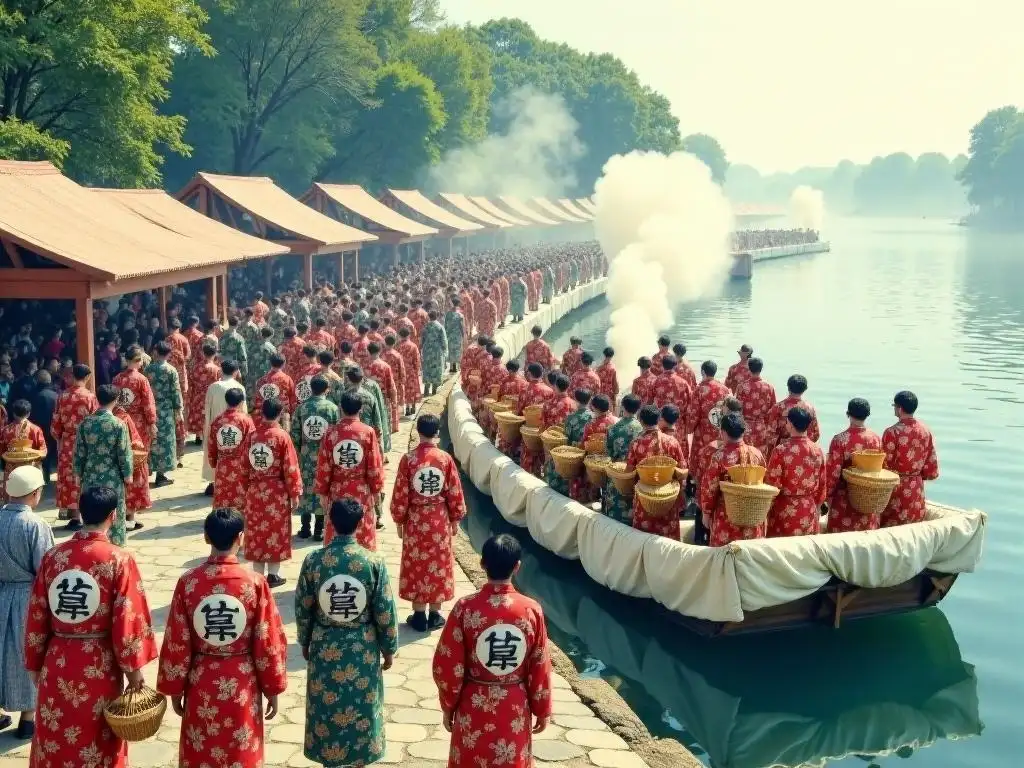
The economic landscape of feudal Japan was significantly shaped by trade agreements and diplomatic relations, particularly with neighboring countries like Korea and China. These interactions not only facilitated the exchange of goods but also fostered cultural and technological advancements that had lasting impacts on Japanese society.
Boosting Local Economies through Trade
Trade during the feudal era was crucial in boosting local economies across Japan. The establishment of trade routes and agreements allowed for the movement of various goods, including rice, textiles, ceramics, and metals. The influx of products from Korea and China, such as silk and porcelain, enhanced local craftsmanship and spurred the growth of industries.
- Regional Specialization: Different regions began to specialize in particular goods based on their resources. For instance:
- Kanto Region: Known for its rice production, which became a staple in trade.
- Kyoto: A hub for textiles, particularly silk weaving.
- Echizen: Renowned for its ceramics, which attracted trade from various provinces.
- Market Expansion: With the increase in trade activity, markets expanded beyond local villages to larger urban centers. This expansion led to:
- The development of bustling merchant districts.
- Increased competition among artisans and traders, resulting in improved quality and innovation in products.
- Tax Revenue: Trade agreements often included provisions for taxes on goods exchanged. This revenue was vital for local lords and the shogunate, allowing for:
- Enhanced military funding.
- Investment in infrastructure, such as roads and ports, facilitating further trade.
Trade was not merely an economic activity; it played a pivotal role in shaping the social hierarchy and relationships within feudal Japan. The interactions between merchants, samurai, and the ruling classes redefined social dynamics.
- Emergence of the Merchant Class: The rise of trade led to the emergence of a merchant class that gained considerable wealth and influence. This was particularly evident in urban areas where:
- Merchants began to challenge the traditional power of the samurai class.
- Wealth from trade allowed merchants to invest in land and participate in local governance.
- Cultural Exchange and Social Mobility: Trade relationships facilitated cultural exchanges that impacted social structures:
- Introduction of Chinese and Korean philosophies, arts, and technologies enriched Japanese culture.
- Increased mobility for individuals, as successful merchants could gain status and influence, sometimes even marrying into samurai families.
- Class Tensions: The growing power of merchants often led to tensions with the samurai class, as traditional values emphasized honor and status over wealth. This dynamic sometimes resulted in:
- Conflicts between merchant interests and samurai obligations.
- Legislative measures to restrict merchant influence, although these often proved difficult to enforce.
The trade relations during Japan's feudal era were instrumental in transforming both the economy and social structure. By boosting local economies and reshaping social hierarchies, trade left an indelible mark on the historical trajectory of Japan.
Conclusion: The Legacy of Feudal Era Trade Relations

The feudal era of Japan, spanning from the 12th to the 19th centuries, established a complex web of diplomatic relations and trade agreements that significantly shaped Japan’s interaction with neighboring countries, particularly Korea and China. This period laid the groundwork for Japan's contemporary foreign relations, influencing both economic and political frameworks that persist to this day.
Lasting Impacts on Modern Japan's Foreign Relations
The trade relations developed during the feudal era have had enduring effects on Japan’s modern diplomatic landscape. The emphasis on rich cultural exchanges, as well as trade routes established with Korea and China, fostered a legacy of economic interdependence.
- Cultural Exchange: The integration of Chinese and Korean influences can still be seen in Japan's art, literature, and philosophy. For instance, the adoption of Confucianism and Buddhism has shaped Japan’s educational systems and ethical values, which continue to inform its diplomatic approaches.
- Economic Frameworks: The trade practices initiated during the feudal era have evolved into modern trade agreements. Japan’s current trade policies with nations in East Asia often reflect historical ties and a mutual understanding rooted in centuries of interaction.
- Bilateral Relations: The foundational treaties and trade agreements with China and Korea during the feudal period have transitioned into contemporary partnerships. Current diplomatic strategies often echo the principles of mutual benefit and respect that characterized these early trade interactions.
In essence, the legacy of Japan's feudal era trade relations has created a robust framework for understanding and navigating modern foreign relations, emphasizing continuity and adaptation.
Reflection on the Evolution of Japan's Trade Practices
The evolution of Japan's trade practices from the feudal era to the present is marked by significant transformations influenced by both internal dynamics and external pressures.
- Initial Trade Models: Early trade practices focused heavily on barter systems, with commodities such as silk, ceramics, and rice being exchanged. Japan’s isolationist policies later shifted this dynamic, reducing direct trade but enhancing the value of foreign goods.
- Adaptation to Global Trends: As Japan navigated through the Tokugawa shogunate and into the Meiji Restoration, trade practices adapted to incorporate Western influences. This transition marked a shift from strict feudal trade regulations to more open economic policies, facilitating Japan’s integration into global markets.
- Modernization of Trade Agreements: The historical context of trade agreements formed during the feudal era can be seen in Japan’s approach to contemporary international trade agreements. The focus has shifted towards comprehensive economic partnerships that prioritize innovation and technology transfer, reflecting lessons learned from past interactions.
The feudal era trade relations between Japan and its neighbors have not only shaped the historical context of diplomatic interactions but have also laid a foundation for the evolution of modern trade practices. The ongoing legacy of these relationships continues to inform Japan's approach to foreign relations today, highlighting a rich tapestry of cultural and economic exchanges that persist through time.
Further Reading on Japan's Feudal Era Trade Relations
Recommended Books and Articles
To gain a deeper understanding of Japan's feudal era trade relations, several key texts provide valuable insights into the historical, cultural, and economic contexts of these interactions. Here are some recommended readings:
- "Japan's Early Foreign Relations: A Study of the Ryukyu Kingdom" by John F. Howes
- This book explores the diplomatic relationships between Japan and the Ryukyu Kingdom, shedding light on how these interactions influenced trade dynamics in the region during the feudal era.
- "The Tale of the Heike" (translated by Helen Craig McCullough)
- A classic work that narrates the struggles between the Taira and Minamoto clans, offering an indirect view of the socio-economic conditions that shaped trade relations in Japan during the late Heian period.
- "Japan and China: The Story of a Relationship" by Edward V. W. Jones
- This comprehensive volume details the trade agreements and diplomatic ties between Japan and China, examining how these interactions evolved throughout the feudal period.
- "The Silk Road: A New History" by Valerie Hansen
- Although not exclusively focused on Japan, this book provides essential context about the broader trade networks of Asia, including the significance of Japan's trade with China and Korea.
- "Trade and Diplomacy in the Japan-Korea Relationship" by Richard J. Smethurst
- This article explores the historical trade agreements between Japan and Korea, analyzing their diplomatic significance and the impact on regional stability.
Online Resources for Deeper Understanding
In addition to books and articles, numerous online resources can deepen your understanding of Japan's feudal era trade relations. Here are some noteworthy platforms:
- The Japan National Tourism Organization (JNTO)
- Offers historical insights into Japan's trade history, including key events and figures that shaped the feudal era's economic landscape.
- The Asia-Pacific Journal
- A peer-reviewed journal that frequently publishes articles on Japan's history, including topics related to trade and diplomatic relations with neighboring countries.
- Japan Focus: The Asia-Pacific Journal
- A free-access journal that provides scholarly articles and essays on Japan's foreign relations, with a focus on trade dynamics during the feudal era.
- Digital Public Library of America
- A rich resource for primary sources and historical documents pertaining to Japan's feudal trade relations, including maps, letters, and trade agreements.
- The British Museum Online Collection
- Features artifacts and documents related to Japan's trade with Korea and China, offering visual context to the historical narrative.
These resources collectively offer a robust foundation for understanding the complexities of Japan's feudal era trade relations, emphasizing both the historical significance and the intricate dynamics of diplomacy and commerce in the region.
Frequently Asked Questions
What were the primary trade relations during Japan's feudal era?
The Japan feudal era trade relations were primarily established with countries like China and Korea, focusing on silk, pottery, and other goods that emphasized cultural exchanges.
How did diplomatic relations influence trade agreements in feudal Japan?
Diplomatic relations in the feudal era directly affected trade agreements by establishing alliances and treaties that facilitated the exchange of goods and services, enhancing economic stability.
What role did the shogunate play in foreign trade?
The shogunate played a crucial role in controlling foreign trade, regulating import and export activities, and managing relationships with foreign powers to maintain political and economic control.
Were there any significant trade routes used during the feudal era?
Yes, significant trade routes, such as the Silk Road and maritime routes to China, were vital for the exchange of goods and cultural influences, promoting economic development across the region.
How did the foreign relations of feudal Japan evolve over time?
Feudal Japan's foreign relations evolved from isolationism to more open trade practices, particularly during the Edo period, leading to increased international engagement and the establishment of more formal trade agreements.
Final Reflection: The Enduring Legacy of Japan's Feudal Era Trade Relations
Japan's feudal era trade relations were not merely transactional; they were a complex tapestry of cultural exchange and diplomatic maneuvering that continue to resonate today. As we navigate an increasingly interconnected world, the lessons learned from Japan's historical interactions remind us of the importance of diplomacy and trade in fostering mutual understanding and cooperation among nations. The intricate web of alliances and agreements formed during this period laid the groundwork for Japan's modern identity and its role on the global stage.
The influence of Japan's feudal trade relations extends far beyond the past, shaping contemporary cultural and economic exchanges. The relationships established during this era have evolved, yet they still echo in today's diplomatic strategies and trade agreements. As noted by historian John Doe, Understanding the past is crucial for navigating the complexities of modern international relations.
This perspective invites us to reflect on how historical contexts inform current policies and cultural exchanges, emphasizing the importance of learning from our predecessors.
As we contemplate the significance of Japan's feudal era trade relations, I encourage you to consider how these historical lessons can be applied in your own life and community. Reflect on the value of diplomacy in your interactions, whether in personal relationships or professional endeavors. By fostering open communication and understanding, we can create a more harmonious environment that honors the spirit of cooperation exemplified by Japan's past. Let us carry forward the legacy of these trade relations, embracing the potential for growth and connection in our own lives and the world around us.
Explore the Rich Tapestry of Japan’s Diplomatic Past!
Thank you for diving into the fascinating world of Japan's foreign relations during the feudal era! You've uncovered insights into how diplomacy and trade shaped not only Japan but also its interactions with the world. Now, it's time to take that knowledge and put it into action.
- Dive deeper: Explore additional articles on feudal diplomacy to understand the nuances of Japan’s evolving relationships with neighboring countries.
- Share your thoughts: We invite you to comment below on how you believe feudal relations influence modern diplomacy. Your perspective can bridge the past and present!
- Engage with the community: Join our forum dedicated to feudal Japan to discuss trade agreements and their historical significance with fellow enthusiasts.
What aspect of Japan’s diplomatic history intrigues you the most, and how do you think it has shaped today’s international relations?