
Timeless Traditions: How Ryokan Reflect the Essence of Japanese Culture

Welcome to Feudal Japan History, where we invite you to embark on a captivating journey through the rich tapestry of Japan’s feudal era. In our featured article, “Timeless Traditions: How Ryokan Reflect the Essence of Japanese Culture,” we delve into the enchanting world of ryokan, traditional Japanese inns that embody the spirit of hospitality and cultural heritage. Discover how these serene havens not only offer a glimpse into the past but also enhance today’s travel experiences. Prepare to uncover the stories and traditions that make Japan’s feudal history so profoundly fascinating—your adventure begins here!
- Introduction to Ryokan and Japanese Cultural Heritage
- The Architectural Essence of Ryokan: A Reflection of Japanese Aesthetics
- Cultural Practices Associated with Ryokan
- The Historical Evolution of Ryokan in Japan
- Experiencing Ryokan: A Journey into Japanese Cultural Heritage
- The Role of Ryokan in Contemporary Japanese Tourism
- Conclusion: The Lasting Legacy of Ryokan in Japanese Culture
- Call to Action: Explore More About Ryokan and Japanese Cultural Heritage
- Frequently Asked Questions
- Final Reflection: Embracing the Essence of Ryokan in Japanese Cultural Heritage
- Experience the Heart of Japanese Culture!
Introduction to Ryokan and Japanese Cultural Heritage
The ryokan is more than just a traditional inn; it embodies the rich tapestry of Japanese cultural heritage, offering a unique glimpse into the past while providing a serene escape in the present. Originating from the Edo period, ryokan have served as havens for travelers, reflecting the intricate relationship between hospitality and culture in Japan.
As we delve into the essence of ryokan, we uncover the rituals, architectural elements, and philosophies that define these establishments, revealing how they encapsulate the values and aesthetics of Japanese life. This article will guide you through the historical significance, cultural relevance, and enduring charm of ryokan, illustrating how they remain a vital part of Japanese identity today.
Understanding the Concept of Ryokan in Japan
The term "ryokan" (旅館) translates directly to "traveling inn," highlighting its role as a resting place for travelers. However, this definition barely scratches the surface of what a ryokan represents. Historically, ryokan were established along ancient roads, providing accommodation for weary pilgrims and merchants. Today, they continue to offer a blend of comfort and tradition, featuring tatami-matted rooms, futon bedding, and communal baths, often sourced from natural hot springs (onsen).
Several key features define a ryokan:
- Tatami Flooring: Traditional straw mats that add warmth and a sense of tranquility.
- Futon Bedding: Soft bedding laid out on the tatami, enhancing the authentic Japanese experience.
- Kaiseki Cuisine: A multi-course meal that showcases seasonal ingredients and culinary artistry.
- Onsen Access: Many ryokan are located near hot springs, allowing guests to relax in therapeutic waters.
In essence, staying at a ryokan is not merely about accommodation; it is an immersive experience that invites guests to appreciate the aesthetics and philosophies of Japanese culture.
The Significance of Ryokan in Japanese Society and History
Ryokan hold a prominent place in the narrative of Japanese society, blending hospitality with cultural expression. They are not just places to stay; they are venues where the principles of omotenashi (Japanese hospitality) come to life, emphasizing respect, attentiveness, and a keen sense of service. The architecture and design of ryokan encapsulate the harmony between nature and human habitation, often employing natural materials and integrating the surrounding landscapes into their layouts.
Throughout history, ryokan have adapted to societal changes while maintaining their core values. For example, during the Meiji Restoration, many ryokan began to incorporate Western influences, yet they remained steadfast in preserving traditional practices. Today, ryokan continue to be popular among both domestic and international travelers seeking an authentic Japanese experience.
Key Aspects of Ryokan's Cultural Significance:
- Cultural Preservation: Ryokan serve as custodians of traditional Japanese customs and practices, ensuring they are passed down through generations.
- Relaxation and Reflection: The serene environment of ryokan encourages guests to unwind and connect with their surroundings, fostering a deeper appreciation for Japanese culture.
- Tourism and Economy: Ryokan play a crucial role in the tourism industry, contributing to the local economy while promoting cultural exchange.
Ryokan are a vital aspect of Japan's cultural heritage, encapsulating the essence of Japanese hospitality, aesthetics, and tradition. Their continued relevance in modern society speaks to the enduring nature of cultural practices that resonate with both the past and present.
The Architectural Essence of Ryokan: A Reflection of Japanese Aesthetics
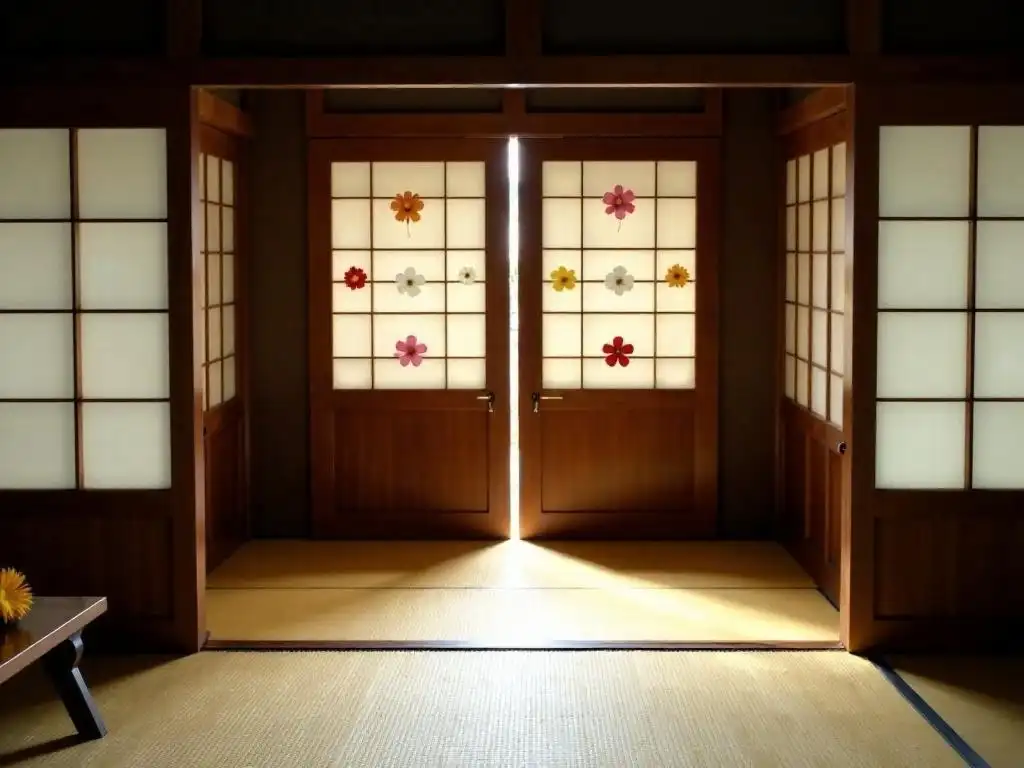
The architectural design of ryokan is not merely functional; it embodies the aesthetic principles of Japanese culture, reflecting a deep connection to nature and an appreciation for simplicity and tranquility. Ryokan serve as traditional Japanese inns that provide guests with an immersive experience of Japan’s rich cultural heritage. The design elements of ryokan are deeply rooted in historical practices, with a focus on harmony, balance, and a seamless integration with the surrounding environment.
Traditional Design Elements of Ryokan
The architectural features of ryokan are characterized by several distinctive elements that highlight traditional Japanese aesthetics:
- Tatami Mats: These woven straw mats are a quintessential feature of ryokan, providing a natural and warm flooring option. The use of tatami contributes to the overall ambiance of tranquility and comfort, inviting guests to relax.
- Sliding Doors (Shoji): Shoji screens are made of thin wooden frames covered with translucent paper. They allow natural light to filter into the space while maintaining privacy. This design element emphasizes the fluidity of spaces, as rooms can easily be reconfigured by sliding these doors.
- Engawa (Veranda): The engawa is a narrow wooden corridor that runs along the outside of the building, bridging the indoor and outdoor spaces. It offers guests a peaceful area to sit and enjoy the surrounding gardens or landscapes, reinforcing the connection with nature.
- Natural Materials: Ryokan are typically constructed using natural materials such as wood, bamboo, and stone, which not only provide a rustic aesthetic but also promote sustainability. The choice of materials is intentional, aiming to create a warm and inviting atmosphere that resonates with the natural environment.
- Simplicity and Minimalism: The overall design philosophy of ryokan embraces simplicity, avoiding excessive ornamentation. This minimalism allows for a serene environment where the focus can shift from the physical space to the experience of being present in the moment.
These design elements collectively create an atmosphere that reflects the essence of Japanese culture, emphasizing mindfulness and an appreciation for simplicity.
The Role of Nature in Ryokan Architecture
Nature plays a pivotal role in the architecture of ryokan, reinforcing the connection between the built environment and the natural landscape. This relationship is manifested in several ways:
- Landscape Integration: Ryokan are often strategically located in scenic areas, such as near mountains, rivers, or gardens. The architecture is designed to frame these natural views, allowing guests to experience the beauty of the surroundings from within the inn.
- Gardens and Outdoor Spaces: Many ryokan feature meticulously crafted gardens that are integral to the overall design. These gardens not only enhance the aesthetic appeal but also serve as a place for reflection and relaxation. The use of natural elements like water, rocks, and plants contributes to a sense of harmony and peace.
- Seasonal Awareness: The architecture of ryokan is designed to celebrate the changing seasons. Large windows and open spaces allow for the enjoyment of seasonal views, whether it’s cherry blossoms in spring or colorful foliage in autumn. This seasonal connection fosters a deeper appreciation for the natural cycles of life.
- Natural Light and Ventilation: The architectural design incorporates natural light and ventilation, creating a comfortable environment that minimizes reliance on artificial lighting and climate control. This approach not only enhances the guest experience but also aligns with sustainable practices.
Through these architectural principles, ryokan offer more than just a place to stay; they provide an immersive experience that embodies the essence of Japanese cultural heritage, where every design choice is a tribute to the beauty of nature and the art of simplicity.
Cultural Practices Associated with Ryokan

The cultural significance of ryokan extends beyond mere hospitality; they are deeply intertwined with Japan's rich traditions and societal norms. As traditional inns, ryokan offer a unique glimpse into the customs that shape Japanese life, providing guests with an immersive experience of the nation’s cultural heritage. Here, we explore three pivotal cultural practices associated with ryokan: Kaiseki dining, the onsen experience, and the use of tatami and futon.
Kaiseki: The Culinary Art of Ryokan Dining
Kaiseki is not just a meal; it's a culinary journey that embodies the aesthetics of Japanese culture. Originating from the tea ceremony, this multi-course dining experience showcases seasonal ingredients, artistic presentation, and meticulous attention to detail.
-
Seasonality and Local Ingredients: Kaiseki menus change with the seasons, highlighting the freshest local produce. For example, spring might feature bamboo shoots and cherry blossoms, while autumn could showcase mushrooms and chestnuts.
-
Presentation and Aesthetics: Each dish in a kaiseki meal is carefully arranged to please the eye, often mirroring the natural beauty of the surroundings. Dishes may be served on handcrafted pottery, enhancing the dining experience.
-
Cultural Significance: The ritual of sharing a kaiseki meal reflects values of harmony, respect, and gratitude. It emphasizes the importance of community and connection, making it a quintessential element of the ryokan experience.
-
Example of a Kaiseki Menu:
Course Description Sakizuke An appetizer, often pickled vegetables Mukozuke Sashimi, showcasing fresh seafood Takiawase Simmered vegetables Nimono Stewed dishes, typically seasonal Shokuji Rice, miso soup, and pickles Mizumono A dessert, often fruit or wagashi
Onsen: The Healing Waters of Traditional Japanese Inns
Onsen, or hot springs, are an integral part of the ryokan experience, reflecting Japan's deep connection to nature and wellness. The use of onsen dates back centuries and is laden with cultural and therapeutic significance.
- Therapeutic Benefits: The minerals in onsen water are believed to provide various health benefits, including relief from muscle pain, improved circulation, and skin rejuvenation.
- Cultural Rituals: Bathing in an onsen involves specific customs, such as washing before entering the communal bath and observing quietness to respect others’ tranquility. These practices highlight the values of cleanliness and respect that permeate Japanese culture.
- Types of Onsen: Onsen can vary in type depending on their mineral content and the source of the water. Some popular types include:
- Sulfur Onsen: Known for their distinct smell and skin-soothing properties.
- Carbonate Onsen: Renowned for their ability to improve blood circulation.
- Scenic Locations: Many ryokan are strategically located near natural hot springs, providing breathtaking views and a serene atmosphere that enhances the overall relaxation experience.
Tatami and Futon: The Symbolic Elements of Japanese Living Spaces
The traditional Japanese living space within a ryokan is defined by tatami mats and futons, reflecting simplicity and functionality.
- Tatami Mats: Made from rice straw and covered with woven rush grass, tatami mats are synonymous with Japanese homes. Their natural materials promote a sense of calm and connection to nature. Tatami also serves a practical purpose, providing insulation and comfort.
- Futons: The futon, a lightweight bedding option, exemplifies minimalism in Japanese culture. Traditionally rolled out on tatami mats at night and stored away during the day, futons optimize space and promote a flexible living environment.
- Cultural Significance: The use of tatami and futon signifies a lifestyle that values simplicity, harmony, and functionality. This approach to living spaces encourages mindfulness and presence, aligning with broader Japanese cultural philosophies.
- Design and Arrangement: The aesthetic arrangement of tatami and futon within a ryokan room often adheres to traditional Japanese design principles, emphasizing balance and natural elements.
The cultural practices associated with ryokan—such as kaiseki dining, the onsen experience, and the traditional use of tatami and futon—offer profound insights into Japan's rich cultural heritage. These elements not only enhance the guest experience but also serve as a reminder of the timeless traditions that continue to shape Japanese society today.
The Historical Evolution of Ryokan in Japan
Ryokan During the Feudal Era: Origins and Development
The roots of ryokan can be traced back to the Heian Period (794-1185), but their significant evolution occurred during the feudal era. Initially, ryokan emerged as simple resting places for travelers and pilgrims. These inns were strategically located along major highways, facilitating the movement of merchants, samurai, and religious figures.
As Japan transitioned into the Kamakura Period (1185-1333), the demand for lodging increased due to the rise in trade and travel. Ryokan began to evolve, reflecting the burgeoning commerce and the growing influence of the samurai class. These early establishments typically featured straw tatami mats, communal baths, and a limited selection of local cuisine, often centered around seasonal ingredients.
During the Muromachi Period (1336-1573), the aesthetic of ryokan started to incorporate elements of Zen philosophy, promoting tranquility and a connection to nature. This era saw the introduction of shoji screens and sliding doors, which enhanced the guest's experience by integrating indoor and outdoor spaces. The development of these traditional inns paralleled the consolidation of power among feudal lords, who frequently traveled and required accommodations for their retinues.
The Influence of Samurai Culture on Ryokan Practices
The samurai class had a profound impact on the evolution of ryokan, both in terms of architecture and the services offered. As protectors of the realm, samurai frequently traveled for military campaigns and administrative duties, necessitating reliable lodging. Ryokan began to adopt practices that catered specifically to these elite travelers.
Key aspects of the samurai influence included:
- Formal Etiquette: The samurai brought with them a strict code of conduct, which influenced the service style within ryokan. Guests were treated with exceptional respect and formality, ensuring a memorable experience.
- Culinary Excellence: The dining experience became more refined, with feasts prepared to honor samurai guests. Local seasonal ingredients were accentuated, and the preparation often involved meticulous attention to detail, reflecting the samurai's appreciation for aesthetics.
- Cultural Exchange: Ryokan served as meeting points for samurai and other influential figures, facilitating cultural exchange through poetry, art, and philosophy. This led to the establishment of ryokan as sites of not just rest, but also cultural discourse.
The emphasis on harmony, aesthetics, and respect for nature that was prevalent in samurai culture also began to permeate the design and ambiance of ryokan. This alignment helped solidify the ryokan as an integral part of Japan’s cultural heritage.
Modern Adaptations of Traditional Ryokan
In contemporary Japan, ryokan are experiencing a renaissance as they adapt to the demands of modern tourism while retaining their historical essence. Many ryokan have evolved from simple inns into luxurious accommodations that offer a blend of traditional and modern amenities.
Key adaptations include:
- Enhanced Comfort: Modern ryokan often feature amenities such as private bathrooms, air conditioning, and high-quality bedding, while maintaining traditional tatami mat flooring and futons.
- Culinary Innovation: Many ryokan now offer kaiseki dining, a multi-course meal that celebrates seasonal ingredients, prepared using both traditional and contemporary culinary techniques. This evolution attracts food enthusiasts and travelers interested in authentic Japanese cuisine.
- Wellness Focus: The concept of wellness has been integrated into the ryokan experience, with many establishments offering onsen (hot springs) and spa services. This aspect appeals to a growing number of tourists seeking relaxation and rejuvenation.
- Cultural Experiences: Many modern ryokan focus on providing guests with immersive cultural experiences, such as tea ceremonies, calligraphy, and kimono dressing, enhancing their understanding of Japanese cultural heritage.
The fusion of tradition and modernity in ryokan ensures their relevance in today’s travel landscape, making them a vital part of Japan's ongoing cultural narrative. Through these adaptations, ryokan continue to reflect the essence of Japanese culture, bridging the past with the present.
Experiencing Ryokan: A Journey into Japanese Cultural Heritage
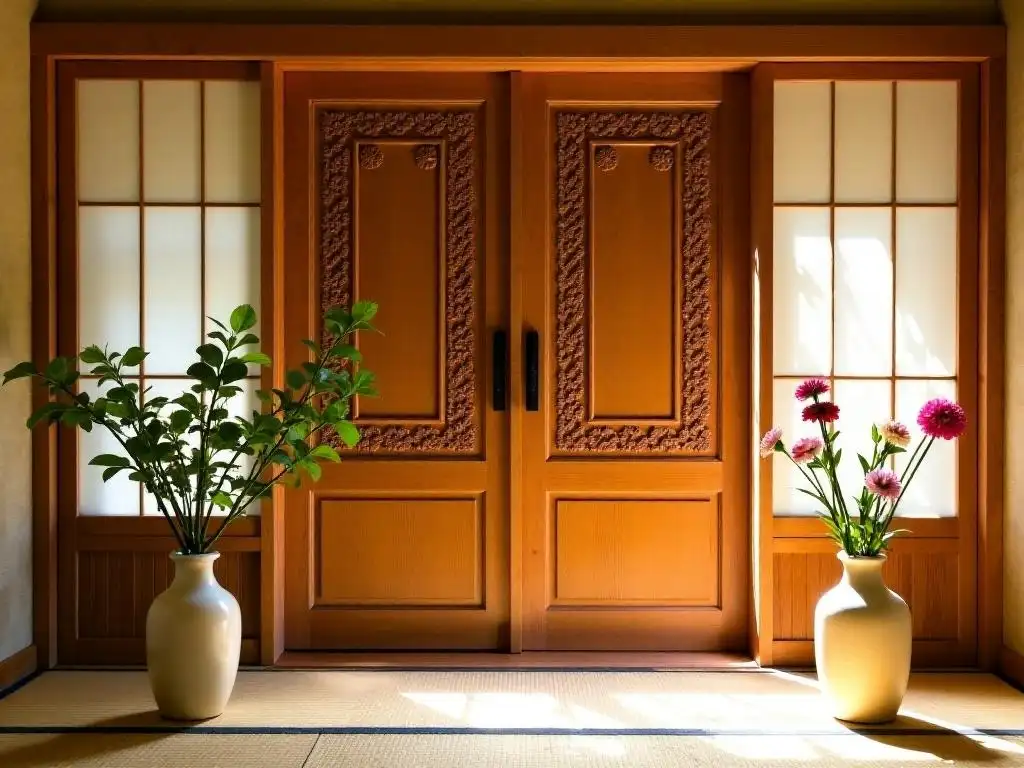
Staying at a ryokan offers a unique opportunity to immerse oneself in the rich tapestry of Japanese cultural heritage. These traditional inns are not merely places to rest; they serve as living museums that encapsulate centuries of history, architecture, and customs. The essence of a ryokan lies in its ability to blend the natural environment with traditional Japanese aesthetics, creating an atmosphere of tranquility and harmony.
Architectural Elements and Design
The architectural design of ryokan is steeped in historical significance. Typically constructed from natural materials such as wood and paper, these structures often feature:
- Tatami Mats: Made from rice straw and covered with woven rush grass, tatami mats foster a sense of warmth and comfort.
- Shoji Screens: These sliding doors, made of wooden frames and translucent paper, create a seamless connection between indoor and outdoor spaces.
- Engawa: This wooden veranda enhances the experience of being close to nature, providing a space to relax and enjoy the surrounding scenery.
The design of ryokan not only reflects aesthetic beauty but also promotes the principles of simplicity and minimalism, which are deeply rooted in Japanese culture.
Culinary Heritage: Kaiseki Dining
One cannot discuss ryokan without mentioning the culinary experience. Ryokan often serve kaiseki, a multi-course meal that emphasizes seasonal ingredients and the beauty of presentation. Each dish is crafted with meticulous attention to detail, showcasing the essence of Japanese cuisine:
- Sashimi: Freshly sliced fish that highlights local seafood.
- Grilled Fish: A staple in many ryokan, featuring local catches.
- Seasonal Vegetables: Often sourced from the surrounding area, these dishes reflect the changing seasons.
The dining experience at a ryokan is not just about food; it is an art form that engages all the senses, fostering a deeper appreciation for Japanese culinary traditions.
Recommended Ryokan: Where to Stay for Authentic Experience
Choosing the right ryokan can significantly enhance your journey into Japanese culture. Here are some highly recommended ryokan that offer authentic experiences:
| Ryokan Name | Location | Features |
|---|---|---|
| Tawaraya | Kyoto | Renowned for its exquisite service and serene gardens. |
| Hoshinoya | Kyoto | Combines modern luxury with traditional aesthetics. |
| Gion Shinmonso | Kyoto | Offers a glimpse into the historical Gion district. |
| Yoshida-sanso | Kyoto | A secluded retreat with stunning views and traditional architecture. |
These ryokan not only provide comfortable accommodations but also serve as gateways to experiencing the rich cultural heritage of Japan.
Activities and Experiences: Immersing Yourself in Japanese Culture
Staying at a ryokan opens the door to a plethora of cultural activities that deepen your understanding of Japanese heritage. Here are some enriching experiences you can look forward to:
- Onsen (Hot Springs): Many ryokan feature their own onsen, allowing guests to relax in natural hot spring waters, a practice deeply rooted in Japanese tradition.
- Tea Ceremony: Participate in an authentic tea ceremony, where the art of preparing and presenting matcha is demonstrated, showcasing the elegance and tranquility of this cultural ritual.
- Calligraphy and Origami Workshops: Engage in hands-on workshops to learn traditional Japanese arts, providing insight into the meticulous craftsmanship that defines Japanese culture.
- Seasonal Festivals: Depending on when you visit, some ryokan offer opportunities to participate in local festivals, allowing you to experience Japan’s vibrant cultural celebrations firsthand.
Experiencing a stay at a ryokan is more than just a getaway; it is a journey into the heart of Japanese cultural heritage, where every detail is a reflection of time-honored traditions and the essence of Japan itself.
The Role of Ryokan in Contemporary Japanese Tourism
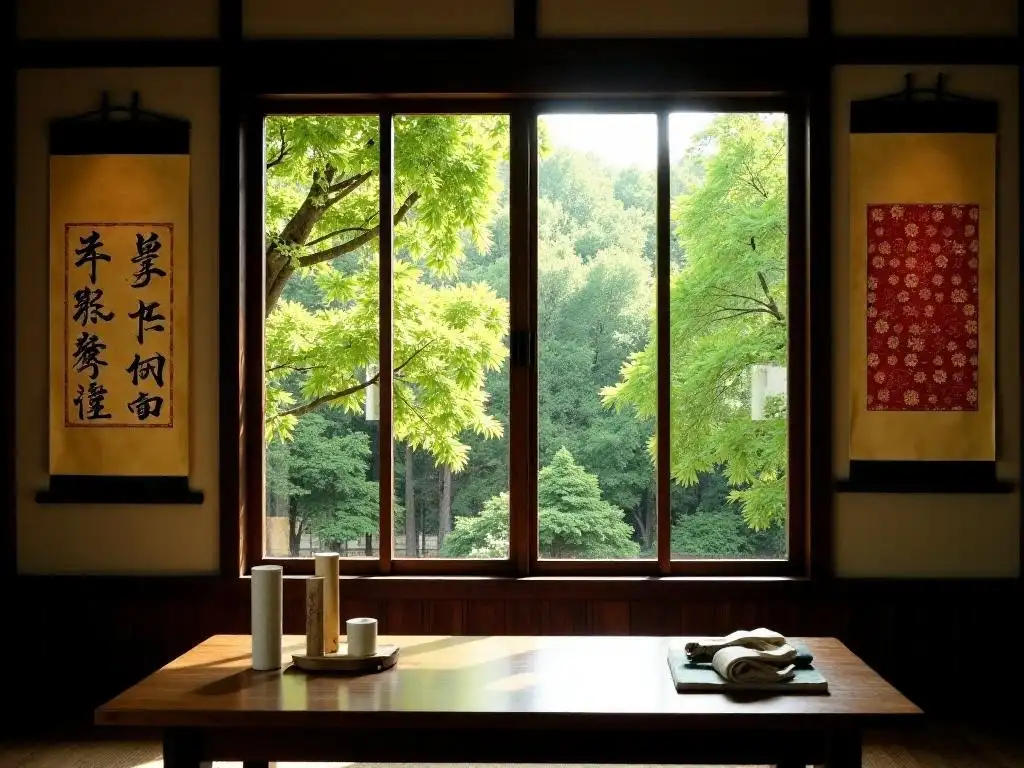
The ryokan, a traditional Japanese inn, plays a pivotal role in the modern landscape of Japanese tourism. These establishments are not just places for overnight stays; they serve as cultural ambassadors that convey the essence of Japanese hospitality, aesthetics, and customs. As tourists increasingly seek authentic experiences, ryokan offer a unique blend of comfort and cultural immersion that is hard to find elsewhere.
How Ryokan Promote Japanese Cultural Heritage to Tourists
Ryokan are deeply rooted in Japanese history and tradition, dating back centuries. They provide visitors with an opportunity to experience a variety of cultural practices that define Japanese life. Here are some key aspects of how ryokan promote Japanese cultural heritage:
- Authentic Cuisine: Many ryokan offer kaiseki, a multi-course meal that highlights seasonal ingredients and regional specialties. This culinary art form reflects Japan's respect for nature and its changing seasons.
- Traditional Architecture: Visitors can admire the unique architectural features of ryokan, such as tatami mat flooring, shoji sliding doors, and futon bedding. These elements are not just aesthetic; they embody principles of simplicity and harmony with nature.
- Cultural Practices: Guests often participate in traditional practices such as wearing yukata (casual kimono), enjoying onsen (hot spring baths), and partaking in tea ceremonies. These experiences allow tourists to engage with Japan’s cultural heritage on a personal level.
- Local Art and Craftsmanship: Ryokan frequently showcase local art, pottery, and crafts, giving tourists insight into the region’s artistic traditions and supporting local artisans.
By immersing themselves in these traditions, tourists gain a deeper appreciation for Japanese culture, promoting cultural exchange and understanding.
The Economic Impact of Ryokan on Local Communities
The economic impact of ryokan extends beyond mere accommodations; they play a fundamental role in supporting local economies. Here are some of the ways ryokan contribute economically to their communities:
- Job Creation: Ryokan provide employment opportunities not only within the inns themselves but also in associated industries, such as local food production, crafts, and transportation. This creates a ripple effect that benefits the entire community.
- Support for Local Agriculture and Producers: Many ryokan source their ingredients from nearby farms and markets, ensuring that local agricultural practices thrive. This not only promotes sustainability but also strengthens the local economy.
- Tourism Revenue: Ryokan attract both domestic and international tourists, generating significant revenue for local businesses, including shops, restaurants, and attractions. This influx of visitors helps sustain the local economy, especially in rural areas where alternative sources of income may be limited.
- Cultural Preservation: By maintaining traditional practices and promoting local crafts, ryokan contribute to the preservation of cultural heritage, which can be a significant draw for tourists. This preservation is essential for maintaining the unique identity of local communities.
Ryokan are a vital component of Japan’s tourism industry, promoting cultural heritage while simultaneously boosting local economies. Their continued relevance in contemporary tourism highlights the importance of preserving these traditional inns as a means of maintaining Japanese cultural identity in the modern world.
Conclusion: The Lasting Legacy of Ryokan in Japanese Culture
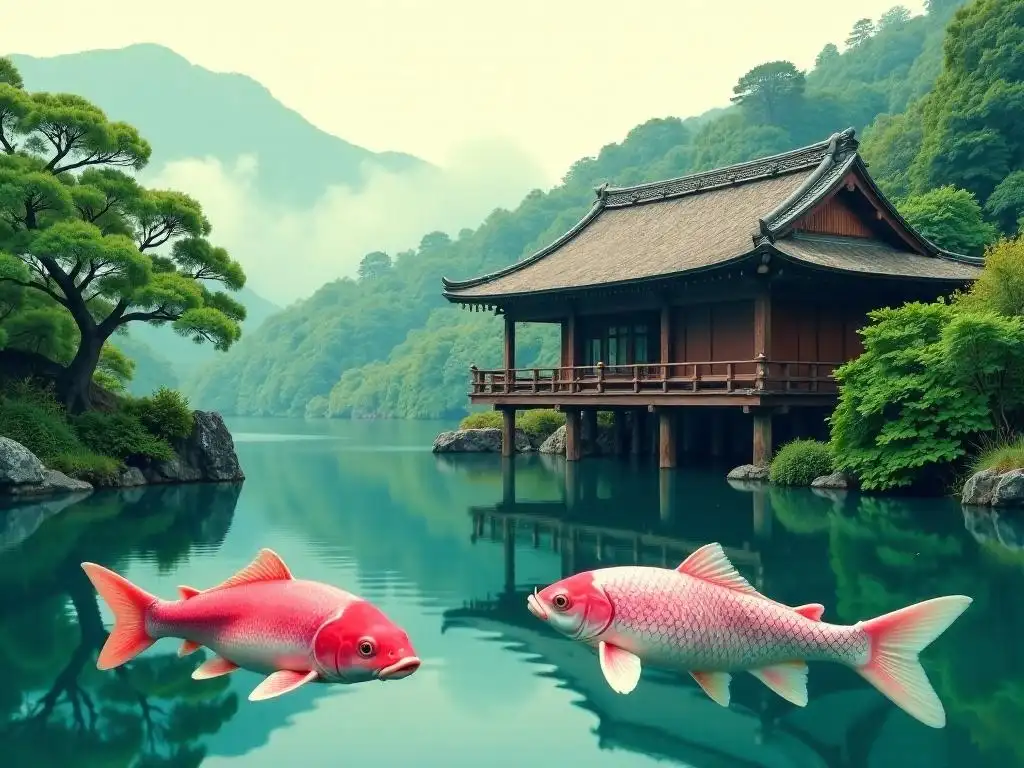
The legacy of ryokan, traditional Japanese inns, is deeply intertwined with the essence of Japanese culture. These establishments not only serve as accommodations but also as living embodiments of Japan's historical and cultural narrative. Each ryokan offers a unique glimpse into the refined aesthetics and hospitality that define Japanese society, showcasing the values of simplicity, nature, and harmony.
Ryokan are characterized by their tatami mat flooring, sliding shoji doors, and futon bedding, which reflect the traditional Japanese approach to space and comfort. The architecture and interior design of these inns often incorporate natural elements, such as wood and stone, creating a serene environment that invites guests to unwind. This aesthetic is rooted in the concept of wabi-sabi, which values the beauty found in imperfection and transience, further enhancing the cultural significance of ryokan.
Moreover, the culinary aspect of ryokan stays is equally important. Guests are treated to kaiseki meals, which are meticulously prepared with seasonal ingredients, highlighting the connection between food and the changing seasons in Japan. This culinary tradition not only satisfies the palate but also serves as a cultural education, allowing visitors to appreciate the artistry and philosophy behind Japanese cuisine.
The Future of Ryokan and Its Cultural Significance
As contemporary society evolves, ryokan are faced with both challenges and opportunities that will shape their future. The rise of modern hotels and changing travel preferences impact the traditional ryokan experience. However, many ryokan are adapting by integrating modern amenities while preserving their cultural heritage.
To maintain their relevance, some ryokan are embracing eco-friendly practices and promoting sustainable tourism. This shift not only caters to the growing demand for responsible travel but also ensures that the ryokan can continue to be stewards of Japanese culture and tradition. By highlighting local artisans and promoting regional customs, ryokan can serve as a crucial link between visitors and the rich cultural tapestry of Japan.
Innovative approaches include:
- Themed stays: Offering experiences that focus on specific cultural practices, such as tea ceremonies or calligraphy workshops.
- Collaborations with local artists: Hosting exhibitions or workshops that allow guests to engage with traditional crafts.
- Culinary experiences: Providing cooking classes featuring local cuisine, further immersing guests in the cultural experience.
Encouragement to Experience Ryokan and Support Cultural Heritage
To truly appreciate the depth of Japanese culture, experiencing a stay at a ryokan is essential. Visitors are encouraged to immerse themselves in the tranquil surroundings, participate in traditional customs, and savor the cuisine that has been refined over centuries.
Supporting ryokan not only enriches one's travel experience but also contributes to the preservation of Japan's cultural heritage. By choosing to stay in these traditional inns, travelers help sustain local economies and promote the continuation of age-old traditions that might otherwise fade away in the face of modernization.
Ryokan are more than just places to sleep; they are a gateway to understanding the intricate relationship between Japan's past and present. By embracing the opportunity to experience ryokan, travelers can forge a deeper connection with Japanese culture while playing a vital role in its preservation for future generations. 🌸
Call to Action: Explore More About Ryokan and Japanese Cultural Heritage
Immerse yourself in the rich tapestry of Japanese culture by exploring the unique experience that ryokan offer. These traditional inns are not just places to stay; they are gateways to understanding the profound connection between hospitality, nature, and artistry that defines Japanese cultural heritage. From the serene ambiance to the meticulous attention to detail in every aspect of service, ryokan provide a glimpse into the essence of Japanese life and traditions.
Links to Further Reading and Resources
To deepen your understanding of ryokan and Japanese cultural heritage, consider exploring the following resources:
- The History of Ryokan: An insightful overview of the origins and evolution of ryokan throughout the centuries.
- Culinary Traditions at Ryokan: Discover how traditional Japanese cuisine, or kaiseki, is intricately tied to the ryokan experience, highlighting the seasonal ingredients and presentation.
- Architectural Features of Ryokan: A detailed examination of the unique architectural styles of ryokan, including tatami mat flooring, sliding shoji doors, and the integration of gardens.
- Cultural Etiquette in Ryokan: Learn about the customs and manners that guests should observe when visiting a ryokan to fully appreciate the experience.
These readings will enhance your appreciation for the role of ryokan in preserving and promoting Japanese cultural heritage, making your visit all the more meaningful.
Suggestions for Booking and Visiting Traditional Ryokan
When planning your stay at a ryokan, consider these essential tips to ensure a memorable experience:
- Research Different Regions:
- Kyoto: Known for its historic ryokan that offer traditional experiences amidst ancient temples.
- Hakone: Famous for its onsen (hot springs), providing a relaxing retreat in nature.
- Nikko: Offers ryokan with stunning views and rich natural landscapes.
- Choose the Right Season:
- Spring: Experience cherry blossoms and seasonal kaiseki menus.
- Autumn: Enjoy the vibrant fall foliage and themed accommodations.
- Book in Advance:
- Many ryokan have limited capacity and can fill up quickly, especially during peak travel seasons.
- Inquire About Amenities:
- Check if the ryokan offers meals, onsen access, and special cultural experiences like tea ceremonies or calligraphy classes.
- Consider Dietary Preferences:
- Inform the ryokan in advance about any dietary restrictions to ensure a delightful culinary experience.
By following these suggestions, you will not only find a ryokan that suits your needs but also enhance your journey into the heart of Japanese culture. Embrace the opportunity to connect with the traditions that have shaped Japan over centuries, creating lasting memories in the process.
Frequently Asked Questions
What is a Ryokan?
A Ryokan is a traditional Japanese inn, characterized by tatami-matted rooms, communal baths, and a focus on hospitality. These inns often reflect the cultural heritage of Japan, providing guests with an authentic experience.
How do Ryokan embody Japanese cultural heritage?
Ryokan showcase timeless traditions through their architecture, decor, and services, emphasizing minimalism and a connection to nature. They often incorporate local customs and seasonal elements, reinforcing their role in preserving Japanese culture.
Are there specific rituals associated with staying at a Ryokan?
Yes, staying at a Ryokan often includes participating in rituals such as kimono-wearing, enjoying a kaiseki meal, or soaking in an onsen. These practices highlight the cultural significance of hospitality and relaxation in Japanese society.
What role do Ryokan play in Japan's tourism?
Ryokan serve as a unique tourism experience, offering visitors a glimpse into Japanese traditions and lifestyle. They attract those looking to immerse themselves in Japan’s cultural heritage, making them an essential part of the tourism landscape.
How has the concept of Ryokan evolved in modern times?
While traditional Ryokan maintain their heritage, many have adapted to contemporary needs by incorporating modern amenities. This evolution allows them to appeal to a broader audience while still celebrating Japanese cultural values.
Final Reflection: Embracing the Essence of Ryokan in Japanese Cultural Heritage
The exploration of Ryokan and their significance in Japanese cultural heritage is more relevant today than ever. In a world that often prioritizes rapid modernization and globalization, the tranquil beauty and deep-rooted traditions of Ryokan serve as a reminder of the importance of preserving cultural identity. As we navigate the complexities of contemporary life, the essence of Ryokan invites us to slow down, reflect, and reconnect with the values that define us.
Culturally, Ryokan are not just places to stay; they are living embodiments of Japanese history, artistry, and hospitality. The influence of these traditional inns extends beyond their walls, permeating the very fabric of Japanese society and inspiring a global appreciation for simplicity and mindfulness. As the renowned Japanese author Junichiro Tanizaki once said, It is the things that we cannot see that make us feel the most.
This sentiment encapsulates the subtle yet profound impact of Ryokan on our understanding of beauty and tranquility, encouraging us to seek depth in our experiences.
As we conclude this exploration of Ryokan and their role in Japanese cultural heritage, I invite you to reflect on how these timeless traditions can inspire your own life. Consider the ways you can incorporate elements of mindfulness, simplicity, and appreciation for nature into your daily routine. Whether through a quiet moment of tea, a walk in a garden, or simply taking time to breathe, let the essence of Ryokan guide you toward a more meaningful connection with yourself and the world around you.
Experience the Heart of Japanese Culture!
Thank you for investing your time in exploring the rich tapestry of Ryokan traditions and their vital role in Japanese culture. You've uncovered the beauty and significance these inns bring to the travel experience, but there's so much more to engage with!
Now is the perfect moment to connect deeper with this timeless heritage. Here are a few actions you can take:
- Immerse yourself in the experience: Plan a visit to a Ryokan in Japan and participate in cultural activities such as a traditional tea ceremony or kaiseki dining.
- Share your newfound knowledge: Discuss this article with friends or family and invite them to explore the cultural richness of Japan together.
- Join a community: Participate in forums or social media groups focused on Japanese culture to connect with like-minded enthusiasts and share your thoughts!
What aspect of Ryokan culture fascinates you the most, and how do you think it can enhance your understanding of Japanese traditions?