
Edo Period Communication: The Evolution of Language and Expression

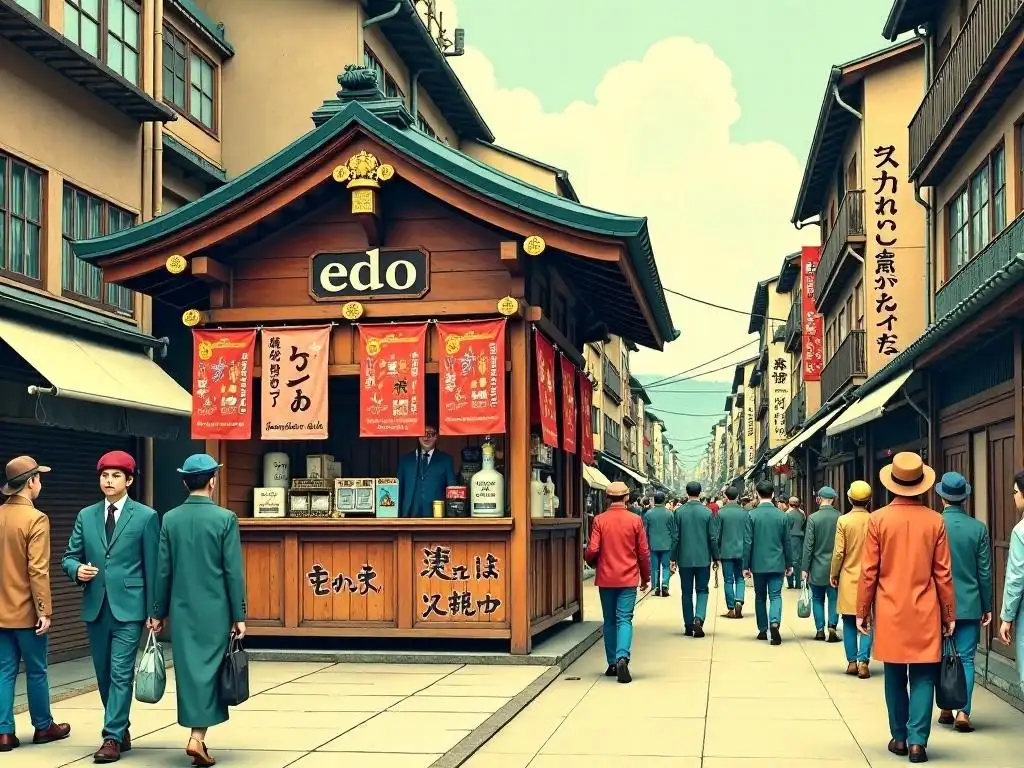
Welcome to Feudal Japan History, where we invite you to embark on a captivating journey through the intriguing tapestry of Japan’s feudal era. Our exploration begins with a deep dive into the Edo period communication methods, a fascinating subject that reveals how language and expression evolved during this transformative time. As you navigate through our expert-driven articles, you’ll uncover the rich cultural and societal nuances that shaped communication in the Edo period. What secrets lie within the letters and dialogues of this era? Join us as we unravel the past and spark your curiosity to learn more!
- Edo Period Communication Methods: An Overview
- Key Communication Methods in the Edo Period
- The Influence of Social Hierarchies on Communication
- Technological Advancements and Their Impact on Communication
- Cultural Expressions: Theater and Literature
- Conclusion: The Legacy of Edo Period Communication Methods
-
Frequently Asked Questions
- What were the primary communication methods during the Edo period?
- How did language evolve during the Edo period?
- What role did art and literature play in communication during this time?
- How did the merchant class influence communication methods?
- What impact did the Edo period have on modern Japanese communication?
- Final Reflection: The Enduring Legacy of Edo Period Communication
- Unveil the Secrets of Edo Period Expression!
Edo Period Communication Methods: An Overview
The Edo period, spanning from 1603 to 1868, marked a transformative era in Japan's history characterized by peace, stability, and cultural flourish. As the Tokugawa shogunate established a centralized feudal government, communication methods evolved significantly to support the socio-political structure and cultural developments of the time. This article delves into the various communication methods utilized during the Edo period, highlighting how language and expression transformed within this unique historical context.
From the rise of print culture to the intricate systems of feudal communication, understanding these methods offers profound insights into the societal dynamics of feudal Japan. We will explore the historical context of the Edo period and the vital role that communication played in shaping its cultural landscape.
Understanding the Edo Period (1603-1868)
Historical Context of the Edo Period
The Edo period is often regarded as a golden age for Japan, characterized by the unification of the country under the Tokugawa shogunate. Following the tumultuous Sengoku period, where constant warfare prevailed, the Edo period brought about a long-lasting peace known as the Pax Tokugawa. This stability allowed for the development of commerce, arts, and a more structured society. Key events during this era include:
- Establishment of the Tokugawa Shogunate: In 1603, Tokugawa Ieyasu became shogun, initiating over 250 years of Tokugawa rule.
- Sankin-kōtai System: A policy requiring daimyōs (feudal lords) to alternate their residence between their domains and Edo (modern-day Tokyo), fostering communication and cultural exchange.
- Censorship and Control: The shogunate imposed strict controls over information and communication to maintain order and suppress dissent.
These historical developments created a backdrop for the evolution of communication methods, leading to innovations in language and expression.
Importance of Communication in Feudal Japan
Communication during the Edo period was not merely a means of relaying information; it was integral to maintaining the social fabric and governance of this feudal society. Several factors underscore its significance:
- Political Stability: Effective communication methods helped the shogunate maintain control over the provinces, facilitating the flow of orders and information.
- Cultural Exchange: The movement of people and ideas between Edo and the provinces fostered a rich cultural tapestry, evidenced by the popularity of ukiyo-e prints and kabuki theater.
- Literacy and Print Culture: The rise of woodblock printing in the 17th century democratized access to literature, allowing for the spread of knowledge and ideas among the common people.
Understanding these aspects of Edo period communication methods reveals how language and expression were intricately woven into the very essence of feudal Japanese society, influencing everything from politics to culture.
Key Communication Methods in the Edo Period
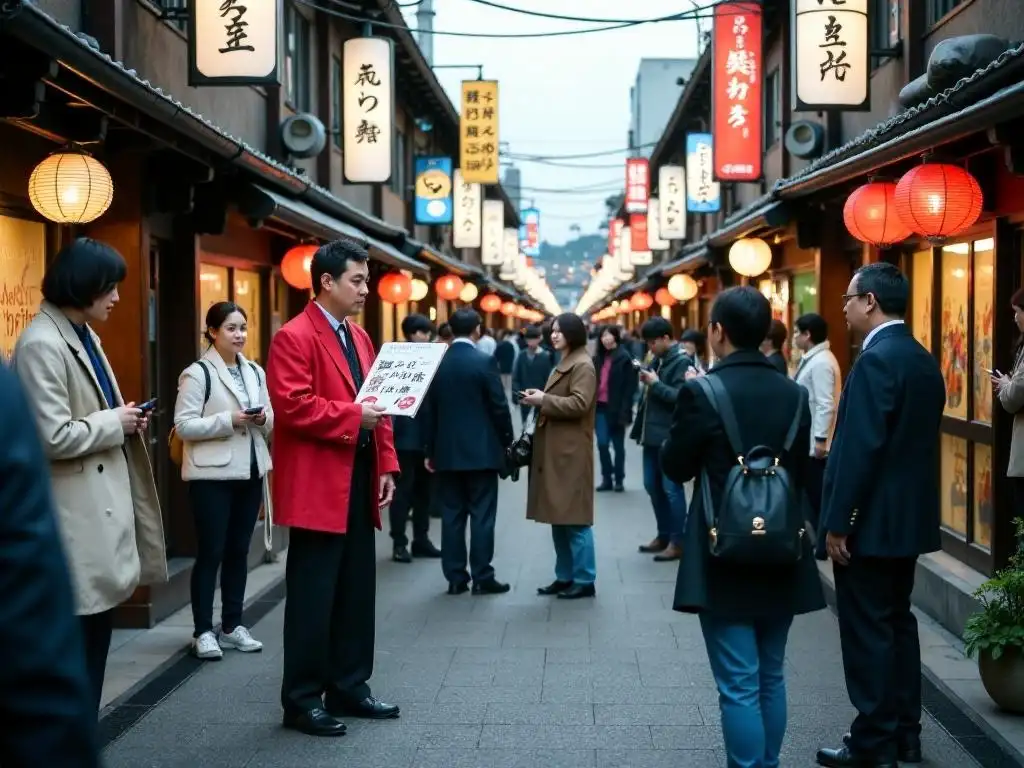
Verbal Communication: Language and Dialects
Development of the Japanese Language
During the Edo period (1603-1868), the Japanese language underwent significant transformation, influenced by socio-political changes and the flourishing of culture. This era saw the rise of a standardized form of Japanese, primarily based on the dialects of the Edo region, which would later be known as Tokyo dialect.
The Edo period was marked by the interaction of various classes, from samurai to merchants, which contributed to a more accessible and unified language. The emergence of kabuki theater, literature, and popular culture also played a pivotal role in promoting this standardization. New vocabulary, especially from Chinese and Western languages, began to permeate the language, enriching its lexicon.
Key developments included:
- The simplification of classical Japanese: The transition from classical to modern Japanese began, making it easier for the common populace to understand and communicate.
- Increased literacy rates: The government promoted education, leading to a rise in reading and writing among the populace, thus facilitating better communication.
Regional Dialects and Their Influence on Communication
Despite the push towards a standardized form of Japanese, regional dialects continued to thrive during the Edo period. These dialects not only reflected local culture and customs but also influenced interpersonal communication within and between regions.
Some notable aspects include:
- Diversity of Dialects: Each region in Japan had its own dialect, often affecting pronunciation, vocabulary, and even grammar. For instance, the Kansai dialect, spoken in the western part of Japan, is distinctly different from the Kanto dialect of Edo.
- Cultural Identity: Dialects served as a marker of regional identity, allowing individuals to express their origins and affiliations. Communication often reflected local pride and customs, enriching interactions within communities.
- Influence on Literature and Arts: Many literary works and art forms incorporated regional dialects, which added authenticity and depth to character dialogues in kabuki and novels, resonating with audiences from specific areas.
Written Communication: The Evolution of Script
Types of Writing Systems Used in the Edo Period
The written communication of the Edo period was characterized by a blend of various writing systems, each serving distinct purposes. The three primary scripts used were kanji, hiragana, and katakana.
- Kanji: Derived from Chinese characters, kanji were primarily used for nouns, verb stems, and adjectives. The complexity of kanji allowed for nuanced meanings and sophisticated expression in writing.
- Hiragana: Developed from cursive forms of kanji, hiragana was used for grammatical functions, phonetic expression, and in literature, making texts more accessible to the general populace.
- Katakana: This script was used mainly for foreign words, onomatopoeia, and for emphasis in writing. Its development reflected the increasing influence of foreign cultures during the Edo period.
The interplay among these scripts facilitated a rich literary culture, allowing for a diverse range of written expression that catered to different audiences.
The Role of Calligraphy in Communication
Calligraphy held a prestigious place in Edo period culture, not just as a means of written communication but as an art form that conveyed beauty and emotion.
- Aesthetic Expression: Calligraphy (shodō) was considered a reflection of the writer's character and emotions. Practitioners sought to express their inner feelings and thoughts through the elegance of strokes and forms.
- Cultural Significance: Calligraphy was integral to education and was often practiced by samurai and scholars. It was a sign of refinement and cultural literacy, enhancing one's social standing.
- Influence on Communication: The artistry of calligraphy influenced other forms of written communication, where the visual appeal of text became as important as the message itself. This emphasis on aesthetics in writing enriched the cultural landscape of the Edo period, making communication not only functional but also beautiful.
The Edo period communication methods, characterized by the evolution of language, dialects, and writing systems, played a crucial role in shaping Japan’s cultural identity and societal interactions. The blending of verbal and written forms created a vibrant tapestry of communication that continues to influence Japan today.
Non-Verbal Communication: Gestures and Art
In the Edo period (1603-1868), non-verbal communication played a crucial role in the daily interactions of Japanese society. Given the societal norms that emphasized politeness, hierarchy, and subtlety, gestures and artistic expressions became essential tools for conveying messages without the use of words. This form of communication was particularly significant in a society where expressing emotions openly was often discouraged.
The Significance of Non-Verbal Cues in Edo Society
Non-verbal cues in Edo society encompassed a wide range of gestures, body language, and facial expressions, which served to reinforce social hierarchies and cultural norms. For example, bowing was a fundamental gesture that signified respect and acknowledgment of another's status. The depth and duration of the bow varied depending on the relationship between individuals, reflecting the intricate nature of social interactions.
In addition to bowing, other gestures such as hand movements and eye contact were carefully regulated. Maintaining indirect eye contact could signify respect, while direct eye contact might be perceived as confrontational or disrespectful. Such non-verbal signals were vital in navigating the complex social landscape of the era, where status and relationships were paramount.
Furthermore, the Edo period saw the rise of specific gestures that became culturally embedded. For instance, the act of presenting an object with both hands symbolized sincerity and respect, while a slight tilt of the head could convey humility. These gestures were not merely spontaneous reactions but rather learned behaviors that indicated a person's upbringing and understanding of social etiquette.
Artistic Expression as a Form of Communication
Artistic expression during the Edo period served as a powerful medium for communication, transcending linguistic barriers and allowing for a rich exchange of ideas and emotions. Various art forms—such as ukiyo-e (woodblock prints), calligraphy, and traditional theater—were not only aesthetic pursuits but also vehicles for storytelling and cultural transmission.
Ukiyo-e prints often depicted scenes from everyday life, landscapes, and historical events, offering insights into societal values and norms. These prints communicated complex narratives about love, nature, and the fleeting nature of life, resonating deeply with the public's sentiments. The visual language of ukiyo-e allowed artists to convey emotions and themes that words sometimes could not capture, making it a pivotal communication method of the time.
Calligraphy, another esteemed art form, was seen as a reflection of the writer's character and emotions. The style and fluidity of characters could convey various feelings, from joy to sorrow, enhancing the written word's meaning. Many Edo period poets and writers used calligraphy to enrich their literary expressions, further intertwining art with communication.
Additionally, traditional theater forms such as Kabuki and Noh relied heavily on non-verbal cues, including choreography, costumes, and facial expressions. These performances communicated complex narratives and emotions, engaging audiences in a shared cultural experience. The intricate movements and visual storytelling captivated viewers, illustrating the significance of artistic expression in communicating societal themes and individual experiences during the Edo period.
Non-verbal communication and artistic expression were integral to the fabric of Edo period society, facilitating nuanced interactions and enriching the cultural landscape. Through gestures and art, the people of Edo Japan conveyed their thoughts, emotions, and values, creating a vibrant tapestry of communication that continues to be celebrated today.
Communication Among Different Classes
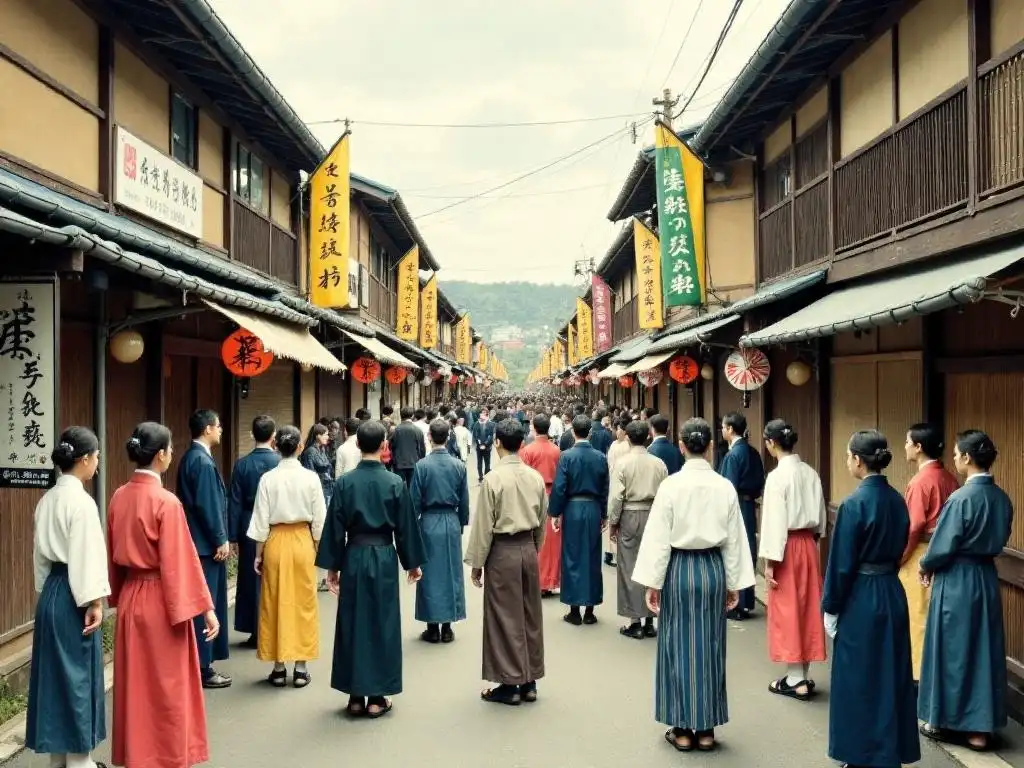
In the Edo period (1603-1868), Japan's social structure was rigidly hierarchical, significantly influencing communication methods across different classes. The society was broadly divided into four main classes: the samurai, farmers, artisans, and merchants, with the samurai at the top. This social stratification dictated not only the content of communication but also the manner in which it was delivered.
Communication among these classes varied greatly. For instance, samurai communicated with a certain formality and honorifics reflective of their status. They were often trained in the art of rhetoric, and their language was imbued with a sense of authority and decorum. Conversely, farmers and merchants employed more straightforward and practical language. The difference in communication styles was not merely a reflection of education but also of the societal expectations tied to each class's role.
Samurai, Farmers, and Merchants: Distinct Communication Styles
- Samurai Communication:
- Used formal language and honorifics.
- Employed rhetoric and poetic forms to convey thoughts.
- Focused on themes of loyalty, honor, and duty in their discourse.
- Farmers Communication:
- Utilized pragmatic and direct language.
- Emphasized community and family in communication.
- Often relied on oral traditions to pass down knowledge.
- Merchants Communication:
- Engaged in persuasive language to negotiate trade.
- Used local dialects and slang for relatability.
- Focused on economic and practical matters in discussions.
This stratified communication landscape not only reflected social order but also reinforced it, where language became a tool for maintaining class distinctions.
The Impact of Status on Language Use
The impact of status on language use during the Edo period was profound. The samurai class, for example, had access to education and literary works, which cultivated a sophisticated vocabulary and intricate expressions. In contrast, the lower classes had limited exposure to formal education, leading to a more simplistic and utilitarian mode of communication.
Moreover, the use of honorifics and respectful language (keigo) was prevalent among the samurai, while farmers and merchants were less likely to employ such linguistic nuances. This discrepancy reinforced societal hierarchies, as language became a marker of one's social standing. The ability to navigate these complex linguistic rules often dictated one's position within the community, further entrenching the existing social order.
Gender and Communication in the Edo Period
Gender also played a critical role in shaping communication styles during the Edo period. The expectations placed on men and women affected not only the medium of communication but also the content and context of their expressions.
Female Voices: Women’s Role in Communication
Women in the Edo period were often relegated to subordinate roles within society, yet they played a crucial part in the transmission of culture and communication. While formal education was predominantly reserved for men, women used alternative channels to express themselves, including literature, poetry, and theater.
- Literature: Women contributed significantly to the development of genres like nikki (diaries) and zuihitsu (random writings), allowing them to document personal experiences and societal observations.
- Theater: Female performers in kabuki and other forms of entertainment communicated complex narratives that resonated with audiences, often addressing social issues and gender roles.
Despite societal constraints, women found ways to assert their voices and influence cultural discourse, illustrating the dynamic nature of communication during this period.
Gendered Language and Its Cultural Significance
The Edo period also saw the emergence of gendered language, where specific terms and expressions were associated with male and female speakers. This differentiation not only reflected societal views on gender roles but also influenced interpersonal communication.
- Linguistic Markers: Women often used softer, more polite language styles, while men adopted more assertive tones.
- Cultural Implications: The use of gendered language reinforced traditional roles, with women being expected to embody virtues of modesty and grace in their speech.
Understanding these linguistic nuances offers insight into the broader cultural significance of gender in Edo period communication. The interplay of language and societal norms highlighted the complexities of identity and expression, ultimately shaping the communication landscape of the era.
Technological Advancements and Their Impact on Communication
The Printing Press and Its Role in Disseminating Information
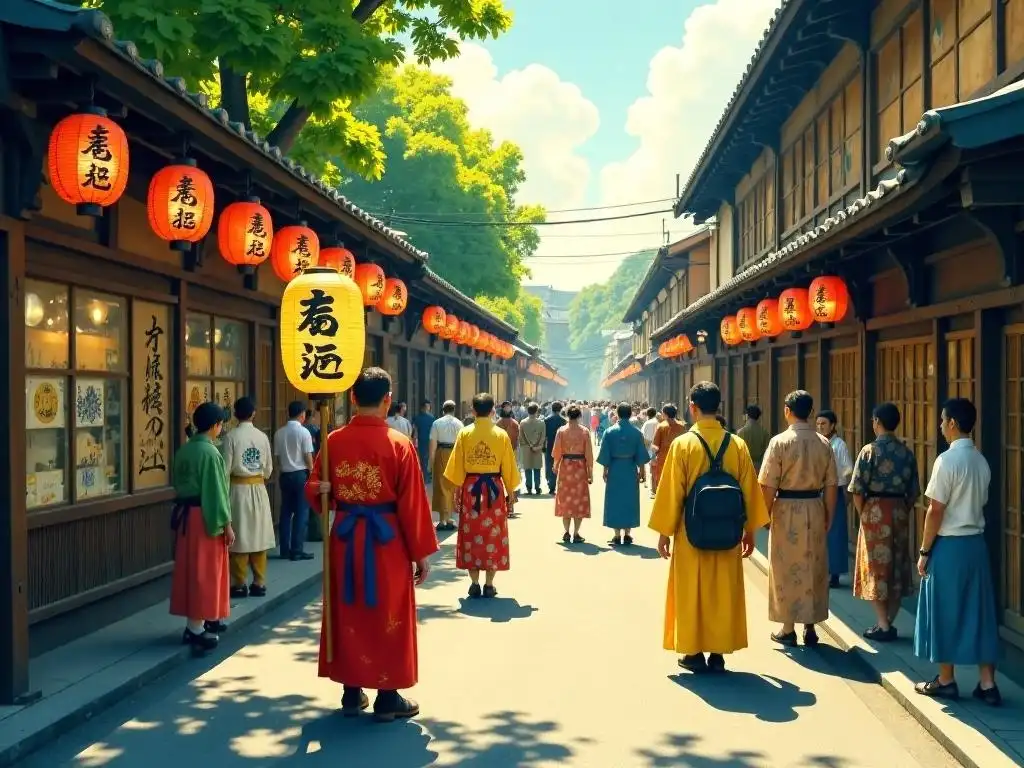
During the Edo period (1603-1868), communication methods underwent significant transformations largely due to technological advancements. One of the most pivotal innovations was the introduction of the printing press. This technology revolutionized the way information was disseminated, making literature and news more accessible to the broader population.
The printing press allowed for the mass production of written materials, which previously had been painstakingly copied by hand. This innovation led to a dramatic increase in the volume of printed materials available, from books to pamphlets, thus fostering a more informed society. Printed materials included not only literary works but also political tracts and educational texts, which contributed to the rise of a literate populace.
The Rise of Ukiyo-e and Printed Materials
Ukiyo-e, or "pictures of the floating world," emerged as a popular art form during the Edo period, closely tied to the advancements in printing technology. This genre of woodblock prints often depicted scenes from daily life, landscapes, and kabuki actors, capturing the essence of Edo culture. The ability to produce these prints en masse allowed for the widespread dissemination of visual communication, complementing textual information.
- Key Features of Ukiyo-e:
- Vivid Imagery: Ukiyo-e prints used vibrant colors and intricate designs, which appealed to the aesthetic sensibilities of the time.
- Cultural Reflection: These prints not only served as art but also offered commentary on contemporary societal norms, politics, and entertainment.
- Accessibility: As printed materials became cheaper, Ukiyo-e prints reached a wider audience, from the elite to common townsfolk.
The popularity of Ukiyo-e exemplified how technological advancements in printing transformed communication, making art and literature accessible to all social classes.
Accessibility of Literature and Education
The proliferation of printed materials during the Edo period also led to an increase in literacy rates. Books became more affordable, and educational institutions began to emerge, promoting reading and writing among the populace.
- Key Developments:
- Terakoya Schools: These temple schools provided basic education in reading and writing, primarily to children of commoners.
- Literary Works: A surge in the production of novels, poetry, and instructional texts contributed to a flourishing literary culture.
The availability of printed literature not only enhanced individual education but also fostered a collective cultural identity, as people began to share ideas and stories more widely.
The Impact of Transportation on Communication Methods
Transportation advancements during the Edo period significantly influenced communication methods. The development of roads and the establishment of postal systems facilitated faster and more efficient communication across Japan, connecting remote regions to the urban centers.
The Role of Roads and Travel in Enhancing Communication
The Edo period saw extensive improvements in infrastructure, particularly the construction of well-maintained roads. The Tokaido Road, one of the most famous, connected Edo (modern-day Tokyo) to Kyoto and became a crucial route for travelers and merchants alike.
- Benefits of Improved Roads:
- Increased Mobility: Easier travel allowed for quicker exchanges of information and ideas between regions.
- Trade Expansion: Enhanced transportation networks stimulated trade, which in turn improved the flow of goods and communication between different provinces.
Travelers, including merchants and messengers, played a vital role in the dissemination of news and information, acting as conduits for communication in a society increasingly dependent on shared knowledge.
The Emergence of Postal Systems in the Edo Period
The establishment of a formal postal system marked a significant milestone in Edo period communication methods. The shukuba, or post towns, provided stopping points for travelers and messengers, streamlining the process of sending letters and packages.
- Key Features of the Postal System:
- Designated Routes: The postal system utilized established routes, ensuring efficient delivery of correspondence across the archipelago.
- Standardized Timeframes: With the introduction of a postal service, delivery times became more predictable, allowing for better planning and coordination of communication.
The advent of the postal system not only enhanced personal and commercial communication but also played a crucial role in the administrative functions of the Tokugawa shogunate, as officials could relay messages and directives more swiftly than ever before.
The Edo period witnessed remarkable advancements in communication methods driven by technological innovations and improvements in transportation, fostering a vibrant exchange of ideas and cultural expression across Japan.
Cultural Expressions: Theater and Literature
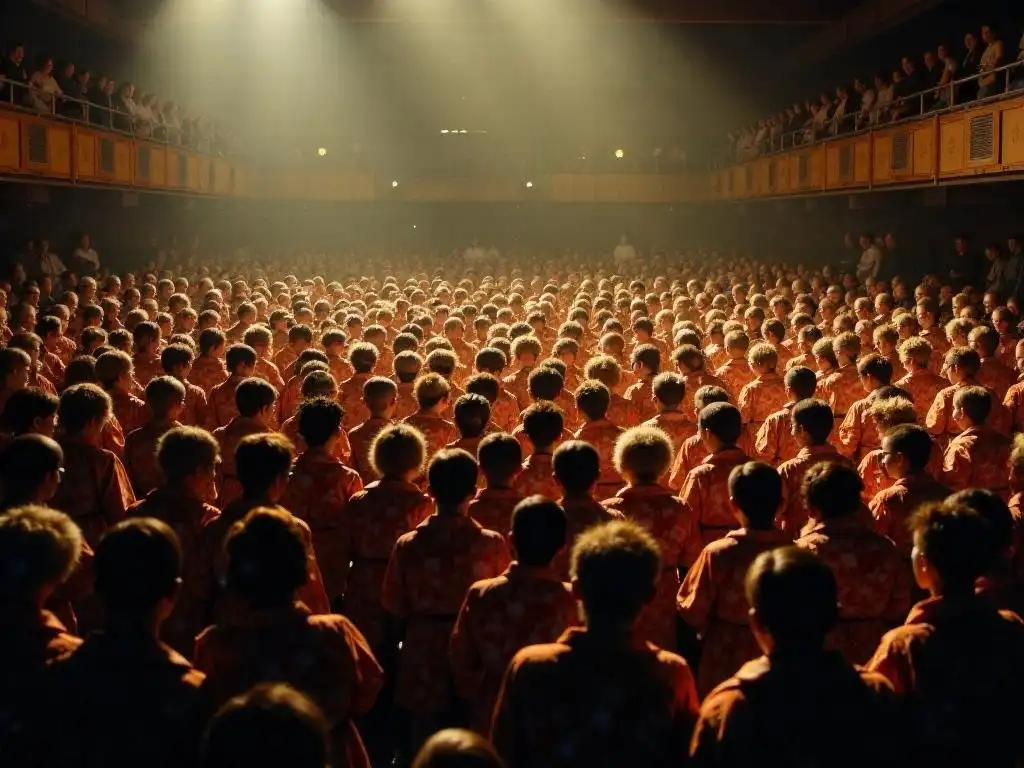
Kabuki and Noh: Theater as a Communication Medium
The Edo period (1603-1868) was a time of profound cultural development in Japan, particularly in the realm of theater. Two prominent forms of theater that emerged during this era were Kabuki and Noh, each serving as a vital means of communication and expression within society.
The Role of Performance in Society
Kabuki, characterized by its vibrant costumes, exaggerated movements, and dynamic storytelling, was accessible to the common people. This form of theater often addressed contemporary issues, social norms, and moral lessons, enabling audiences to engage with and reflect upon their society. In contrast, Noh theater was more subdued, appealing to the elite with its poetic language and spiritual themes.
Both forms of theater became platforms for expressing societal values and critiquing the status quo. For instance, performances often included historical narratives that allowed the audience to explore themes of loyalty, honor, and conflict. This reflective nature of theater fostered a collective identity among viewers, as they could see their own experiences mirrored on stage.
Language and Expression in Traditional Theater
The language used in Kabuki and Noh was not only a means of communication but also an art form in itself. Kabuki utilized a colloquial style that resonated with the everyday language of the common folk, while Noh employed a more formal and poetic dialect. This distinction allowed for a rich tapestry of expression, conveying complex emotions and ideas through dialogue and movement.
Both theaters utilized specific techniques to enhance communication:
- Gestures and Movement: Each gesture in Kabuki was imbued with meaning, allowing actors to convey emotions without relying solely on words.
- Music and Sound: Traditional instruments accompanied performances, elevating the emotional tone and reinforcing the narrative.
- Costumes and Props: Visual elements played a critical role in storytelling, where the colors and designs of costumes could signify character traits or social status.
The interplay of these elements resulted in a multifaceted form of communication that transcended the spoken word, deeply influencing the cultural landscape of the Edo period.
Literary Works and Their Contribution to Communication
The Edo period also saw a flourishing of literature that significantly contributed to communication methods of the time. Various genres emerged, including haiku, novels, and essays, each offering unique insights into the human experience and societal norms.
Notable Authors and Their Impact on Language
Prominent literary figures such as Matsuo Bashō and Ihara Saikaku played pivotal roles in shaping the language and themes of Edo period literature. Bashō's haiku, for instance, distilled complex emotions into concise, evocative verses, making poetry accessible to a broader audience. His works often reflected the beauty of nature and the transient nature of life, fostering a deeper appreciation for the world around them.
On the other hand, Saikaku's novels explored the lives of common people, providing a glimpse into the social dynamics of the era. His storytelling combined humor and realism, using everyday language that resonated with readers, thereby enhancing communication and relatability in literature.
The Spread of Ideas Through Literature
Literary works during the Edo period served as vectors for spreading ideas and cultural values. The increased literacy rates among the population allowed for a greater dissemination of written materials, leading to a shared understanding of societal issues and philosophies. Notable literary forms included:
- Ukiyo-zōshi: Popular novels that depicted the "floating world" of pleasure and entertainment, reflecting the changing social landscape.
- Haiku: Short poems that captured fleeting moments, emphasizing the importance of nature and observation.
- Kibyōshi: Illustrated novels that combined text and imagery, making literature visually engaging and appealing to a wider audience.
These forms of literature not only entertained but also educated, fostering dialogue and reflection on the values and challenges of Edo period society. The communication methods of this era were thus deeply enriched by the interplay of theater and literature, creating a vibrant cultural fabric that continues to resonate in modern Japan.
Conclusion: The Legacy of Edo Period Communication Methods
The Edo period, spanning from 1603 to 1868, marked a significant transformation in communication methods across Japan. The innovations and practices that emerged during this time laid the groundwork for how language and expression evolved, impacting both societal interactions and cultural heritage. Understanding these communication methods provides valuable insights into the intricate tapestry of Japan's history and its ongoing influence on modern communication.
Lasting Effects on Modern Japanese Communication
Edo period communication methods have left an indelible mark on contemporary Japanese society. The period saw the development of various communication channels, such as the post system and printed materials, which not only facilitated the exchange of information but also contributed to the literacy rates among the populace.
- Postal System: The establishment of a more organized postal system during the Edo period allowed for faster communication across regions. This system evolved into the modern postal services we recognize today.
- Woodblock Printing: The proliferation of woodblock printing enabled the wider distribution of literature, art, and news, fostering a community of readers and writers that continues to thrive in Japan today.
- Urbanization: As cities like Edo (modern-day Tokyo) grew, so did the need for effective communication among diverse populations, leading to advancements in both spoken and written forms of communication.
These developments not only shaped the linguistic landscape of the time but also influenced the ways in which people interact and express themselves in modern Japan.
Cultural Heritage and Continued Influence on Language
The Edo period's communication methods have become integral to Japan's cultural heritage. Many expressions, idioms, and literary forms that emerged during this era are still prevalent today.
- Language Evolution: The Edo period saw the emergence of distinct dialects and the popularization of "ukiyo-e" (pictures of the floating world), which reflected societal dynamics and cultural narratives. These artistic expressions often included language that captured the essence of the time, influencing modern Japanese literature and art.
- Theatrical Arts: Traditional arts, such as Kabuki and Noh, relied heavily on the communication methods of the time. The language used in these performances has evolved but retains its roots in the Edo period's linguistic styles. This has helped preserve the cultural identity that continues to resonate in contemporary performances.
The ongoing influence of these historical communication methods can be seen in everyday interactions, literature, and media, reinforcing a sense of continuity and cultural identity among the Japanese people.
Reflections on Communication in Contemporary Japan
Today, communication in Japan reflects a blend of traditional and modern methods, shaped by the legacy of the Edo period.
- Digital Communication: The rise of digital communication has introduced new language forms, including emojis and abbreviations, echoing the concise and expressive nature of Edo period communications. The ability to convey emotions and ideas succinctly mirrors the artistic expressions of the past.
- Preservation of Tradition: There is a growing movement in contemporary Japan to preserve traditional communication practices, such as calligraphy and poetry, which resonate with the aesthetics of Edo period art and language. This preservation effort highlights the cultural importance of these methods in a rapidly changing world.
The communication methods developed during the Edo period have not only shaped the historical landscape of Japan but continue to influence modern language and expression. As we reflect on these methods, it becomes clear that they are a vital part of Japan's cultural legacy, bridging the past with the present and enriching the communication practices of contemporary society.
Frequently Asked Questions
What were the primary communication methods during the Edo period?
During the Edo period, communication methods included written correspondence, messenger services, and public announcements. Each played a crucial role in connecting people across feudal Japan.
How did language evolve during the Edo period?
The Edo period saw significant evolution in language, with the emergence of common vernacular and the standardization of written Japanese. This change facilitated broader literacy and cultural exchange among the populace.
What role did art and literature play in communication during this time?
Art and literature were vital forms of expression and communication in the Edo period. They conveyed social commentary and reflected the values and beliefs of society, enhancing understanding among different classes.
How did the merchant class influence communication methods?
As the merchant class rose in prominence, they created new communication networks that connected urban and rural areas. This led to increased trade, sharing of information, and cultural exchanges throughout feudal Japan.
What impact did the Edo period have on modern Japanese communication?
The Edo period laid the groundwork for modern communication practices in Japan, including the development of printing technology and literary forms that continue to influence contemporary Japanese culture and communication styles.
Final Reflection: The Enduring Legacy of Edo Period Communication
Edo period communication methods have shaped not only the way we understand language and expression today but also how we connect with one another across cultures and generations. The intricate systems of communication that emerged during this time reflect a society rich in creativity and adaptability, demonstrating that the evolution of language is a living, breathing entity. As we navigate our own complex communication landscape in the digital age, it is clear that the lessons from the Edo period remain profoundly relevant; they remind us that communication is not merely about exchanging words but about fostering understanding and connection.
Cultural and social landscapes are continuously influenced by the ways we communicate, and the Edo period serves as a testament to this truth. The innovative methods of expression developed during this time, from woodblock prints to haiku poetry, have left an indelible mark on Japanese culture and beyond. As we reflect on these historical communication methods, we can appreciate how they have paved the way for modern forms of expression. Language is the road map of a culture. It tells you where its people come from and where they are going.
This quote encapsulates the idea that the evolution of communication is not just a historical study but a vital part of our cultural identity.
As we conclude our exploration of Edo period communication, I invite you to reflect on your own communication practices. How can you incorporate the lessons of creativity and adaptability from this rich historical context into your daily interactions? Consider the power of language and expression in your life—whether through writing, art, or conversation—and strive to cultivate deeper connections with those around you. Embrace the legacy of the Edo period as a source of inspiration, and let it guide you toward more meaningful and impactful communication in the future.
Unveil the Secrets of Edo Period Expression!
Thank you for diving into the fascinating world of Edo Period communication! You've gained valuable insights into how language and expression evolved during this unique time in Japanese history. Now, let’s take the next step in exploring this captivating era.
Here are some exciting ways you can continue your journey:
- Delve deeper into Edo literature by selecting a classic work to read and share your reflections on it.
- Join our community of history enthusiasts by engaging in discussions in the comments below or on our forum.
- Visit local museums or explore online exhibits that showcase Edo artifacts and documents, allowing you to experience historical communication firsthand.
What aspect of Edo communication captivates you the most, and how might it influence your own expressions today?