
The Unification of Japan Through the Eyes of Foreign Observers


Welcome to "Feudal Japan History," where we embark on a captivating journey through the intricate tapestry of Japan's feudal era. Discover how foreign observers viewed the unification of Japan, offering a unique lens into a transformative period marked by political intrigue and cultural evolution. In our featured article, "The Unification of Japan Through the Eyes of Foreign Observers," we delve into the insights and perspectives that shaped understanding of this remarkable era. Prepare to be intrigued as we uncover stories that have shaped Japan’s legacy—join us in exploring the profound connections between past and present!
- Introduction to the Unification of Japan in the Feudal Era
- The Role of Foreign Observers in Japan's Unification
- Perspectives on the Political Landscape of Feudal Japan
- Cultural Reflections by Foreign Observers
- Economic Insights from Foreign Perspectives
- The Evolution of Foreign Perspectives on Japan's Political Structure
- Case Studies of Notable Foreign Observers
- Myths and Realities of Foreign Perspectives on Japan's Unification
- Conclusion: The Lasting Legacy of Foreign Perspectives on Japan's Unification
- Further Reading on Japan’s Feudal Era and Foreign Perspectives
-
Frequently Asked Questions
- What is the significance of foreign perspectives on the Japan feudal era?
- How did foreign observers influence perceptions of the Japan feudal era?
- What were some common themes identified by foreign observers in feudal Japan?
- How did the unification of Japan impact foreign views during the feudal era?
- Why is studying foreign perspectives important for understanding the Japan feudal era?
- Final Reflection: Embracing the Perspectives of Japan's Feudal Era
- Unveil the Stories of Unity: Join the Discussion!
Introduction to the Unification of Japan in the Feudal Era
The unification of Japan during the feudal era stands as a pivotal moment in the nation's history, marking a transition from fragmented warring states to a centralized authority that shaped the trajectory of Japanese society and culture. The complexities of this era, characterized by shifting power dynamics, samurai loyalty, and the emergence of influential clans, provide a rich tapestry for exploration.
However, it is not only the internal developments that warrant attention; the insights from foreign observers during this transformative period offer invaluable perspectives that enhance our understanding of Japan's historical narrative. By examining the accounts and interpretations of these outsiders, we can gain a multifaceted view of the sociopolitical changes that defined the unification process, as well as the global context in which Japan was situated.
Overview of Japan's Feudal Era
Japan's feudal era, spanning from the late 12th century to the 19th century, was characterized by a decentralized political structure dominated by a warrior class known as the samurai. This period saw the rise of powerful shogunates, which effectively ruled the country while the emperor remained a figurehead. Significant events, such as the Genpei War (1180-1185) and the establishment of the Kamakura Shogunate, laid the groundwork for a feudal system that fostered both conflict and cultural development.
- Key Features of Japan's Feudal Era:
- Social Hierarchy: The rigid class structure included the emperor, shogun, daimyo (feudal lords), samurai, and peasants.
- Military Conflicts: Frequent wars among clans and factions, particularly during the Sengoku Period (1467-1568), led to significant social upheaval and power struggles.
- Cultural Flourishing: Despite the chaos, this era also witnessed the growth of Japanese culture, including the development of Noh theatre, tea ceremonies, and ink painting.
The unification efforts culminated in the Tokugawa Shogunate, established in the early 17th century, which brought about a long period of peace known as the Edo Period. This era not only stabilized Japan but also fostered economic growth and cultural exchange.
Importance of Foreign Perspectives in Understanding Japan's History
The historical narratives of Japan's feudal era are often enriched by the observations and writings of foreign visitors. These perspectives serve as critical lenses through which we can analyze Japan's evolution during a time of significant transformation. Foreign observers, ranging from missionaries to traders and diplomats, documented their experiences and interpretations of Japanese society, politics, and culture, providing a contrast to domestic accounts.
- Why Foreign Perspectives Matter:
- Cultural Exchange: The interactions between Japan and foreign nations, especially during the Nanban Trade Period, introduced new ideas and technologies.
- Objective Observations: Outsiders often offered unbiased views on Japanese customs and governance, which can challenge or confirm domestic historical narratives.
- Global Context: Understanding the unification of Japan through the eyes of foreign observers allows for a broader comprehension of how Japan was perceived on the world stage, revealing both admiration and misconceptions.
By examining these foreign perspectives, we can deepen our appreciation for the complexities of Japan's feudal era and its unification, allowing for a more nuanced understanding of its historical significance.
The Role of Foreign Observers in Japan's Unification

The unification of Japan during the feudal era was not only a pivotal moment in its national history but also a significant event that captured the attention of foreign observers. These individuals, often coming from Western and Asian backgrounds, provided unique insights into the processes and implications of Japan's unification. Their accounts reflect a blend of admiration, misunderstanding, and critical observation, which helped shape the narrative of Japan's transformation from fragmented warring states to a unified entity.
Foreign observers played a crucial role in documenting Japan's political dynamics, social structures, and cultural practices. Their writings serve as valuable primary sources that enrich our understanding of the feudal era, offering perspectives that contrast with native accounts. By analyzing these observations, we can appreciate the complexities of Japan's unification through lenses that might otherwise remain obscured.
Key Foreign Observers of the Feudal Era
Several notable figures emerged as key foreign observers during Japan's unification. Their contributions have left a lasting impact on the historical narrative.
- Marco Polo (1254-1324)
- Although he never visited Japan, Polo's writings about Asia provided the first European insights into the region. His accounts of Mongol influence and trade routes indirectly shaped European perceptions of Japan.
- Francisco de Xavier (1506-1552)
- A Jesuit missionary, Xavier was one of the first Europeans to set foot in Japan. His observations on Japanese society, culture, and the nascent Christian community were pivotal in understanding the early interactions between Japan and the West.
- William Adams (1564-1620)
- As an English navigator, Adams became the first Western samurai. His experiences in Japan and his detailed accounts of the political landscape during the unification period provided a unique perspective on the power dynamics involving the shogunate.
- Hugh H. L. Houghton (1801-1869)
- A British diplomat, Houghton documented his travels in Japan during the late Edo period. His writings shed light on the feudal system, trade practices, and the impact of foreign influence on Japan’s political landscape.
Contributions of Western and Asian Travelers
The contributions of foreign travelers to the understanding of Japan’s unification are both varied and profound. Their perspectives not only documented the events but also reflected their cultural biases and interests.
-
Cultural Exchange
The arrival of foreign observers initiated a cultural exchange that influenced Japanese society. For instance, Xavier’s introduction of Christianity sparked dialogues on spirituality and ethics within the feudal context. This exchange often had a dual effect, leading to both admiration for Japanese culture and attempts to reshape it according to foreign ideals.
-
Political Observations
Many foreign travelers provided keen insights into the political machinations of the time. For example, William Adams observed the consolidation of power by the Tokugawa shogunate and articulated the complexities of samurai loyalty and the emerging class structure. His accounts offered Western audiences a glimpse into the intricate web of alliances and conflicts that characterized the unification process.
-
Economic Insights
Foreign observers also documented Japan’s economic transformations, particularly in trade. They noted the flourishing trade routes established during the unification that connected Japan with the outside world. This perspective was crucial in understanding how economic factors played a role in the consolidation of power.
-
Comparative Analysis
By comparing Japanese feudalism with European and Asian systems, foreign observers provided a broader context for understanding Japan's unique trajectory. Their analyses often highlighted differences in governance, social hierarchy, and military organization, which enriched historical discourse.
The foreign perspectives on Japan’s unification during the feudal era provide invaluable insights into a transformative period. The observations of key individuals not only enhance our understanding of Japan's political history but also illustrate the complexities of cultural interaction during a time of significant change. Through their writings, we gain a multifaceted view of the unification process, revealing the dynamics at play within Japanese society and its interactions with the world.
Perspectives on the Political Landscape of Feudal Japan
Observations on the Samurai Class and Their Influence
The samurai class, often romanticized in tales and media, played a pivotal role in shaping the political landscape of feudal Japan. Foreign observers noted the samurai's unique code of conduct, known as Bushido, which emphasized loyalty, honor, and martial prowess. This code not only defined the samurai's conduct on the battlefield but also influenced their interactions with the peasantry and the ruling elite.
Key Characteristics of the Samurai:
- Social Hierarchy: Foreigners observed that samurai occupied a high social status, often serving as vassals to powerful daimyos (feudal lords). This relationship was underpinned by mutual obligations, with samurai expected to provide military service in exchange for land and protection.
- Military Expertise: The samurai were skilled warriors, trained in various forms of combat, including archery, horseback riding, and swordsmanship. Their martial skills were essential for maintaining the peace and enforcing the will of their lords during periods of conflict and instability.
- Cultural Impact: Beyond their military roles, samurai were also patrons of the arts, influencing the cultural landscape of Japan. Their appreciation for poetry, tea ceremonies, and calligraphy contributed to a rich cultural heritage that foreign observers admired.
The Role of Shogunates in the Unification Process
The establishment of shogunates marked a significant turning point in Japan's political history, particularly during the Kamakura (1185–1333) and Edo (1603–1868) periods. Foreign perspectives highlighted the shogun's role as a military dictator who held de facto power over the emperor, leading to a centralized form of governance that facilitated the unification of Japan.
Shogunates and Their Contributions:
- Kamakura Shogunate: The first shogunate established by Minamoto no Yoritomo, it laid the groundwork for military governance. Observers noted how the Kamakura period saw the rise of samurai power and the establishment of a feudal system that diminished imperial authority.
- Edo Shogunate: Founded by Tokugawa Ieyasu, the Edo period is often regarded as a time of peace (Pax Tokugawa). It was during this era that Japan experienced significant economic growth and cultural development. Foreigners were particularly struck by the strict social order and the enforcement of the sankin-kotai system, where daimyos had to alternate residence between their domains and Edo, consolidating power and reducing rebellion risks.
Insights into Feudal Alliances and Conflicts
The political landscape of feudal Japan was characterized by a web of alliances and conflicts that shaped its unification. Foreign observers often emphasized the complexity of these relationships, noting how they influenced the balance of power among the daimyos.
Dynamics of Alliances and Conflicts:
- Marriage Alliances: Marriages between powerful families were strategic tools for consolidating power and securing alliances. These unions often helped to stabilize regions and prevent conflicts, with foreign accounts highlighting their importance in the political maneuverings of the time.
- Warring States Period: The Sengoku period (1467–1603) was marked by intense conflict as daimyos vied for control. Foreigners documented the chaos and the rise of military leaders who would eventually contribute to Japan's unification, such as Oda Nobunaga and Toyotomi Hideyoshi. Their aggressive tactics and shrewd diplomacy were key elements in the consolidation of power.
- Impact of Foreign Interactions: As foreign observers noted, the arrival of European traders and missionaries during the late 16th century also influenced feudal alliances. The introduction of firearms altered traditional warfare, prompting daimyos to adapt their strategies and alliances to maintain their power.
The foreign perspectives on Japan's feudal era provide valuable insights into the political dynamics that led to the unification of the country. The observations on the samurai class, the role of shogunates, and the intricate alliances and conflicts underline a transformative period in Japan’s history, marked by both cultural richness and political complexity.
Cultural Reflections by Foreign Observers
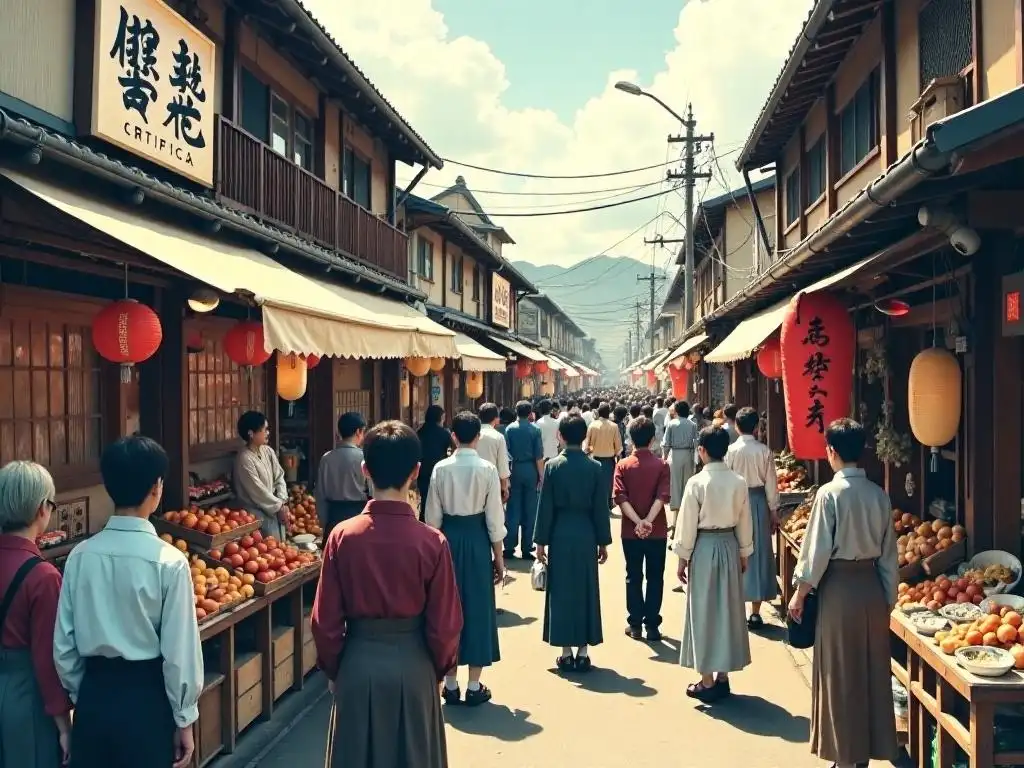
Foreign Accounts of Japanese Society and Culture
Foreign observers during Japan's feudal era provided a wealth of insights into the society and culture of the time. Their accounts often highlighted the stark contrasts between Japan and their own cultures, as well as the unique aspects of Japanese life that shaped the nation’s identity. Notably, Jesuit missionaries, traders, and diplomats from Europe documented their experiences and observations, which serve as valuable historical sources.
One prominent figure was Francisco de Xavier, a Jesuit missionary who arrived in Japan in the mid-16th century. His writings emphasized the discipline and order of Japanese society, contrasting it with the chaos he perceived in Europe. He noted the emphasis on hierarchy and respect for authority, which were central to the feudal system. Xavier remarked on the cultural practices surrounding tea ceremonies and samurai conduct, viewing them as reflections of a sophisticated and civilized society.
Another significant account came from William Adams, an English navigator who became the first Western samurai in early 17th century Japan. Adams provided detailed descriptions of the political structure and the role of the shogun, which he viewed through the lens of European governance. His observations reveal how foreign perspectives helped shape the understanding of Japan's feudal hierarchy, particularly the intricate relationships among daimyōs (feudal lords), samurai, and the shogunate.
The Impact of Confucianism and Buddhism on Japan’s Unification
Confucianism and Buddhism played pivotal roles in shaping the cultural and philosophical landscape of Japan during its feudal era, influencing both internal dynamics and foreign perceptions. Confucian ideals, including filial piety, loyalty, and social harmony, were integral to the governance and social structures that emerged during the unification of Japan in the late 16th century. These principles were not only adopted by the ruling class but also permeated everyday life, reinforcing the social order.
Foreign observers noted how Confucianism contributed to the consolidation of power under the Tokugawa shogunate. The emphasis on loyalty to one’s lord and the importance of hierarchical relationships were seen as fundamental to maintaining stability. Jesuit writings often reflected admiration for Japan’s ability to enforce these ideals, attributing much of the country’s peace and prosperity to its adherence to Confucian principles.
Similarly, Buddhism also left a significant mark on Japanese culture and society during this period. The integration of Buddhist practices into daily life and governance was acknowledged by foreign visitors, who observed the coexistence of Shinto and Buddhist traditions. The Zen school of Buddhism, in particular, was noted for its influence on samurai culture, with its focus on discipline and meditation resonating deeply with the warrior class.
Artistic and Literary Expressions in Observations
The artistic and literary expressions of foreign observers provide a unique lens through which to view Japan’s feudal era. These expressions not only capture the aesthetic values of the time but also reflect the cultural exchanges that occurred between Japan and the outside world.
Travelers and diplomats often commissioned artworks that depicted Japanese landscapes, people, and customs. For instance, Dutch merchants created intricate woodblock prints that illustrated Japanese life, showcasing everything from festivals to market scenes. These artworks were not only a means of documenting their experiences but also served to entice European audiences with the exotic allure of Japan.
In literature, many foreign observers wrote accounts filled with rich descriptions and personal reflections. Engelbert Kaempfer, a German physician, authored "The History of Japan," which combined travel writing with a scholarly analysis of Japanese culture. His detailed observations on topics such as Japanese gardens, ceremonial practices, and social customs provided a comprehensive understanding of the society, influencing how Japan was viewed in the West.
Additionally, poetry and prose from this era remain significant for their aesthetic value and insight into the cultural values of the time. The works of foreign writers often employed vivid imagery to convey their experiences, enriching our collective understanding of Japan during its feudal era. The blending of artistic and literary expressions truly illustrates the profound impact of foreign perspectives on the interpretation of Japan’s history and culture.
Economic Insights from Foreign Perspectives
The unification of Japan during the late 16th century was not only a political and military endeavor but also an economic transformation that caught the attention of foreign observers. These observers often highlighted the intricate economic relationships and practices that contributed to the political landscape of the time. Understanding these economic insights offers a deeper appreciation of how foreign perspectives shaped views on Japan's feudal era.
Trade Relations and Economic Factors in Japan's Unification
Foreign observers noted the pivotal role of trade relations in Japan's unification. As various daimyōs (feudal lords) vied for power, they also sought to strengthen their economic positions through trade. The growth of trade networks allowed for the exchange of goods, ideas, and military technology, which were crucial for unifying the country.
- Emergence of Trade Ports:
- Key ports like Nagasaki became hubs of international commerce, facilitating trade with European countries such as Portugal and the Netherlands.
- The influx of foreign goods, including firearms and textiles, transformed local economies and military capabilities.
- Economic Competition:
- The competition for dominance over trade routes fueled conflicts between daimyōs. For instance, Toyotomi Hideyoshi’s efforts to control trade significantly influenced his military campaigns.
- Foreign observers noted how the promise of economic prosperity often swayed allegiances and prompted alliances.
- Taxation and Revenue:
- The unification efforts required substantial funding, prompting lords to impose taxes on trade and agriculture.
- Reports from European traders indicated that the economic policies enacted by unifying leaders were often aimed at maximizing revenue from trade to sustain their military campaigns and administrative costs.
The Influence of Foreign Trade Practices on Japanese Policies
Foreign trade practices introduced new economic models and ideas, which Japanese leaders adapted to their own contexts. This adaptation significantly influenced Japan's policies during the feudal era.
- Adoption of Western Techniques:
- The introduction of Western mercantile practices led to changes in local production methods.
- Japanese leaders recognized the potential benefits of adopting foreign techniques, such as improved shipbuilding methods and navigation technologies, which facilitated overseas trade.
- Impact on Domestic Policies:
- To optimize trade, unifying leaders implemented policies that enhanced agricultural productivity, ensuring a stable food supply for the growing population and armies.
- The observation of foreign markets led to the establishment of state-controlled monopolies on certain goods, reflecting a blend of foreign economic principles with traditional Japanese practices.
- Cultural Exchange and Economic Growth:
- The interaction with foreign traders catalyzed cultural exchanges that enriched Japanese society. This exchange contributed to the development of new art forms, cuisine, and consumer goods.
- Foreign perspectives highlighted the importance of these cultural elements in fostering a unified national identity, which was crucial for the political consolidation under leaders like Tokugawa Ieyasu.
Foreign observers provided valuable insights into the economic dynamics that surrounded Japan's unification. Their accounts reveal how trade relations and the adoption of foreign practices not only facilitated political alliances but also laid the groundwork for Japan's economic policies during the feudal era. This multifaceted approach underscores the significance of economic factors in understanding the complexities of Japan's historical narrative.
The Evolution of Foreign Perspectives on Japan's Political Structure
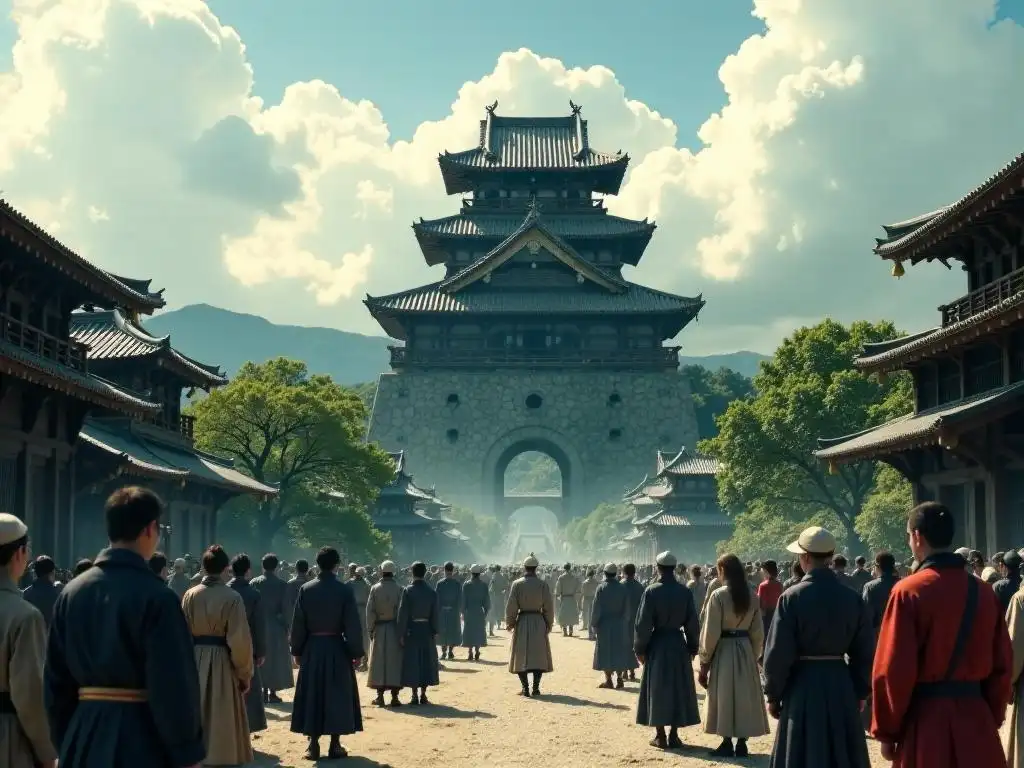
Changes in Observers’ Views Over Time
The foreign perspective on Japan's political structure during the feudal era has evolved significantly, shaped by historical events, cultural exchanges, and individual experiences of foreign observers. In the early encounters, such as those from European traders and missionaries in the 16th century, Japan was often viewed through a lens of mystique and curiosity. These observers, such as the Portuguese Jesuit Francis Xavier, described Japan as a land of exotic customs and complex hierarchical structures, but their understanding was limited by their own cultural biases.
As time progressed, particularly during the Edo period (1603-1868), foreign views began to reflect a greater awareness of Japan's intricate political framework. The isolationist policies of the Tokugawa shogunate made Japan a subject of intrigue for Western nations. Reports by Dutch traders who were granted limited access to Japanese ports offered insights into the shogunate's governance and the samurai class's role. These accounts highlighted the rigid social hierarchy and the centralized authority of the shogunate, contrasting sharply with European political systems.
In the 19th century, the opening of Japan to the West following Commodore Perry's arrival in 1853 marked a pivotal shift. Observers such as the American journalist and historian John L. C. Forman began to articulate a more nuanced understanding of Japan's political dynamics. They recognized the complexities of the feudal system, including the interplay between the shogunate and the daimyo (feudal lords). This period also saw growing admiration for Japan's ability to modernize while retaining its unique cultural identity, leading to a more favorable global image.
How Foreign Reports Shaped Japan's Global Image
Foreign reports and observations played a crucial role in shaping Japan's global image during the feudal era. The narratives constructed by foreign visitors not only influenced contemporary perceptions but also had lasting impacts on how Japan was viewed in the following centuries.
- Cultural Curiosity and Stereotyping: Early accounts often depicted Japan as an isolated and enigmatic society. These descriptions included exaggerated tales of samurai honor and bushido, contributing to the romanticized image of Japan in Western literature and art. Such stereotyping created a dichotomy between the perceived barbarity of feudal Europe and the supposed refinement of Japanese culture.
- The Impact of Trade Relations: As trade relations developed, particularly with the Dutch and later with the United States, foreign observers began to produce more in-depth analyses of Japan's political and economic structures. Reports detailing the governance of the Tokugawa shogunate and the role of trade in Japan's economy led to a more informed understanding of Japan's position in the global market, helping to dispel myths and misconceptions.
- Modernization and Reform: The Meiji Restoration (1868) marked a significant turning point where foreign observers shifted their focus to Japan's rapid modernization and industrialization. Reports from this era emphasized Japan's successful adoption of Western technologies and governance models, portraying the nation as a rising power on the global stage. This transformation greatly influenced international relations, as foreign powers began to recognize Japan as an equal rather than a mere curiosity.
- Long-Term Implications: The narratives crafted by foreign observers during the feudal era laid the groundwork for Japan's evolving identity in the modern world. The collective insights from these accounts contributed to the construction of Japan's national narrative, impacting how the country positioned itself in international affairs throughout the 20th century and beyond.
The evolution of foreign perspectives on Japan's political structure reflects a journey from initial misunderstanding and stereotyping to a more sophisticated appreciation of Japan's complex feudal system and its eventual modernization. These perspectives not only shaped Japan's global image but also influenced its interactions with the world during pivotal historical moments.
Case Studies of Notable Foreign Observers
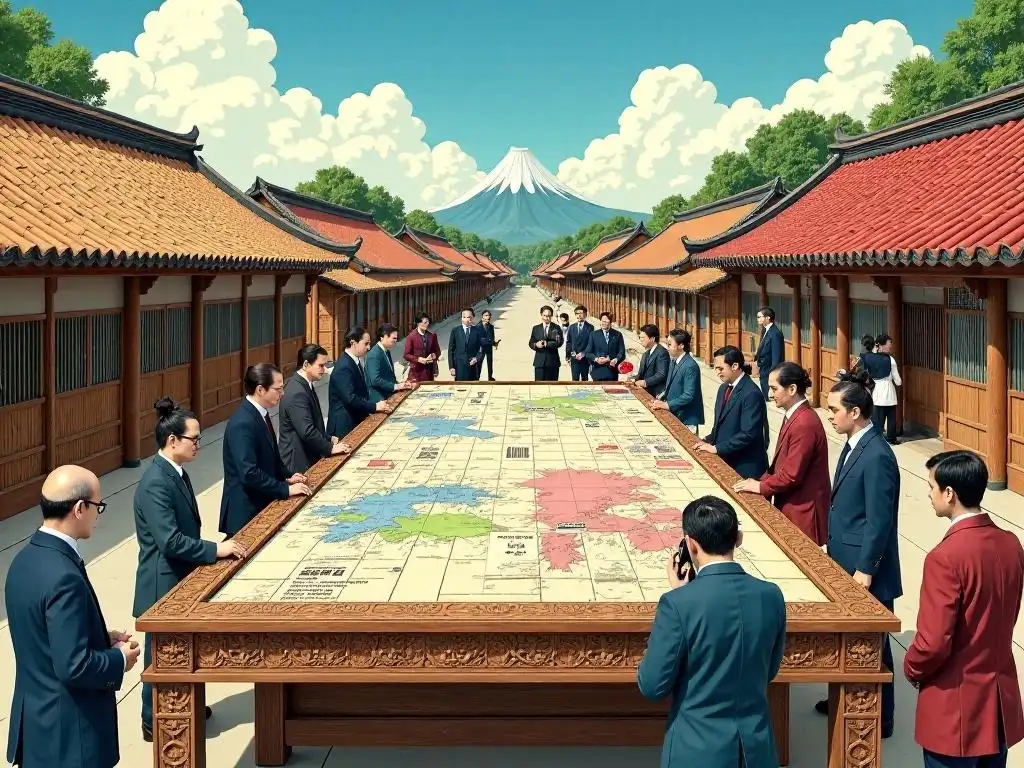
William Adams: Contributions and Observations
William Adams, an English navigator who arrived in Japan in 1600, is often regarded as one of the first Westerners to gain significant insight into the complexities of Japan during the feudal era. His unique position as a foreigner who became a samurai and advisor to Tokugawa Ieyasu provided him with a rare perspective that blended Western and Japanese viewpoints.
- Cultural Exchange: Adams played a crucial role in introducing Western technologies and ideas to Japan. His knowledge of shipbuilding and navigation was instrumental in enhancing Japan’s maritime capabilities. He also facilitated cultural exchanges, sharing insights about European customs and practices, which influenced Japanese diplomacy.
- Written Accounts: In his writings, particularly the journal he maintained during his time in Japan, Adams detailed the social structure and the political intricacies of the Tokugawa shogunate. His observations on the samurai class and the feudal system laid the groundwork for later foreign understanding of Japan’s societal dynamics.
- Legacy: Adams' legacy is significant not only for his contributions to Japan’s maritime skills but also for how he shaped the narrative of Japan in the eyes of the West. His experiences highlighted the potential for cooperation and mutual respect between cultures, influencing later foreign relations.
Commodore Matthew Perry: Influence on Japan’s Perception Abroad
Commodore Matthew Perry's arrival in Japan in 1853 marked a pivotal moment in the country’s history, leading to the end of over two centuries of isolation. His expeditions had profound implications for Japan’s engagement with the world and the perception of Japan abroad.
- The Black Ships: Perry's fleet, famously referred to as the "Black Ships," was symbolic of Western military might and technological advancement. The display of power forced Japan to reconsider its isolationist policies, ultimately leading to the signing of the Treaty of Kanagawa in 1854, which opened Japanese ports to American ships.
- Cultural Impact: Perry's mission was not merely a military endeavor; it was also a diplomatic one. His interactions with Japanese officials and citizens provided a wealth of information on Japan’s cultural and political landscape. His reports back to the United States emphasized Japan’s rich culture and potential as a trading partner, thereby reshaping Western perceptions.
- Long-term Effects: The impact of Perry's expedition extended beyond immediate trade agreements. His actions catalyzed the Meiji Restoration, as Japan rapidly modernized in response to foreign pressure. This transformation significantly altered Japan's position on the global stage, influencing how Japan was viewed by other nations.
Lafcadio Hearn: Lasting Impact on Historical Narratives
Lafcadio Hearn, a Greek-Irish writer, made significant contributions to the Western understanding of Japan during the late 19th century. His deep appreciation for Japanese culture and society allowed him to present a nuanced perspective that contrasted sharply with the prevailing Western stereotypes of the time.
- Cultural Documentation: Hearn’s writings, particularly "Kwaidan: Stories and Studies of Strange Things," served to document Japan's folklore and traditions. He was among the first to explore and articulate the spiritual essence of Japanese culture, emphasizing the importance of nature, religion, and the arts in Japanese life.
- Bridging Cultures: Hearn’s work acted as a bridge between East and West, fostering an appreciation for Japanese aesthetics and philosophy. His insights into the feudal era, particularly regarding the samurai and their code of honor, provided a profound understanding that challenged Western perceptions of barbarism and savagery.
- Enduring Influence: The influence of Hearn’s writings continues to resonate today, as they have shaped the way Japan is viewed in popular culture and academia. His ability to convey the beauty and complexity of Japan’s feudal society has contributed to a lasting appreciation for its history and cultural heritage, making him a pivotal figure in the narrative of Japan's global identity.
Myths and Realities of Foreign Perspectives on Japan's Unification
Common Misconceptions About Foreign Observers
The unification of Japan during the late 16th and early 17th centuries is often viewed through a lens of romanticism and idealism, especially by foreign observers. These perspectives can lead to several common misconceptions about the motivations, actions, and impacts of key figures such as Oda Nobunaga, Toyotomi Hideyoshi, and Tokugawa Ieyasu.
- Idealization of Samurai Culture: Many foreign accounts romanticize the samurai as noble warriors, often overlooking the complexities of their roles in society. While samurai were indeed skilled fighters, they were also involved in political intrigue, economic exploitation, and social stratification. This one-dimensional portrayal can mislead readers about the actual societal hierarchies and conflicts during the unification process.
- Simplistic Narratives of Unity: Foreign observers sometimes depict the unification of Japan as a smooth and orderly process. In reality, it was fraught with violence, betrayal, and shifting alliances. The perception that Japan was homogenously united under a single banner oversimplifies the diverse regional identities and the resistance faced by unifying leaders.
- Neglect of Internal Factors: Foreign perspectives often emphasize the influence of Western powers in shaping Japan’s political landscape, neglecting the significant internal dynamics at play. The economic conditions, social upheaval, and local governance structures were crucial in facilitating or hindering unification efforts, yet they are frequently underrepresented in foreign narratives.
- Misinterpretation of Foreign Influence: Some foreign observers believed that the unification was significantly influenced by Western ideologies and technologies. While it is true that contact with Europeans introduced new ideas and goods, the primary drivers of unification were deeply rooted in Japan's own historical and cultural contexts, often independent of foreign intervention.
Clarifying Historical Realities Through Foreign Accounts
Despite the misconceptions, foreign accounts of Japan's unification provide valuable insights into the era’s complexities. They can help clarify historical realities through their unique perspectives, albeit with the caveat of their inherent biases.
- Detailed Observations of Governance: Foreign traders and diplomats, such as the Portuguese and Dutch, documented the political structures and governance styles during the unification period. Their reports offer a glimpse into the administrative innovations introduced by unifiers like Tokugawa Ieyasu, including the implementation of the bakuhan system, which balanced power between the shogunate and regional daimyo.
- Cultural Exchanges: Accounts from foreign visitors highlight the cultural exchanges that occurred during this period, such as the introduction of Christianity and Western technologies. These interactions, while sometimes viewed with suspicion by Japanese leaders, were critical in shaping Japan's societal development and international outlook.
- Military Insights: Observations from foreign military experts shed light on the tactical innovations used during conflicts such as the Battle of Sekigahara. These accounts provide a detailed understanding of the military strategies employed by Japanese leaders, as well as the significance of gunpowder and European weaponry in the unification efforts.
- Social Dynamics: Foreign accounts also reveal the social dynamics and class structures that characterized the era. The interactions between the samurai class, farmers, and merchants are well-documented, providing a clearer picture of the societal shifts that accompanied the political changes.
While foreign perspectives on Japan's unification can be misleading, they also unlock a wealth of information that contributes to a more nuanced understanding of the feudal era. By critically analyzing these accounts, historians can bridge the gap between myth and reality, enriching our comprehension of Japan's complex journey towards unification during its feudal period.
Conclusion: The Lasting Legacy of Foreign Perspectives on Japan's Unification

The unification of Japan during the feudal era has been a pivotal moment in the nation's history, shaping its political, social, and cultural landscape. Foreign observers played a crucial role in documenting and interpreting these changes, providing unique insights that have enriched our understanding of Japan's transformation. Their accounts reveal not only the complexities of unification but also highlight the various influences that shaped the nation, from military strategies to cultural exchanges.
Summary of Key Insights on Japan's Feudal Era
The foreign perspectives on Japan during its feudal era offer invaluable insights into several key themes:
- Military Strategies and Political Maneuvering:
- Foreign observers noted the sophisticated military tactics employed by Japanese leaders, particularly during the Sengoku period. For instance, the writings of European traders and missionaries detail the strategic use of castles and the role of samurai in consolidating power.
- Cultural Exchange and Influence:
- The interactions between Japan and foreign traders facilitated a cultural exchange that influenced art, religion, and commerce. Reports from Dutch and Portuguese merchants reveal how European firearms and trade goods impacted Japanese warfare and economic practices.
- Social Structure and Class Dynamics:
- Foreign documents provide a lens into the rigid class structure of feudal Japan, including the roles of the samurai, peasants, and merchants. Observers often commented on the loyalty and honor code of the samurai, juxtaposed with the struggles of the lower classes.
- Religion and Spirituality:
- The arrival of Christianity in Japan, as documented by Jesuit missionaries, illustrates the tension between traditional Shinto and Buddhist beliefs and the new faith. The accounts of these missionaries highlight the complexities of religious life during the unification process.
- Diplomatic Relations and Global Perspectives:
- Foreign perspectives also shed light on Japan's diplomatic relations with other nations during the feudal era. The interactions with European powers, particularly in trade and military alliances, are crucial for understanding Japan's place in a rapidly changing world.
The Importance of Understanding Japan Through Diverse Lenses
Understanding Japan's feudal era through the eyes of foreign observers is essential for several reasons:
- Comprehensive Historical Analysis: Analyzing the accounts of foreign observers allows historians to create a more nuanced picture of Japan's unification, going beyond domestic narratives. This broader perspective helps to contextualize Japan's actions and decisions within a global framework.
- Cultural Appreciation: Recognizing the contributions of foreign perspectives fosters a deeper appreciation for the cultural exchanges that occurred during this period. It highlights how Japan was not an isolated entity but part of a larger world, influencing and being influenced by other cultures.
- Lessons for Contemporary Society: The insights gained from these historical accounts can inform contemporary discussions about globalization and cultural exchange. Understanding how Japan navigated foreign influences during the feudal era can provide valuable lessons for modern societies facing similar challenges.
The foreign perspectives on Japan's feudal era serve as a crucial component in understanding the complexities of the country's unification. By exploring these diverse lenses, we gain a richer, more holistic understanding of Japan's historical journey, its cultural transformations, and the legacies that continue to shape the nation today.
Further Reading on Japan’s Feudal Era and Foreign Perspectives
Recommended Resources and Literature
To deepen your understanding of the Japan feudal era foreign perspectives, it is crucial to engage with a variety of resources that capture the complexities of this historical period. Here are some recommended books, articles, and primary sources:
-
Books
-
"The Making of Modern Japan" by John W. Dower
This comprehensive work provides insights into Japan's transformation from a feudal society to a modern state, emphasizing foreign influences.
-
"Japan in the Middle Ages" by Thomas Conlan
Conlan’s narrative explores the political and social dynamics of Japan during the feudal era, incorporating foreign viewpoints.
-
"The Samurai: A Military History" by Stephen Turnbull
This text addresses the role of samurai within feudal Japan and examines how foreign observers interpreted their significance.
-
-
Academic Journals
-
"Journal of Japanese Studies"
A scholarly journal that frequently publishes articles exploring historical events in Japan, including analyses from foreign perspectives.
-
"Monumenta Nipponica"
This journal offers diverse articles on Japanese history, often including foreign accounts of the feudal era.
-
-
Primary Sources
-
"The Travels of Marco Polo"
An essential read to understand how early European explorers viewed Japan during the late feudal period.
-
"The Diary of a Japanese Woman" by Lady Sarashina
While not strictly foreign, this diary provides insight into the perception of outsiders through the eyes of a Japanese noblewoman.
-
These resources collectively offer a multi-faceted perspective on Japan during its feudal era, allowing readers to appreciate how foreign observers contributed to the understanding of Japanese society and culture.
Suggested Topics for Continued Exploration
To further engage with the theme of Japan feudal era foreign perspectives, consider exploring the following topics:
- Influence of European Trade in Feudal Japan
- Investigate how trade with Portuguese and Dutch merchants shaped Japanese societal norms and perceptions.
- The Role of Christianity in Japan's Unification
- Explore how missionaries’ accounts influenced foreign views on Japanese culture and its political landscape.
- Comparative Studies of Feudal Systems
- Analyze how Japan's feudal system compares to those in Europe, focusing on foreign perspectives during the period.
- Cultural Exchange: Art and Literature
- Delve into how foreign influences manifested in Japanese art and literature during the feudal period, such as the impact of Ukiyo-e prints.
- Foreign Diplomacy and Its Impact on Unification
- Examine specific diplomatic missions to and from Japan during the feudal era and their roles in shaping foreign perceptions.
These topics will not only enhance your understanding of the feudal period but will also provide a more nuanced view of how external influences shaped Japan's historical trajectory.
Frequently Asked Questions
What is the significance of foreign perspectives on the Japan feudal era?
Foreign perspectives provide unique insights into the cultural and political dynamics of feudal Japan, often highlighting contrasts with their own societies and enriching our understanding of historical developments.
How did foreign observers influence perceptions of the Japan feudal era?
Foreign observers often shaped Western narratives about Japan, contributing to both admiration and misunderstanding, and fostering a complex relationship between Japan and the outside world.
What were some common themes identified by foreign observers in feudal Japan?
Common themes included social hierarchy, the role of the samurai, and Japan's isolationist policies, which were frequently noted as both intriguing and puzzling by those from different cultural backgrounds.
How did the unification of Japan impact foreign views during the feudal era?
The unification of Japan under leaders like Oda Nobunaga and Toyotomi Hideyoshi was seen as a remarkable achievement, leading to increased foreign interest and attempts to engage with Japan on trade and diplomacy.
Why is studying foreign perspectives important for understanding the Japan feudal era?
Studying foreign perspectives allows for a broader understanding of Japan's history, revealing how external viewpoints can illuminate internal dynamics and influence modern interpretations of the feudal period.
Final Reflection: Embracing the Perspectives of Japan's Feudal Era
The unification of Japan during its feudal era is not just a historical event; it is a profound narrative that continues to resonate today. As we explore the insights of foreign observers from that time, we uncover a rich tapestry of cultural exchange and understanding that shaped Japan's identity. This historical lens allows us to appreciate the complexities of Japan's past and how they inform our present, reminding us that the stories we tell about ourselves are often influenced by those who see us from the outside.
Cultural and social landscapes are continuously molded by the interactions between nations and their observers. The perspectives of foreign visitors during Japan's feudal era reveal not only the admiration and intrigue that Japan inspired but also the misunderstandings and biases that can arise from cultural differences. These narratives serve as a mirror reflecting our own societal values and the importance of empathy in understanding diverse cultures. The greatest gift of human beings is that we have the power of empathy.
– Meryl Streep. This quote encapsulates the essence of our exploration, urging us to foster a deeper connection with the stories of others.
As we conclude this journey through the eyes of foreign observers, I invite you to reflect on the lessons learned from Japan's feudal era. Consider how these historical insights can inspire you to engage with the world around you more thoughtfully and compassionately. Whether through travel, literature, or dialogue, let us strive to embrace the richness of diverse perspectives, recognizing that every story has the potential to deepen our understanding of humanity. Your journey of exploration and empathy begins now—what will you discover next?
Unveil the Stories of Unity: Join the Discussion!
Thank you for exploring the captivating narrative of Japan's unification through the eyes of foreign observers! We hope you found fascinating insights that encourage you to delve deeper into this critical moment in history. Here’s how you can engage more thoroughly with this subject and share your discoveries:
- Dive deeper: Learn more about the influential figures and events that shaped Japan's unification. Check out our related articles highlighting prominent foreign observers and their unique perspectives.
- Join the conversation: Contribute your insights and ideas on our community forum. What surprised you the most about these international viewpoints? Let's discuss!
- Spread the knowledge: Share this article with friends or on social media, and initiate a dialogue about how various cultures interpret history.
What do you believe is the most significant impact of foreign perspectives on our understanding of Japan’s unification?