
Woodblock Printing in the Edo Period: Artistry and Mass Communication

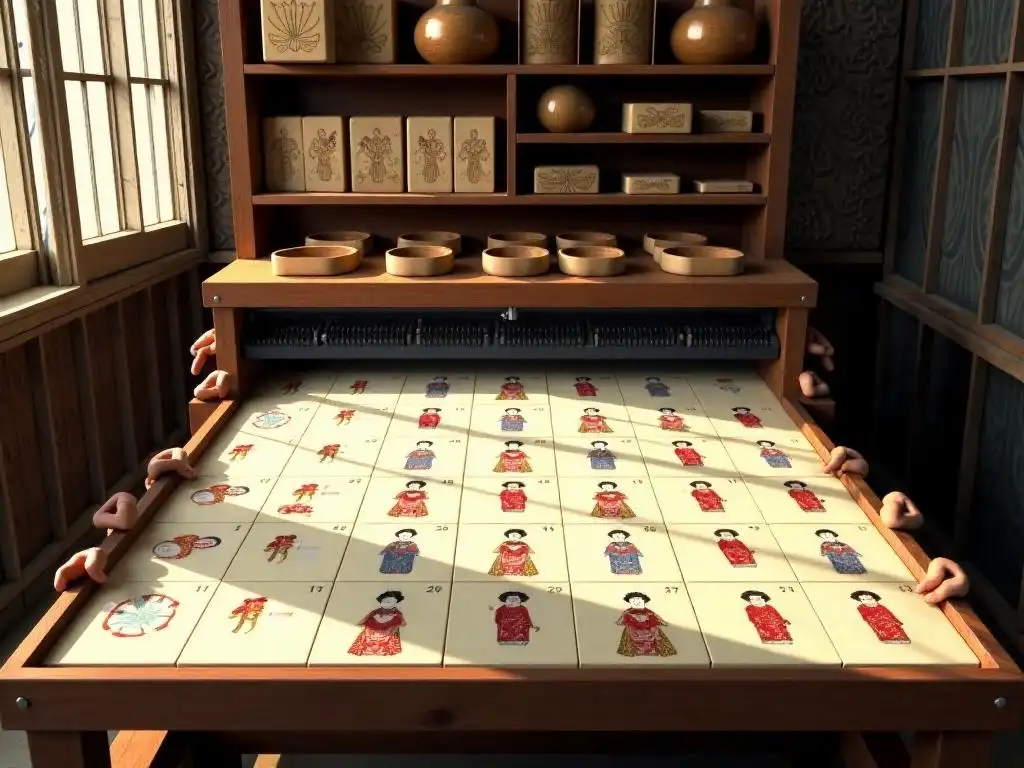
Welcome to Feudal Japan History, where we invite you to embark on a fascinating journey through the intricate tapestry of Japan’s feudal era. Our latest exploration delves into the world of Edo period woodblock printing, a remarkable art form that not only showcased exquisite craftsmanship but also revolutionized mass communication in society. Curious about how these stunning prints influenced culture and daily life during the Edo period?
Join us as we unravel the stories behind the artistry and discover the profound impact of this unique medium. Dive deeper into our articles and let the rich history of feudal Japan captivate your imagination!
- Introduction to Edo Period Woodblock Printing
- The Historical Context of Edo Period Woodblock Printing
- Techniques and Materials in Edo Period Woodblock Printing
- Artistic Styles and Themes in Edo Period Woodblock Printing
- Woodblock Printing as a Form of Mass Communication
- The Economic Impact of Edo Period Woodblock Printing
- Notable Artists and Their Contributions to Edo Period Woodblock Printing
- The Legacy of Edo Period Woodblock Printing
- Conclusion: The Enduring Artistry of Edo Period Woodblock Printing
-
Frequently Asked Questions
- What is woodblock printing, and how was it used in the Edo period?
- How did woodblock printing impact Japanese culture during the Edo period?
- Who were the notable artists involved in Edo period woodblock printing?
- What themes were commonly depicted in Edo period woodblock prints?
- How has Edo period woodblock printing influenced modern art?
- Final Reflection: The Enduring Legacy of Edo Period Woodblock Printing
- Unleash Your Creative Spirit: Dive into Woodblock Printing!
Introduction to Edo Period Woodblock Printing
Woodblock printing, or ukiyo-e, emerged as one of the most influential art forms during the Edo period (1603-1868) in Japan, marking a transformative era in both art and communication. This period was characterized by a flourishing of culture, with the rise of urban centers and a growing merchant class, which significantly influenced the production and consumption of art.
Edo period woodblock printing serves not only as a testament to the artistic prowess of the time but also as a vital medium for disseminating information and ideas across the rapidly changing society. As we delve deeper into this topic, we will explore the techniques, themes, and societal impacts of woodblock printing, illustrating its importance in shaping the cultural landscape of feudal Japan.
Overview of Woodblock Printing in Japan
Woodblock printing has its roots in China, but it was in Japan that this technique truly evolved into a distinct art form. The process involves carving images into a wooden block, applying ink, and pressing paper against the block to create prints. By the late 17th century, Japanese artisans had perfected this method, leading to the production of vibrant, detailed images that captured the imagination of the public.
Key features of woodblock printing during the Edo period include:
- Multiple Block Technique: This allowed for the printing of complex images with multiple colors, increasing the vibrancy and appeal of the artwork.
- Themes and Subjects: Artists depicted a wide range of subjects, including landscapes, kabuki actors, beautiful women, and scenes from daily life, reflecting the diverse interests of Edo society.
- Accessibility: Unlike traditional paintings that were often reserved for the elite, woodblock prints were made widely available, allowing a broader audience to appreciate and own art.
Significance of Woodblock Printing During the Edo Period
The significance of woodblock printing during the Edo period cannot be overstated. Not only did it facilitate artistic expression, but it also played a critical role in mass communication and cultural exchange.
Here are some of the key impacts of woodblock printing during this era:
- Cultural Preservation: Woodblock prints served to document and preserve the culture and daily life of the Edo period, offering insights into the customs, fashion, and social structures of the time.
- Economic Impact: The popularity of woodblock prints stimulated the art market, creating livelihoods for artists, printers, and publishers, and contributing to the overall economy of Edo Japan.
- Political Commentary: Many prints contained subtle political messages or social critiques, allowing artists to comment on contemporary issues in a manner that was both accessible and engaging.
Through its artistry and ability to communicate with the masses, Edo period woodblock printing became a cultural cornerstone in Japan, reflecting the complexities and vibrancy of life during this fascinating era.
The Historical Context of Edo Period Woodblock Printing
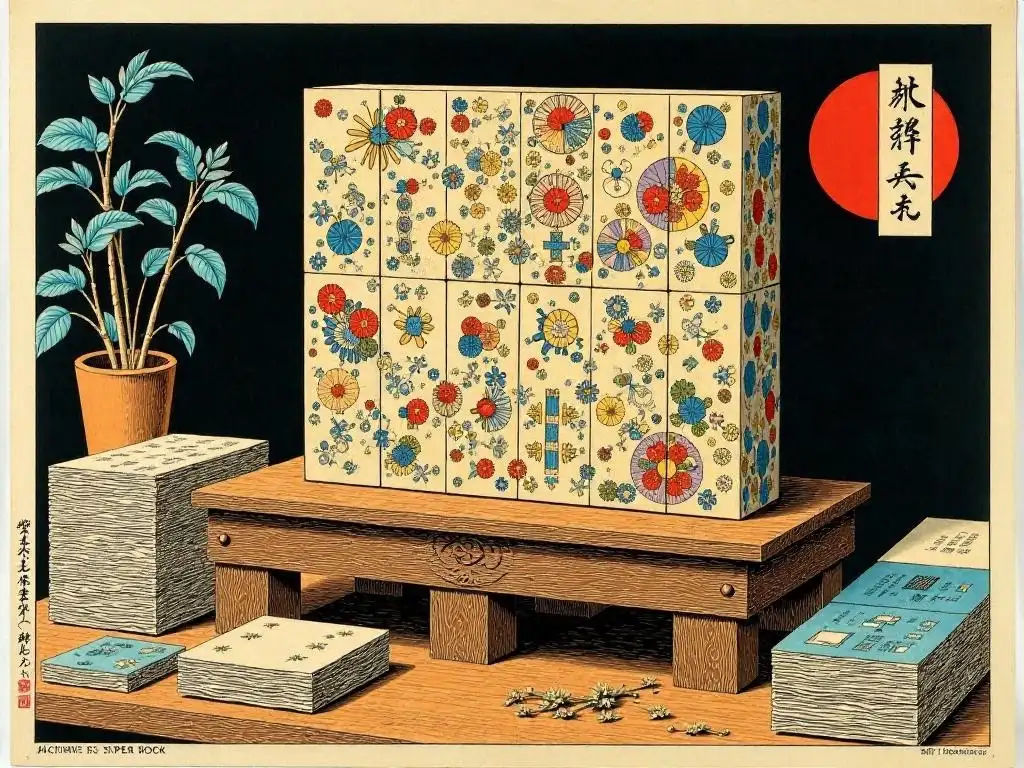
The Rise of the Edo Period (1603-1868)
The Edo period, spanning from 1603 to 1868, marked a significant era in Japanese history characterized by peace, stability, and cultural flourishing under the Tokugawa shogunate. This period saw a shift from the chaotic Sengoku period (Warring States) to a time of relative tranquility, which allowed for the arts and commerce to thrive.
The unification of Japan under Tokugawa Ieyasu led to the establishment of a centralized feudal government that fostered economic growth. Cities flourished, particularly Edo (modern-day Tokyo), which became the political and cultural heart of the nation. As urban centers grew, the demand for printed materials increased, paving the way for the rise of Edo period woodblock printing.
Societal changes during this time also contributed to the popularity of woodblock printing. The emergence of a wealthy merchant class, known as the chōnin, created a new audience for art and literature. This class sought to display their sophistication and taste through the acquisition of prints, which depicted everything from landscapes to kabuki actors.
Additionally, the development of a more literate populace, thanks to the spread of education and literacy, further fueled the demand for printed materials. Woodblock printing became a powerful medium for mass communication, enabling the dissemination of information and culture throughout Japan.
The Role of Woodblock Printing in Edo Society
Woodblock printing played a crucial role in shaping the cultural landscape of Edo period Japan. This technique allowed artists to produce stunning visual works that were affordable and accessible to the general public. The prints, known as ukiyo-e, literally meaning "pictures of the floating world," captured the ephemeral beauty of everyday life, landscapes, and entertainment.
One of the most significant contributions of Edo period woodblock printing was its ability to communicate ideas and themes quickly and effectively. For instance, prints often illustrated popular kabuki performances, helping to promote the theater and its stars. Artists like Hokusai and Hiroshige became household names, and their works transcended regional boundaries, influencing not only Japanese culture but also impacting Western art movements.
The prints also served as a means of political commentary and social critique. During the Edo period, artists utilized woodblock printing to comment on the social hierarchy, the lives of the common people, and the excesses of the ruling class. This dual role of entertainment and social reflection made woodblock printing an essential part of everyday life in Edo society.
The economic implications of woodblock printing were profound. The print industry stimulated the economy by creating jobs for artists, craftsmen, and merchants. Additionally, the production of prints led to the establishment of vibrant marketplaces, where prints were sold alongside other goods, further integrating the art form into the fabric of Edo culture.
The Edo period woodblock printing not only represents a significant artistic achievement but also serves as a vital cultural artifact that reflects the social dynamics and cultural values of its time. The interplay between art and society during this period laid the foundation for modern Japanese graphic arts and continues to influence artistic expression today.
Techniques and Materials in Edo Period Woodblock Printing
Traditional Woodblock Printing Techniques
Edo period woodblock printing, also known as ukiyo-e, represents a remarkable fusion of artistry and technical skill that flourished from the early 17th century to the mid-19th century. The process begins with the creation of an image on a paper prototype, which is then transferred to a carved woodblock. This method allowed artists to produce multiple copies of a single design, significantly impacting accessibility to art in Japan.
Key techniques involved in this intricate process include:
- Carving: Artists meticulously carve the image into the wooden blocks using specialized tools such as chisels (known as nomi). This step requires great precision, as errors can ruin the entire block.
- Registration: A crucial aspect of the printing process, registration ensures that each color is aligned correctly across multiple blocks. This is achieved using a simple yet effective system of registration marks, allowing for the precise overlay of different colors.
- Printing: Once the blocks are prepared, the artist applies ink using a brush and then presses paper onto the block, often using a tool called a baren to create an even print. This technique allows for a range of textures and subtle color gradations.
- Color Layering: To achieve depth and vibrancy, multiple blocks are used for different colors. Artists would apply each color separately, sometimes incorporating bokashi (gradation) techniques to soften transitions between hues.
Key Materials Used in Edo Period Woodblock Printing
The artistry of Edo period woodblock printing was not only dependent on the skill of the artists but also on the quality of materials used. Here are some essential components:
Types of Wood for Printing Blocks
The choice of wood was critical in determining the quality of prints. Commonly used woods included:
- Cherry (sakura): Highly favored for its fine grain and durability, cherry wood allowed for intricate designs and fine details.
- Magnolia (mokuzai): Known for its softness and ease of carving, magnolia was popular among artisans for producing softer lines and textures.
- Pine (matsu): While not as commonly used as cherry or magnolia, pine provided a cost-effective alternative for less intricate works.
The wood must be seasoned properly to prevent warping, ensuring that the carved blocks remained flat and stable during the printing process.
Inks and Dyes in Edo Woodblock Printing
The inks and dyes used in Edo period woodblock printing were essential for achieving the vivid colors that characterized ukiyo-e prints.
- Natural Inks: Traditionally, artists used sumi (black ink made from soot and animal glue). This ink provided a deep, rich black tone that defined the outlines of prints.
- Dyes: Colors were derived from natural sources, such as plants, minerals, and insects. For example:
- Indigo (ai): Used for vibrant blues, sourced from the leaves of the indigo plant.
- Cochineal (shunyu): A dye derived from insects, yielding bright reds.
- Rice Paste: Artists often used rice paste as a binder for pigments, ensuring that colors adhered well to paper and maintained their vibrancy over time.
The combination of these materials and techniques not only exemplified the artistic innovation of the Edo period but also facilitated the mass communication of cultural narratives through print, making art accessible to a broader audience.
Artistic Styles and Themes in Edo Period Woodblock Printing
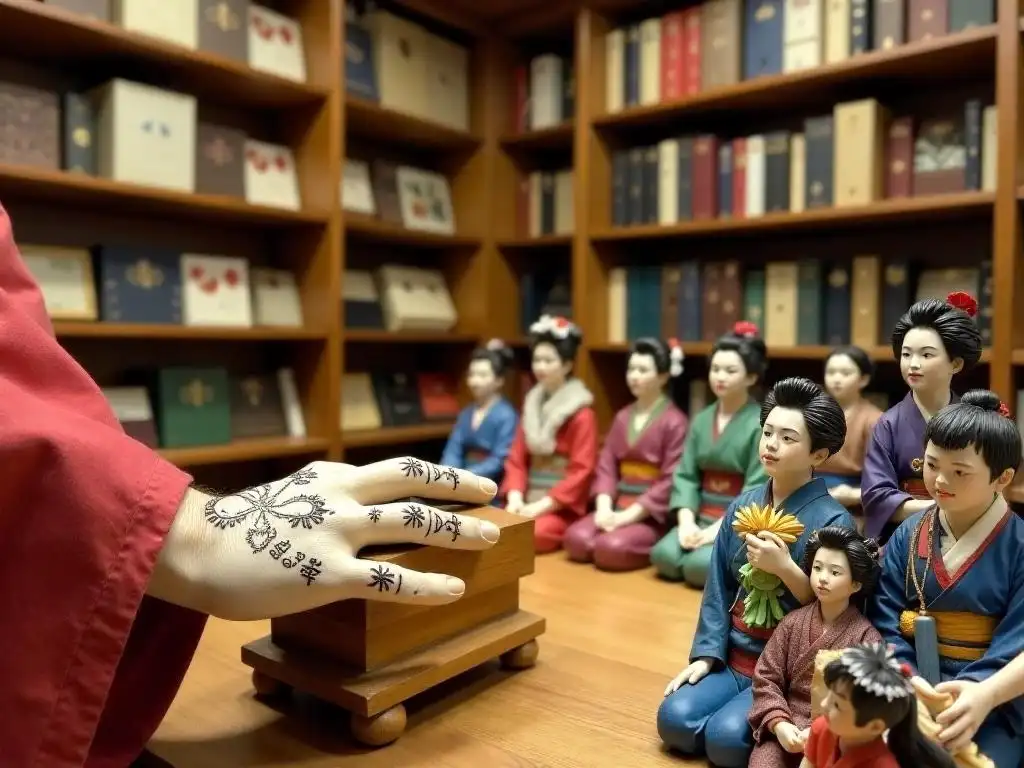
Edo period woodblock printing, particularly ukiyo-e, is characterized by its distinct artistic styles and a variety of themes that reflect the cultural landscape of Japan from the 17th to the 19th centuries. This art form not only served aesthetic purposes but also played a significant role in mass communication during the Edo period. Below, we delve into the prominent styles and themes that defined this influential art movement.
Ukiyo-e: The Floating World
Ukiyo-e, which translates to "pictures of the floating world," is arguably the most recognized genre of Edo period woodblock printing. This style emerged during a time of relative peace and prosperity in Japan, allowing the merchant class to flourish and indulge in leisure activities.
- Cultural Significance: Ukiyo-e prints often depicted scenes of everyday life, entertainment, and the fleeting pleasures of the time. The themes revolve around:
- Kabuki theater performances
- Courtesans and their lifestyle
- Festivals and seasonal events
- Artistic Techniques: Ukiyo-e artists utilized a range of techniques to achieve vibrant colors and intricate designs:
- Color Layering: Multiple woodblocks were used to layer colors, creating depth and vibrancy.
- Texture: Artists experimented with different paper types and inks, resulting in unique textures that enhanced the visual appeal of the prints.
Ukiyo-e not only captured the aesthetics of the time but also conveyed social commentary, reflecting the desires and aspirations of the populace in a rapidly changing society.
Portraits of Kabuki Actors
Kabuki theater, with its elaborate costumes and dramatic performances, inspired a significant number of woodblock prints during the Edo period. These portraits not only celebrated the actors but also served as a form of advertisement for upcoming performances.
- Characteristics of Kabuki Portraits:
- Dramatic Expressions: Prints often showcased exaggerated facial expressions, emphasizing the emotional intensity of the performances.
- Costume Details: The intricate designs of Kabuki costumes were meticulously reproduced, showcasing the craftsmanship involved in both the theater and the art of printing.
- Notable Artists: Artists like Utagawa Kuniyoshi and Utagawa Kunisada became famous for their portrayals of Kabuki actors. Their works contributed to the popularization of specific actors, turning them into cultural icons.
Through these portraits, the ukiyo-e genre blurred the lines between art and commerce, as prints became valuable collectibles and memorabilia for theatergoers.
Nature and Landscape Themes in Edo Woodblock Prints
Nature and landscape themes are another significant aspect of Edo period woodblock printing. Artists captured the beauty of Japan's diverse landscapes, from serene mountains to bustling urban scenes.
- Famous Series: One of the most renowned series is "Thirty-Six Views of Mount Fuji" by Katsushika Hokusai. This collection illustrates:
- Diverse Perspectives: Each print offers a unique viewpoint of Mount Fuji, showcasing its grandeur in varying seasonal and weather conditions.
- Integration of Daily Life: Many prints feature people engaging in everyday activities against the backdrop of stunning landscapes, highlighting the harmony between nature and humanity.
- Symbolism: Nature in Edo woodblock prints often carried symbolic meanings:
- Seasonal Changes: Different seasons were represented through specific flora and activities, reflecting the cyclical nature of life.
- Cultural Identity: The representation of landscapes served to foster a sense of national pride and cultural identity among the Japanese people.
The artistic styles and themes of Edo period woodblock printing, particularly through ukiyo-e, portraits of Kabuki actors, and nature landscapes, offer a rich tapestry of cultural expression. These prints not only serve as artistic masterpieces but also as historical documents that encapsulate the societal dynamics of the Edo period.
The Influence of European Art on Japanese Woodblock Printing
During the Edo period, Japan experienced a significant influx of European artistic influences, which notably left their mark on the traditional art of woodblock printing. The arrival of Portuguese and Dutch traders in the 16th and 17th centuries facilitated cultural exchanges that introduced new themes, techniques, and materials to Japanese artists. This cross-cultural interaction played a crucial role in shaping the evolution of Edo period woodblock printing.
One of the most profound impacts of European art on Japanese woodblock printing was the introduction of perspective and chiaroscuro (the treatment of light and shadow) techniques. While Japanese artists had a rich tradition of creating two-dimensional images, the European style emphasized depth and realism. Artists like Katsushika Hokusai and Utagawa Hiroshige began experimenting with these techniques, resulting in prints that showcased a more three-dimensional quality. This shift not only enriched the visual appeal of woodblock prints but also allowed for more dynamic compositions.
Moreover, the subject matter of Edo period woodblock printing was expanded through European influence. Traditional Japanese themes often focused on landscapes, kabuki actors, and beautiful women. However, the introduction of Western motifs, such as scenes of daily life, nature, and even mythological subjects, broadened the narrative scope of woodblock prints. This diversification helped to reflect the changing societal interests and tastes during the Edo period, catering to a wider audience.
The use of color also evolved during this time, as European artists had mastered advanced dyeing techniques that allowed for more vivid and varied color palettes. Japanese woodblock printers began incorporating these methods, leading to the creation of more vibrant and appealing prints. The process of using multiple woodblocks for each color, known as nishiki-e, became prominent, allowing for intricate designs that captured the attention of collectors and art enthusiasts.
The interplay between Japanese woodblock artists and European art did not just stop at technique and subject matter; it also extended to the materials used. The importation of new pigments and paper types from Europe enriched the quality of the prints. Artists embraced these materials, which enabled them to achieve brighter and more lasting colors, further enhancing the overall artistry of Edo period woodblock printing.
The influence of European art on Japanese woodblock printing during the Edo period was a transformative force that led to significant stylistic innovations and thematic expansions. This cultural exchange not only enriched the artistry of the prints but also played a vital role in the evolution of Japanese visual culture, allowing it to resonate with a broader audience both domestically and internationally. The legacy of this interaction can still be felt in contemporary art practices, highlighting the enduring impact of the Edo period woodblock printing on the global art landscape.
Woodblock Printing as a Form of Mass Communication
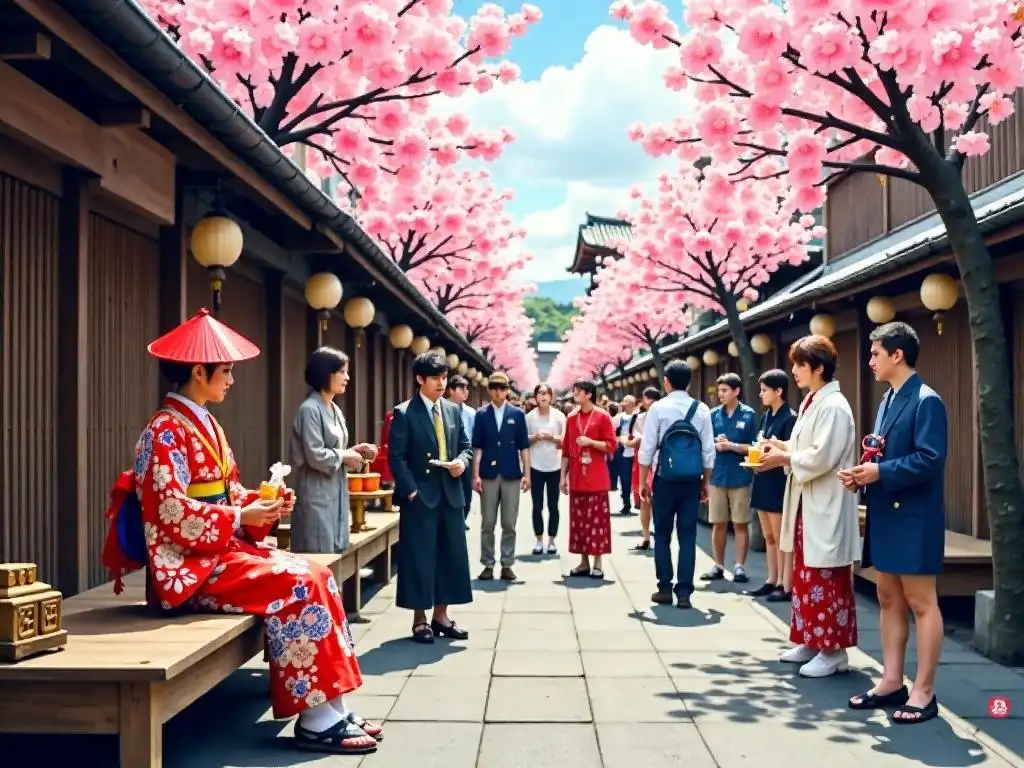
During the Edo period (1603-1868), woodblock printing emerged as a revolutionary medium for disseminating information and cultural content across Japan. This technique allowed for the mass production of images and texts, making it accessible to a wider audience than ever before. The intricate process of woodblock printing not only showcased the artistic talents of the printmakers but also played a crucial role in shaping public consciousness and cultural identity during this era.
The Spread of Information through Woodblock Prints
Woodblock prints served as a vital channel for the distribution of various types of information, from news and literature to art and entertainment. By the mid-Edo period, the proliferation of these prints began to reflect societal trends and significant events. For instance, the emergence of ukiyo-e (pictures of the floating world) prints captured the lives of the urban populace, illustrating everything from landscapes to kabuki theater performances.
- Types of Information Disseminated:
- News and Current Events: Prints often depicted significant political events, disasters, and festivals, allowing people to stay informed about local happenings.
- Literature: Illustrated books and pamphlets became popular, combining text with images, which helped to promote literature and literacy among the populace.
- Art: Artists used woodblock printing to reproduce their works, making art more accessible to the general public.
The ease of reproducing images allowed for rapid distribution, and the affordability of woodblock prints meant that even common citizens could enjoy and share them. This democratization of art and information marked a significant shift in Edo society, contributing to a more informed and culturally engaged populace.
Woodblock Prints and Popular Culture in Edo Society
As woodblock printing flourished, it became deeply intertwined with the popular culture of the Edo period. The prints reflected the tastes, interests, and daily lives of the people, serving as both entertainment and a form of social commentary.
- Entertainment:
- Ukiyo-e Prints: These prints portrayed scenes from kabuki plays, sumo wrestling, and beautiful landscapes, captivating the audience and influencing various art forms.
- Illustrated Fiction: Serialized stories and popular novels were often accompanied by illustrations, making them more appealing and engaging for readers.
- Fashion and Trends:
- Woodblock prints frequently depicted fashionable clothing and hairstyles, thus influencing trends among the populace. This led to a cycle of consumption where people sought to emulate the styles seen in prints.
- Social Commentary:
- Many prints subtly critiqued societal norms or highlighted the disparities within Edo society, providing a medium for artistic expression that could provoke thought and discussion.
The connection between woodblock prints and popular culture fostered a unique environment in which art became a reflection of the societal zeitgeist, allowing for both individual expression and collective identity.
The Role of Printmakers in Edo Period Communication
Printmakers played a pivotal role in the communication landscape of the Edo period. They were not only skilled artisans but also key figures in the cultural and social fabric of their time.
- Artisan Guilds:
- Printmakers often worked within guilds, which facilitated collaboration and the sharing of techniques. This community aspect helped maintain high artistic standards while also fostering innovation in printmaking.
- Collaboration with Artists and Writers:
- Many printmakers collaborated with famous artists and writers of the time, ensuring that their works reached a broader audience. This symbiotic relationship enhanced the quality and variety of the prints produced.
- Censorship and Regulation:
- The Edo government maintained strict control over the content of printed materials, employing a censorship system that printmakers had to navigate. This regulation influenced the themes and subjects of the prints, as creators often had to be cautious about political sensitivities.
- Economic Impact:
- The mass production of woodblock prints created a thriving market, contributing to the growth of the economy. Printmakers, along with booksellers and distributors, formed a network that helped sustain the cultural economy of the Edo period.
Woodblock printing was a transformative medium in Edo period communication, facilitating the spread of information and shaping popular culture. The printmakers' contributions were essential in promoting artistic innovation and cultural exchange, making woodblock printing a cornerstone of Edo society's rich cultural heritage.
The Economic Impact of Edo Period Woodblock Printing
The economic ramifications of Edo period woodblock printing were substantial, influencing both the art world and the burgeoning commercial landscape of Japan during the 17th to 19th centuries. As woodblock printing evolved from a niche artistic endeavor to a widespread commercial industry, it played a crucial role in shaping the economy of Edo (modern-day Tokyo) and beyond. This transformation can be understood through the examination of the woodblock printing industry itself and the broader market for these prints.
The Woodblock Printing Industry in Edo
The woodblock printing industry in Edo flourished due to several key factors that contributed to its growth and sustainability. This industry was characterized by:
- Specialization of Labor: The production of woodblock prints involved a division of labor among artisans, including designers (ukiyo-e artists), carvers, printers, and publishers. Each specialized role ensured efficiency and high-quality outputs, which in turn boosted productivity.
- Technological Advancements: Innovations in printing techniques and tools allowed for faster production and improved detail in prints. The introduction of colored inks and multi-block printing methods led to richer and more varied artworks, attracting a wider audience.
- Cultural Patronage: The growing merchant class in Edo became significant patrons of the arts, commissioning works that reflected their tastes and aspirations. This cultural patronage was crucial in sustaining the livelihoods of artists and craftsmen involved in woodblock printing.
Key Figures in the Industry
Prominent figures such as Katsushika Hokusai and Utagawa Hiroshige emerged during this period, elevating woodblock printing to new artistic heights. Their works not only showcased the technical prowess of the industry but also stimulated demand among collectors and the general populace.
The Market for Woodblock Prints: From Art to Commerce
The market for Edo period woodblock prints transitioned from a primarily artistic focus to a commercial powerhouse, driven by various socio-economic factors. This shift can be analyzed through:
- Accessibility of Prints: Woodblock prints were relatively affordable compared to other art forms, allowing a broader segment of society to acquire and enjoy them. This democratization of art fueled mass consumption, with prints often sold in shops and markets across Edo.
- Themes and Content: The subjects of woodblock prints ranged from landscapes and kabuki actors to scenes from everyday life, catering to diverse interests. The popularization of specific themes, such as the "ukiyo" (floating world), resonated with the urban populace and further stimulated demand.
- Marketing Strategies: Publishers employed savvy marketing techniques, including the use of seasonal themes and limited editions, to entice buyers. The strategic placement of prints in commercial districts and festivals served to heighten visibility and attract customers.
Economic Impact on Society
The economic impact of woodblock printing extended beyond mere sales figures. It contributed to:
- Job Creation: The growth of the woodblock printing industry generated employment for thousands, from artisans to merchants, supporting a vibrant economy.
- Cultural Exchange: The proliferation of prints facilitated cultural exchanges both within Japan and with foreign markets, leading to the exportation of Japanese art and influence.
- Urban Development: As Edo became a center for woodblock printing, it spurred urban development and infrastructure improvements, positioning the city as a cultural and economic hub.
The economic impact of Edo period woodblock printing was profound, shaping not only the art landscape but also the broader socio-economic framework of Japan during this dynamic era. The intersection of artistry and commerce in this industry highlights the significance of woodblock printing in the cultural history of the Edo period.
Notable Artists and Their Contributions to Edo Period Woodblock Printing
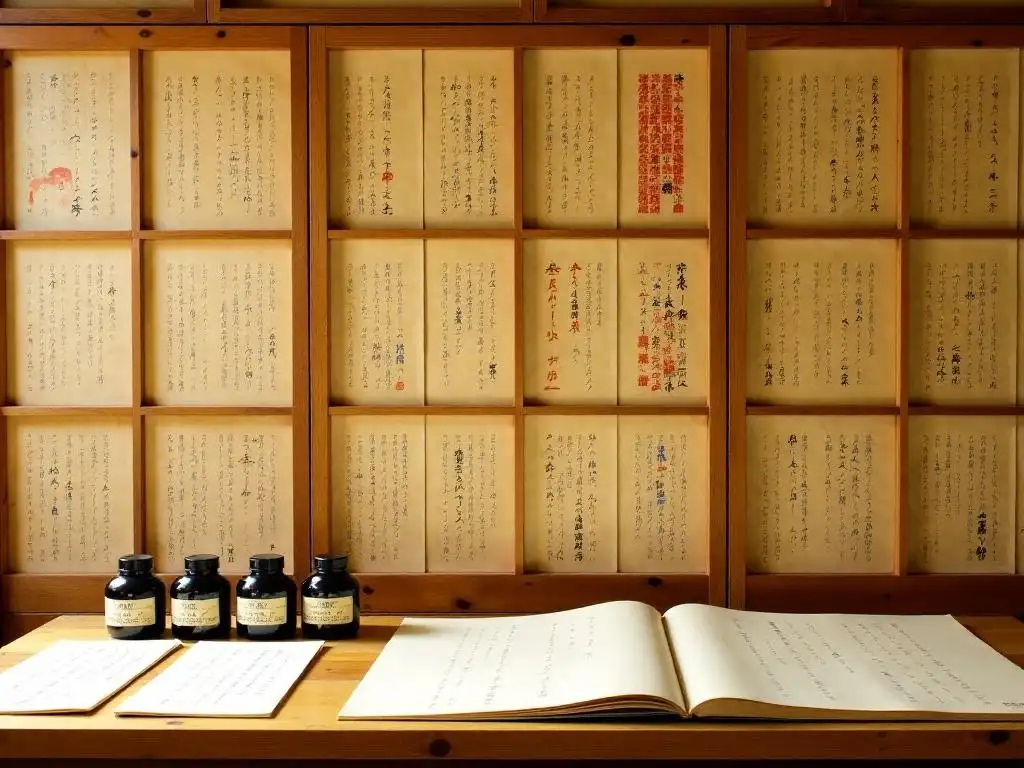
The Edo period, spanning from 1603 to 1868, witnessed a flourishing of woodblock printing, leading to the emergence of numerous influential artists who significantly shaped this art form. These artists not only produced exquisite prints but also contributed to the cultural landscape of Japan. Their works encapsulated the beauty of nature, urban life, and societal themes, making them pivotal figures in the history of Edo period woodblock printing.
Katsushika Hokusai: Master of the Wave
Katsushika Hokusai (1760–1849) is perhaps the most renowned figure in the realm of Edo period woodblock printing. His iconic piece, "The Great Wave off Kanagawa," is a stunning representation of the power of nature, showcasing Hokusai's innovative approach to composition and color.
- Innovations:
- Hokusai was a pioneer in the use of perspective in his prints, allowing for a dynamic interplay between foreground and background.
- He utilized a technique called bokashi, which involves gradations of color, enhancing the depth and visual interest of his works.
- Influence:
- His work not only influenced Japanese art but also left a lasting impact on Western artists such as Vincent van Gogh and Claude Monet, who admired Hokusai's unique style and ability to capture emotion through landscapes.
- Notable Works:
- In addition to "The Great Wave," Hokusai created a series of prints known as "Thirty-Six Views of Mount Fuji," which celebrates the sacred mountain in various seasons and settings.
- His sketchbooks, particularly "Hokusai's Manga," further demonstrate his mastery and versatility, offering insights into everyday life during the Edo period.
Utagawa Hiroshige: Landscapes and Seasons
Utagawa Hiroshige (1797–1858) is celebrated for his breathtaking landscapes and seasonal themes, which became a hallmark of Edo period woodblock printing. His works often depicted the beauty of nature and the changing seasons, resonating deeply with the Japanese appreciation for harmony with the environment.
- Innovative Techniques:
- Hiroshige employed surimono printing techniques, which allowed for more vibrant colors and intricate details in his works.
- His unique use of color gradation and atmospheric perspective gave a sense of depth and realism to his landscapes.
- Famous Series:
- One of his most famous series, "The Fifty-Three Stations of the Tōkaidō," illustrates the journey along the Tōkaidō road, capturing the diverse scenery and the life of travelers. Each print features a different station, showcasing Hiroshige's ability to convey the essence of place.
- His later series, "One Hundred Famous Views of Edo," further solidified his reputation, highlighting the beauty of Edo (now Tokyo) through various perspectives and seasons.
Other Influential Edo Period Printmakers
In addition to Hokusai and Hiroshige, several other artists played crucial roles in the development of Edo period woodblock printing, each bringing their unique styles and themes to the medium.
- Utagawa Kuniyoshi (1798–1861):
- Known for his dramatic and dynamic compositions, Kuniyoshi often depicted legendary heroes and folklore. His prints are characterized by bold colors and intricate patterns, making him a favorite among collectors.
- Kitagawa Utamaro (1753–1806):
- A master of ukiyo-e (pictures of the floating world), Utamaro is celebrated for his portraits of beautiful women and kabuki actors. His works often emphasize the grace and elegance of the subjects, showcasing the artistry of Edo period beauty.
- Toshusai Sharaku (active 1794–1795):
- Renowned for his striking portraits of kabuki actors, Sharaku's works are noted for their psychological depth and expressive features. Despite his short career, his impact on the genre of actor prints was profound.
Conclusion
The artistry and innovation of these notable figures have left an indelible mark on the history of Edo period woodblock printing. Their contributions not only enriched the visual culture of Japan but also paved the way for future generations of artists, ensuring that the legacy of this art form continues to be celebrated and appreciated today.
The Legacy of Edo Period Woodblock Printing
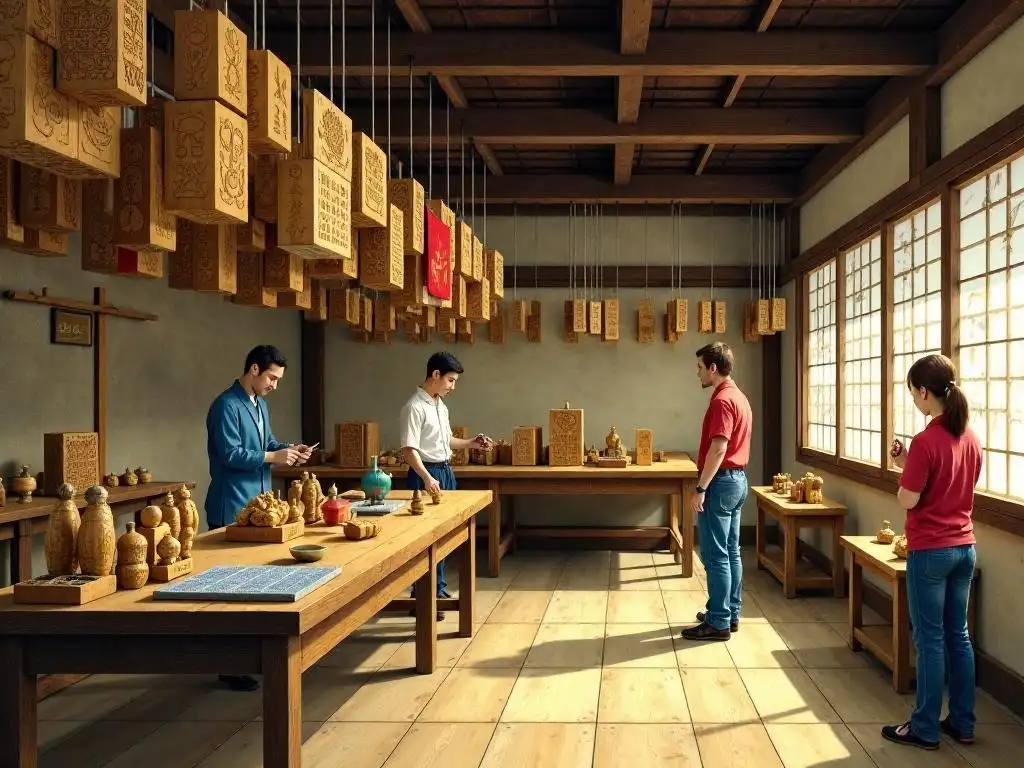
Influence on Modern Japanese Art
Edo period woodblock printing, known as ukiyo-e, has left an indelible mark on modern Japanese art and aesthetics. This legacy can be seen in various art forms, from contemporary prints to fashion and graphic design. Artists like Katsushika Hokusai and Utagawa Hiroshige not only pioneered techniques but also established themes that resonate in today's artistic expressions.
- Cultural Revival: The late 19th and early 20th centuries saw a resurgence of interest in ukiyo-e among artists. The Nihonga movement, which sought to revive traditional Japanese painting, incorporated elements of ukiyo-e, emphasizing the rich colors and detailed compositions characteristic of these prints.
- Influence on Western Art: The fascination with ukiyo-e extended beyond Japan, influencing Western artists such as Vincent van Gogh and Claude Monet. The use of bold colors, asymmetrical compositions, and emphasis on nature found in ukiyo-e can be seen reflected in their works, showcasing the cross-cultural exchanges initiated during the Edo period.
- Contemporary Interpretations: Today, many Japanese artists draw inspiration from the techniques and subjects of Edo woodblock printing. For instance, contemporary printmakers may experiment with traditional methods while incorporating modern themes, thus bridging the gap between historical artistry and current expressions.
The Global Impact of Edo Woodblock Printing Techniques
Edo period woodblock printing techniques revolutionized not only Japanese art but also had a profound effect on global art practices. The methods developed during this era contributed to the evolution of printmaking worldwide.
- Technical Innovations: Techniques such as the bokashi gradation, which allowed for smooth transitions between colors, and the surimono style, which emphasized fine craftsmanship, set new standards in printmaking. These innovations were adopted by artists across the globe, enhancing their own printmaking practices.
- Cultural Exchange: The export of ukiyo-e prints to the West during the late 19th century played a significant role in the Japonisme movement. This phenomenon saw a surge in interest among European artists and collectors, leading to a reinterpretation of artistic conventions. Japanese prints influenced not only individual artists but also stylistic movements, such as Art Nouveau and Impressionism.
- Preservation and Education: The techniques and themes from the Edo period have been preserved and taught in art schools worldwide, ensuring that future generations appreciate and understand the craftsmanship involved in woodblock printing. Workshops and exhibitions dedicated to ukiyo-e continue to foster global interest in these traditional practices.
The legacy of Edo period woodblock printing is a testament to its enduring influence on both modern Japanese art and the global art scene. The artistry, techniques, and cultural exchanges initiated during this era continue to resonate, highlighting the significance of this historical craft in contemporary art and communication.
Conclusion: The Enduring Artistry of Edo Period Woodblock Printing
Summary of Key Points
Edo period woodblock printing, known in Japanese as ukiyo-e, played a pivotal role in shaping the cultural landscape of Japan from the 17th to the 19th centuries. This art form not only provided aesthetic pleasure but also served as a medium for mass communication, disseminating information and popular culture across the archipelago. Key points of this exploration include:
- Artistic Techniques: The intricate processes involved in woodblock printing, from carving the woodblocks to the application of vibrant pigments, showcased the exceptional craftsmanship of artists like Hokusai and Hiroshige.
- Cultural Themes: Subjects of ukiyo-e prints ranged from landscapes and kabuki actors to beautiful women, encapsulating the fleeting pleasures of life, which resonated with the Edo period's ethos of ukiyo, or "the floating world."
- Commercial Impact: With the advent of this printing technique, art became more accessible to the general populace, leading to an increase in demand and a flourishing art market.
- Historical Context: The rise of the merchant class during the Edo period created a new audience for woodblock prints, altering the dynamics of art patronage and consumption.
Reflection on the Cultural Significance of Woodblock Printing in Edo Japan
The cultural significance of woodblock printing during the Edo period cannot be overstated. This art form served as a mirror reflecting the societal values, aspirations, and everyday life of Edo Japan. Through ukiyo-e, the visual narratives captured the essence of a society in transition, where traditional norms began to coexist with emerging modern influences.
- Medium of Expression: Woodblock printing allowed artists to express their commentary on contemporary issues, including social hierarchies, the beauty of nature, and the vibrancy of urban life. The prints became a vehicle for storytelling, sharing tales that resonated with the populace.
- Cultural Exchange: As ukiyo-e gained popularity, it influenced not only Japanese culture but also made its way into Western art, inspiring movements such as Impressionism. Artists like Vincent van Gogh admired the vibrant colors and unique perspectives found in these prints, highlighting the global reach of Edo-period artistry.
- Legacy: The techniques and themes pioneered in Edo period woodblock printing continue to influence modern art and design. Today, contemporary artists draw inspiration from ukiyo-e, blending traditional methods with modern aesthetics, thereby keeping the legacy alive.
The artistry of Edo period woodblock printing stands as a testament to the creativity and cultural richness of Japan's feudal era. Its enduring impact on both Japanese and global art reflects a dynamic interplay between tradition and innovation, ensuring that this historical art form remains an essential aspect of cultural history.
Frequently Asked Questions
What is woodblock printing, and how was it used in the Edo period?
Woodblock printing is a technique that involves carving images into wood blocks, which are then inked and pressed onto paper. In the Edo period, it served as a major form of mass communication and artistic expression.
How did woodblock printing impact Japanese culture during the Edo period?
During the Edo period, woodblock printing significantly influenced popular culture by making art more accessible to the general public, promoting the ukiyo-e genre, and spreading literature and news.
Who were the notable artists involved in Edo period woodblock printing?
Prominent artists such as Hokusai and Hiroshige are renowned for their masterful works in woodblock printing, which captured the beauty of nature and everyday life in Japan.
What themes were commonly depicted in Edo period woodblock prints?
Common themes included landscapes, theater, geishas, and historical scenes, reflecting the vibrant life and societal changes of the time.
How has Edo period woodblock printing influenced modern art?
Edo period woodblock printing has left a lasting impact on modern art by inspiring numerous artists worldwide, contributing to the development of graphic design, and promoting the idea of art for the masses.
Final Reflection: The Enduring Legacy of Edo Period Woodblock Printing
Edo period woodblock printing serves as a remarkable testament to the intersection of artistry and mass communication, reflecting a time when visual storytelling flourished in Japan. Today, as we navigate an increasingly digital world, the principles of accessibility and creativity that defined this art form resonate more than ever. The ability to convey complex narratives through simple yet striking imagery is a skill that remains vital in our contemporary society, where visual content dominates our communication landscape.
Edo period woodblock printing has profoundly shaped our cultural and social fabric, influencing not only art but also literature, fashion, and even modern media. The legacy of this technique can be seen in the way we share stories today, reminding us that art is a powerful vehicle for connection and understanding. As artist Katsushika Hokusai once said, The great waves of my art are like the great waves of the sea; they will always return.
This sentiment captures the cyclical nature of artistic influence, showing how the innovations of the past continue to inspire and inform the present.
As we reflect on the lessons of Edo period woodblock printing, I invite you to consider how you can incorporate the spirit of this artistry into your own life. Whether through creating your own visual narratives, appreciating the stories behind the art you encounter, or sharing your unique perspective with the world, remember that every brushstroke and print carries the potential to communicate profound ideas. Embrace the artistry within you, and let it ripple through your community, just as the waves of the Edo period continue to inspire us today.
Unleash Your Creative Spirit: Dive into Woodblock Printing!
Thank you for taking the time to explore the fascinating world of woodblock printing during the Edo period! Your curiosity about this unique artistry not only enriches your knowledge but also connects you to a pivotal form of mass communication that shaped culture and society. Now, let’s turn that interest into action!
Here are a few exhilarating steps to ignite your creative journey:
- Start your own woodblock printing project: Gather materials such as woodblocks, ink, and paper, and follow online tutorials to create your first masterpiece inspired by traditional Japanese craftsmanship.
- Visit a local gallery: Explore exhibitions showcasing traditional Japanese art, or seek out workshops in your area where you can learn directly from experienced artists.
- Share your discoveries: Connect with fellow art enthusiasts by sharing your experiences on social media or within artistic communities. You might inspire others to delve into the captivating world of woodblock printing!
What aspect of woodblock printing captivates you the most, and how do you envision incorporating it into your artistic journey?