
The Collector's Dilemma: How to Choose the Best Samurai Sword for Your Needs


Welcome to Feudal Japan History, your gateway to the intriguing world of Japan's feudal era! Dive into our expertly crafted articles that explore the historical, cultural, and societal aspects of this fascinating time. If you've ever wondered about the best samurai sword for collectors, you're in the right place. In The Collector's Dilemma: How to Choose the Best Samurai Sword for Your Needs, we unravel the secrets behind selecting the perfect piece for your collection.
Get ready to embark on a journey that not only deepens your understanding but also ignites your passion for this iconic symbol of honor and craftsmanship. Curious to learn more? Let's uncover the art of collecting together!
In the world of martial arts and historical weaponry, few artifacts capture the imagination quite like the samurai sword. Known for their craftsmanship, beauty, and historical significance, these blades are not only tools of war but also cherished collectibles that embody the spirit of feudal Japan.
As a collector, understanding how to choose the best samurai sword for collectors involves navigating a landscape rich in types, styles, and cultural nuances. This article aims to guide you through the intricate process of selecting a samurai sword that not only meets your aesthetic and practical needs but also serves as a valuable addition to your collection.
Introduction to the Best Samurai Sword for Collectors
Choosing the best samurai sword requires a thorough appreciation of its historical context and the craftsmanship that goes into making these exceptional pieces. With a variety of swords available on the market, each with its own unique characteristics and significance, collectors must be discerning about their choices. Are you drawn to the legendary katana, revered for its cutting ability and elegance? Or perhaps the wakizashi, often considered the samurai's companion blade, intrigues you? Understanding the distinctions between these types of swords can greatly enhance your collecting journey.
In this article, we will explore the different types of samurai swords that are particularly popular among collectors, shedding light on their unique features, historical background, and what to consider before making a purchase. By the end of this guide, you'll be well-equipped to make an informed decision that aligns with your collecting aspirations.
Understanding the Types of Samurai Swords
When it comes to samurai swords, there are several distinct types, each with its own place in history and unique attributes. Here’s a closer look at the most notable samurai swords that collectors often pursue:
The Katana: The Iconic Samurai Sword
The katana is perhaps the most recognized and celebrated of all samurai swords. Known for its distinctive curve, single-edged blade, and intricate hilt, the katana is a symbol of the samurai's honor and skill.
- Characteristics:
- Blade Length: Typically between 60-80 cm
- Curvature: A gentle curve that aids in slashing techniques
- Materials: Often crafted from high-quality steel, with a unique folding process that enhances durability
- Historical Significance:
- Used in battle and as a ceremonial weapon
- Represents the samurai's status and identity
The Wakizashi: The Companion Blade
The wakizashi is a shorter blade, usually worn alongside the katana, and serves multiple purposes, from combat to ritual.
- Characteristics:
- Blade Length: Generally 30-60 cm
- Functionality: Designed for close-quarter combat and as a backup weapon
- Cultural Importance:
- Worn by samurai as part of the daisho, which includes both the katana and wakizashi, symbolizing the samurai’s social status
The Tanto: The Dagger of the Samurai
The tanto is a small blade that holds both practical and symbolic significance.
- Characteristics:
- Blade Length: Typically less than 30 cm
- Use: Primarily used for stabbing and as a utility tool
- Role in Samurai Culture:
- Often given as a gift or used in seppuku (ritual suicide), illustrating its deep cultural ties to the samurai ethos
By understanding these different types of samurai swords, collectors can make informed decisions when searching for the best samurai sword for their needs, ensuring that their collection is not only aesthetically pleasing but also rich in history and significance.
Key Factors to Consider When Choosing a Samurai Sword
Selecting the best samurai sword for collectors involves several critical factors that can significantly influence both the aesthetic value and functionality of the sword. Understanding these elements can help collectors make informed decisions, ensuring they acquire a piece that meets their needs and expectations. Here are some essential aspects to consider:
- Purpose of the Sword: Determine whether the sword will be used for display, practice, or martial arts. This decision will influence the choice of materials and design.
- Historical Significance: Many collectors prefer swords with a rich history or those that represent a specific era or school of sword-making. Researching the sword's background can enhance its value.
- Budget: Samurai swords can vary greatly in price. Setting a budget will help narrow down options and prevent overspending.
- Aesthetic Appeal: The visual elements of a sword, such as the blade polish, handle design, and fittings, should resonate with the collector's personal taste.
Blade Material: Steel Types and Quality
The blade's material is one of the most crucial factors in determining a samurai sword's quality. Traditionally, samurai swords were made from high-quality steel, and several steel types are prominent in their production:
- Tamahagane Steel: This is the traditional steel used in Japanese sword-making, known for its excellent balance of hardness and flexibility. It is made from iron sand, which is smelted in a tatara (a traditional furnace).
- Folded Steel: Many high-end swords feature folded steel, which involves repeatedly folding the metal to eliminate impurities and create a unique grain pattern. This process enhances the blade's strength and beauty.
- High Carbon Steel: Commonly found in modern replicas, high carbon steel offers a good balance of affordability and durability, making it suitable for practice swords.
The quality of the steel is also paramount. Look for swords that boast a high carbon content, as these will typically hold a sharper edge and resist chipping.
Tsuba (Guard) Design and Functionality
The tsuba, or guard, is a distinctive feature of samurai swords, serving both functional and decorative purposes. When choosing a sword, consider the following:
- Material: Tsubas can be made from various materials, including iron, brass, and even silver. The choice of material often affects the overall aesthetic and weight of the sword.
- Design: A tsuba can feature intricate designs, often reflecting cultural or personal significance. Collectors may prefer tsubas with unique motifs or historical references.
- Functionality: Beyond aesthetics, the tsuba serves to protect the hand from slipping onto the blade during use. Ensure the tsuba is properly sized for both comfort and safety.
A well-designed tsuba not only enhances the sword's beauty but also contributes to its overall functionality.
Tsuka (Handle) and Tsuka-ito (Wrap) Quality
The tsuka, or handle, is another vital component that influences the sword's usability and comfort. Key considerations include:
- Material: Traditional tsuka are made from wood, often wrapped in rayskin (same) for grip and comfort. The choice of wood can affect the sword's balance and weight.
- Tsuka-ito (Wrap): The wrapping on the tsuka can be made from cotton, silk, or synthetic materials. A high-quality tsuka-ito should be tightly wrapped to provide a secure grip and should not slide or loosen over time.
- Length: The length of the tsuka should match the wielder's hand size, allowing for comfortable handling and maneuverability.
A well-crafted tsuka and tsuka-ito not only enhance aesthetic appeal but also provide the necessary function for effective handling during practice or display.
Evaluating Authenticity and Craftsmanship
For collectors, verifying the authenticity and craftsmanship of a samurai sword is essential to ensure its value and historical integrity. Here are some critical points to consider:
How to Identify Genuine Samurai Swords
Identifying a genuine samurai sword involves examining several key features:
- Tang (Nakago): Inspect the tang of the sword, where the signature (mei) of the smith is located. Authentic swords often bear the signatures of renowned swordsmiths, which can be traced back to their historical lineage.
- Blade Characteristics: Genuine samurai swords typically have a distinctive curvature (sori), a hamon (temper line), and a well-defined kissaki (tip). The craftsmanship will often reveal details that counterfeit swords lack.
- Provenance: Collectors should seek swords with documented history or provenance, as this can significantly increase their authenticity and value.
Researching the specific characteristics of the swordsmith and historical context can further aid in verifying authenticity.
The Importance of Craftsmanship in Value
The level of craftsmanship in a samurai sword plays a pivotal role in determining its market value. High-quality craftsmanship can be identified through:
- Attention to Detail: Authentic swords often demonstrate meticulous attention to detail in both design and construction, including the smoothness of the blade, the quality of the fittings, and the overall finish.
- Historical Techniques: Swords made using traditional techniques, such as differential hardening and folding, are often more valuable due to their labor-intensive processes and the skill required.
- Condition: The overall condition of the sword affects its value. Well-preserved swords that show minimal signs of wear are typically more sought after.
Understanding the craftsmanship behind a samurai sword not only enhances a collector's appreciation of the piece but also serves as a significant factor in its long-term value and desirability.
Best Samurai Swords for Collectors in 2024
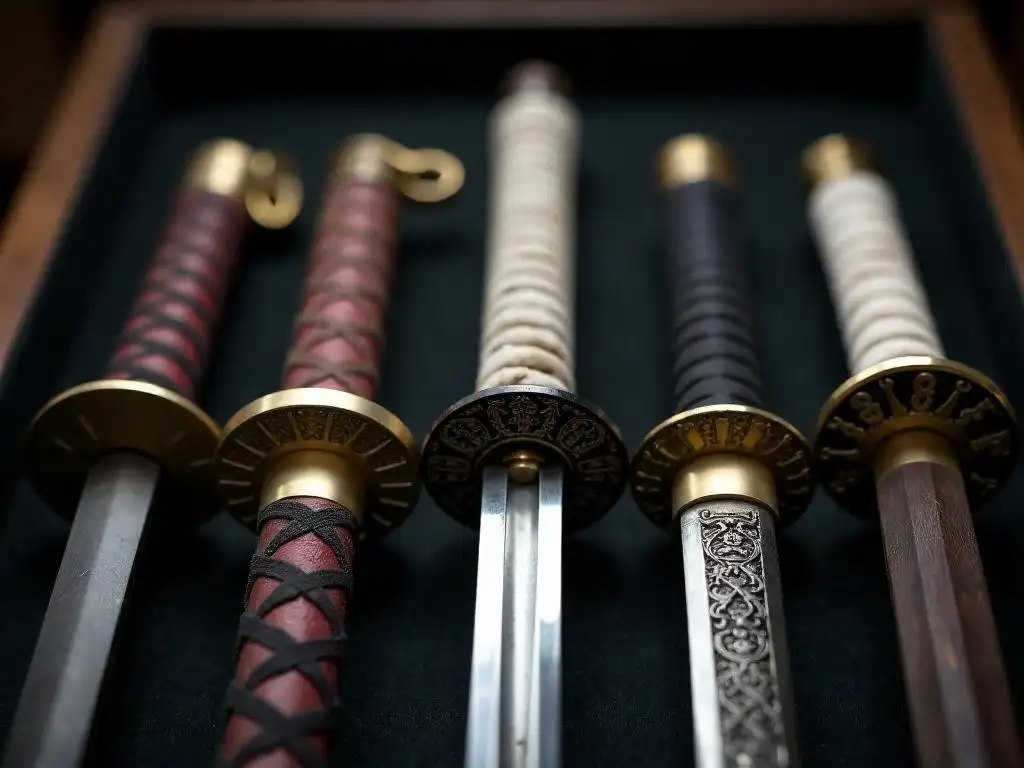
As we step into 2024, the world of samurai swords for collectors has expanded significantly, offering a diverse range of options that cater to both aesthetic preferences and functional requirements. The best samurai sword for collectors often balances historical authenticity with modern craftsmanship. This year, collectors are seeking swords that not only reflect the rich history of Japan but also serve as impressive display pieces that can appreciate in value over time.
Among the notable trends this year are a resurgence in traditional forging techniques, and a focus on sustainable materials. Collectors should be on the lookout for blades made with tamahagane steel, which is revered for its quality and historical significance. Additionally, swords that come with detailed provenance or are linked to renowned artisans are particularly desirable. As the market evolves, understanding the nuances of quality, craftsmanship, and historical context will be crucial for collectors aiming to acquire the best samurai sword for their collection.
Top Picks for Collectors: A Comprehensive List
- Katanas by Masamune
- Known as one of Japan's greatest swordsmiths, Masamune's blades are highly sought after for their exceptional quality and artistry. Modern reproductions of his work, crafted using traditional methods, are perfect for collectors.
- Hanwei Practical Katanas
- These swords offer a blend of affordability and functionality, making them ideal for both display and occasional practice. Made from high-carbon steel, they are a reliable choice for collectors looking for quality without breaking the bank.
- Paul Chen's Dragonfly Katanas
- With a focus on both aesthetics and performance, the Dragonfly series is perfect for those who appreciate beautiful craftsmanship. The intricate tsuba (guard) designs and high-quality blades make them a collector's favorite.
- Cold Steel Warrior Series
- Renowned for their durability and edge retention, these swords are manufactured using modern techniques while still paying homage to traditional designs. They are ideal for collectors who value performance alongside historical accuracy.
- Bugei Samurai Swords
- Bugei specializes in high-end, hand-forged katanas that embody the spirit of the samurai. Each sword is crafted with meticulous attention to detail, making them a prized possession for serious collectors.
Comparative Analysis of the Best Samurai Swords
| Sword Brand | Material | Price Range | Best For |
|---|---|---|---|
| Masamune | Tamahagane Steel | $5,000 - $10,000 | Serious collectors |
| Hanwei Practical | High Carbon Steel | $300 - $700 | Beginners & practitioners |
| Paul Chen's Dragonfly | 1095 High Carbon Steel | $800 - $1,200 | Aesthetic collectors |
| Cold Steel Warrior | 1055 High Carbon Steel | $600 - $900 | Performance enthusiasts |
| Bugei | Various (Tamahagane) | $2,000 - $8,000 | High-end collectors |
This comparative analysis reveals the diverse offerings available in 2024. Collectors should consider their own preferences regarding material, price, and purpose when choosing the right samurai sword for their needs. Each brand caters to a unique segment of the market, ensuring there’s something for everyone, whether you are a novice collector or a seasoned aficionado.
Maintaining and Caring for Your Samurai Sword
Owning a samurai sword is a privilege that comes with the responsibility of proper maintenance and care. To preserve the integrity and beauty of your sword, it is essential to adopt a routine that includes cleaning, oiling, and safe storage practices. Neglecting these aspects can lead to rust and deterioration, which can significantly affect both the sword's appearance and value.
Regular maintenance not only ensures the longevity of the blade but also enhances its aesthetic appeal. Collectors should familiarize themselves with the specific care instructions for their swords, as different materials and finishes may require unique approaches.
Cleaning and Preservation Techniques
- Regular Cleaning
- Use a soft, lint-free cloth to wipe down the blade after each handling. This removes moisture and oils from fingerprints, which can lead to corrosion.
- For deeper cleaning, use a traditional cleaning kit that includes a specialized sword oil and a cleaning cloth.
- Oiling
- Apply a thin layer of sword oil (such as choji oil) to protect the blade from moisture. This should be done periodically, especially if the sword is displayed in a humid environment.
- Ensure the oil is evenly distributed and avoid excessive application, which can attract dust and dirt.
- Storage
- Store your sword in a protective sheath (saya) to prevent dust accumulation and accidental contact with other objects.
- Keep the sword in a stable environment away from direct sunlight and humidity. A dedicated display case with climate control is ideal for preserving the condition of the sword.
Displaying Your Samurai Sword: A Collector's Guide
Displaying your samurai sword is an art in itself, combining aesthetic appeal with respect for the blade's historical significance. Here are some tips for showcasing your collection:
- Use a Display Stand: Invest in a high-quality stand that highlights the sword's design while providing stability. A wooden stand enhances the traditional look and complements the sword's craftsmanship.
- Consider Lighting: Use soft, indirect lighting to highlight the sword without causing glare. Avoid direct sunlight, which can fade colors and damage the blade over time.
- Curate Your Collection: Arrange your swords thoughtfully, perhaps by era, style, or significance. This not only makes for an attractive display but also tells a story to viewers.
- Secure the Environment: Ensure that your display area is secure from potential hazards, such as falling objects or curious hands. A glass display case can provide protection while allowing for visibility.
By following these guidelines, collectors can create a stunning display that showcases their samurai swords while ensuring they are maintained in prime condition for years to come.
Conclusion: Making the Right Choice for Collectors
Choosing the best samurai sword for collectors is not merely a matter of aesthetics; it encompasses a blend of historical significance, craftsmanship, and personal preference. Collectors should consider several factors before making a purchase, including the sword's authenticity, condition, and the reputation of the maker.
A well-chosen samurai sword can not only serve as a stunning centerpiece but also as an investment that appreciates over time. Researching the provenance of a sword can provide invaluable insights into its history and value. Additionally, understanding the different types of samurai swords—such as katana, tanto, and tachi—can help collectors identify which style resonates most with their interests.
Ultimately, the best samurai sword for collectors is one that aligns with their personal connection to Japanese culture, history, and martial arts. By paying attention to details, engaging with knowledgeable dealers, and evaluating each sword's unique story, collectors can build a meaningful and valuable collection that reflects their passion for feudal Japan.
Call to Action: Start Your Collection Today
Are you ready to embark on your journey into the fascinating world of samurai swords? Now is the perfect time to start your collection! Whether you’re a seasoned collector or a novice enthusiast, there are countless opportunities to acquire stunning pieces that will enrich your understanding of Japanese history and culture.
- Research: Dive deep into the history of samurai swords and familiarize yourself with different styles and periods.
- Connect: Join online forums, attend local exhibitions, or visit specialized shops to network with fellow collectors and experts.
- Invest: Begin your search for the best samurai sword by exploring auctions, private sales, and reputable retailers.
Don't wait any longer. Start your collection today and unlock the incredible stories and artistry behind each samurai sword! 🗡️✨
- Introduction to the Best Samurai Sword for Collectors
- Understanding the Types of Samurai Swords
- Key Factors to Consider When Choosing a Samurai Sword
- Evaluating Authenticity and Craftsmanship
- Best Samurai Swords for Collectors in 2024
- Maintaining and Caring for Your Samurai Sword
- Conclusion: Making the Right Choice for Collectors
- Call to Action: Start Your Collection Today
- What should I consider when choosing a samurai sword for my collection?
- Are there different types of samurai swords available for collectors?
- How can I determine the authenticity of a samurai sword?
- What is the price range for collecting samurai swords?
- Where can I find reputable sellers of samurai swords?
Frequently Asked Questions
What should I consider when choosing a samurai sword for my collection?
When selecting a samurai sword, consider factors such as blade quality, craftsmanship, and the historical significance of the piece. These elements greatly influence both value and aesthetic appeal.
Are there different types of samurai swords available for collectors?
Yes, collectors can find various types of samurai swords, including katana, wakizashi, and tanto. Each type has unique characteristics and functions, making them appealing to different collectors.
How can I determine the authenticity of a samurai sword?
To verify the authenticity of a samurai sword, look for maker's marks, check for historical documentation, and consult with experts in the field. Authentic swords often have specific features that distinguish them from replicas.
What is the price range for collecting samurai swords?
The price for samurai swords can vary significantly, ranging from a few hundred dollars for replicas to tens of thousands for authentic antiques. Factors influencing the price include age, condition, and provenance.
Where can I find reputable sellers of samurai swords?
Reputable sellers can be found through specialty shops, auctions, and online marketplaces that focus on historical weapons. Always research the seller’s reputation and reviews before making a purchase.
In a world where the best samurai sword for collectors is not merely a matter of aesthetics but a profound connection to history and craftsmanship, the significance of informed decision-making cannot be overstated. As we delve into the nuances of selecting the ideal sword, we recognize that each piece is a testament to the artistry and tradition of the samurai culture. The choices we make today resonate with the past and shape our understanding of this ancient art form.
The journey of collecting samurai swords is not just about ownership; it is about embracing a rich cultural heritage that continues to influence our social landscape. As collectors, we become custodians of history, preserving stories and traditions that might otherwise fade into obscurity. The act of selecting a sword transcends mere acquisition; it fosters a deep appreciation for craftsmanship and the values embodied in each blade. A sword is a reflection of the soul of its maker.
This quote encapsulates the essence of why we collect: to honor the artisans who poured their passion into every curve and detail.
As you reflect on your own collecting journey, consider the lessons woven into the fabric of each sword. Embrace the responsibility that comes with being a collector, and let your choices reflect not only your personal taste but also a respect for the legacy of the samurai. Remember, every sword has a story waiting to be told, and it is up to you to keep that story alive.
So, take a moment to ponder: what does your collection say about you? Let this reflection guide you as you navigate the fascinating world of samurai swords, ensuring that your choices resonate with both your passion and the history they represent.
Unveil Your Perfect Samurai Sword Today!
Thank you for taking the time to explore the intricacies of choosing the ideal samurai sword! With the knowledge you've gained, you're now equipped to make an informed decision that aligns with your unique preferences and needs. So, what's next on your journey to becoming a true sword enthusiast?
Here are a few actionable steps you can take to enhance your collection:
- Join a community of collectors: Engage with fellow enthusiasts on forums or social media groups dedicated to samurai swords for insights and advice.
- Visit a local sword shop: Experience the craftsmanship firsthand by handling different swords and speaking with experts who can guide you through your selection.
- Share your passion: Write a blog post or create a video about your favorite swords and why you love them, inspiring others along the way!
What unique features or personal stories do you envision for your dream samurai sword? We'd love to hear your thoughts!