
The Influence of Western Literature on Japanese Writers of the Feudal Era

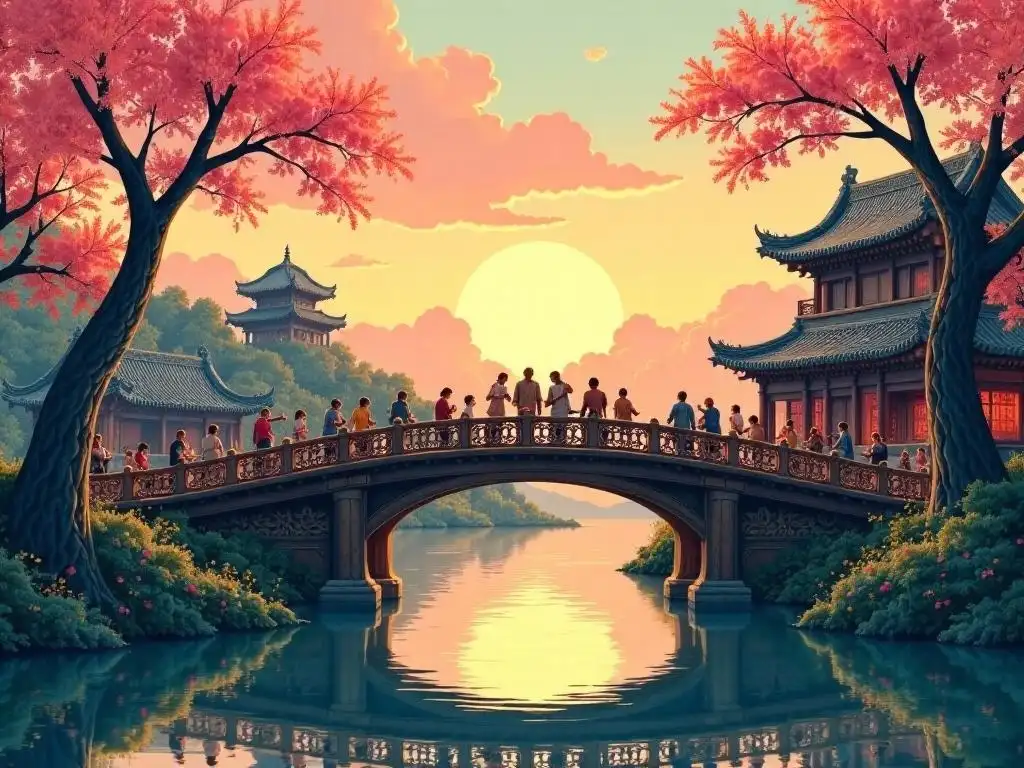
Welcome to Feudal Japan History, where the echoes of a storied past come alive! In our latest article, "The Influence of Western Literature on Japanese Writers of the Feudal Era," we delve into the fascinating interplay between Eastern traditions and Western ideas that shaped the literary landscape of Japan. What transformative effects did foreign narratives have on the minds of Japanese writers during this pivotal time?
Join us as we uncover the intricate threads of cultural exchange that not only influenced storytelling but also redefined societal norms. Prepare to embark on a journey through time that will leave you questioning the very essence of literary inspiration!
Introduction to Western Literature and Japan's Feudal Era
The interplay between cultures has always sparked significant transformations, especially in literary traditions. One of the most fascinating interactions occurred during Japan's feudal era, a period characterized by stratified social hierarchies, samurai codes, and a unique aesthetic sensibility. As Western literature began to permeate Japanese consciousness, it not only influenced literary forms and themes but also altered the very fabric of Japanese storytelling. This exploration delves into the profound impact of Western literature on Japanese writers during this transformative period, shedding light on how these interactions reshaped narratives and cultural expressions.
Overview of the Feudal Era in Japan
Japan's feudal era, spanning from the late 12th century to the mid-19th century, was marked by the dominance of the samurai class and a decentralized political structure. Key features of this period include:
- Feudal Hierarchy: The society was organized into a rigid class system, with the emperor at the top, followed by shoguns, daimyos, samurai, and peasants.
- Cultural Flourishing: Despite its rigid structure, the era saw significant cultural developments, including the emergence of distinct art forms, literature, and philosophies.
- Isolationist Policies: Particularly during the Edo period (1603-1868), Japan adopted a policy of sakoku (closed country), limiting foreign influence and interactions.
This isolationism, however, would eventually be challenged by the influx of Western ideas and literature.
Definition and Characteristics of Western Literature
Western literature encompasses a vast array of genres, styles, and themes that have evolved over centuries, primarily originating from Europe and later expanding to include American literature. Notable characteristics include:
- Diverse Genres: From epic poetry and drama to novels and essays, Western literature is known for its wide-ranging forms.
- Humanism: A focus on human experience and rational thought became prominent, particularly during the Renaissance.
- Narrative Complexity: Western literary works often feature intricate plots and character development that explore the human condition.
These elements of Western literature would introduce new narrative techniques and thematic explorations to Japanese writers.
The Importance of Literary Exchange During Feudal Times
The exchange of literary ideas between cultures has historically enriched both parties. During Japan's feudal era, this exchange was crucial for several reasons:
- Cultural Enrichment: Exposure to Western literature provided Japanese writers with new themes, styles, and perspectives.
- Intellectual Growth: The introduction of Western ideas stimulated philosophical and intellectual discourse within Japan.
- Cross-Pollination of Ideas: The blending of Eastern and Western literary traditions facilitated the emergence of unique hybrids in Japanese literature.
Historical Context of Western Literature's Impact on Japan
Key Historical Events Leading to Cultural Exchange
Several pivotal events laid the groundwork for the introduction of Western literature to Japan:
- Arrival of the Portuguese (1543): The first Europeans to reach Japan, the Portuguese brought not only trade goods but also new ideas and literary forms.
- Dutch Learning (Rangaku): As Japan opened up to limited trade with the Dutch, this led to increased interest in Western science and literature.
- Meiji Restoration (1868): The end of the feudal era and the opening of Japan to the West marked a significant turning point, allowing for a broader exchange of literary and cultural ideas.
The Role of Trade and Diplomacy in Literary Influence
Trade and diplomacy were instrumental in facilitating the flow of Western literature into Japan. Key aspects include:
- Commercial Treaties: Agreements with Western powers allowed for cultural exchanges alongside economic transactions.
- Missionary Influence: Western missionaries often acted as conduits for literature, introducing texts that would resonate with Japanese thinkers and writers.
- Cultural Institutions: The establishment of schools and libraries during the Meiji era promoted the study and translation of Western works, further embedding these texts into Japanese literary culture.
Prominent Western Texts Introduced to Japan
Several notable Western texts had a profound influence on Japanese writers during the feudal era, including:
- "Don Quixote" by Miguel de Cervantes: Introduced concepts of individualism and complex character development.
- "The Tale of Genji" by Murasaki Shikibu: While a classic of Japanese literature, its themes resonated with Western narratives of romance and social stratification.
- Works of Shakespeare: His plays offered new dramatic forms and themes that captivated Japanese audiences and writers.
As Western literature began to weave into the fabric of Japanese writing, its impact can be seen in the evolution of narrative styles and thematic exploration, setting the stage for future literary movements.
The Reception of Western Literature by Japanese Writers
The arrival of Western literature in Japan during the late Edo period initiated a transformative phase in the nation's literary landscape. Japanese writers encountered new ideas, narrative structures, and themes that diverged significantly from traditional Japanese literature. This exposure led to a varied reception, ranging from admiration and enthusiasm to skepticism and critique. Intellectuals who ventured into the realm of Western literature began to recognize the potential for innovation and modernization within their own literary practices, sparking a cultural dialogue that would resonate through subsequent generations.
Initial Responses from Japanese Intellectuals
Japanese intellectuals had mixed reactions to Western literature upon its introduction. Some were captivated by the new philosophies and aesthetic approaches, while others expressed concern over losing traditional values. The early adopters, such as Fukuzawa Yukichi and other prominent scholars, viewed Western literature as a means to advance Japan's position in the world. They advocated for the integration of Western ideas, emphasizing the importance of critical thinking and individualism, which were often absent in classical Japanese texts.
Conversely, more conservative voices warned against the wholesale adoption of foreign influences. They feared that embracing Western literature could erode Japan's unique cultural identity and ethical foundations. This tension between modernization and tradition created a rich discourse that influenced subsequent literary developments.
Translation Efforts and Their Impact on Literary Development
Translation played a critical role in introducing Western literature to Japan. Beginning in the late 19th century, numerous works of Western literature were translated, making them accessible to Japanese readers. Early translations often focused on popular novels, essays, and philosophical texts, which provided a framework for understanding Western thought. Key figures in this translation movement, including Mori Ōgai and Natsume Sōseki, not only translated texts but also adapted them to suit Japanese cultural contexts.
The impact of these translation efforts was profound. They not only broadened the literary horizons for Japanese writers but also inspired them to experiment with new narrative techniques and styles. As a result, the literary landscape began to reflect a synthesis of Western and Eastern influences, leading to the emergence of a distinctive modern Japanese literature.
The Emergence of New Literary Forms Inspired by Western Works
As Western literature permeated the Japanese literary scene, novel forms began to take shape. Genres such as the modern novel, short story, and even poetry evolved under the influence of Western literary conventions. This was particularly evident in the works of writers who embraced realism and psychological depth—characteristics admired in Western literature.
Japanese writers began to explore themes of existentialism, individual agency, and social critique, which were often absent in earlier literary traditions. The melding of Western narrative techniques with Japanese storytelling led to innovative forms that resonated with contemporary audiences. This period marked a significant departure from the classical forms, paving the way for a flourishing of literature that would define the Meiji and Taisho eras.
Notable Japanese Writers Influenced by Western Literature
The influence of Western literature on Japanese writers during the feudal era was not only transformative but also gave rise to some of the most celebrated figures in modern Japanese literature. Their works reflect a unique blend of Eastern sensibilities and Western literary styles, demonstrating the profound impact of this cultural exchange.
Natsume Sōseki: Adapting Western Themes and Styles
Natsume Sōseki, one of Japan's most revered authors, exemplified the integration of Western literary influences into Japanese literature. His exposure to English literature during his studies in the UK profoundly impacted his writing style and thematic exploration. Sōseki's novels often grappled with the complexities of modernity, identity, and the human condition—issues prevalent in Western literature.
His seminal work, "Kokoro," showcases Western existential themes while maintaining a distinctly Japanese narrative approach. Sōseki's ability to fuse Western ideas with traditional Japanese elements helped shape the modern Japanese novel, making him a pivotal figure in the literary landscape of the time.
Akutagawa Ryūnosuke: Blending Eastern and Western Literary Techniques
Akutagawa Ryūnosuke emerged as a key figure in Japanese literature, known for his skillful blending of Eastern and Western literary techniques. His short stories often drew inspiration from Western literary forms, particularly the psychological insight found in the works of authors like Edgar Allan Poe and Anton Chekhov. Akutagawa's narratives frequently explored the darker aspects of human nature, reflecting the influence of Western realism and modernism.
One of his most famous works, "Rashōmon," illustrates this fusion by presenting moral ambiguity and psychological complexity, showcasing Akutagawa's ability to navigate both cultural worlds. His contributions significantly impacted the trajectory of Japanese literature, paving the way for future writers to explore similar thematic and stylistic innovations.
Mori Ōgai: Contribution to the Modernization of Japanese Literature
Mori Ōgai was instrumental in the modernization of Japanese literature, particularly through his role as a translator and writer. His translations of German literature introduced new narrative techniques and genres to Japan, influencing his own creative output. Ōgai's writings often reflect a deep engagement with Western philosophical thought, particularly existentialism and romanticism.
His novel "The Dancing Girl" serves as a testament to his ability to weave Western themes into Japanese contexts, addressing issues of identity, love, and societal expectations. By integrating Western influences while maintaining a distinctly Japanese perspective, Mori Ōgai played a crucial role in shaping modern Japanese literature, bridging the gap between tradition and innovation.
Thematic and Stylistic Changes in Japanese Literature
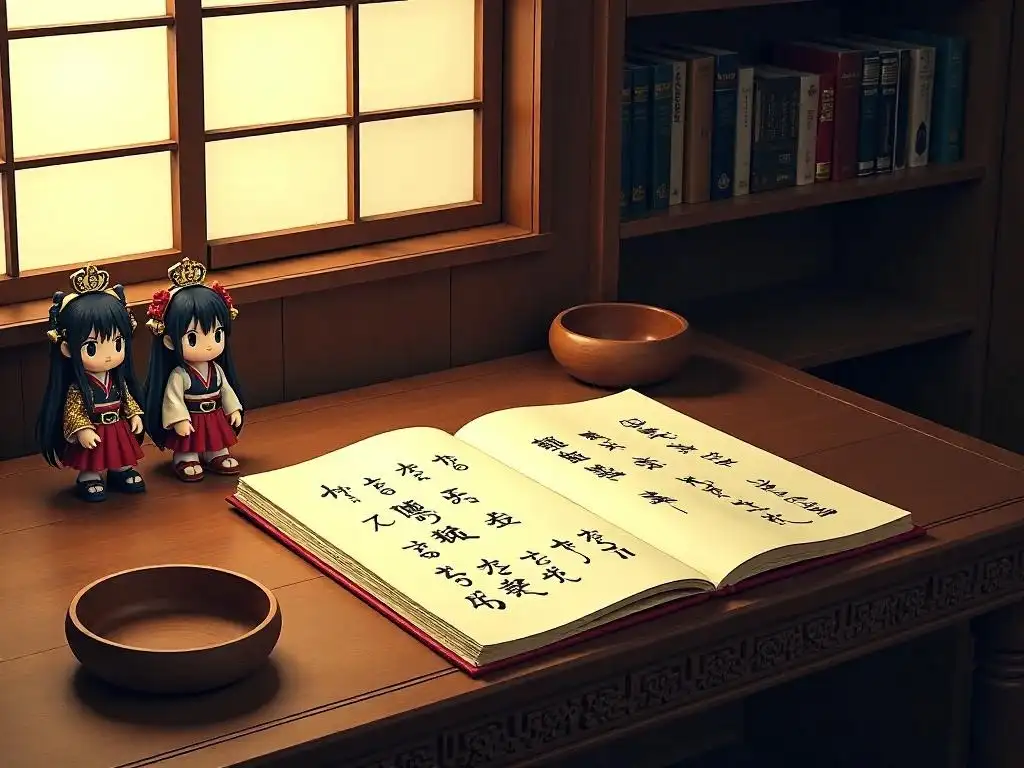
The exposure to Western literature during the feudal era led to significant thematic and stylistic transformations in Japanese literature. As Japanese writers began to engage with Western narratives, they incorporated new ideas, themes, and techniques into their works. This period marked a departure from traditional Japanese storytelling, which often focused on historical events, mythology, and moral lessons. Instead, Western literature introduced a broader range of subjects, including individualism, social critique, and existential themes.
One notable shift was the increased emphasis on character development and psychological depth. Japanese authors started to explore the inner lives of their characters, delving into their motivations, desires, and conflicts. This shift can be traced back to the influence of Western novels, which often prioritized character-driven plots over the more episodic narratives common in earlier Japanese literature.
Additionally, stylistic changes became evident as writers experimented with different narrative techniques, such as stream of consciousness and unreliable narration. These innovations allowed for more complex storytelling, enabling authors to convey nuanced emotions and perspectives. As a result, literature began to reflect a more intricate understanding of human experience, moving away from the didacticism that characterized much of feudal Japanese literature.
Evolution of Narrative Techniques Influenced by Western Literature
The evolution of narrative techniques in Japanese literature was profoundly influenced by Western literary forms. The introduction of the novel as a literary genre brought forth new storytelling methods that transformed how narratives were constructed. Japanese writers began to adopt Western styles, such as linear plot progression, flashbacks, and varying points of view, which added layers of complexity to their work.
One key example is the incorporation of the first-person narrative voice, a technique commonly used in Western literature. This allowed authors to provide intimate insights into characters’ thoughts and feelings, fostering a deeper connection between the reader and the narrative. Additionally, the use of dialogue became more pronounced, enhancing character interactions and providing a more dynamic reading experience.
Writers like Natsume Sōseki and Mori Ōgai were instrumental in this evolution, blending Western techniques with traditional Japanese storytelling. Their works demonstrated a harmonious integration of these influences, showcasing how Western literature could coexist with and enrich Japanese literary traditions.
The Introduction of New Genres and Forms
The interaction with Western literature during the feudal era led to the emergence of new genres and forms within Japanese literature. One of the most significant developments was the popularization of the modern novel, which became a primary medium for exploring contemporary themes and social issues. Authors began to experiment with realistic fiction, which contrasted sharply with the romanticized and idealized narratives of the past.
In addition to the novel, Western influences also introduced genres such as short stories, essays, and plays. These forms allowed writers to explore diverse subjects, from personal experiences to societal critiques. The short story, in particular, gained traction as a vehicle for succinctly expressing complex ideas and emotions, influenced by Western literary practices.
Moreover, the incorporation of Western poetic forms, such as the sonnet and free verse, provided Japanese poets with fresh avenues for creative expression. This blending of genres and forms not only expanded the literary landscape but also fostered a spirit of experimentation and innovation among Japanese writers.
Impact on Japanese Poetry and Prose
The impact of Western literature on Japanese poetry and prose was profound, resulting in both stylistic and thematic transformations. Traditional Japanese poetry, characterized by its strict forms and emphasis on nature and seasonal imagery, began to evolve as poets started to embrace Western influences.
Some poets adopted free verse, allowing for greater freedom of expression and the exploration of modern themes. This shift enabled poets to break away from the constraints of classical forms and delve into more personal and contemporary subjects, such as urban life, individual emotions, and the complexities of modern society.
In prose, the infusion of Western literary techniques led to a richer narrative style. Japanese writers began to incorporate vivid descriptions, psychological insights, and innovative structures within their works. This evolution enhanced the depth of prose, allowing for a more nuanced exploration of characters and themes, ultimately leading to a more sophisticated literary tradition.
The Long-Term Effects of Western Literature on Japanese Literature
The long-term effects of Western literature on Japanese literature have been substantial, shaping literary movements and influencing generations of writers. As the feudal era transitioned into modernization, the foundational changes brought about by Western literary engagement continued to resonate throughout Japanese literature.
Transition from Feudal to Modern Literary Movements
The transition from feudal to modern literary movements in Japan was marked by a departure from traditional narratives towards more contemporary themes and forms. The influence of Western literature played a crucial role in this shift, as writers sought to redefine their artistic expression in the context of a rapidly changing society.
During the Meiji period, for instance, authors began to embrace realism, a literary movement heavily inspired by Western models. This transition was characterized by a focus on social issues, individual experiences, and the human condition, moving away from the more idealized and historical narratives of the feudal era. Prominent figures such as Higuchi Ichiyō and Ryūnosuke Akutagawa emerged during this time, illustrating the lasting impact of Western literature on Japanese storytelling.
Ongoing Influence of Western Literature in Contemporary Japan
The influence of Western literature persists in contemporary Japanese literature, with many modern authors drawing upon Western themes and styles. Writers like Haruki Murakami and Banana Yoshimoto incorporate elements of magical realism and existentialism, reflecting the ongoing dialogue between Eastern and Western literary traditions.
Moreover, the globalization of literature has facilitated the exchange of ideas and influences, allowing Japanese authors to engage with a diverse range of literary traditions. This cross-pollination has resulted in a rich tapestry of contemporary literature that continues to evolve, showcasing the enduring impact of Western literature on Japan.
Cultural Hybridity: Merging of Eastern and Western Literary Traditions
Cultural hybridity has become a defining characteristic of Japanese literature in the wake of Western influence. The merging of Eastern and Western literary traditions has created a unique literary landscape that reflects the complexities of Japan's cultural identity.
This hybridity is evident in the thematic exploration of identity, belonging, and cultural juxtaposition found in contemporary Japanese literature. Authors often navigate the tension between traditional Japanese values and modern Western ideals, creating narratives that resonate with both domestic and international audiences.
Furthermore, this blending of traditions has fostered innovative literary forms that challenge conventional boundaries. By embracing elements from both Eastern and Western literature, Japanese writers continue to push the limits of storytelling, resulting in a vibrant and dynamic literary scene that celebrates cultural diversity and artistic expression.
Conclusion
The intersection of Western literature and Japanese writers during the feudal era presents a fascinating narrative of cultural exchange, adaptation, and transformation. As Japan opened itself to Western influences, the literary landscape began to shift, allowing for a rich amalgamation of styles, themes, and ideas that shaped the development of Japanese literature. This period not only marked the introduction of new literary forms but also encouraged Japanese writers to reflect on their own cultural identity in light of foreign influences.
Summary of Western Literature's Impact on Japanese Writers
The impact of Western literature on Japanese writers was profound and multifaceted. Early exposure to Western texts introduced new narrative structures, genres, and thematic explorations. Writers such as Natsume Sōseki and Mori Ōgai, influenced by their experiences abroad and their encounters with Western literary traditions, began to incorporate elements of realism, individualism, and psychological depth into their work. This marked a significant departure from traditional Japanese literature, which often emphasized collective values and the beauty of nature.
The translation of Western works into Japanese played a critical role in this transformation. Translations not only made Western literature accessible but also served as a catalyst for Japanese authors to experiment with their own narratives. For instance, the adaptation of Western novels and poetry led to the emergence of new literary forms, such as the modern novel and free verse poetry, which allowed for greater expression of personal and social issues.
Reflection on the Importance of Literary Exchange in Cultural Development
Literary exchange is a crucial element in the cultural development of any society, and the interactions between Japan and the West during the feudal era exemplify this dynamic. The infusion of Western literary ideas and styles into Japanese literature fostered a spirit of innovation and creativity among writers. It encouraged them to question traditional norms and explore new dimensions of storytelling, thereby enriching the cultural tapestry of Japan.
Moreover, this exchange facilitated a broader dialogue between Eastern and Western thought, allowing for a deeper understanding of diverse perspectives. The cross-pollination of ideas not only enhanced literary expression but also contributed to the evolution of societal values and beliefs in Japan. As writers engaged with Western literature, they often critiqued and reinterpreted these influences, ultimately forging a unique literary identity that reflected Japan's historical context and cultural heritage.
Future Directions for Research on Japan-West Interactions in Literature
The study of Japan-West interactions in literature remains a fertile ground for future research. Scholars can explore various dimensions, such as the long-term effects of Western literary influence on contemporary Japanese literature and how these interactions have shaped modern narratives. Additionally, examining lesser-known writers and their contributions during this period can provide a more nuanced understanding of the literary landscape.
There is also a need to investigate the role of cultural exchange in other artistic domains, such as visual arts and theater, to assess how these interactions influenced broader cultural trends in Japan. Interdisciplinary approaches that incorporate history, sociology, and comparative literature could yield valuable insights into the complexities of this literary exchange. Ultimately, a deeper exploration of these themes will enhance our understanding of the dynamic relationship between Japan and the West and its lasting impact on Japanese cultural identity.
- Introduction to Western Literature and Japan's Feudal Era
- Historical Context of Western Literature's Impact on Japan
- The Reception of Western Literature by Japanese Writers
- Notable Japanese Writers Influenced by Western Literature
- Thematic and Stylistic Changes in Japanese Literature
- The Long-Term Effects of Western Literature on Japanese Literature
- Conclusion
- What is the main focus of the article "The Influence of Western Literature on Japanese Writers of the Feudal Era"?
- How did Western literature reach Japan during the feudal era?
- What key themes are discussed regarding the influence of Western literature?
- Who are some notable Japanese writers influenced by Western literature?
- What is the significance of Western literature's impact on Japan's feudal era?
Frequently Asked Questions
What is the main focus of the article "The Influence of Western Literature on Japanese Writers of the Feudal Era"?
The article explores the impact of Western literature on Japanese writers during the feudal era, examining how these influences shaped cultural and literary landscapes in Japan.
How did Western literature reach Japan during the feudal era?
Western literature was introduced to Japan through trade, diplomacy, and the arrival of missionaries, which opened up channels for cultural exchange and the introduction of new literary styles.
What key themes are discussed regarding the influence of Western literature?
The article highlights themes such as the adaptation of narrative techniques, the emergence of new literary genres, and the fusion of Western and Japanese storytelling traditions.
Who are some notable Japanese writers influenced by Western literature?
Prominent figures include Natsume Sōseki and Kunikida Doppo, who incorporated Western literary elements into their works, reflecting a blended cultural identity.
What is the significance of Western literature's impact on Japan's feudal era?
The influence of Western literature marked a turning point in Japanese literature, fostering innovation and diversity in storytelling that would shape the future of Japanese literary culture.
Final Reflection: The Enduring Legacy of Western Literature's Impact on Japan
The influence of Western literature on Japanese writers during the feudal era remains a pivotal chapter in the narrative of cultural exchange. This connection not only shaped the literary landscape of Japan but also laid the groundwork for a broader dialogue between East and West that continues to resonate today. The interplay of ideas and styles between these two worlds has enriched both cultures, demonstrating that literature can transcend boundaries and foster understanding.
The impact of Western literature during this transformative period has left an indelible mark on Japanese society, influencing not just writers but also the broader cultural ethos. The infusion of Western themes and techniques challenged traditional narratives and opened new avenues for expression. As noted by literary scholar Haruki Murakami, “The beauty of literature lies in its ability to bridge worlds and create new realities.” This sentiment encapsulates the essence of how Western literature has inspired Japanese writers to innovate and explore uncharted territories in their own storytelling.
As we reflect on this profound cultural exchange, I invite you to consider how the lessons from this historical interaction can inform our own lives today. How can we embrace the influences of diverse cultures to enrich our understanding and creativity? Let us carry forward the spirit of curiosity and openness that characterized the relationship between Western and Japanese literature, fostering a world where we celebrate and learn from our differences while weaving them into a richer tapestry of shared human experience.
Unveil the Impact of Western Literature on Japan's Literary Evolution!
Thank you for diving into the fascinating world of Feudal Japan and exploring how Western literature shaped its writers! Now that you understand this unique synthesis of influence, let's take actionable steps together to deepen your appreciation and knowledge.
- Join a local or online book club focused on historical literature to discuss translations of influential Western works that impacted Feudal Japan.
- Share your insights on social media or within your community, sparking conversations about the ways literature transcends cultural boundaries.
- Explore a new Western novel that has significantly influenced Japanese writers—consider comparing it with a contemporary or classic Japanese work for a richer perspective.
What parallels do you observe between Western and Japanese literature that resonate with your own reading experiences?