
The Role of Buddhism and Shintoism in Japan's Economic Isolationist Policies


Welcome to Feudal Japan History, where we embark on a fascinating journey through the intricacies of Japan's feudal era. Prepare to delve deep into the rich tapestry of historical, cultural, and societal elements that shaped this remarkable period. In our featured article, “The Role of Buddhism and Shintoism in Japan's Economic Isolationist Policies,” we unravel the profound influences of these two spiritual pillars on the nation's economic strategies.
What secrets lie behind the intertwining of faith and fiscal policy? Join us as we explore the captivating narratives that define Japan's past and spark your curiosity to dive deeper into this extraordinary chapter of history.
- Introduction to Buddhism and Shintoism in Japan's Economic Policies
- Historical Background of Buddhism and Shintoism in Japan
- The Intersection of Religion and Economic Policies
- Buddhism and Shintoism as Tools of Economic Isolation
- Case Studies of Economic Policies Influenced by Buddhism and Shintoism
- The Legacy of Buddhism and Shintoism in Modern Economic Policies
- Conclusion: The Lasting Impact of Buddhism and Shintoism on Japan's Economic Policies
- References and Further Reading on Buddhism, Shintoism, and Economic Policies in Japan
-
Frequently Asked Questions
- What is the primary focus of the article on Buddhism and Shintoism in Japan's economic policies?
- How did Buddhism contribute to Japan's economic policies?
- What role did Shintoism play in Japan's economic isolation?
- How did the combination of Buddhism and Shintoism affect Japan's society?
- Why is understanding these religions important for studying Japan's history?
- Final Reflection: The Interplay of Spirituality and Economic Policy in Japan
- Embrace and Explore Japan's Unique Spiritual Legacy!
Introduction to Buddhism and Shintoism in Japan's Economic Policies
In Japan's rich tapestry of history, the interplay between religion and economic policy has played a pivotal role in shaping the nation’s trajectory. This article delves into the intricate relationship between Buddhism and Shintoism and their influence on Japan's economic isolationist policies. Understanding these religious frameworks is crucial, as they not only reflect the spiritual beliefs of the time but also intertwine deeply with the country's social and economic structures.
During the feudal era, Japan adopted a series of isolationist strategies that significantly impacted trade, cultural exchange, and economic development. This exploration aims to uncover how the teachings and practices of Buddhism and Shintoism contributed to and justified these policies, ultimately influencing Japan's position in the global arena. We will examine the historical context of Japan's economic isolation, the importance of these religions, and how they shaped societal values and economic decisions.
Overview of Japan's Economic Isolationist Policies
Japan's economic isolationist policies, particularly during the Edo period (1603-1868), were characterized by strict controls over trade and foreign relations. The Tokugawa shogunate implemented these measures as a means to maintain stability and control over the feudal system.
- Key Features of Japan's Economic Isolation:
- Sakoku Policy: Instituted in the 1630s, this policy effectively closed Japan to foreign influence and trade, allowing limited interactions primarily with the Dutch and Chinese.
- Control of Trade: The shogunate regulated trade routes and imposed heavy restrictions on the movement of goods and people, fostering a self-sufficient economy.
- Cultural Preservation: Isolationist policies aimed to protect Japanese culture from foreign influences, promoting domestic industries and traditional practices.
This economic isolation was not merely a response to external threats but also intertwined with the ideological underpinnings provided by Buddhism and Shintoism.
Importance of Buddhism and Shintoism in Historical Context
The roles of Buddhism and Shintoism in shaping Japan's economic policies cannot be understated. Both religions contributed to the ideological framework that justified and supported isolationist measures.
- Buddhism's Influence:
- Philosophical Underpinnings: Buddhist teachings emphasized simplicity, self-restraint, and harmony, which resonated with the goals of economic isolation as a means of preserving societal order.
- Monastic Wealth: Buddhist temples often became centers of economic activity, influencing land use and agricultural practices.
- Shintoism's Role:
- National Identity: Shintoism, as the indigenous faith of Japan, played a crucial role in fostering a sense of national identity and unity, which was essential for supporting isolationist policies.
- Rituals and Agriculture: Shinto rituals promoted agricultural fertility and local production, aligning with the government’s interest in sustaining a self-sufficient economy.
The intertwining of Buddhism and Shintoism with Japan's economic isolationist policies illustrates a complex interplay of tradition, religion, and governance. As we further explore these themes, we will uncover how these belief systems not only shaped the historical context of Japan's economic decisions but also laid the foundation for its unique cultural landscape.
Historical Background of Buddhism and Shintoism in Japan
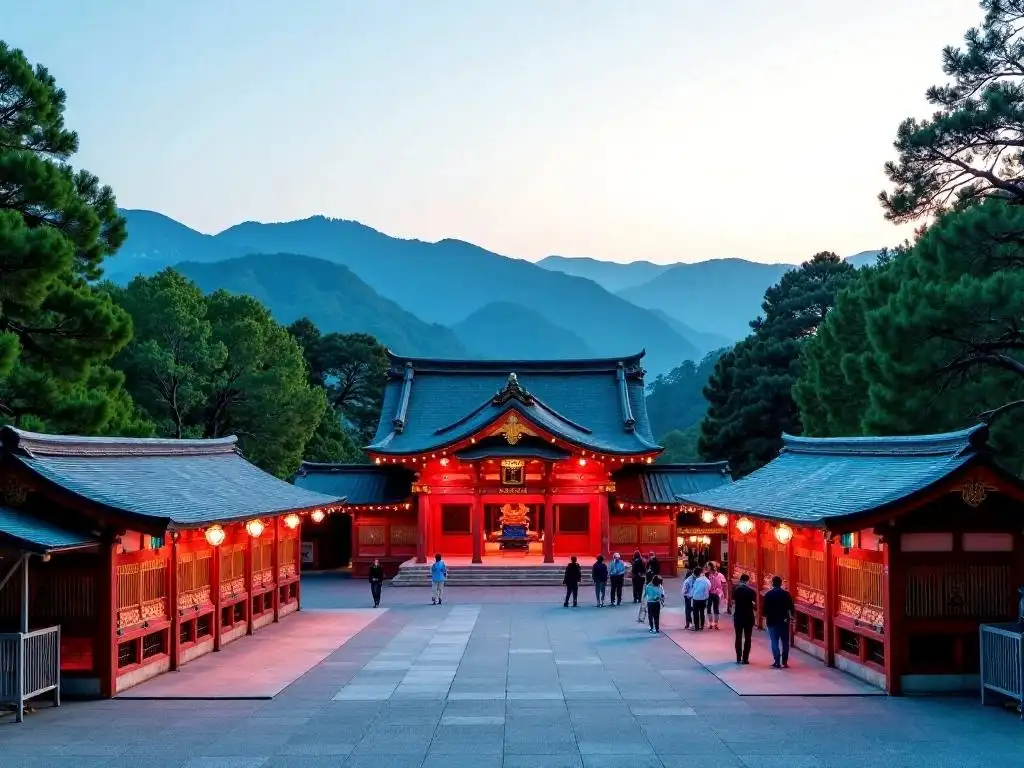
The intertwining of Buddhism and Shintoism has played a significant role in shaping Japan’s cultural and societal landscape throughout its history. Understanding their origins and evolution is essential to grasping how these religions influenced Japan's economic policies, particularly during periods of isolationism.
The Arrival of Buddhism in Japan and Its Influence
Buddhism was introduced to Japan in the mid-6th century, primarily through Korea. The earliest recorded arrival was in 552 CE when the Korean king sent a statue of Buddha and sacred scriptures to the Japanese court. This event marked the beginning of Buddhism’s profound influence on Japanese society.
As Buddhism spread, it adapted to the existing cultural and spiritual framework of Japan. Temples began to emerge, and the religion soon became intertwined with political power, particularly during the Nara (710-794) and Heian (794-1185) periods. Notably, the establishment of the Nara period temples, such as Todai-ji, exemplified the religion's growing significance.
Economic Implications of Buddhism’s Influence
- Agricultural Development: Buddhist temples often became centers of agricultural innovation, leading to improved farming techniques. This increased productivity contributed to local economies and ultimately supported the ruling classes.
- Trade and Commerce: Buddhist monks engaged in trade, creating networks that connected various regions of Japan and even extended to neighboring countries. The economic interactions facilitated by Buddhism laid the groundwork for a burgeoning market economy.
Buddhism also introduced concepts of compassion and social responsibility, which influenced community organization and welfare practices. This ethos contributed to the stability of local economies, encouraging the development of cooperative farming and trade practices.
Shintoism: Indigenous Beliefs and Practices
Shintoism, the indigenous faith of Japan, predates the arrival of Buddhism and is deeply rooted in the country's culture. It is characterized by the worship of kami (spirits or deities) associated with natural elements, ancestors, and sacred places. Shinto rituals and practices are often tied to seasonal changes, agricultural cycles, and the community's well-being.
Economic Aspects of Shintoism
- Rituals and Festivals: Shinto rituals often coincide with agricultural cycles, such as planting and harvest festivals. These events not only reinforce community bonds but also stimulate local economies through trade and tourism.
- Shrine Economy: Shinto shrines serve as centers for local economies, attracting visitors who contribute to their maintenance and support local artisans and traders.
The concept of kami is integral to the Shinto belief system, fostering a deep respect for nature and the environment. This reverence for the land has historically influenced sustainable agricultural practices, which were vital for economic stability.
The Syncretism of Buddhism and Shintoism in Japanese Culture
The coexistence and blending of Buddhism and Shintoism, known as shinbutsu shūgō, have created a unique spiritual landscape in Japan. This syncretism facilitated a more cohesive cultural identity and allowed both religions to flourish.
Impact on Economic Policies
- Cultural Unity: The harmonization of Buddhist and Shinto beliefs fostered a sense of cultural unity, which was crucial during periods of isolationism. A unified cultural identity helped reinforce the policies that prioritized self-sufficiency and local governance.
- Economic Isolationism: During the Tokugawa period (1603-1868), Japan implemented strict isolationist policies, partially influenced by the religious framework. The focus on internal development rather than foreign trade was supported by the spiritual teachings of both religions, which emphasized community welfare and self-reliance.
- Value Systems: The ethical teachings derived from both Buddhism and Shintoism influenced economic behaviors, promoting values such as frugality, respect for labor, and community solidarity.
The historical interplay between Buddhism and Shintoism has profoundly influenced Japan's economic policies, particularly during isolationist periods. Their combined impact on societal values, agricultural practices, and community organization underscores the significance of these religions in shaping Japan's economic history.
The Intersection of Religion and Economic Policies

How Buddhism Shaped Economic Thought in Feudal Japan
Buddhism, which was introduced to Japan in the 6th century, played a significant role in shaping the economic thought and practices during the feudal era. The teachings of Buddhism emphasized the importance of compassion, altruism, and the interconnectedness of all beings. These principles influenced the economic policies of various feudal lords and the samurai class, promoting a sense of responsibility towards the welfare of the community.
One of the key aspects of Buddhism that impacted economic policy was the idea of dana, or generosity. This concept encouraged the wealthy classes to provide for the less fortunate, which in turn fostered a culture of communal support. As a result, many temples became centers of economic activity, providing food, shelter, and education to the needy. This not only helped in alleviating poverty but also created a sense of stability within feudal society.
Moreover, Buddhist institutions often engaged in agricultural production and trade, allowing them to accumulate wealth and resources. This economic power enabled temples to exert considerable influence over local economies and, at times, even challenge the authority of feudal lords. For instance, the Jodo Shu sect established a significant presence in rural areas, promoting agricultural development and, ultimately, enhancing local economies.
Another noteworthy influence of Buddhism on economic thought was its critique of materialism. Buddhist teachings often warned against the distractions of wealth and possessions, advocating for a more balanced approach to life. This perspective encouraged some feudal lords to implement policies that discouraged excessive accumulation of wealth, aiming instead for a more equitable distribution of resources.
Buddhism significantly shaped economic thought in feudal Japan by promoting generosity, supporting the development of local economies through temple engagement, and advocating for a balanced approach to wealth.
The Role of Shintoism in Community and Economic Activities
Shintoism, the indigenous religion of Japan, also played a vital role in shaping the economic landscape during the feudal era. At its core, Shintoism emphasizes the importance of kami (spirits) and the connection between humans and nature. This belief system deeply influenced community practices and economic activities, creating a symbiotic relationship between religious observance and economic prosperity.
Shrines dedicated to various kami often served as centers of community life, where locals gathered to participate in festivals and rituals. These events not only reinforced social bonds but also stimulated local economies. For example, the annual rice planting festival, taue-sai, was not only a religious observance but also an opportunity for villagers to come together, share resources, and celebrate the agricultural cycle. Such events promoted cooperation and mutual support, essential for the success of local economies.
Additionally, Shinto rituals were often intertwined with agricultural practices. The belief that kami protected crops and ensured bountiful harvests led to the establishment of agricultural festivals that celebrated the relationship between humans and the natural world. These festivals, in turn, attracted trade and commerce, as people traveled to participate in the celebrations, bringing goods and services to exchange.
Moreover, the role of local shrines in mediating disputes and facilitating trade agreements cannot be underestimated. Shrines served as neutral grounds where community members could resolve conflicts and negotiate terms of trade, contributing to a stable economic environment. This religious framework provided the necessary trust and cooperation that were crucial for economic activities.
Shintoism significantly influenced community and economic activities in feudal Japan, fostering cooperation through communal rituals and enhancing local economies through agricultural festivals and dispute mediation.
Religious Leaders as Economic Influencers
Religious leaders in feudal Japan, particularly those from Buddhist and Shinto traditions, held substantial influence over economic policies and practices. Their authority stemmed not only from their spiritual roles but also from their positions as community leaders and economic actors.
Monks and priests often acted as intermediaries between the secular and sacred realms, providing counsel to feudal lords on matters of governance and economic management. For instance, Buddhist monks were frequently consulted on land management practices and resource allocation, as their expertise in agriculture and sustainability was highly valued. This advisory role allowed religious leaders to impact economic policies directly, promoting practices that aligned with their spiritual teachings.
Furthermore, the economic power wielded by religious institutions granted them considerable political influence. Temples and shrines owned vast tracts of land, generating income through agricultural production and trade. This wealth enabled religious leaders to become significant players in the feudal economy, allowing them to support local communities and maintain their influence over samurai and lords.
One notable example is the Tendai sect, which established numerous monasteries that became centers of economic activity. These monasteries often engaged in trade, accumulating wealth that could be used to fund social programs and support local economies. The economic contributions of such religious institutions were critical in times of famine or crisis, as they provided food and resources to struggling communities.
Religious leaders in feudal Japan served as crucial economic influencers, advising feudal lords, managing resources, and leveraging their economic power to support local communities. Their dual role as spiritual and economic leaders highlights the intricate relationship between religion and economic policies during this era.
Buddhism and Shintoism as Tools of Economic Isolation
Buddhism and Shintoism played significant roles in shaping Japan's economic landscape during the feudal era, particularly in reinforcing isolationist policies. By intertwining religious doctrines with economic practices, these belief systems contributed to a unique cultural framework that prioritized self-sufficiency and local economies over foreign trade. This section explores how these religions influenced Japan's economic isolationism, highlighting their impact on trade practices, self-sufficiency, and local economies.
The Impact of Religious Ideologies on Trade Practices
Religious ideologies in Japan created a complex interplay between belief systems and economic practices, particularly when it came to trade. Buddhism and Shintoism provided a moral compass that guided the populace's views on commerce and foreign relations.
- Buddhism's Perspective:
- The Buddhist teachings emphasized the notion of detachment from material possessions. This perspective fostered a cultural environment where excessive trade and wealth accumulation were often viewed with suspicion.
- Monastic communities, which were significant in disseminating Buddhist teachings, generally discouraged engagement with foreign traders, promoting instead a focus on spiritual wealth.
- Shintoism's View:
- Shintoism, rooted in the reverence for kami (spirits) and the natural world, nurtured a belief in the sanctity of local resources.
- This reverence contributed to a skepticism of foreign influences, reinforcing the idea that Japan must protect its cultural and spiritual identity by limiting external interactions.
Through these religious ideologies, trade practices in Japan became increasingly insular, as communities gravitated towards self-reliance and local economic transactions.
How Buddhism Promoted Self-Sufficiency
Buddhism significantly influenced Japan's economic policies by promoting self-sufficiency among its adherents. This emphasis on local production and consumption had profound implications for Japan's isolationist stance.
- Agricultural Practices:
- Buddhist monasteries often acted as centers of agricultural development, encouraging practices that focused on sustainability. Monks cultivated lands and developed irrigation systems, thus providing food for local populations without reliance on outside sources.
- These practices not only reinforced self-sufficiency but also created an economic model deeply rooted in local communities.
- Craftsmanship and Local Industries:
- The Buddhist ethos also valorized craftsmanship, leading to the establishment of local industries that catered to community needs.
- Artisans and craftsmen found support within monastic communities, which valued their work as contributions to the spiritual life of the community. This, in turn, fostered a sense of economic independence from foreign goods.
As a result, Buddhism's promotion of self-sufficiency laid the groundwork for a robust local economy, further entrenching Japan's isolationist policies.
Shintoism's Influence on Local Economies and Isolationist Tendencies
Shintoism, with its emphasis on the spiritual connection to the land and local deities, had a distinct influence on local economies and Japan's overall isolationist tendencies.
- Local Resource Utilization:
- The Shinto belief in kami associated with natural elements led to a profound respect for the land. Communities engaged in practices that honored these spirits, prioritizing local resources over foreign imports.
- This reverence for local resources meant that economic activities were directed towards sustainable practices, which further discouraged trade with foreign entities.
- Cultural Identity and Isolation:
- Shintoism fostered a strong sense of cultural identity that was intertwined with local practices and beliefs. This cultural grounding created a resistance to foreign influences, including economic practices.
- The emphasis on local festivals and rituals reinforced community bonds and economic networks, which were self-sufficient and largely isolated from external markets.
Shintoism's influence on local economies and its role in promoting isolationist tendencies were significant in shaping Japan's economic policies during the feudal era. By prioritizing local resources and cultural identity, Shintoism contributed to a broader framework of economic isolationism that characterized this period in Japanese history.
Case Studies of Economic Policies Influenced by Buddhism and Shintoism

Specific Examples of Isolationist Policies in Feudal Japan
In Feudal Japan, the intertwining of Buddhism and Shintoism played a significant role in shaping the nation’s isolationist economic policies. One notable example is the Sakoku Edicts of the early 17th century, which effectively closed Japan off from foreign influence and trade. Under the Tokugawa shogunate, the government sought to maintain social order and stability, which were heavily influenced by Buddhist and Shinto beliefs.
- Sakoku Edicts (1635):
- Prohibited Japanese citizens from traveling abroad.
- Restricted foreign merchants to specific ports, such as Nagasaki.
- Allowed only limited trade with the Dutch and Chinese, reflecting a cautious approach to foreign interaction.
Another example is the Kokudaka system, a method for assessing land productivity and taxation that was deeply rooted in Shinto beliefs about land and agricultural practices. This system encouraged localism and self-sufficiency, aligning with the broader economic goals of isolationism.
- Kokudaka System:
- Determined the tax obligations based on the land's rice production.
- Fostered local economies and reduced reliance on foreign goods, aligning with Shinto values of harmony with nature.
Analysis of Economic Outcomes Tied to Religious Beliefs
The economic outcomes of these isolationist policies were closely linked to the prevailing religious beliefs of Buddhism and Shintoism. The focus on self-sufficiency and local economies created a unique economic landscape in Japan that was both stable and insular.
- Stability and Growth:
- By limiting foreign influence, Japan experienced a period of relative peace known as the Edo period. This stability allowed for agricultural advancements and the growth of local industries, which were often supported by Buddhist and Shinto practices emphasizing community and self-reliance.
- Cultural Flourishment:
- The isolationist policies fostered a rich cultural environment. Artistic and intellectual pursuits flourished, driven by Buddhist concepts of enlightenment and Shinto ideals of purity and nature. This cultural growth had a beneficial impact on local economies through the production and trade of art and crafts.
- Trade Limitations:
- While isolationism led to economic stability, it also stunted Japan's technological advancement compared to Western nations. The inability to engage in broader trade resulted in a reliance on traditional practices, which, over time, became a hindrance to modernization.
Lessons Learned from Historical Case Studies
The historical case studies of Japan's economic policies influenced by Buddhism and Shintoism reveal several important lessons that resonate even today:
- Integration of Beliefs and Policies:
- The alignment of economic policies with religious beliefs can create a cohesive societal framework. In Japan, the practices rooted in Buddhism and Shintoism established a cultural ethos that supported isolationist policies.
- Balance Between Isolation and Engagement:
- The challenges faced by Japan during its period of isolation highlight the importance of finding a balance between protecting cultural identity and engaging with the global economy. Excessive isolation can lead to stagnation, while too much engagement can erode local traditions.
- Cultural Preservation and Economic Strategy:
- The case of Japan demonstrates how cultural preservation can be integrated into economic strategies. Policies that promote local goods and practices can lead to sustainable economic growth while maintaining cultural integrity.
The role of Buddhism and Shintoism in shaping Japan's economic isolationist policies provides a rich tapestry of historical lessons that can inform contemporary discussions on the intersection of culture and economic strategy. Understanding these dynamics offers valuable insights into the complex relationship between religion, culture, and economic policy.
The Legacy of Buddhism and Shintoism in Modern Economic Policies
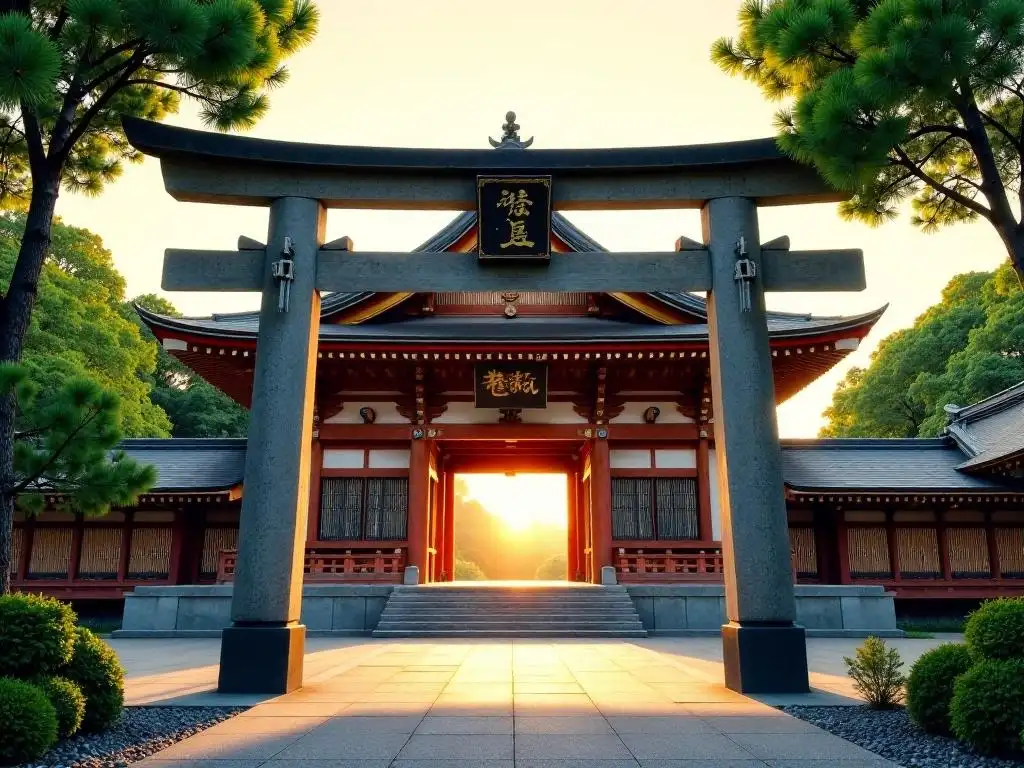
The interplay between Buddhism, Shintoism, and Japan's economic policies is a rich tapestry woven through centuries of history. The values and beliefs established during the feudal era have left an indelible mark on modern economic strategies, emphasizing community welfare, environmental sustainability, and a balanced approach to growth.
Continuing Influence of Traditional Beliefs on Contemporary Japan
Buddhism and Shintoism have profoundly influenced Japan's societal structures and economic practices. These religions instill values that prioritize harmony, respect for nature, and community, which are essential in shaping Japan's contemporary economic policies.
- Community Orientation:
- Both religions promote a sense of community and collective well-being, which is reflected in Japan's economic policies that often prioritize social welfare. Initiatives aimed at supporting local businesses and preserving cultural heritage are common, as they align with the communal values upheld by these faiths.
- Environmental Sustainability:
- Shintoism’s reverence for nature has led to a strong cultural commitment to environmental preservation. Modern policies encourage sustainable practices in agriculture and industrial production, aligning economic growth with ecological responsibility. This is evident in Japan’s emphasis on renewable energy and conservation efforts.
- Work Ethics and Values:
- The Buddhist concept of mindfulness and the Shinto belief in purity and ritual have influenced Japan's work culture, fostering a strong work ethic. These cultural traits can be seen in the meticulous attention to quality and efficiency in Japanese industries, which contribute to the nation’s robust economy.
The Role of Religion in Current Economic Strategies
Today, the influence of Buddhism and Shintoism extends into various aspects of Japan’s economic strategies, playing a crucial role in shaping policies that aim to balance modernization with tradition.
- Cultural Tourism:
- The integration of religious sites into cultural tourism is a strategic economic policy. Temples and shrines serve not only as spiritual centers but also as tourist attractions, contributing significantly to the local economies. The promotion of pilgrimage routes and festivals attracts both domestic and international visitors, thus supporting local businesses.
- Corporate Social Responsibility (CSR):
- Many companies in Japan incorporate Buddhist and Shinto principles into their CSR policies. Emphasizing ethical practices and community engagement, businesses often focus on initiatives that benefit the environment and society, reflecting the teachings of these religions. This approach not only enhances corporate reputation but also fosters consumer loyalty.
- Economic Resilience:
- The philosophical underpinnings of Buddhism, especially the concepts of impermanence and resilience, have been adopted in economic strategies aimed at crisis management. Policies that encourage adaptability and sustainability help businesses navigate economic fluctuations, ensuring long-term stability.
The legacy of Buddhism and Shintoism continues to shape Japan's economic policies, promoting a blend of tradition and modernity that fosters social welfare, environmental stewardship, and economic resilience. The integration of these beliefs into contemporary strategies not only preserves cultural identity but also enhances Japan's position in the global economy.
Conclusion: The Lasting Impact of Buddhism and Shintoism on Japan's Economic Policies

The interplay between Buddhism, Shintoism, and Japan's economic policies is a fascinating aspect of the country's feudal history. These two dominant religions not only shaped the spiritual and cultural landscape of Japan but also played a pivotal role in guiding the nation's economic isolationist stance. Understanding their lasting impact requires a nuanced exploration of how these belief systems influenced governance, trade, and social structure.
Buddhism, introduced to Japan in the 6th century, brought with it a wealth of philosophical ideas that affected economic practices. Its emphasis on simplicity and moderation resonated with the samurai class, who often saw material wealth as secondary to spiritual enlightenment. This notion helped foster an environment where economic activities were regulated not solely by profit motives but also by ethical considerations. In many ways, Buddhism encouraged a view of wealth that prioritized community welfare over individual gain, which aligned with the broader goals of Japan's isolationist policies.
Conversely, Shintoism, with its deep roots in Japanese culture and its focus on rituals and the worship of kami (spirits), reinforced a sense of national identity and unity. This religion emphasized the importance of agricultural practices and the sustainability of local resources, aligning with the isolationist policies that sought to limit foreign influence and promote self-sufficiency. The festivals and rituals associated with Shinto directly impacted agricultural productivity, further intertwining religion with Japan's economic framework during the feudal era.
The fusion of these two religious traditions created a unique socio-economic environment that fostered Japan's distinct approach to trade and foreign relations. The resulting policies were not only economically motivated but were also steeped in religious ideology, guiding Japan toward a path of selective engagement with the outside world.
Reflection on the Interplay Between Religion and Economics in Japan
The relationship between religion and economics in Japan is characterized by a complex interplay that has evolved over centuries. Buddhism and Shintoism, while distinct in their beliefs and practices, both contributed to shaping the economic landscape of feudal Japan through their influence on societal values and governance.
- Buddhism's Influence: The Buddhist concept of impermanence and the idea of detachment from material possessions encouraged a societal framework where wealth accumulation was often viewed with suspicion. Monastic institutions became significant landholders and economic players, yet their focus was primarily on spiritual pursuits rather than commercial gain, which affected local economies.
- Shintoism's Role: Shinto's emphasis on purity and the interconnectedness of nature contributed to sustainable agricultural practices. The reverence for kami fostered a community-oriented approach to land use and resource management, which aligned with economic isolationist policies aimed at self-sufficiency.
This dual influence created a unique economic ethos that prioritized balance over excess, sustainability over exploitation, and community welfare over individual wealth. As a result, the economic policies implemented during this era were deeply entwined with the religious values that permeated everyday life.
Future Perspectives on Religion and Economic Isolation
As we look ahead, the historical relationship between Buddhism, Shintoism, and Japan's economic isolation offers valuable lessons for contemporary society. In an increasingly globalized world, understanding the implications of economic policies influenced by religious beliefs can help inform current debates on sustainability, ethical economics, and national identity.
- Sustainable Practices: The emphasis on sustainable agriculture and resource management in Shintoism can inspire modern economic policies that prioritize environmental stewardship and community resilience. By revisiting these historic frameworks, Japan can continue to lead in eco-friendly practices.
- Cultural Identity and Globalization: The tension between maintaining cultural identity and engaging with global markets remains relevant today. As Japan navigates its place in a global economy, the values rooted in Buddhism and Shintoism can provide guidance on balancing foreign relations with domestic priorities.
The legacy of Buddhism and Shintoism in shaping Japan's economic policies is profound and enduring. The lessons from feudal Japan's economic isolation can inform future approaches to governance and economics, ensuring that the spiritual and cultural heritage of Japan continues to play a vital role in its economic narrative.
References and Further Reading on Buddhism, Shintoism, and Economic Policies in Japan
Understanding the complexities of how Buddhism and Shintoism influenced Japan's economic isolationist policies requires delving into various sources that cover religious, cultural, and historical contexts. Below are key references and further reading materials that provide a comprehensive view of these intricate relationships.
Suggested Literature for In-Depth Understanding
- "The Making of Modern Japan" by John D. McClain
- This seminal work explores Japan's transition through different eras, including the influence of Buddhism and Shintoism on its economic policies. McClain provides a detailed analysis of how these religions shaped societal norms and economic actions during the feudal period.
- "Buddhism and the State in Sixteenth-Century Japan" by David L. Swain
- Swain investigates the role of Buddhism in state affairs during Japan's sixteenth century, highlighting its impact on political and economic isolationist strategies. This book is essential for understanding the interlinking of spiritual beliefs and governance.
- "Shinto: The Kami Way" by Sokyo Ono
- This book offers insights into Shintoism and its foundational principles. Ono discusses the relationship between Shinto practices and Japanese society, providing context for understanding its influence on economic policies.
- "Japan's Economic History: 1600 to the Present" by Takeo Hoshi and Anil K Kashyap
- This academic piece delves into Japan's economic evolution, including the isolationist policies that were influenced by cultural and religious factors. It is an essential text for those seeking to understand the broader economic implications tied to Buddhism and Shintoism.
- "The Oxford Handbook of Japanese Religions" edited by Paul L. Swanson and Amy D. L. N. Watanabe
- This comprehensive volume covers various aspects of Japanese religions, including Buddhism and Shintoism, and their societal impacts. It includes essays that examine the economic ramifications of religious practices and beliefs.
Online Resources for Exploring Japan's Economic History
- Japan National Tourism Organization (JNTO)
- The JNTO website offers rich resources on Japan’s cultural heritage, including Buddhism and Shintoism, as well as their historical significance in shaping economic policies.
- The Asia-Pacific Journal: Japan Focus
- This journal provides articles and essays that explore various dimensions of Japan's history, including the economic implications of religious beliefs. It is a valuable resource for current discussions and scholarly analysis.
- The National Diet Library of Japan
- The library provides access to historical documents and texts regarding Japan's economic policies and the influences of Buddhism and Shintoism. Researchers can find primary sources that illuminate these connections.
- Stanford University’s East Asia Library Digital Collections
- This digital resource offers a wealth of information on Japan’s economic history, including documents and analyses related to Buddhism and Shintoism's impact on societal and economic structures.
- Japan Times Archives
- As one of Japan's leading English-language newspapers, the archives contain a variety of articles discussing Japan's economic policies, cultural practices, and the role of religion throughout history.
By exploring these suggested literature and online resources, readers can gain a deeper understanding of how Buddhism and Shintoism have shaped Japan's economic isolationist policies, enriching their knowledge of this fascinating aspect of Japan's feudal history.
Frequently Asked Questions
What is the primary focus of the article on Buddhism and Shintoism in Japan's economic policies?
The article provides a comprehensive exploration of how Buddhism and Shintoism influenced Japan's economic isolationist policies during the feudal era.
How did Buddhism contribute to Japan's economic policies?
Buddhism played a significant role in shaping social values and ethical norms, which in turn impacted trade practices and economic interactions during the feudal period.
What role did Shintoism play in Japan's economic isolation?
Shintoism emphasized cultural identity and spiritual practices, promoting a sense of self-sufficiency that aligned with Japan's decision to maintain economic isolation from foreign influences.
How did the combination of Buddhism and Shintoism affect Japan's society?
The interaction between Buddhism and Shintoism fostered a unique cultural landscape that influenced the social structure, leading to policies that prioritized domestic stability over foreign trade.
Why is understanding these religions important for studying Japan's history?
Understanding Buddhism and Shintoism is crucial as they provide insights into the cultural and spiritual frameworks that shaped Japan's economic policies and its historical approach to isolation.
Final Reflection: The Interplay of Spirituality and Economic Policy in Japan
The intricate relationship between Buddhism, Shintoism, and Japan's economic isolationist policies remains profoundly relevant today. As we navigate an increasingly interconnected world, understanding how these spiritual traditions shaped Japan's historical economic decisions offers valuable insights into the complexities of cultural identity and national policy. The lessons drawn from this interplay remind us that cultural values can significantly influence economic strategies, often in ways that resonate through time.
Culture and spirituality continue to shape the social fabric of Japan, influencing not only its economic policies but also its global interactions. The enduring presence of Buddhism and Shintoism in Japanese society serves as a testament to the power of belief systems in guiding collective behavior and decision-making. As noted by a prominent scholar, The essence of a nation’s identity is often rooted in its spiritual traditions, which can either open doors or build walls.
This observation underscores the ongoing relevance of these religions in understanding Japan's past and present, as well as their potential impact on future economic trajectories.
As we reflect on the lessons of Buddhism and Shintoism in the context of Japan's economic policies, I invite you to consider how these insights can be applied in your own life. How do your beliefs and values shape your decisions and interactions within your community? Embrace the opportunity to learn from Japan's unique journey, and let it inspire you to foster a deeper understanding of the interplay between culture and policy in your own context. By doing so, we can cultivate a more thoughtful and interconnected world, where the lessons of the past illuminate the path forward.
Embrace and Explore Japan's Unique Spiritual Legacy!
Thank you for delving into the intricate relationship between Buddhism, Shintoism, and Japan's historical policies of economic isolation. Your curiosity about how spirituality has shaped important decisions throughout history is a valuable step toward understanding Japan’s rich cultural tapestry. Now, let’s transform that insight into meaningful action!
- Immerse yourself in Japan's spiritual practices: Visit a local temple or shrine to experience mindfulness and connection firsthand.
- Share your newfound knowledge: Discuss the insights from this article with friends or on social media—initiate a conversation about how spirituality influences contemporary society.
- Join a community: Seek out local or online groups focused on Japanese culture and spirituality; exchange ideas and deepen your understanding of how these teachings remain relevant today.
Which aspect of Buddhism or Shintoism do you find most intriguing, and in what ways do you believe it could influence modern life?