
Exotic Finds: The Best International Samurai Swords for Global Collectors

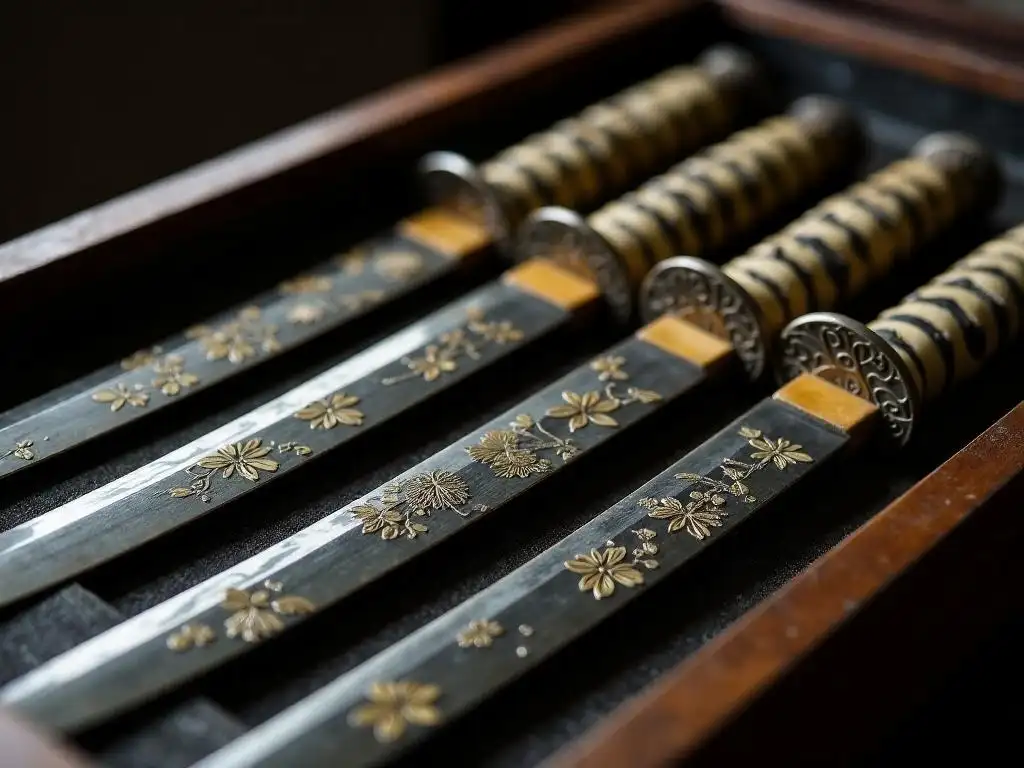
Welcome to Feudal Japan History, where we invite you on a captivating journey through the intricate tapestry of Japan's feudal era. In this realm of honor and artistry, one of the most sought-after treasures is the samurai sword, a symbol of martial prowess and cultural heritage. Are you curious about the best samurai swords for collectors that blend historical significance with exquisite craftsmanship? Dive into our featured article, "Exotic Finds: The Best International Samurai Swords for Global Collectors," and uncover the stories behind these legendary blades. Let your exploration of this fascinating period begin!
- Introduction to Samurai Swords and Their Cultural Significance
- The Best Samurai Swords for Collectors: An Overview
- Top International Samurai Swords for Collectors
- How to Choose the Best Samurai Sword for Your Collection
- Caring for Your Samurai Sword Collection
- Conclusion: Investing in the Best Samurai Swords for Collectors
- Additional Resources for Samurai Sword Collectors
- Frequently Asked Questions
- Final Reflection: The Timeless Allure of Samurai Swords for Collectors
- Unleash Your Inner Collector Today!
Introduction to Samurai Swords and Their Cultural Significance
The allure of samurai swords transcends mere craftsmanship; these iconic weapons embody the spirit and valor of the samurai, Japan's esteemed warrior class. Renowned for their unparalleled quality and intricate designs, samurai swords, or katana, have become treasures for collectors around the globe.
As we delve into the rich tapestry of Japan's feudal era, it becomes evident that these swords are not just tools of war but symbols of honor, tradition, and artistry. This article aims to guide collectors through the fascinating world of samurai swords, highlighting the best samurai swords for collectors and exploring the historical and cultural significance that makes these blades so revered.
The Historical Context of Samurai Swords in Feudal Japan
The samurai sword has a storied history deeply interwoven with the feudal system of Japan, which flourished from the 12th to the 19th century. During this time, the samurai emerged as a dominant military class, serving powerful feudal lords known as daimyō. The evolution of the samurai sword reflects the changing dynamics of warfare, society, and culture.
- Origins and Development: The first samurai swords, developed during the Heian period (794-1185), were designed for slashing rather than piercing. Over the centuries, advancements in metallurgy and techniques led to the creation of the katana, known for its curved blade and exceptional sharpness.
- Symbol of Status: Possession of a samurai sword was a privilege reserved for the samurai class. It was not just a weapon but a status symbol, representing loyalty and honor. The daishō, a pair of swords (the katana and the wakizashi), was worn by samurai as an indication of their rank and social position.
- Cultural Significance: Beyond their martial use, samurai swords are considered works of art. The meticulous crafting process involves traditional techniques that have been passed down through generations. Each sword tells a story, often inscribed with the name of the swordsmith and the era it was created, making them highly sought after by collectors.
Why Collecting Samurai Swords is a Passion for Many
The passion for collecting samurai swords stems from a variety of factors that appeal to enthusiasts and historians alike.
- Historical Connection: Collectors often feel a deep connection to the past, wanting to preserve the legacy of the samurai and their remarkable contributions to Japanese history. Owning a piece of this heritage allows individuals to engage with the stories and traditions of feudal Japan.
- Artistry and Craftsmanship: Each sword is a testament to the skill and artistry of the swordsmith. Collectors appreciate the intricate designs and unique characteristics of different swords, as well as the materials and techniques used in their creation. This appreciation often leads to a desire to learn more about the craftsmanship involved.
- Investment Potential: As global interest in samurai swords grows, so does their value. Many collectors view these swords as investments, with rare and historically significant pieces fetching significant prices at auctions. Understanding market trends and the nuances of sword valuation adds an additional layer of excitement to the collecting experience.
The combination of historical significance, artistry, and investment potential creates a rich and rewarding landscape for collectors of samurai swords, making the pursuit not just a hobby but a profound journey into Japan's feudal past.
The Best Samurai Swords for Collectors: An Overview
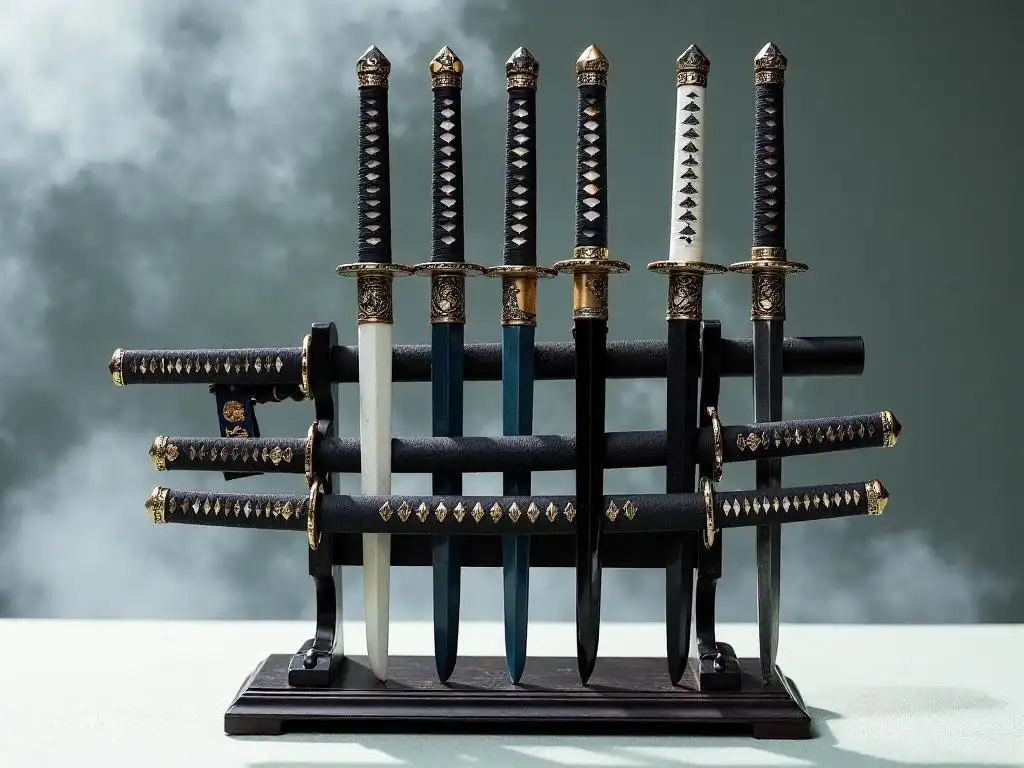
The allure of samurai swords transcends mere weaponry; they are masterpieces of craftsmanship that embody Japan's rich cultural heritage. For collectors, the best samurai swords offer not only aesthetic appeal but also historical significance and exceptional quality. These swords, often referred to as katana, tanto, or wakizashi, vary by several criteria, including age, maker, and condition.
Collectors often seek swords that represent the pinnacle of Japanese sword-making traditions, which dates back to the Heian period (794-1185). The meticulous techniques employed by skilled artisans, such as folding and tempering, enhance both the beauty and functionality of each blade. Understanding these factors can significantly impact a collector's choices when searching for the best samurai swords for their collections.
Understanding the Craftsmanship of Samurai Swords
The craftsmanship of samurai swords is a meticulous art form that has been refined over centuries. The process of creating a high-quality sword involves several key steps:
- Tamahagane Steel Production:
- The foundation of a samurai sword is tamahagane, a high-carbon steel made from iron sand. This steel is produced in a traditional clay forge, where it is heated and then hammered to remove impurities.
- Folding Technique:
- To create a blade with both strength and flexibility, smiths fold the steel multiple times. This process not only enhances the blade's integrity but also creates beautiful patterns known as hamon.
- Shaping and Tempering:
- After forging, the blade is shaped and then tempered through a precise heating and cooling process. This step is crucial for achieving the desired hardness and sharpness, ensuring the sword can withstand combat conditions.
- Polishing:
- The finishing touch involves polishing the blade using various grades of stones. This not only enhances the sword's aesthetic appeal but also reveals the unique grain of the steel.
- Mounting:
- The final assembly includes fitting the blade with a hilt ( tsuka), guard ( tsuba), and scabbard ( saya). Each element is crafted with care, often featuring intricate designs and materials like ray skin and silk.
The craftsmanship behind each sword is a testament to the skill and dedication of the artisans. Collectors often seek out swords from renowned smiths, as the signature and history associated with these creators can significantly enhance a sword's value.
Key Features That Make Samurai Swords Ideal for Collectors
When evaluating samurai swords for a collection, several key features set them apart and contribute to their desirability:
- Age and Provenance:
- The historical background of a sword can dramatically affect its value. Swords from specific periods, especially those made during the Kamakura (1185-1333) and Muromachi (1336-1573) eras, are particularly sought after.
- Maker's Signature:
- Authenticity is paramount in the world of collectibles. A sword bearing the signature of a recognized smith can significantly increase its value. Collectors often seek swords with documented provenance.
- Condition and Restoration:
- The physical state of the sword is critical. Original blades in excellent condition are rare and highly prized. Restoration should be carefully documented, as improper restoration can diminish a sword's value.
- Aesthetic Elements:
- Beautifully crafted tsuba, intricate engravings, and unique hamon patterns contribute to a sword’s overall appeal. Collectors often appreciate the artistic aspects as much as the functional ones.
- Rarity:
- Limited production swords or those with unique characteristics (such as being part of a special historical event) are especially coveted by collectors.
The best samurai swords for collectors combine exceptional craftsmanship, historical significance, and aesthetic beauty. By understanding the intricacies of sword-making and recognizing the key features that enhance their value, collectors can make informed decisions and build a remarkable collection that celebrates the legacy of feudal Japan.
Top International Samurai Swords for Collectors
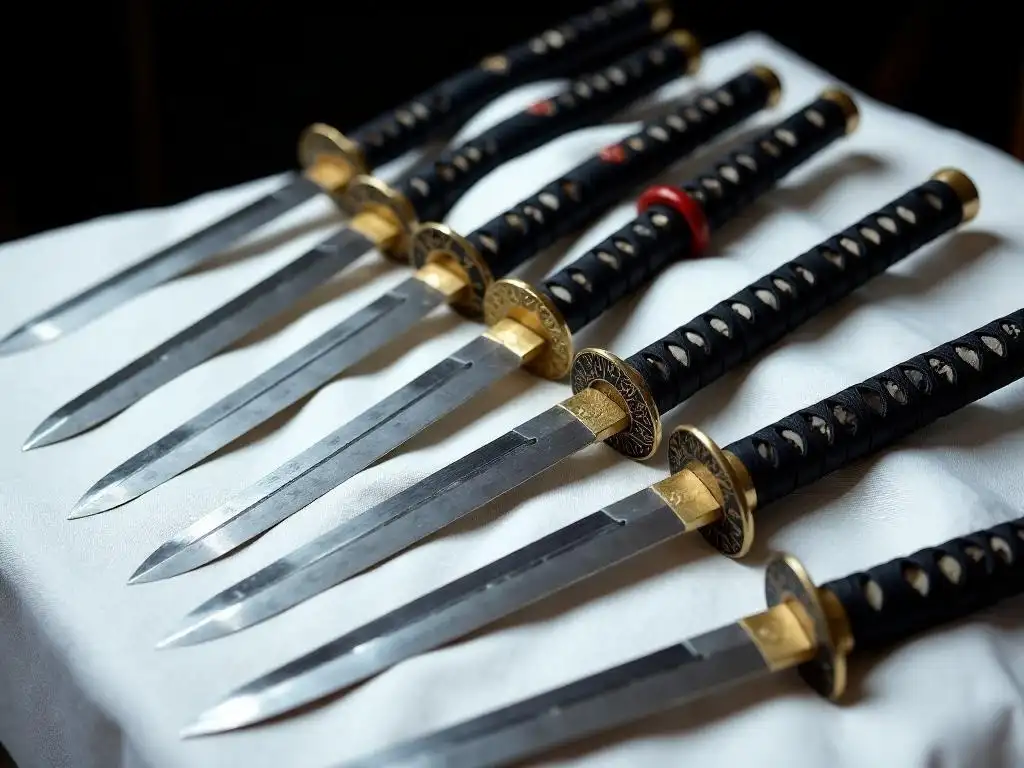
1. Masamune Sword: A Masterpiece of Japanese Craftsmanship
The Masamune sword is often revered as one of the finest examples of Japanese sword-making. Crafted by the legendary blacksmith Gorō Nyūdō Masamune during the Kamakura period (1185-1333), these swords are known for their exceptional sharpness, balance, and aesthetic beauty. The Masamune sword embodies the pinnacle of the samurai's martial spirit and artistic expression.
Features and Specifications
- Length: Typically ranges from 2.5 to 2.8 shaku (approximately 76 to 85 cm).
- Blade Type: Shinogi-zukuri with a deep curvature.
- Material: High-quality tamahagane steel, renowned for its purity and durability.
- Hamons: Distinctive temper lines that vary from wavy to straight, indicating the sword's unique heat treatment.
- Handle: Wrapped in traditional tsuka-ito (silk cord) for grip and comfort.
Pros and Cons
- Pros:
- Historical Significance: Owning a Masamune sword connects collectors to a rich heritage.
- Craftsmanship: The exceptional quality of the blade ensures longevity and performance.
- Aesthetic Value: Each sword is a unique work of art, making it a stunning display piece.
- Cons:
- Cost: Genuine Masamune swords can fetch extremely high prices, often exceeding thousands of dollars.
- Availability: Authentic Masamune swords are rare and often found in auctions or specialized collections.
Pricing and Where to Buy
Prices for Masamune swords can vary significantly based on condition, provenance, and craftsmanship. Authentic swords can range from $20,000 to $100,000 or more. Collectors can find Masamune swords at:
- Specialized Auction Houses: Such as Sotheby’s and Christie’s, which occasionally feature historical swords.
- Antique Dealers: Reputable dealers specializing in Japanese antiques.
- Online Marketplaces: Websites like eBay or Heritage Auctions, but caution is advised to ensure authenticity.
2. Yoshimitsu Sword: The Fusion of Tradition and Modern Techniques
The Yoshimitsu sword represents a unique blend of historical tradition and contemporary craftsmanship. Named after the famous samurai Yoshimitsu, these swords are crafted with modern techniques while paying homage to traditional methods. The Yoshimitsu sword is particularly favored by collectors who appreciate both history and innovation.
Features and Specifications
- Length: Generally about 2.5 shaku (approximately 76 cm).
- Blade Type: O-kissaki with a pointed tip for enhanced thrusting capability.
- Material: High-carbon steel, often folded for strength and aesthetics.
- Design: Characterized by intricate tsuba (hand guards) and unique hamon patterns.
- Handle: Often features a mix of traditional and modern wrapping techniques for both beauty and functionality.
Pros and Cons
- Pros:
- Versatility: Suitable for both display and practical use in martial arts.
- Innovation: Incorporates modern metallurgical techniques, resulting in improved durability.
- Collectibility: Highly sought after by both collectors and martial artists for its aesthetic and functional appeal.
- Cons:
- Price Variability: Can range widely based on the maker, from $1,500 to $10,000.
- Limited Authenticity: Modern reproductions can make it challenging to find genuine swords.
Pricing and Where to Buy
Prices for Yoshimitsu swords can vary based on craftsmanship and materials. Collectors can expect to pay between $1,500 and $10,000. Ideal places to purchase include:
- Specialty Sword Stores: Retailers focused on martial arts gear often carry reputable brands.
- Online Stores: Websites like Katanas for Sale or Swords of Northshire offer a range of options.
- Martial Arts Expos: These events often feature vendors who specialize in high-quality swords.
These international samurai swords offer collectors a glimpse into the artistry and history of Japan's feudal era, making them prized possessions for enthusiasts worldwide.
3. Koto Sword: A Collector’s Dream from the Edo Period
The Koto sword, crafted during the Koto period (roughly from 794 to 1185), is one of the most revered types of samurai swords for collectors. Known for its distinctive craftsmanship and historical significance, this sword reflects the artistry and culture of the Edo period. The Koto sword is characterized by its elegant curves, sharp blade, and often intricate tsuba (handguard), making it a true collector's dream.
Features and Specifications
- Blade Length: Typically ranges from 2.5 to 3 shaku (approximately 76 to 91 cm).
- Material: Made from high-quality tamahagane steel, known for its resilience and sharpness.
- Design: Features a distinctive curvature, often with a graceful sori (curve) that enhances its aesthetic appeal.
- Tsuba: Often intricately designed, showcasing motifs related to nature, mythology, or samurai heritage.
- Condition: Authentic Koto swords may exhibit signs of age, including patina or minor imperfections, which can enhance their value.
Pros and Cons
Pros:
- Historical Significance: Owning a Koto sword connects collectors to Japan's rich samurai history.
- Artistic Value: The craftsmanship of Koto swords is celebrated for its beauty and intricate design.
- Investment Potential: High-quality Koto swords can appreciate significantly over time, making them a sound investment.
Cons:
- Cost: Authentic Koto swords can be quite expensive, making them less accessible for casual collectors.
- Maintenance: These swords require proper care and maintenance to preserve their condition and value.
- Authenticity Concerns: The market is rife with replicas, so collectors must be diligent in verifying authenticity.
Pricing and Where to Buy
Prices for Koto swords can vary widely based on condition, provenance, and craftsmanship. Authentic examples can range from $5,000 to over $100,000. For collectors looking to purchase Koto swords, reputable sources include:
- Antique Dealers: Specialized antique shops focusing on Japanese artifacts.
- Auction Houses: Renowned auction houses may offer rare Koto swords with verified provenance.
- Online Marketplaces: Websites dedicated to Japanese antiques, but ensure the seller has a good reputation and offers authenticity guarantees.
4. Tachi Sword: The Unique Blade of the Samurai
The Tachi sword, another iconic samurai weapon, is known for its striking length and elegant design. Originating in the Heian period (794-1185), the Tachi is designed for slashing and is often worn suspended with the blade facing downward. This unique positioning allows for a swift draw and attack, showcasing the martial prowess of the samurai.
Features and Specifications
- Blade Length: Typically ranges from 2.5 to 3 shaku (approximately 76 to 91 cm), similar to the Koto but often longer and more curved.
- Material: Crafted from high-quality steel, often including a combination of different metals for durability.
- Design: Features a deep sori (curve) that facilitates effective slashing motions.
- Tsuba: The handguard is often larger and more ornate compared to other types, reflecting the artistic styles of the period.
- Signature: Many Tachi swords bear the signature of the smith, which can add to its value and authenticity.
Pros and Cons
Pros:
- Combat Efficiency: The design is optimized for quick draws and effective slashing, making it a favorite among martial artists.
- Aesthetic Appeal: Tachi swords are often considered some of the most beautiful swords, with elaborate designs and craftsmanship.
- Historical Value: Like the Koto, Tachi swords hold significant historical value that appeals to serious collectors.
Cons:
- Rarity: Authentic Tachi swords can be harder to find, especially in good condition.
- Price Variation: While some Tachi swords can be affordable, others, especially those from renowned smiths, can reach astronomical prices.
- Care Requirements: Similar to Koto swords, Tachi swords require careful handling and maintenance to avoid damage.
Pricing and Where to Buy
The pricing for Tachi swords can vary significantly based on their condition and historical value. Authentic pieces can range from $3,000 to over $150,000, especially those crafted by famous swordsmiths. Collectors looking to acquire Tachi swords can explore:
- Specialized Sword Shops: Many shops specialize in Japanese swords and can provide expert guidance.
- Antique Shows and Exhibitions: These often feature rare finds and allow collectors to network with other enthusiasts.
- Online Auctions: Platforms that focus on antiques may have Tachi swords available, but due diligence on authenticity is essential.
5. Katana Sword: An Iconic Piece for Serious Collectors
The katana sword, a symbol of Japan's feudal era, is not just a weapon; it is a revered cultural artifact that embodies the artistry and craftsmanship of its time. For serious collectors, owning a katana represents a connection to the storied past of samurai warriors. These swords are characterized by their distinctive curved, single-edged blade, long grip, and iconic tsuba (guard), making them instantly recognizable and highly sought after.
In the world of samurai swords, the katana is often considered the pinnacle of sword design due to its combination of functionality and aesthetic appeal. Beyond mere weaponry, these swords carry deep philosophical and cultural significance, often associated with the samurai code of honor known as Bushido. Collectors appreciate not only the historical value of these swords but also the intricate details that go into their creation, such as the tempering process and the unique hamon (temper line) that results from traditional forging techniques.
Features and Specifications
When considering a katana sword for your collection, it’s important to focus on several key features and specifications that contribute to its authenticity and value:
- Blade Length: Traditionally, katana blades range from 2 to 3 feet long, with an average being around 28 inches. The length can influence both the sword's handling and its aesthetic balance.
- Material: Authentic katana blades are typically made from high-carbon steel, such as T10 or 1095, which enhances durability and edge retention. The quality of the steel significantly impacts the sword's performance and value.
- Hamon: This is the temper line that appears on the blade, a result of the differential hardening process. Each hamon is unique, often serving as a fingerprint for the craftsmanship of the swordsmith.
- Tsuka (Handle): The handle is traditionally wrapped in silk or cotton and features a wooden core. The length of the tsuka allows for two-handed grip, which is crucial for effective swordsmanship.
- Tsuba (Guard): The tsuba can vary widely in design, often showcasing intricate artworks or family crests. It serves as both a protective and decorative element.
- Weight: A typical katana weighs between 2 to 3 pounds, balancing strength and ease of use.
Pros and Cons
As with any collectible, there are pros and cons to consider when investing in a katana sword:
Pros:
- Cultural Significance: Owning a katana connects collectors to Japan’s rich history and the samurai legacy.
- Artistic Craftsmanship: Each sword is often handcrafted, making it a unique piece of art.
- Value Appreciation: Authentic katana swords can appreciate significantly in value over time, particularly if they are from renowned swordsmiths.
- Functionality: Beyond collecting, these swords can be used for practice in martial arts disciplines like Kendo and Iaido.
Cons:
- Cost: High-quality katana swords can be expensive, with prices varying greatly depending on craftsmanship and materials.
- Maintenance: Proper care is essential to preserve the blade’s condition, requiring regular cleaning and oiling.
- Authenticity Verification: With many replicas on the market, verifying the authenticity of a katana can be challenging and requires expertise.
Pricing and Where to Buy
The pricing of katana swords can vary widely based on factors such as craftsmanship, materials, age, and historical significance. Here is a general overview of the price ranges:
| Type of Katana | Price Range |
|---|---|
| Entry-Level Replica | $100 - $300 |
| Mid-Range Authentic | $500 - $1,500 |
| High-End Collector’s Item | $1,500 - $10,000+ |
For purchasing, several reputable sources cater to collectors of samurai swords:
- Specialty Sword Shops: Many cities have stores that specialize in Asian weaponry and can provide knowledgeable staff to assist with purchases.
- Online Retailers: Websites specializing in martial arts gear often have a diverse selection of katana swords. Ensure they have a return policy and authenticity guarantees.
- Auctions and Collectors’ Shows: Attending sword shows or auctions can provide opportunities to acquire rare items and meet fellow collectors.
Investing in a katana sword is not only about the acquisition of a weapon but also about preserving a piece of history that reflects the artistry and cultural heritage of feudal Japan.
How to Choose the Best Samurai Sword for Your Collection
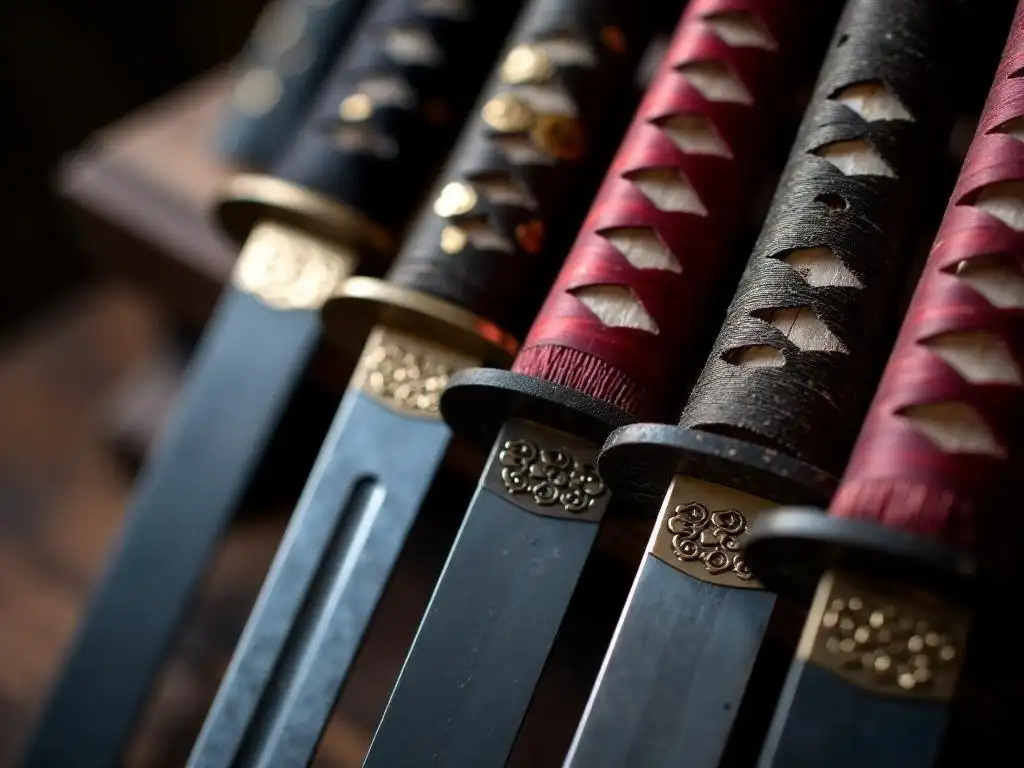
Key Factors to Consider When Selecting Samurai Swords
Choosing the best samurai sword for your collection requires a keen understanding of various factors that influence both the value and the beauty of the weapon. Here are essential considerations to keep in mind:
Authenticity and Provenance
Authenticity is paramount when selecting a samurai sword. Collectors should ensure that the sword is an original piece, ideally from the Edo period (1603-1868) or earlier. Here are some ways to verify authenticity:
- Documentation: Look for certificates of authenticity or provenance that detail the sword's history.
- Signature (mei): Many authentic swords bear the signature of the swordsmith. Familiarize yourself with notable smiths and their characteristics.
- Condition: Examine the sword for signs of tampering or restoration. Authentic pieces may show signs of age, but any significant alterations can decrease value.
Material Quality and Blade Construction
The quality of materials used in the sword's construction significantly impacts its value and performance. Key factors include:
- Tamahagane Steel: Traditionally, samurai swords are crafted from tamahagane, a high-quality steel produced from iron sand. Ensure the sword’s material matches traditional standards.
- Hamon Line: The hamon is the temper line that gives each blade its unique character. A well-defined hamon indicates superior craftsmanship.
- Blade Type: Consider the type of blade (e.g., katana, wakizashi, tanto) and its intended use. Each type has different characteristics and historical significance.
Aesthetic Appeal and Design
A sword’s visual aspects are not only for display but also reflect the artistry of the swordsmith. Factors to assess include:
- Tsuba (Guard): The tsuba can be ornately designed and often tells a story or represents cultural themes. Look for unique craftsmanship.
- Tsuka (Handle): The material and wrapping of the tsuka can significantly influence the sword's grip and overall aesthetic.
- Fittings: The quality of fittings, such as the menuki (ornamental grips) and kojiri (tip of the scabbard), can add to the sword's beauty and value.
Tips for New Collectors of Samurai Swords
Starting a collection of samurai swords can be an exciting journey. Here are some valuable tips for newcomers:
Understanding Different Types of Samurai Swords
Familiarizing yourself with the various types of samurai swords is crucial for making informed purchasing decisions. Here are the primary types:
- Katana: The most recognized type, known for its curved, single-edged blade, typically between 60-80 cm long.
- Wakizashi: A shorter companion sword to the katana, usually measuring between 30-60 cm, often used for close combat.
- Tanto: A small dagger-like blade, typically around 15-30 cm, used as a utility tool as well as a weapon.
Each type has its own historical context and purpose, so understanding these differences can guide your collection focus.
Where to Find Reputable Dealers and Auctions
Finding trustworthy sources for purchasing samurai swords is vital. Here are some strategies:
- Specialized Auctions: Participate in auctions that specialize in martial arts equipment or historical artifacts. Research the auction house's reputation beforehand.
- Antique Dealers: Look for dealers who specialize in Japanese antiques. Ensure they provide a return policy and authenticity guarantees.
- Online Forums and Communities: Engage with collector communities where members share experiences and recommend reputable sellers.
By keeping these factors and tips in mind, you can confidently navigate the world of samurai sword collecting, ensuring you find the best samurai swords for collectors that enhance your collection both in value and significance.
Caring for Your Samurai Sword Collection
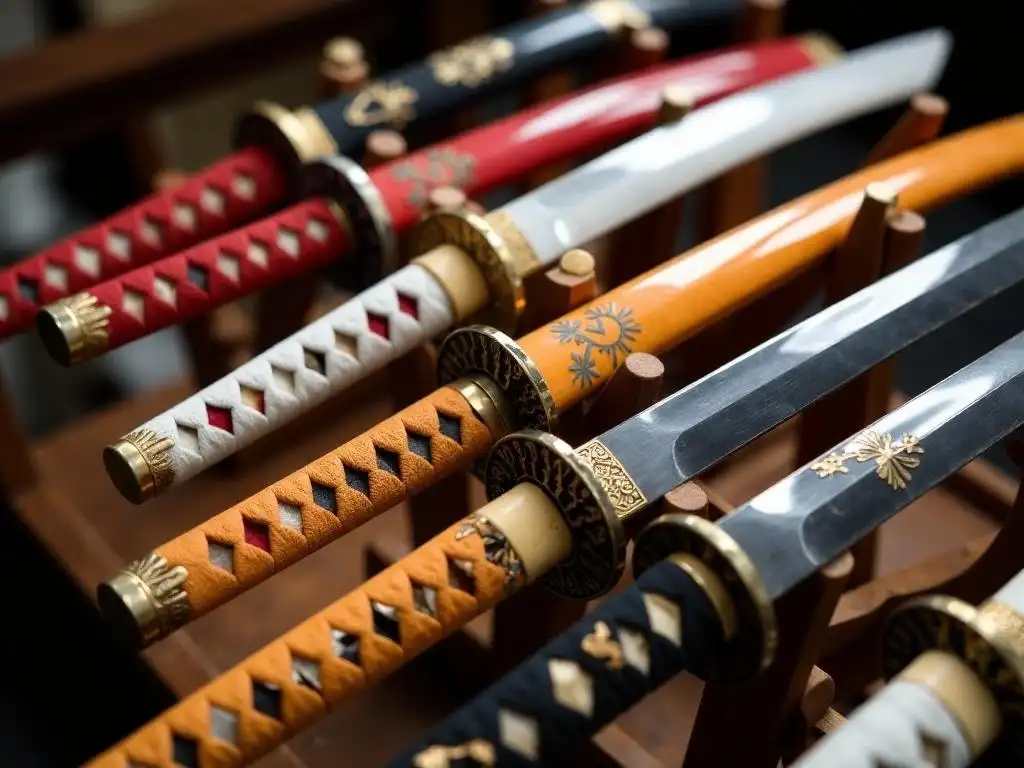
Caring for a collection of samurai swords is essential to preserving their beauty, integrity, and historical significance. As a collector, understanding the specific needs of these exquisite pieces will ensure that they remain in optimal condition for years to come. Below are key aspects to consider for the maintenance and display of your samurai swords.
Maintenance Tips for Preserving Your Samurai Swords
Proper maintenance of samurai swords involves routine care and specific techniques tailored to their unique materials and construction. Here are some crucial maintenance tips:
- Regular Cleaning:
- Use a soft, lint-free cloth to wipe down the blade after each handling to remove fingerprints, oils, and moisture.
- For more thorough cleaning, a specialized sword oil, such as choji oil (a mix of mineral oil and clove oil), can be applied to prevent rust and corrosion.
- Rust Prevention:
- Store your swords in a climate-controlled environment, ideally with low humidity.
- Utilize a breathable sword bag made from cotton or silk to protect the blade from dust and moisture.
- Blade Inspection:
- Regularly inspect the blade for signs of rust, scratches, or nicks. If damage is detected, consider consulting a professional sword polisher with experience in handling antique swords.
- Handle Care:
- The tsuka (handle) should be treated with care. If it becomes loose, avoid rewrapping it yourself; instead, seek professional assistance to maintain its structure and integrity.
- Hamon Preservation:
- The hamon (temper line) is a critical feature of a samurai sword. Avoid abrasive cleaners that could damage this delicate pattern.
Best Practices for Displaying Samurai Swords Safely
Displaying samurai swords is an art in itself, as it showcases the beauty and craftsmanship of these weapons. However, it is vital to follow best practices to ensure their safety and preservation:
- Proper Mounting:
- Use a wall-mounted sword rack or stand that supports the blade appropriately without applying pressure. Avoid hanging swords directly on walls where they might swing or be knocked over.
- Environmental Control:
- Keep swords away from direct sunlight to prevent fading and deterioration of the materials. Ideal display spaces should have stable temperatures and humidity levels.
- Secure Display Cases:
- Consider using glass display cases to protect your swords from dust and accidental damage. Ensure the case is ventilated to avoid moisture build-up.
- Avoid Crowded Displays:
- When displaying multiple swords, ensure there is sufficient space between them. This prevents accidental contact, which can lead to scratches or chips.
- Education and Signage:
- If displaying in a public or shared space, include educational signage to inform viewers about the historical significance and craftsmanship of each piece. This not only enhances appreciation but also encourages respectful handling.
Taking the time to care for and display your samurai sword collection properly will enhance your appreciation of these remarkable artifacts while preserving them for future generations of collectors.
Conclusion: Investing in the Best Samurai Swords for Collectors
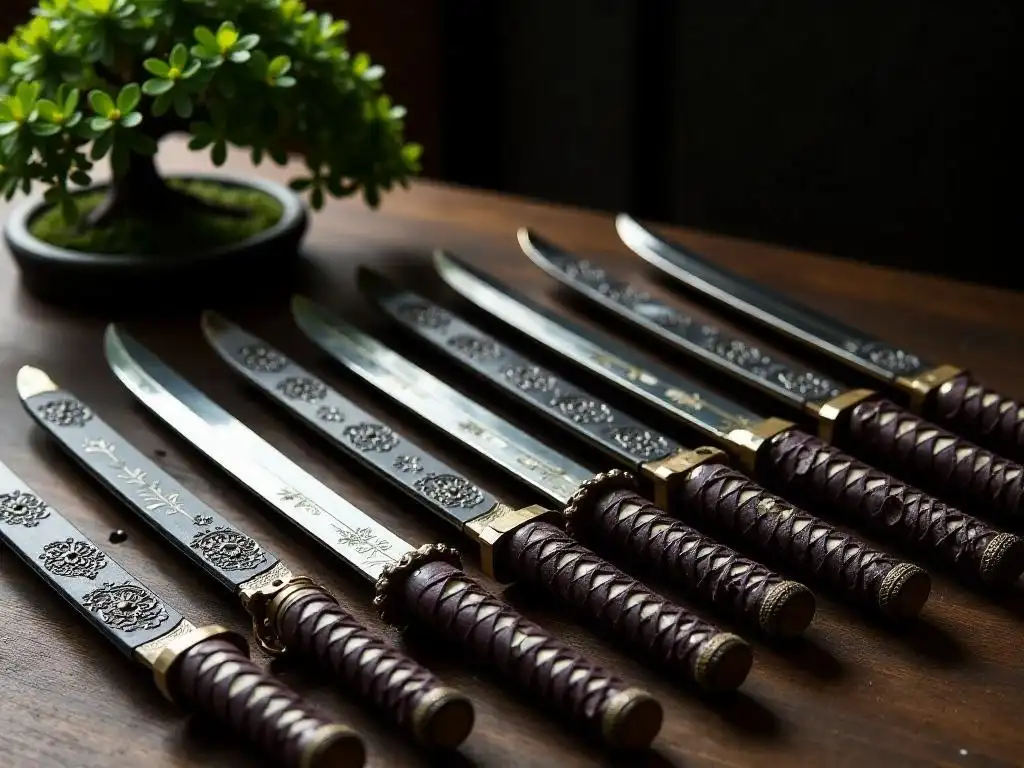
Collecting samurai swords is not just a hobby; it’s an investment in history, culture, and craftsmanship. The best samurai swords for collectors often represent more than mere weapons; they embody the artistry of eras gone by, the skill of their makers, and the stories of the warriors who wielded them. Investing in these swords can yield significant long-term value, making it essential for collectors to approach their acquisitions thoughtfully.
The Long-Term Value of Collecting Samurai Swords
The value of samurai swords has demonstrated remarkable resilience over the decades, making them an attractive option for collectors. Here are several reasons why investing in samurai swords can be beneficial:
- Historical Significance: Each sword carries its own history, often tied to notable figures or events in Japanese history. This historical context can significantly enhance its value. For instance, swords that belonged to famous samurai or were crafted during specific periods like the Kamakura or Muromachi are particularly sought after.
- Craftsmanship and Material Quality: Authentic samurai swords are handmade with exceptional materials, such as high-carbon steel and intricate hilt wrappings. The quality of the craftsmanship can greatly influence the sword's value. Swords crafted by renowned smiths, such as Masamune or Muramasa, are particularly prized.
- Rarity: The rarity of a sword can dramatically affect its market value. Limited production pieces, unique designs, or swords with distinctive features often appreciate more over time. Collectors should seek out swords with provenance and those that are rare in design or historical context.
- Cultural Appreciation: As global interest in Japanese culture continues to grow, so does the demand for samurai swords. This cultural appreciation can drive prices up, making it a potentially lucrative market for collectors. Additionally, as more people become interested in martial arts and historical artifacts, the desirability of samurai swords increases.
- Market Trends: Tracking market trends is vital. Swords that are currently undervalued may appreciate significantly in the future. A well-informed collector can make strategic purchases that yield high returns.
Final Recommendations for Global Collectors
For collectors considering the best samurai swords to invest in, here are some final recommendations:
- Research Extensively: Knowledge is power in the collector's market. Familiarize yourself with the various types of samurai swords (katana, wakizashi, tanto) and the characteristics that define quality.
- Seek Authenticity: Only purchase swords with verified provenance. Look for certificates of authenticity and documentation regarding the sword's history.
- Attend Auctions and Conventions: Engaging with the community at auctions or sword conventions can provide valuable insights and opportunities to acquire unique pieces.
- Consider Storage and Maintenance: Proper storage and maintenance of your collection are crucial. Invest in appropriate cases and learn about care techniques to preserve the integrity and value of your swords.
- Join Collectors’ Groups: Networking with fellow collectors can provide insights into market trends and valuable recommendations. Online forums and local clubs can be great resources.
Investing in the best samurai swords for collectors provides not only an opportunity for financial gain but also a deep connection to Japan's rich cultural heritage. With careful consideration and informed decisions, collectors can build a rewarding collection that appreciates in value while celebrating the artistry and history of samurai swords.
Additional Resources for Samurai Sword Collectors
Books and Publications on Samurai Swords
For collectors seeking to deepen their understanding and appreciation of samurai swords, a wealth of literature exists that covers various aspects, including history, craftsmanship, and the cultural significance of these iconic weapons. Here are some essential reads:
- "The Samurai Sword: A Collector's Guide" by John M. Yumoto
- This book offers a comprehensive overview of samurai swords, including their history, types, and collecting tips. It is particularly useful for beginners and seasoned collectors alike.
- "The Art of the Japanese Sword" by Donald J. LaRocca
- An in-depth exploration of the construction and aesthetics of Japanese swords, this publication discusses the intricate details of blade-making and the artistry involved in forging these weapons.
- "Japanese Swords: A Collector's Guide" by Andreas K. W. Heller
- This guide focuses on the various schools of sword-making in Japan, detailing the characteristics of swords from different regions and periods, making it a must-have for serious collectors.
- "The Samurai: A Military History" by Stephen Turnbull
- While not solely focused on swords, this book provides context about the samurai class, their code of conduct, and the role swords played in their culture and warfare.
- "Tōken: The Japanese Sword" by Dr. Walter G. K. H. Tschan
- This scholarly work delves into the historical evolution and technical aspects of the Japanese sword, offering insights that can enhance a collector's knowledge significantly.
By exploring these publications, collectors can acquire a deeper understanding of the historical and cultural significance of samurai swords, ultimately enriching their collecting experience.
Online Communities and Forums for Enthusiasts
Engaging with fellow collectors and enthusiasts is a vital part of the samurai sword collecting journey. Online communities provide platforms for sharing knowledge, experiences, and resources. Here are some notable forums and communities to consider:
- Sword Forum International
- A dedicated forum where collectors can discuss various topics, share photos of their collections, and seek advice from experienced members. It features sections specifically for Japanese swords and their history.
- The Nihonto Message Board
- This specialized forum focuses on Japanese swords (nihonto) and offers a wealth of information on sword identification, appraisal, and maintenance. Members often share their collections and participate in discussions about sword-related events.
- Facebook Groups
- Several Facebook groups cater to samurai sword collectors, such as "Japanese Sword Collectors" and "Samurai Sword Enthusiasts." These groups allow for easy sharing of images, questions, and upcoming events in the sword community.
- Reddit - r/Swords
- A subreddit dedicated to all things swords, including discussions on samurai swords. Collectors can ask questions, share their collections, and receive advice from a diverse group of sword enthusiasts.
- Instagram Pages
- Following collectors and artisans on Instagram can provide visual inspiration and insights into the world of samurai swords. Many users showcase their collections and offer tips on maintenance and care.
Participating in these online communities can enhance your knowledge and appreciation of samurai swords, making the collecting experience more fulfilling and connected.
Frequently Asked Questions
What are the best samurai swords for collectors?
The best samurai swords for collectors often include those with authentic craftsmanship, historical significance, and unique features. Look for swords with provenance and high-quality materials.
How do I determine the value of a samurai sword?
The value of a samurai sword is assessed based on factors like age, maker, condition, and rarity. Consulting with an expert appraiser can provide a more accurate valuation.
What should I consider when purchasing a samurai sword?
When purchasing a samurai sword, consider the authenticity, condition, and documentation of the sword. It's also important to research the seller's reputation and ensure the sword meets your collecting goals.
Are there specific international markets for samurai swords?
Yes, there are several international markets for samurai swords, including auctions, online platforms, and specialty collectors' fairs. These venues often feature a wide range of exotic finds for collectors.
How can I care for and maintain my samurai sword?
To care for and maintain your samurai sword, regularly clean it with a soft cloth, apply a light coat of oil to prevent rust, and store it in a protective case. Proper maintenance helps preserve the sword's value and beauty.
Final Reflection: The Timeless Allure of Samurai Swords for Collectors
The fascination with samurai swords transcends borders and time, making them not just weapons but symbols of artistry and cultural heritage. In today's globalized world, the appreciation for these exquisite pieces of craftsmanship continues to grow, as collectors seek to connect with the rich history and tradition they represent. The allure of the best samurai swords for collectors lies in their ability to tell stories of honor, discipline, and the artistry of their makers, reminding us of the enduring legacy of the samurai.
Culturally, samurai swords have carved a unique niche in the hearts of enthusiasts and collectors worldwide, influencing everything from art to literature. The ongoing interest in these weapons reflects a deeper yearning for connection to history and craftsmanship in an increasingly digital age. As one collector aptly put it, Owning a samurai sword is like holding a piece of history; it carries the spirit of the samurai within its blade.
This sentiment resonates with many, as collectors not only seek to own these swords but also to understand and appreciate the stories and traditions that accompany them.
As you reflect on the insights shared in this article, consider how the passion for collecting samurai swords can inspire you to explore and appreciate the diverse cultures and histories that shape our world. Take a moment to think about what you value in your own life and how you can cultivate a deeper understanding of the art and history that surrounds you. Whether you are a seasoned collector or a curious newcomer, let the journey of discovering the best samurai swords for collectors ignite a passion for learning and connection that transcends mere ownership.
Unleash Your Inner Collector Today!
Thank you for diving into the fascinating world of international samurai swords! We hope this article has ignited your passion for these exquisite pieces of history. Now, it’s time to take action and transform that inspiration into something tangible.
- Start your collection by researching and investing in one of the stunning samurai swords. Visit reputable online marketplaces or local antique shops to find your first piece!
- Join a community of collectors and enthusiasts online! Share your journey, exchange tips, and learn about upcoming sword shows or exhibitions that could enhance your understanding of these remarkable artifacts.
- Explore the history behind each sword! Dive deeper into the cultural significance and craftsmanship by reading books, watching documentaries, or even participating in a workshop focused on sword maintenance.
What unique story or piece of history do you hope to uncover through your samurai sword collection?