
The Rice Tax: Understanding the Economic Burden on Feudal Farmers


Welcome to Feudal Japan History, where we delve deep into the fascinating and complex tapestry of Japan’s feudal era. Here, you’ll uncover the intricate dynamics that shaped a society defined by honor, duty, and economic strife. In our featured article, “The Rice Tax: Understanding the Economic Burden on Feudal Farmers,” we explore the profound impact of rice taxation on the lives and livelihoods of feudal farmers.
What challenges did they face, and how did these economic pressures influence the broader societal landscape? Join us on this journey to reveal the untold stories of resilience and struggle that lie at the heart of feudal Japan. Dive in and satisfy your curiosity about this pivotal period in history!
Introduction to the Rice Tax in Feudal Japan
The rice tax was a significant economic burden that shaped the lives of feudal farmers in Japan throughout the centuries of the feudal era. As agriculture was the backbone of the feudal economy, the taxation system imposed on rice had profound implications not only for farmers but also for the broader social structure of the time. Understanding the rice tax provides critical insights into the economic dynamics that governed feudal Japan, illustrating how agricultural practices were intertwined with the socio-political fabric of the period.
This article delves into the complexities of the rice tax, examining its definition, historical context, and the pivotal role rice played in shaping feudal society. By exploring these aspects, we can gain a clearer understanding of the daily struggles faced by feudal farmers and the lasting impact of these economic policies.
Definition of the Rice Tax
The rice tax, or kome-zei, was a form of taxation primarily levied on farmers in feudal Japan. This tax required farmers to pay a portion of their rice harvest to their local lords or the ruling samurai class. The tax was typically assessed based on the yield of rice that a farmer could produce on their land, often amounting to as much as 40% of their total harvest.
This substantial burden was not merely a financial obligation; it represented a system of control that tied farmers to their lords, creating a cycle of dependency and servitude. The rice tax was a reflection of the socio-economic hierarchy of feudal Japan, where the wealth generated from agriculture was crucial for maintaining the power and status of the ruling elite.
Historical Context of the Rice Tax
The origins of the rice tax can be traced back to the establishment of the feudal system during the late Heian period (794-1185). As Japan transitioned into a more centralized feudal state, land ownership became concentrated among the samurai class, while farmers worked the land. The rice tax system was formalized during the Kamakura period (1185-1333) and continued to evolve through subsequent eras, including the Muromachi (1336-1573) and Edo periods (1603-1868).
Throughout these periods, various factors influenced the rates and enforcement of the rice tax, including crop yields, regional famines, and the political ambitions of local lords. Understanding this historical context is essential for grasping the economic pressures faced by feudal farmers, who often struggled to meet their tax obligations amidst changing agricultural conditions.
The Role of Rice in Feudal Japanese Society
Importance of Rice as a Staple Food
Rice was not merely a staple food in feudal Japan; it was the cornerstone of Japanese agricultural society. The cultivation of rice was deeply embedded in the cultural and social practices of the time, serving as the primary source of sustenance for the population. The significance of rice extended beyond its nutritional value; it symbolized prosperity and stability within communities. Festivals and rituals often centered around rice cultivation and harvest, reflecting the reverence that society held for this vital crop.
Rice as a Currency and Measure of Wealth
In addition to being a staple food, rice served as a form of currency in feudal Japan. The wealth of a samurai or a lord was often measured in koku, a unit that represented the amount of rice needed to feed one person for a year. This system of valuation established rice as a crucial economic commodity, facilitating trade and exchange within feudal society.
Consequently, the rice tax not only impacted farmers' livelihoods but also influenced the overall economic landscape, determining the wealth and power dynamics among the ruling classes. The intertwining of rice with both sustenance and wealth illustrates its vital role in shaping the feudal economy and the lives of those within it.
Economic Impact of the Rice Tax on Feudal Farmers
The rice tax in feudal Japan served as a substantial economic burden for farmers, fundamentally shaping their livelihoods and the agricultural landscape of the era. The tax was primarily levied in rice, which was both a staple food and a form of currency. This dual nature of rice made the tax a critical element of the feudal economy, impacting the financial stability of farmers and their families.
Farmers were often required to pay a fixed percentage of their harvest as tax, which could vary based on the land's productivity and the local lord's demands. This obligation resulted in farmers frequently operating on thin margins, leaving them vulnerable to fluctuations in harvest yields due to poor weather, pest infestations, or soil degradation. In years of poor harvests, the inability to meet tax demands could lead to severe penalties, including loss of land or worse, servitude.
Direct Financial Burdens Faced by Farmers
The direct financial burdens stemming from the rice tax were significant and multifaceted. Farmers were expected to surrender a substantial portion of their crop, typically around 40% of their yield, to fulfill their tax obligations. This left them with little to sustain their families, forcing them to either reduce their consumption or find alternative means of income.
- Loss of Income: The immediate consequence of the rice tax was the reduction in the income available to farmers. With a large portion of their harvest diverted to taxes, farmers struggled to maintain their households, leading to increased poverty levels among rural populations.
- Costs of Compliance: In addition to the rice surrendered, farmers often incurred additional costs related to the collection processes. This included transportation of the rice to local granaries or officials, which could be especially burdensome if the distance was great or if the roads were poor.
- Debt and Borrowing: Many farmers resorted to borrowing money or rice from wealthier landowners or merchants to meet their tax obligations during lean years. This created a cycle of debt that further entrenched their economic vulnerability, as they were often unable to repay these loans.
Long-term Economic Consequences of the Rice Tax

Over time, the rice tax contributed to systemic economic issues that would resonate through the fabric of feudal society.
- Decline of Agricultural Innovation: The burden of the rice tax often discouraged farmers from investing in agricultural innovations or improvements. With little incentive to enhance productivity, many continued to use traditional methods, which limited the potential for yield increases.
- Migration and Land Abandonment: As the financial pressures mounted, some farmers chose to abandon their lands in search of better opportunities in urban areas or other regions. This led to a decline in rural populations and, eventually, to the abandonment of previously fertile lands.
- Social Stratification: The economic pressures of the rice tax also exacerbated class distinctions. Wealthier landowners and samurai benefitted from the tax system, while peasant farmers bore the brunt of its burdens. This deepened social divides and contributed to unrest and revolts over time.
The Mechanisms of the Rice Tax Collection
The collection of the rice tax was a systematic process that involved various mechanisms and local governance structures. Understanding these methods provides insight into how the burden was enforced and the impact it had on feudal farmers.
Methods of Tax Assessment and Collection
Tax assessment in feudal Japan was typically based on the productivity of the land. Officials would evaluate the quality and yield potential of the fields, determining the amount of rice a farmer was expected to produce and subsequently pay as tax.
- Land Surveys: Periodic land surveys were conducted to assess agricultural output. These surveys helped local lords and officials set tax rates based on the estimated productivity of different regions.
- Seasonal Collection: The rice tax was collected during harvest seasons, which meant that farmers had to prepare for the tax payment at a time when they were already labor-intensive. Officials would often oversee the collection process, ensuring that the correct amounts were delivered.
- Penalties for Non-Compliance: Failure to meet tax obligations could result in harsh penalties, including fines, forced labor, or confiscation of property. This created a climate of fear and compliance among farmers, who were often left with little recourse.
The Role of Samurai and Local Officials in Tax Enforcement
Samurai and local officials played crucial roles in the enforcement of the rice tax, acting as intermediaries between the ruling class and the peasant farmers. Their involvement significantly influenced how the tax burdens were perceived and managed.
- Tax Collectors: Samurai often served as tax collectors, wielding their authority to ensure compliance. Their presence could be both a deterrent and a source of intimidation, as failure to comply with tax demands could lead to severe repercussions.
- Local Governance: Local officials were responsible for maintaining order and ensuring that tax collection was carried out efficiently. They were tasked with reporting yields and tax payments back to their lords, thereby reinforcing the feudal hierarchy.
- Protection and Enforcement: While samurai were seen as protectors of the realm, their role in tax enforcement often led to resentment among farmers. The heavy-handed approaches sometimes resulted in local uprisings, as farmers banded together to resist what they perceived as unjust taxation practices.
Through these mechanisms, the rice tax became a cornerstone of the economic system in feudal Japan, deeply embedding itself in the daily lives of farmers and shaping the broader historical narrative of the era.
Case Studies of Rice Tax Effects on Different Regions
The rice tax in feudal Japan was not uniformly applied across the country, leading to a variety of impacts on farmers depending on their region. Understanding these regional differences provides insight into the broader economic and social dynamics of feudal Japan.
For instance, in the fertile plains of Kanto, farmers often faced heavy taxation due to the high productivity of their land. This led to significant economic strain, particularly during years of poor harvests. Conversely, in the mountainous regions of Shikoku, where agriculture was less productive, the rice tax was less burdensome. However, farmers in these areas often relied on supplementary income from forestry and fishing, creating a different set of challenges related to dependency on diverse economic activities.
Additionally, regions like Kyushu, known for its rice cultivation, experienced intense pressure from local lords to meet tax quotas. This pressure sometimes resulted in farmers resorting to borrowing and debt, leading to a cycle of poverty that could last generations. In contrast, the Northeast regions, while also agricultural, dealt with a harsher climate that impacted their ability to produce rice, leading to a different set of economic strategies and adaptations.
Regional Variations in Rice Tax Implementation

The implementation of the rice tax varied significantly across different regions, influenced by local governance, agricultural practices, and environmental conditions. In the Edo period, for example, the Tokugawa shogunate established strict regulations on rice production and taxation, but these were adapted by local daimyōs (feudal lords) based on their unique circumstances.
- Kanto Region: Here, farmers faced high tax rates due to the region's agricultural wealth. The local authorities often enforced rigorous assessments to ensure tax compliance, leading to resentment among the peasant population.
- Okinawa: In contrast, the Ryukyu Kingdom had a distinct system where taxation was based not solely on rice production but also on trade. Farmers were subjected to lighter rice taxes but faced other types of levies, such as trade tariffs.
- Hokkaido: The indigenous Ainu population experienced a very different taxation system that often involved barter rather than currency. The rice tax system was less prevalent, reflecting the diverse economic activities of the Ainu.
These regional variations highlight how localized power structures influenced the rice tax, affecting the economic stability and social dynamics of feudal farmers in different areas.
Comparative Analysis of Impact on Northern vs. Southern Farmers
The impact of the rice tax on farmers differed markedly between northern and southern Japan, resulting in distinct economic and social consequences.
In the Northern regions, such as Mutsu and Dewa, farmers contended with shorter growing seasons and harsher climates. Consequently, the rice tax was often viewed as a heavier burden since it was challenging to meet the quotas set by the local authorities. Many northern farmers resorted to diversifying their crops, leading to innovations in farming techniques but also increased financial instability when rice prices fluctuated.
Conversely, southern regions like Kansai benefited from more favorable agricultural conditions, which allowed farmers to produce rice more efficiently. While the overall tax burden might have been lower, the competitive nature of rice production in these areas led to a focus on maximizing yield and profitability. Farmers here often faced pressure from local lords to exceed production targets, which sometimes resulted in exploitative practices and resistance movements.
This comparative analysis underscores the complexity of the rice tax's impact, revealing how geographical and environmental factors shaped the experiences of feudal farmers across Japan.
Resistance and Rebellion Against the Rice Tax
As the rice tax imposed significant economic burdens on farmers, it also sparked resistance and rebellion throughout feudal Japan. These movements were often fueled by the desire for social justice and economic relief from oppressive taxation practices.
Notable Uprisings and Their Causes
Throughout history, several notable uprisings emerged in response to the rice tax. One prominent example is the Shinmachi Uprising of the 18th century, where farmers in the Kanto region protested against exorbitant tax rates that left them in poverty. The uprising was characterized by organized protests and confrontations with local authorities, aiming to reduce the tax burden.
Another significant event was the Tenmei Uprising, which occurred due to a combination of failed harvests and subsequent tax demands that farmers could not meet. This uprising was notable for its widespread support from various segments of society, illustrating the deep-rooted discontent with the rice tax system.
The causes of these uprisings were often multifaceted, involving not just economic factors but also social grievances, such as local corruption and the unequal distribution of resources.
The Role of Peasant Movements in Challenging the Rice Tax
Peasant movements played a crucial role in challenging the rice tax and advocating for reform. These movements often united farmers across regions, fostering a sense of solidarity among those facing similar hardships.
The Dōyō movement is a prime example, where peasants organized to demand fair taxation and more equitable land distribution. Their efforts led to local reforms in some areas, showcasing the potential for collective action to influence policy. Moreover, these movements served to raise awareness about the struggles of feudal farmers, ultimately contributing to broader social changes in Japan.
Throughout these struggles, the presence of strong leadership within peasant movements was vital. Charismatic figures emerged, rallying support and articulating the grievances of farmers. Their ability to mobilize communities against the oppressive rice tax system underscored the power of grassroots activism in shaping Japan's socio-political landscape during the feudal era.
Alternatives and Adaptations by Feudal Farmers
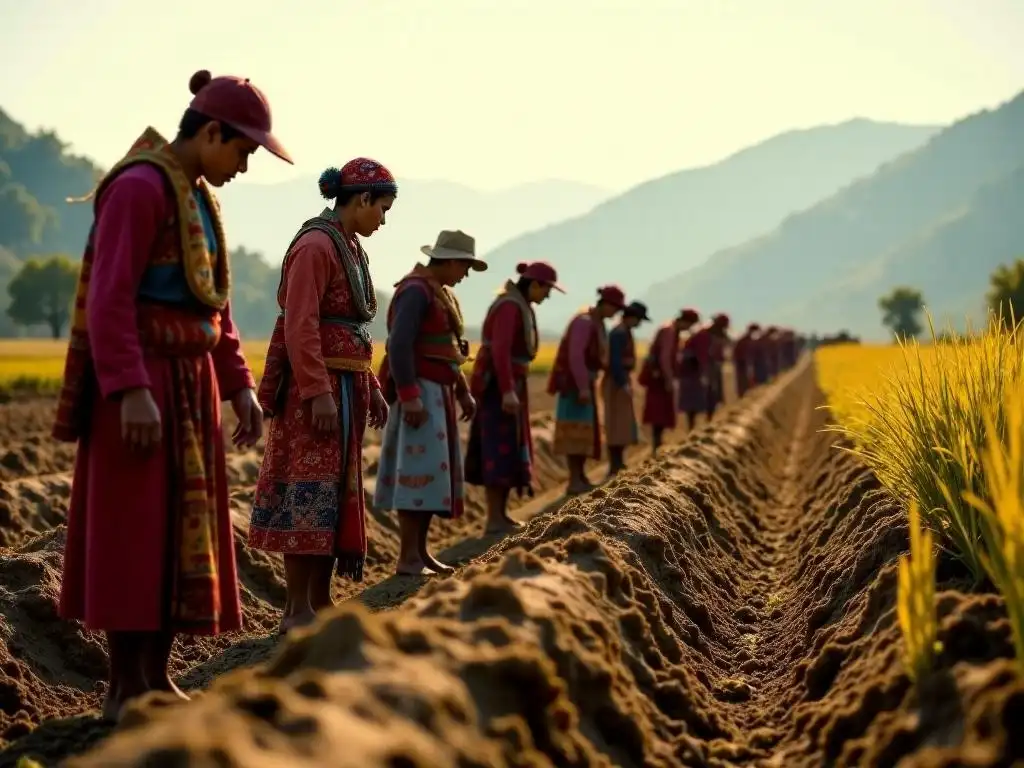
The rice tax imposed on feudal farmers during Japan's feudal era presented significant challenges, compelling them to develop a variety of alternatives and adaptations in their agricultural practices. Faced with the burden of high taxation, farmers sought innovative methods to maintain their livelihoods while meeting the demands of their lords. This adaptation was critical for survival in a system that often prioritized the interests of the samurai class over the needs of the peasantry.
Farmers began to diversify their crops beyond rice, experimenting with other grains and vegetables that could provide additional sources of income. By planting millet, barley, and beans, they could not only supplement their diets but also create a buffer against crop failures or poor rice yields. This diversification was not merely an economic strategy; it also reflected a deeper understanding of regional climatic and soil conditions, enabling farmers to optimize their yields.
Moreover, many feudal farmers engaged in barter systems, trading surplus goods for rice or other necessities. This practice allowed them to circumvent the direct implications of the rice tax by finding alternative means of acquiring essential resources. Some communities even formed cooperative agreements, pooling resources to share labor and reduce individual tax burdens. These adaptations were crucial in fostering resilience within agricultural communities, ensuring that they could withstand the pressures of the feudal tax system.
Strategies Employed by Farmers to Cope with the Rice Tax
- Crop Diversification: Farmers expanded their agricultural portfolio by incorporating various crops, such as millet and soybeans, to ensure food security and reduce dependence on rice alone. This strategy allowed them to hedge against rice crop failures.
- Labor Exchange: In some regions, farmers established labor exchange systems, where they would trade labor with neighbors during peak planting and harvest seasons. This cooperative effort not only lightened the workload but also enhanced productivity.
- Storage Innovations: To combat the effects of poor harvests, farmers developed improved storage techniques for their rice and other crops. By investing in better granaries and preservation methods, they could safeguard their produce against spoilage and pests, providing a buffer in lean years.
- Utilization of Marginal Lands: Farmers began to cultivate less fertile lands or hillside fields, which were typically overlooked. While these lands produced lower yields, they contributed additional crops that could offset the rice tax burden.
- Seasonal Migration: In some instances, farmers would migrate temporarily to regions with better agricultural prospects during specific seasons. This shift allowed them to tap into different agricultural cycles and earn additional income.
Shift in Agricultural Practices and Crop Diversification
The imposition of the rice tax significantly influenced the agricultural landscape of feudal Japan. As farmers grappled with the demands of the tax, they underwent a profound shift in their practices, leading to an era of crop diversification. This transition was not merely a response to economic pressures; it was also a strategic adaptation to the ecological realities of Japan's diverse regions.
Farmers began to recognize that relying solely on rice cultivation was risky, especially in areas prone to drought or flooding. Consequently, they incorporated a mix of crops that could thrive in various conditions, such as sweet potatoes and millet. This diversification not only improved food security for families but also allowed farmers to negotiate better with local lords, as they could offer a variety of goods rather than being limited to rice.
Additionally, this shift paved the way for new agricultural technologies and practices. Innovations in irrigation, crop rotation, and soil management emerged as farmers sought to maximize yields from different crops. These practices laid the groundwork for more sustainable farming methods that would continue to evolve long after the feudal era.
Long-term Legacy of the Rice Tax on Japanese Agriculture
The legacy of the rice tax extends well beyond its immediate economic impact on feudal farmers. Over the centuries, it played a pivotal role in shaping Japan's agricultural practices and policies, influencing how farming would be approached in the modern era. Understanding this legacy is crucial for comprehending the evolution of Japan's agricultural landscape.
Influence on Modern Agricultural Policies
The historical context of the rice tax has had lasting implications on modern agricultural policies in Japan. Contemporary policymakers often reflect on the lessons learned from the feudal era, particularly regarding the need for sustainable agricultural practices that protect farmers' interests. The rice tax's legacy of crop diversification and resilience informs current initiatives aimed at bolstering food security and supporting rural economies.
In recent years, programs promoting organic farming and local produce have emerged, echoing the adaptive strategies of feudal farmers. Modern agricultural policies also emphasize the importance of cooperative farming, drawing parallels to historical labor exchanges that allowed farmers to pool resources and labor for mutual benefit. This continuity highlights the enduring influence of historical agricultural practices on today’s policy frameworks.
Reflection of Historical Economic Structures in Contemporary Japan
The rice tax serves as a reminder of the hierarchical economic structures that characterized feudal Japan, reflecting the broader societal dynamics that continue to affect contemporary Japan. The relationship between the peasantry and the ruling class has evolved, but remnants of these historical power dynamics can still be observed in modern agricultural practices and rural policies.
Today, the challenges faced by farmers, such as land ownership issues, market pressures, and economic dependency on larger agricultural institutions, can be traced back to the feudal era's taxation systems. Understanding the rice tax and its effects on feudal farmers provides valuable insights into the ongoing struggles of rural communities in Japan, as they navigate the complexities of modern agricultural demands while striving to maintain their cultural heritage and sustainability. The historical context enriches our understanding of present-day agricultural economics and the continued relevance of farmers’ voices in shaping policy decisions that affect their livelihoods.
Conclusion: The Lasting Impact of the Rice Tax on Feudal Farmers
The rice tax in feudal Japan was not merely a financial obligation; it was a profound economic burden that shaped the lives of farmers and the structure of Japanese society. Its implications extended beyond immediate crop yields and taxation, influencing social hierarchies, economic stability, and the overall agricultural landscape.
The tax required farmers to allocate a significant portion of their harvest to their lords, often leaving them with insufficient resources to sustain their families and communities. This cycle of dependency and economic strain fostered a culture of resentment and hardship among the peasantry, which would have lasting ramifications throughout the feudal era.
The rice tax also served as a means of consolidating power among the samurai class, further entrenching the socio-economic divide between the ruling elite and the working class. As the tax burden increased, many farmers were forced to take on additional debts or even abandon their lands, leading to a decline in agricultural productivity and an increase in rural poverty. This systemic issue contributed to numerous uprisings and revolts, underscoring the deep-seated frustrations that arose from the inequities of the feudal system.
Summary of Key Points on Rice Tax Effects
- Economic Strain: The rice tax significantly reduced the disposable income of farmers, leading to widespread poverty and debt.
- Social Inequality: The tax reinforced the existing class structure, benefiting the samurai class while impoverishing the peasantry.
- Agricultural Decline: As farmers struggled to meet tax demands, agricultural productivity suffered, impacting food supply and rural stability.
- Uprisings and Resistance: The burden of the rice tax led to numerous peasant revolts, highlighting the discontent with feudal governance.
- Long-term Consequences: The legacy of the rice tax contributed to the eventual decline of the feudal system and set the stage for significant social and economic reforms.
Final Thoughts on the Economic History of Feudal Japan
The rice tax remains a critical element in understanding the economic history of feudal Japan. It illustrates the intricate relationship between agricultural practices and social structures during this period. The dynamics of power, wealth distribution, and the struggles of feudal farmers provide insight into the broader implications of taxation and governance in a pre-modern society.
As Japan transitioned from feudalism to a more modern state, the consequences of the rice tax and its impact on farmers became part of the narrative that shaped the nation’s agricultural policies and economic strategies. Understanding this historical context allows for a deeper appreciation of the complexities of feudal Japan and the transformative changes that followed. The rice tax not only highlights the economic burdens of the past but also serves as a reminder of the resilience of those who endured its challenges.
- Introduction to the Rice Tax in Feudal Japan
- The Role of Rice in Feudal Japanese Society
- Economic Impact of the Rice Tax on Feudal Farmers
- Direct Financial Burdens Faced by Farmers
- Long-term Economic Consequences of the Rice Tax
- The Mechanisms of the Rice Tax Collection
- Case Studies of Rice Tax Effects on Different Regions
- Regional Variations in Rice Tax Implementation
- Comparative Analysis of Impact on Northern vs. Southern Farmers
- Resistance and Rebellion Against the Rice Tax
- Alternatives and Adaptations by Feudal Farmers
- Long-term Legacy of the Rice Tax on Japanese Agriculture
- Conclusion: The Lasting Impact of the Rice Tax on Feudal Farmers
Frequently Asked Questions
What was the rice tax in feudal Japan?
The rice tax was a significant economic burden imposed on feudal farmers during Japan's feudal era, requiring them to pay a portion of their rice harvest to the ruling samurai class or government.
How did the rice tax affect feudal farmers?
Feudal farmers faced financial strain due to the rice tax, which often left them with insufficient resources for personal sustenance and limited their economic mobility.
Were there any forms of resistance against the rice tax?
Yes, many farmers resisted the rice tax through protests or by engaging in rebellions, seeking to alleviate their economic hardships and reclaim their rights.
How did the rice tax influence Japanese society?
The rice tax reinforced the class divide in feudal Japan, as it enriched the samurai class while impoverishing farmers, leading to social tensions and changes in the societal structure.
Did the rice tax have any long-term effects on Japan's economy?
The rice tax contributed to a cycle of poverty among farmers, which had lasting implications for Japan’s agricultural economy and set the stage for future socio-economic reforms.
Final Reflection: The Lasting Impact of the Rice Tax on Feudal Farmers
The economic burden of the rice tax on feudal farmers remains a critical issue that resonates in today's agricultural policies and socioeconomic discussions. As we reflect on the historical implications of this tax, it becomes evident that the struggles faced by these farmers are not merely relics of the past but are echoed in contemporary debates about agricultural equity and economic justice. The rice tax serves as a powerful reminder of how systemic policies can shape the livelihoods of entire communities, highlighting the need for ongoing dialogue about fair taxation and support for vulnerable populations.
The legacy of the rice tax continues to influence our cultural and social landscape, reminding us of the resilience and tenacity of farmers throughout history. This topic is not just an academic exploration; it is a testament to the enduring spirit of those who have fought against economic oppression. As we consider the ongoing challenges faced by farmers today, we can draw inspiration from their stories. In every struggle, there lies an opportunity for growth and change.
This quote encapsulates the essence of the farmers' plight, urging us to recognize the importance of their experiences in shaping our understanding of agricultural policies and social justice.
As we conclude this exploration of the rice tax and its impact on feudal farmers, I invite you to reflect on the lessons learned and consider how they apply to our current context. What can we do to advocate for fair treatment of farmers today? By acknowledging the historical burdens placed upon these communities, we can take meaningful steps toward creating a more equitable future. Let us carry forward the lessons of the past, ensuring that the voices of those who labor in the fields are heard and valued in our ongoing quest for justice and sustainability in agriculture.
Unveil the Impact: Take Action Against Economic Injustice!
Thank you for exploring the intricate dynamics of the rice tax and its profound effects on feudal farmers. Your engagement highlights the importance of understanding historical economic burdens that shape our world today. Now, let’s channel that knowledge into action to inspire change and awareness.
Here are a few steps you can take to deepen your understanding and share this vital history:
- Dive Deeper: Explore additional resources on feudal economics and agricultural practices in Japan to broaden your perspective on historical injustices.
- Spread the Word: Share this article with friends, family, or on social media to spark conversations about the significance of historical taxation and its impacts on modern society.
- Join the Discussion: Engage in local forums or online communities focused on historical studies, where you can share insights and learn from others.
What do you believe is the most significant lesson we can learn from the economic struggles of feudal farmers in Japan? Let's discuss!