
Seasonal Splendor: How Ryokan Celebrate Japan's Changing Seasons

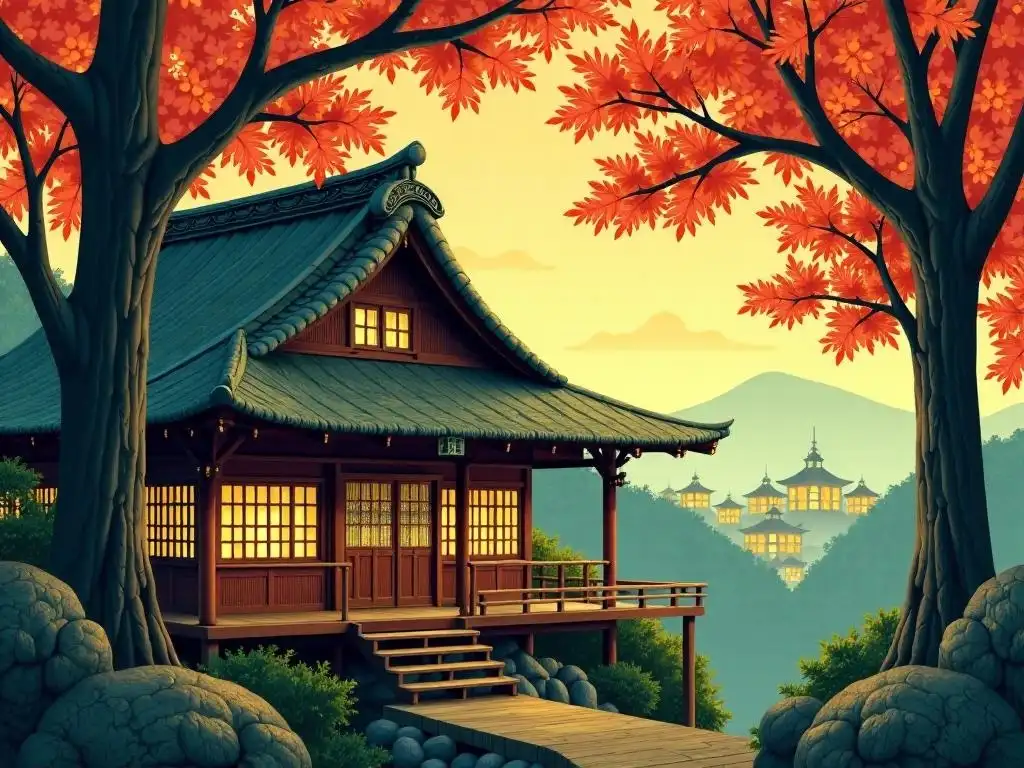
Welcome to Feudal Japan History, where we invite you to embark on a journey through the captivating landscapes of Japan's feudal era. In our featured article, "Seasonal Splendor: How Ryokan Celebrate Japan's Changing Seasons," we delve into the rich tapestry of traditions that define the essence of Japanese hospitality. Discover the intricate rituals and vibrant festivities that unfold with each season, and uncover how these age-old celebrations reflect the harmony between nature and culture. Are you ready to explore how the past shapes the present? Dive in and let your curiosity guide you!
- Introduction to Ryokan Seasonal Celebrations in Japan
- Spring Celebrations at Ryokan
- Summer Festivities in Ryokan
- Autumn Rituals in Ryokan
- Winter Celebrations at Ryokan
- The Role of Nature in Ryokan Seasonal Celebrations
- Conclusion: The Cultural Significance of Seasonal Celebrations in Ryokan
- Frequently Asked Questions
- Final Reflection: Embracing the Beauty of Change in Ryokan Celebrations
- Embrace the Seasons: Experience Japan's Enchanting Traditions!
Introduction to Ryokan Seasonal Celebrations in Japan
The beauty of Japan's changing seasons is not merely a backdrop but a central theme woven into the fabric of its culture and traditions. Among the most cherished embodiments of this seasonal appreciation are the ryokan, traditional Japanese inns that offer travelers a unique blend of comfort, hospitality, and an immersive cultural experience.
This article delves into the seasonal celebrations at ryokan, showcasing how these establishments honor the cyclical nature of the seasons through various customs, culinary delights, and aesthetic presentations. By exploring the essence of ryokan hospitality and the significance of seasonal changes in Japanese culture, we aim to provide a comprehensive understanding of how these elements converge to create unforgettable experiences for guests.
Understanding Ryokan: The Essence of Japanese Hospitality
Ryokan are more than just places to stay; they are sanctuaries of tranquility that reflect the rich history and culture of Japan. These traditional inns, often located in scenic areas, are characterized by their tatami-matted rooms, sliding shoji doors, and futon bedding, all of which create an atmosphere of simplicity and elegance.
The essence of ryokan hospitality is deeply rooted in the concept of omotenashi, which emphasizes selfless service and anticipating guests' needs. This philosophy is particularly evident during seasonal celebrations, where ryokan go above and beyond to create memorable experiences. Some key features of ryokan include:
- Traditional Architecture: Many ryokan feature wooden structures that harmonize with the natural environment, often surrounded by gardens or hot springs (onsen).
- Kaiseki Cuisine: Seasonal ingredients are highlighted in kaiseki meals, which are meticulously prepared and presented, reflecting the aesthetic principles of balance and beauty.
- Cultural Activities: Guests may participate in tea ceremonies, calligraphy, or seasonal festivities, enhancing their engagement with Japanese culture.
In essence, ryokan provide a window into Japan's rich cultural tapestry, allowing visitors to experience the warmth and charm of Japanese hospitality in its purest form.
The Importance of Seasons in Japanese Culture
In Japan, the changing seasons are celebrated with great reverence, influencing everything from art and literature to cuisine and festivals. Each season brings with it a unique set of traditions and symbols, deeply ingrained in the national consciousness. Here are some ways in which the seasons impact Japanese culture:
- Culinary Traditions: Seasonal ingredients are prioritized in Japanese cuisine, with dishes often prepared to reflect the flavors and aesthetics of the time of year.
- Festivals and Celebrations: Various festivals, such as Hanami (cherry blossom viewing in spring) and Momiji (autumn leaf viewing), are celebrated with communal gatherings, food, and rituals that honor nature's beauty.
- Art and Aesthetics: The appreciation of seasonal changes is profoundly embedded in Japanese art, poetry (such as haiku), and design, often capturing the fleeting beauty of nature.
The significance of these seasonal changes is beautifully showcased in ryokan, where each season is embraced through themed decorations, special menus, and unique experiences that invite guests to connect with the natural world. The celebration of seasonal transitions not only enhances the guest experience but also serves as a reminder of the impermanence and beauty of life, a core tenet of Japanese philosophy.
Spring Celebrations at Ryokan
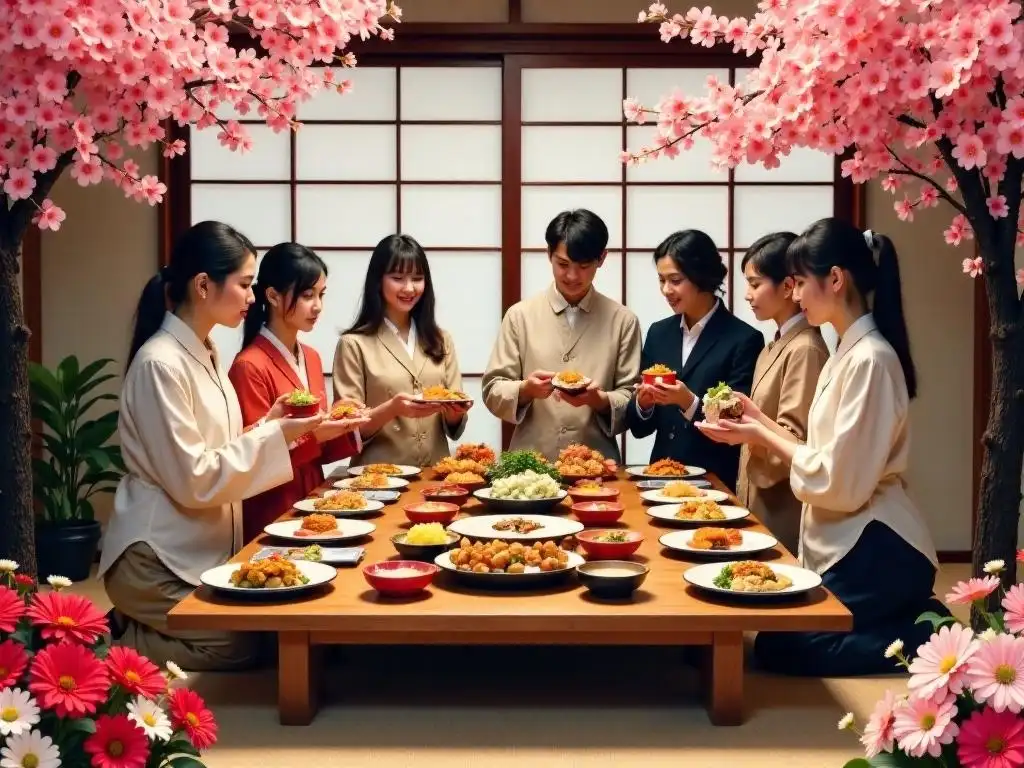
Cherry Blossom Festivals: Hanami Traditions
One of the most celebrated aspects of spring in Japan is the cherry blossom, or sakura, which transforms the landscape into a breathtaking spectacle of pink and white blooms. Ryokan across the country embrace this natural phenomenon through hanami (flower viewing) festivals, which have deep historical roots and cultural significance.
During hanami, guests at ryokan are often treated to special events that highlight the beauty of cherry blossoms. Many ryokan provide outdoor spaces where guests can enjoy traditional tea ceremonies under blooming trees. In addition, some establishments organize guided excursions to nearby parks or gardens known for their cherry blossoms, allowing visitors to immerse themselves in the beauty of nature while learning about the cultural significance of sakura.
Key Elements of Hanami Celebrations:
- Viewing Locations: Many ryokan are strategically located near famous cherry blossom spots, enhancing the hanami experience.
- Cultural Activities: Traditional music, dance performances, and poetry readings often accompany the celebrations, providing guests with a well-rounded cultural experience.
- Nighttime Illuminations: Some ryokan offer nighttime viewing of illuminated cherry blossoms, adding a magical ambiance to the festivities.
Seasonal Dishes: Spring Ingredients in Ryokan Cuisine
Spring also brings a fresh array of seasonal ingredients that are celebrated in the culinary offerings of ryokan. The focus on seasonal cuisine, or shun, is a hallmark of traditional Japanese dining, and ryokan chefs take pride in crafting dishes that reflect the flavors of spring.
Featured Spring Ingredients:
- Fiddlehead Ferns (Mizuna): A popular spring vegetable, often incorporated into salads or miso soup.
- Sakura Shrimp: These tiny, pink shrimp are a seasonal delicacy, frequently used in rice dishes or as toppings for soba noodles.
- Bamboo Shoots (Takenoko): Known for their tender texture, bamboo shoots are often simmered in soy sauce and served as a side dish.
The menus at ryokan during spring are often a feast for the senses, showcasing not only the freshness of ingredients but also the artistry of presentation. Each dish is thoughtfully designed to reflect the beauty of the season, making dining a memorable part of the ryokan experience.
Unique Activities: Celebrating Spring at Gora Kadan
Gora Kadan, a renowned ryokan nestled in the Hakone area, offers a unique approach to celebrating spring with a variety of activities that engage guests in the season's beauty. This luxury ryokan combines traditional elements with modern comforts, making it a prime destination for those seeking to experience Japanese culture.
Spring Activities at Gora Kadan:
- Sakura Viewing Walks: Guided nature walks take guests through scenic routes adorned with cherry blossoms, providing opportunities for photography and reflection.
- Kintsugi Workshops: Guests can learn the art of kintsugi, the Japanese practice of repairing pottery with gold, symbolizing the beauty of imperfection—a perfect metaphor for the transient nature of cherry blossoms.
- Outdoor Onsen Experiences: Soaking in natural hot springs surrounded by blooming cherry trees enhances the relaxation and rejuvenation that ryokan stays are known for.
Through these activities, Gora Kadan not only celebrates the arrival of spring but also educates guests about the cultural practices intertwined with Japan's seasonal transitions, enriching their overall experience at the ryokan.
Summer Festivities in Ryokan
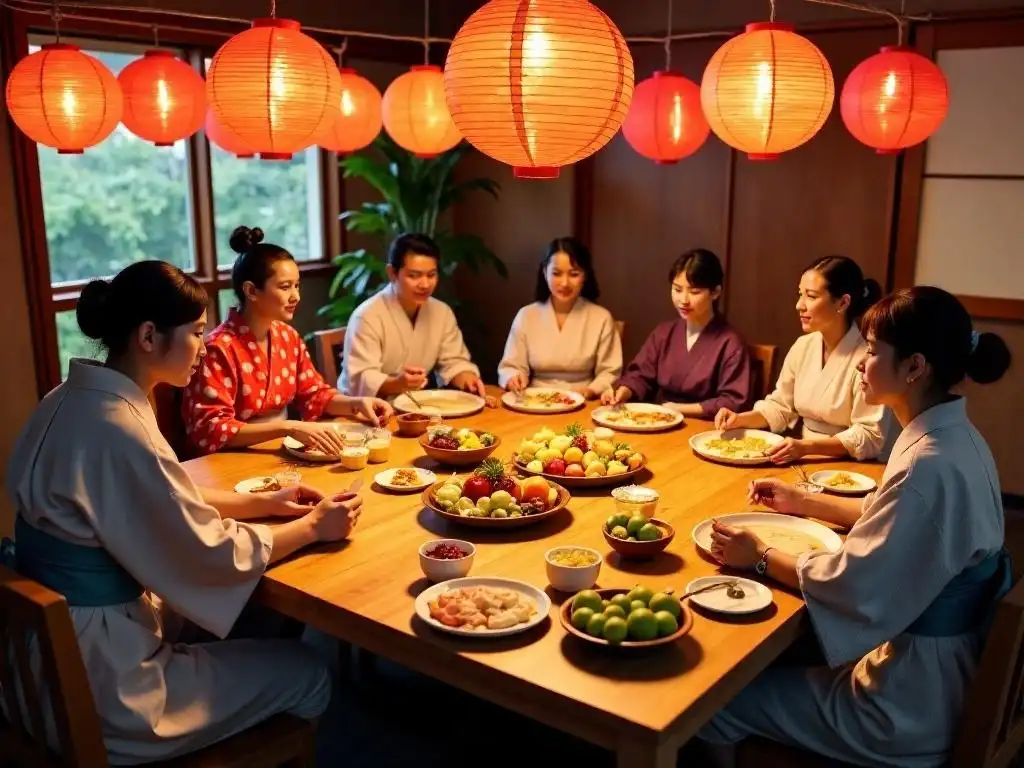
Summer in Japan is a time of vibrant celebrations and deep-rooted traditions, especially within the serene confines of ryokan. These traditional inns not only serve as a haven for travelers but also as cultural hubs where seasonal festivities come to life. From honoring ancestors to partaking in lively local festivals, ryokan encapsulate the essence of summer through a variety of customs and culinary delights.
Obon: Honoring Ancestors with Seasonal Rituals
Obon, celebrated in mid-August, is a significant Buddhist festival that honors the spirits of ancestors. During this time, ryokan engage in various rituals that reflect the respect and reverence for those who have passed away.
-
Lantern Lighting:
Ryokan often adorn their surroundings with beautiful lanterns, symbolizing the guiding of spirits back to their resting places. Guests may participate in this ritual, lighting lanterns that illuminate the path for their ancestors.
-
Bon Odori Dances:
Many ryokan organize or participate in Bon Odori dances, where guests and locals come together to celebrate with traditional music and dance. This event fosters a community spirit and creates a joyful atmosphere.
-
Seasonal Offerings:
Special meals featuring seasonal ingredients are prepared to honor the ancestors. These meals often include dishes such as soba noodles, which are believed to provide longevity, and rice cakes, representing prosperity.
Quote: "Obon is more than just a festival; it is a heartfelt reunion with those who have shaped our lives."
Through these practices, ryokan not only preserve cultural heritage but also create a unique experience for guests, allowing them to connect with Japan's rich traditions during their stay.
Summer Matsuri: Festivals and Their Influence on Ryokan
Summer matsuri (festivals) are an integral part of Japanese culture, celebrated with enthusiasm across the country. Ryokan often play a pivotal role in these festivities, providing accommodations and participating in the celebrations.
-
Local Festivals:
Many ryokan are located in regions renowned for their summer matsuri, such as the Gion Matsuri in Kyoto or the Aomori Nebuta Matsuri. Guests at these inns can easily immerse themselves in the local culture by attending these vibrant events.
-
Cultural Performances:
Ryokan frequently host cultural performances, including traditional music and dance associated with summer matsuri. This not only entertains guests but also educates them about the significance of these festivities.
-
Festival Cuisine:
During summer matsuri, ryokan often feature special menus that highlight local delicacies associated with the festivals. This may include yakitori (grilled chicken skewers) and takoyaki (octopus balls), showcasing the culinary heritage of the region.
Table:
| Festival Name | Location | Traditional Dishes |
|---|---|---|
| Gion Matsuri | Kyoto | Yudofu, Yaki-Tori |
| Aomori Nebuta Matsuri | Aomori | Nibuta, Takoyaki |
| Sendai Tanabata Matsuri | Sendai | Zunda Mochi, Yakisoba |
The influence of these summer festivals on ryokan is profound, as they transform the guest experience into a rich tapestry of cultural immersion, making each stay a memorable journey through Japan's seasonal celebrations.
Refreshing Summer Delights: Seasonal Dining Experiences
Summer dining at ryokan is a feast for the senses, with an emphasis on freshness and seasonal ingredients that reflect the bounty of the season. Ryokan chefs often curate special menus that highlight local produce, seafood, and unique culinary techniques.
-
Kaiseki Cuisine:
Many ryokan offer kaiseki meals during the summer, featuring multiple courses that change with the seasons. Dishes may include chilled soba noodles, fresh sashimi, and seasonal vegetables, all beautifully presented.
-
Yukimuro Aging:
Some ryokan utilize the traditional method of yukimuro aging, where ingredients are stored in snow to enhance their flavors. This method is particularly popular for preserving fish and vegetables, delivering a unique taste that speaks to Japan’s seasonal changes.
-
Refreshing Beverages:
To complement the summer heat, ryokan often serve refreshing drinks such as matcha iced tea or sake chilled to perfection. These beverages not only quench thirst but also elevate the dining experience.
Task List:
- [ ] Explore local markets for seasonal ingredients.
- [ ] Participate in a kaiseki cooking class at a ryokan.
- [ ] Attend a summer matsuri while staying at a ryokan.
The summer festivities at ryokan reflect a harmonious blend of cultural traditions and culinary excellence, offering guests an immersive experience that celebrates Japan's vibrant seasonal changes. Whether through honoring ancestors during Obon, engaging in lively matsuri, or indulging in seasonal delights, ryokan provide a unique gateway to understanding and appreciating Japan's rich summer heritage.
Autumn Rituals in Ryokan
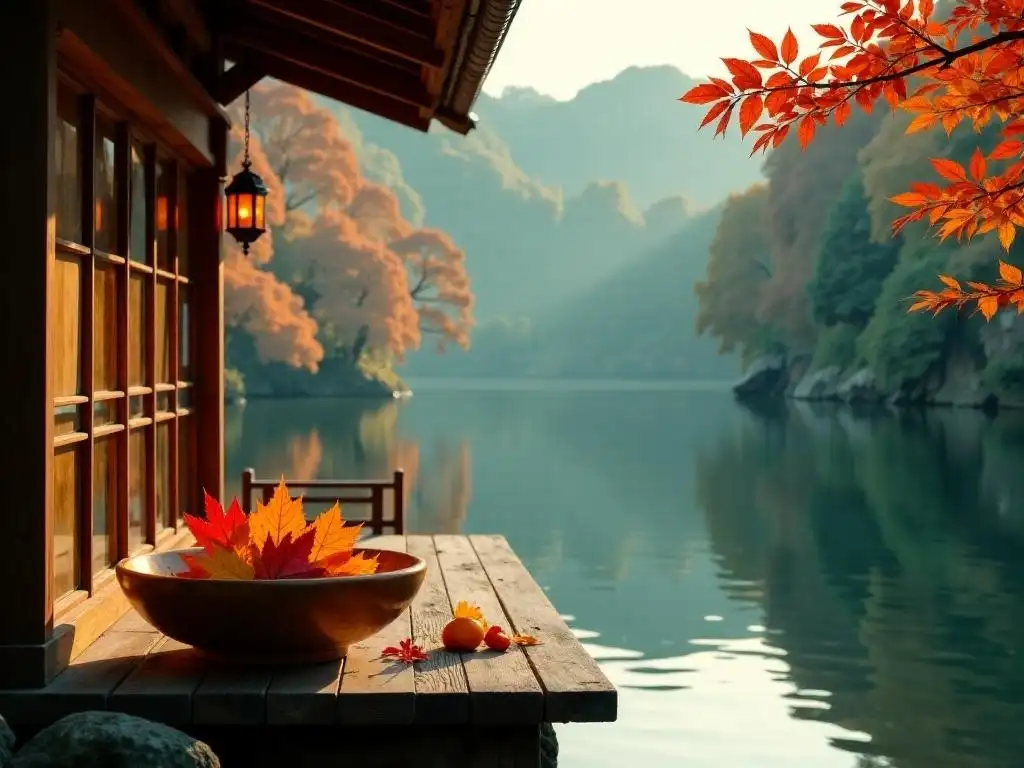
The Beauty of Koyo: Celebrating Autumn Leaves
One of the most breathtaking aspects of autumn in Japan is the phenomenon known as koyo, the vibrant transformation of leaves as they change from green to hues of red, orange, and yellow. Ryokan, traditional Japanese inns, harness the beauty of this season to create immersive experiences for their guests, celebrating the natural splendor with various activities and decor.
Many ryokan strategically position their facilities near picturesque natural landscapes, offering stunning views of the autumn foliage. This seasonal spectacle not only enhances the aesthetic appeal of the inns but also serves as an integral part of their autumn rituals. Guests are often welcomed with seasonal decorations that reflect the changing colors, featuring arrangements of maple leaves and other autumn flora.
Key Features of Koyo Celebrations in Ryokan:
- Seasonal Decor: Ryokan often adorn their interiors and exteriors with traditional autumn motifs.
- Viewing Spots: Many have dedicated areas for leaf viewing, known as momijigari, ensuring guests can appreciate the beauty of koyo.
- Photography Opportunities: Special spots are designated for guests to capture the essence of autumn, creating lasting memories.
Through these elements, ryokan create a unique ambiance that allows visitors to connect deeply with Japan's natural beauty during the autumn months.
Harvest Festivals: Traditional Foods and Seasonal Treats
Autumn in Japan is synonymous with harvest time, a season that brings forth an abundance of agricultural produce. Ryokan capitalize on this by incorporating seasonal ingredients into their menus, offering guests a taste of traditional Japanese cuisine that reflects the bounty of the land.
Typical Foods Celebrated During Autumn:
- Matsutake Mushrooms: Renowned for their aroma and flavor, these mushrooms are a delicacy often featured in ryokan dishes.
- Kuri (Chestnuts): Used in various sweets and savory dishes, chestnuts symbolize the harvest and are celebrated in autumn menus.
- Sake: With rice harvests at their peak, many ryokan offer locally brewed sake, allowing guests to enjoy this traditional beverage while learning about its significance during harvest festivals.
Special Events:
- Tsukimi (Moon Viewing): Many ryokan host moon-viewing parties, where guests can appreciate the beauty of the full moon while enjoying seasonal foods, such as dango (rice dumplings) and sake.
- Culinary Workshops: Some inns offer cooking classes that focus on seasonal dishes, allowing guests to engage actively with Japan's culinary heritage.
These gastronomic experiences not only highlight the flavors of autumn but also provide insight into the cultural significance of harvest celebrations in Japanese society.
Autumn Activities: Engaging Guests in Cultural Experiences
To deepen the connection with the season, ryokan often organize a variety of activities that allow guests to engage with Japan's rich cultural heritage. These activities are designed to immerse visitors in the traditions and practices that embody Japan's autumnal spirit.
Popular Autumnal Activities Include:
- Nature Walks: Guided tours through nearby parks or mountains allow guests to experience the beauty of koyo up close and personal, often accompanied by knowledgeable guides who share insights about the flora and fauna.
- Tea Ceremonies: Many ryokan host seasonal tea ceremonies, where guests can learn about the art of tea making while enjoying autumn-themed confections.
- Craft Workshops: Activities such as crafting kintsugi (the art of repairing pottery with gold) or making wagashi (traditional Japanese sweets) provide hands-on experiences that foster a deeper appreciation for Japanese artistry.
Incorporating these activities into their offerings not only enhances the guest experience but also preserves and promotes Japan's rich cultural traditions, ensuring that the beauty of autumn is celebrated in multifaceted ways.
By embracing the seasonal celebrations of autumn, ryokan create a unique and enriching travel experience that resonates with the essence of Japanese culture and the natural world.
Winter Celebrations at Ryokan
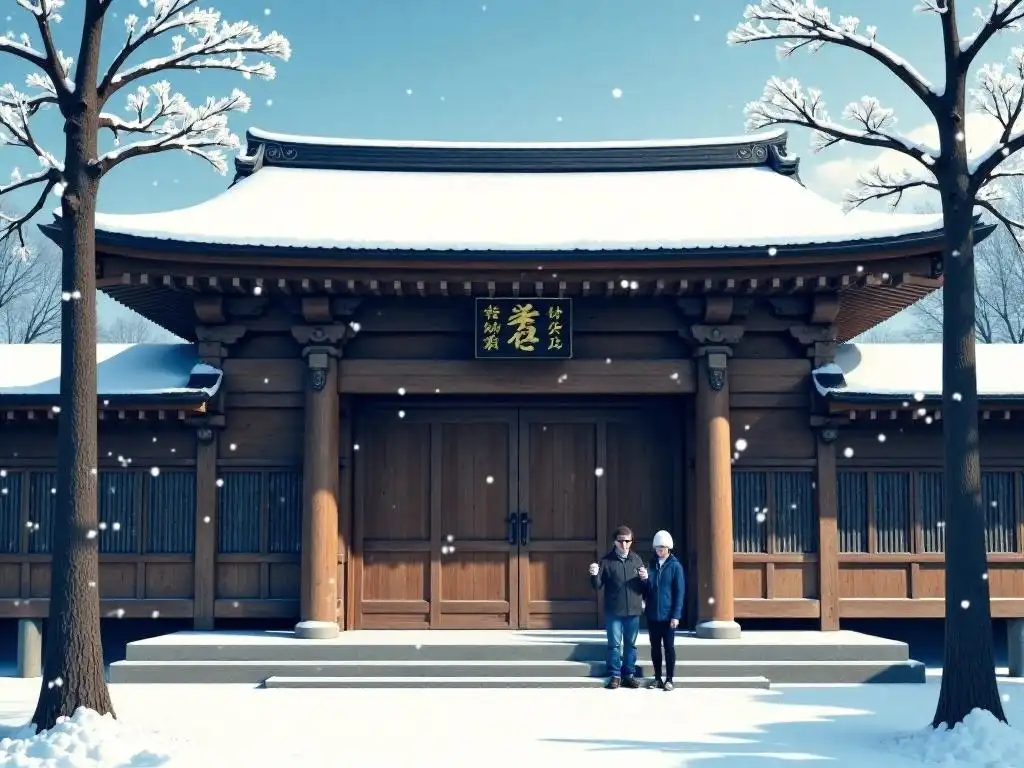
New Year Traditions: Celebrating Shogatsu in Ryokan
Shogatsu, or New Year’s Day, is one of the most significant celebrations in Japan, marking the start of a new year with various customs and traditions deeply rooted in the culture. At ryokan, traditional inns that provide an authentic Japanese experience, Shogatsu is celebrated with particular reverence, incorporating both festivities and rituals.
During Shogatsu, ryokan typically prepare special osechi ryori, a multi-layered meal consisting of various traditional dishes, each symbolizing wishes for the new year, such as prosperity, good health, and happiness. These beautifully arranged dishes are often served in lacquer boxes called jubako, enhancing the festive atmosphere. Guests can also enjoy zoni, a soup that includes mochi (rice cakes), which is believed to bring good luck.
In addition to the culinary delights, many ryokan host New Year’s ceremonies. These may include the hatsu-mode, the first shrine visit of the year, where guests can participate in prayers for health and fortune. Many ryokan offer shuttle services to nearby shrines, making it convenient for visitors to immerse themselves in this cultural experience.
Furthermore, decorations play a vital role in Shogatsu celebrations at ryokan. Traditional ornaments such as kadomatsu (pine decorations) and shimekazari (sacred rope with rice) adorn the entrances, inviting prosperity and warding off evil spirits. This rich display of tradition creates a unique and memorable atmosphere for guests seeking to experience the essence of Japanese New Year celebrations.
Seasonal Winter Cuisine: Savoring Warm Dishes
Winter in Japan brings with it a shift in culinary offerings, with a focus on warm, hearty dishes that provide comfort against the cold. Ryokan capitalize on this seasonal change by curating menus that feature local ingredients and traditional cooking methods, allowing guests to savor the unique flavors of winter.
One of the most celebrated winter dishes in ryokan is nabe, a hot pot dish that varies by region but typically includes a mix of vegetables, meat, and tofu simmered in a flavorful broth. The communal aspect of nabe encourages guests to gather around the table, making it not just a meal but a social experience. Popular variations include sukiyaki, which highlights thinly sliced beef, and shabu-shabu, where diners cook their ingredients at the table.
In addition to nabe, many ryokan offer yudofu, a simple yet elegant dish featuring soft tofu served with a dipping sauce. This dish exemplifies the Japanese principle of using fresh seasonal ingredients, as tofu is often paired with local vegetables that are at their peak in winter.
Desserts also take on a seasonal twist during winter, with ryokan serving warm mochi, often filled with sweet red bean paste or chestnuts. This indulgent treat is a favorite among guests and highlights the use of traditional techniques in Japanese confectionery.
Unique Winter Experiences: Onsen and Snow Festivals
Winter at ryokan is not solely about food; it also offers a plethora of unique experiences that celebrate the season. One of the standout features is the onsen, or hot springs, which become particularly inviting during the colder months. Soaking in a steaming onsen surrounded by snow-covered landscapes is an experience that captivates many visitors.
Ryokan often have their own onsen facilities, providing guests with the chance to unwind and enjoy the therapeutic benefits of mineral-rich waters. The contrast between the warm water and the crisp winter air creates a rejuvenating experience that is both relaxing and invigorating.
In addition to onsen experiences, many ryokan are located near winter festivals that showcase Japan’s rich cultural heritage. These festivals often feature stunning displays of snow and ice sculptures, traditional performances, and regional food stalls. Guests at ryokan can easily access these festivities, allowing them to participate in local cultural celebrations while enjoying the comforts of traditional Japanese hospitality.
Moreover, activities such as skiing and snowshoeing can often be arranged through the ryokan, providing guests with adventurous ways to explore the winter landscape. This blend of relaxation and activity creates a perfect winter getaway, allowing visitors to fully immerse themselves in the beauty and traditions of Japan's seasonal celebrations.
The Role of Nature in Ryokan Seasonal Celebrations
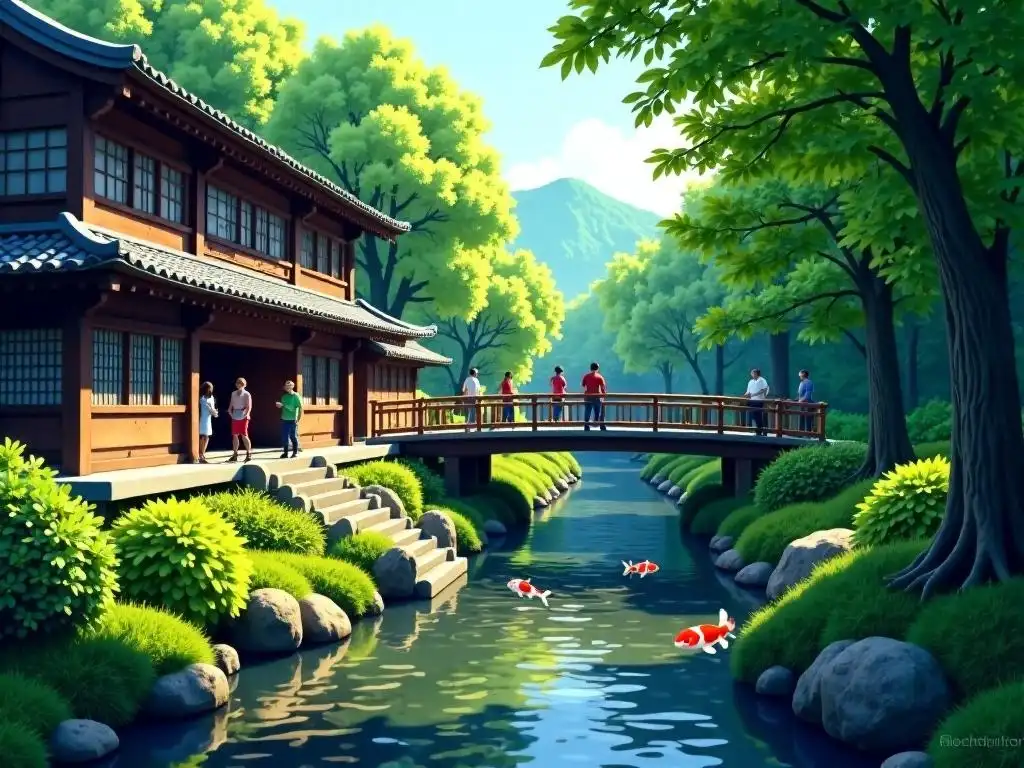
The essence of Ryokan, traditional Japanese inns, is deeply rooted in the harmonious relationship between nature and human experience. As custodians of Japanese hospitality, Ryokan celebrate the changing seasons through their architecture, decor, and culinary offerings, creating immersive experiences that reflect the beauty and significance of each season. This connection to nature not only enhances the guests' experience but also embodies the Shinto belief in the divine spirit residing within natural elements.
Landscape Design: How Seasons Influence Ryokan Architecture
The architecture of Ryokan is thoughtfully designed to reflect the beauty of the surrounding landscape, which changes dramatically throughout the year. Each season brings its unique colors and atmosphere, influencing the overall design and layout of these traditional inns.
- Spring: During spring, Ryokan often feature cherry blossom motifs and open spaces that invite the beauty of blooming sakura trees into the inn. Large windows and sliding shoji doors are strategically placed to frame the vibrant pink blossoms, creating a seamless transition between the indoors and outdoors. The use of natural materials such as wood and paper enhances the connection to nature, allowing guests to feel immersed in the seasonal beauty.
- Summer: In the summer months, Ryokan may incorporate elements that promote coolness and shade, such as bamboo screens (sudare) and lush greenery. The architecture often includes outdoor areas, like tatami mats on porches, where guests can enjoy the gentle summer breezes and vibrant garden settings. Decor might feature motifs of flowing water to evoke a sense of freshness, enhancing the atmosphere of relaxation.
- Autumn: Autumn is celebrated with warm colors and cozy designs that reflect the changing foliage. Ryokan may use deep reds, oranges, and golds in their decor, along with themes of harvest. The architecture may also include fire pits or irori (traditional sunken hearths) to create a warm gathering space for guests, fostering a communal experience that mirrors the spirit of the season.
- Winter: Winter brings a shift towards warmth and comfort. Ryokan often feature traditional Japanese futons (shikibuton) and heated floors (kotatsu), creating a cozy atmosphere. The architecture may showcase snow-covered roofs and tranquil garden scenes that invite contemplation and reflection. Seasonal decorations may include pine branches and plum blossoms, symbolizing resilience and the beauty of nature even in the cold months.
The thoughtful integration of nature into the architectural design of Ryokan illustrates a profound respect for the environment and a commitment to providing guests with an authentic experience that celebrates the seasonal shifts in Japan.
Seasonal Decor: Enhancing the Atmosphere of Ryokan
Decorative elements in Ryokan play a crucial role in enhancing the atmosphere and immersing guests in Japan's seasonal celebrations. Each season brings unique decor that reflects the cultural significance and aesthetic values associated with that time of year.
- Spring Decor: The arrival of spring is celebrated with vibrant floral arrangements, particularly cherry blossoms, which symbolize renewal and beauty. Ryokan may display ikebana (Japanese flower arrangements) that feature seasonal blooms, creating a delicate and refined aesthetic. Paper lanterns may also be used, adorned with floral patterns that capture the essence of spring.
- Summer Decor: To evoke a sense of coolness during the hot summer months, Ryokan often incorporate decor elements such as kakejiku (hanging scrolls) that feature landscapes or summer motifs like the sea or mountains. Fabrics in light colors and airy materials help create a refreshing ambiance. Decorative fans and seasonal fruits may be displayed, inviting guests to enjoy the flavors of summer.
- Autumn Decor: Autumn decor is characterized by rich hues of red, orange, and gold. Ryokan may feature washi (Japanese paper) decorations or furoshiki (wrapping cloth) that celebrate the harvest. Decorative items like matsutake mushrooms or chestnuts may be displayed as symbols of the season's bounty, enhancing the sensory experience for guests.
- Winter Decor: Winter decor focuses on warmth and coziness. Ryokan often use soft textiles and warm lighting to create a serene atmosphere. Traditional decorations may include kadomatsu (pine decorations for the New Year) and shimekazari (decorative ropes) that symbolize good fortune. The use of seasonal motifs, such as snowflakes or plum blossoms, adds an elegant touch to the decor.
By embracing seasonal decor, Ryokan not only enhance their aesthetic appeal but also foster a deeper connection between guests and the cyclical nature of life in Japan. This immersive experience allows visitors to appreciate the beauty and significance of each season, making their stay truly memorable.
Conclusion: The Cultural Significance of Seasonal Celebrations in Ryokan
In the intricate tapestry of Japan's cultural heritage, ryokan play a pivotal role in celebrating the changing seasons. These traditional inns are not merely places to stay; they are immersive experiences that encapsulate the essence of Japan's seasonal rhythms. Each season brings a unique set of celebrations, culinary delights, and aesthetic transformations that reflect the deep respect for nature and tradition inherent in Japanese culture.
Why Choose a Ryokan for Seasonal Experiences?
Choosing a ryokan for seasonal experiences offers travelers an unparalleled opportunity to engage with Japan's rich cultural traditions. Here’s why ryokan are the ideal choice:
-
Authentic Cultural Immersion
Staying in a ryokan allows guests to experience traditional Japanese hospitality, known as omotenashi. The staff are trained to provide personalized service, enhancing the overall experience of seasonal celebrations.
-
Seasonal Cuisine
Ryokan provide kaiseki meals that celebrate the ingredients of the season. For example:
- Spring: Fresh sakura (cherry blossom) delicacies and bamboo shoots.
- Summer: Grilled fish and refreshing cold noodles.
- Autumn: Matsutake mushrooms and chestnuts.
- Winter: Hot pots featuring seasonal vegetables and meats.
-
Aesthetic Beauty
The interiors of ryokan are often designed to reflect the beauty of the seasons, with seasonal decorations, floral arrangements, and views of the changing landscape. This is particularly evident during:
- Hanami (Cherry Blossom Viewing) in Spring
- Momiji (Autumn Leaves Viewing) in Fall
- Snowy Landscapes in Winter
-
Traditional Activities
Many ryokan offer seasonal activities such as:
- Tea ceremonies during spring and autumn.
- Onsen (hot spring) bathing amidst winter snow.
- Cultural performances showcasing seasonal festivals.
By choosing a ryokan, travelers not only enjoy comfortable accommodations but also partake in a living tradition that honors Japan’s seasonal variations.
Final Thoughts on Experiencing Ryokan Seasonal Celebrations in Japan
Experiencing ryokan seasonal celebrations in Japan is more than a mere visit; it is an invitation to engage with the natural world and its cycles. Each season brings forth a unique celebration, rooted in ancient customs, that allows guests to appreciate the beauty and diversity of Japan’s cultural landscape.
Whether it’s the blooming cherry blossoms in spring, the vibrant autumn leaves, or the serene snowfall of winter, ryokan provide a sanctuary where these moments can be fully appreciated. The blend of traditional architecture, seasonal cuisine, and attentive service creates an unforgettable experience that resonates with the heart of Japan.
For those seeking a profound connection to Japan's cultural heritage, embracing the seasonal celebrations in a ryokan offers an enriching journey into the heart of this remarkable nation. 🌸🍂❄️
Frequently Asked Questions
What are Ryokan in Japan?
Ryokan are traditional Japanese inns that offer guests a glimpse into Japanese culture and hospitality, often featuring tatami mat flooring, futons, and communal baths.
How do Ryokan celebrate the changing seasons?
Ryokan celebrate the seasons through special events, menu changes, and decorations that reflect the beauty and themes of each season, enhancing the guest experience.
What types of seasonal celebrations can guests expect at a Ryokan?
Guests can expect seasonal celebrations such as cherry blossom viewing in spring, moon viewing in autumn, and special feasts that highlight seasonal ingredients and culinary traditions.
Are there any specific festivals that Ryokan participate in?
Yes, many Ryokan participate in local festivals that coincide with seasonal changes, often hosting traditional performances or activities that allow guests to immerse themselves in local culture.
How do Ryokan showcase their cultural heritage through seasonal celebrations?
Ryokan showcase their cultural heritage by incorporating traditional art forms, crafts, and cuisine into their seasonal celebrations, providing guests with a rich and authentic experience of Japanese traditions.
Final Reflection: Embracing the Beauty of Change in Ryokan Celebrations
In a world that often rushes past the changing seasons, the seasonal celebrations in Ryokan offer a profound reminder of the beauty and significance of nature's rhythms. These traditional inns not only provide a serene escape but also serve as cultural sanctuaries where the essence of each season is celebrated through unique customs, cuisine, and decor. As we navigate our fast-paced lives, the lessons from these seasonal festivities resonate more than ever, urging us to pause and appreciate the fleeting moments that each season brings.
The influence of Ryokan seasonal celebrations extends beyond mere hospitality; it shapes the cultural fabric of Japan, fostering a deep connection to nature and community. These celebrations inspire us to cultivate mindfulness and gratitude in our daily lives. The rituals and traditions observed in Ryokan reflect a harmonious relationship with the environment, reminding us of the importance of preserving our cultural heritage. As the poet Matsuo Bashō once said, The journey itself is my home,
highlighting how our experiences with nature can ground us and enrich our lives.
As you reflect on the enchanting seasonal celebrations in Ryokan, I invite you to consider how you can incorporate the spirit of these traditions into your own life. Embrace the changing seasons, celebrate the small joys, and create meaningful moments with those around you. Let the beauty of nature's cycles inspire you to slow down, appreciate the present, and cultivate a deeper connection with the world. In doing so, you not only honor the rich traditions of Japan but also enrich your own life with the splendor that each season has to offer.
Embrace the Seasons: Experience Japan's Enchanting Traditions!
Thank you for diving into the enchanting world of seasonal celebrations in ryokan! We hope you found inspiration in the rich traditions that accompany Japan's changing seasons. Now, it's time to take that inspiration and transform it into action.
Here are some engaging ways you can immerse yourself in these delightful seasonal experiences:
- Plan a stay at a ryokan during your favorite season to fully embrace the atmosphere, savor local cuisine, and participate in cultural rituals.
- Share your thoughts about your own seasonal traditions in the comments below – together, we can create a beautiful tapestry of cultural exchange!
- Consider exploring local seasonal events that reflect the celebratory spirit of Japan. Attend these events, participate actively, and discover something new!
What seasonal tradition resonates with you the most, and how would you celebrate it in your own life?