
A Comprehensive Guide to Buying Sparring Gear: Safety and Comfort Explained


Welcome to Feudal Japan History—your gateway to the rich tapestry of Japan’s feudal era! Here, we delve deep into the historical, cultural, and societal aspects that shaped a fascinating chapter in time. Today, we invite you to explore our latest article, “A Comprehensive Guide to Buying Sparring Gear: Safety and Comfort Explained.” Discover the best sparring gear for safety that not only protects but enhances your training experience. Are you ready to equip yourself with insights that bridge the past and present? Dive in, and let the journey begin!
When it comes to martial arts and combat sports, sparring gear is not just an accessory; it is an essential component that can significantly impact a practitioner's safety and performance. This comprehensive guide aims to provide an in-depth exploration of the best sparring gear for safety, ensuring that martial artists of all levels can train effectively while minimizing the risk of injury.
Understanding the importance of high-quality sparring equipment is crucial, as it not only enhances comfort but also boosts confidence during training sessions. As we delve into the intricacies of selecting the right gear, this guide will cover key features to consider, offering expert insights that cater to both beginners and seasoned practitioners alike.
Understanding the Importance of Sparring Gear for Safety
Sparring gear serves as a protective barrier between practitioners and the inevitable impacts that come with training. The right sparring gear can prevent injuries such as bruises, cuts, and more serious trauma. Here are some critical aspects to understand regarding the importance of sparring gear for safety:
- Injury Prevention: High-quality sparring gear is designed to absorb and distribute impact forces, reducing the risk of injury during training. This is especially vital for high-contact martial arts like boxing, MMA, and karate.
- Enhanced Performance: When practitioners feel safe and protected, they can focus on refining their techniques rather than worrying about injuries. This leads to better performance and quicker skill development.
- Confidence Building: Wearing adequate protective gear instills confidence in martial artists, allowing them to push their limits in training without the fear of getting hurt.
- Regulatory Compliance: Many martial arts schools and competitions have specific gear requirements. Using the appropriate sparring gear ensures compliance with these regulations, allowing practitioners to train and compete without issues.
Key Features to Look for in the Best Sparring Gear for Safety
Selecting the right sparring gear involves more than just choosing a brand; it's about understanding the specific features that enhance safety and comfort. Here are key features to consider:
- Material Quality:
- Look for gear made from durable, high-quality materials such as synthetic leather or foam padding that can withstand heavy use.
- Breathable materials can enhance comfort during long training sessions.
- Protection Level:
- Ensure that the gear provides adequate protection for the specific areas being targeted, such as head, hands, feet, and body.
- Consider gear that meets safety standards set by recognized martial arts organizations.
- Fit and Comfort:
- Gear should fit snugly but not be overly tight, allowing for full range of motion without compromising safety.
- Adjustable straps and closures can help achieve the perfect fit.
- Weight:
- Lightweight gear allows for better mobility, while heavier gear may provide additional protection. Finding a balance is key.
- Ventilation:
- Look for gear with ventilation features to allow airflow, reducing sweat accumulation and enhancing comfort.
By focusing on these critical features, martial artists can ensure they select the best sparring gear for safety, laying the groundwork for effective and secure training.
Essential Types of Sparring Gear for Different Martial Arts
When engaging in martial arts, the importance of proper sparring gear cannot be overstated. Different martial arts disciplines require specific types of gear to ensure safety and comfort during training and competition. Below, we delve into the essential types of sparring gear tailored for various martial arts practices.
Headgear
Headgear is crucial for protecting the head and face during sparring sessions, especially in striking martial arts like boxing, kickboxing, and taekwondo. High-quality headgear typically features:
- Foam Padding: To absorb impact and reduce the risk of concussions.
- Adjustable Straps: Ensuring a snug fit for maximum protection.
- Open Face vs. Full Face: Open face gear provides visibility, while full face headgear offers additional protection for the nose and chin.
Choosing the right headgear involves considering factors such as size, weight, and the level of padding. A well-fitted headgear not only enhances safety but also allows for better movement and visibility during sparring.
Gloves
Gloves are essential for protecting both the sparring partner and the wearer’s hands. The type of gloves needed may vary depending on the martial art practiced:
- Boxing Gloves: Heavily padded to protect the hands and absorb shock during punches.
- MMA Gloves: Lighter with less padding, allowing for grappling and striking but still providing necessary protection.
- Karate Gloves: Often made from durable materials with minimal padding to enhance dexterity.
When selecting sparring gloves, consider the weight and size that suits your training style, along with the level of padding required for your safety and comfort.
Shin Guards
Shin guards are vital for striking arts, providing protection for the shins and instep during kicks. They come in various styles, including:
- Traditional Shin Guards: Covering the shin, often with a strap or elastic band to hold them in place.
- Instep Guards: Designed to protect the top of the foot, often attached to shin guards for comprehensive coverage.
Choose shin guards that offer a balance of protection and flexibility, allowing for natural movement while absorbing the impact of strikes.
Body Protectors
Body protectors are designed to shield the torso during sparring sessions. They are particularly important in martial arts like taekwondo and karate, where body strikes are common. Key features include:
- Foam Padding: To cushion blows and minimize the risk of injury.
- Adjustable Straps: For a secure fit that accommodates various body types.
- Breathable Material: Ensuring comfort during intense training sessions.
Selecting the right body protector involves considering the level of padding you need and how it allows for free movement while providing adequate coverage.
Comparing the Best Sparring Gear for Safety and Comfort
When it comes to sparring gear, safety and comfort should be your top priorities. To assist in making an informed choice, here is a comparison of some of the best sparring gear options available, focusing on their safety features and comfort levels.
| Gear Type | Top Brands | Safety Features | Comfort Level |
|---|---|---|---|
| Headgear | Everlast, Venum | High-impact foam padding, adjustable fit | Lightweight, good visibility |
| Gloves | Hayabusa, Cleto Reyes | Multi-layered padding, shock absorbent | Ergonomic design, snug fit |
| Shin Guards | Fairtex, RDX | Reinforced padding, flexible materials | Lightweight, good mobility |
| Body Protectors | Century, ProForce | Thick padding, durable outer shell | Breathable fabric, adjustable straps |
Investing in high-quality sparring gear tailored to your specific martial art will significantly enhance your training experience. Safety gear must be comfortable, allowing you to focus on your technique without the distraction of discomfort or insecurity. By comparing brands and considering the essential features of each type of gear, you can find the best sparring gear for safety that meets your needs.
Buying Tips for Sparring Gear: Making Informed Decisions
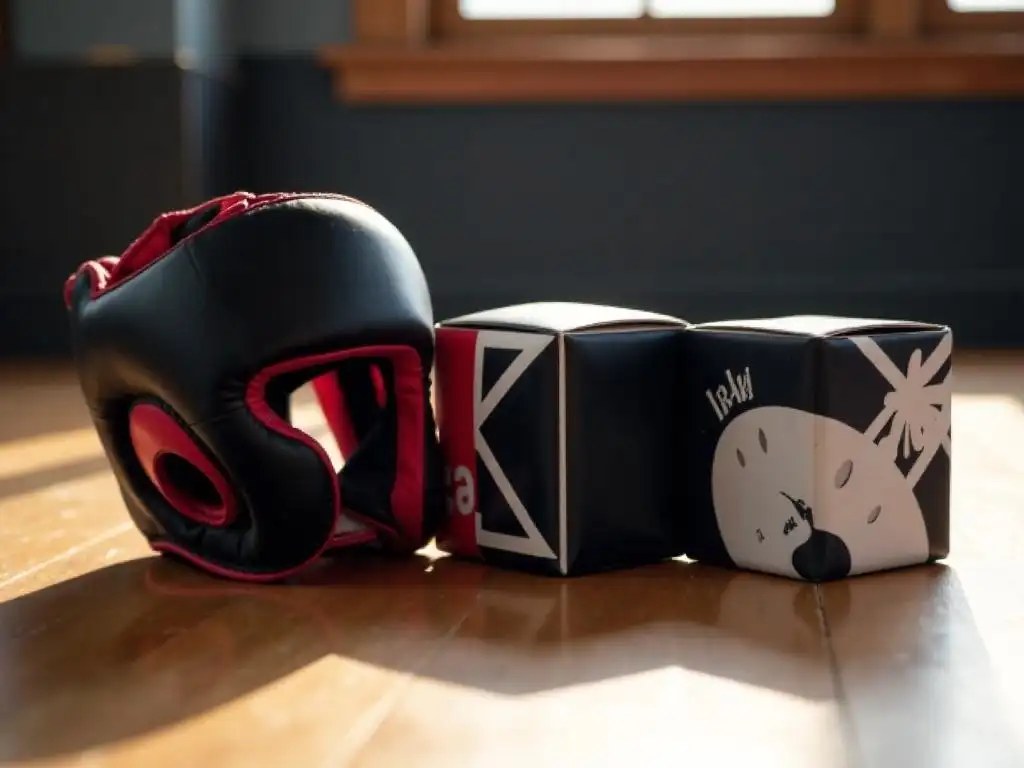
When it comes to selecting sparring gear, prioritizing safety and comfort is essential. Here are some valuable tips to guide you through the buying process:
- Assess Your Needs: Before purchasing, determine your specific requirements based on your martial arts discipline. Different styles may demand varying types of gear— for instance, kickboxing may require shin guards, while traditional karate may emphasize hand protection.
- Check the Fit: Proper sizing is crucial for both safety and comfort. Gear that is too tight can restrict movement while loose equipment may shift during sparring, increasing the risk of injury. Always refer to size charts provided by manufacturers and, if possible, try the gear on before buying.
- Material Matters: The choice of material impacts both comfort and durability. Look for high-quality synthetic leathers or breathable fabrics that provide adequate padding. For example, gear with foam padding offers better shock absorption, which is vital during sparring sessions.
- Brand Reputation: Opt for reputable brands known for their commitment to safety and performance. Research online reviews and seek recommendations from experienced practitioners in your martial arts community. Brands with a track record of excellence are more likely to produce reliable gear.
- Safety Certifications: Look for gear that meets safety standards set by recognized organizations. Certifications ensure that the equipment has undergone rigorous testing for durability and impact protection, which is critical for reducing injury risk during sparring.
Maintenance and Care: Ensuring Longevity of Your Sparring Gear
Proper maintenance and care of your sparring gear can significantly extend its lifespan and effectiveness. Here are some essential tips for keeping your equipment in top shape:
- Regular Cleaning: After each training session, wipe down your gear with a damp cloth to remove sweat and grime. For items like gloves and shin guards, consider using a mild soap solution to sanitize them. This helps to prevent bacterial growth and unpleasant odors.
- Drying Techniques: Always allow your gear to air dry completely before storing it. Avoid putting wet equipment in a closed bag, as this can lead to mold and degradation of materials. Placing gear in a well-ventilated area or using a fan can expedite the drying process.
- Storage Solutions: Store your sparring gear in a cool, dry place away from direct sunlight. Keeping gear out of extreme temperatures and humidity levels can prevent material degradation. Consider using mesh bags or dedicated gear containers to maintain organization and airflow.
- Periodic Inspections: Regularly check your gear for signs of wear and tear. Look for fraying straps, cracked padding, or compromised seams. Addressing minor issues early can prevent them from escalating into more significant problems, ensuring your safety during sparring.
Conclusion: Finding the Best Sparring Gear for Safety
Selecting the best sparring gear for safety involves a thoughtful approach that considers various factors. By assessing your personal needs, ensuring proper fit, and choosing high-quality materials, you can significantly enhance your training experience. Additionally, regular maintenance and care will help prolong the life of your equipment, ensuring it remains effective and safe for use.
Remember, investing in the right sparring gear is not just about protection; it's about fostering a safe training environment that allows you to grow and excel in your martial arts journey. With careful consideration, you can find the perfect gear to support your training, ensuring that safety and comfort are always at the forefront of your practice.
- Understanding the Importance of Sparring Gear for Safety
- Key Features to Look for in the Best Sparring Gear for Safety
- Essential Types of Sparring Gear for Different Martial Arts
- Comparing the Best Sparring Gear for Safety and Comfort
- Buying Tips for Sparring Gear: Making Informed Decisions
- Maintenance and Care: Ensuring Longevity of Your Sparring Gear
- Conclusion: Finding the Best Sparring Gear for Safety
Frequently Asked Questions
What is sparring gear, and why is it important for safety?
Sparring gear includes protective equipment like gloves, headgear, and shin guards, designed to minimize injuries during training. Proper safety gear is crucial for both participants' protection and confidence.
How do I choose the right sparring gear for my needs?
Choosing the right sparring gear involves considering factors like your age, weight, and skill level. It's essential to select equipment that fits well and meets safety standards.
What are the main types of sparring gear available?
The main types of sparring gear include gloves, headgear, mouthguards, shin guards, and foot pads. Each type serves a specific purpose in ensuring safety during practice.
How can I ensure the comfort of my sparring gear while maintaining safety?
To ensure comfort without compromising safety, look for gear made from breathable materials with adjustable straps. This allows for a secure fit while promoting mobility and comfort.
Where can I find the best sparring gear for safety?
You can find the best sparring gear for safety at specialized sporting goods stores, martial arts supply shops, or reputable online retailers. Always check for customer reviews and safety certifications before purchasing.
Final Reflection: Prioritizing Safety in Sparring Gear
In today's world of martial arts and combat sports, the importance of selecting the best sparring gear for safety cannot be overstated. As practitioners push their limits and engage in intense training, the right equipment becomes essential not just for performance but for preserving health and well-being. The choices we make in gear today can significantly impact our ability to train effectively and safely tomorrow.
Sparring gear is more than just equipment; it is a vital part of our training journey that shapes our experiences and fosters a culture of safety. As we navigate through various styles and techniques, the gear we choose reflects our commitment to protecting ourselves and our partners. The best sparring gear is the one that allows you to focus on your technique without worrying about injury.
This ongoing dialogue about safety and comfort in sparring gear is crucial as it influences not only individual athletes but also the broader community of martial arts enthusiasts.
As you reflect on your own training and gear choices, I encourage you to consider the lessons shared in this guide. Take the time to evaluate your current equipment and prioritize safety in your sparring practice. Whether you are a seasoned fighter or just starting out, investing in the right gear is an investment in your future. Let us all strive to create a safer training environment where we can grow, learn, and thrive together.
Gear Up for Your Sparring Journey!
Thank you for diving into our guide on buying sparring gear! You've gained valuable insights into ensuring your safety and comfort during practice. Now, it’s time to take action and prepare yourself for an empowering experience on the mat!
Here’s how you can get started on your sparring journey:
- Explore a Local Shop: Visit a sporting goods store and try on various sparring equipment to find what feels best for you.
- Connect with Fellow Practitioners: Share your newfound knowledge in your dojo or martial arts class. Discuss gear options and recommendations with your peers.
- Invest in Quality: Choose high-quality gear that meets your needs, and consider asking for advice on reputable brands from your instructors or experienced fighters.
What specific gear will you choose to enhance your sparring experience? We’d love to hear your thoughts!