
The Influence of European Trade on the Samurai Economic Landscape


Welcome to Feudal Japan History, your gateway to uncovering the rich tapestry of Japan’s feudal era. Here, we delve deep into the intricate interactions between cultures, and today, we invite you to explore the fascinating impact of European trade on the samurai. How did foreign commerce reshape the economic landscape for these iconic warriors? Join us on this journey through time and discover the surprising connections that influenced not just the samurai, but the very fabric of Japanese society. Your adventure into the past begins now!
Introduction to European Trade and Samurai Economy
The intersection of European trade and the samurai economy during Japan's feudal era presents a fascinating narrative of cultural exchange, economic transformation, and the intricate power dynamics that shaped the period. As European nations ventured into Asia, their interactions with Japan not only introduced new goods but also significantly influenced the economic strategies and social structures of the samurai class. This article delves into the nuances of these interactions, exploring the pivotal role that European trade played in reshaping the economic landscape of the samurai, ultimately contributing to the broader tapestry of Japan's historical development.
Understanding the Context of European Trade in Japan
To comprehend the influence of European trade on the samurai economy, it is essential to first consider the historical context of Japan during the late 16th and early 17th centuries. This period marked the arrival of European traders, primarily the Portuguese and later the Dutch, who sought to establish lucrative trading relationships.
- Cultural Exchange: The influx of European goods, ideas, and technologies introduced new cultural dimensions to Japan, which had primarily been influenced by domestic and regional dynamics.
- Economic Integration: European trade catalyzed the integration of Japan into a global economy, positioning the samurai class not just as warriors but also as key players in the burgeoning trade networks.
Overview of the Samurai Economic Landscape in Feudal Japan
The samurai, traditionally seen as the military elite, also engaged in various economic activities that reflected their status and societal roles.
- Land Ownership: Many samurai were landowners, collecting taxes and managing agricultural production, which formed the backbone of their economic power.
- Trade and Commerce: As the demand for foreign goods increased, samurai began to participate in trade, shifting their focus from purely military endeavors to economic pursuits.
- Wealth Accumulation: The engagement in trade allowed some samurai to accumulate wealth, which in turn influenced their social standing and political power within their domains.
The Emergence of European Trade in Japan
The arrival of European traders in Japan marked a significant turning point in the economic landscape of the samurai. This new interaction not only introduced foreign commodities but also transformed existing trade practices.
Key European Powers Engaging in Trade with Japan
The primary European powers that established trade relations with Japan included:
- Portugal: The first Europeans to arrive, Portuguese traders brought goods such as firearms, textiles, and various luxury items.
- Spain: Engaged mainly through the Philippines, Spain participated in trade but had less direct influence on Japanese markets compared to Portugal.
- The Netherlands: The Dutch, after expelling the Portuguese from Japan in the early 17th century, became the dominant European trading power, focusing on trade rather than missionary activities.
The Role of Portuguese and Dutch Traders in Japanese Markets
The Portuguese and Dutch traders played crucial roles in shaping the economic landscape of the samurai:
- Portuguese Influence: Their initial engagement included not just trade but also the introduction of new technologies, such as firearms, which had a significant impact on the samurai's military capabilities.
- Dutch Trade Practices: The Dutch, through their focus on commerce, established a robust trading system that allowed samurai to access a wider variety of goods, from spices to textiles, thereby enhancing their economic opportunities.
The influence of European trade on the samurai economy was profound, leading to a transformation that intertwined military power with economic pursuits, reshaping Japan's historical trajectory in the process.
The Economic Impact of European Trade on Samurai
The arrival of European traders in Japan during the late 16th century marked a significant turning point in the economic landscape of the samurai class. European trade introduced new markets and opportunities that transformed the traditional economy dominated by land and agrarian wealth. The samurai, who were primarily warriors and landowners, began to engage in trade, leading to an evolution in their economic status and influence.
The interaction with European traders facilitated the influx of goods and precious metals, notably silver, which played a crucial role in the samurai economy. As trade routes expanded, the samurai adapted their economic strategies, moving from a purely feudal system to one that embraced commerce. This shift not only enhanced their wealth but also altered their social dynamics, as some samurai became powerful merchants, challenging the established order and redefining traditional roles.
Changes in Samurai Wealth and Status due to Trade
European trade significantly impacted the wealth and status of the samurai. As they engaged with foreign merchants, many samurai found themselves accumulating wealth through the sale of goods such as silk, rice, and weapons. This newfound wealth allowed them to elevate their social standing, leading to an emergence of a merchant class that operated alongside the traditional samurai hierarchy.
In many cases, samurai who successfully navigated the trade landscape could command resources and influence beyond their feudal obligations. This economic diversification led to a gradual erosion of the strict class distinctions that had previously defined samurai society. While some samurai maintained their traditional roles as warriors, others embraced trade, leading to a complex social fabric where wealth became a critical determinant of status.
The Introduction of New Goods and Commodities
The influx of European trade ushered in a variety of new goods and commodities that had a profound impact on samurai life. Items such as firearms, textiles, and luxury goods became accessible, changing not only the way samurai engaged in warfare but also their everyday lives. Firearms, for instance, revolutionized military tactics, requiring samurai to adapt their training and strategies to incorporate these new weapons.
Additionally, European textiles, particularly wool and cotton, offered samurai alternatives to traditional silk garments, expanding their wardrobe options and influencing fashion trends. The introduction of new commodities also extended to food, including exotic spices and new varieties of rice, enriching the culinary landscape of samurai households. This blend of goods not only enhanced the material culture of the samurai but also signified a shift towards a more cosmopolitan lifestyle.
The Role of Silver and Other Precious Metals in Samurai Economy
Silver emerged as a pivotal commodity in the samurai economy, primarily due to its high demand in international markets. Japanese silver mines, especially those in the Iwami region, became crucial to the economy, with much of the output being exported to European traders in exchange for goods and technology. This trade in silver not only fueled the samurai economy but also contributed to the overall wealth of the Japanese state.
The accumulation of silver allowed samurai to finance their military campaigns and maintain their status. Moreover, as silver became a standard medium of exchange, it facilitated trade within Japan, creating a more interconnected economic environment. This reliance on silver and other precious metals reshaped the financial practices of the samurai, as they began to engage more deeply with currency-based economies, moving away from the traditional barter system.
The Cultural Exchange Between European Traders and Samurai
The interaction between European traders and samurai extended beyond mere economic transactions, fostering a rich cultural exchange that influenced both parties. This exchange was characterized by a sharing of ideas, customs, and technologies that left a lasting imprint on samurai culture.
The presence of European traders also led to the introduction of different artistic and cultural expressions, which samurai began to appreciate and integrate into their own practices. This cultural intertwining not only enriched samurai life but also contributed to the broader narrative of Japan’s historical evolution during the feudal era.
Influence of European Goods on Samurai Culture and Aesthetics
European goods had a noticeable impact on samurai aesthetics and cultural practices. Items such as ornate glassware, paintings, and furniture introduced new artistic influences that were incorporated into Japanese design. The samurai class, known for their appreciation of beauty and craftsmanship, began to adopt these European styles, leading to a fusion of Eastern and Western aesthetics.
Additionally, the introduction of European literature and philosophies sparked interest among some samurai, encouraging them to explore new ideas about governance, ethics, and art. This cultural curiosity fostered an environment where samurai began to see themselves as part of a larger global community, influencing their worldview and approach to art and culture.
The Adoption of European Technology by the Samurai Class
The samurai class was notably influenced by the technological advancements brought by European traders. Firearms and cannons, which were initially met with skepticism, became integral to samurai warfare, altering traditional combat strategies. The adoption of these technologies not only enhanced military capabilities but also prompted samurai to reevaluate their approaches to warfare and diplomacy.
Furthermore, European shipbuilding techniques and navigational tools allowed samurai to engage more effectively in maritime trade. As a result, the samurai began to take on roles in naval endeavors, expanding their influence beyond the confines of the land. This technological adoption marked a significant shift in samurai identity, as they transitioned from solely being warriors to becoming multifaceted figures involved in trade, politics, and culture.
Challenges and Conflicts Arising from European Trade
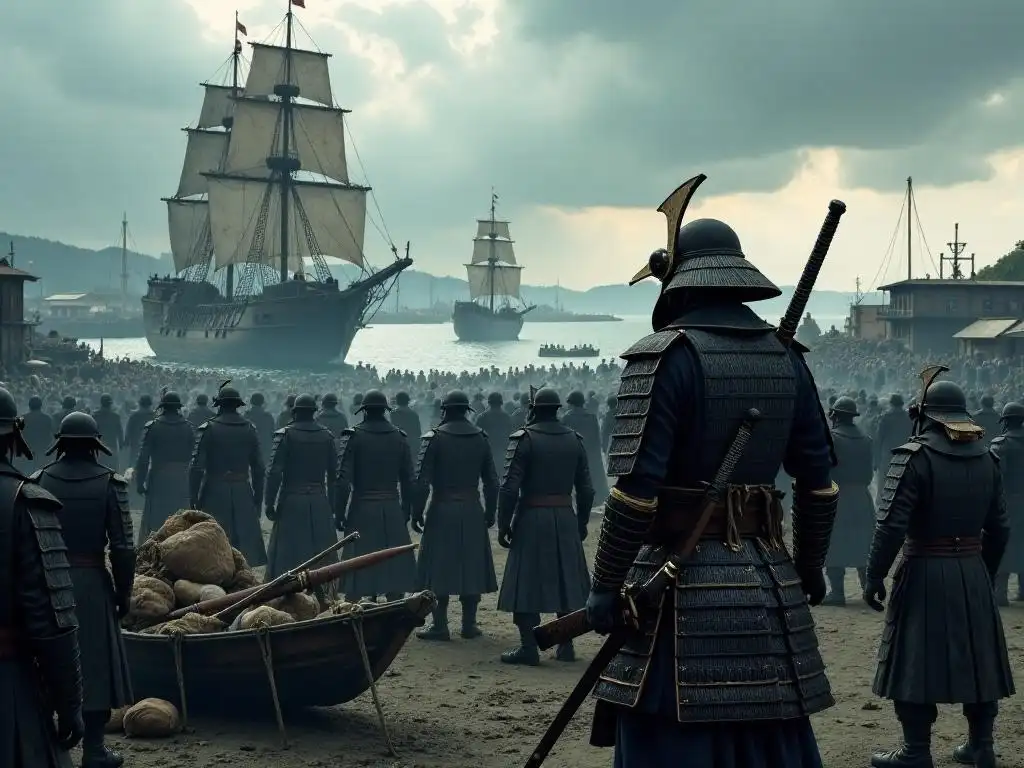
The introduction of European trade in Japan during the 16th century brought about significant changes and challenges for the samurai class. As European traders, particularly the Portuguese and Dutch, entered the Japanese market, they introduced new goods, ideas, and economic practices that clashed with the established norms of the samurai economy. The samurai, who traditionally adhered to a strict code of conduct and feudal obligations, found themselves in a rapidly changing economic landscape that demanded adaptation and often resulted in internal conflicts.
The influx of foreign goods, such as firearms and textiles, began to alter the traditional hierarchy of valued commodities. This shift created friction among the samurai, who had to reconcile their roles as warriors with their emerging positions as landowners and economic players. Furthermore, the competition for resources and trade routes intensified conflicts not only within the samurai class but also with local merchants who were increasingly threatened by the dominance of European traders.
The Impact of Trade on Traditional Samurai Values and Practices
European trade significantly impacted the traditional values and practices of the samurai. The samurai class was historically defined by its martial prowess and loyalty to their lords, emphasizing honor and duty above economic gain. However, as trade flourished, the samurai began to engage more with economic activities, leading to a shift in priorities.
The adoption of foreign goods and trading practices sometimes conflicted with the samurai’s bushido code, which emphasized simplicity and austerity. The desire for luxury goods, such as silk and European weaponry, led some samurai to become more mercantile in nature, potentially undermining their status as warriors. This shift provoked a philosophical crisis among the samurai, who had to navigate the tension between their traditional values and the allure of wealth and power that accompanied European trade.
Conflicts with Local Merchants and Other Feudal Lords
As European trade expanded, it created friction between samurai and local merchants who previously held significant sway in the economy. The samurai's increasing involvement in trade and commerce led to competition with merchants, who viewed the samurai's encroachment into their territory as a direct threat to their livelihoods. This competition often escalated into conflicts, as merchants sought to protect their interests against the rising power of the samurai class.
Moreover, some feudal lords began to align themselves more closely with European traders, causing rifts among rival daimyos. The struggle for control over trade routes and access to European goods often resulted in military confrontations, as lords vied for dominance in the emerging economic landscape. The alliances formed with European powers could shift the balance of power within the samurai class, leading to a fractious environment characterized by both economic and military strife.
The Decline of European Trade and Its Effect on the Samurai Economy
The decline of European trade in Japan, particularly by the early 17th century, had profound implications for the samurai economy. Several factors contributed to this decline, including the Tokugawa shogunate's policies aimed at isolating Japan from foreign influence. The resulting economic isolation led to a reevaluation of the samurai's role and the structures of their economy.
Factors Leading to the Decrease of European Influence in Japan
The Tokugawa shogunate implemented strict policies to control foreign influence, culminating in the Sakoku (closed country) policy. This policy effectively restricted trade with European nations, limiting the flow of foreign goods and ideas into Japan. The shogunate's fears of Christianity's spread and foreign political interference drove these policies, leading to a reduction in the previously thriving European-Japanese trade relations.
Additionally, the rise of self-sufficiency among local economies further diminished the need for European goods. Japanese artisans began to produce high-quality alternatives to foreign products, reducing the samurai's reliance on European imports. The increase in domestic production meant that samurai could no longer justify their previous economic activities centered around European trade.
The Transition of the Samurai Economy Post-European Trade
With the decline of European trade, the samurai economy underwent a significant transformation. The loss of access to foreign goods forced the samurai to return to more traditional forms of income and economic engagement, such as agriculture and the management of their domains. This shift marked a re-establishment of the samurai's feudal responsibilities, as they focused on maintaining local order and productivity.
The samurai began to adapt to a more localized economy, emphasizing agricultural production and the cultivation of home-grown resources. The decline of European trade also prompted the samurai to reassess their identities and roles within Japanese society, leading to a resurgence of traditional values and practices. This transition ultimately laid the groundwork for the samurai's evolution into bureaucrats and administrators in the Edo period, as they navigated a new economic landscape shaped by isolationism and domestic stability.
Conclusion: Lasting Effects of European Trade on Samurai Economic Landscape
The impact of European trade on the samurai economic landscape in feudal Japan was profound and multifaceted. As the samurai class began to engage with European merchants, they encountered new goods, ideas, and practices that significantly altered their traditional economic structures. The introduction of firearms, textiles, and other foreign products not only enhanced the military capabilities of the samurai but also led to a shift in their economic activities. This interaction with European traders facilitated the emergence of a more diversified economy, where samurai began to invest in commerce and trade alongside their martial responsibilities.
Moreover, the wealth generated from these new trade routes contributed to the rise of certain samurai clans, allowing them to expand their influence and power. The economic benefits derived from European trade ultimately played a crucial role in shaping the political landscape of Japan, leading to new alliances and conflicts. As a result, the legacy of this trade continues to be felt in modern Japan, where the interplay between cultural exchange and economic development remains a significant theme in the nation's history.
Summary of Key Impacts of European Trade on Samurai Economy
- Diversification of Economic Activities: European trade introduced samurai to new markets and goods, prompting them to engage in commerce beyond their traditional roles as warriors.
- Military Advancements: The importation of European firearms and military technology revolutionized samurai warfare, enhancing their tactical advantages in conflicts.
- Wealth Accumulation: Increased trade opportunities allowed wealthy samurai families to accumulate significant wealth, leading to the establishment of more powerful clans.
- Cultural Exchange: The interaction with Europeans facilitated a cultural exchange that influenced samurai aesthetics, philosophies, and even social structures.
- Shift in Power Dynamics: The flow of wealth and goods from European trade altered the balance of power among samurai clans, contributing to rivalries and alliances that shaped feudal Japan.
Reflection on the Historical Significance of European Trade in Feudal Japan
The historical significance of European trade in feudal Japan cannot be overstated. It marked a pivotal moment in Japanese history, where isolationist tendencies began to wane in the face of external influences. The samurai, traditionally seen as the epitome of the warrior class, were forced to adapt to a rapidly changing economic landscape shaped by foreign interactions. This adaptation contributed to the samurai's evolution, transforming them from mere military leaders into influential figures in commerce and governance.
Furthermore, the economic ties established during this period laid the groundwork for Japan's later modernization efforts in the 19th century. The industrialization of Japan relied heavily on the trade networks and technologies developed during the time of European contact. Thus, the legacy of European trade during the samurai era is evident not only in historical contexts but also in the continued evolution of Japanese society and economy.
Further Reading and Resources
Recommended Books and Articles on Samurai Economy and European Trade
- "Samurai and Silk: A Japanese and American Heritage": by David M. Robinson – This book explores the cultural exchanges between Japan and the West, including economic interactions.
- "The Samurai: A New History of the Warrior Elite": by Jonathan Lopez – A comprehensive study that examines the evolution of the samurai class in the context of changing economic landscapes.
- "Japan's Early Modern Economy: Growth and Economic Policy": by Kenjiro Koyama – This article discusses the broader economic policies in Japan during the period influenced by European trade.
- "The Dutch East India Company and the Japanese" by D. H. B. W. Kooiman – An analysis of the economic relationships formed between European traders and the samurai.
Related Topics in Feudal Japan History
- The Role of the Silk Road in Samurai Economy: An exploration of how trade routes influenced samurai wealth and power.
- Firearms and Warfare in Feudal Japan: A detailed look at how European weaponry transformed samurai combat strategies.
- Cultural Exchanges Between Japan and the West: Investigating the broader cultural impacts of European trade on Japanese society.
- Feudalism and Economic Change in Japan: Understanding the dynamics of feudal systems and their evolution through trade influences.
- Introduction to European Trade and Samurai Economy
- The Emergence of European Trade in Japan
- The Economic Impact of European Trade on Samurai
- The Cultural Exchange Between European Traders and Samurai
- Challenges and Conflicts Arising from European Trade
- The Decline of European Trade and Its Effect on the Samurai Economy
- Conclusion: Lasting Effects of European Trade on Samurai Economic Landscape
- Further Reading and Resources
Frequently Asked Questions
What was the role of European trade in the samurai economy?
European trade introduced new goods and technologies that influenced the samurai's economic practices, enhancing their military capabilities and lifestyle.
How did the samurai respond to European trade?
The samurai adapted to European trade by incorporating foreign weapons and cultural elements, which ultimately transformed their social dynamics and power structures.
What were the key goods traded with Europe that affected the samurai?
Key goods included firearms, silks, and spices, which played a significant role in shaping the military strategies and economic interests of the samurai class.
Did European trade influence samurai culture?
Yes, the influx of European ideas and goods led to a cultural exchange that affected samurai art, literature, and even their philosophical beliefs.
How did the samurai's economic landscape change due to European influence?
The samurai experienced a shift from a primarily agrarian economy to one that embraced trade and commerce, leading to increased wealth and power within their ranks.
Final Reflection: The Lasting Legacy of European Trade on the Samurai
The intricate relationship between European trade and the samurai class is not just a historical curiosity; it is a testament to how global interactions can reshape local economies and cultures. Today, as we navigate a world increasingly defined by globalization, the lessons from the samurai's adaptation to European trade resonate more than ever. The samurai's ability to embrace new economic opportunities while maintaining their cultural identity serves as a powerful reminder of the balance required in our interconnected world.
The influence of European trade on the samurai transcended mere economics; it transformed social structures and cultural exchanges that still echo in modern Japan. The samurai's engagement with European merchants not only enriched their coffers but also introduced new ideas and technologies that would ultimately redefine their way of life. As historian John W. Hall aptly stated, The samurai were not just warriors; they were also agents of change, adapting to the winds of commerce that swept through their lands.
This perspective highlights the dynamic nature of cultural evolution and the importance of adaptability in the face of external influences.
As we reflect on the historical impact of European trade on the samurai, let us consider how we can apply these lessons in our own lives. Embrace change and seek out new opportunities while staying true to your core values. Just as the samurai navigated the complexities of trade and cultural exchange, we too can find ways to thrive in a rapidly changing world.
Take a moment to reflect on how you can integrate diverse influences into your personal and professional life, fostering growth while honoring your unique identity. The legacy of the samurai teaches us that adaptability and resilience are key to navigating the challenges of our time.
Unveil the Legacy: Take Action on the Impact of European Trade!
Thank you for exploring how European trade shaped the economic environment for the Samurai in feudal Japan. Your interest in this fascinating interplay of cultures enriches our understanding of history and its nuances. Now, let’s transform that curiosity into action!
Here are some ways you can deepen your engagement with this topic:
- Explore further: Check out our recommended reading list to discover more scholarly resources and captivating stories about the Samurai and European trade.
- Join the conversation: Share your thoughts or insights in the comments below, or connect with others who are interested in the history of feudal Japan on our forums.
- Expand your knowledge: Consider a creative approach by recreating a historical trade route map and tracing how various goods influenced the Samurai's economy.
How do you think the cultural exchange with Europe reshaped not only Japan’s economy but also its societal values? Let’s spark a discussion!