
The Tea House: Architecture and Design in the Context of Feudal Japan

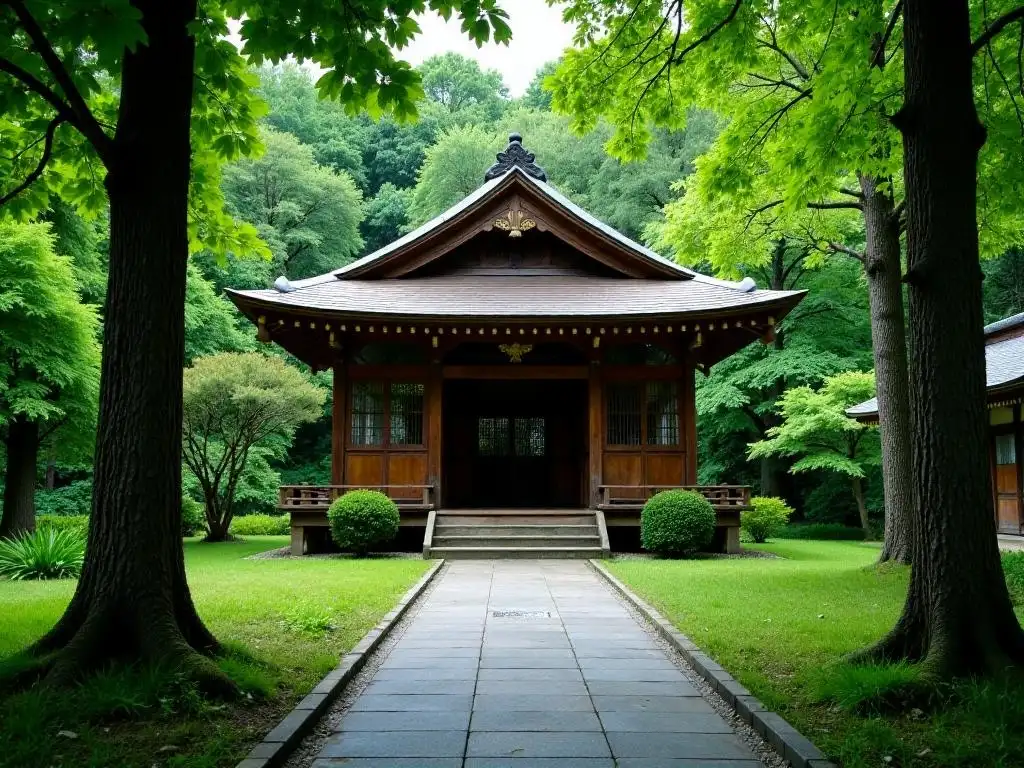
Welcome to Feudal Japan History, where we invite you to embark on a captivating journey through the intricate tapestry of Japan's feudal era. Here, you will uncover the rich historical, cultural, and societal narratives that shaped a nation. In our featured article, "The Tea House: Architecture and Design in the Context of Feudal Japan," delve into the fascinating world of feudal Japan tea house design, where aesthetics and purpose intertwine to reflect the ethos of a bygone era.
Are you ready to explore how these serene spaces influenced social interactions and artistic expression? Join us as we unravel the secrets of these architectural gems and the profound significance they hold in Japanese culture.
Introduction to Feudal Japan Tea House Design
The tea house, or chashitsu, stands as a quintessential symbol of Japanese culture, particularly during the feudal era. This period, characterized by the influence of samurai culture and Zen Buddhism, saw the tea house evolve not just as a space for tea ceremonies but as a profound reflection of architectural ingenuity and spiritual philosophy.
The intricacies of feudal Japan tea house design encapsulate the harmony between nature, simplicity, and aesthetics, making these structures remarkable in both cultural significance and architectural innovation. In this exploration, we will delve into the various aspects of tea house architecture and design, shedding light on their essential role within the broader context of feudal Japan.
Overview of Tea Houses in Feudal Japan
Tea houses in feudal Japan were not merely places to drink tea; they were sacred spaces designed to facilitate the tea ceremony, or chanoyu. These structures often featured:
- Natural Materials: Predominantly wood and bamboo, promoting a connection with nature.
- Tatami Flooring: Traditional straw mats that provided comfort and a sense of tranquility.
- Sliding Doors (fusuma): Allowing for flexibility in space and a seamless transition between indoor and outdoor environments.
The architecture of a tea house is often minimalist, reflecting Zen principles that emphasize simplicity and tranquility. The layout is typically designed to create a serene atmosphere, guiding guests through a meditative experience that transcends the act of tea drinking.
Importance of Tea Houses in Japanese Culture
The cultural significance of tea houses extends beyond their architectural features. They serve as venues for the tea ceremony, which is rooted in centuries-old traditions emphasizing mindfulness, respect, and harmony. Key elements include:
- Spiritual Practice: The tea ceremony is a meditative practice that promotes inner peace and connection among participants.
- Social Interaction: Tea houses provide a space for social gatherings, fostering relationships and community bonds among individuals.
- Artistic Expression: From the choice of utensils to the arrangement of flowers, every detail in a tea house reflects artistic sensibility and cultural heritage.
Through these elements, tea houses contribute significantly to Japan's cultural identity, embodying the values of harmony, respect, purity, and tranquility.
Historical Background of Tea Houses in Feudal Japan
Origin of Tea Ceremonies and Their Architectural Influence
The origins of tea ceremonies trace back to the Tang Dynasty in China, but the practice blossomed in Japan during the Kamakura period (1185-1333). As tea became popular among the samurai class, the architecture of tea houses began to take form, influenced by several factors:
- Zen Buddhism: The principles of Zen greatly impacted the aesthetic and functional aspects of tea house design, emphasizing simplicity and natural beauty.
- Cultural Exchange: The influx of Chinese customs introduced new architectural styles and materials into Japanese tea house design.
Over time, these influences culminated in a unique architectural style that defined the chashitsu and its role in Japanese society.
Evolution of Tea House Design Through the Periods
As Japan transitioned through different historical periods, so too did the design of tea houses. Key developments include:
- Muromachi Period (1336-1573): The emergence of the shoin style, characterized by tatami mats and sliding doors, reflecting the growing influence of Zen aesthetics.
- Momoyama Period (1573-1603): Tea houses became more elaborate, with ornate decorations and the use of luxurious materials, reflecting the wealth of tea masters.
- Edo Period (1603-1868): The design of tea houses reverted to simplicity, aligning with the ideals of wabi-sabi, which celebrates imperfection and transience.
This evolution not only showcases the changing tastes and philosophies of Japanese society but also highlights the enduring significance of tea houses as cultural artifacts that continue to resonate in contemporary Japan.
Key Features of Feudal Japan Tea House Design
The design of tea houses in Feudal Japan is characterized by simplicity, elegance, and a strong connection to nature. These structures were meticulously crafted to create an atmosphere conducive to the tea ceremony, reflecting the principles of Zen Buddhism and the aesthetic values of the time. Key features of these tea houses include:
- Natural Materials: Traditional tea houses were predominantly built using natural materials such as wood, bamboo, and paper. This emphasis on organic elements highlights the Japanese appreciation for nature and promotes a sense of tranquility.
- Minimalist Aesthetic: The design eschews excessive ornamentation, favoring clean lines and uncluttered spaces. This minimalist approach helps to direct focus towards the tea ceremony itself, fostering an environment of mindfulness.
- Tatami Mats: The flooring of a tea house is typically covered with tatami mats, made from rice straw and woven rush grass. These mats not only provide comfort but also contribute to the overall aesthetic, creating a warm and inviting atmosphere.
- Shoji Screens: Sliding shoji screens are commonly used to separate rooms or to enclose the tea house. These paper-covered wooden frames allow natural light to filter through while maintaining privacy, enhancing the connection to the outdoors.
- Chaji and Chakai Spaces: Tea houses are often designed with specific areas for different types of tea ceremonies. Chaji refers to a more formal, lengthy ceremony, while chakai is a shorter gathering. Each space is tailored to accommodate the nuances of these practices.
Structural Elements of a Traditional Tea House
The structural elements of a traditional tea house are crucial for creating the intended atmosphere for tea ceremonies. The following elements are commonly found in these structures:
- Irori (Hearth): A central feature in many tea houses, the irori is a sunken hearth used for heating water. This element not only serves a functional purpose but also acts as a gathering point during ceremonies.
- Engawa (Veranda): The engawa is a narrow wooden walkway that runs alongside the interior space of the tea house. It provides a transition between the indoor and outdoor environments, allowing guests to experience nature while remaining sheltered.
- Kakejiku (Hanging Scrolls): Often displayed in the tokonoma (alcove), kakejiku are hanging scrolls that feature calligraphy or paintings. These scrolls are selected to enhance the theme of the tea ceremony, adding a layer of cultural significance.
- Tokonoma (Alcove): The tokonoma serves as a focal point in the tea house, where art pieces, flowers, or seasonal decorations are displayed. This area is pivotal in setting the mood and context for the ceremony.
- Roof Design: Tea houses often feature thatched or tiled roofs, designed with a slight overhang to protect the entrance from rain. This architectural choice reflects the harmony between functionality and aesthetic appeal.
Garden Design in Relation to Tea Houses
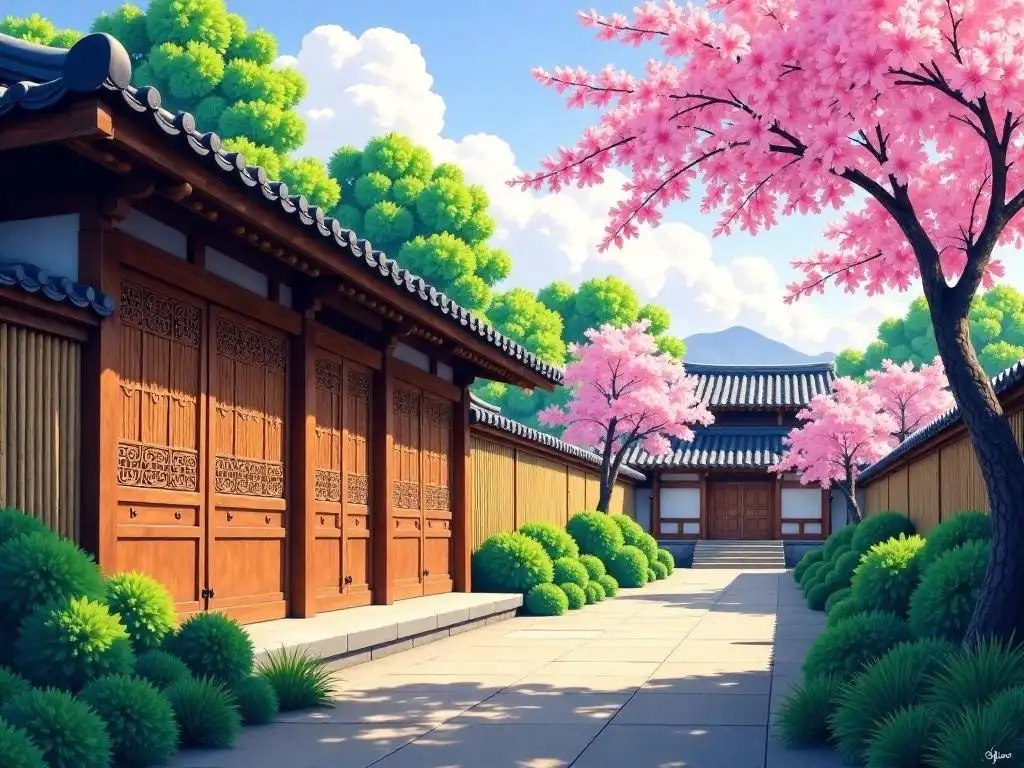
The design of gardens surrounding tea houses plays a significant role in enhancing the overall experience of the tea ceremony. These gardens are carefully curated to provide a serene environment that complements the architecture of the tea house. Key aspects include:
- Karesansui (Dry Landscape): Some tea houses are surrounded by karesansui gardens, which utilize rocks, gravel, and minimal plant life to create a sense of tranquility. These gardens encourage contemplation and meditation, aligning with the principles of Zen.
- Pathways: The pathways leading to tea houses are intentionally designed to guide guests through the garden, often winding and meandering to slow down the pace of entry. This design is an essential part of the overall experience, promoting mindfulness.
- Seasonal Plants: The selection of plants in the garden is often seasonal, with careful attention to color and texture. This practice connects the tea ceremony with the changing seasons, emphasizing the impermanence of nature.
- Water Features: Many tea house gardens incorporate water elements like ponds or streams. The sound of flowing water adds to the serene atmosphere and symbolizes purity, which is a vital aspect of the tea ceremony.
Cultural Significance of Tea Houses in Feudal Japan
Tea houses served as more than just venues for tea ceremonies; they were cultural hubs that embodied the social and artistic values of Feudal Japan. Their significance can be understood through various lenses:
- Social Gathering Spaces: Tea houses provided a setting for social interaction among different classes, allowing for the exchange of ideas and fostering community ties. This aspect was particularly important during the time of the samurai, where etiquette and decorum were paramount.
- Artistic Expression: The design and decor of tea houses often reflected the artistic sensibilities of the period. From the choice of materials to the integration of art forms like calligraphy and flower arrangement, tea houses became a canvas for cultural expression.
- Philosophical Reflection: The tea ceremony is deeply rooted in Zen philosophy, where simplicity, harmony, and respect are emphasized. Tea houses became spaces for introspection and spiritual growth, allowing participants to connect with these fundamental principles.
The Tea Ceremony as a Cultural Practice
The tea ceremony, known as "chanoyu" or "sado," is an elaborate ritual that embodies the essence of Japanese culture. It transcends mere beverage preparation, incorporating aesthetics, philosophy, and social customs. Key elements of this practice include:
- Ritualistic Precision: Every movement and action during the tea ceremony is performed with intentionality and precision. This meticulousness reflects the broader Japanese cultural values of mindfulness and respect for tradition.
- Seasonal Variations: The tea ceremony often varies by season, with different utensils and themes reflecting the time of year. This adaptability showcases the connection between culture and nature, illustrating the importance of living in harmony with the environment.
- Guest Participation: The interaction between host and guests is central to the tea ceremony. The host strives to create a welcoming atmosphere, while guests are expected to show appreciation and respect. This dynamic strengthens social bonds and fosters a sense of community.
Symbolism in Tea House Design
The design of tea houses is imbued with layers of symbolism that resonate with Japanese culture and philosophy. Understanding these symbols enhances the appreciation of tea house architecture:
- Unity of Nature and Architecture: The harmonious integration of tea houses with their surrounding landscapes symbolizes the Japanese belief in the interconnectedness of all things. This principle encourages an appreciation for the beauty of nature.
- Impermanence: Many design elements, such as the use of natural materials that age and weather, reflect the concept of impermanence central to Japanese aesthetics. This acknowledgment of transience encourages a deeper appreciation for the moment.
- Spiritual Journey: The layout and design of tea houses often signify a journey towards enlightenment. From the entrance to the tokonoma, every aspect is a metaphor for the path to spiritual awakening, aligning with Zen teachings.
- Economy of Space: The compact nature of tea houses reflects the Japanese philosophy of making the most of limited space, emphasizing functionality while maintaining aesthetic beauty. This principle is a testament to the resourcefulness and creativity inherent in Japanese design.
Comparison of Different Tea House Styles in Feudal Japan
Tea houses in Feudal Japan exhibit a rich variety of architectural styles, each reflecting unique philosophical, aesthetic, and functional considerations. The design of these spaces was not merely about creating a venue for tea ceremonies; it was about embodying the principles of wabi-sabi—embracing imperfection and transience. This comparison will explore two primary styles: the Sukiya and Shoin styles, alongside regional variations that highlight the diversity of tea house architecture across Japan.
The Sukiya Style: Aesthetic and Practicality
The Sukiya style is characterized by its simple, elegant design that emphasizes natural materials and a connection to the surrounding landscape. Originating in the late Muromachi period, it embodies the principles of Zen Buddhism, promoting tranquility and contemplation.
- Materials: Typically constructed from wood, bamboo, and clay, Sukiya tea houses often feature tatami mat flooring, sliding shoji screens, and thatched roofs, creating a harmonious environment that integrates with nature.
- Design Elements: The interior is usually minimalistic, with an emphasis on asymmetry and organic shapes. This design approach encourages a sense of calmness and introspection, fundamental to the tea ceremony experience.
- Functionality: Sukiya tea houses are designed to facilitate the tea ceremony, with specific areas allocated for the preparation and serving of tea. The layout allows for smooth movement and interaction between host and guests, emphasizing the communal aspect of the ceremony.
Overall, the Sukiya style reflects a blend of aesthetic beauty and practicality, making it a prominent choice for tea houses during the feudal era.
The Shoin Style: A Blend of Function and Elegance
The Shoin style emerged slightly later, during the Azuchi-Momoyama period, and is known for its more elaborate and formal architecture. Unlike the Sukiya style, the Shoin style incorporates elements of residential and functional design.
- Architectural Features: Shoin tea houses are characterized by their use of tatami mats, alcoves (tokonoma) for displaying art and flower arrangements, and a more structured layout. The presence of sliding doors and partitions allows for versatile use of space.
- Aesthetic Appeal: With an emphasis on elegance, Shoin tea houses often feature decorative elements such as painted sliding doors (fusuma), intricate woodwork, and ornamental gardens that enhance the overall aesthetic.
- Purpose: This style not only serves as a venue for tea ceremonies but also functions as a social space for gatherings and discussions, reflecting the status and sophistication of the host.
The Shoin style represents a significant evolution in tea house design, combining functionality with refined elegance, thus appealing to the higher social classes of the time.
Regional Variations in Tea House Architecture
The geographical diversity of Japan has led to distinct regional variations in tea house design during the feudal era. Each region adapted its architectural style based on local resources, climate, and cultural influences.
- Kyoto: Known as the heart of tea culture, Kyoto tea houses often exhibit intricate wooden structures and carefully manicured gardens, reflecting the city's rich artistic heritage.
- Kanto Region: In contrast, tea houses in the Kanto region, including Tokyo, tend to be more straightforward and practical, focusing on functionality due to urbanization.
- Northern Regions: In colder areas, such as Hokkaido, tea houses are often built with thicker walls and insulated roofs to withstand harsh winters, showcasing a practical adaptation to the environment.
These regional variations not only highlight the architectural diversity of tea houses but also underscore their role in reflecting local customs and lifestyles within the broader context of Feudal Japan.
Notable Tea Houses from Feudal Japan
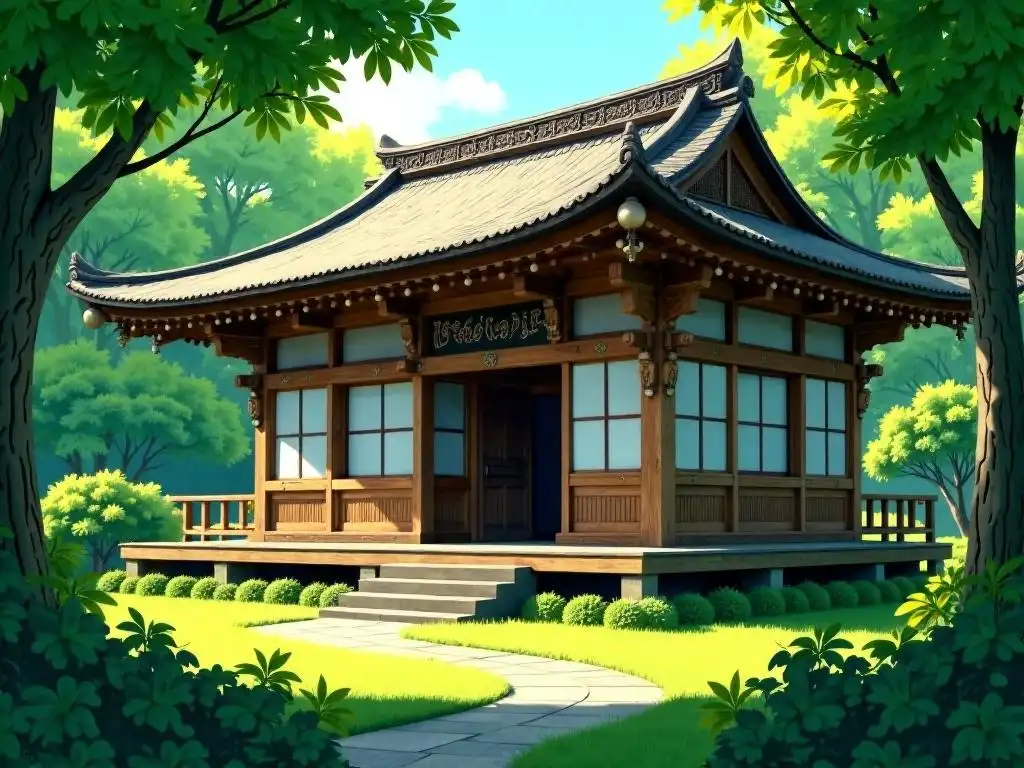
The history of tea houses in Feudal Japan is punctuated by notable establishments that have left a lasting legacy in the cultural landscape. These tea houses are often associated with significant historical figures and events, enriching the narrative of Japan's tea culture.
Famous Historical Tea Houses
- Hōun-in: Located in Kyoto, this tea house is renowned for its exquisite Sukiya architecture and serene garden. It was favored by the tea master Sen no Rikyū, who is credited with shaping the aesthetics of the tea ceremony.
- Nanzen-ji Nanzen-in: This Zen temple's tea house features a striking blend of Sukiya and Shoin styles. It is celebrated for its beautiful views and tranquil atmosphere, providing a perfect backdrop for tea ceremonies.
- Shoren-in: Also situated in Kyoto, Shoren-in is famous for its opulent Shoin-style tea house. It boasts lavish interior decoration and has hosted numerous emperors and dignitaries over the centuries.
These historical tea houses not only serve as architectural marvels but also as cultural touchstones that embody the spirit and traditions of tea ceremonies in Feudal Japan. Their enduring legacy continues to influence modern tea culture and architecture today.
Modern Influence of Feudal Japan Tea House Design
The architectural principles and aesthetic values of feudal Japan tea houses continue to resonate in modern design, influencing not just tea houses but a broader spectrum of contemporary architecture. The simplicity, functionality, and connection to nature that characterized traditional tea houses are evident in many modern buildings, creating spaces that promote tranquility and mindfulness. Notably, the integration of natural materials, such as wood and bamboo, along with open spaces and sliding doors, reflects the enduring legacy of these historical structures.
Many architects today draw inspiration from the concepts of wabi-sabi, which celebrates imperfection and transience. This philosophy, deeply rooted in the tea ceremony and its associated architecture, encourages designs that embrace the natural aging of materials and the organic beauty found in simplicity. As urban environments become increasingly hectic, the desire for serene spaces reminiscent of traditional tea houses has led to the creation of modern retreats, gardens, and minimalist homes that echo these ancient principles.
How Traditional Designs Inspire Contemporary Architecture
The influence of feudal Japan tea house design is particularly evident in the movement towards sustainable architecture. Many contemporary buildings incorporate elements that prioritize environmental harmony, mirroring the way traditional tea houses were designed to blend seamlessly with their surroundings. Features such as green roofs, natural ventilation, and the use of local materials are becoming common, all of which echo the ecological mindfulness of the past.
Architects like Tadao Ando and Kengo Kuma have explicitly referenced traditional Japanese tea house design in their works. For instance, Ando’s use of concrete and glass juxtaposed with natural elements creates spaces that evoke the peacefulness found in tea houses. Kuma, on the other hand, frequently employs wood and traditional joinery techniques, showcasing how ancient methods can be innovatively adapted for modern uses.
In addition, the idea of creating a journey through space—a hallmark of tea house architecture—is being integrated into contemporary urban design. By crafting pathways that guide visitors through nature, architects are reviving the experience of the tea ceremony, where each step is intentional and meditative.
Preservation of Historical Tea Houses Today
Preserving historical tea houses is crucial for maintaining the cultural heritage of feudal Japan. Organizations and local governments recognize the importance of these structures as they serve as living museums, offering insights into historical practices and architectural styles. Many tea houses have been restored to their original form, ensuring that future generations can experience their beauty and significance.
In recent years, restoration efforts have also focused on adapting these tea houses for modern use. By incorporating modern amenities while respecting the original design, some tea houses have become venues for contemporary tea ceremonies, cultural workshops, and art exhibitions. This approach not only preserves the historical essence of these buildings but also keeps them relevant in today’s society.
Community engagement plays a vital role in the preservation of tea houses. Local initiatives often involve volunteers who help maintain these structures, fostering a sense of pride and ownership in the community. Educational programs are also implemented to teach visitors about the cultural significance of tea houses, ensuring that the knowledge and appreciation of this unique aspect of Japanese culture are passed down.
Conclusion: The Legacy of Feudal Japan Tea House Design
The legacy of feudal Japan tea house design is a rich tapestry that interweaves history, culture, and art. These structures were not merely functional spaces for tea ceremonies; they embodied the philosophical and aesthetic ideals of their time. Today, their influence extends far beyond traditional settings, shaping modern architecture and design principles around the globe.
Lasting Impact on Japanese Aesthetics and Culture
The principles of tea house design have had a profound impact on Japanese aesthetics and culture. The concepts of simplicity, harmony with nature, and the embrace of imperfection continue to inform various artistic expressions, from garden design to interior decoration. The tea house's influence is evident in the minimalist approach that characterizes much of contemporary Japanese art and design.
Moreover, the tea ceremony itself remains a vital cultural practice, deeply connected to the architectural spaces in which it occurs. By engaging in this ritual, individuals not only honor the past but also reinforce the values of mindfulness, respect, and community. This enduring connection between architecture and cultural practice highlights the significance of tea houses in Japanese society.
Future Directions for Tea House Architecture and Design
As we look to the future, the evolution of tea house architecture will likely continue to reflect contemporary societal values and environmental considerations. Innovations in sustainable building practices will play a pivotal role in shaping new tea houses that honor traditional designs while addressing modern challenges. For instance, incorporating renewable energy sources and enhancing accessibility will be essential in creating spaces that cater to a wider audience.
Additionally, the integration of technology could influence future tea house designs. Virtual reality experiences and digital storytelling may enhance the traditional tea ceremony, allowing participants to immerse themselves in its history while enjoying the ritual in a modern setting.
Ultimately, the future of tea house architecture and design lies in striking a balance between honoring historical precedents and embracing innovation. This balance will ensure that the tea house remains a cherished symbol of Japanese culture while adapting to the needs and aspirations of contemporary society.
- Introduction to Feudal Japan Tea House Design
- Historical Background of Tea Houses in Feudal Japan
- Key Features of Feudal Japan Tea House Design
- Structural Elements of a Traditional Tea House
- Garden Design in Relation to Tea Houses
- Cultural Significance of Tea Houses in Feudal Japan
- Comparison of Different Tea House Styles in Feudal Japan
- Notable Tea Houses from Feudal Japan
- Modern Influence of Feudal Japan Tea House Design
- Conclusion: The Legacy of Feudal Japan Tea House Design
- What is the significance of tea houses in Feudal Japan?
- How did the design of tea houses reflect the values of Feudal Japan?
- What are the key architectural features of a traditional tea house?
- How did social class influence tea house design during the feudal period?
- Are there modern interpretations of Feudal Japan tea house design?
Frequently Asked Questions
What is the significance of tea houses in Feudal Japan?
Tea houses played a critical role in Japanese culture, serving as spaces for tea ceremonies that emphasized aesthetics, simplicity, and spirituality during the feudal era.
How did the design of tea houses reflect the values of Feudal Japan?
The design of tea houses often incorporated natural materials and minimalist aesthetics, reflecting the Zen principles of harmony with nature, simplicity, and mindfulness.
What are the key architectural features of a traditional tea house?
Traditional tea houses typically feature tatami flooring, a thatched roof, and shoji screens, which all contribute to a serene and inviting atmosphere for tea ceremonies.
Tea house design was often influenced by social status, with wealthier classes opting for more elaborate structures, while commoners had simpler designs, reflecting their economic conditions.
Are there modern interpretations of Feudal Japan tea house design?
Yes, contemporary architects often incorporate traditional elements of tea house design into modern structures, blending historical significance with modern functionality and aesthetics.
Final Reflection: The Enduring Legacy of Feudal Japan Tea House Design
The intricate design and architecture of tea houses in Feudal Japan not only reflect a unique aesthetic but also embody the profound cultural values of simplicity, tranquility, and harmony with nature. Today, as we navigate a world increasingly dominated by chaos and complexity, the principles inherent in tea house design offer a much-needed refuge and a blueprint for mindful living. The tea house stands as a testament to the idea that architecture can serve as a vessel for cultural expression and personal introspection.
The influence of Feudal Japan tea house design extends far beyond its historical context; it continues to inspire contemporary architecture and interior design, encouraging a dialogue between past and present. The minimalist approach and emphasis on natural materials resonate with modern sensibilities, promoting sustainability and a connection to the environment. As architect Tadao Ando once said, The space in between is as important as the space itself.
This notion underscores the significance of creating spaces that foster reflection and connection, a lesson that remains relevant in our fast-paced lives.
As we reflect on the teachings of Feudal Japan's tea house design, I invite you to consider how these principles can be woven into your own life. Take a moment to create your own sanctuary, whether it be a physical space or a mental retreat, where you can cultivate mindfulness and appreciation for simplicity. By embracing the essence of the tea house, we can foster a deeper connection with ourselves and the world around us, ensuring that the legacy of this remarkable architectural tradition continues to thrive in our modern lives.
Unveil the Serenity of the Tea House Experience!
Thank you for diving into the world of tea house architecture and design in feudal Japan! You've uncovered the beauty and cultural significance of these serene spaces. Now it’s time to take the next step in your journey of exploration and appreciation.
- Visit a local tea house or a traditional Japanese garden to experience the ambiance firsthand.
- Share your favorite tea house design from the article in our community forum and discuss its elements with fellow enthusiasts.
- Consider creating your own tea experience at home—try brewing your favorite tea and setting up a cozy corner for contemplation.
What aspect of tea house design resonates most with you, and how could you recreate that essence in your everyday life?