
The Legacy of Edo Period Crafts: Artisans Who Shaped Japanese Culture

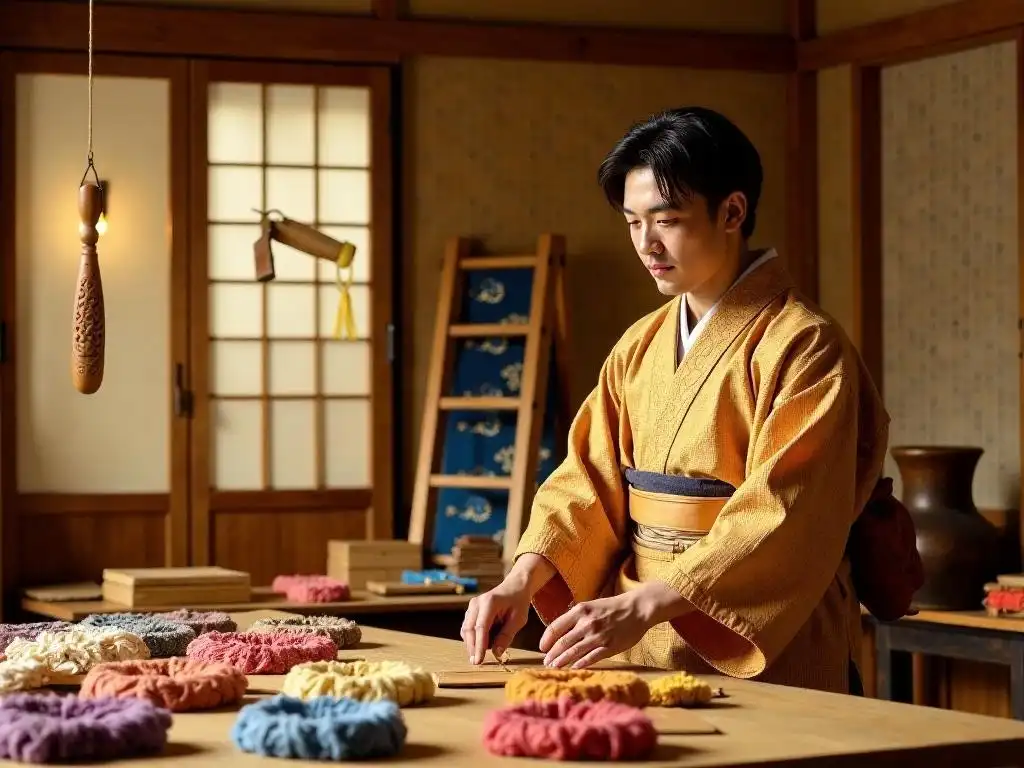
Welcome to Feudal Japan History, where we invite you to embark on an enthralling journey through the rich tapestry of Japan’s feudal era. Here, we delve deep into the Edo period crafts legacy, illuminating how skilled artisans not only shaped the aesthetic landscape of their time but also left an indelible mark on Japanese culture as a whole. What secrets and stories lie within the intricate patterns and delicate techniques of these crafts?
Uncover the fascinating connections between artistry and society as you explore our in-depth articles that bring the past to life. Your adventure into the heart of Japan's cultural history begins now!
Introduction to Edo Period Crafts Legacy
The Edo period (1603-1868) stands as a pivotal era in Japanese history, marked not only by political stability under the Tokugawa shogunate but also by a flourishing of culture and arts. This period witnessed the emergence of a distinct crafts legacy that significantly influenced Japanese society and culture.
The artisans of this time contributed to a vibrant tapestry of craftsmanship that included textiles, ceramics, woodblock prints, and metalwork, all of which played a crucial role in shaping Japan's identity. As we delve into the legacy of Edo period crafts, we will explore the intricate interplay between artistry, economy, and cultural expression that defined this remarkable epoch in Japan's history.
Overview of the Edo Period (1603-1868)
The Edo period, often referred to as the "Tokugawa period," was characterized by a long-lasting peace following centuries of civil war. This stability fostered economic growth and urbanization, particularly in cities like Edo (modern-day Tokyo), Osaka, and Kyoto. During this time:
- Population Growth: The population of Edo grew to over a million, making it one of the largest cities in the world at the time.
- Cultural Flourishing: A unique culture emerged, combining traditional Japanese elements with influences from abroad.
- Emergence of the Merchant Class: The rise of a wealthy merchant class led to increased demand for luxury goods, which spurred the growth of crafts.
Significance of Crafts in Japanese Culture
Crafts during the Edo period were not merely functional; they were deeply embedded in the cultural fabric of Japanese society. The significance of these crafts can be summarized as follows:
- Cultural Identity: Crafts reflected local traditions and regional identities, helping to foster a sense of belonging among the populace.
- Artistic Expression: Artisans often infused their work with personal style and innovation, leading to distinctive forms and techniques.
- Economic Impact: Crafts contributed to the economy by providing jobs and stimulating trade, both domestically and internationally.
Historical Context of Edo Period Crafts
The historical context of Edo period crafts is essential to understanding their legacy. This section will explore the factors that led to the rise of artisans and the economic dynamics that influenced craft production during this vibrant era.
The Rise of Artisans During the Edo Period
The Edo period saw a significant increase in the number of skilled artisans. This rise can be attributed to several factors:
- Patronage: Wealthy merchants and samurai sought unique and high-quality goods, creating a demand for skilled artisans.
- Guilds Formation: Artisans often formed guilds, which provided training, support, and protection for their crafts.
- Innovation: The need for diverse products led to technological advancements and the introduction of new materials and techniques.
Economic Factors Influencing Craft Production
Economic factors played a crucial role in shaping Edo period crafts. Key influences included:
- Urbanization: The growth of cities created a larger market for crafts, leading to increased production.
- Trade Networks: Both domestic and international trade routes facilitated the exchange of materials and ideas, enriching the craft scene.
- Consumer Demand: As more people became affluent, the demand for artisanal goods surged, driving innovation and competition among artisans.
The legacy of Edo period crafts is a testament to the ingenuity and creativity of Japanese artisans. Their work not only reflects the aesthetic values of their time but also serves as a lasting influence on contemporary Japanese culture.
Key Artisanal Traditions of the Edo Period
The Edo period (1603-1868) was a time of remarkable cultural and artistic development in Japan. This era fostered a variety of artisanal traditions that not only reflected the aesthetic values of the time but also influenced future generations. Crafts during this period were often characterized by a blend of functionality and beauty, leading to the creation of objects that were integral to everyday life and culture. The artisanal crafts that emerged during this time included woodblock printing, textile arts, pottery, and lacquerware, each contributing uniquely to the cultural tapestry of Japan.
Woodblock Printing: Ukiyo-e and Its Impact
Woodblock printing, particularly the Ukiyo-e genre, played a pivotal role in the dissemination of art and culture during the Edo period. This technique involved carving images into wooden blocks, inking them, and then pressing them onto paper, allowing for the mass production of artworks. Ukiyo-e, which translates to "pictures of the floating world," predominantly depicted scenes of landscapes, kabuki actors, and beautiful women, capturing the ephemeral pleasures of life.
The influence of Ukiyo-e extended beyond Japan, inspiring Western artists in the late 19th century, including Vincent van Gogh and Claude Monet, who admired its bold colors and compositional techniques. The ability to reproduce art in this way democratized access to artistic expressions, allowing the general populace to appreciate and display art in their homes. This legacy of woodblock printing continues to resonate in contemporary art and printmaking practices.
Textile Arts: Kimono Weaving Techniques
Textile arts flourished during the Edo period, particularly through the intricate weaving of kimonos. The techniques developed during this time, such as the Nishijin weaving from Kyoto and the Kyo-yaki dyeing methods, showcased the artisans' skill and creativity. Kimonos were not just garments; they were a reflection of social status, seasonal changes, and personal identity.
Artisans often employed various techniques such as kasuri (tie-dyeing) and yukata (cotton kimono) weaving, creating textiles that were both functional and artistically rich. The detailed patterns and vibrant colors symbolized cultural narratives and traditional motifs, thereby embedding the artistry into the fabric of Japanese identity. The legacy of these textile arts continues today, influencing modern fashion and textile design in Japan and beyond.
Pottery and Ceramics: The Aesthetic of Edo Ware
The Edo period saw the development of distinctive pottery and ceramics styles, known collectively as Edo ware. This included various regional styles such as Imari, Arita, and Seto, each characterized by unique glazes, shapes, and decorative techniques. Edo ware was celebrated for its aesthetic appeal and functionality, with pieces ranging from everyday tableware to exquisite tea ceremony utensils.
Artisans focused on achieving harmony in form and color, often incorporating natural motifs in their designs. The use of underglaze painting and intricate glazing techniques allowed for an array of artistic expressions. The enduring popularity and influence of Edo ware can be seen in its continued production and appreciation today, as modern potters draw inspiration from these historic techniques.
Lacquerware: Crafting Beauty and Functionality
Lacquerware, or urushi, was another defining craft of the Edo period, characterized by its glossy finish and durability. Artisans expertly applied layers of natural lacquer to wooden objects, which not only enhanced their beauty but also protected them from wear and environmental damage. This technique allowed for the creation of beautifully crafted items such as bowls, trays, and decorative screens.
The artistry involved in lacquerware included intricate designs, often involving inlays of mother-of-pearl, gold leaf, and other materials. The balance of aesthetic beauty and practical function made lacquerware highly sought after, and it became a symbol of sophistication and taste during the Edo period. The tradition of lacquerware persists today, with contemporary artisans innovating while respecting the techniques passed down through generations.
Influential Artisans and Their Contributions
The Edo period was marked by the contributions of numerous artisans whose innovations and mastery in their respective crafts left a lasting impact on Japanese culture. These individuals not only honed their skills but also set trends that would shape the future of Japanese art and craftsmanship.
Notable Ukiyo-e Artists and Their Legacy
Among the most renowned Ukiyo-e artists was Katsushika Hokusai, famous for his iconic piece "The Great Wave off Kanagawa." Hokusai’s dynamic compositions and mastery of color transformed the woodblock printing landscape. Another pivotal figure, Utagawa Hiroshige, is celebrated for his landscape prints, particularly the "Fifty-Three Stations of the Tōkaidō" series, which captured the beauty of nature and travel. Their works not only defined the Ukiyo-e genre but also influenced Western art movements, solidifying their legacy in the art world.
Renowned Textile Artisans and Their Innovations
In the realm of textile arts, artisans like Kōetsu and Gōtō Saijō were instrumental in advancing kimono weaving techniques. Kōetsu, known for his moku-hanga (woodblock print) textiles, combined painting and textile art, creating unique fabric designs. Gōtō Saijō excelled in the Nishijin weaving technique, known for its elaborate gold-threaded textiles. Their contributions helped elevate kimono making to an art form, blending traditional techniques with innovative designs that continue to influence modern textile artisans.
Pioneers in Edo Pottery and Their Techniques
Edo pottery saw the emergence of influential figures such as Ogata Kenzan and Sōjiro, who pushed the boundaries of ceramic art. Kenzan, known for his distinctive Kenzan-yaki, infused his works with bold colors and innovative forms, while Sōjiro pioneered Seto-yaki, incorporating intricate glazing techniques. Their pioneering approaches not only enriched the pottery tradition but also inspired future generations of potters in Japan and around the world.
Lacquer Artisans Who Defined the Craft
Lacquerware artisans like the legendary Shōzō and the Kano family played vital roles in refining lacquer techniques during the Edo period. Shōzō, renowned for his nashiji (pear skin) technique, created stunningly intricate designs that captivated collectors. The Kano family, recognized for their detailed paintings on lacquer surfaces, elevated the craft to an esteemed art form. Their mastery in both design and technique established lacquerware as a significant cultural artifact, influencing its practice well into modern times.
The Cultural Impact of Edo Period Crafts
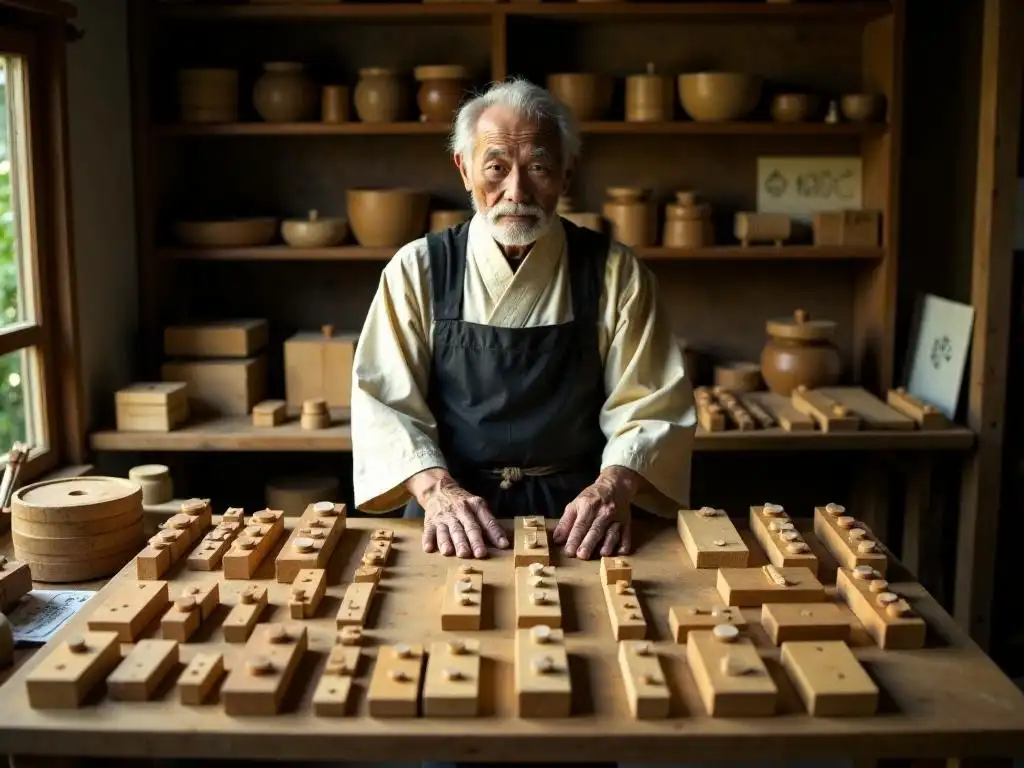
The Edo period (1603-1868) marked a transformative era in Japan, characterized by a flourishing of arts and crafts that left a lasting cultural legacy. This period saw the emergence of skilled artisans who dedicated their lives to perfecting various crafts, which not only reflected the aesthetic values of the time but also played a crucial role in shaping social norms and community identity. Crafts such as pottery, textiles, woodblock printing, and metalwork became more than mere functional objects; they evolved into expressions of beauty, tradition, and local pride.
The intricate designs and techniques developed during this time were often influenced by the socio-political environment of the Edo period. The isolationist policies of the Tokugawa shogunate fostered a unique cultural atmosphere where local artisans could innovate freely. As a result, Edo period crafts encapsulated the spirit of the Japanese people, blending practicality with artistry. This cultural impact is visible in contemporary Japanese life, where traditional crafts continue to be celebrated and preserved, showcasing their historical significance and enduring appeal.
Crafts as a Reflection of Edo Society
Crafts from the Edo period serve as a vivid reflection of the societal structures and values of the time. The artisans were often organized into guilds, which not only regulated craftsmanship but also fostered a sense of community and shared identity among craftsmen. Each craft revealed distinct social hierarchies, with certain crafts being more prestigious than others. For example, the meticulous art of kimono-making was highly regarded, reflecting the elegance and sophistication of Edo society.
Furthermore, many crafts were influenced by the everyday lives of the people, capturing the essence of their experiences, beliefs, and aspirations. Traditional motifs and themes in textiles and ceramics often depicted scenes from nature, folklore, or historical events, allowing the crafts to narrate stories of the Japanese people. This interplay between craft and society underscores how artisans acted as cultural custodians, preserving and conveying the values and traditions of their communities.
The Role of Crafts in Everyday Life and Festivals
During the Edo period, crafts were integral to everyday life, serving practical purposes while simultaneously enhancing the aesthetic quality of daily activities. Items such as tea utensils, household goods, and clothing were crafted with great care, reflecting the artisans’ dedication to their trade. This emphasis on craftsmanship contributed to a culture that valued beauty in the mundane, encouraging people to appreciate the artistry in their everyday surroundings.
Festivals also played a significant role in the celebration of crafts, where artisans showcased their skills and creations. Events such as the Gion Matsuri in Kyoto featured elaborate floats adorned with intricate textiles and decorations crafted by local artisans, highlighting the importance of crafts in community celebrations. Such festivals not only provided a platform for artisans to demonstrate their work but also fostered a sense of pride and cohesion within the community, reinforcing the cultural significance of Edo period crafts.
Preservation of Craft Traditions in Modern Japan
In modern Japan, the legacy of Edo period crafts continues to thrive as artisans and enthusiasts work diligently to preserve traditional techniques and practices. Various organizations and cultural institutions are dedicated to maintaining these craft traditions, ensuring that the knowledge and skills passed down through generations do not fade into obscurity. Workshops, educational programs, and exhibitions are organized to promote awareness and appreciation of these crafts among younger generations.
Moreover, the Japanese government recognizes the importance of preserving traditional crafts as part of the nation's cultural heritage. Initiatives such as the designation of Important Intangible Cultural Properties help safeguard these crafts by providing support to artisans and promoting their work. This commitment to preservation highlights the enduring relevance of Edo period crafts in contemporary society, ensuring that the artistry and cultural significance of these traditions remain alive for future generations.
The Legacy of Edo Period Crafts Today
The legacy of Edo period crafts is not only a testament to the artistry of the past but also a source of inspiration for contemporary craftsmanship. Today, many artisans draw from the techniques and aesthetics established during the Edo period, blending traditional methods with modern sensibilities. This fusion has led to innovative designs that resonate with today's consumers while honoring the rich history of Japanese craftsmanship.
Contemporary Craftsmanship Inspired by Edo Traditions
In recent years, there has been a resurgence of interest in traditional crafts, with many contemporary artisans actively seeking to incorporate Edo period techniques into their work. For example, potters may employ ancient glazing methods or textile artists may use traditional dyeing techniques to create modern garments. This revival reflects a broader trend in which consumers are increasingly valuing artisanal, handmade products as a counterpoint to mass production.
Artisans today often engage in collaborations with designers and artists, creating unique pieces that marry contemporary aesthetics with traditional craftsmanship. This approach not only revitalizes interest in Edo period crafts but also ensures their continued relevance in a rapidly changing world. The blending of old and new demonstrates how these crafts can adapt while still honoring their historical roots, contributing to a vibrant cultural dialogue.
Challenges Facing Traditional Crafts in the Modern Era
Despite the renewed interest in Edo period crafts, traditional artisans face significant challenges in the modern era. One of the primary obstacles is the declining number of skilled craftsmen, as younger generations are often drawn to more lucrative or less labor-intensive careers. This demographic shift poses a threat to the survival of traditional techniques and knowledge, as fewer artisans are available to pass on their skills.
Additionally, the prevalence of mass-produced goods can overshadow traditional crafts, making it difficult for artisans to compete in the marketplace. The challenge lies in finding effective ways to market and promote handcrafted items that reflect the unique qualities and cultural significance of Edo period crafts. As artisans strive to maintain their craft, they must navigate these modern pressures while remaining true to the traditions that shaped their work.
Revitalization Efforts for Edo Period Crafts
To combat the challenges facing traditional crafts, various revitalization efforts are underway across Japan. Community initiatives, workshops, and cultural festivals are designed to raise awareness and appreciation for Edo period crafts, fostering a renewed interest in these artisanal practices. These efforts often involve collaboration between artisans, local governments, and cultural organizations, creating a supportive network for preserving craft traditions.
Furthermore, educational programs aimed at younger audiences are crucial for ensuring the continuation of these crafts. By engaging students in hands-on workshops and demonstrations, artisans can inspire the next generation to embrace their cultural heritage and consider a career in traditional craftsmanship. This emphasis on education and community involvement plays a vital role in sustaining the legacy of Edo period crafts, ensuring that their artistic and cultural significance remains a vibrant part of Japan's heritage.
Conclusion: The Enduring Influence of Edo Period Crafts Legacy
The legacy of Edo period crafts is a profound testament to the creativity and skill of artisans who flourished between the early 17th and mid-19th centuries in Japan. This era was marked by a unique blend of artistic innovation and cultural exchange, which laid the foundations for many aspects of modern Japanese art and craftsmanship.
The influence of these artisans transcends time, leaving a lasting imprint on contemporary practices and cultural identity in Japan. Their dedication to mastery not only showcased the intricacies of their crafts but also reflected the societal values of harmony, beauty, and functionality that continue to resonate today.
As we explore the enduring influence of Edo period crafts, we recognize that their legacies are preserved in various forms—from traditional techniques still practiced by artisans to the aesthetic principles that inspire modern designers. The craftsmanship of this era, characterized by meticulous attention to detail and deep cultural significance, serves as a source of inspiration for many artists and creators, both in Japan and around the world. The Edo period has become synonymous with quality and artistry, making its crafts a celebrated part of Japan's cultural heritage.
Summary of Key Contributions to Japanese Culture
The contributions of Edo period crafts to Japanese culture are both rich and diverse, spanning various forms of art and everyday objects. Key contributions include:
- Textile Arts: The development of intricate kimono designs and dyeing techniques, such as Yuzen and Shibori, has had a lasting impact on fashion and textile design in Japan. These methods emphasized the beauty of nature and seasonal changes, which continue to influence contemporary textile artists.
- Ceramics and Pottery: Notable regions like Arita and Mino became renowned for their high-quality ceramics, which were characterized by unique glazes and decorative styles. These crafts brought forth a new appreciation for functional art in everyday life.
- Woodblock Printing: The Ukiyo-e genre exemplified the Edo period's artistic spirit, capturing scenes of urban life, landscapes, and kabuki actors. This art form not only influenced Western artists like Monet but also continues to be a source of inspiration in graphic design today.
- Metalwork and Lacquerware: Artisans excelled in creating exquisite metal objects and lacquerware, which were used in both everyday items and ceremonial contexts. The meticulous techniques developed during this era remain revered and practiced by artisans.
- Architecture and Interior Design: The Edo period's architectural styles, emphasizing wooden structures and harmonious integration with nature, have significantly influenced modern Japanese architecture and garden design.
These contributions not only enhanced the aesthetic landscape of Japan but also fostered a sense of national identity and pride in cultural heritage, which persists in contemporary society.
Future Prospects for Edo Crafts in Japan and Beyond
The future of Edo period crafts appears promising, as there is a growing movement to preserve and revitalize these traditional techniques in the face of modernization. Several factors contribute to this positive outlook:
- Cultural Preservation Initiatives: Organizations dedicated to preserving traditional crafts are gaining momentum. Workshops, exhibitions, and educational programs are being established to train new generations of artisans and promote the value of these crafts.
- Integration with Modern Design: Many contemporary designers are drawing inspiration from Edo period aesthetics, blending traditional techniques with modern sensibilities. This fusion allows for the creation of innovative products that appeal to both local and international markets.
- Increased Global Interest: The global fascination with Japanese culture has sparked interest in Edo crafts. As international audiences seek authentic and meaningful connections with Japanese traditions, there is potential for these crafts to thrive in global markets.
- Sustainability: With a growing emphasis on sustainability, the intrinsic values of Edo crafts—such as quality, durability, and environmental harmony—align well with contemporary consumer preferences. This could lead to a resurgence in the appreciation for handcrafted goods.
- Collaborative Projects: Cross-disciplinary collaborations between artisans, designers, and technologists are emerging, fostering innovation while respecting traditional methods. Such partnerships can help showcase the relevance of Edo period crafts in modern society.
The enduring legacy of Edo period crafts continues to shape Japanese culture and offers promising prospects for the future. By embracing both tradition and innovation, these crafts are likely to remain an integral part of Japan’s cultural narrative for generations to come.
- Introduction to Edo Period Crafts Legacy
- Historical Context of Edo Period Crafts
- Key Artisanal Traditions of the Edo Period
- Influential Artisans and Their Contributions
- The Cultural Impact of Edo Period Crafts
- The Legacy of Edo Period Crafts Today
- Conclusion: The Enduring Influence of Edo Period Crafts Legacy
Frequently Asked Questions
What was the significance of crafts during the Edo period?
The Edo period (1603-1868) was crucial for the development of Japanese crafts, as it fostered a flourishing of artisanship that shaped cultural identity and aesthetic values.
Who were the key artisans of the Edo period?
Key artisans included woodblock printers, potters, and textile makers who not only produced everyday items but also created highly sought-after art pieces that defined the era’s artistic legacy.
How did Edo period crafts influence modern Japanese culture?
The craft techniques and aesthetic principles established during the Edo period continue to influence contemporary Japanese art and design, preserving traditional methods while inspiring innovation.
What materials were commonly used in Edo period crafts?
Artisans utilized a variety of materials such as wood, ceramics, silk, and bamboo, showcasing their skills in transforming these elements into functional and decorative objects.
How can one learn more about Edo period crafts?
To delve deeper into the Edo period crafts legacy, consider exploring specialized museums, workshops, and publications focused on the craftsmanship and cultural history of this significant era in Japan.
Final Reflection: The Enduring Legacy of Edo Period Crafts
The legacy of Edo period crafts continues to resonate in today's world, reminding us of the profound impact that artisans have on culture and society. As we navigate a fast-paced, technology-driven era, the intricate craftsmanship and dedication of Edo artisans serve as a powerful reminder of the importance of tradition and the artistry that shapes our identity. Their work not only reflects the beauty of their time but also influences contemporary design and craftsmanship, demonstrating that the past is very much alive in our present.
The influence of Edo period crafts is evident in various aspects of modern culture, from fashion to interior design, where artisans strive to capture the essence of this rich heritage. The meticulous techniques and philosophies developed during this period continue to inspire new generations of creators. As we embrace these traditions, we honor the artisans who dedicated their lives to perfecting their crafts. Art is the most beautiful of all lies.
This quote encapsulates the idea that while the crafts may be rooted in history, their beauty and significance transcend time, inviting us to appreciate the artistry that surrounds us.
As we reflect on the lessons of the Edo period crafts legacy, I invite you to consider how you can incorporate the spirit of craftsmanship into your own life. Take a moment to appreciate the artistry in your surroundings, whether it be in handmade goods, local artisans, or even your own creative endeavors.
By valuing and supporting craftsmanship, we not only preserve these traditions but also enrich our lives with the beauty and meaning that comes from the dedication of skilled artisans. Let us carry forward the legacy of the Edo period, ensuring that the artistry of the past continues to inspire our future.
Embrace the Timeless Craftsmanship of Edo!
Thank you for joining us on this journey through the intricate world of Edo period crafts. By delving into the lives of the artisans who have shaped Japanese culture, you now possess a deeper appreciation for their creativity and legacy. Now, it’s time to turn that appreciation into action!
Here are some steps to enrich your understanding and engagement with this fascinating heritage:
- Visit a local museum that showcases traditional Japanese crafts or art forms to witness their beauty in person.
- Take a class or workshop in a specific craft, such as woodblock printing or ceramics, and experience the hands-on creation process.
- Share your newfound knowledge by discussing it with friends or showcasing your experiences on social media. Consider initiating a conversation about how these crafts resonate in today's world.
Which craft from the Edo period inspires you the most, and how do you envision incorporating it into your life today?