
Historical Narratives: The Role of Storytelling in Edo Culture

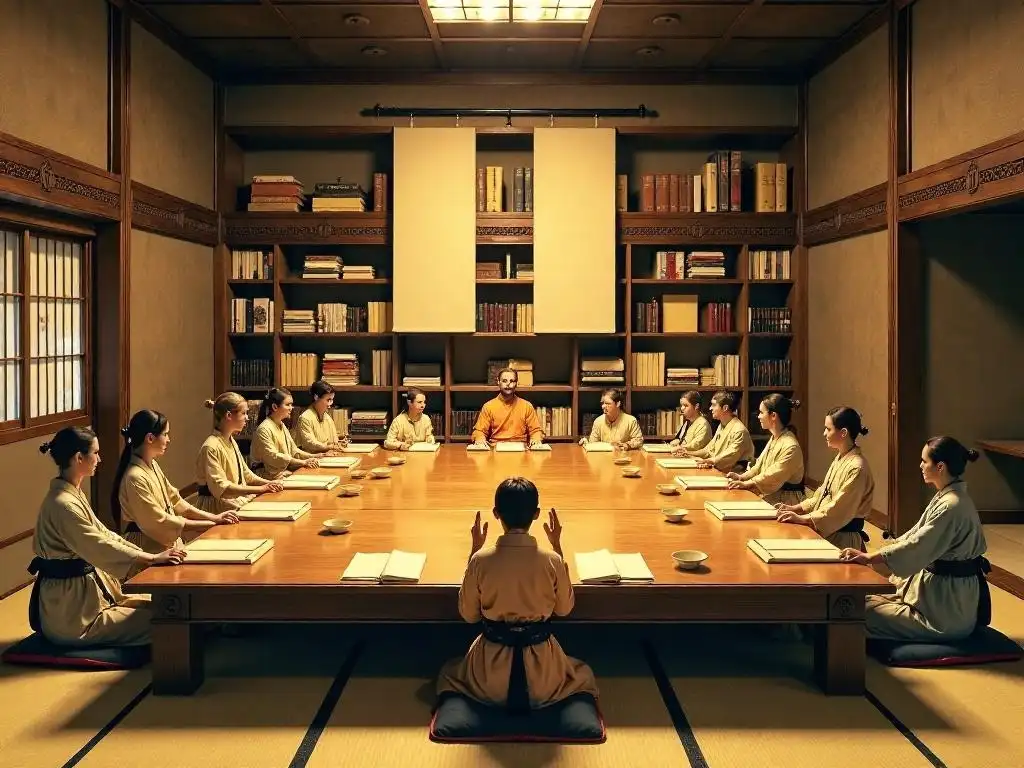
Welcome to Feudal Japan History, where we invite you to embark on a journey through the captivating tapestry of Japan's feudal era. Here, you’ll discover the intricate threads of the Edo period storytelling significance, a realm where narratives shaped culture and society. As you delve into our featured article, "Historical Narratives: The Role of Storytelling in Edo Culture," prepare to uncover the profound impact of storytelling on the lives of those in Edo, and how these tales continue to resonate today. Ready to explore the rich legacy of this fascinating period? Your adventure awaits!
The Edo period, spanning from 1603 to 1868, marks a transformative era in Japan's history, characterized by profound cultural developments and societal shifts. Among the most significant aspects of this period is the art of storytelling, which played a pivotal role in shaping the cultural landscape of Edo (modern-day Tokyo).
This article delves into the Edo period storytelling significance, exploring how narratives not only reflected the values and beliefs of the time but also served as a means of entertainment, education, and social commentary. Through an examination of various storytelling forms, including kabuki, bunraku, and oral traditions, we will uncover the intricate connections between these narratives and the broader socio-political context of the Edo period.
As we navigate this rich tapestry of narrative traditions, we will also highlight the ways in which storytelling facilitated the transmission of cultural knowledge and collective memory. By understanding the significance of storytelling in Edo culture, we can gain insights into the enduring impact it has had on contemporary Japanese society and its cultural heritage. Join us as we embark on this comprehensive exploration of historical narratives and their vital role in the vibrant tapestry of Edo culture.
- Introduction to Edo Period Storytelling Significance
- The Evolution of Storytelling in Edo Culture
- Thematic Elements of Edo Period Storytelling
- Key Figures in Edo Period Storytelling
- Cultural Significance of Edo Period Storytelling
- The Legacy of Edo Period Storytelling
- Conclusion: The Lasting Impact of Storytelling in Edo Culture
-
Frequently Asked Questions
- What was the significance of storytelling during the Edo period?
- How did storytelling influence Edo period society?
- What are some popular storytelling forms in Edo culture?
- How did Edo period storytelling reflect the social hierarchy?
- What impact did storytelling have on the arts during the Edo period?
- Final Reflection: The Enduring Significance of Edo Period Storytelling
- Unveil the Richness of Edo Storytelling!
Introduction to Edo Period Storytelling Significance
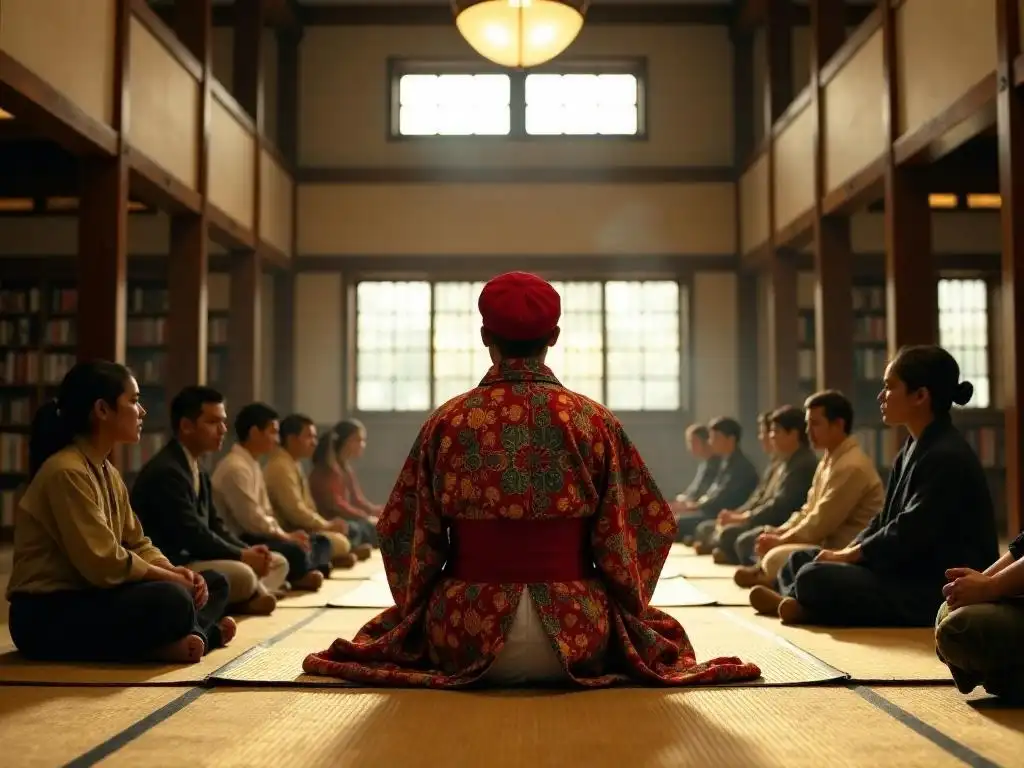
The Edo period, spanning from 1603 to 1868, was a transformative era in Japanese history, characterized by peace, stability, and cultural flourishing under the Tokugawa shogunate. During this time, storytelling emerged as a vital means of communication, reflection, and entertainment. The Edo period storytelling significance lies not only in its artistic forms but also in its ability to shape societal values, transmit knowledge, and foster a sense of identity among the populace. This section delves into the historical context and cultural importance of storytelling during this vibrant age.
Overview of the Edo Period (1603-1868)
The Edo period marked a pivotal shift in Japan's governance and culture. Following a century of conflict during the Sengoku period, Tokugawa Ieyasu established a centralized feudal system, leading to over 250 years of relative peace. This stability allowed for the development of a rich cultural landscape, influencing various art forms, including literature, theater, and visual arts.
- Social Structure: The Edo period's society was highly stratified, consisting of four main classes:
- Samurai: The warrior class, serving as military nobility.
- Farmers: Responsible for agricultural production, considered the backbone of society.
- Artisans: Skilled craftsmen contributing to material culture.
- Merchants: Initially looked down upon, they gained influence through trade and economic power.
- Urbanization: Cities like Edo (modern-day Tokyo) flourished as cultural hubs, with a population exceeding one million. This urban environment fostered a dynamic exchange of ideas and artistic creativity.
- Artistic Developments: Traditional arts such as Ukiyo-e (woodblock printing) and Kabuki theater gained popularity, providing platforms for storytelling. Literature also thrived, with the emergence of novels and poetry that reflected the experiences of everyday people.
The Edo period laid the groundwork for a unique narrative tradition that would profoundly influence Japanese culture and identity.
Importance of Storytelling in Japanese Culture
Storytelling during the Edo period was not merely a form of entertainment; it served as a crucial vehicle for cultural expression, historical preservation, and social commentary. Here are some key aspects highlighting its significance:
- Cultural Transmission: Stories conveyed moral lessons, historical events, and cultural values, ensuring that traditions were passed down through generations. Folktales, myths, and legends were integral to understanding Japan's identity.
- Theatrical Forms: The popularity of Kabuki and Bunraku (puppet theater) allowed for elaborate storytelling that captivated audiences. These performances often tackled contemporary issues, reflecting societal concerns and aspirations.
- Literary Works: Prolific writers, such as Matsuo Bashō with his haikus and Ihara Saikaku with his prose, explored themes of love, life, and nature. Their works not only entertained but also provided insight into the human experience and the Edo lifestyle.
- Community Engagement: Storytelling gatherings, known as rakugo, became popular, where skilled storytellers would engage audiences with humorous and poignant tales, fostering community bonds and shared experiences.
- Preservation of History: Edo period storytelling played a vital role in documenting historical events and societal changes, allowing future generations to learn about the past. The narratives often blended fact with fiction, creating a rich tapestry of Japan's cultural heritage.
The Edo period storytelling significance is deeply rooted in its ability to reflect and shape the values, beliefs, and identities of Japanese society. The interplay of various storytelling forms during this era not only enriched cultural life but also laid the foundation for modern Japanese literature and arts.
The Evolution of Storytelling in Edo Culture
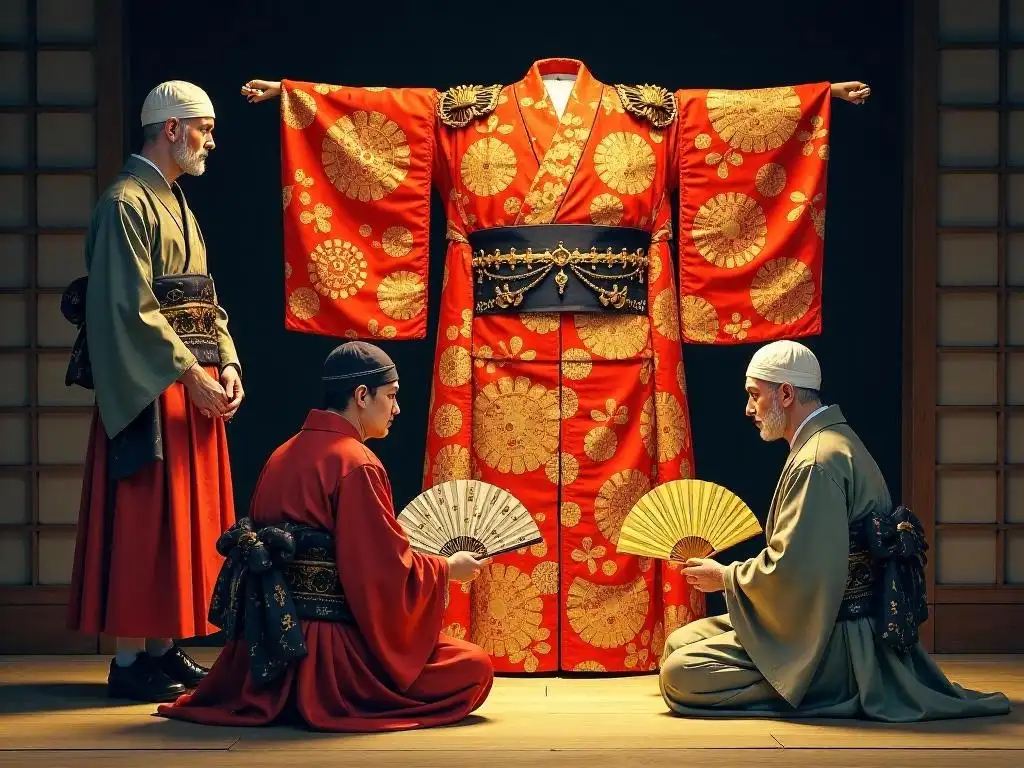
Historical Context of Edo Period Story Narratives
The Edo period (1603-1868) was a transformative era in Japan that fostered a unique cultural environment where storytelling flourished. This period, marked by relative peace under the Tokugawa shogunate, saw an increase in urbanization, literacy, and the rise of a merchant class that craved entertainment and education. As a result, storytelling became a vital means of expressing societal values, historical events, and the everyday lives of people.
During this time, the importance of storytelling was not merely for entertainment; it served as a vehicle for moral instruction and a reflection of the complexities of Edo society. The narratives often intertwined Japan's rich history with the aspirations and struggles of its people, offering insights into their fears, dreams, and societal norms. The Edo period's storytelling was heavily influenced by the socio-political climate, leading to themes of loyalty, honor, and the human experience.
Moreover, the emergence of new forms of media, such as books and theater, significantly expanded the scope and reach of storytelling. The proliferation of printed materials, including novels and illustrated books, allowed for a wider audience to engage with these narratives. This evolution in storytelling not only preserved historical accounts but also reinvented them to resonate with contemporary audiences.
Significant Storytelling Forms in the Edo Period
Kabuki Theater
Kabuki theater emerged as one of the most popular forms of storytelling in the Edo period. Originating in the early 17th century, Kabuki is a dynamic blend of drama, music, and dance, characterized by its elaborate costumes and stylized performances. The narratives often revolved around historical events, moral dilemmas, and the lives of kabuki actors themselves, creating a meta-narrative that resonated with audiences.
The significance of Kabuki lies in its ability to convey complex emotions and societal issues through exaggerated performances and striking visual elements. For example, plays like "Kanadehon Chūshingura" (The Treasury of Loyal Retainers) dramatize the themes of loyalty and revenge, reflecting the bushido code of conduct that was revered during the Edo period. The stories told through Kabuki not only entertained but also provided moral lessons and cultural reflections that have persisted through generations.
Ukiyo-e Prints and Their Stories
Ukiyo-e, meaning "pictures of the floating world," refers to a genre of Japanese art that flourished during the Edo period, primarily through woodblock prints. These artworks were not just decorative; they told stories that encapsulated the life and culture of the time. Artists like Hokusai and Hiroshige created vibrant prints depicting landscapes, kabuki actors, and beautiful women, each imbued with narratives that reflected both the fleeting pleasures and the transient nature of life.
The significance of Ukiyo-e in storytelling is evident in how these prints captured the essence of Edo's urban culture. They often depicted scenes from popular literature, theater, and everyday life, allowing viewers to engage with the narratives visually. The prints served as a bridge between the elite and the common people, making stories accessible and fostering a shared cultural understanding.
Oral Traditions and Folktales
Oral traditions and folktales played a crucial role in the storytelling landscape of the Edo period. These narratives were typically passed down through generations, preserving the cultural heritage and wisdom of rural communities. Folktales often featured supernatural elements, moral lessons, and local legends, reflecting the beliefs and values of the society.
The significance of these oral stories lies in their ability to provide a sense of identity and continuity within communities. Storytellers, known as "rakugoka," would engage audiences with their performances, weaving intricate narratives that resonated with listeners. This oral tradition not only kept cultural practices alive but also adapted to the changing times, incorporating contemporary issues and themes into traditional tales.
The Edo period storytelling forms—Kabuki theater, Ukiyo-e prints, and oral traditions—represent the cultural richness and diversity of this era. Each form contributed uniquely to the narrative tapestry of Edo Japan, embodying the values, struggles, and joys of its people while ensuring that stories continued to shape societal norms and cultural identity.
Thematic Elements of Edo Period Storytelling
The Edo period (1603-1868) was a time of significant cultural development in Japan, particularly in the realm of storytelling. This era saw the rise of various narrative forms, including literature, theater, and oral traditions, each reflecting the complexities of society. The thematic elements of Edo period storytelling were rich and varied, often intertwined with moral, natural, and social narratives that conveyed both cultural values and everyday experiences.
Moral Lessons and Ethical Teachings
One of the most prominent features of Edo period storytelling was its focus on moral lessons and ethical teachings. Narratives often served as vehicles for imparting values such as loyalty, honor, and filial piety.
- Samurai Ethics: Many tales highlighted the bushido code, emphasizing virtues like courage, loyalty, and the importance of honor. For instance, stories of famous samurai, such as Minamoto no Yoshitsune, were used to teach integrity and valor.
- Confucian Values: Edo period storytelling incorporated Confucian ideals, which were particularly influential during this time. Stories often showcased the relationships between parents and children, emphasizing respect and duty.
- Fables and Folktales: Shorter narratives, such as fables and folktales, frequently concluded with a moral lesson. These stories were simple yet profound, making them accessible to all societal classes.
Example: The tale of "The Grateful Crane" teaches the value of gratitude and reciprocity, illustrating how kindness begets kindness.
The Role of Nature and the Supernatural
Nature and the supernatural were integral to Edo period storytelling, often serving as both settings and characters that influenced the narrative.
- Nature's Influence: Many stories portrayed nature as a living entity, reflecting the belief in animism prevalent in Japanese culture. These tales often illustrated the harmony between humanity and the natural world, emphasizing respect for the environment.
- Supernatural Elements: Folklore from the Edo period frequently included yōkai (supernatural creatures) and kami (deities), which added layers of meaning to the narratives. These elements not only entertained but also prompted reflections on the unseen forces that govern life.
- Seasonal Themes: Storytelling during the Edo period often aligned with seasonal changes, with narratives celebrating festivals and the beauty of nature. This connection fostered a deeper appreciation for the changing seasons and their impact on human life.
Example: The story of "Urashima Taro," where a fisherman encounters a turtle that takes him to an underwater palace, explores themes of time, nature, and the supernatural.
Depictions of Daily Life in Edo Society
Storytelling in the Edo period also provided a window into the daily lives of people, capturing the intricacies of society across different classes.
- Urban Life: Edo (modern-day Tokyo) was a bustling metropolis, and many stories depicted the lives of merchants, artisans, and samurai. These narratives often highlighted the vibrancy of urban culture and the dynamics of social classes.
- Rural Life: Conversely, stories from rural settings focused on the lives of farmers and their struggles. These tales often addressed the hardships of agrarian life, showcasing the resilience and resourcefulness of rural communities.
- Gender Roles: The narratives frequently explored the roles of women, portraying both traditional and progressive perspectives. Women in Edo stories often exhibited strength and agency, challenging societal norms while navigating their roles as mothers, wives, and workers.
| Aspect | Urban Life Depiction | Rural Life Depiction |
|---|---|---|
| Social Classes | Merchants and samurai interactions | Farmers and their community dynamics |
| Cultural Activities | Kabuki theater, tea ceremonies | Festivals, farming rituals |
| Gender Roles | Women's influence in commerce | Women's central role in family farming |
Through these storytelling elements, Edo period narratives not only entertained but also educated, reflected societal values, and preserved cultural heritage. The significance of storytelling during this era remains a crucial aspect of understanding the broader cultural history of Japan.
Key Figures in Edo Period Storytelling
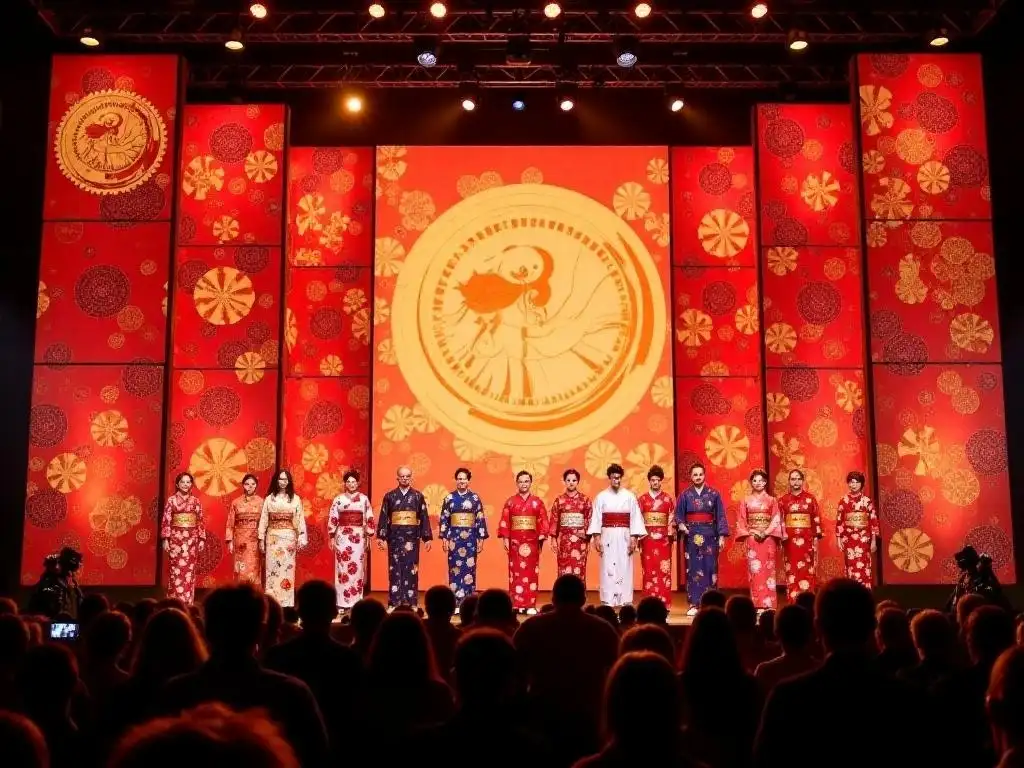
The Edo period (1603-1868) was a golden age for literature in Japan, marked by the emergence of several influential authors and playwrights who significantly shaped the landscape of storytelling. Among them, Saikaku Ihara stands out as a pioneer of the ukiyo-zōshi genre, which depicted the lives of the merchant class with vivid realism. His works, such as The Life of an Amorous Man, reflected the social dynamics of the time and the complexities of human relationships.
Another key figure is Chikamatsu Monzaemon, often referred to as the "Shakespeare of Japan." He was renowned for his bunraku (puppet theater) and kabuki plays, which infused emotional depth and psychological complexity into narratives. His masterpieces, like The Love Suicides at Sonezaki, explored themes of love, honor, and tragedy, resonating deeply with audiences and leaving a lasting legacy on Japanese theater.
Furthermore, Mizuno Kōdō contributed to the storytelling culture with his works that celebrated the lives of the samurai and the virtues of loyalty and bravery. His narratives not only entertained but also served to instill moral values among the populace, reinforcing the social order of the time.
Influence of Artists and Illustrators
The Edo period storytelling was not only shaped by authors but also significantly influenced by artists and illustrators who brought narratives to life through visual art. Ukiyo-e, a genre of woodblock prints, played a crucial role in complementing literary works. Artists like Hokusai and Hiroshige created stunning illustrations that depicted scenes from popular stories, enhancing the audience’s experience and understanding of the narratives.
These visual representations often highlighted key moments in stories, making them accessible to a wider audience, including those who were illiterate. The collaboration between writers and artists led to a rich cultural tapestry where storytelling transcended written words, incorporating visual elements that captivated the imagination.
Moreover, the illustrations fostered a unique form of storytelling by themselves, conveying emotions, settings, and character dynamics without relying solely on text. This synergy between literature and visual art cemented the Edo period's status as a vibrant era of creativity and cultural expression.
Storytellers and Their Impact on Oral Traditions
In addition to written works, oral storytelling thrived during the Edo period, with storytellers playing a pivotal role in preserving and disseminating cultural narratives. Rakugo, a form of sit-down comedy storytelling, emerged during this time, where performers would narrate humorous anecdotes and tales, often incorporating themes of daily life and societal issues. This art form not only entertained but also provided social commentary, allowing audiences to reflect on their own experiences.
Storytellers like Sanyutei Encho became prominent figures in Edo culture, captivating audiences with their engaging performances. The impact of these oral traditions extended beyond mere entertainment; they served as a medium for passing down folklore, historical events, and moral lessons from one generation to the next.
Furthermore, the communal aspect of storytelling fostered a sense of community, as audiences gathered to share in the experience. This tradition reinforced cultural values and collective identity, ensuring that the stories of the Edo period remained alive in the hearts and minds of the people. The significance of storytelling during this time cannot be overstated, as it played a crucial role in shaping societal norms and preserving the rich cultural heritage of Japan.
Cultural Significance of Edo Period Storytelling
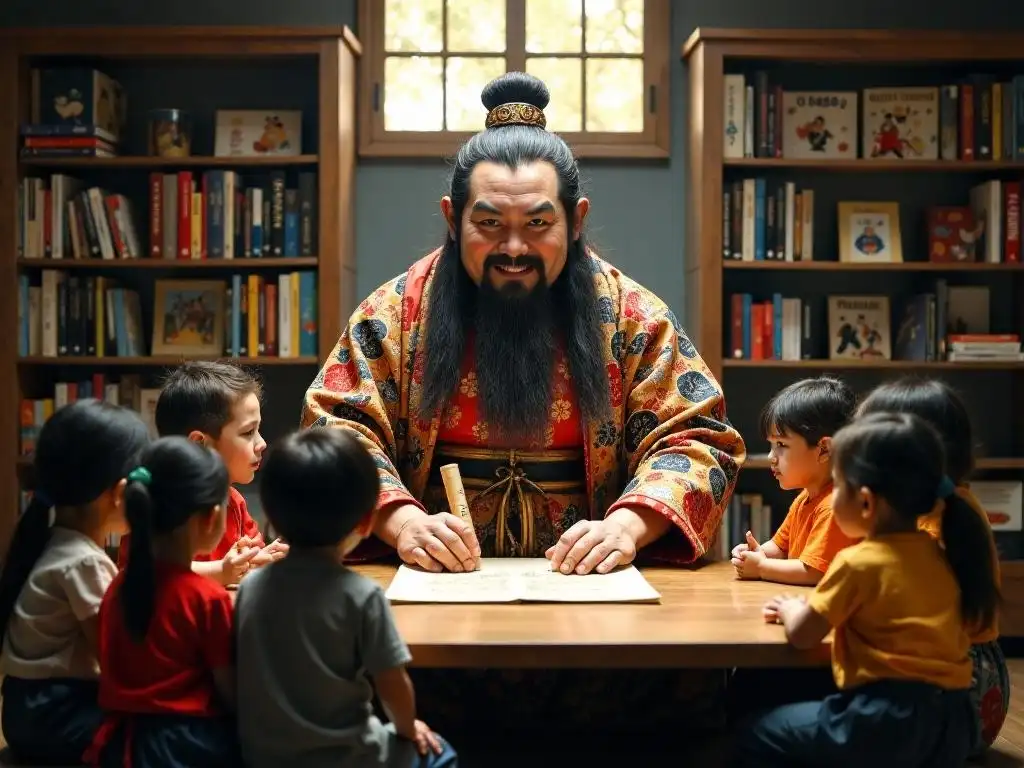
The Edo period, spanning from 1603 to 1868, marked a transformative era in Japan's sociocultural landscape. One of the most prominent aspects of this period was the art of storytelling, which served not only as entertainment but also as a vital mechanism for cultural preservation, social critique, and community cohesion. The significance of Edo period storytelling lies in its multifaceted roles, shaping the identity of the time and influencing future generations.
Preservation of History through Narratives
Edo period storytelling played a crucial role in preserving history and cultural traditions. Oral narratives, often shared in public spaces or during community gatherings, enabled the transmission of historical events, legends, and folklore from one generation to the next.
- Folklore and Legends: Many stories featured legendary figures such as samurai, kabuki actors, and mythical creatures. These narratives encapsulated the values, beliefs, and social dynamics of the time, providing a window into the past.
- Written Forms: The rise of ukiyo-e (woodblock prints) and printed literature, such as narrative novels (e.g., Tale of the Heike), allowed for stories to reach wider audiences. This dissemination helped solidify a shared cultural narrative across various classes.
- Community Memory: Storytelling served as a communal memory bank, with tales often reflecting local histories, tragedies, and triumphs. As a result, the community's collective identity was maintained and reinforced through these narratives.
Beyond preserving history, Edo period storytelling acted as a powerful tool for social commentary. Through satire, allegory, and dramatization, storytellers addressed contemporary issues and critiqued societal norms.
- Critique of Authority: Many narratives subtly challenged the status quo and critiqued the governing Tokugawa shogunate. Storytellers used humor and exaggeration to expose corruption and inequality, providing a voice for the marginalized.
- Reflection of Class Struggles: Tales often depicted the lives of the lower classes, showcasing their struggles and aspirations. This not only provided entertainment but also ignited discussions about social justice and equity among listeners.
- Cultural Commentary: Storytelling highlighted cultural shifts, such as the rise of the merchant class and changing gender roles. Through characters and plotlines, audiences engaged with the evolving dynamics of Edo society.
The Role of Storytelling in Community Building
Edo period storytelling was not merely an individual pursuit; it was a communal activity that fostered connections among people. The shared experience of storytelling contributed significantly to community building.
- Gathering Spaces: Storytelling often took place in public venues like temples, marketplaces, and teahouses, where individuals from various backgrounds came together. These gatherings fostered a sense of unity and belonging.
- Cultural Festivals: Festivals often featured storytelling as a central element, reinforcing communal ties and cultural heritage. Events like the Gion Matsuri included performances that narrated local myths and historical events, strengthening community bonds.
- Interpersonal Relationships: The act of listening and sharing stories cultivated interpersonal relationships, allowing individuals to connect over shared experiences and values. This communal aspect of storytelling reinforced social networks and cultural identity.
The significance of Edo period storytelling extends well beyond mere entertainment. It served as a vital cultural pillar that preserved history, critiqued societal norms, and fostered community connections. The narratives of this era not only shaped the lives of those who lived during it but continue to resonate in Japan's cultural consciousness today.
The Legacy of Edo Period Storytelling
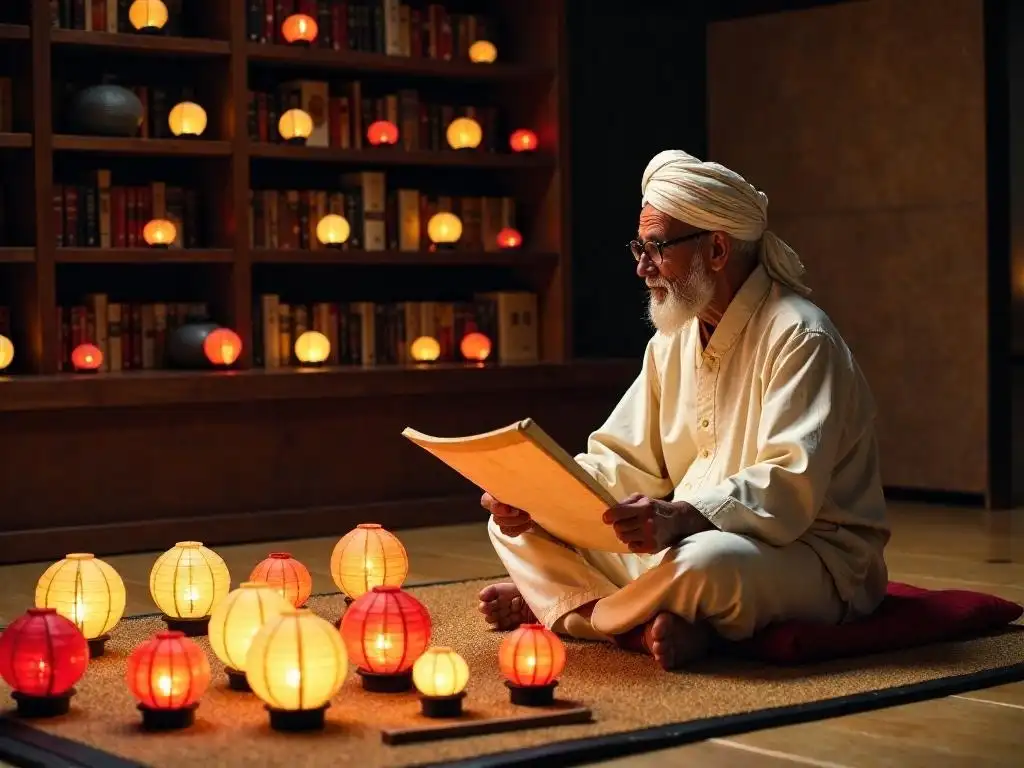
Influence on Modern Japanese Literature and Arts
The storytelling traditions of the Edo period (1603-1868) have left an indelible mark on modern Japanese literature and arts. This era was characterized by a rich tapestry of narratives, ranging from the kabuki theater to ukiyo-e prints, each contributing to a unique cultural identity that resonates to this day.
- Literary Forms:
- Nihonmachi: A genre focused on urban life, reflecting the bustling environment of Edo (now Tokyo). This literary form laid the groundwork for contemporary urban novels.
- Yomihon (Reading Books): These illustrated novels provided an immersive experience and influenced modern manga and light novels, which often draw on themes of adventure and romance.
- Theatrical Influence:
- Kabuki: The elaborate storytelling of kabuki plays, with their dramatic plots and vibrant characters, has inspired modern theater and film. Directors like Akira Kurosawa have drawn on kabuki elements to create visually stunning narratives.
- Noh: The use of symbolism and slow-paced storytelling in Noh theater has influenced contemporary performance art, encouraging artists to explore deeper emotional and philosophical themes.
- Visual Arts:
- Ukiyo-e: These woodblock prints, depicting scenes from everyday life and folklore, have not only influenced Japanese art but have also captivated Western artists like Vincent van Gogh, who incorporated their aesthetics into his work.
The significance of Edo period storytelling extends beyond mere entertainment; it has shaped the very fabric of modern Japanese culture by providing foundational themes and narrative techniques that continue to inspire artists and writers.
Continued Relevance of Edo Narratives in Contemporary Culture
Edo period storytelling remains relevant in contemporary culture through various mediums that celebrate and reinterpret these historical narratives. This ongoing engagement can be observed in several key areas:
- Film and Television:
- Period Dramas: Many Japanese films and television shows revisit Edo narratives, portraying samurai tales, urban legends, and folk stories. Series like "Shinya Shokudo" blend modern life with historical storytelling elements, keeping Edo traditions alive.
- Literature:
- Retellings and Adaptations: Modern authors are increasingly drawing inspiration from the Edo period, retelling classic stories with contemporary twists. Notable works include those by Haruki Murakami, where he often weaves traditional motifs into modern narratives.
- Festivals and Events:
- Cultural Festivals: Events celebrating Edo culture, such as the Edo Wonderland in Nikko, allow visitors to experience storytelling in action through reenactments and performances, bridging the gap between the past and present.
- Education and Academia:
- Scholarly Research: Ongoing academic interest in Edo storytelling leads to increased awareness and appreciation, fostering discussions that enrich understanding of Japan's cultural heritage.
Thus, the Edo period's storytelling significance is a living legacy that informs various aspects of contemporary Japanese life, ensuring that these narratives continue to resonate with new generations.
Challenges in Preserving Edo Storytelling Traditions
Despite the enduring legacy of Edo period storytelling, several challenges threaten the preservation of these traditions:
- Cultural Modernization:
- As Japan rapidly modernizes, traditional storytelling forms may struggle to maintain their relevance. The allure of digital media often overshadows classic narratives, leading to a decline in interest among younger audiences.
- Language Barriers:
- The language of Edo period texts can be archaic and difficult for contemporary readers to access. This can hinder the appreciation and understanding of these stories, necessitating translations that may lose some cultural nuances.
- Loss of Performative Spaces:
- The decline of traditional theaters and performance spaces diminishes opportunities for live storytelling experiences. As fewer actors are trained in these traditional forms, the art of live Edo narratives risks fading away.
- Commercialization:
- While commercialization can provide resources for preservation, it may also lead to the dilution of authentic narratives. The pressure to adapt stories for mass appeal can result in significant alterations that stray from their original cultural significance.
While the Edo period storytelling traditions remain influential and relevant today, concerted efforts must be made to address these challenges. By embracing both traditional and modern methods of storytelling, Japanese culture can continue to celebrate and preserve its rich narrative heritage for future generations.
Conclusion: The Lasting Impact of Storytelling in Edo Culture
The Edo period, spanning from 1603 to 1868, was a transformative era in Japan's history, marked by a flourishing of arts and culture. The significance of storytelling during this time is profound, as it shaped not only entertainment but also the social and political consciousness of the Japanese people. Edo period storytelling significance can be seen through various mediums, including narrative art, theater, and literature, each reflecting the values, beliefs, and experiences of society.
Summary of Edo Period Storytelling Significance
Storytelling in the Edo period played a crucial role in preserving history, culture, and moral values. Notably, the rise of ukiyo-e (floating world pictures) and kabuki theater provided platforms for narrating tales of heroes, folklore, and everyday life. These art forms allowed for a rich exploration of themes such as love, honor, and conflict.
Key aspects of Edo storytelling include:
- Ukiyo-e: Artists like Hokusai and Hiroshige used woodblock prints to depict scenes from stories and legends, enhancing public engagement with cultural narratives.
- Kabuki Theater: This dramatic art form showcased elaborate performances based on historical events and popular tales, making stories accessible to a wide audience.
- Literature: Works like The Tale of Genji and The Tale of Heike were reinterpreted and popularized during the Edo period, fostering a deep appreciation for literary storytelling.
Through these mediums, storytelling became a vital tool for educating the populace and instilling a sense of identity and continuity within Japanese culture.
Reflection on the Importance of Historical Narratives in Understanding Edo Culture
The narratives created during the Edo period are not merely tales for entertainment; they serve as vital historical documents that offer insights into the societal norms and values of the time. By examining these stories, we gain a deeper understanding of various aspects of Edo culture:
- Social Hierarchies: Many stories reflected the rigid class structures of the time, highlighting the roles and struggles of samurai, merchants, and commoners.
- Gender Roles: The portrayal of women in Edo stories often mirrored societal expectations, revealing the complexities of female experiences and their agency.
- Moral Lessons: Storytelling often included moral teachings, serving as a guide for ethical behavior and communal harmony.
The preservation of these narratives is essential for contemporary society, as they allow us to connect with the past and reflect on how historical values have shaped modern Japan. The Edo period storytelling significance lies in its ability to transcend time, enabling future generations to grasp the cultural heritage and complexities of their ancestors.
Storytelling in Edo culture is a rich tapestry that encapsulates the essence of a society undergoing transformation. Its lasting impact continues to be felt today, reminding us of the power of narratives to educate, entertain, and preserve the collective memory of a people.
Frequently Asked Questions
What was the significance of storytelling during the Edo period?
Storytelling in the Edo period served as a vital means of cultural expression, reflecting societal values and historical events through various forms like kabuki and narrative art.
How did storytelling influence Edo period society?
Storytelling shaped the moral values and social norms of Edo society, providing entertainment while also educating the public about historical figures and mythical tales.
What are some popular storytelling forms in Edo culture?
Popular forms included narrative storytelling (rakugo), theater (kabuki), and pictorial storytelling (emaki), each playing a crucial role in preserving and conveying cultural heritage.
Storytelling often highlighted the class distinctions of the time, with narratives showcasing the lives of both samurai and commoners, thus reinforcing or critiquing the feudal system.
What impact did storytelling have on the arts during the Edo period?
The arts flourished during the Edo period, with storytelling inspiring literature, visual arts, and performing arts, creating a rich tapestry of cultural creativity that is celebrated today.
Final Reflection: The Enduring Significance of Edo Period Storytelling
The Edo period's storytelling significance remains profoundly relevant today, as it shapes our understanding of cultural identity and collective memory. In a world increasingly dominated by digital narratives, the traditional art of storytelling offers a vital connection to our past, reminding us of the power of shared experiences and the lessons they impart. The stories from the Edo period not only entertain but also educate, serving as a bridge between generations and cultures.
Cultural narratives from the Edo period continue to resonate in contemporary society, influencing art, literature, and even modern media. The themes of resilience, morality, and community found in these stories are timeless, echoing in the narratives we create today. As the renowned author Haruki Murakami once said, Stories are the most important thing in the world. They are the only way we can understand each other.
This observation underscores the ongoing influence of Edo storytelling, as it fosters empathy and understanding in an increasingly fragmented world.
As we reflect on the lessons of Edo period storytelling, I invite you to consider how these narratives can inspire your own life. Embrace the art of storytelling in your daily interactions, whether through sharing personal experiences or engaging with the stories of others. By doing so, you not only honor the rich tradition of Edo culture but also contribute to a more connected and compassionate society. Let us carry forward the legacy of storytelling, ensuring that the wisdom of the past continues to illuminate our paths in the future.
Unveil the Richness of Edo Storytelling!
Thank you for immersing yourself in the captivating world of Edo culture! By exploring the art of storytelling, you've gained insights into how narratives shaped history and societal values. Now, it's time to take action and deepen your connection to these fascinating stories.
Here are a few steps you can take today:
- Dive into a traditional Edo story: Choose a renowned tale such as "The Tale of the Heike" or "The Tale of Genji" and experience the rich history through its narrative.
- Share your favorite Edo stories with friends or on social media to spark discussions and foster interest in Japanese history.
- Explore local cultural events: Seek out storytelling events or exhibitions that celebrate Edo heritage in your community, creating a bridge between the past and present.
What story resonates with you the most, and how does it reflect the values of today's society? We invite you to share your thoughts below!