
Kintsugi Workshops at Cultural Festivals: Finding Beauty in Imperfection

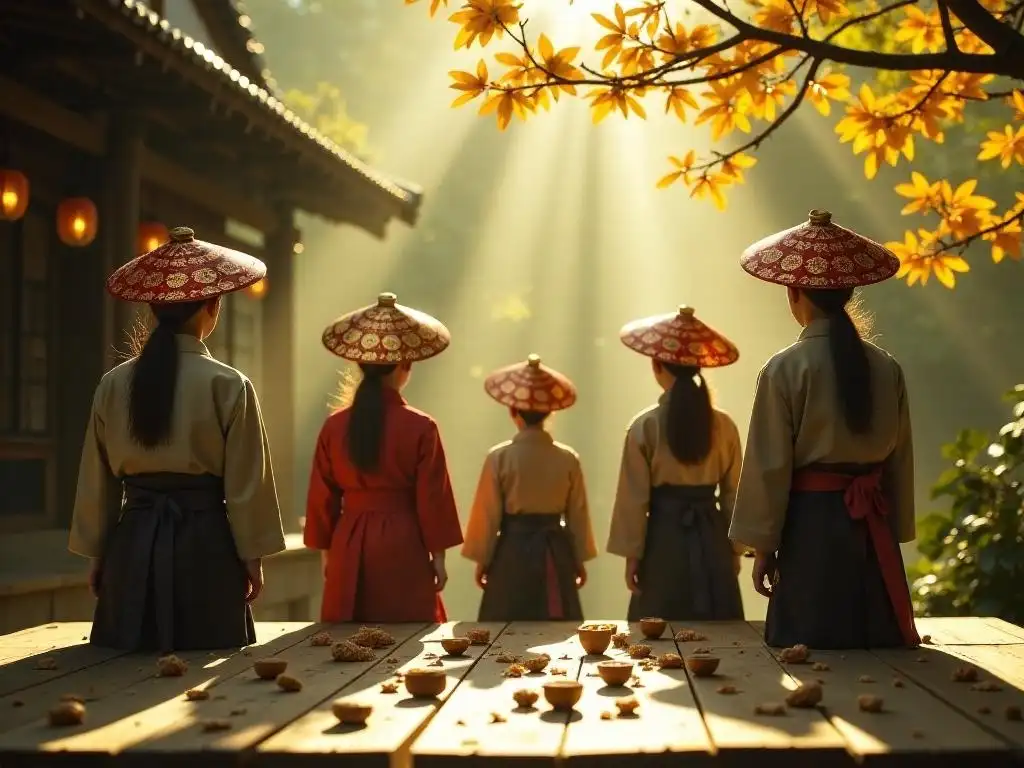
Welcome to Feudal Japan History, where we delve into the rich tapestry of Japan’s feudal era, unveiling the intricate threads of its historical, cultural, and societal narratives. In our latest article, we invite you to explore the enchanting world of Kintsugi workshops in Japan, where art meets philosophy in the celebration of imperfection. Discover how these workshops, often nestled within vibrant cultural festivals, offer not just a creative outlet but a profound lesson in resilience and beauty.
Are you ready to find out how the art of Kintsugi can transform brokenness into breathtaking masterpieces? Dive in and let your journey begin!
-
Kintsugi Workshops in Japan: Finding Beauty in Imperfection
- Introduction to Kintsugi and Its Cultural Significance
- The Rise of Kintsugi Workshops in Japan
- Exploring Kintsugi Workshops at Cultural Festivals
- Benefits of Participating in Kintsugi Workshops
- How to Find the Best Kintsugi Workshops in Japan
- Maximizing Your Kintsugi Experience at Cultural Festivals
- Additional Resources for Kintsugi Enthusiasts
- Final Thoughts on Kintsugi Workshops in Japan
- Frequently Asked Questions
- Final Reflection: Embracing Imperfection through Kintsugi
- Embrace the Art of Kintsugi: Transform Your Perspective!
Kintsugi Workshops in Japan: Finding Beauty in Imperfection
Kintsugi, the traditional Japanese art of repairing broken pottery with lacquer mixed with powdered gold, silver, or platinum, transcends mere restoration; it embodies a philosophy that finds beauty in imperfection and celebrates the history of an object. This ancient practice not only reflects Japan's cultural heritage but also serves as a poignant metaphor for resilience and the acceptance of flaws.
In recent years, Kintsugi workshops have gained immense popularity, particularly at cultural festivals across Japan, where participants can engage in this meditative craft. As travelers explore the rich tapestry of Japan’s feudal history, they discover that these workshops offer a unique opportunity to connect with the past while fostering a deeper appreciation for the artistry and philosophy that define Japanese culture.
Introduction to Kintsugi and Its Cultural Significance
Kintsugi, which translates to "golden joinery," originated during the 15th century in Japan and has since evolved into a revered art form. Instead of discarding broken pottery, artisans embraced the imperfections, repairing items in a way that enhances their beauty and tells a story. This practice reflects key aspects of Japanese aesthetics, such as wabi-sabi, which appreciates the beauty of transience and imperfection.
The cultural significance of Kintsugi extends beyond its visual appeal; it embodies a profound philosophy of life. By mending broken objects, practitioners highlight the idea that imperfections are not to be hidden but celebrated. This resonates deeply in a society that values harmony and resilience. As more people become aware of the emotional and philosophical dimensions of Kintsugi, the demand for workshops has surged, leading to a revival of this ancient craft at cultural festivals nationwide.
The Rise of Kintsugi Workshops in Japan
In recent years, Kintsugi workshops have become a hallmark of cultural festivals across Japan, attracting both locals and tourists eager to experience this unique art form. These workshops provide participants with the opportunity to learn from skilled artisans, who share their techniques and philosophies while guiding attendees through the repair process.
The rise of Kintsugi workshops can be attributed to several factors:
- Cultural Preservation: As Japan seeks to preserve its traditional arts, Kintsugi stands out as a practice that embodies historical significance and cultural identity.
- Therapeutic Experience: Many individuals find the process of repairing pottery to be meditative, allowing them to reflect on personal experiences and embrace their own imperfections.
- Increasing Interest in Craft: With the growing popularity of handmade crafts and DIY movements, Kintsugi workshops have become accessible to a wider audience, making this ancient art form relevant in contemporary society.
Through these workshops, participants not only learn about Kintsugi but also engage with the cultural heritage of Japan, fostering a deeper understanding of the values that shaped the feudal era and persist in modern times. The connection between crafting and cultural identity enriches the experience, making Kintsugi workshops a must-visit for those exploring Japan's vibrant cultural festivals.
Exploring Kintsugi Workshops at Cultural Festivals
Kintsugi, the Japanese art of repairing broken pottery with lacquer mixed with powdered gold, silver, or platinum, symbolizes beauty in imperfection and the acceptance of change. In recent years, Kintsugi workshops have gained immense popularity at cultural festivals throughout Japan, attracting both locals and tourists eager to engage in this traditional craft. These workshops not only provide participants with hands-on experience but also promote a deeper understanding of Japanese aesthetics and philosophy.
Cultural festivals often serve as vibrant platforms for showcasing Kintsugi workshops. Participants can learn from skilled artisans, explore the historical significance of Kintsugi, and appreciate the meditative process of mending broken objects. These workshops are typically integrated into broader cultural events that celebrate various aspects of Japanese heritage, including arts, crafts, food, and music.
Overview of Cultural Festivals Featuring Kintsugi Workshops
Numerous cultural festivals across Japan incorporate Kintsugi workshops, creating opportunities for individuals to explore this unique art form. Notable events include:
- Tokyo Traditional Crafts Fair: This annual event highlights various traditional Japanese crafts, including Kintsugi, where artisans demonstrate their techniques and offer workshops for visitors.
- Kyoto Kintsugi Festival: Held in the historic city of Kyoto, this festival focuses specifically on Kintsugi, featuring workshops led by master artisans who share their knowledge and techniques.
- Kanazawa Art and Craft Festival: Known for its rich artistic heritage, Kanazawa hosts workshops that allow participants to engage with local crafts, including Kintsugi, while learning about the city’s cultural significance.
These festivals not only celebrate the craftsmanship involved in Kintsugi but also emphasize the importance of sustainability and the philosophy of "wabi-sabi," which finds beauty in impermanence and imperfection.
Workshop Formats and Experiences
Kintsugi workshops vary in format and duration, catering to different skill levels and interests. Common workshop formats include:
- Introductory Sessions: These short workshops, typically lasting a few hours, provide participants with a basic understanding of Kintsugi and the opportunity to repair a small item, such as a teacup or plate.
- Extended Workshops: For those looking to delve deeper into the craft, extended workshops lasting a full day or multiple days are available. Participants engage in comprehensive training, learning the history, philosophy, and advanced techniques of Kintsugi.
- Demonstrations: Many festivals also feature live demonstrations by master artisans, allowing spectators to observe the intricate process of Kintsugi and ask questions about the craft.
Regardless of the format, participants leave these workshops with a newfound appreciation for the art of Kintsugi, along with a tangible piece of their own handiwork to cherish.
Benefits of Participating in Kintsugi Workshops
Participating in Kintsugi workshops offers a multitude of benefits, ranging from personal growth to cultural immersion. Engaging in this traditional craft fosters a connection to Japanese culture while encouraging individuals to embrace their own imperfections.
Personal Growth Through Kintsugi
One of the most profound benefits of Kintsugi workshops is the personal growth that participants experience. The act of repairing broken pottery serves as a metaphor for life's challenges and the importance of resilience. As participants engage in the meticulous process of mending their items, they learn to:
- Embrace Imperfection: Kintsugi teaches individuals to appreciate flaws and see beauty in what is typically considered broken, encouraging a shift in perspective.
- Practice Mindfulness: The process requires concentration and patience, promoting mindfulness as participants focus on the task at hand, leaving behind the distractions of daily life.
- Build Self-Confidence: Creating a unique piece of art empowers participants, fostering a sense of accomplishment and self-worth.
These experiences contribute to holistic personal development, making each workshop a transformative journey.
Cultural Immersion: Learning Japanese Traditions
Kintsugi workshops provide a unique avenue for cultural immersion, offering participants insights into Japanese traditions and philosophies. By engaging in this art form, individuals can:
- Understand the Philosophy of Wabi-Sabi: Workshops explore the concept of wabi-sabi, which celebrates the beauty of transience and imperfection, connecting participants to a core aspect of Japanese aesthetics.
- Appreciate Craftsmanship: Participants gain respect for the skills and techniques involved in Kintsugi, deepening their understanding of traditional Japanese crafts and the meticulous work that goes into each piece.
- Connect with Local Culture: Engaging with artisans and fellow participants fosters connections and conversations, allowing for a richer understanding of local customs and traditions.
Through these immersive experiences, Kintsugi workshops not only teach a skill but also cultivate a deeper appreciation for Japan's rich cultural heritage.
How to Find the Best Kintsugi Workshops in Japan
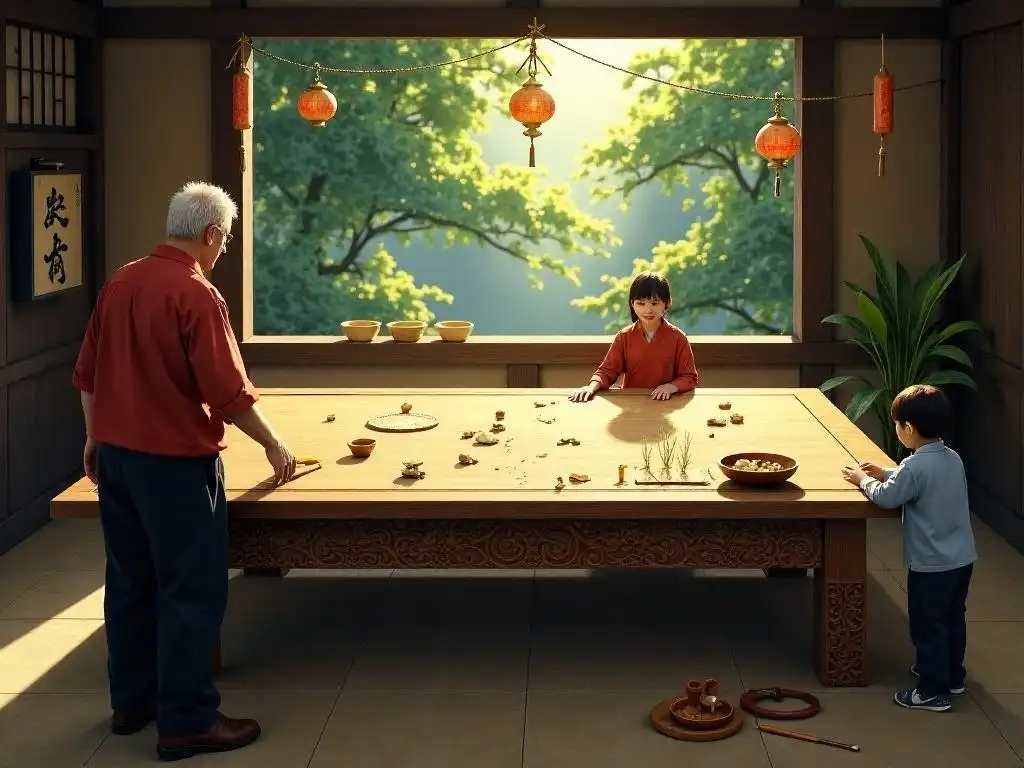
Finding the ideal Kintsugi workshop in Japan, a practice that embodies the philosophy of embracing imperfection, can enhance your cultural experience significantly. With numerous options available across the country, potential participants need to consider various factors to ensure they select a workshop that aligns with their interests and skill levels. Here are some strategies to help you locate the best Kintsugi workshops:
- Research Online: Utilize search engines and social media platforms to discover workshops. Websites dedicated to cultural experiences or travel often list popular Kintsugi workshops, along with participant reviews and ratings.
- Local Tourism Offices: Once in Japan, visiting a local tourism office can provide insights into workshops available in the area. They often have brochures or staff who can recommend reputable workshops.
- Cultural Festivals: Many cultural festivals feature Kintsugi workshops as part of their programs. Attending these festivals not only allows you to participate in the art of Kintsugi but also immerse yourself in the broader cultural activities.
- Word of Mouth: Engaging with fellow travelers or locals can yield valuable recommendations. Participating in online forums or travel groups can also provide insights into the best workshops based on firsthand experiences.
Factors to Consider When Choosing a Workshop
When selecting a Kintsugi workshop, several critical factors can influence your overall experience:
- Skill Level: Workshops cater to various skill levels, from beginners to advanced practitioners. Ensure the workshop matches your experience to gain the most from the session.
- Duration: The length of the workshop can vary significantly. Some may offer short sessions of a few hours, while others might span several days. Consider how much time you can dedicate to the experience.
- Instructor Expertise: Look for workshops led by experienced artisans. Research the background of the instructors to understand their qualifications and teaching style.
- Materials Provided: Check if the workshop provides all necessary materials, including pottery pieces, adhesives, and tools. Some workshops may allow you to bring your own items to repair, enhancing the personal touch.
- Location: Consider the workshop's location in relation to other attractions or accommodations. A convenient location can enhance your overall experience during your trip.
Recommended Kintsugi Workshops and Festivals
Here are some notable Kintsugi workshops and festivals that stand out in Japan:
- Kintsugi Experience in Kyoto: This workshop is famous for its immersive approach, allowing participants to learn the history and philosophy of Kintsugi while engaging in hands-on practice.
- Tokyo Kintsugi Studio: Located in the heart of Tokyo, this studio offers both private and group workshops, focusing on traditional techniques and modern interpretations of Kintsugi.
- Kintsugi Festival in Kanazawa: Held annually, this festival features various Kintsugi workshops alongside demonstrations by master artisans, providing a vibrant cultural experience.
- Nara Kintsugi Workshop: Set in the serene environment of Nara, this workshop combines Kintsugi with mindfulness practices, offering a unique approach that emphasizes the meditative aspects of the craft.
- Sapporo Cultural Festival: This festival incorporates Kintsugi workshops among its extensive cultural offerings, allowing participants to engage in multiple art forms while learning about Japanese heritage.
Maximizing Your Kintsugi Experience at Cultural Festivals
Cultural festivals provide a unique backdrop for Kintsugi workshops, combining art with the lively atmosphere of celebration. To make the most of your experience, consider the following:
Tips for Attending Kintsugi Workshops
- Arrive Early: Getting to the workshop early can give you time to settle in, explore the festival, and interact with fellow participants before the session begins.
- Ask Questions: Don’t hesitate to engage with the instructor and ask questions. This interaction can deepen your understanding of the techniques and philosophy behind Kintsugi.
- Experiment and Have Fun: Embrace the process of creation. Kintsugi is about finding beauty in imperfections, so allow yourself to explore and enjoy the art without fear of making mistakes.
- Document Your Experience: Take photos or keep a journal of your workshop experience. This documentation can serve as a cherished memory of your journey into the world of Kintsugi.
- Engage with Other Festival Activities: Take advantage of the various cultural offerings at the festival. This engagement will enrich your experience and deepen your appreciation for Japanese culture.
Conclusion: The Lasting Impact of Kintsugi on Visitors
Kintsugi workshops not only teach a valuable art form but also impart a profound philosophical message about embracing imperfections. For visitors to Japan, participating in these workshops at cultural festivals can foster a deeper connection to the country’s rich heritage. The skills learned and the experiences shared can leave lasting impressions, encouraging individuals to find beauty in their own imperfections long after they return home. Whether you are creating a unique piece of art or reflecting on the lessons learned, Kintsugi has the potential to transform perspectives and inspire creativity.
Additional Resources for Kintsugi Enthusiasts
For those looking to deepen their understanding and appreciation of Kintsugi, a variety of resources are available. Whether you're a beginner or an experienced practitioner, these resources can enhance your journey into this beautiful art form.
- Books:
- "Kintsugi: The Art of Embracing Damage" by Tomoko Kuroda: This book provides insights into the philosophy behind Kintsugi and offers practical tips for beginners.
- "The Wabi-Sabi House: The Japanese Art of Embracing Imperfection" by Robyn Griggs Lawrence: While not solely focused on Kintsugi, this book explores the broader concept of Wabi-Sabi, which underpins the Kintsugi philosophy.
- Online Courses:
- Udemy and Skillshare: Both platforms offer a variety of Kintsugi workshops, allowing you to learn from the comfort of your own home. Courses range from introductory sessions to advanced techniques, catering to different skill levels.
- Local Workshops:
- Beyond cultural festivals, many art studios across Japan host Kintsugi workshops. Check local community centers or art galleries for ongoing classes. Engaging in a hands-on workshop can provide invaluable experience.
- YouTube Tutorials:
- Various artisans share their techniques and philosophies through video tutorials. Channels dedicated to Japanese culture often feature Kintsugi, making it easy to visualize the process.
- Social Media Groups:
- Joining Kintsugi-focused groups on platforms like Facebook or Instagram can provide inspiration and a sense of community. Members often share their projects, tips, and experiences, which can be motivating for newcomers.
- Museums and Exhibitions:
- Many museums in Japan feature exhibitions dedicated to traditional crafts, including Kintsugi. Visiting these can provide a deeper appreciation for the craftsmanship involved.
Final Thoughts on Kintsugi Workshops in Japan
Kintsugi workshops in Japan offer a unique opportunity to engage with a centuries-old tradition that celebrates imperfection and resilience. These workshops not only teach participants the technical skills of repairing pottery but also impart a profound philosophy that resonates deeply with the Japanese culture.
Through the hands-on experience of Kintsugi, participants learn to appreciate the beauty of flaws, transforming broken objects into works of art that tell a story of their journey. This practice encourages mindfulness and reflection, making it a therapeutic endeavor as much as an artistic one.
As you explore Kintsugi workshops at cultural festivals, consider how this art form can influence your own perspective on life and the importance of embracing imperfections. The workshops foster connections among participants, creating a community that shares a common appreciation for beauty in brokenness.
Whether you're a traveler seeking new experiences or a local looking to explore cultural heritage, Kintsugi workshops in Japan provide a memorable and enriching experience. Embrace the opportunity to discover the art of Kintsugi and bring home not just a repaired piece of pottery, but a renewed outlook on life and its imperfections.
Frequently Asked Questions
What is Kintsugi?
Kintsugi is the Japanese art of repairing broken pottery with gold lacquer, celebrating the beauty in imperfections rather than hiding them.
Where can I find Kintsugi workshops in Japan?
You can find Kintsugi workshops at various cultural festivals throughout Japan, where artisans teach participants the traditional techniques of this unique craft.
What is the significance of Kintsugi in Japanese culture?
Kintsugi reflects the philosophy of embracing flaws and imperfections, symbolizing resilience and the idea that brokenness can be beautiful.
How long do Kintsugi workshops typically last?
Most Kintsugi workshops last between 2 to 4 hours, providing ample time for participants to learn the techniques and create their own repaired piece.
Can beginners participate in Kintsugi workshops?
Absolutely! Kintsugi workshops are designed for all skill levels, including beginners, allowing everyone to experience the transformative art of repairing pottery.
Final Reflection: Embracing Imperfection through Kintsugi
Kintsugi workshops in Japan resonate deeply with our contemporary quest for authenticity and resilience. In a world that often prioritizes perfection and uniformity, the art of Kintsugi reminds us that our flaws and scars can be sources of beauty and strength. This age-old practice not only transforms broken pottery into stunning works of art but also serves as a powerful metaphor for our own lives, encouraging us to embrace our imperfections and find value in our struggles.
Cultural festivals that feature Kintsugi workshops are more than just artistic endeavors; they are communal experiences that foster connection and healing. The act of repairing broken objects together allows participants to share their stories and vulnerabilities, creating a space where imperfection is celebrated rather than shunned. As the artist and philosopher Leonard Cohen wisely said, “There is a crack in everything. That’s how the light gets in.” This sentiment captures the essence of Kintsugi, illustrating how our brokenness can lead to profound beauty and understanding.
As you reflect on the lessons of Kintsugi, consider how you can apply this philosophy in your own life. Embrace your imperfections, share your stories, and allow the light to shine through your cracks. By participating in or even organizing Kintsugi workshops, you can contribute to a culture that values authenticity and resilience. Let us all take a moment to appreciate the beauty in our imperfections and inspire others to do the same, creating a world where every crack tells a story worth sharing.
Embrace the Art of Kintsugi: Transform Your Perspective!
Thank you for diving into the world of Kintsugi with us! By exploring the beauty in imperfection, you’ve unlocked a deeper understanding of both art and history. Now, it’s time to take that inspiration and turn it into action!
Here are a few practical ways you can continue your journey with Kintsugi and share its philosophy with others:
- Join a Kintsugi workshop at a local cultural festival or online. Experience the hands-on transformation of broken pottery into beautiful art pieces!
- Start a Kintsugi project at home by finding an old dish or object that needs mending. Embrace the imperfections and let your creativity flow.
- Share your Kintsugi story with friends and family on social media. Encourage others to see beauty in their own imperfections and foster a community of appreciation and creativity.
What aspect of your life could be beautifully transformed through the lens of Kintsugi? We would love to hear your thoughts in the comments!