
The Thrill of the Takayama Matsuri: A Festival of Artistry and Tradition

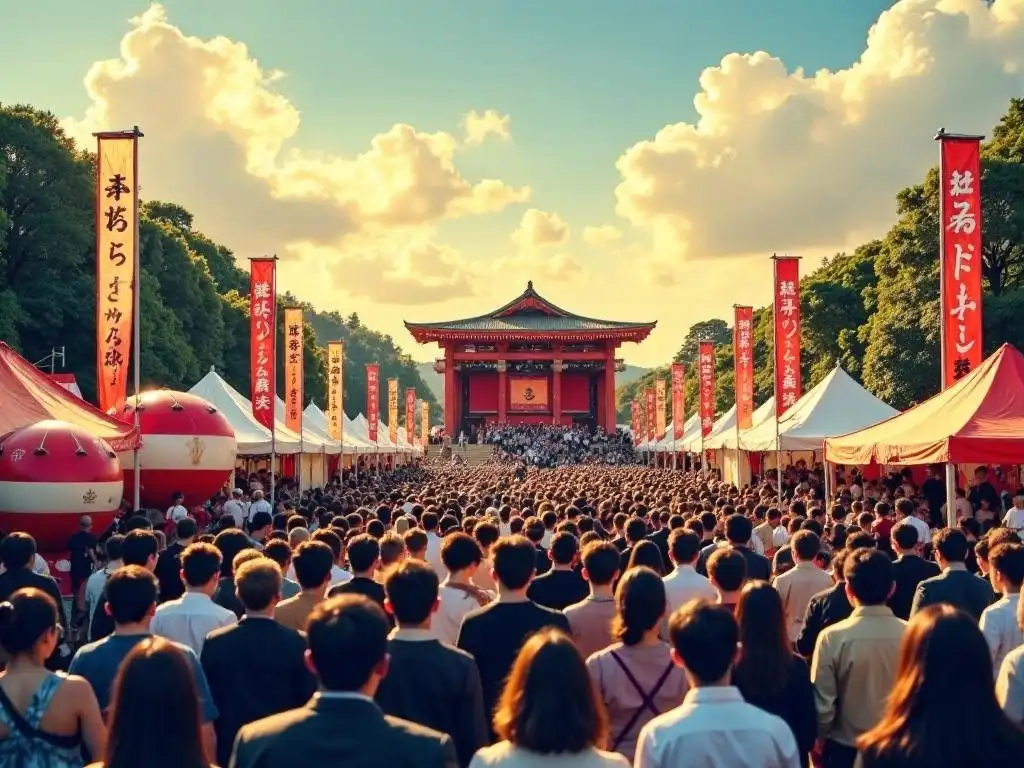
Welcome to Feudal Japan History, where we invite you to journey back in time to uncover the rich tapestry of Japan's feudal era. Here, history breathes life into the past, revealing the fascinating stories and cultural legacies that shaped a nation. In this exploration, we delve into the enchanting Takayama Matsuri festival history, a celebration that intertwines artistry and tradition with the vibrant essence of Japanese culture.
Prepare to be captivated as we unveil the intricate details and profound significance of this extraordinary festival—what draws visitors from around the world, and how it continues to resonate in today’s society. Your adventure into the heart of Japan’s historical wonders begins now!
- Introduction to the Takayama Matsuri Festival History
- Historical Background of the Takayama Matsuri
- Key Features of the Takayama Matsuri
- The Takayama Matsuri Festival Schedule and Events
- Experiencing the Takayama Matsuri: Travel Tips
- Practical Information for Festival Attendees
- Conclusion: The Lasting Impact of the Takayama Matsuri
- Call to Action: Plan Your Visit to the Takayama Matsuri
- Frequently Asked Questions
- Final Reflection: Celebrating Heritage Through the Takayama Matsuri
- Experience the Magic of Takayama Matsuri!
Introduction to the Takayama Matsuri Festival History
The Takayama Matsuri is not just a festival; it is a vibrant celebration that encapsulates the rich cultural tapestry of Japan's feudal era. Held twice a year in the picturesque town of Takayama, this festival showcases an impressive blend of artistry, tradition, and community spirit that has been preserved for centuries.
As we delve into the history of the Takayama Matsuri, we uncover its roots in the agricultural practices of the region, its evolution over time, and the significance it holds in contemporary Japanese society. This exploration offers insights into how the festival serves as a living testament to the craftsmanship, devotion, and cultural heritage of the Japanese people, making it a vital part of the nation's cultural festivals and events.
Overview of the Takayama Matsuri
The Takayama Matsuri, celebrated during the spring and autumn months, is renowned for its stunning floats, known as "yatai," which are adorned with intricate carvings and beautiful tapestries. Originating in the 16th century, the festival initially began as a grateful offering to the deities for a bountiful harvest. Over the years, this celebration has transformed into a grand spectacle, attracting thousands of visitors from both Japan and around the world.
- Key Features of the Festival:
- Yatai Floats: These elaborately decorated floats are the centerpiece of the festival, showcasing the exceptional craftsmanship of local artisans.
- Traditional Performances: Accompanying the floats are traditional music and dance performances, which enhance the festive atmosphere.
- Cultural Displays: The festival offers a glimpse into Takayama's historical architecture and local customs, allowing attendees to immerse themselves in the region's cultural heritage.
The Takayama Matsuri is more than a mere event; it is a captivating journey through history that highlights the unity and resilience of the local community.
Significance of the Takayama Matsuri in Japanese Culture
The Takayama Matsuri holds profound significance in Japanese culture, representing a bridge between the past and the present. It embodies the values of respect, gratitude, and artistry that are deeply embedded in Japanese traditions. The festival not only revives historical practices but also fosters community bonding and pride among the residents of Takayama.
- Cultural Importance:
- Community Identity: The festival serves as a focal point for local identity, bringing together residents in a shared celebration of their heritage.
- Artisan Recognition: It provides a platform for local artisans to display their skills, ensuring that traditional crafts are passed down through generations.
- Tourism and Economy: As a major tourist attraction, the Takayama Matsuri contributes significantly to the local economy, promoting cultural exchange and awareness.
In essence, the Takayama Matsuri is a celebration of life, art, and community that resonates deeply within the heart of Japanese culture, making it an essential part of the country's cultural festivals and events. Through this festival, the spirit of feudal Japan continues to thrive, captivating the hearts of all who partake in its festivities.
Historical Background of the Takayama Matsuri
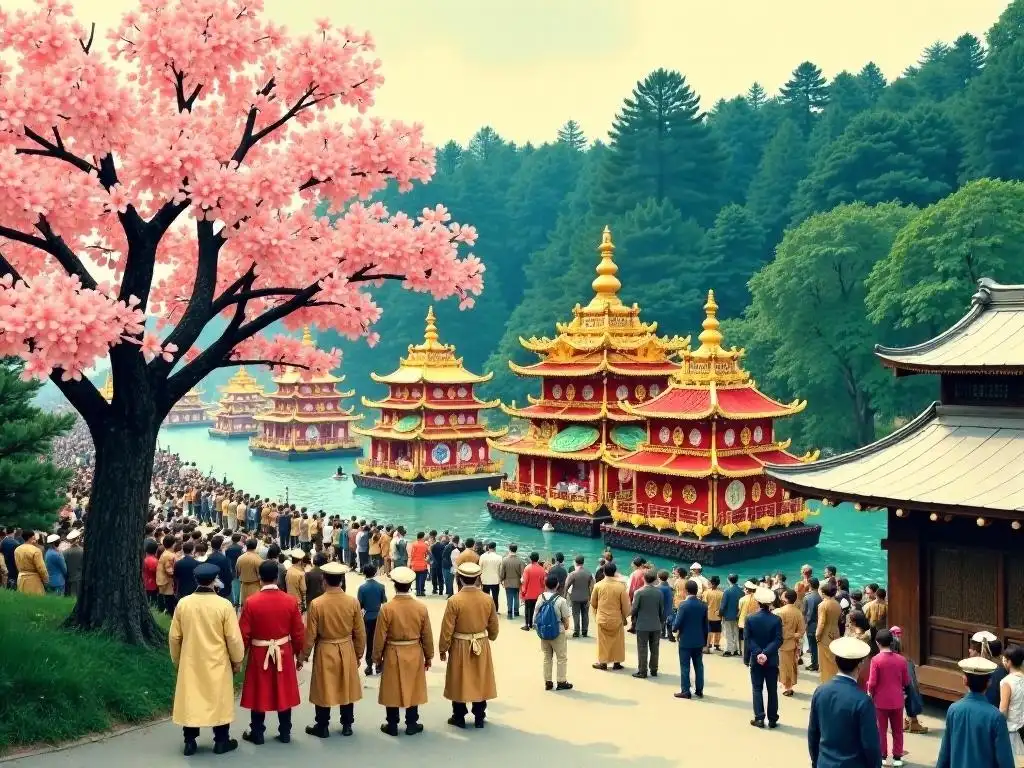
The Takayama Matsuri, one of Japan's most celebrated festivals, has a rich historical background that reflects the artistry and traditions of its time. This festival is rooted in the cultural tapestry of Takayama, a city nestled in the mountainous Hida region of Gifu Prefecture. Understanding the history of the Takayama Matsuri offers insight into its significance and the evolution of its customs and celebrations throughout the ages.
Origins of the Takayama Matsuri Festival
The origins of the Takayama Matsuri date back to the 16th century, around the year 1590. Initially, the festival was held to honor the deities of the Hie Shrine, with the first recorded celebration occurring around this time. The festival was originally a ritual to pray for a good harvest and to express gratitude to the gods for their blessings.
The festival's name, "Takayama Matsuri," translates to "Takayama Festival," emphasizing its deep connection to the local community and their reverence for nature and agriculture. The event traditionally features ornate floats, known as yatai, which are beautifully decorated with intricate carvings and tapestries, showcasing the craftsmanship of local artisans.
These floats are paraded through the streets of Takayama, accompanied by music, dance, and rituals that have been passed down through generations. The Takayama Matsuri is held twice a year, in spring and autumn, each with its own unique characteristics and floats, reflecting the changing seasons and the cyclical nature of life.
Evolution Through the Edo Period
During the Edo Period (1603-1868), the Takayama Matsuri underwent significant transformations that solidified its status as a cultural landmark. With the establishment of the Tokugawa shogunate, there was a greater emphasis on local governance and community identity. This period saw the emergence of a more organized festival structure, with designated floats representing different neighborhoods of Takayama.
The Edo Period also marked the introduction of theatrical elements to the festival, including Noh and Kabuki performances. These dramatic arts enhanced the festival's appeal and drew larger crowds, as people from surrounding regions traveled to Takayama to witness the festivities. The festival's floats became increasingly elaborate, featuring intricate designs and mechanisms that allowed for dynamic displays during the parades.
One of the most notable developments during this time was the integration of the Mikoshi, a portable shrine carried during the festival. This addition symbolized the presence of deities among the people, reinforcing the festival's spiritual significance and the connection between the community and the divine.
Influence of Feudal Japan on Festival Traditions
The cultural practices of Feudal Japan significantly influenced the traditions and rituals of the Takayama Matsuri. Feudal systems shaped the social structure and community dynamics, which, in turn, informed the festival's organization and participation.
During this era, the samurai class played a crucial role in the administration and cultural life of Japan. The samurai's appreciation for artistry and craftsmanship is evident in the intricate details of the festival floats. The rivalry between different clans also fostered a sense of competition, leading to more elaborate displays and performances during the festivities.
Furthermore, the emphasis on seasonal changes and agricultural cycles in feudal society is reflected in the timing of the Takayama Matsuri. By aligning the festival with the agricultural calendar, the community not only celebrated their harvests but also reinforced the importance of nature and its cycles within their cultural practices.
The Takayama Matsuri is a living testament to Japan's feudal history, showcasing how traditions have been shaped and transformed over centuries. The festival continues to be a vibrant celebration of artistry, spirituality, and community, drawing visitors from around the world to experience its rich cultural heritage.
Key Features of the Takayama Matsuri
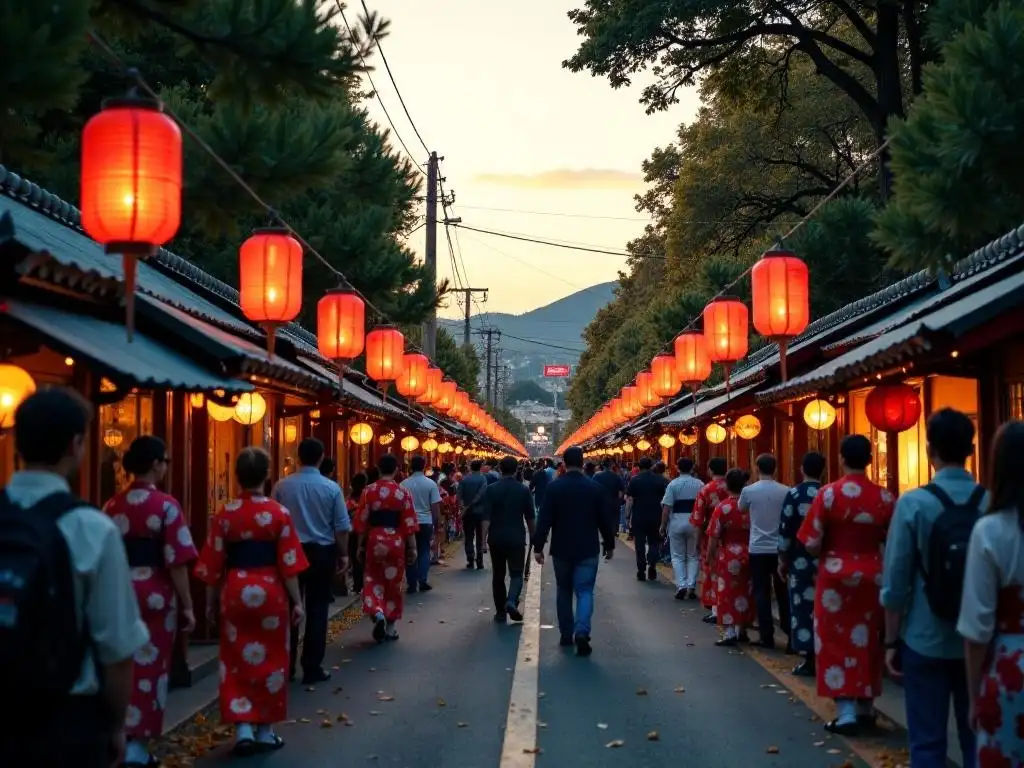
The Takayama Matsuri is renowned for its vivid representation of Japan's cultural heritage, showcasing a blend of artistry, tradition, and community spirit. This festival, celebrated in the picturesque town of Takayama, is not only a feast for the eyes but also a deep dive into the historical significance of the region. Below, we explore the key features that make the Takayama Matsuri a standout event in Japan's cultural calendar.
Stunning Yatai (Floats) and Their Craftsmanship
The heart of the Takayama Matsuri lies in its breathtaking yatai, or floats, which are elaborately decorated vehicles used in the festival parade. These floats are not merely transportation; they are a testament to the skilled craftsmanship that has been honed over centuries.
Artistry Behind the Takayama Matsuri Floats
Each yatai is a masterpiece, often featuring intricate carvings, vibrant fabrics, and detailed paintings. The artistry involved in creating these floats is an expression of local culture and tradition. Local artisans dedicate countless hours to the design and construction of these floats, employing techniques passed down through generations.
For instance, the yatai of the Takayama Matsuri can reach heights of up to 7 meters and weigh several tons, making their construction a significant undertaking. The floats often depict scenes from Japanese folklore, historical events, or religious motifs, adding layers of meaning to their visual appeal.
Materials and Techniques Used in Float Construction
The construction of the yatai involves a careful selection of materials, primarily wood, cloth, and metal. Traditional methods are emphasized, with many floats made using native woods such as cedar and cypress, which are abundant in the surrounding mountainous region.
- Woodworking Techniques: The floats are typically constructed using traditional Japanese woodworking methods, such as joinery, which requires no nails, allowing for a more flexible and durable structure.
- Textiles and Dyes: The vibrant fabrics used in the floats are often dyed using natural dyes, ensuring that the colors remain rich and vivid even after years of exposure.
- Decorative Elements: Elements such as lanterns, gold leaf, and elaborate tapestries adorn the floats, each crafted with meticulous attention to detail.
This combination of artistry and skilled craftsmanship makes each yatai not only a functional vehicle for the festival but also a celebrated work of art.
Traditional Performances and Cultural Exhibitions
In addition to the stunning floats, the Takayama Matsuri features a variety of traditional performances and cultural exhibitions that enhance the festival's atmosphere. These activities reflect the rich cultural tapestry of Takayama and offer attendees a glimpse into the region's heritage.
Music and Dance at the Takayama Matsuri
Music and dance play a vital role in the Takayama Matsuri, with performances that are both captivating and steeped in tradition. The festival includes the Yatai Matsuri Gaku, a type of traditional music performed during the procession.
- Instruments: Traditional instruments like the shamisen, flute, and drum are prominently featured, creating a lively and enchanting soundscape that accompanies the floats.
- Dance Performances: Various dance troupes perform throughout the festival, showcasing traditional dances such as the "Kagura," which is a sacred dance meant to appease the gods and bring good fortune.
These performances are not just entertainment; they serve to educate festival-goers about the historical and cultural significance of the region.
Role of Local Communities in Festival Activities
The Takayama Matsuri is a community-driven event, with local residents playing a crucial role in organizing and participating in the festivities. The festival fosters a sense of unity and pride among the townspeople, who collaborate to ensure its success.
- Volunteer Participation: Many locals volunteer as guides or performers, sharing their knowledge and traditions with visitors.
- Culinary Contributions: Local food stalls offer traditional Takayama cuisine, allowing attendees to indulge in culinary delights while supporting local businesses.
- Cultural Workshops: Throughout the festival, workshops are held where visitors can learn traditional crafts, such as calligraphy or pottery, further engaging with the cultural heritage of Takayama.
The involvement of the local community not only enriches the festival experience but also preserves the cultural traditions for future generations, solidifying the Takayama Matsuri's place in Japan's cultural landscape.
The Takayama Matsuri Festival Schedule and Events
The Takayama Matsuri is one of Japan's most celebrated festivals, held twice a year in the picturesque town of Takayama, nestled in the mountainous region of Gifu Prefecture. This festival, rich in history and tradition, showcases a vibrant tapestry of cultural heritage through its meticulously crafted floats, parades, and rituals. Understanding the festival's schedule and events is essential for anyone wishing to experience the Takayama Matsuri festival history in depth.
Spring and Autumn Festivals: What to Expect
The Takayama Matsuri occurs during two distinct seasons: the Spring Festival, known as Hachiman Matsuri, and the Autumn Festival, or Aki Matsuri. Each festival takes place over a two-day period, typically in April and October, attracting thousands of visitors from around the world.
- Spring Festival:
- Dates: Typically held on April 14 and 15.
- Highlights: This festival features stunning floats adorned with intricate carvings, beautiful tapestries, and even puppetry. The floats are paraded through the streets, creating a mesmerizing spectacle.
- Autumn Festival:
- Dates: Usually celebrated on October 9 and 10.
- Highlights: The Autumn Festival is known for its nighttime celebrations, where the floats are illuminated with lanterns, casting a magical glow over the town. This festival also showcases traditional music and dance performances.
Both festivals are characterized by a series of events that blend artistry with community spirit, allowing visitors to immerse themselves in the rich culture of Takayama.
Unique Events and Rituals During the Festival
The Takayama Matsuri is more than just a visual feast; it is steeped in unique events and rituals that reflect the community's history and beliefs.
Parades and Processions
One of the most captivating aspects of the Takayama Matsuri is the grand parades and processions featuring the floats, known as yatai. These floats, which can reach heights of up to 7 meters, are elaborately decorated and represent the different neighborhoods of Takayama.
- Float Characteristics:
- Each float is hand-crafted, showcasing the artistry of local artisans.
- The floats often feature remarkable mechanical puppets that perform traditional scenes during the procession.
- Parade Schedule:
- The parades typically occur in the late afternoon, with the highlight being the float displays followed by traditional music and dance performances.
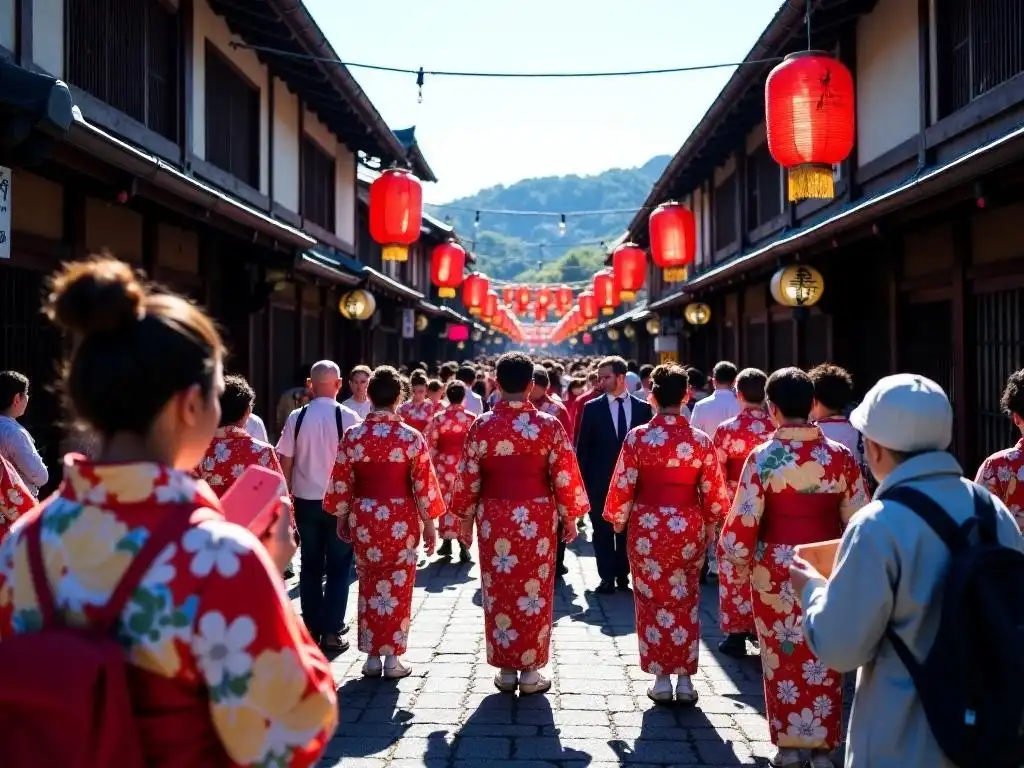
Visitors can also participate in the festivities by joining the locals in traditional attire, enhancing the immersive experience.
Ceremonial Offerings and Rituals
The Takayama Matsuri also includes a variety of ceremonial offerings and rituals that pay homage to the deities and ancestors of the town.
- Shrine Visits:
- The festival begins with a visit to the local shrines where offerings are made to ensure a successful harvest and blessings for the community.
- Rituals Involving Local Deities:
- Special ceremonies are conducted to honor the town’s patron deities, often accompanied by traditional music and dance.
These rituals are not only significant for their spiritual meaning but also for their role in preserving the cultural identity of Takayama.
The Takayama Matsuri is a vibrant celebration that highlights the artistry and traditions of the region through its schedule of events, parades, and unique rituals, making it a fascinating subject for anyone interested in the Takayama Matsuri festival history.
Experiencing the Takayama Matsuri: Travel Tips
Best Times to Visit Takayama for the Festival
The Takayama Matsuri, one of Japan's most celebrated festivals, occurs twice a year, in spring and autumn. Each season offers a unique experience, showcasing the artistry and traditions of the region.
- Spring Festival (Sanno Matsuri): Held on April 14th and 15th, this festival features beautifully decorated floats known as yatai, which are paraded through the streets. The spring festival is renowned for its stunning cherry blossoms, creating a picturesque backdrop for the events.
- Autumn Festival (Hachiman Matsuri): Occurring on October 9th and 10th, this festival is celebrated with equally impressive floats and performances. The autumn festival is particularly notable for its rich cultural displays, including traditional music and dance.
To fully experience the Takayama Matsuri, plan your visit around these dates. Booking accommodations well in advance is highly recommended, as the festival attracts visitors from all over Japan and beyond.
Accommodations and Local Attractions
Finding the right place to stay during the Takayama Matsuri can enhance your experience. Options range from traditional ryokan (Japanese inns) to modern hotels, all providing a glimpse into the local culture.
Recommended Hotels Near the Takayama Matsuri
Here are some highly-rated hotels conveniently located near the festival activities:
| Hotel Name | Type | Distance to Festival | Average Rate (per night) |
|---|---|---|---|
| Takayama Ouan | Ryokan | 0.5 km | ¥12,000 |
| Hodakaso Yamano Hotel | Hotel | 1 km | ¥15,000 |
| Ryokan Asunaro | Traditional | 0.3 km | ¥10,000 |
| Hotel Associa Takayama | Modern Hotel | 0.8 km | ¥14,000 |
These accommodations not only provide comfort but also offer local cuisine options that can enhance your cultural experience during the festival.
Nearby Cultural Sites to Explore
In addition to the Takayama Matsuri, the region is rich in cultural heritage. Consider exploring the following sites:
- Hida Folk Village (Hida no Sato): An open-air museum showcasing traditional thatched-roof houses from the Hida region, where visitors can learn about rural life in historical Japan.
- Takayama Jinya: A former government outpost during the Edo period, this historic site offers insights into the political and cultural climate of feudal Japan.
- Yatai Kaikan (Float Exhibition Hall): Here, you can see the festival floats up close, learn about their intricate designs, and discover the history behind the Takayama Matsuri.
- Sanmachi Suji District: A well-preserved area of traditional wooden houses, this district is perfect for strolling and immersing yourself in the ambiance of the Edo period.
By exploring these sites, you can gain a deeper appreciation for the cultural context surrounding the Takayama Matsuri and enrich your experience during your visit.
Practical Information for Festival Attendees
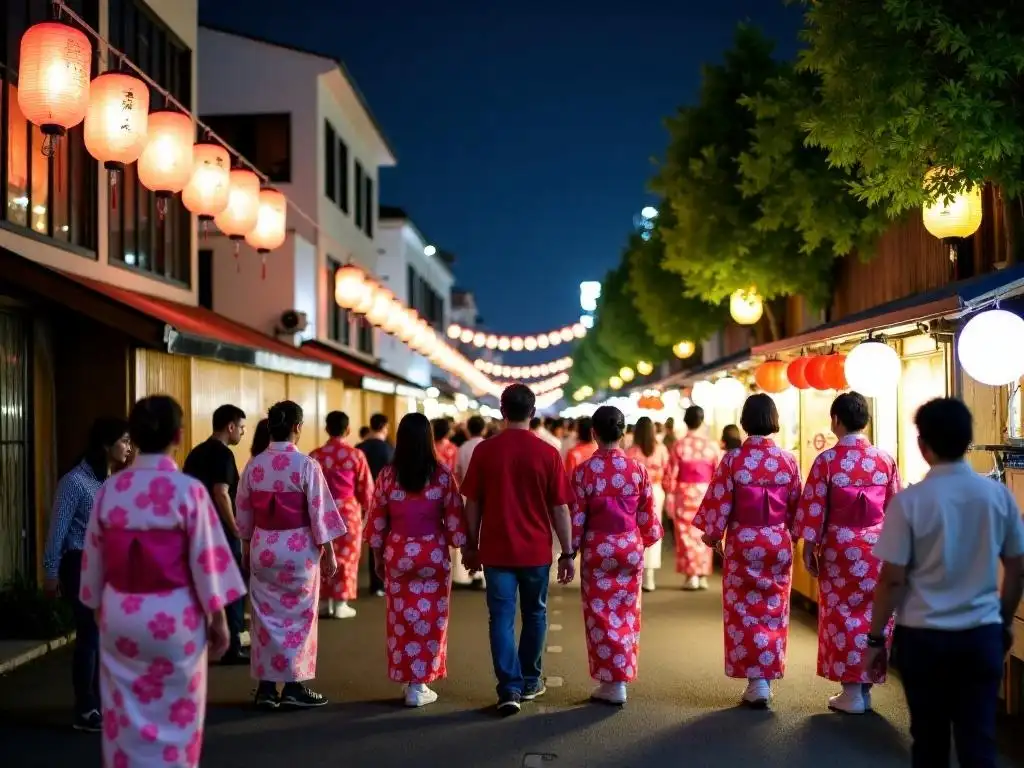
Attending the Takayama Matsuri is an enriching experience that combines artistry, tradition, and vibrant cultural displays. To ensure festival-goers make the most of this fascinating event, it's important to understand the logistics of getting there and what to bring along.
Transportation Options to Takayama
Getting to Takayama, a picturesque city in the mountainous Hida region, can be straightforward with the right planning. Here are the key transportation options available for attendees:
Getting to Takayama from Major Cities
- By Train:
- The most convenient way to reach Takayama is via the Hida Limited Express from Nagoya or Toyama.
- Duration: Approximately 2.5 hours from Nagoya and 1.5 hours from Toyama.
- Cost: Around ¥5,000 from Nagoya and ¥3,500 from Toyama.
- By Bus:
- Highway buses connect Takayama with major cities like Nagoya, Kanazawa, and Matsumoto.
- Duration: About 4 hours from Nagoya and 2.5 hours from Kanazawa.
- Cost: Approximately ¥3,500 from Nagoya and ¥2,500 from Kanazawa.
- By Car:
- Renting a car can be an enjoyable way to explore the scenic routes leading to Takayama, especially during cherry blossom season or autumn foliage.
- Travel Time: Around 3 hours from Nagoya via the Tokai-Hokuriku Expressway.
- Domestic Flights:
- While Takayama does not have an airport, the nearest airport is Toyama Airport. From there, public transport options such as buses or rental cars can be used to reach Takayama.
Public Transportation Tips During the Festival
- Local Buses: Takayama’s local bus service is reliable and covers key areas, including the festival venues.
- Festival Shuttle Buses: During the Takayama Matsuri, special shuttle buses operate to facilitate transport between the main festival sites.
- Walking: The festival area is pedestrian-friendly, making it easy to explore on foot. Be prepared for some crowds, as many attendees will be walking to and from events.
- Timely Arrivals: Ensure to arrive early, especially for the main events, as popular viewing spots can fill up quickly.
Essential Items to Bring for Festival Enjoyment
To maximize your enjoyment of the Takayama Matsuri, consider packing the following essential items:
- Cash: While many vendors may accept cards, cash is preferred at stalls and local shops.
- Comfortable Footwear: With a lot of walking and standing, comfortable shoes are essential for enjoying the festival without discomfort.
- Weather-Appropriate Clothing: Check the forecast ahead of time. Layers are advisable, as spring and autumn temperatures can vary significantly.
- Portable Charger: Keep your devices charged for capturing memories and staying connected.
- Camera: With the stunning floats and vibrant atmosphere, a camera or smartphone is a must for photography enthusiasts.
- Water Bottle: Stay hydrated, especially if you plan to be outdoors for extended periods.
- Festival Map: Grab a map at the information booth to navigate the various event locations and activities efficiently.
By following these guidelines, attendees can fully immerse themselves in the rich tapestry of culture and tradition that the Takayama Matsuri offers, ensuring a memorable festival experience.
Conclusion: The Lasting Impact of the Takayama Matsuri
The Takayama Matsuri, celebrated twice a year, stands as a testament to Japan’s rich cultural heritage and artistry. This festival is not merely a local event; it encapsulates centuries of tradition, craftsmanship, and communal spirit. Its enduring legacy has solidified its position as one of Japan's most significant festivals, attracting both local and international visitors who seek to immerse themselves in its vibrant atmosphere.
Through the intricate floats, elaborate costumes, and traditional performances, the Takayama Matsuri reveals the deep-rooted values and history of the region. The festival serves as a living museum, where each element tells a story of Japan's feudal past, showcasing the artistry of the craftsmen and the devotion of the community to preserve these traditions.
As we reflect on the Takayama Matsuri's impact, it becomes evident that this festival is not only about celebration but also about the commitment to maintaining cultural identity and heritage in a rapidly changing world.
The Takayama Matsuri's Role in Preserving Japanese Heritage
The Takayama Matsuri plays a pivotal role in the preservation of Japanese heritage, serving as a bridge between the past and present. The festival is deeply rooted in the local Shinto beliefs, where it is believed that the deities of the Yatai (floats) protect the community. This spiritual connection fosters a sense of unity and identity among the participants, reinforcing the importance of tradition in contemporary society.
The floats, intricately designed and constructed by local artisans, represent a unique blend of artistic expression and historical significance. Each float is adorned with detailed carvings, textiles, and mechanisms that reflect the craftsmanship of the Edo period. The skills required to create these floats are passed down through generations, ensuring that traditional techniques are not lost in modernity.
Moreover, the Takayama Matsuri promotes local culture through various performances, such as the "Kagura" dance, which has been performed for centuries. These performances are not just entertainment; they are a form of storytelling that conveys the history and mythology of the region. By engaging the audience in these narratives, the festival keeps the cultural memory alive, fostering a sense of pride and belonging among the community.
In addition to art and performance, the festival also emphasizes culinary heritage. Traditional foods, such as Hida beef and Takayama ramen, are showcased during the event, allowing visitors to experience the flavors of the region. This gastronomic aspect further enriches the cultural tapestry of the Takayama Matsuri, making it a holistic celebration of heritage.
Future of the Takayama Matsuri in Modern Japan
As Japan continues to evolve, the future of the Takayama Matsuri remains bright, albeit with certain adaptations to keep pace with modern society. The festival has begun to embrace technology and social media, utilizing these platforms to reach a broader audience. This shift not only promotes the festival but also encourages younger generations to engage with their cultural heritage in new and innovative ways.
Furthermore, the festival organizers are mindful of sustainability issues. Efforts are being made to ensure that the festival's practices, such as float construction and waste management, are environmentally friendly. This approach not only preserves the festival's integrity but also aligns with global trends toward sustainability, appealing to eco-conscious tourists.
The inclusion of international influences has also started to shape the Takayama Matsuri, with collaborations and exchanges fostering a dialogue between cultures. While maintaining its traditional essence, the festival is open to new ideas that can enrich its offerings without compromising its core values.
The Takayama Matsuri festival history is not just an account of past events but a living tradition that adapts and thrives in modern Japan. As it continues to captivate audiences, the festival stands as a powerful reminder of the importance of cultural preservation and community spirit, ensuring that the artistry and traditions of Japan endure for future generations.
Call to Action: Plan Your Visit to the Takayama Matsuri
The Takayama Matsuri is more than just a festival; it’s a vibrant celebration of Japan’s rich cultural heritage, drawing thousands of visitors annually. To truly immerse yourself in the artistry and tradition of this event, planning your visit is essential. Here’s how you can ensure an unforgettable experience at the Takayama Matsuri.
Resources for Booking Travel and Accommodations
When planning your trip to the Takayama Matsuri, consider the following resources for travel and accommodation:
- Travel Agencies: Many agencies offer tailored packages specifically for the Takayama Matsuri. These packages often include guided tours, festival tickets, and transportation.
- Online Travel Platforms: Websites like Expedia or Booking.com provide a wide range of accommodation options, from traditional ryokans to modern hotels, ensuring you find the perfect stay.
- Local Tourist Information: The Takayama tourism office offers valuable insights into local accommodations, dining options, and festival schedules, making it a helpful resource for visitors.
Recommended Travel Packages for Takayama Matsuri
Several travel packages cater specifically to festival-goers, providing a seamless experience. Here are some options to consider:
- Cultural Experience Packages: These packages typically include guided tours of Takayama’s historical sites, as well as participation in traditional craft workshops.
- Luxury Stay Packages: Enjoy a more upscale experience with luxury accommodations, fine dining, and exclusive access to festival events.
- Family-Friendly Packages: Designed for families, these packages often include activities suitable for all ages, making the festival enjoyable for everyone.
| Package Type | Description | Price Range |
|---|---|---|
| Cultural Experience | Guided tours + workshops | $200 - $500 |
| Luxury Stay | Premium accommodation + dining | $300 - $700 |
| Family-Friendly | Activities for all ages + festival access | $150 - $400 |
Links to Affiliate Services for Travel and Accommodation
To assist in your planning, consider utilizing these affiliate services that offer reliable travel and accommodation options:
- Travelocity: Great for booking flights and hotels with user-friendly filters to find the best deals.
- Airbnb: Offers unique stays in local homes, providing an authentic experience during the festival.
- Klook: This platform often features special deals for festivals, including tickets and guided tours specifically for the Takayama Matsuri.
By leveraging these resources and packages, you can ensure a well-organized visit to the Takayama Matsuri, allowing you to focus on enjoying the rich tapestry of art, culture, and community that this historic festival offers.
Frequently Asked Questions
What is the Takayama Matsuri festival?
The Takayama Matsuri is a biennial festival held in Takayama, Japan, celebrated for its stunning floats and vibrant cultural displays that showcase the artistry of the region.
When does the Takayama Matsuri take place?
The festival occurs in April and October each year, aligning with the changing of the seasons and local harvest cycles, making it a significant event in the feudal era tradition.
What are the main features of the Takayama Matsuri?
Key highlights include elaborately decorated yatai floats, traditional performances, and the procession of participants dressed in historical costumes, reflecting the festival's deep cultural heritage.
How does the Takayama Matsuri relate to feudal Japan?
The festival has roots in feudal Japan, originally a ritual for ensuring a good harvest, and has evolved to represent the artistry and community spirit of the local people throughout the centuries.
Why is the Takayama Matsuri considered significant today?
Today, the Takayama Matsuri is recognized not only for its beauty and cultural significance but also as a vital link to Japan’s historical identity, attracting visitors from around the world to experience its rich traditions.
Final Reflection: Celebrating Heritage Through the Takayama Matsuri
The Takayama Matsuri stands as a vibrant testament to the artistry and tradition that define Japanese culture, intertwining history with the present in a celebration that captivates both locals and visitors alike. As we delve into the rich tapestry of the festival's history, we recognize its profound relevance today, reminding us of the importance of preserving cultural legacies in an ever-evolving world. The Takayama Matsuri is not just a festival; it is a living narrative that continues to inspire awe and admiration.
The influence of the Takayama Matsuri extends far beyond its picturesque floats and elaborate performances; it serves as a cultural anchor for the community, fostering a sense of belonging and continuity. The festival's ability to unite generations and celebrate shared heritage is invaluable. Tradition is not the worship of ashes, but the preservation of fire.
This quote resonates deeply when we consider how the Takayama Matsuri ignites passion and pride among those who participate, ensuring that the flames of tradition burn brightly for years to come.
As we reflect on the lessons embedded in the Takayama Matsuri, let us embrace the opportunity to celebrate our own cultural narratives and traditions. I invite you to explore your heritage, engage with your community, and find ways to honor the stories that shape who you are. By doing so, we not only enrich our own lives but also contribute to a collective tapestry of human experience that transcends time and place. Together, let us keep the spirit of celebration alive, ensuring that the artistry and traditions of our past continue to inspire future generations.
Experience the Magic of Takayama Matsuri!
Thank you for diving into the vibrant world of Takayama Matsuri! You've explored the artistry and tradition that make this festival truly special. Now, it's time to take the excitement further and immerse yourself in this cultural celebration.
Here are some engaging next steps to connect deeper with Takayama Matsuri:
- Plan Your Visit: Take the leap and consider attending the next Takayama Matsuri to witness the artistry firsthand. Be sure to check the festival dates and explore various travel options!
- Share Your Experience: If you've attended the festival, share your memories and favorite moments in the comments or on social media using the hashtag #TakayamaMatsuri.
- Join a Local Cultural Event: Participate in a local Japanese cultural event or festival in your area to keep the spirit of Takayama alive and connect with fellow enthusiasts!
What aspect of Takayama Matsuri fascinates you the most, and how do you plan to delve deeper into it?