
The Shifting Allegiances During the Genpei War: A Timeline of Events

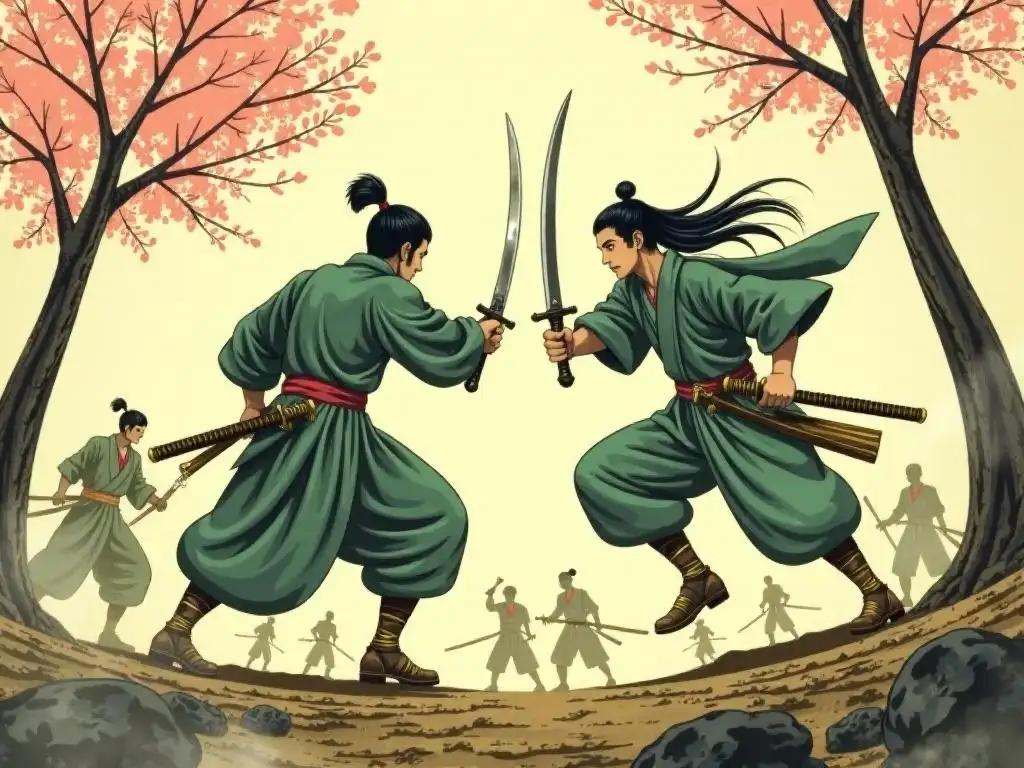
Welcome to Feudal Japan History, where the echoes of the past come alive! Immerse yourself in the intricate tapestry of Japan's feudal era, a time marked by power struggles, cultural evolution, and societal shifts. Our featured article, “The Shifting Allegiances During the Genpei War: A Timeline of Events,” offers a fascinating look at the pivotal moments and key figures that shaped this tumultuous period.
Why did allegiances shift like the wind? What were the underlying forces at play during the Genpei War? Join us as we unravel these mysteries and embark on a journey through time that promises to enlighten and captivate.
Introduction to the Genpei War Historical Timeline
The Genpei War, a pivotal conflict in late 12th century Japan, marked a significant turning point in the nation’s political landscape. This article presents a comprehensive historical timeline of events, shedding light on the intricate web of shifting allegiances that characterized this brutal civil war.
By examining the motivations, betrayals, and alliances formed during this tumultuous period, we can better understand how these dynamics not only influenced the outcome of the war but also shaped the future of feudal Japan. As we delve into the details, we will explore the broader historical, cultural, and societal implications of the Genpei War, making sense of its enduring legacy in Japanese history.
Overview of the Genpei War
The Genpei War (1180-1185) was primarily fought between two powerful clans: the Taira and the Minamoto. The conflict arose from deep-rooted grievances, including political power struggles and disputes over land ownership. Over the course of five years, the war evolved from a series of skirmishes to large-scale battles, ultimately leading to the establishment of the Kamakura shogunate and the decline of imperial authority.
Key battles such as the Battle of Dan-no-ura and the Siege of Fukuyama not only showcased military strategies but also highlighted the shifting loyalties among vassals and local chieftains, who played crucial roles in determining the war's trajectory. Understanding these events is essential for grasping the complexities of the Genpei War.
Importance of Understanding Shifting Allegiances
The shifting allegiances during the Genpei War hold critical importance for several reasons:
- Political Implications: The war's outcome was not solely determined by military might; fluctuating loyalties among samurai and regional leaders significantly influenced battle outcomes and territorial control.
- Cultural Impact: The alliances and betrayals shaped cultural narratives that have persisted in Japanese folklore and literature, illustrating the themes of loyalty, honor, and betrayal.
- Historical Lessons: Analyzing these shifting allegiances provides modern readers with valuable insights into the nature of political power and the fragility of alliances.
Background of the Genpei War
The Political Landscape of Late Heian Japan
The late Heian period was characterized by a weakening imperial authority, as powerful noble families, such as the Taira and Minamoto clans, began to challenge the emperor's rule. This era saw the rise of a decentralized power structure, where regional warlords gained influence and sought to assert their dominance over competing factions. Political intrigue, court corruption, and social unrest created a fertile ground for conflict, eventually culminating in the Genpei War.
Key Players: The Taira and Minamoto Clans
The Taira clan, led by Taira no Kiyomori, was known for its wealth and influence, having secured high-ranking positions within the imperial court. Conversely, the Minamoto clan, under the leadership of Minamoto no Yoritomo, embodied the spirit of opposition against Taira dominance. Both clans were supported by various samurai and local leaders, whose shifting loyalties would prove critical throughout the war.
| Clan | Leader | Strengths | Weaknesses |
|---|---|---|---|
| Taira | Taira no Kiyomori | Political influence, wealth | Overextension, reliance on court |
| Minamoto | Minamoto no Yoritomo | Military prowess, popular support | Initial lack of resources |
Societal Factors Contributing to the Conflict
The societal landscape of Japan during the late Heian period played a significant role in fueling the Genpei War. Factors such as:
- Economic Disparities: The concentration of wealth among the Taira clan contrasted sharply with the hardships faced by the rural populace, leading to discontent and support for the Minamoto.
- Samurai Culture: The rise of the samurai class and their code of honor created a culture where loyalty and bravery were paramount, influencing individual decisions to switch allegiances based on personal or clan loyalty.
- Religious Influences: Buddhist institutions often aligned with one clan or another, providing moral support or resources that could sway the outcome of battles.
By understanding these facets of society, we gain a deeper insight into the motivations behind the shifting allegiances that defined the Genpei War and its historical timeline.
Key Events in the Genpei War Historical Timeline
The Genpei War, a pivotal conflict in Japan’s feudal history, marked the struggle for power between the Taira and Minamoto clans. This war not only shaped the political landscape of Japan but also influenced its cultural and social fabric. Below are some key events that defined the historical timeline of the Genpei War, highlighting initial conflicts, major battles, and turning points that altered allegiances among clans.
The First Skirmishes: Initial Conflicts (1180)
The Genpei War ignited in 1180 with a series of skirmishes that set the stage for a protracted conflict. The first notable conflict occurred when the Minamoto clan, seeking to reclaim their lost influence and territories, began mobilizing against the Taira clan.
- Key Factors:
- Discontent among Minamoto: The Minamoto were aggrieved by Taira dominance, particularly after the political machinations that sidelined them.
- The role of local lords: Many local samurai and minor lords, disenchanted with Taira rule, began to align with the Minamoto, signaling a shift in power dynamics.
The initial engagements involved small-scale battles and ambushes, primarily in the provinces of Izu and Sagami, where the Minamoto sought to establish a foothold against their rivals.
The Battle of Ishibashiyama (1180)
One of the first significant confrontations of the Genpei War was the Battle of Ishibashiyama, fought in the summer of 1180. This battle was characterized by its strategic importance for both clans.
- Overview:
- The Minamoto forces, led by Minamoto no Yoritomo, faced off against Taira troops commanded by Taira no Kiyomori's loyal generals.
- The battle resulted in a tactical victory for the Taira, but it also revealed the vulnerabilities in their military strategy, encouraging further Minamoto resistance.
The outcome of this battle solidified the Minamoto's resolve and galvanized support from disaffected samurai, laying the groundwork for subsequent larger battles.
The Siege of Fujikawa (1180)
The Siege of Fujikawa marked a crucial moment in the early phase of the Genpei War, showcasing the strategic maneuvering of both clans.
- Details:
- Following the setbacks faced at Ishibashiyama, the Minamoto sought to capture the strategic stronghold at Fujikawa from Taira control.
- The siege involved intense fighting, with the Minamoto employing siege tactics to outlast the Taira defenders.
Ultimately, the siege did not conclude in favor of the Minamoto, but it demonstrated their tenacity and ability to rally support, further escalating the conflict.
Major Turning Points in the Timeline of the Genpei War
As the Genpei War unfolded, several key battles and shifts in allegiance emerged as turning points, leading to significant changes in the balance of power.
The Battle of Uji (1180)
The Battle of Uji, fought in the late summer of 1180, was a defining moment for the Minamoto clan.
- Significance:
- This battle epitomized the Minamoto's determination to challenge Taira supremacy. The Minamoto forces, led by Yoshitsune, launched a surprise attack on the Taira, who were crossing the Uji River.
- The fierce resistance by the Minamoto, bolstered by local support, resulted in a victory that not only boosted morale but also attracted more samurai to their cause.
The outcome of Uji shifted the momentum in favor of the Minamoto, illustrating the potential for grassroots support in the conflict.
The Role of Betrayals and Alliances
Throughout the Genpei War, shifting allegiances played a pivotal role in the outcomes of various conflicts.
- Dynamics of Betrayal:
- Several samurai switched sides during the war, influenced by personal grievances, promises of land, or the shifting tides of battle. For instance, many former Taira supporters defected to the Minamoto as the latter gained victories.
- These betrayals often led to devastating consequences for the Taira, as their ranks were thinned by defections, undermining their position in the war.
The evolving nature of alliances was a crucial factor that demonstrated the fluidity of loyalty in feudal Japan, shaping the course of the Genpei War.
The Impact of the Battle of Kurikara (1183)
The Battle of Kurikara in 1183 was a critical turning point in the Genpei War that underscored the strategic acumen of the Minamoto clan.
- Battle Insights:
- The Minamoto forces, under the command of Minamoto no Yoshinaka, achieved a resounding victory against the Taira at Kurikara, largely due to their superior tactics and intelligence.
- This battle not only resulted in significant Taira losses but also allowed the Minamoto to consolidate their power in the Eastern provinces.
The victory at Kurikara marked a decisive shift, as the Minamoto began to dominate the battlefield, leading to a series of subsequent triumphs that ultimately culminated in the downfall of the Taira clan and the establishment of Minamoto rule in Japan.
The Climactic Battles and Their Implications
The Genpei War, fought between the Taira and Minamoto clans from 1180 to 1185, comprised several significant battles that greatly impacted the balance of power in feudal Japan. Among these, the climactic battles not only determined the fate of the warring clans but also set the stage for the political landscape of Japan for centuries to come. The most pivotal of these confrontations showcased military strategies, alliances, and the shifting loyalties that characterized this tumultuous period.
The Battle of Dan-no-ura (1185)
The Battle of Dan-no-ura, fought in April 1185, marked the final confrontation of the Genpei War. This naval battle took place in the Shimonoseki Strait and involved the fleets of the Taira and Minamoto clans. The Taira, under the command of Taira no Tomomori, had positioned themselves to defend their stronghold, but the Minamoto, led by Minamoto no Yoshitsune, executed a cunning strategy that capitalized on their naval superiority.
During the battle, Yoshitsune's forces employed fire ships and surprise attacks, ultimately leading to a decisive victory for the Minamoto clan. The Taira fleet was devastated, with many of its warriors either killed or captured. This defeat not only signified the collapse of Taira resistance but also underscored the importance of naval power in feudal conflicts.
The Fall of the Taira Clan
The aftermath of the Battle of Dan-no-ura heralded the fall of the Taira clan, which had been one of the most powerful families in Japan. Following their defeat, the remaining Taira warriors faced relentless pursuit by Minamoto forces. Many Taira leaders, including Taira no Tomomori, chose to commit suicide rather than face capture. This act of seppuku (ritual suicide) reflected the samurai code of honor and the desperation of the Taira to preserve their legacy.
The fall of the Taira clan not only ended their dominance but also led to the dissolution of their political influence across Japan. This power vacuum allowed the Minamoto clan to establish themselves as the foremost military authority in the country.
Consequences for the Minamoto Clan
With the defeat of the Taira and the subsequent consolidation of power, the Minamoto clan emerged as the dominant force in Japan. Their victory at Dan-no-ura solidified Minamoto no Yoritomo's position as a key leader. In 1192, he would be appointed as the first shogun of the Kamakura Shogunate, effectively marking the transition from imperial rule to military governance.
The Minamoto's ascension also resulted in significant political and social changes. They implemented a new governance structure that favored the samurai class, establishing a feudal system that prioritized military loyalty and land control. This change laid the groundwork for future samurai rule and altered the course of Japanese history.
The Aftermath of the Genpei War
The conclusion of the Genpei War brought about transformative changes in Japan's political landscape, leading to the establishment of the Kamakura Shogunate and a shift in power dynamics that would shape the nation for centuries. The war's aftermath also influenced Japanese society and culture in profound ways.
Establishment of the Kamakura Shogunate
The establishment of the Kamakura Shogunate in 1192 by Minamoto no Yoritomo was a pivotal moment in Japanese history. This marked the beginning of a new era where the shogunate held real power, while the emperor's role became largely ceremonial. The Kamakura period introduced a military government that prioritized the samurai class, establishing legal codes and land distributions that favored warrior families.
This shogunate not only centralized power in the hands of the Minamoto but also set a precedent for future shogunates, creating a military-led governance model that would persist in Japan for centuries. The Kamakura Shogunate laid the foundation for a feudal society characterized by loyalty, service, and military obligation.
Shifts in Power Dynamics in Feudal Japan
The Genpei War fundamentally altered the power dynamics in feudal Japan. The defeat of the Taira clan shifted the balance of power toward the Minamoto, leading to a new hierarchy where military leaders gained precedence over the imperial court. The shogunate system that emerged allowed for regional warlords (daimyos) to wield significant power, leading to a fragmented political landscape where local rulers competed for influence.
This shift also marked the rise of a warrior class that would dominate Japanese society, as the samurai became the primary agents of power and governance. The new social structure prioritized martial prowess and loyalty, further entrenching the samurai's role in Japanese culture.
Long-term Effects on Japanese Society and Culture
The consequences of the Genpei War extended far beyond the battlefield, deeply influencing Japanese society and culture. The establishment of the Kamakura Shogunate led to the rise of bushido, the samurai code of conduct emphasizing honor, loyalty, and martial skill. This code would shape the values and ideals of the samurai class for generations.
Additionally, the war ignited a cultural renaissance, as the samurai became central figures in literature, art, and folklore. Tales of their valor and honor, such as "The Tale of the Heike," became prominent in Japanese literature, reflecting the societal admiration for warrior ethics.
Overall, the Genpei War and its aftermath significantly reshaped Japan's political, social, and cultural landscape, laying the groundwork for a uniquely Japanese feudal system that would endure for centuries.
Analysis of Shifting Allegiances During the Genpei War

The Genpei War (1180-1185) was not only a conflict marked by battles and military strategies; it was also characterized by a complex web of shifting allegiances among various clans in Japan. This period saw major clans such as the Taira and the Minamoto vying for power, leading to fluctuating loyalties that significantly impacted the war's progression and outcomes. The changing alliances were influenced by a myriad of factors including personal rivalries, strategic interests, cultural ties, and the quest for political power.
One of the most notable shifts occurred when minor clans and vassals chose sides based on familial connections, feudal obligations, and the perceived strength of the opposing factions. For instance, many clans initially aligned with the Taira due to their previous power and influence but gradually shifted to support the Minamoto as they began to gain the upper hand in battles. This dynamic created a ripple effect, making alliances fluid and often unpredictable.
Additionally, the timing of battles and the outcomes of specific engagements played crucial roles in determining allegiances. Victories or defeats could sway neutral parties to join one side or the other, causing a chain reaction of loyalty shifts. The fluid nature of these alliances illustrated the importance of military success and reputation in feudal Japan, where honor and prestige were paramount.
Factors Influencing Allegiances Among Clans
Several factors influenced the allegiances of various clans during the Genpei War, leading to a complex tapestry of loyalty and betrayal.
- Feudal Obligations: Clans often had deep-rooted feudal ties that dictated their allegiances. Lords and vassals were bound by oaths of loyalty, and many clans felt compelled to support their liege lords, even in the face of changing circumstances.
- Military Outcomes: The results of key battles like the Battle of Dan-no-ura often altered perceptions of strength. Clans that perceived victory on one side might switch allegiance, believing it to be in their best interest to align with the winning faction.
- Personal Relationships: Marriages and friendships among clan leaders could forge new alliances or lead to betrayals. The personal dynamics between influential figures played a critical role in shaping alliances.
- Economic Considerations: Control over resources and trade routes influenced clan decisions. Clans that stood to gain economically from supporting one side over the other often made strategic choices based on potential rewards.
The Role of Women and Non-combatants in Shifting Loyalties
While the Genpei War was predominantly a male-dominated conflict, women and non-combatants played significant roles in influencing allegiances. Women, often married into rival clans, served as crucial political tools in forging and maintaining alliances. Their positions allowed them to sway opinions or broker deals between powerful families.
For instance, notable figures like Hojo Masako, the daughter of the Hojo clan, became influential not just through their familial ties but also through their actions during the war. Women could act as intermediaries, negotiating peace or alliance terms, thus impacting the shifting loyalties among clans.
Moreover, non-combatants, including merchants and farmers, also influenced the allegiances of their local clans. Their support or opposition could determine the resources available to the fighting factions, thereby affecting the overall war effort. The sentiments of these groups often shaped the decisions of their clan leaders, illustrating that the war was not just a battlefield conflict but also a societal struggle involving all layers of feudal society.
Historical Interpretation of Allegiance Changes
Historians have examined the shifting allegiances during the Genpei War through various lenses, interpreting these changes as reflections of broader societal transformations in feudal Japan. Some scholars argue that the fluidity of loyalties highlights the instability of the feudal system itself, where power was not solely dependent on bloodlines but also on the ability to navigate complex political terrains.
Additionally, the interpretation of these allegiance shifts provides insight into the evolving concept of loyalty in Japanese society. Traditional notions of loyalty to one’s lord were challenged by the pragmatic considerations of survival and power, suggesting a transition towards a more strategic understanding of allegiance.
Moreover, the war's aftermath saw the rise of the Kamakura shogunate, which solidified the importance of military power and allegiance in governance. This pivotal change in political structure can be traced back to the shifting loyalties witnessed during the Genpei War, marking a significant evolution in Japan’s political landscape.
Conclusion: The Legacy of the Genpei War Historical Timeline
The Genpei War remains a critical touchstone in Japanese history, not only for its immediate consequences but also for its lasting legacy on the political and social fabric of the nation. The historical timeline of the war illustrates the complexities of feudal allegiances and the factors that influenced them, shaping the future of Japan in profound ways.
Reflecting on Political Changes in Feudal Japan
The shifts in allegiances during the Genpei War catalyzed significant political changes in Japan. The eventual victory of the Minamoto clan led to the establishment of the Kamakura shogunate, which marked the beginning of a new era in governance. This transition signified a move from a court-centered power structure to a military-led regime, fundamentally altering the political landscape of feudal Japan.
Moreover, the war highlighted the importance of military prowess over traditional aristocratic lineage, paving the way for a society that increasingly valued strength and strategy in leadership. The lessons learned from the shifting allegiances and the consequences of these changes continue to resonate in Japan's historical narrative.
The Genpei War's Influence on Modern Japanese History
The Genpei War has left an indelible mark on modern Japanese history, influencing cultural narratives, literature, and national identity. The themes of loyalty, honor, and the consequences of conflict explored during this period are echoed in contemporary discussions about governance and social values in Japan.
Additionally, the legacy of the Genpei War is palpable in the way it shaped Japan's feudal system, which laid the groundwork for modern political structures. Understanding the historical timeline of the Genpei War provides crucial insights into the evolution of Japan’s political ideologies and societal norms, making it a pivotal chapter in the broader narrative of Japanese history.
Further Reading on the Genpei War
To gain a deeper understanding of the Genpei War and its historical context, a variety of resources are available, ranging from books and scholarly articles to documentaries. These materials provide insights into the political dynamics, cultural shifts, and societal implications of this pivotal conflict in Japanese history.
Recommended Books and Articles
- "The Genpei War: A History of the Gempei War and Its Cultural Impact" by David A. McKenzie
- This book offers a comprehensive analysis of the Genpei War, detailing the key battles, figures, and the significant cultural transformations that emerged from the conflict. McKenzie’s work is praised for its accessibility and thorough research.
- "Warriors of Japan as Portrayed in the War Tales" by Paul Varley
- Varley examines the warrior ethos in Japan, with specific reference to the Genpei War. He explores how the narratives shaped the perception of samurai culture and honor during this tumultuous period.
- "The Tale of the Heike" translated by Edward Seidensticker
- This classic epic recounts the events of the Genpei War from the perspective of the defeated Taira clan. Seidensticker's translation captures the emotional depth of the story, making it a critical literary source for understanding the war’s impact on Japanese culture.
- "The Genpei War: A Historical Overview" published in the Journal of Japanese Studies
- This article provides a scholarly overview of the war, analyzing the socio-political factors that led to the conflict and its aftermath. It is a valuable resource for those seeking an academic perspective.
- "Samurai and the Warrior Culture of Japan" by Thomas D. Conlan
- This book explores the broader context of samurai culture, including the Genpei War as a formative event in the development of the warrior class.
Notable Documentaries and Resources
- “The Genpei War: Clash of the Samurai”
- A documentary that visually captures the key battles and events of the Genpei War, featuring expert interviews and reenactments that bring the historical narrative to life.
- “Tales of the Samurai: The Genpei War”
- This series delves into the personal stories of samurai warriors, highlighting their motivations and experiences during the conflict. It provides a human perspective on the historical events.
- Online Archives and Databases
- Websites like the National Diet Library of Japan offer digital archives containing primary source materials related to the Genpei War, including historical texts, maps, and artifacts.
- Academic Journals
- Journals such as the "Journal of Asian Studies" often publish articles related to the Genpei War, exploring various aspects of the conflict from multiple scholarly angles.
These recommended readings and resources will enhance your understanding of the Genpei War, providing both historical context and cultural insights into this significant period in Japan's feudal history.
- Introduction to the Genpei War Historical Timeline
- Background of the Genpei War
- Key Events in the Genpei War Historical Timeline
- Major Turning Points in the Timeline of the Genpei War
- The Climactic Battles and Their Implications
- The Aftermath of the Genpei War
- Analysis of Shifting Allegiances During the Genpei War
- Conclusion: The Legacy of the Genpei War Historical Timeline
- Further Reading on the Genpei War
Frequently Asked Questions
What was the Genpei War?
The Genpei War was a conflict between the Taira and Minamoto clans in late 12th-century Japan, marking the end of the Heian period and the beginning of the Kamakura period.
How did the Genpei War impact Japanese society?
The Genpei War significantly altered Japanese society by shifting power from the Imperial court to military families, establishing the shogunate as a dominant political force.
What are the main events in the historical timeline of the Genpei War?
Key events include the Battle of Dan-no-ura and the fall of the Taira clan, which were crucial in determining the outcome of the war and reshaping Japan's political landscape.
Who were the important figures involved in the Genpei War?
Prominent figures included Minamoto no Yoritomo, the leader of the Minamoto clan, and Taira no Kiyomori, who played pivotal roles in the conflict and its aftermath.
Where can I find a detailed timeline of the Genpei War?
For a comprehensive timeline of events during the Genpei War, you can refer to expert-driven articles on the Feudal Japan History website, which offers in-depth analyses and insights.
Final Reflection: Understanding the Complexity of Loyalty in the Genpei War
The shifting allegiances during the Genpei War serve as a powerful reminder of how loyalty can be both a weapon and a shield in times of conflict. As we explore the intricate historical timeline of this period, we uncover not just battles and strategies, but the very human emotions that drove individuals to change sides, betray their kin, or stand firm in their beliefs. This complexity is not merely a relic of the past; it resonates with the ongoing struggles for identity and allegiance in our modern world.
Culture and society are profoundly shaped by the narratives we choose to remember, and the Genpei War is a testament to the fluidity of loyalty. The allegiances formed and broken during this tumultuous time reflect the broader themes of power, honor, and survival that continue to influence our social dynamics today. As historian John W. Hall aptly noted, History is not merely a record of events; it is a reflection of human nature.
The Genpei War exemplifies how historical events are deeply intertwined with the personal choices and moral dilemmas faced by individuals, reminding us that the past is never truly separate from the present.
As you reflect on the lessons drawn from the Genpei War, consider how the themes of loyalty and betrayal manifest in your own life. What allegiances do you hold, and how do they shape your identity? Take a moment to ponder the complexities of your relationships and the choices you make.
In a world where allegiances can shift in an instant, let the stories of the past inspire you to cultivate a sense of integrity and purpose in your own journey. Embrace the lessons of history, and let them guide you toward a future where your loyalties are grounded in authenticity and understanding.
Unveil the Secrets of the Genpei War!
Thank you for immersing yourself in the fascinating timeline of shifting allegiances during the Genpei War. We hope you’ve gained valuable insights into how alliances shaped the course of history in Feudal Japan. Now, it’s your turn to deepen your understanding and engage with these historical narratives.
Here are some engaging steps you can take next:
- Dive deeper into individual stories by researching key figures from the Genpei War, discovering their motivations and impacts on history.
- Join the conversation! Share your thoughts about the shifting alliances on our social media platforms and connect with fellow history enthusiasts.
- Explore related events by checking out our detailed articles about the Taira and Minamoto clans and the significant legacy they left on Japan’s history.
What aspect of the Genpei War do you find most intriguing and why? We would love to hear your thoughts!