
The Role of Confucianism in Tokugawa Political Philosophy

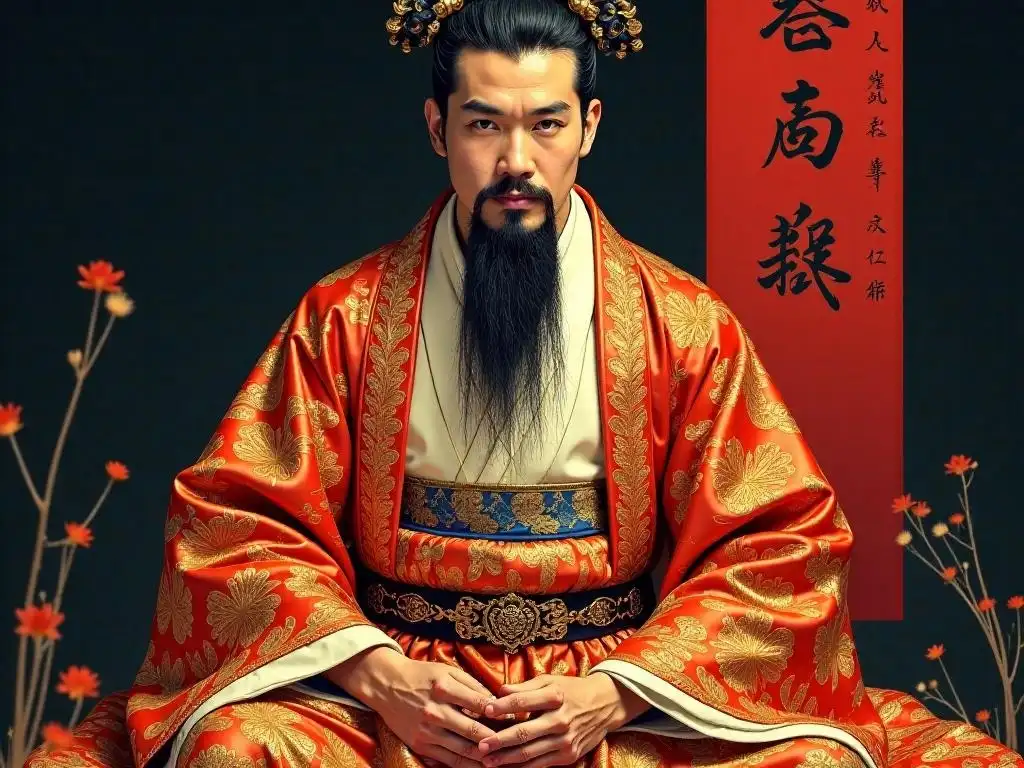
Welcome to Feudal Japan History, where we invite you to embark on a fascinating journey through the intricate tapestry of Japan’s feudal era. In this exploration, we delve deep into the pivotal role of Confucianism in Tokugawa politics, uncovering how its philosophical tenets shaped governance and societal norms during this transformative period. Prepare to discover the profound connections between ideology and authority as we unfold the layers of Tokugawa political philosophy. Are you ready to unlock the secrets of this influential era? Dive in and let the journey begin!
Confucianism played a pivotal role in shaping the political landscape of Japan during the Tokugawa Shogunate (1603–1868). This era, characterized by strict social hierarchies and a centralized feudal system, saw the integration of Confucian principles into governance, education, and societal norms. The influence of Confucian thought provided a moral framework that justified the ruling elite's authority and fostered a sense of stability and order within Japanese society.
By examining the interplay between Confucianism and Tokugawa political philosophy, we can gain insight into how these ideas not only shaped the governance of the time but also left a lasting impact on Japanese culture and its subsequent developments. This article will delve into the fundamental aspects of Confucianism in Tokugawa politics, the broader context of the Tokugawa Shogunate, and the historical backdrop that facilitated the adoption of Confucian ideals in Japan.
Introduction to Confucianism in Tokugawa Politics
Confucianism, originating from the teachings of Confucius in ancient China, emphasizes virtues such as filial piety, loyalty, and the importance of social harmony. During the Tokugawa period, Confucianism was adopted as a guiding philosophy for the ruling class, influencing political thought and ethical conduct. The Tokugawa leaders, known as shōgun, utilized Confucian tenets not only to legitimize their power but also to promote a stable society.
- Key Confucian Concepts in Tokugawa Politics:
- Filial Piety: Loyalty to one's superiors, reflecting the relationship between the shōgun and the samurai.
- Ritual and Order: The importance of rituals in governance, reinforcing the established social hierarchy.
- Moral Governance: The belief that rulers should govern with virtue, ensuring the welfare of their subjects.
Through these principles, Confucianism provided a framework for the Tokugawa Shogunate to maintain control over its territories and uphold social order amidst the challenges of a rapidly changing world.
Overview of the Tokugawa Shogunate
The Tokugawa Shogunate was a feudal regime that established a long period of peace and stability known as the Edo period. This era was marked by the consolidation of power by the Tokugawa family, which ruled as shōguns, and the implementation of strict social classes: the samurai, farmers, artisans, and merchants.
- Key Characteristics of the Tokugawa Shogunate:
- Centralized Power: The shōgun held ultimate authority, while daimyōs (feudal lords) governed their domains under strict regulations.
- Isolationist Policies: The sakoku (closed country) policy limited foreign influence and trade, preserving the Tokugawa order.
- Cultural Flourishing: The period saw the growth of arts, literature, and education, heavily influenced by Confucian ideals.
The Tokugawa regime's reliance on Confucianism helped reinforce its political structure and fostered a sense of loyalty and duty among the populace, thus contributing to the longevity of its rule.
Historical Context of Confucianism in Japan
Confucianism was introduced to Japan during the Asuka period (538–710), but it gained significant traction during the Edo period. The revival of interest in Confucian texts and ideas coincided with the establishment of the Tokugawa Shogunate, which sought to create a stable society based on moral governance.
- Factors Influencing the Adoption of Confucianism:
- Political Stability Needs: The need for a cohesive ideology to unify the fragmented feudal lords and their followers.
- Educational Reforms: Confucianism influenced the education system, leading to the establishment of schools that taught Confucian ethics alongside traditional Japanese teachings.
- Social Order: The rigid class structure of the Tokugawa era resonated with Confucian concepts of hierarchy and social responsibility.
As a result, Confucianism became a cornerstone of Tokugawa political philosophy, shaping not only governance but also the cultural and ethical framework of Japanese society during this transformative period.
- Introduction to Confucianism in Tokugawa Politics
- Overview of the Tokugawa Shogunate
- Historical Context of Confucianism in Japan
- What is the significance of Confucianism in Tokugawa politics?
- How did Confucian ideals influence governance during the Tokugawa era?
- Were there any conflicts between Confucianism and other philosophies in Tokugawa Japan?
- How did Confucianism affect social structures in Tokugawa Japan?
- What legacy did Confucianism leave in modern Japan?
Confucian Ideals and Their Influence on Tokugawa Governance

The Tokugawa Shogunate (1603-1868) represents a pivotal period in Japan's history, characterized by relative peace and stability after centuries of warfare. Central to the governance of this era was the incorporation of Confucian ideals, which profoundly influenced political philosophy and social order. Confucianism, originating from the teachings of Confucius in ancient China, emphasized moral integrity, hierarchical relationships, and the importance of education. These principles resonated deeply with the Tokugawa leadership, shaping their approach to governance and societal structure.
Key Principles of Confucianism
Confucianism is built upon several core principles that emphasize ethical governance and social harmony. Among these, three key tenets stand out:
- Ren (仁): Often translated as "benevolence" or "humaneness," this principle underscores the importance of compassion and moral integrity in rulers. For Tokugawa leaders, exhibiting ren was essential to maintaining the loyalty and respect of the samurai class and the common people.
- Li (礼): Referring to "ritual" or "propriety," li emphasizes the importance of social norms and manners. In the Tokugawa context, adherence to li helped establish a structured society where everyone understood their roles and responsibilities, thus promoting order.
- Xiao (孝): This principle, known as "filial piety," stresses the importance of respect for one's parents and ancestors. The Tokugawa regime encouraged loyalty to family and clan, which mirrored the broader societal expectations of loyalty to the shogunate itself.
These principles were not merely philosophical; they were integrated into the governance practices of the Tokugawa Shogunate, influencing policies and societal norms.
Integration of Confucian Thought into Japanese Political Systems
The Tokugawa Shogunate actively integrated Confucian thought into its political framework, establishing a system that promoted stability and order. This integration can be observed in several key areas:
- Education and Scholarship: The Tokugawa era saw a rise in Confucian academies (shuyō) that aimed to educate the samurai class and the elite in Confucian philosophy. These institutions trained individuals not only in Confucian texts but also in moral governance, preparing them for roles in administration.
- Governance Structure: The shogunate implemented a bureaucratic system influenced by Confucian ideals, where officials were expected to act with moral integrity and serve the public good. This emphasis on ethical governance helped to legitimize Tokugawa authority and maintain social order.
- Social Hierarchy: Confucianism reinforced the strict social hierarchy of the Tokugawa period, where the samurai class held a privileged position. The hierarchical structure was justified through Confucian principles, asserting that each class had a specific role that contributed to the harmony of society.
Confucianism and the Samurai Code (Bushido)
The influence of Confucianism extended into the samurai code known as Bushido, which defined the ethical and moral framework for samurai conduct. Key aspects include:
- Loyalty and Service: Confucian ideals of loyalty and filial piety permeated Bushido, where samurai were expected to demonstrate unwavering loyalty to their lords (daimyō) and uphold their honor.
- Moral Integrity: The samurai code emphasized virtues such as honesty, courage, and benevolence, aligning closely with Confucian teachings. Samurai were seen not just as warriors but as moral exemplars within society.
- Education and Self-Cultivation: Bushido placed a high value on education and self-cultivation, mirroring the Confucian belief in the importance of learning for moral development. Samurai were encouraged to study Confucian texts, thus enhancing their role as educated leaders in society.
The role of Confucianism in Tokugawa politics was profound, shaping governance, societal structures, and the ethical framework of the samurai. Its principles provided a foundation for stability and order during a time of peace, leaving an enduring legacy on Japanese political thought and culture.
The Impact of Confucianism on Tokugawa Society
Confucianism played a pivotal role in shaping the societal structure and political philosophy during the Tokugawa Shogunate (1603-1868). This era marked a significant transformation in Japan’s governance, heavily influenced by Confucian ideals that emphasized morality, social harmony, and a well-defined social hierarchy. The Tokugawa regime adopted Confucian principles to legitimize its authority and maintain order, resulting in a distinct societal framework that persisted throughout this period.
The Tokugawa Shogunate established a rigid social hierarchy that mirrored Confucian values, categorizing society into distinct classes. At the top were the samurai, followed by farmers, artisans, and merchants. This classification was not merely economic but also moral, as Confucianism promoted the idea that each class had specific roles and responsibilities essential for societal harmony.
- Samurai: As the ruling class, samurai were viewed as moral exemplars. Their duty was to uphold justice and protect the realm, guided by the Confucian virtue of loyalty (忠, chū). This loyalty was paramount, as samurai were expected to serve their lords with unwavering fidelity.
- Farmers: Confucian doctrine esteemed agriculture as the backbone of society. Farmers were respected for their role in producing food, which was essential for sustaining the population. Their hard work was seen as virtuous and critical for the health of the state.
- Artisans and Merchants: While artisans were valued for their skills, merchants were often looked down upon since they were perceived as profit-driven. However, the Tokugawa era saw a gradual shift in this perception as commerce flourished, leading to the emergence of a wealthy merchant class that began to influence society economically, if not politically.
The Confucian emphasis on social harmony cultivated a sense of stability. The state encouraged adherence to these hierarchical roles through rituals, codes of conduct, and education, ensuring that each class understood its place and duty within the larger social order.
Confucianism and Education in the Tokugawa Era
Education during the Tokugawa period was profoundly influenced by Confucian thought. The regime established a network of schools and academies that imparted Confucian teachings to samurai and commoners alike. This educational framework served multiple purposes:
- Moral Instruction: Confucianism stressed the importance of moral education. Schools taught values such as respect for elders, filial piety, and loyalty to the state, shaping citizens who were not only knowledgeable but also virtuous.
- Cultivation of Scholars: The Tokugawa government valued scholars who could interpret and apply Confucian texts. These scholars often served as advisors to the shogunate, providing counsel on governance and policy.
- Promotion of Civil Service: Education became a pathway for social mobility within the samurai class. Those who excelled in Confucian studies had the opportunity to enter government service, thus intertwining education with political power.
The proliferation of Confucian academies also fostered a literate populace, paving the way for the rise of intellectual movements that questioned established norms and contributed to the eventual transformations in Japanese society.
The Role of Confucian Scholars in Tokugawa Politics
Confucian scholars emerged as influential figures in Tokugawa politics, acting as intermediaries between the ruling shogunate and the governed populace. Their contributions can be categorized into several key areas:
- Advisory Role: Scholars like Hayashi Razan and Fukuzawa Yukichi provided philosophical underpinnings to the Tokugawa political structure. They interpreted Confucian texts to support the legitimacy of shogunal rule and offered guidance on governance based on moral principles.
- Policy Formulation: Confucian scholars were instrumental in formulating policies that aligned with Confucian ideals. They emphasized the importance of benevolent governance, whereby rulers were expected to act in the best interests of their subjects, fostering loyalty and stability.
- Crisis Management: During periods of social unrest, Confucian scholars advocated for solutions rooted in Confucian ethics. They promoted dialogue and moral rectitude as means to resolve conflicts, thus maintaining social order.
- Cultural Preservation: Beyond politics, these scholars played a crucial role in preserving and disseminating Confucian literature, ensuring that its teachings continued to influence future generations.
Confucianism in Tokugawa politics provided a philosophical foundation that shaped governance, social structure, and education. Its principles not only reinforced the authority of the shogunate but also established a moral framework that guided the actions and beliefs of the Japanese people during this transformative era.
Confucianism in Tokugawa Political Philosophy
The Concept of Ruler and Subject in Confucianism
Confucianism, as a moral and political philosophy, places significant emphasis on the relationships between individuals, particularly between rulers and their subjects. This relationship is foundational to the governance model that emerged during the Tokugawa Shogunate (1603-1868). In Confucian thought, the ruler is seen as a moral exemplar whose primary duty is to maintain harmony and order within the realm. This is often encapsulated in the idea of benevolent leadership, where the ruler's virtue directly influences the behavior of the subjects.
The Confucian ideal posits a hierarchical structure in which each individual has a defined role and responsibility. The relationship between the ruler and the subjects is characterized by mutual obligations:
- Ruler's Duties:
- Uphold justice and moral integrity.
- Provide for the welfare of the people.
- Lead by example, embodying the virtues of wisdom, benevolence, and righteousness.
- Subjects' Responsibilities:
- Show loyalty and respect to the ruler.
- Adhere to societal norms and laws.
- Engage in moral self-cultivation and education.
This framework established a sense of stability and social order that was crucial to the Tokugawa regime, particularly in a period characterized by the unification of Japan after centuries of civil strife. By promoting a Confucian interpretation of governance, the Tokugawa Shogunate sought to legitimize its authority and maintain peace.
How Confucianism Shaped Tokugawa Political Ideology
The incorporation of Confucian principles into Tokugawa political ideology played a pivotal role in shaping the governance structure and cultural ethos of the period. The Tokugawa Shogunate adopted Confucianism not merely as a philosophical guide but as a blueprint for political administration and social organization.
- Centralization of Power: The shogunate reinforced the notion of a centralized authority, with the shogun seen as the ultimate ruler responsible for the nation's moral and ethical integrity. This was in line with Confucian ideals, which emphasized the need for a strong, virtuous leader.
- Education and Bureaucracy: Under the Tokugawa, Confucian scholarship flourished, leading to the establishment of numerous academies. These institutions educated bureaucrats and samurai in Confucian ethics, fostering a class of officials who were not only loyal to the shogunate but also committed to the moral governance of their domains.
- Social Order and Hierarchy: The Tokugawa regime utilized Confucian doctrine to reinforce the rigid social hierarchy of Edo-period Japan. Each class, from samurai to merchants, was assigned specific roles and responsibilities, aligning with Confucian teachings on social harmony and order.
- Public Policy: The shogunate implemented policies that reflected Confucian ideals, such as the promotion of agricultural development and the regulation of commerce. These policies aimed to ensure the welfare of the populace, aligning with the Confucian belief in the ruler's duty to care for his subjects.
By embedding Confucianism into the fabric of Tokugawa governance, the shogunate not only stabilized its rule but also fostered a unique cultural identity that persisted beyond its fall.
Case Studies of Confucian Influence on Tokugawa Leaders
Several prominent Tokugawa leaders exemplified the influence of Confucianism in their political strategies and philosophies, demonstrating how Confucian ideals were operationalized within the shogunate’s framework.
- Tokugawa Ieyasu: The founder of the Tokugawa Shogunate, Ieyasu, was heavily influenced by Confucian teachings. He emphasized the importance of loyalty and virtue, establishing a governance model that prioritized the moral character of rulers. His policies reflected a commitment to social stability, which he believed was essential for the prosperity of the realm.
- Tokugawa Iemitsu: Iemitsu, Ieyasu's grandson, further institutionalized Confucian thought within the shogunate. His reign saw the establishment of the Buke Shohatto, a set of regulations for the samurai class, which were grounded in Confucian principles of loyalty and duty. Iemitsu's policies aimed to consolidate power and reduce the influence of rival daimyos, demonstrating a practical application of Confucian political philosophy.
- Kato Kiyomasa: A notable daimyō, Kato Kiyomasa, was known for his military prowess and governance style, which drew heavily from Confucian ethics. He implemented agricultural reforms and promoted education, believing that a well-educated populace would lead to a more harmonious society, reflecting the Confucian ideal of the virtuous ruler.
- Confucian Scholars and Advisors: Prominent Confucian scholars such as Hayashi Razan and Aizawa Seishisai served as advisors to Tokugawa leaders, directly influencing policy decisions and promoting Confucian ethics in governance. Their writings and teachings helped to solidify the role of Confucianism in Tokugawa politics.
Through these case studies, it is evident that Confucianism in Tokugawa politics was not merely theoretical; it was actively integrated into the actions and policies of its leaders, shaping the political landscape of feudal Japan.
Confucianism and Tokugawa Policies

Governance and Administration Based on Confucian Principles
Confucianism played a pivotal role in shaping the governance and administrative structures of the Tokugawa Shogunate (1603-1868). Central to Confucian philosophy is the idea of a well-ordered society governed by ethical rulers. The Tokugawa regime adopted these principles to legitimize their rule and create a stable political environment.
Key Principles in Governance:
- Meritocracy: The Tokugawa Shogunate emphasized the appointment of officials based on merit rather than noble birth. This was in line with Confucian ideals that prioritized virtue and capability over lineage.
- Benevolent Rulership: Confucianism advocates for rulers to be benevolent and just. The Tokugawa leaders strived to embody these traits, establishing policies that aimed at ensuring the welfare of their subjects. This approach helped in consolidating power and maintaining loyalty among the populace.
- Civil Service Examination: While not as rigorous as the examinations seen in China, the Tokugawa regime instituted a form of civil service assessment that evaluated candidates on their knowledge of Confucian texts and principles, reinforcing the importance of Confucian knowledge in governance.
The emphasis on Confucian principles not only informed the political philosophy of the Tokugawa Shogunate but also facilitated a structured approach to governance that prioritized stability and order over chaos.
Economic Policies Influenced by Confucian Thought
Confucianism's influence extended beyond the political realm into economic policies during the Tokugawa period. The economy was viewed through the lens of social harmony and ethical governance, leading to policies that were intended to promote agricultural productivity and communal welfare.
Key Economic Policies:
- Agriculture as the Foundation: Confucian thought regarded agriculture as the basis of the economy, reinforcing the idea that a stable society relies on a strong agrarian base. The Tokugawa government implemented policies that supported farmers, including land reforms and tax incentives, to boost agricultural output.
- Control of Trade and Commerce: The Tokugawa Shogunate imposed strict regulations on commerce to ensure that trade activities did not disrupt social order. Merchants were often viewed with suspicion, and Confucian disdain for commerce meant that economic policies aimed at limiting their power were common.
- Promotion of Education for Economic Development: Reflecting Confucian values, the Tokugawa regime placed a strong emphasis on education, particularly in practical subjects like agronomy and trade. This fostered a more informed populace capable of contributing to the economy while adhering to Confucian ethics.
Through these economic policies, the Tokugawa Shogunate aimed to create a balanced society where economic activities aligned with the larger goals of harmony and moral governance.
The maintenance of social order was a fundamental concern for the Tokugawa Shogunate, and Confucianism provided a philosophical framework for achieving this aim. The hierarchical structure of society, which was reminiscent of Confucian ideals, was meticulously maintained to ensure stability.
Social Hierarchical Structure:
- Four-Class System: Confucianism categorizes society into distinct classes: scholars (samurai), farmers, artisans, and merchants. The Tokugawa Shogunate institutionalized this four-class system, reinforcing the belief that each class had a specific role that contributed to social harmony.
- Moral Education: The regime promoted moral education based on Confucian texts, which emphasized virtues such as loyalty, filial piety, and respect for authority. This education was crucial in fostering a sense of duty and responsibility among the populace, thereby maintaining social order.
- Family as a Social Unit: Confucianism places great importance on the family as the foundation of society. The Tokugawa Shogunate encouraged strong family structures, promoting loyalty to family and clan as a means of ensuring loyalty to the state.
Confucianism in Tokugawa politics was instrumental in creating a governance framework that prioritized moral leadership, economic stability, and social order, reflecting the values and teachings inherent in Confucian philosophy.
Critiques and Challenges to Confucianism in Tokugawa Politics

Confucianism played a pivotal role in shaping the political landscape of the Tokugawa Shogunate, yet it was not without its critiques and challenges. Various philosophical schools, social dynamics, and historical events posed significant questions regarding the efficacy and relevance of Confucian principles in governance during this period.
Conflicts Between Confucianism and Other Philosophical Schools
The Tokugawa era witnessed the rise of various philosophical ideologies that often conflicted with Confucian thought. Among these, Buddhism and Shintoism presented alternative frameworks that sometimes clashed with Confucian values. For instance:
- Buddhism emphasized the impermanence of life and the importance of spiritual enlightenment, which could lead to a disregard for the strict hierarchical structures advocated by Confucianism.
- Shintoism, rooted in the reverence of nature and ancestral spirits, often promoted a more egalitarian approach to authority, contrasting sharply with Confucianism's rigid social stratification.
These philosophical tensions led to debates among scholars and policymakers, influencing the Tokugawa regime's approach to governance and social order.
Resistance to Confucian Ideals in Feudal Japan
While Confucianism was officially endorsed by the Tokugawa Shogunate as a guiding ethical framework, there was notable resistance from various societal groups. This resistance stemmed from several sources:
- Samurai Class: Some samurai questioned the practicality of Confucian ideals, particularly those related to loyalty and filial piety, in the increasingly bureaucratic and centralized governance of the Tokugawa regime. They argued that these ideals undermined their traditional warrior ethos.
- Peasant Uprisings: Discontent among the peasantry often erupted into uprisings, challenging the Confucian notion of social harmony. The Kōbō Uprising of 1637 is one notable example where peasants, feeling oppressed by the heavy taxation and rigid social order, rebelled against their feudal lords, thereby defying the Confucian principle of loyalty to authority.
- Neo-Confucianism's Limitations: The adoption of Neo-Confucian thought during the Tokugawa period, which focused heavily on ethics and moral governance, was criticized for being too idealistic and detached from the realities of political power and social struggles.
The Decline of Confucianism Post-Tokugawa Era
With the fall of the Tokugawa Shogunate in 1868 and the onset of the Meiji Restoration, Confucianism's influence began to wane significantly. This decline can be attributed to several key factors:
- Western Influence: The Meiji government sought to modernize Japan, incorporating Western political philosophies and systems that often contradicted traditional Confucian values. This shift diminished the relevance of Confucianism in state affairs and education.
- Rise of Individualism: As Japan transitioned into a more modern state, the emphasis on individual rights and personal freedoms began to overshadow the collectivist and hierarchical principles of Confucianism. This cultural shift reflected a broader global trend towards liberalism and democracy.
- Educational Reforms: The introduction of new educational systems during the Meiji era emphasized science, technology, and Western thought, leading to the marginalization of Confucian teachings in schools and public discourse.
While Confucianism significantly influenced Tokugawa politics, its critiques and challenges illustrated the dynamic and often contentious relationship between ideology and governance in feudal Japan. This evolution set the stage for the transformations that would follow in the modern era.
Conclusion: The Lasting Legacy of Confucianism in Tokugawa Political Philosophy
The influence of Confucianism in Tokugawa politics cannot be overstated. Rooted deeply in the philosophical underpinnings of the Tokugawa Shogunate, Confucian ideals shaped governance, social hierarchies, and moral education during this pivotal era in Japanese history. The Tokugawa period, lasting from 1603 to 1868, was marked by a unique blend of political stability and cultural development, where Confucianism provided a framework for both rulers and subjects.
Confucianism emphasized virtues such as filial piety, loyalty, and social harmony, which were instrumental in maintaining order within the rigid class structure of feudal Japan. The Shogunate adopted these principles to legitimize their authority and promote a sense of duty among the samurai and peasantry. As a result, Confucianism not only shaped political philosophy but also ingrained itself into the very fabric of Japanese society, influencing relationships within families and communities.
Moreover, the Tokugawa rulers utilized Confucian teachings to promote education and moral development, leading to the establishment of schools and academies dedicated to Confucian studies. This emphasis on education fostered a literate society capable of engaging in civic duties, which was crucial for the governance of a diverse population.
Reflections on the Role of Confucianism in Shaping Modern Japanese Politics
The legacy of Confucianism in Tokugawa political philosophy extends into contemporary Japan, where its principles continue to resonate in modern governance and societal values. The emphasis on consensus-building, respect for authority, and the importance of social harmony can still be observed in Japan's political culture today.
In modern Japan, political leaders often invoke the teachings of Confucianism to highlight the importance of ethical governance and the moral responsibilities of public officials. For instance, concepts such as "wa" (harmony) and "giri" (duty) remain relevant in discussions surrounding political accountability and community engagement.
Furthermore, the modern bureaucratic system in Japan has roots in Confucian ideals, promoting meritocracy and the idea that officials should be selected based on their knowledge and moral character. This connection illustrates how historical philosophical frameworks can inform contemporary practices, creating a continuum of thought that influences current political dynamics.
The Relevance of Confucian Principles Today in Japan
The principles of Confucianism continue to be relevant in various aspects of Japanese society, from family structures to corporate culture. In the family unit, values such as respect for elders and the importance of familial loyalty persist, reflecting the Confucian ideal of filial piety.
In the corporate world, many Japanese companies embody Confucian principles through their organizational structures and employee relations. The emphasis on collective well-being over individual ambition aligns closely with Confucian values, fostering a culture of cooperation and mutual respect.
Moreover, the rise of community-focused initiatives and local governance reflects a resurgence of Confucian ideals in addressing modern societal challenges. Local leaders often draw on Confucian teachings to promote civic responsibility and communal harmony, showcasing the adaptability and enduring relevance of these principles in contemporary Japanese life.
Confucianism has left a profound legacy on Tokugawa political philosophy, one that continues to influence Japan's political landscape and societal values today. The interplay between historical philosophies and modern practices underscores the importance of understanding these roots in shaping a nation’s identity and governance.
Frequently Asked Questions
What is the significance of Confucianism in Tokugawa politics?
Confucianism played a crucial role in shaping Tokugawa political philosophy, emphasizing moral governance and the importance of a hierarchical society.
How did Confucian ideals influence governance during the Tokugawa era?
Confucian ideals promoted meritocracy and the responsibility of rulers to provide for their subjects, thus guiding the Tokugawa shogunate's policies.
Were there any conflicts between Confucianism and other philosophies in Tokugawa Japan?
Yes, there were tensions between Confucianism and Buddhism, as well as Shinto beliefs, with Confucianism often being favored for its focus on social order and ethics.
Confucianism reinforced a rigid social hierarchy, where each class had specific roles, thereby maintaining stability and order in society.
What legacy did Confucianism leave in modern Japan?
The influence of Confucianism is still seen in contemporary Japanese social values and educational practices, emphasizing respect for authority and the importance of community.
Final Reflection: The Enduring Legacy of Confucianism in Tokugawa Politics
The influence of Confucianism in Tokugawa politics remains profoundly relevant today, as it shaped governance, social order, and ethical conduct in a way that resonates with contemporary political philosophies. In an age where the balance between authority and morality is often debated, the principles derived from Confucian thought continue to offer valuable insights into how leaders can cultivate a just society. The enduring nature of these ideas underscores their significance in both historical and modern contexts.
Confucianism has not only shaped the political landscape of the Tokugawa era but has also left an indelible mark on the cultural and social fabric of Japan. The emphasis on hierarchy, duty, and moral leadership has influenced generations, fostering a sense of community and responsibility that persists in Japanese society today. The essence of Confucianism lies in the belief that a ruler must be virtuous to govern effectively.
This quote encapsulates the ongoing relevance of Confucian ideals, reminding us that ethical governance is foundational to societal harmony.
As we reflect on the lessons of Confucianism in Tokugawa politics, let us consider how these principles can be applied in our lives and communities. Think about how you can embody the values of integrity, respect, and responsibility in your own actions. By embracing these ideals, we can contribute to a more ethical and harmonious society, honoring the legacy of Confucian thought while paving the way for a future where moral leadership is paramount.
Embrace the Wisdom of Confucianism in Today’s World!
Thank you for exploring the intriguing connection between Confucianism and political philosophy throughout history. Your curiosity enhances your understanding of the frameworks that shape contemporary thought. Now, let’s transform that knowledge into meaningful actions!
Here’s how you can engage further:
- Explore local resources about Confucian values: Visit your local library or browse online platforms to find books and documentaries that delve into Confucianism and its relevance in the modern era.
- Share your insights: Engage with others by discussing what you’ve learned. Post about it on social media or join historical discussion groups—your perspective might inspire someone else!
- Connect the dots: Reflect on how Confucian principles could influence our current political landscape. Consider writing down your thoughts or starting a blog to share your insights with a wider audience.
What aspect of Confucianism do you find most applicable in today’s society, and in what ways can we all benefit from these ancient teachings?