
The Legacy of the Sengoku Period: Lessons from Japan's Path to Unification

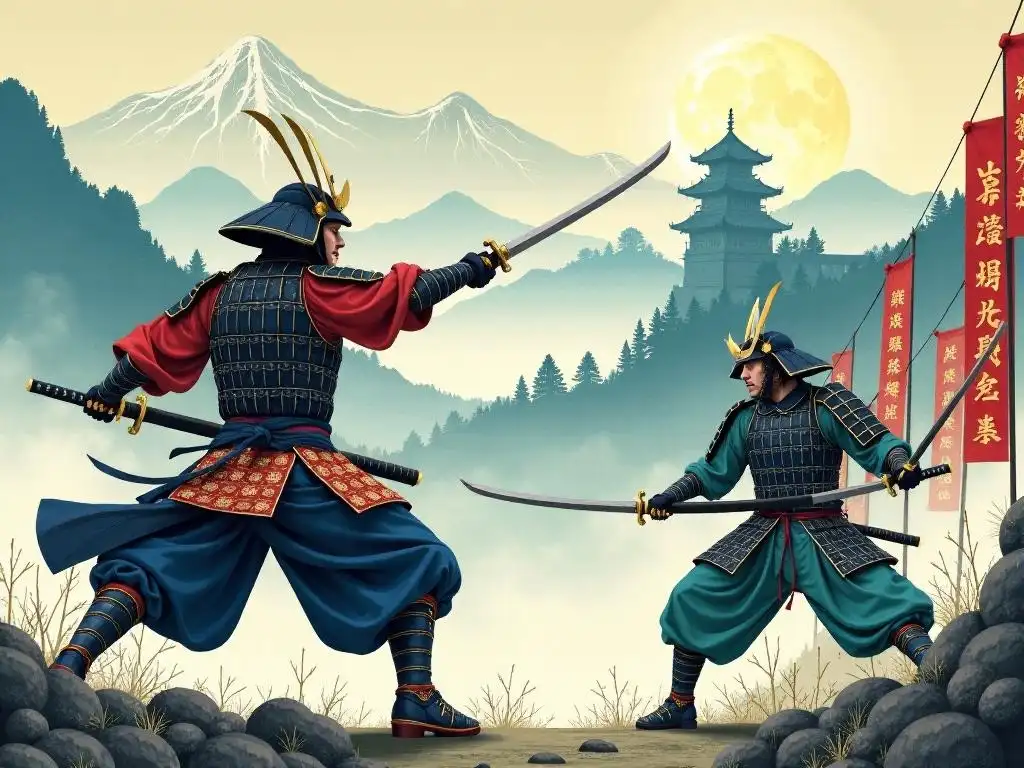
Welcome to Feudal Japan History, where we invite you to embark on a captivating journey through the intricate tapestry of Japan's feudal era. In our featured article, "The Legacy of the Sengoku Period: Lessons from Japan's Path to Unification," we delve deep into the tumultuous Sengoku Period, revealing profound historical lessons that shaped the nation. Discover how the struggles for power and the quest for unity not only transformed Japan but also offer timeless insights into leadership and resilience. Are you ready to uncover the secrets of this pivotal time in history? Dive in and let the exploration begin!
Introduction to the Sengoku Period
The Sengoku Period, often referred to as the "Warring States" period of Japan, represents a transformative era in the nation’s history, spanning from the mid-15th century to the early 17th century. This time was characterized by intense military conflict, political intrigue, and social upheaval, as regional daimyōs (feudal lords) vied for power and control over the fragmented territories of Japan.
Understanding the Sengoku Period is essential to grasp the complexities of Japan's eventual unification under the Tokugawa shogunate. The historical lessons derived from this tumultuous era not only illuminate Japan's path to political consolidation but also offer valuable insights into the dynamics of power, leadership, and societal resilience.
Defining the Sengoku Period in Japanese History
The Sengoku Period, spanning approximately from 1467 to 1615, is marked by a series of civil wars and conflicts that led to the disintegration of the centralized authority that had previously existed under the Ashikaga shogunate. This period is often divided into two phases: the early years of chaos and the latter years culminating in the unification under powerful figures such as Oda Nobunaga, Toyotomi Hideyoshi, and Tokugawa Ieyasu. The significance of this era lies not only in its military engagements but also in the profound societal changes it instigated, setting the foundation for modern Japan.
Key Characteristics of the Sengoku Era
The Sengoku Era is defined by several key characteristics that shaped its historical narrative:
- Warfare and Military Strategy: Constant battles between rival clans, leading to the development of new tactics and fortifications.
- Rise of the Daimyōs: The emergence of powerful feudal lords who controlled land and armies, often acting autonomously from the shogunate.
- Social Mobility: Unlike previous periods, the Sengoku Era allowed for greater social mobility as commoners could rise through the ranks by proving themselves in battle or through loyalty to a daimyō.
- Cultural Flourishing: Despite the chaos, there was significant cultural development, including advancements in arts, tea ceremonies, and Noh theater.
Overview of Major Clans and Figures
The Sengoku Period witnessed the rise and fall of several influential clans and figures that played pivotal roles in Japan's history:
- Oda Clan: Led by Oda Nobunaga, this clan is credited with the initial efforts to unify Japan.
- Toyotomi Clan: Under Toyotomi Hideyoshi, this clan achieved significant territorial expansion and attempted to solidify unification.
- Tokugawa Clan: Ultimately led by Tokugawa Ieyasu, who established the Tokugawa shogunate, marking the end of the Sengoku Period and the beginning of the Edo Period.
Historical Context of the Sengoku Period
The Political Landscape Before Unification
Before the Sengoku Period, Japan was primarily governed by the Ashikaga shogunate, which had weakened due to internal power struggles and the inability to control the daimyōs effectively. This power vacuum led to a significant shift in political dynamics, with local lords seizing opportunities to expand their influence and territories, ultimately resulting in a fragmented political landscape characterized by constant warfare and shifting alliances.
Societal Structures and Feudalism in Japan
During the Sengoku Period, Japan’s feudal system became increasingly pronounced, with societal hierarchy deeply entrenched. The class structure was defined as follows:
- Daimyōs: Powerful feudal lords who held land and commanded armies.
- Samurai: The warrior class, serving the daimyōs with loyalty, often bound by a code of honor (Bushidō).
- Peasants: The majority of the population, responsible for agricultural production and labor.
- Artisans and Merchants: These classes began to rise in prominence due to the increased demand for goods and services resulting from the warfare.
Cultural Developments During the Sengoku Era
The Sengoku Period was not solely about conflict; it also saw significant cultural advancements. Amidst the chaos, there were remarkable developments in:
- Literature: The creation of historical texts and war tales that documented the era's events.
- The Arts: Innovative practices in painting, pottery, and architecture emerged, influenced by the need for strongholds and aesthetic expression.
- Religion: The period also witnessed the spread of new religious ideas, including the introduction of Christianity, which began to take root in Japan during the late Sengoku years.
This complex interplay of warfare, politics, and culture during the Sengoku Period provides a rich tapestry of historical lessons that continue to resonate in Japan's modern identity and governance.
Major Events of the Sengoku Period
The Sengoku Period, often referred to as the "Warring States Period," lasted from the mid-15th century to the early 17th century. This tumultuous time in Japanese history was marked by social upheaval, political intrigue, and continuous military conflict. A few major events stand out during this era, significantly impacting Japan's path to unification.
One of the most notable events was the Onin War (1467-1477), which initiated a power struggle among noble families in Kyoto, resulting in widespread destruction and the decline of the Ashikaga shogunate's authority. This conflict set the stage for local warlords, or daimyo, to assert their influence, leading to the rise of regional powers.
Another pivotal moment was the rise of Oda Nobunaga, who began his campaign for unification in the 1560s. His innovative military strategies and ruthless tactics enabled him to conquer significant territories, laying the groundwork for a more centralized Japan. Following Nobunaga, Toyotomi Hideyoshi continued the unification process, further consolidating control and implementing reforms that would shape the future of Japan.
The Sengoku Period culminated in the Battle of Sekigahara in 1600, which established Tokugawa Ieyasu as the dominant power in Japan, leading to the establishment of the Tokugawa shogunate. This event not only marked the end of the Sengoku era but also initiated a prolonged period of peace and stability known as the Edo Period.
Key Battles and Their Impacts on Unification
Key battles during the Sengoku Period were critical in shaping the political landscape of Japan and fostering unification.
- Battle of Okehazama (1560): This battle showcased Oda Nobunaga's tactical genius, where he defeated a much larger force led by Imagawa Yoshimoto. The victory significantly boosted Nobunaga's power and reputation, allowing him to expand his influence in the region.
- Battle of Nagashino (1575): Nobunaga's use of firearms in this battle against the Takeda clan marked a turning point in military tactics. The effectiveness of gunpowder weapons against traditional cavalry units demonstrated the evolution of warfare and encouraged other leaders to adopt similar strategies, aiding the unification efforts.
- Battle of Sekigahara (1600): Often regarded as the decisive confrontation of the Sengoku Period, this battle determined the future of Japan. Tokugawa Ieyasu's victory led to the establishment of the Tokugawa shogunate, which would govern Japan for over 250 years. The outcomes of such battles not only shifted power dynamics but also influenced the political alliances and territorial control necessary for unification.
The Role of Diplomacy and Alliances
While warfare played a significant role in the Sengoku Period, diplomacy and alliances were equally crucial for the path to unification. Daimyo often forged strategic alliances to bolster their military strength or to counter more powerful rivals.
- Marriage Alliances: Many daimyo arranged marriages to secure political alliances, ensuring peace and cooperation among families. For instance, the marriage between Oda Nobunaga's sister and the powerful Takeda clan strengthened ties that would later be leveraged during conflicts.
- Coalitions and Betrayals: Temporary alliances were common, often formed against a mutual enemy. However, these alliances could be fragile; betrayal was frequent, as seen in the shifting loyalties during the Battle of Sekigahara. The ability to navigate these complex relationships was vital for survival and success.
- Negotiations and Treaties: Diplomacy was not only about forging alliances but also about negotiating peace. The ability to engage in dialogue and reach agreements played a significant role in preventing conflicts and maintaining stability, allowing leaders to focus on larger goals of unification.
Turning Points in the Path to Unification
Several turning points during the Sengoku Period catalyzed the eventual unification of Japan.
- The Rise of Powerful Daimyo: Figures such as Oda Nobunaga, Toyotomi Hideyoshi, and Tokugawa Ieyasu emerged as dominant leaders, each contributing to the unification process in distinct ways. Their ability to consolidate power and influence set the stage for a unified Japan.
- Technological Advancements: The introduction of firearms and improved military tactics significantly changed the dynamics of warfare. As leaders adapted to these changes, battles became pivotal points for territorial expansion and control.
- The Decline of the Ashikaga Shogunate: As the Ashikaga shogunate weakened, local warlords seized opportunities to expand their territories, leading to a fragmented political landscape. The inability of the shogunate to maintain order allowed ambitious leaders to rise, ultimately paving the way for unification under a new shogunate.
Lessons from the Sengoku Period Historical Lessons

The Sengoku Period offers valuable historical lessons that resonate even in contemporary contexts.
Strategic Military Insights from the Sengoku Era
One of the key lessons from the Sengoku Period is the importance of strategic military planning. Leaders like Oda Nobunaga demonstrated that success in battle often hinged on innovative tactics and adaptability. The effective use of terrain, surprise attacks, and the integration of new technologies, such as firearms, were crucial in overcoming larger forces.
Furthermore, logistics and supply lines emerged as critical components of military strategy. Understanding the importance of resource management can inform modern military operations and strategic planning in various fields.
The Importance of Leadership and Vision
The Sengoku Period highlights the profound impact of leadership and vision in times of chaos. Leaders like Toyotomi Hideyoshi and Tokugawa Ieyasu were not only skilled military strategists but also possessed the vision to unify a fractured nation. Their ability to inspire loyalty and motivate their followers contributed significantly to their success.
This period teaches us that effective leadership is characterized by a clear vision, decisiveness, and the ability to adapt to changing circumstances. The cultivation of leadership qualities remains essential in any endeavor, whether in politics, business, or community building.
Cultural Integration and Its Role in Unification
Cultural integration played a vital role in the unification process during the Sengoku Period. As different regions came under the control of powerful daimyo, cultural exchange flourished. This period saw the blending of various traditions, art forms, and practices, contributing to a more cohesive national identity.
The promotion of a shared culture, such as the development of tea ceremonies, Noh theater, and other artistic expressions, helped to bridge regional divides. Understanding the significance of cultural integration can inform contemporary approaches to nation-building and social cohesion, emphasizing that shared cultural experiences can foster unity among diverse groups.
The Influence of the Sengoku Period on Modern Japan
The Sengoku Period, often termed the "Warring States" era, was a time of profound transformation in Japan, spanning from the mid-15th century to the early 17th century. This chaotic yet dynamic period laid foundational elements that continue to shape modern Japan. The significance of this era can be observed in several key areas, including governance, military organization, and cultural development.
The political fragmentation and power struggles among the daimyōs, or feudal lords, during the Sengoku Period catalyzed the evolution of centralized governance. The eventual unification of Japan under leaders such as Oda Nobunaga and Tokugawa Ieyasu paved the way for a more cohesive national identity. Moreover, the strategic military innovations, such as the introduction of firearms and the development of new battlefield tactics, have influenced Japan’s defense policies in contemporary times. The legacy of this period is evident in Japan's resilient social structures and the emphasis on harmony and order that characterize its modern governance.
Historical Lessons Applicable to Contemporary Governance
The Sengoku Period offers a wealth of historical lessons relevant to contemporary governance. One key lesson is the importance of adaptability and strategic alliances. During this period, daimyōs frequently shifted allegiances to gain advantages, reminding modern leaders of the necessity to remain flexible in their political strategies. Furthermore, the emphasis on meritocracy observed in the rise of various samurai showcases the value of talent and capability over birthright, a principle that resonates in today’s political and corporate environments.
Additionally, the struggles for power during this time highlight the dangers of political fragmentation. The eventual consolidation of power under a central authority illustrates the benefits of unified governance in ensuring stability and effective administration. As modern societies face challenges like political polarization and governance inefficiencies, the Sengoku Period serves as a cautionary tale, emphasizing the need for collaboration and unity amidst diversity.
Cultural Heritage and Its Lasting Impact
The cultural legacy of the Sengoku Period is deeply embedded in modern Japanese society. This era was a crucible for artistic expression, marked by the flourishing of tea ceremonies, Noh theatre, and the development of traditional Japanese gardens. These cultural practices not only reflect the aesthetics of the time but also embody philosophical concepts such as simplicity, nature, and tranquility, which continue to influence contemporary Japanese culture.
Moreover, the period's emphasis on the samurai code of ethics, known as Bushidō, has left an indelible mark on Japanese identity, promoting values such as loyalty, honor, and discipline. These principles resonate in modern Japan, shaping personal and professional conduct across various sectors. The cultural heritage from the Sengoku Period is celebrated in festivals, literature, and arts, reinforcing a sense of continuity and connection to the past.
Reflections on Conflict Resolution and Peacebuilding
The Sengoku Period serves as a case study in conflict resolution and peacebuilding, offering valuable insights into how societies can navigate through turmoil. The eventual unification of Japan was not merely the result of military conquest but also involved diplomatic negotiations and strategic marriages among rival clans. This approach underscores the importance of dialogue and compromise in resolving conflicts, a lesson that remains pertinent in today’s globalized world.
The establishment of the Tokugawa shogunate introduced a long period of peace known as the Edo Period, which was characterized by stability and economic growth. The mechanisms employed to maintain peace, such as the sankin-kōtai system, where daimyōs were required to spend time in the capital, Edo, fostered a sense of unity and reduced the likelihood of rebellion. These historical strategies provide frameworks for contemporary peacebuilding efforts, emphasizing trust-building and shared governance as essential components for long-lasting peace.
Conclusion: The Enduring Legacy of the Sengoku Period
Summarizing Key Lessons from Japan's Path to Unification
The Sengoku Period is a pivotal chapter in Japanese history, rich with lessons that extend beyond its era. From the importance of strategic adaptability in governance to the cultural values that continue to shape Japanese society, the insights gleaned from this period are profound. The experiences of conflict resolution and the eventual path to unification underscore the significance of collaboration, dialogue, and the pursuit of a common identity, which are essential for any society seeking to overcome division.
The Relevance of Sengoku Period Historical Lessons Today
As Japan navigates the complexities of modern governance and global challenges, the historical lessons from the Sengoku Period remain relevant. The principles of unity, the importance of strong leadership, and the need for cultural cohesion are vital as Japan continues to reconcile its rich history with contemporary realities. Furthermore, the adaptability showcased during this tumultuous period serves as a reminder of the necessity for modern leaders to be responsive to change and challenges.
Final Thoughts on the Impact of the Sengoku Era on Japanese Identity
The impact of the Sengoku Period on Japanese identity is profound and enduring. The synthesis of cultural, political, and social elements from this era has contributed to the unique character of modern Japan. The values instilled during the Sengoku Period, such as honor, resilience, and community, continue to resonate within the Japanese populace. As Japan reflects on its past, the lessons learned from the Sengoku Period serve as guiding principles for fostering a cohesive and harmonious society, ensuring that the legacy of this transformative era will endure for generations to come.
- Introduction to the Sengoku Period
- Historical Context of the Sengoku Period
- Major Events of the Sengoku Period
- Lessons from the Sengoku Period Historical Lessons
- The Influence of the Sengoku Period on Modern Japan
- Conclusion: The Enduring Legacy of the Sengoku Period
Frequently Asked Questions
What was the Sengoku Period?
The Sengoku Period (1467–1603) was a time of political upheaval and civil war in Japan, characterized by numerous feudal lords vying for power and territory.
What are some key lessons from the Sengoku Period?
The Sengoku Period historical lessons emphasize the importance of strategic alliances, adaptability, and the impact of leadership on societal cohesion and political stability.
How did the Sengoku Period influence Japanese culture?
The era fostered a unique cultural development, including advances in art, theater, and literature, reflecting the complexity of human experiences during times of conflict.
What role did military tactics play during this period?
The innovative military tactics used during the Sengoku Period, such as gunpowder weapons and strategic fortifications, greatly influenced Japan's warfare and political landscape.
How did the Sengoku Period lead to Japan's unification?
The unification of Japan was achieved through the consolidation of power by key figures like Oda Nobunaga, Toyotomi Hideyoshi, and Tokugawa Ieyasu, transforming the fragmented states into a cohesive nation.
Final Reflection: Lessons from the Sengoku Period's Path to Unification
The Sengoku Period, marked by chaos and conflict, offers timeless lessons that resonate deeply in today's world. As we navigate our own tumultuous times, the struggles and strategies of Japan's past remind us of the importance of unity, resilience, and the pursuit of peace. The legacy of this era is not merely historical; it serves as a powerful reminder that even in the face of division, there lies the potential for harmony and growth.
The influence of the Sengoku Period extends beyond history books; it continues to shape our cultural and social landscapes. The stories of leaders who emerged from the ashes of conflict to forge a unified Japan inspire us to seek collaboration over division. As we reflect on these narratives, we are reminded of the words of historian John W. Dower: The past is never dead. It's not even past.
This sentiment underscores the ongoing relevance of the Sengoku Period's lessons, urging us to learn from the complexities of our history to inform our present and future.
As we conclude our exploration of the Sengoku Period, I invite you to reflect on how these historical lessons can be applied in your own life. Consider the importance of collaboration in your community, the value of understanding diverse perspectives, and the strength found in unity. Let the legacy of this transformative era inspire you to foster connections and work towards a more harmonious future, both personally and collectively. Embrace the lessons of the past as a guiding light for the challenges that lie ahead.
Unveil Your Own Path to Unity and Growth!
Thank you for diving into the fascinating legacy of the Sengoku Period! By exploring Japan's tumultuous journey towards unification, you've uncovered invaluable lessons about resilience, strategy, and leadership. Now, let’s harness that inspiration and take meaningful steps toward our own growth.
Here’s how you can start applying these lessons today:
- Reflect on Your Goals: Identify a significant area in your life where you seek improvement or harmony. Consider specific strategies inspired by the leadership qualities of historical figures from the Sengoku Period.
- Engage in Conversations: Discuss these insights with friends or a community group; sharing your newfound understanding can deepen connections and foster a supportive environment.
- Explore Further: Investigate a related subject by reading a book or watching a documentary about the Sengoku Period. Discover how these historical events continue to influence contemporary society!
As you embark on this journey, ask yourself: What personal challenges in your life can you address today to pave your way to a harmonious and unified future?