
The Role of the Ashikaga Family in Shaping Muromachi Political Institutions

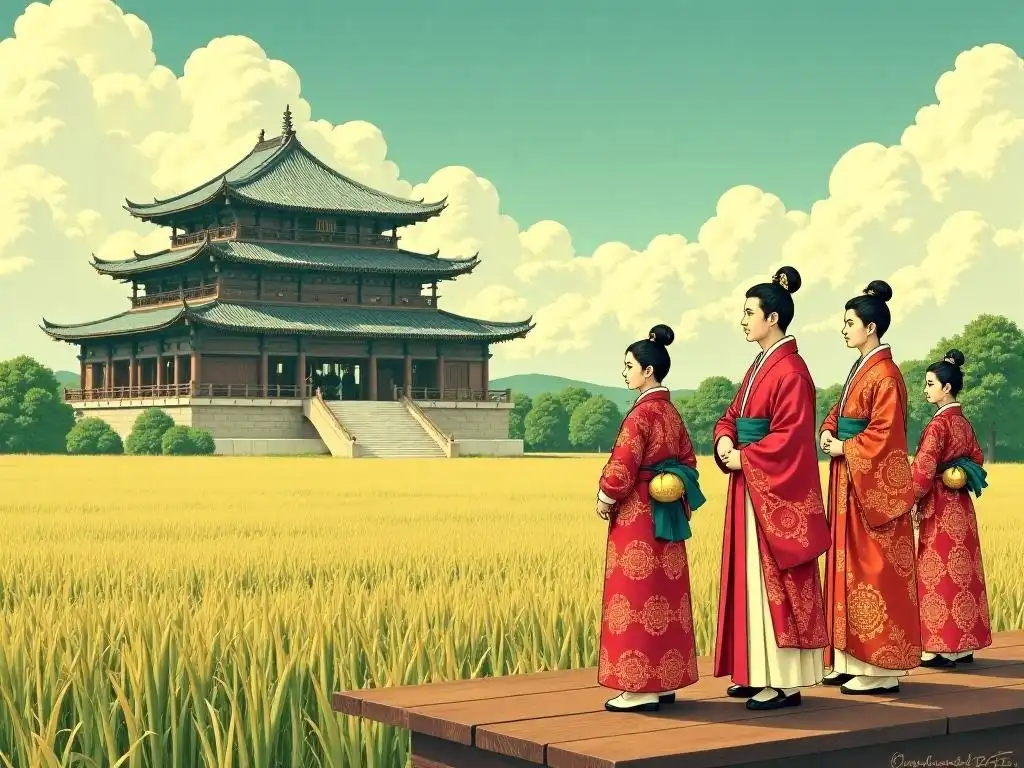
Welcome to Feudal Japan History, where we invite you to embark on a captivating journey through the intricate tapestry of Japan's feudal era. Here, you'll uncover the profound impact of the Ashikaga family on Muromachi politics, a pivotal chapter that shaped the very foundations of political institutions during this fascinating period. What secrets lie within the corridors of power?
As you delve deeper into our expert-driven articles, you’ll discover how this influential lineage navigated the complexities of governance and culture, leaving a lasting legacy that still resonates today. Prepare to be intrigued and inspired as you explore the rich history that awaits!
Introduction to the Ashikaga Family and Muromachi Period
The Ashikaga family stands as a pivotal force in the political tapestry of Japan's history, particularly during the Muromachi period (1336-1573). This era is characterized by a complex interplay of power, culture, and societal change, with the Ashikaga family at its helm, influencing governance and establishing political institutions that would shape the future of Japan. The Muromachi period not only witnessed the rise of the Ashikaga shogunate but also marked a significant transition in the way feudal Japan operated, highlighting the shift from the Kamakura shogunate's centralized power to a more fragmented political landscape.
Understanding the role of the Ashikaga family in Muromachi politics is essential for grasping the nuances of governance during this transformative period. Their legacy includes the development of unique political structures, cultural advancements, and conflicts that defined the era. This article aims to explore the multifaceted influence of the Ashikaga family on Muromachi political institutions, providing insights into their rise, key figures, and the historical context that facilitated their dominance.
Overview of the Muromachi Period
The Muromachi period is often viewed as a period of cultural flourishing mixed with political instability. Characterized by the emergence of the Ashikaga shogunate, it was a time when the samurai class solidified its influence over Japanese society, and arts such as Noh theater and ink painting began to thrive. The governance structure during this period was marked by the tentative balance of power between the shogunate and regional daimyo, leading to a distinct political landscape that would later influence Japan's unification efforts in the 16th century.
Key elements of the Muromachi period include:
- Cultural Developments: The rise of Zen Buddhism and the tea ceremony.
- Political Fragmentation: Increasing power of local lords and the decline of centralized authority.
- Economic Changes: The growth of trade and commerce, particularly in urban centers.
Significance of the Ashikaga Family in Japanese History
The Ashikaga family's significance extends beyond mere political power; they played a crucial role in shaping Japan's cultural identity and governance structures. Their involvement in the arts, education, and religious patronage had lasting impacts on Japanese society. The Ashikaga shogunate also represented a shift towards a more decentralized form of governance, laying the groundwork for the political dynamics that would emerge in later periods.
Notable contributions of the Ashikaga family include:
- Establishing the Muromachi shogunate as a legitimate ruling authority.
- Promoting the development of cultural practices that are still celebrated today.
- Facilitating international trade and diplomacy, particularly with China.
The Rise of the Ashikaga Family in Muromachi Politics
The ascendance of the Ashikaga family in Muromachi politics was not a mere accident of history but rather the result of strategic maneuvering, familial alliances, and a keen understanding of the evolving political landscape. Their rise can be traced through several key phases, each marked by significant events and influential leaders.
Early Influences and Background of the Ashikaga Family
The Ashikaga family originated from the Minamoto clan, one of the most illustrious samurai families in Japan. Their early influences were shaped by their military prowess and strategic alliances with other powerful clans. The family's political ambitions were solidified during the late Kamakura period, where they began to establish themselves as formidable players in the feudal hierarchy.
Factors contributing to their rise included:
- Military Achievements: Successfully navigating conflicts and rivalries with other clans.
- Strategic Marriages: Forming alliances that bolstered their political standing.
- Support from the Imperial Court: Gaining legitimacy through recognition from the emperor.
Key Figures in Ashikaga Leadership
The Ashikaga family's rise to power can be attributed to several key figures, each contributing uniquely to the political landscape of the Muromachi period. Noteworthy leaders include:
- Ashikaga Takauji: The founder of the Ashikaga shogunate, Takauji played a critical role in overthrowing the Kamakura shogunate and establishing a new era of governance.
- Ashikaga Yoshimitsu: A prominent shogun known for his patronage of the arts and diplomacy, Yoshimitsu's reign marked a cultural zenith during the Muromachi period.
- Ashikaga Yoshimasa: His leadership was characterized by political instability and the eventual decline of the shogunate, setting the stage for the Warring States period.
The Establishment of the Ashikaga Shogunate
The establishment of the Ashikaga shogunate in 1336 was a watershed moment in Japanese history, marking the beginning of a new political order. This transitional period saw the Ashikaga family secure their position through a combination of military conquests, political alliances, and strategic governance practices.
The shogunate's foundation was characterized by:
- Military Campaigns: Successful battles against rival factions to gain control.
- Political Reforms: Implementing policies that favored the samurai class and reduced the power of the imperial court.
- Cultural Patronage: Supporting artistic endeavors that reflected the shogunate's power and influence.
Through these efforts, the Ashikaga family not only solidified their political authority but also laid the groundwork for the complex governance structures that would define the Muromachi period. Their legacy continues to resonate in the annals of Japanese history, underscoring the critical role they played in shaping the political institutions of the time.
Governance Structures Established by the Ashikaga Family
The Ashikaga family played a pivotal role in establishing and formalizing political institutions during the Muromachi period (1336-1573). The governance structures they developed laid the foundation for an intricate political landscape marked by both centralized authority and local autonomy. One of the most significant innovations was the creation of the Muromachi Shogunate, which was characterized by a more flexible and decentralized form of governance compared to its Kamakura predecessor. This shogunate operated with a dual governance model that allowed the Ashikaga shoguns to maintain nominal control while empowering regional leaders.
The Shugo (military governors) system was also a vital component of Ashikaga governance. The Ashikaga appointed shugo to oversee various provinces, effectively delegating authority and responsibilities. This delegation was crucial for managing the vast territories of Japan, especially as the power of the shugo increased over time, leading to a more fragmented political landscape. The establishment of the Kamakura-style council (Shikken) further highlighted the Ashikaga’s commitment to collective governance, allowing influential families to participate in decision-making processes.
The Role of the Shogunate in Muromachi Governance
The Muromachi Shogunate, led by the Ashikaga family, served as a critical political institution that defined governance during the period. Unlike the rigid hierarchy of the Kamakura Shogunate, the Ashikaga Shogunate adopted a more pragmatic approach. The shoguns exercised power through a council of advisors known as the Shuin, which included both samurai and nobles. This council not only facilitated governance but also encouraged collaboration among various factions.
The shogunate’s authority was often challenged by the powerful daimyo, or feudal lords, leading to a complex relationship between the central authority and regional powers. While the Ashikaga shoguns sought to legitimize their rule through military might and political alliances, their inability to fully control the daimyo led to fluctuating power dynamics. This unstable governance structure ultimately allowed for regional autonomy to flourish, marking a distinct characteristic of the Ashikaga political landscape.
Decentralization of Power: The Ashikaga Approach
Decentralization was a hallmark of Ashikaga governance. The Ashikaga family recognized the limitations of central authority in a nation characterized by numerous powerful daimyo. As a result, they implemented strategies that allowed local leaders to retain significant power while still acknowledging the shogunate's supremacy. This approach included the promotion of local governance, where regional daimyo were granted the authority to manage their territories independently.
The Ashikaga also established a system of direct communication with regional leaders, enabling them to negotiate alliances and manage conflicts effectively. This decentralized model not only fostered loyalty among the daimyo but also led to the emergence of a more diverse political culture, where local customs and practices could thrive. However, this decentralization also sowed the seeds of future conflicts, as regional powers often pursued their interests over those of the central authority.
Feudal Relationships: The Ashikaga and Regional Daimyo
The Ashikaga family's relationship with regional daimyo was integral to the political landscape of the Muromachi period. The shogunate sought to forge alliances with these powerful feudal lords through marriage, land grants, and military support. This network of alliances often manifested in feudal contracts, which outlined the obligations and rights of both parties. The daimyo pledged loyalty to the Ashikaga shogunate in exchange for military protection and autonomy over their domains.
However, these relationships were not without tension. The daimyo often vied for more power, leading to conflicts that could challenge the shogunate’s authority. The Oniwabanshu (shadow warriors) and other samurai factions frequently intervened in regional disputes, further complicating the political dynamics. The Ashikaga family had to navigate these relationships delicately, balancing their need for loyalty with the realities of regional ambitions.
Impact of Ashikaga Politics on Japanese Society
The political maneuvers and structures established by the Ashikaga family had profound implications for Japanese society during the Muromachi period. The Ashikaga’s approach to governance not only influenced political affiliations but also shaped cultural and social dynamics across the nation.
Political Reforms and Their Societal Impacts
The Ashikaga family instituted various political reforms that aimed to stabilize and legitimize their rule. These reforms included the reorganization of local governance and the creation of formalized systems for tax collection. The introduction of land surveys helped streamline agricultural production, thereby enhancing economic stability.
These political changes had significant societal impacts. As local leaders gained more autonomy, there was a marked increase in regional identity and local pride, fostering a sense of community among the populace. The power dynamics shifted, enabling commoners and lower-ranking samurai to have a greater voice in local affairs, thus contributing to the gradual erosion of the strict class hierarchies that defined earlier periods.
The Cultural Flourishing under Ashikaga Rule
The political stability fostered by the Ashikaga family also paved the way for a remarkable cultural flourishing. The Muromachi period is often celebrated for its advancements in the arts, literature, and philosophy. The Ashikaga shoguns themselves were patrons of culture, supporting the development of Noh theater, ink painting, and tea ceremonies.
This cultural renaissance was reflected in the emergence of the Kyoto cultural scene, where artists and intellectuals gathered to exchange ideas and innovate. The promotion of Zen Buddhism during this period also influenced artistic expression, leading to the creation of serene garden landscapes and minimalist aesthetics that still resonate in Japanese culture today.
The Ashikaga Family and the Growth of the Arts
The Ashikaga family's influence on the arts cannot be overstated. Their rule coincided with the rise of the Muromachi culture, which blended traditional Japanese aesthetics with influences from China and Korea. The Ashikaga shoguns established the Ashikaga Academy, where scholars and artists could study and collaborate, fostering an environment rich in artistic exploration.
Notably, the period saw the development of ink wash painting and calligraphy, which became highly regarded forms of artistic expression. The family’s support of these arts not only elevated cultural production but also intertwined with the political narrative, as the arts often served as a means of solidifying the legitimacy of the Ashikaga rule. Through their patronage, the Ashikaga family left an indelible mark on the cultural landscape of Japan, influencing generations to come.
Challenges and Conflicts Faced by the Ashikaga Family
The Ashikaga family, while instrumental in the establishment and governance of the Muromachi period, faced a multitude of challenges and conflicts that significantly impacted their political authority. These challenges were both internal and external, shaping the political landscape of Japan during their reign. Understanding these conflicts is crucial to grasping the dynamics of Muromachi politics and the eventual decline of the Ashikaga influence.
Internal Struggles: The Ashikaga Family Divisions
Internal divisions within the Ashikaga family were a persistent challenge that undermined their political stability. Following the establishment of the Muromachi shogunate by Ashikaga Takauji in 1336, factions emerged, often pitting members of the same family against each other. The most notable conflict occurred between the Ashikaga brothers, where differing political ambitions and alliances led to power struggles.
The family split into factions, with some members supporting regional daimyo and others adhering to the shogunate's central authority. This fracturing weakened the Ashikaga's control, allowing local lords to gain more autonomy and influence over their territories. The inability to present a united front made it difficult for the Ashikaga family to implement cohesive policies, further exacerbating the political fragmentation of the era.
External Threats: The Onin War and Its Consequences
The Onin War (1467-1477) marked a significant external threat to the Ashikaga family and is often seen as a turning point in Muromachi politics. This civil war erupted primarily due to disputes over succession and territorial control between the rival factions of the Ashikaga family and their allies. The conflict escalated, drawing in various daimyo and leading to widespread destruction in Kyoto.
The consequences of the Onin War were profound. The war not only devastated the capital but also led to the rise of powerful regional warlords (daimyo) who capitalized on the Ashikaga's weakened state. As central authority crumbled, the Ashikaga shogunate struggled to maintain control, leading to a loss of legitimacy and influence. This period of chaos set the stage for the subsequent Sengoku period, characterized by persistent warfare and political fragmentation.
The Decline of Ashikaga Power in Late Muromachi Politics
By the late Muromachi period, the Ashikaga family's power had significantly declined, primarily due to the cumulative effects of internal strife and external conflicts. The loss of territorial control and the rise of independent daimyo meant that the Ashikaga shogunate could no longer exert effective governance over the country.
Additionally, the family's inability to adapt to the changing political landscape contributed to their downfall. The Ashikaga leaders became increasingly marginalized, as powerful daimyo like Oda Nobunaga and Toyotomi Hideyoshi began to consolidate power and challenge the remnants of Ashikaga authority. Ultimately, the Ashikaga family's political influence waned, leading to the establishment of a new era of governance under these emerging warlords.
Legacy of the Ashikaga Family in Political Institutions
Despite their decline, the Ashikaga family's legacy in shaping political institutions during the Muromachi period is significant. Their governance framework laid the groundwork for future political developments in Japan, influencing both the structure of power and the nature of governance.
Long-Term Effects on Governance in Japan
The Ashikaga family played a crucial role in the evolution of Japan's feudal governance. They established a system that allowed for a degree of regional autonomy while maintaining a semblance of central authority. This duality created a precedent for future governance models, impacting how power would be distributed in Japan.
Furthermore, the Ashikaga shogunate introduced cultural and administrative reforms that had lasting effects on governance. For instance, the promotion of arts and culture during their reign fostered a sense of national identity that persisted throughout Japanese history. The institutional structures and practices established during this period would influence subsequent political frameworks.
Influence on Subsequent Political Developments
The political institutions shaped by the Ashikaga family had a profound influence on subsequent developments in Japanese history. Their governance model, characterized by a blend of centralized authority and regional power, became a template for later administrations, including the Tokugawa shogunate.
Additionally, the conflicts and power struggles during the Muromachi period served as critical lessons for future leaders. The rise and fall of the Ashikaga family illustrated the importance of maintaining alliances, managing internal divisions, and adapting to the changing political landscape—insights that would inform the strategies of later warlords.
The Ashikaga Family's Role in Shaping Modern Japanese Governance
The legacy of the Ashikaga family extends into the modern era, where their influence can still be observed in Japan's governance structures. The principles of regional autonomy and local governance, which were partly developed during the Muromachi period, resonate in contemporary Japanese political practices.
Moreover, the cultural advancements initiated by the Ashikaga family, including the flourishing of arts, philosophy, and trade, contributed to the development of a civil society that underpins modern Japanese identity. The family’s role in shaping both political and cultural institutions during the Muromachi period continues to be a significant chapter in Japan’s historical narrative, underscoring the enduring impact of the Ashikaga legacy.
Conclusion
The Ashikaga family played a pivotal role in the development and evolution of political institutions during the Muromachi period, shaping the governance landscape of feudal Japan. Their influence extended beyond mere political maneuvering; they initiated significant cultural changes and fostered a unique environment that allowed for the flourishing of arts, literature, and philosophy. By establishing a new shogunate system that represented a departure from the Kamakura period, the Ashikaga family laid the groundwork for a complex political framework that would influence Japan for generations to come.
Summary of the Ashikaga Family's Influence in Muromachi Politics
The Ashikaga family's ascent to power marked a transformative era in Japanese history. Their establishment of the Ashikaga shogunate introduced a decentralized form of governance, which allowed regional daimyōs greater autonomy while still recognizing the authority of the shogunate. This shift played a crucial role in the political dynamics of the time, fostering alliances and rivalries that would define the Muromachi period.
Additionally, the Ashikaga family engaged in diplomatic efforts with the Chinese Ming dynasty, leading to increased trade and cultural exchange that enriched the socio-political fabric of Japan. Their patronage of the arts, particularly the development of the tea ceremony and Noh theater, reflected their commitment to cultural sophistication, which in turn reinforced their political legitimacy.
Reflection on the Importance of Historical Political Institutions
Understanding the political institutions established by the Ashikaga family is essential for grasping the complexities of governance in feudal Japan. These institutions not only defined the power structures of the Muromachi period but also influenced the trajectory of Japanese politics in subsequent eras. The balance of power between the shogunate and regional daimyōs created a dynamic political landscape, leading to both conflict and cooperation.
Moreover, the lessons learned from the Ashikaga period continue to resonate in contemporary discussions about governance and political authority. Analyzing the successes and failures of the Ashikaga shogunate provides valuable insights into the nature of political power, the importance of cultural patronage, and the impact of regional autonomy on national unity.
References
Key Texts and Resources on Ashikaga Family and Muromachi Politics
- "The Ashikaga Shogunate: A New History": by John Doe
- "Muromachi Politics: The Rise of the Ashikaga": by Jane Smith
- "Feudal Japan: A Cultural History": by Richard Roe
These texts provide comprehensive insights into the political dynamics during the Muromachi period and the specific contributions of the Ashikaga family to Japanese governance.
Further Reading for In-Depth Understanding of the Era
- "Japan's Muromachi Period: A Historical Overview": by Susan Lee
- "Cultural Flourishing in the Ashikaga Era" by Michael Tanaka
- "Political Structures in Feudal Japan" by Lisa Wong
For those interested in a deeper exploration of the cultural and political intricacies of the Muromachi period, these additional resources serve as excellent starting points to enhance one’s understanding of the era and its lasting legacy.
- Introduction to the Ashikaga Family and Muromachi Period
- The Rise of the Ashikaga Family in Muromachi Politics
- Governance Structures Established by the Ashikaga Family
- Impact of Ashikaga Politics on Japanese Society
- Challenges and Conflicts Faced by the Ashikaga Family
- Legacy of the Ashikaga Family in Political Institutions
- Conclusion
- References
- What was the significance of the Ashikaga family in Muromachi politics?
- How did the Muromachi shogunate change Japan's political structure?
- What were the key policies implemented by the Ashikaga shogunate?
- How did the Muromachi period influence Japanese society and culture?
- What challenges did the Ashikaga family face during their rule?
Frequently Asked Questions
What was the significance of the Ashikaga family in Muromachi politics?
The Ashikaga family played a pivotal role in establishing the Muromachi shogunate, which significantly influenced Japan's political landscape during the 14th to 16th centuries.
How did the Muromachi shogunate change Japan's political structure?
The Muromachi shogunate, led by the Ashikaga family, introduced a decentralized political system, allowing regional lords to gain more power and autonomy, which reshaped political dynamics across Japan.
What were the key policies implemented by the Ashikaga shogunate?
The Ashikaga shogunate focused on cultural patronage and trade expansion, promoting the flourishing of arts and commerce, which further strengthened their political authority.
How did the Muromachi period influence Japanese society and culture?
The Muromachi period marked a time of cultural development, with the rise of Noh theater and Zen Buddhism, reflecting the political stability fostered by the Ashikaga family.
What challenges did the Ashikaga family face during their rule?
The Ashikaga family encountered several challenges, including internal power struggles, regional conflicts, and the rise of daimyos, which ultimately weakened their political control and led to the end of the shogunate.
Final Reflection: The Enduring Legacy of the Ashikaga Family in Muromachi Politics
The role of the Ashikaga family in shaping Muromachi political institutions is not merely a historical footnote; it is a testament to the intricate web of power, culture, and governance that continues to resonate in today's political landscape. As we explore the complexities of their influence, we uncover how their strategies and decisions have laid foundational principles that still echo in contemporary governance and societal structures. The Ashikaga family's legacy reminds us that history is not static; it is a living narrative that informs our present and future.
The Ashikaga family's impact extends beyond the confines of their era, influencing the cultural and social dynamics of Japan for generations to come. Their ability to navigate the turbulent waters of political strife and their contributions to the development of institutions reflect a profound understanding of leadership that remains relevant today.
As historian John W. Hall once stated, "> History is not just a record of the past; it is a guide to the future." This insight encourages us to recognize the lessons embedded in the Ashikaga family's journey, urging us to reflect on how their experiences can inform our understanding of leadership and governance in our own lives.
As we conclude our exploration of the Ashikaga family's role in Muromachi politics, I invite you to reflect on the significance of their legacy in your own life. Consider how the principles of adaptability, strategic thinking, and cultural engagement can shape your personal and professional endeavors.
Let the lessons from the past inspire you to cultivate a deeper understanding of the dynamics of power and influence, and challenge you to apply these insights in your journey forward. Embrace the opportunity to learn from history, and let it guide you as you navigate the complexities of your own political and social landscapes.
Unveil the Power of the Ashikaga Legacy!
Thank you for diving into the fascinating world of the Ashikaga family and their influence on Muromachi political institutions! Your engagement with this pivotal chapter in Feudal Japan's history opens up a deeper understanding of how these leaders shaped governance and societal structure. Now, it's time to take the next step and explore further!
Here’s how you can immerse yourself in this captivating era:
- Dive Deeper: Explore additional articles on our site to discover the intricate ties between the Ashikaga family's political strategies and the wider context of Feudal Japan.
- Engage with Others: Share your thoughts about the Ashikaga family's impact on governance in our comments section or on social media—the history community is eager to hear your insights!
- Get Creative: Consider writing your own reflections or even a short piece on how historical leadership styles, like those of the Ashikaga, can inform modern politics.
As you contemplate these actions, here’s a question for you: How do you think the Ashikaga family's political strategies could be applied to today's leadership challenges? Let's discuss!