
The Legacy of Edo: How Urbanization Influenced Modern Japan

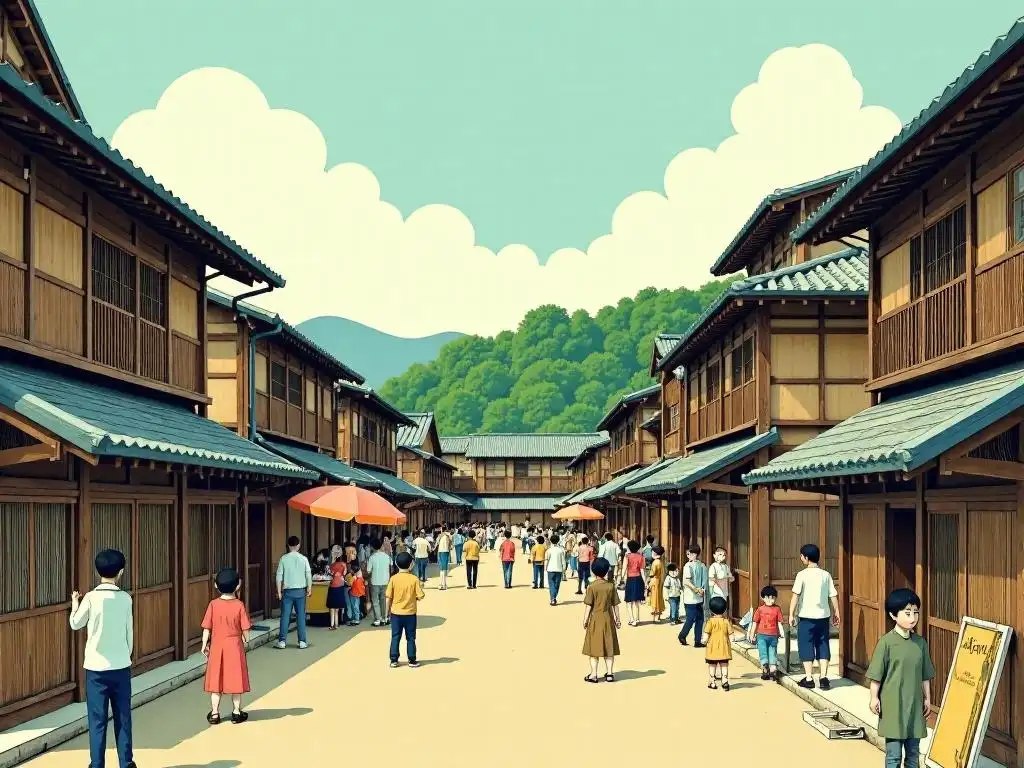
Welcome to Feudal Japan History, where we embark on an intriguing journey through the rich tapestry of Japan's feudal era. In our featured article, " The Legacy of Edo: How Urbanization Influenced Modern Japan," we delve deep into the Edo period urbanization impact—a transformative chapter that reshaped not only the cultural landscape but also the very foundations of Japan's economy and society. Curious about how this pivotal era continues to echo in today’s Japan? Join us as we uncover the layers of history that define a nation, sparking insights that will leave you eager to explore more.
Introduction to the Edo Period Urbanization Impact
The Edo period (1603-1868) marks a significant chapter in Japan's history, characterized by a unique blend of cultural, social, and economic transformations. This era not only laid the groundwork for modern Japanese society but also witnessed unprecedented urbanization that reshaped the nation. As cities flourished, particularly Edo (now Tokyo), they became centers of commerce, culture, and political power. This article delves into the profound impact of urbanization during the Edo period, exploring how it influenced various aspects of life and ultimately contributed to the formation of contemporary Japan.
Overview of the Edo Period (1603-1868)
The Edo period, initiated by the Tokugawa shogunate, brought about a long-lasting peace known as the Pax Tokugawa. This era was marked by strict social hierarchies and a rigid class system that defined the lives of the samurai, farmers, artisans, and merchants. The stability of this period allowed for economic growth, increased agricultural productivity, and the flourishing of trade, which were essential components of urbanization.
- Key Features of the Edo Period:
- Political Structure: Centralized power under the shogunate.
- Social Order: Four main classes: samurai, farmers, artisans, and merchants.
- Cultural Flourishing: The emergence of ukiyo-e (woodblock prints), kabuki theater, and haiku poetry.
Significance of Urbanization in Edo
Urbanization during the Edo period was not merely a demographic shift; it was a transformative process that influenced various facets of Japanese life. The growth of Edo and other urban centers reflected changes in economic practices, cultural exchanges, and social interactions.
- Economic Impacts:
- Development of a market economy.
- Rise of merchant classes and the expansion of trade networks.
- Cultural Impacts:
- Urban centers became hubs of cultural exchange and innovation.
- Increased accessibility to education and the arts.
- Social Impacts:
- Evolving class dynamics as merchants gained influence.
- Greater mobility for individuals seeking opportunities.
The Rise of Edo: A Prelude to Urban Growth
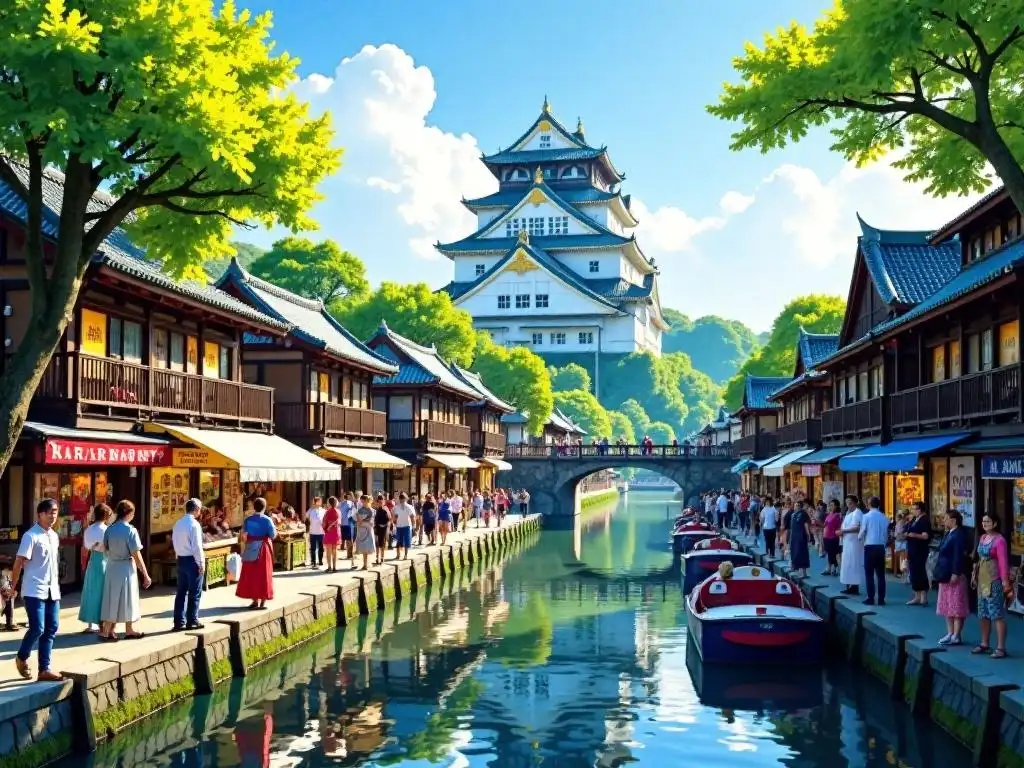
The establishment of Edo as the seat of power catalyzed its rapid transformation into one of the world's largest cities by the 18th century. This growth was not only a result of political decisions but also of underlying societal changes.
Historical Context of Edo's Establishment
Originally a small fishing village, Edo's rise to prominence began when Tokugawa Ieyasu chose it as the location for his shogunate. This strategic decision was pivotal, as it shifted the political power center away from Kyoto, traditionally the imperial capital.
- Factors Contributing to Edo's Growth:
- Geographic Advantage: Edo’s location provided access to natural resources and trade routes.
- Infrastructure Development: Roads and waterways facilitated movement and commerce.
Population Growth and Its Implications
As Edo developed, its population swelled, reaching over a million inhabitants by the mid-19th century. This rapid urbanization brought about significant implications for society and the economy.
- Demographic Changes:
- Migration from rural areas to urban centers in search of work and opportunities.
- A diverse population contributing to a vibrant urban culture.
- Challenges of Urbanization:
- Issues related to sanitation, housing, and social order.
- The need for effective governance to manage the growing urban populace.
The legacy of the Edo period’s urbanization is a complex tapestry woven from historical decisions, economic shifts, and cultural developments. Understanding this era provides invaluable insights into the foundations of modern Japan.
Key Features of Edo Urbanization
The urbanization of Edo during the early modern period (1603-1868) was marked by several distinctive features that transformed it into one of the largest cities in the world at the time. As the center of the Tokugawa shogunate, Edo not only served as a political capital but also became a thriving hub of culture and commerce.
- Population Growth: Edo's population surged from approximately 200,000 in the early 17th century to over a million by the end of the 18th century. This rapid population increase was largely due to migration from rural areas, as people flocked to the city in search of better opportunities.
- Social Stratification: The urban environment fostered a complex social structure, characterized by the presence of samurai, merchants, artisans, and laborers. Each class had designated areas within the city, contributing to a stratified yet interconnected society.
- Cultural Flourishing: Edo became a cultural epicenter, where arts such as kabuki theater, ukiyo-e (woodblock prints), and literature thrived. This cultural dynamism was fueled by the growing leisure class among merchants and the patronage of samurai.
- Public Amenities: As Edo expanded, it developed essential public amenities such as parks, temples, and theaters, enhancing the quality of urban life. These amenities not only served the populace but also attracted more residents and visitors.
- Transportation Networks: An extensive network of roads and waterways facilitated trade and mobility, connecting Edo to other regions of Japan. This infrastructure was crucial for the movement of goods and people, further accelerating urban growth.
Infrastructure Development in Edo
The infrastructure of Edo was a pivotal factor in its urbanization, reflecting a sophisticated approach to city planning and public works. Key developments included:
- Road Systems: Major highways, such as the Tōkaidō and Nakasendō, linked Edo to other significant cities, promoting trade and travel. The well-maintained roads supported the movement of goods and the flow of information.
- Water Management: The construction of canals and drainage systems improved sanitation and facilitated transportation. Edo’s unique geography required an intricate network of waterways to manage flooding and provide water for daily use.
- Public Buildings: The establishment of government buildings, marketplaces, and religious sites played a crucial role in organizing urban life. These structures were strategically placed to serve both administrative and social functions.
- Fire Prevention Measures: Given the wooden construction prevalent in Edo, fire prevention became a priority. The city implemented regulations on building materials and established fire brigades, which contributed to safer urban living conditions.
Architectural Innovations and Urban Planning
Edo’s architectural innovations and urban planning strategies were integral to its successful urbanization. The city exemplified a blend of aesthetics and functionality:
- Traditional Wooden Architecture: The use of timber allowed for flexibility in design and rapid construction. Buildings were often raised on stilts to mitigate flood damage.
- Zoning Practices: Edo employed zoning practices that designated areas for different purposes, such as residential, commercial, and governmental functions. This organization facilitated smoother interactions among diverse social groups.
- Parks and Green Spaces: Public parks, such as Ueno Park, provided residents with recreational areas amidst the urban density. These green spaces were essential for social gatherings and cultural events.
- Temple Complexes: Influential temples and shrines were not only religious centers but also served as landmarks that helped define community identity within the urban landscape.
Economic Factors Driving Urbanization in Edo
The economic landscape of Edo was a significant catalyst for its urbanization, driven by various factors that shaped the city’s development and prosperity:
Trade and Commerce during the Edo Period
Edo emerged as a commercial powerhouse during the Edo period, actively engaging in trade that fueled its urban growth.
- Merchant Class Expansion: The rise of the merchant class, particularly the chōnin (townspeople), played a crucial role in Edo's economy. Wealth generated from trade allowed merchants to invest in local infrastructure and cultural activities.
- Marketplaces: The establishment of bustling markets, such as the Nihonbashi, became vital to the economy. These marketplaces facilitated the exchange of goods, from rice to textiles, and served as social hubs for the community.
- Interregional Trade: Edo's strategic location enabled it to become a focal point for interregional trade. Goods from across Japan, including rice, sake, and crafts, flowed into the city, enriching its economy and culture.
- Taxation and Revenue: The shogunate implemented a system of taxation that supported public works and urban development. Revenue from trade taxes was reinvested in the city, further enhancing its infrastructure and services.
Agricultural Advances and Their Urban Effects
Agricultural advancements during the Edo period had profound implications for urbanization, contributing to the city’s growth and sustainability.
- Increased Rice Production: Innovations in rice cultivation, including the introduction of new techniques and crop rotation, led to a surplus of food production. This agricultural abundance supported a growing urban population.
- Market Gardens: The development of market gardens around Edo allowed for the efficient supply of fresh produce to the city. These gardens not only met the dietary needs of urban residents but also created economic opportunities for farmers.
- Rural-Urban Linkages: The interdependence between rural areas and urban centers became increasingly apparent. Agricultural surplus from surrounding regions fed the urban population, while urban markets offered rural producers access to broader markets.
- Population Resilience: The agricultural advancements contributed to a more stable food supply, reducing the risk of famine and allowing for population growth within the city. This stability was crucial in fostering a vibrant urban environment.
Cultural Influences of Urbanization in Edo
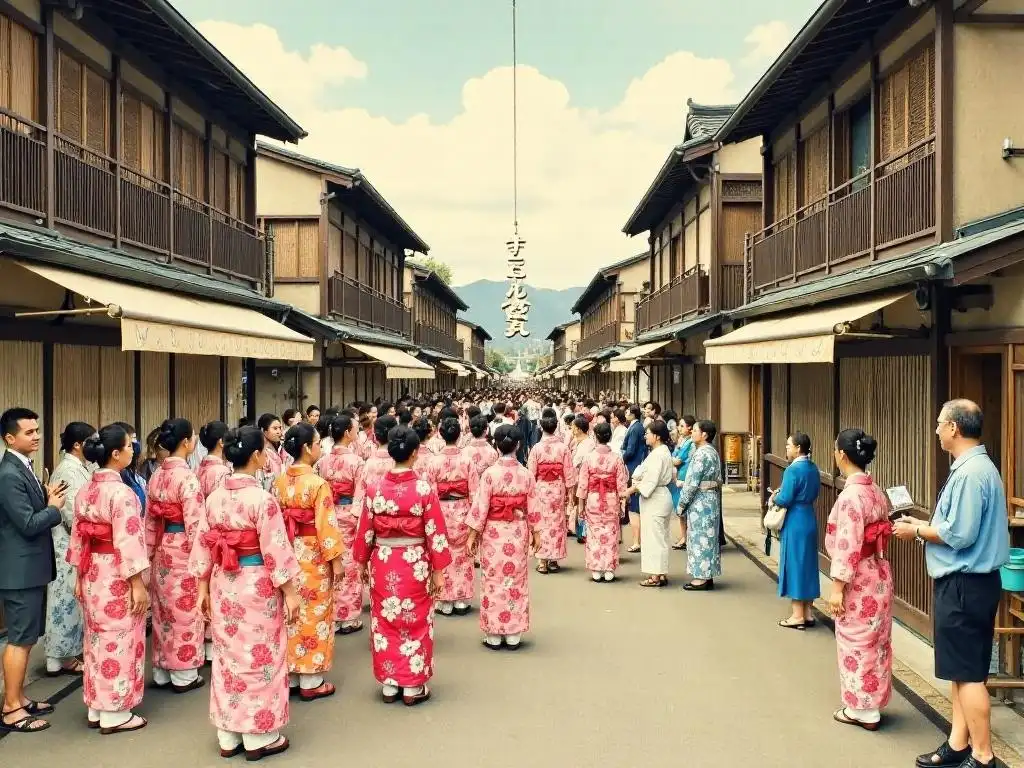
The Edo period (1603-1868) marked a significant transformation in Japanese culture, largely driven by urbanization. As Edo (modern-day Tokyo) evolved into one of the largest cities in the world, it became a melting pot of diverse cultural influences. This urban boom facilitated the emergence of new cultural forms, including literature, art, and theater, which reflected the lives and aspirations of the burgeoning urban population.
The Emergence of a Distinct Urban Culture
With the population of Edo swelling to over a million by the late 18th century, a distinctive urban culture emerged. The concentration of people from various regions led to a blend of customs and traditions, fostering innovation in arts and entertainment. Notably, the kabuki theater gained immense popularity, captivating audiences with its vibrant performances and elaborate costumes. This form of entertainment not only entertained but also provided a platform for social commentary.
Furthermore, the rise of ukiyo-e, or "pictures of the floating world," illustrated the daily lives of Edo's urbanites, showcasing their fashion, leisure activities, and the bustling cityscape. These artistic expressions were not merely aesthetic; they reflected the changing dynamics of society, where traditional values met new urban experiences.
Influence on Social Structures and Class Systems
Urbanization during the Edo period significantly altered Japan's social fabric. The rigid class structures established by the feudal system began to blur in urban settings. The merchant class, traditionally viewed with disdain, gained influence and wealth, challenging the samurai’s status. This shift resulted in the emergence of a more fluid social hierarchy, where wealth and cultural capital began to define one's status more than hereditary lineage.
The rise of towns and cities also contributed to the development of new social classes, such as the chōnin (townspeople), who became essential to the economy and culture of Edo. Their participation in trade, crafts, and the arts cultivated a thriving cultural scene that would ultimately influence modern Japanese identity.
Edo Urbanization Impact on Modern Japan
The urbanization of Edo set the stage for many aspects of modern Japanese society. Its influences can still be observed in contemporary cultural practices, social structures, and economic systems. Understanding these impacts helps to appreciate the continuity and change in Japan's development.
Lasting Effects on Japanese Society and Culture
The urban culture that flourished in Edo laid the groundwork for Japan's modern identity. The concept of "kawaii" (cuteness), which permeates contemporary Japanese culture, can trace its roots back to the artistic expressions of the Edo period. Additionally, urbanization encouraged literacy and education, leading to a more informed populace and the eventual rise of modern education systems.
Moreover, the resilience and adaptability seen in Edo's urban society have influenced Japan’s approach to modernization. The blend of tradition and innovation that characterized the Edo period paved the way for Japan's rapid industrialization in the late 19th century, as the nation sought to balance its rich cultural heritage with the demands of a modern world.
Economic Legacy of the Edo Period
The economic structures established during the Edo period continue to shape Japan's economy today. The development of trade networks, marketplaces, and urban commerce fostered a capitalist economy that laid the foundation for contemporary business practices. The rise of the merchant class during Edo encouraged entrepreneurship and innovation, traits that are still celebrated in Japan's economic landscape.
Furthermore, the infrastructure improvements made in Edo, such as road systems and transportation networks, played a crucial role in facilitating trade and communication, which are vital components of today's economy. The legacy of Edo’s urbanization is evident not only in cultural expressions but also in the economic principles that guide Japan's modern capitalist economy.
Conclusion: Reflection on Edo's Urbanization Legacy
The Edo period, spanning from 1603 to 1868, marked a transformative era in Japan's historical narrative, characterized by significant urbanization that reshaped not only the cities of that time but also laid the foundation for modern Japan. The vibrant urban centers that emerged during this period, particularly Edo (now Tokyo), served as hubs of culture, commerce, and social interaction. This urbanization spurred innovations in infrastructure, governance, and cultural practices, all of which have had lasting impacts on contemporary Japanese society.
The legacy of Edo's urbanization is evident in various aspects of modern life, from city planning and architectural styles to social structures and cultural expressions. The emphasis on communal living and the development of a rich cultural tapestry during the Edo period have contributed to Japan's unique identity today. Moreover, the historical experiences and lessons learned from the urbanization of the Edo period continue to inform Japan's response to contemporary urban challenges, such as population density and environmental sustainability.
Summary of Key Points on Urbanization Impact
- Population Growth and Urban Centers: The Edo period witnessed a dramatic increase in population, particularly in urban areas. Edo grew to become one of the largest cities in the world, with a population exceeding one million by the mid-18th century, which facilitated economic growth and cultural exchange.
- Economic Development: Urbanization stimulated commerce, leading to the rise of a merchant class that played a crucial role in Japan's economy. The establishment of markets and trade routes fostered economic interdependence among regions.
- Cultural Flourishing: The urban centers became crucibles of cultural innovation, giving rise to new art forms, literature, and entertainment, including kabuki theater and ukiyo-e prints. This cultural dynamism was largely fueled by the diverse population and the increased interaction among different societal groups.
- Infrastructure Advancements: The necessity to accommodate growing urban populations led to significant advancements in infrastructure, including roads, waterways, and public buildings. These developments laid the groundwork for modern urban planning and public services in Japan.
- Social Stratification and Mobility: The urbanization process facilitated new forms of social stratification, allowing for greater social mobility. While the samurai class retained power, the burgeoning merchant class gained influence, altering traditional hierarchies.
Final Thoughts on Edo's Influence on Modern Japan
The influence of Edo's urbanization reaches far beyond its temporal boundaries, echoing in the fabric of modern Japanese society. The innovations and cultural practices that emerged during this period continue to shape urban life in contemporary Japan, from architectural styles that blend traditional and modern elements to the ongoing emphasis on community and cultural identity.
As Japan faces the challenges of modern urbanization, such as sustainability and urban sprawl, the lessons learned from the Edo period serve as a valuable reference point. The experiences of urban governance, community building, and cultural expression during the Edo period remain relevant as Japan navigates the complexities of modern urban life. Thus, the legacy of Edo is not merely a historical phenomenon but a living influence that continues to inform and inspire the trajectory of Japan's urban landscape today.
- Introduction to the Edo Period Urbanization Impact
- Overview of the Edo Period (1603-1868)
- Significance of Urbanization in Edo
- The Rise of Edo: A Prelude to Urban Growth
- Key Features of Edo Urbanization
- Economic Factors Driving Urbanization in Edo
- Cultural Influences of Urbanization in Edo
- Edo Urbanization Impact on Modern Japan
- Conclusion: Reflection on Edo's Urbanization Legacy
- What was the Edo period in Japan?
- How did urbanization during the Edo period affect Japanese culture?
- What were the economic impacts of urbanization in the Edo period?
- How did the Edo period's urbanization influence modern Japanese cities?
- What lessons can contemporary societies learn from Edo period urbanization?
Frequently Asked Questions
What was the Edo period in Japan?
The Edo period (1603-1868) was a time of peace, stability, and cultural flourishing in Japan, marked by the rule of the Tokugawa shogunate. It significantly shaped modern Japanese society.
How did urbanization during the Edo period affect Japanese culture?
Urbanization led to the rise of cities like Edo (Tokyo), which became cultural hubs. This era saw the development of art, literature, and performing arts, influencing Japan's cultural identity.
What were the economic impacts of urbanization in the Edo period?
The growth of urban centers stimulated trade and commerce, leading to a more complex economy. It encouraged the rise of a merchant class and contributed to a shift in economic power.
How did the Edo period's urbanization influence modern Japanese cities?
The infrastructure and urban planning developed during the Edo period laid the groundwork for modern urbanization in Japan. Cities today still reflect some of these historical layouts.
What lessons can contemporary societies learn from Edo period urbanization?
The Edo period illustrates the importance of sustainable urban growth, balancing cultural heritage with modernization. It serves as a case study on how urbanization can shape societal values.
Final Reflection: The Enduring Impact of Edo Urbanization
The legacy of Edo period urbanization continues to shape modern Japan in profound ways. As we navigate the complexities of contemporary urban life, it is essential to recognize how the foundations laid during the Edo period have influenced everything from architecture to social dynamics. The bustling streets of Edo, with their intricate networks and vibrant culture, serve as a reminder that urbanization is not merely a historical phenomenon but a living, breathing aspect of our daily existence.
Edo's urbanization has not only transformed the physical landscape of Japan but has also deeply influenced its cultural identity. The interplay of tradition and modernity that characterizes Japan today can be traced back to the innovations and societal shifts that occurred during the Edo period. As noted by historian John Dower, The past is not dead; it is not even past.
This quote encapsulates the idea that our understanding of history is vital in shaping our present and future, urging us to acknowledge the lessons embedded in our urban heritage.
As we reflect on the impact of Edo period urbanization, I invite you to consider how these historical insights can inform your own life and community. How can we draw from the past to create more inclusive, vibrant urban spaces today? Let us embrace the spirit of innovation and adaptability that characterized Edo, using it as a guiding principle to foster sustainable growth and cultural richness in our modern cities. Together, we can honor the legacy of Edo while paving the way for a brighter, more interconnected future.
Embrace the Spirit of Edo: Shape Japan's Future!
Thank you for diving into the fascinating legacy of Edo and its profound impact on modern Japan! By exploring the intricate ties between urbanization and cultural evolution, you now possess a deeper understanding of how historical influences shape the present. Now, let's take that insight and put it into action!
Here are a few ways you can continue your journey:
- Visit a local museum or exhibit dedicated to Japanese culture and urban history to experience this connection firsthand.
- Share your newfound knowledge with friends and family— initiate a conversation over tea about how the Edo period shaped various aspects of contemporary Japan.
- Join online forums or social media groups focused on Japanese history to connect with fellow enthusiasts and keep the dialogue alive!
What aspect of the Edo period do you find most surprising, and how do you think it continues to influence Japan today? Let's discuss!