
The Role of the Samurai Family: Honor, Loyalty, and Legacy in Feudal Japan

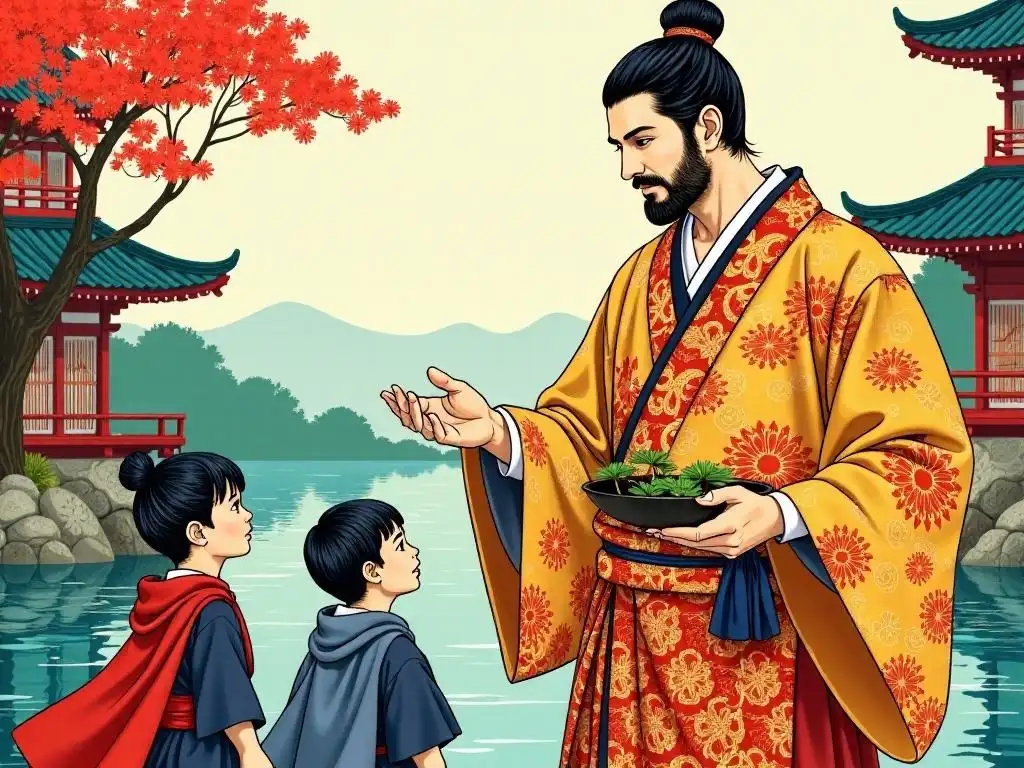
Welcome to Feudal Japan History, where we embark on a compelling journey into the heart of Japan’s feudal era. Here, we delve into the intricate tapestry of Samurai family honor and legacy, a cornerstone of the society that shaped an entire nation. What does it truly mean to uphold a family’s honor in a world governed by loyalty and tradition?
As you navigate through our expert-driven articles, prepare to uncover the profound values that dictated the lives of these formidable warriors and their families. Join us as we unravel the captivating stories behind the samurai, and discover how their legacies continue to echo through time. Your exploration begins now!
Introduction to the Samurai Family
The samurai family stands as a pivotal institution in the intricate tapestry of feudal Japan, embodying principles of honor, loyalty, and a profound sense of legacy. These warrior families not only shaped the martial landscape of their era but also influenced the broader cultural and societal norms that defined Japanese life during the feudal period.
Within this framework, the samurai family was characterized by a strict adherence to the code of bushido, which dictated not only the conduct of individual samurai but also the values upheld within the family unit. This article delves into the significance of the samurai family, exploring how their honor and legacy were intertwined with their social standing and personal relationships, thereby providing insights into the intricate dynamics of feudal society.
Overview of Samurai Culture in Feudal Japan
Samurai culture emerged during the Heian period (794-1185) and flourished throughout the Kamakura (1185-1333) and Muromachi periods (1336-1573). At its core, the samurai class was marked by their martial prowess and loyalty to their lords, often serving the daimyō in exchange for land and protection. The samurai were not merely warriors; they were also cultured individuals who practiced arts such as poetry, calligraphy, and tea ceremonies, reflecting a duality of life that emphasized both strength and refinement.
- Key Characteristics of Samurai Culture:
- Bushido Code: The ethical framework governing samurai conduct.
- Martial Skills: Mastery of weapons, horsemanship, and strategy.
- Cultural Pursuits: Engagement in arts and intellectual activities.
This rich culture contributed to a complex social structure where the samurai family played a crucial role in maintaining the values and traditions that defined their identity.
Importance of Family in Samurai Society
The samurai family was not just a domestic unit but a vital component of the socio-political landscape. Family ties dictated alliances, power dynamics, and social status, often transcending individual ambitions. The lineage of a samurai family could significantly influence their reputation and standing in society.
- Roles within the Samurai Family:
- Patriarch: The head of the family, responsible for decision-making and upholding family honor.
- Matriarch: Often the keeper of family traditions, managing household affairs and education.
- Children: Trained from a young age in martial skills and cultural practices to continue the family legacy.
The samurai family structure was thus instrumental in fostering loyalty and ensuring the continuation of their values through generations.
The Concept of Honor in the Samurai Family
Honor was the cornerstone of samurai identity, intricately woven into the fabric of family life. This concept shaped the actions and decisions of samurai and their families, influencing everything from daily conduct to the resolution of conflicts.
Definition of Honor in the Samurai Context
In the samurai context, honor was linked to reputation, integrity, and loyalty. The term "meiyo" (名誉) encapsulates this notion, representing the esteem in which a samurai and his family were held. A samurai's honor could be enhanced through acts of bravery, loyalty to one's lord, and adherence to bushido, while dishonor could lead to severe consequences, including seppuku (ritual suicide) to restore one's family's reputation.
Historical Examples of Samurai Honor
Throughout history, numerous samurai exemplified the principles of honor that defined their families. One notable figure is Minamoto no Yoshitsune, a legendary warrior whose loyalty to his brother and military prowess established a lasting legacy. Conversely, the story of Kusunoki Masashige, who chose to die fighting for his emperor rather than surrender, illustrates the extreme lengths to which samurai would go to preserve their family's honor.
- Key Examples:
- Minamoto no Yoshitsune: A symbol of loyalty and honor.
- Kusunoki Masashige: Demonstrated ultimate sacrifice for honor.
These historical narratives serve as powerful reminders of how honor was not only a personal virtue but also a family obligation.
Honor as a Family Legacy
The concept of honor in samurai families extended beyond the individual; it was a legacy passed down through generations. Families would often commemorate the deeds of their ancestors, reinforcing the ideals of honor and loyalty within the household. This legacy was crucial for maintaining the family’s status and reputation within the samurai class.
- Mechanisms of Legacy:
- Storytelling: Oral traditions and tales of valor were shared among family members.
- Ceremonial Practices: Rituals commemorating ancestors and their contributions to the family’s honor.
In this way, the samurai family not only upheld their own honor but also created a lasting legacy that would influence future generations, ensuring that the principles of honor, loyalty, and duty remained central to their identity in feudal Japan.
Loyalty in the Samurai Family Structure
Loyalty was a cornerstone of the samurai family structure, deeply embedded in their codes of conduct and social expectations. The samurai, known for their martial prowess, also adhered to stringent ethical principles that governed their relationships with family and their lords. Within the family unit, loyalty was not merely a personal virtue but an expectation that defined the very fabric of samurai life. The bond of loyalty ensured that family members supported one another, maintained the family’s honor, and upheld their name in the face of adversity.
The Role of Loyalty in Samurai Ethics
Loyalty, or "chūgi," was a fundamental aspect of samurai ethics, guiding their actions and decisions. It was considered a sacred duty to remain loyal to one’s lord and family, reflecting a deep sense of obligation that transcended personal desires. Samurai were taught from a young age that loyalty was paramount; it was a virtue that shaped their identity and social standing. The ethical teachings of Confucianism and Bushido, the way of the warrior, emphasized loyalty as a means of achieving honor and respect within society.
The loyalty within the samurai family extended beyond mere duty; it was also about sacrifice. Samurai were expected to put the needs of their family and clan above their own, fostering a strong sense of unity and shared purpose. This loyalty was often exemplified in the form of ritual suicide or "seppuku," which a samurai would perform to restore honor to their family in the event of disgrace or failure.
Familial Loyalty vs. Loyalty to the Daimyo
While familial loyalty was crucial, samurai also faced the challenge of balancing their loyalty to their family with their loyalty to their daimyo, the feudal lord they served. This dual loyalty often created complex dynamics within samurai families. On one hand, the samurai were bound to defend and support their families; on the other hand, allegiance to their daimyo required obedience and service, sometimes at the expense of family ties.
In situations where family interests conflicted with the directives of the daimyo, samurai had to make difficult choices. For instance, a samurai might be ordered to fight against a clan member or relative, placing them in a moral quandary that tested their loyalty. This tension highlighted the importance of honor in samurai culture, where the perception of loyalty could dictate one's reputation and legacy.
Consequences of Disloyalty in Samurai Families
Disloyalty within samurai families was viewed as one of the gravest offenses and could lead to dire consequences. The repercussions for betrayal could include shame, loss of status, and even death. A samurai who was perceived as disloyal risked not only their life but also the honor of their entire family.
Families relied on the integrity and loyalty of their members to maintain their standing in society. When disloyalty occurred, it often led to a cycle of retribution, where loyal family members sought to restore their honor through vengeance or other means. This cycle contributed to the intense rivalry and conflicts between samurai families and clans, further complicating the already intricate web of relationships in feudal Japan.
The Legacy of Samurai Families
The legacy of samurai families extends far beyond their martial prowess; it encompasses the values, traditions, and cultural impact that they imparted to future generations. The honor and loyalty that defined samurai life have left a profound mark on Japanese history and society, shaping cultural narratives and national identity.
Transmission of Values and Traditions
Samurai families played a pivotal role in the transmission of values and traditions through generations. Education was a critical component of this legacy, as samurai children were instructed in martial arts, literature, philosophy, and ethics. The teachings of Bushido were deeply ingrained in the upbringing of samurai children, emphasizing virtues such as courage, honor, and loyalty.
Moreover, rituals and ceremonies were integral to maintaining the family legacy. These included rites of passage, memorial services for deceased family members, and celebrations of achievements. Such practices not only reinforced familial bonds but also served as a means of instilling a sense of pride and identity among family members.
Famous Samurai Families and Their Impact on Society
Numerous samurai families have left indelible marks on Japanese history, influencing political and cultural landscapes. Notable families such as the Tokugawa, Minamoto, and Taira played critical roles in shaping the course of feudal Japan. The Tokugawa shogunate, for instance, initiated a long period of peace and stability known as the Edo Period, which allowed samurai families to flourish in cultural and economic spheres.
The impact of these families extended beyond the battlefield; they were instrumental in the development of arts, literature, and philosophy. The patronage of samurai families fostered advancements in various fields, leading to a rich cultural heritage that continues to influence Japan today.
The Role of Women in Samurai Family Legacy
Women in samurai families, often overlooked in traditional narratives, played vital roles in preserving family honor and legacy. While samurai men were warriors, women were tasked with managing household affairs, educating children, and upholding the family's moral and ethical standards. They were seen as guardians of family values and traditions, instilling loyalty and honor in their offspring.
In certain cases, women from samurai families even took on active roles in defense, participating in battles or leading their households during times of conflict. Figures like Tomoe Gozen, a legendary female warrior, exemplify the active participation of women in the samurai legacy. The contributions of these women are essential to understanding the full scope of samurai family dynamics and their lasting impact on Japanese culture.
The legacy of samurai families is a multifaceted narrative that encompasses loyalty, honor, and the enduring influence of both men and women in shaping feudal Japan's society.
The Evolution of Samurai Family Dynamics
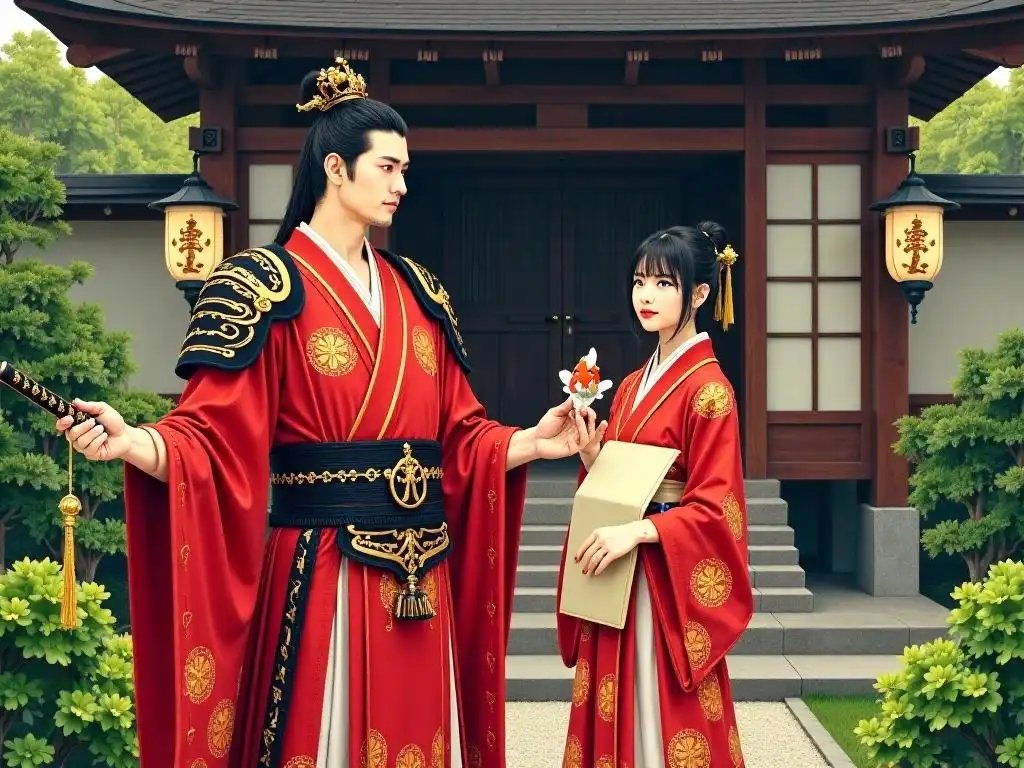
The samurai family, or bushi family, was integral to the social fabric of feudal Japan, characterized by a complex interplay of honor, loyalty, and legacy. As the political and social landscape of Japan evolved, so too did the dynamics within these families. Initially, samurai families were primarily defined by their military roles and obligations to their lords. However, over time, the changing tides of warfare, peace, and economic prosperity introduced new dimensions to family structures and relationships.
Changes in Family Structures Over Time
In the early feudal period, the samurai family structure was often patriarchal, with the male head of the household wielding significant authority. The role of women was largely confined to managing the household and raising children, often instilling values of loyalty and honor in the next generation. As the centuries progressed, particularly during the Edo period (1603-1868), the samurai family began to adopt more structured hierarchies. The introduction of formalized marriages, alliances, and inheritance laws significantly influenced family dynamics.
- Patrilineal Lineage: An emphasis on bloodlines and lineage became paramount, with the firstborn son often inheriting the family name and estate.
- Role of Women: While women’s roles were traditionally limited, they began to gain more influence in the management of family affairs, particularly as the samurai class transitioned from warriors to bureaucrats and landowners.
- Kinship Networks: Alliances through marriage became a strategic tool for enhancing power and influence, leading to broader kinship networks that extended beyond immediate family.
These changes reflect a shift in focus from purely military obligations to the preservation of family honor and wealth through political marriages and alliances.
Influence of War and Peace on Samurai Families
The samurai family's evolution was profoundly influenced by the pendulum of war and peace throughout Japan's history. During periods of intense conflict, such as the Sengoku period (1467-1603), the samurai family was primarily focused on military prowess and loyalty to their clan. Families often trained their children in the arts of war and strategy to ensure the family’s survival and prominence.
Conversely, during times of peace, particularly in the Edo period, the role of the samurai family shifted towards governance and administration. This transition allowed families to focus on cultural pursuits, education, and the arts, creating a new legacy that intertwined martial honor with intellectual and artistic achievements.
- War: Families often faced the harsh reality of loss and the need to avenge fallen members, reinforcing loyalty and honor as central tenets of family life.
- Peace: The samurai class adapted by promoting education and cultural refinement, fostering a legacy that valued wisdom alongside martial skills.
This duality of purpose contributed to a rich tapestry of samurai family life that balanced the ideals of honor and loyalty with the practicalities of governance and culture.
Modern Perceptions of Samurai Family Honor and Legacy
In contemporary society, the legacy of samurai families continues to capture the imagination and influence Japanese culture. The concepts of honor and loyalty, deeply embedded in the samurai ethos, resonate with modern values, albeit interpreted through a different lens.
- Cultural Representation: Films, literature, and art frequently depict samurai as paragons of honor and loyalty, shaping public perception and romanticizing their ideals.
- Education and Ethics: The principles of the samurai, such as bushido (the way of the warrior), are often invoked in discussions around ethics, leadership, and personal conduct in modern Japan.
- Preservation of History: Many families with samurai roots take pride in their lineage and actively work to preserve their history, emphasizing the importance of familial honor in a rapidly changing world.
The legacy of the samurai family remains a powerful symbol of resilience and integrity, influencing contemporary Japanese identity and values.
Conclusion: The Enduring Legacy of Samurai Family Honor
The samurai family’s honor and legacy are integral to understanding the broader societal structures of feudal Japan. Their values of loyalty, duty, and familial pride shaped not only the samurai class but also the cultural identity of Japan as a whole. The evolution of these families over time illustrates a dynamic interplay between tradition and change, reflecting the complexities of Japanese history.
Reflection on the Importance of Honor and Loyalty Today
In today's fast-paced world, the principles of honor and loyalty still hold significant relevance. Many individuals and communities draw inspiration from samurai values, applying them in various aspects of life, including business, education, and personal relationships. This ongoing reverence for the samurai ethos underscores the timelessness of their ideals.
- Personal Integrity: The commitment to honor can guide ethical decision-making and foster trust within communities.
- Social Cohesion: Loyalty to family and community remains a cornerstone of social interaction, promoting unity and support.
As society evolves, the foundational lessons from samurai families continue to resonate, encouraging individuals to reflect on their own values and commitments.
The Lasting Impact of Samurai Families on Japanese Culture
The impact of samurai families on Japanese culture is profound and enduring. Their influence can be seen in various aspects of modern society, from martial arts to traditional arts and crafts. Samurai ideals have permeated cultural expressions, shaping national identity and pride.
- Martial Arts: Practices such as kendo and iaido honor the samurai spirit, emphasizing discipline and respect.
- Arts and Literature: The aesthetics of the samurai, including calligraphy, poetry, and tea ceremonies, continue to inspire contemporary artists and scholars.
- Historical Awareness: The legacy of samurai families fosters a sense of historical continuity, reminding modern Japanese citizens of their rich heritage.
In essence, the samurai family’s honor and legacy are not merely relics of the past but vibrant elements that continue to shape Japanese culture and identity today.
Additional Resources and References
To gain a deeper understanding of the intricate role of the samurai family in feudal Japan, a variety of resources are available. These materials encompass scholarly articles, books, documentaries, and films that explore the themes of honor, loyalty, and legacy within samurai culture. Engaging with these resources can provide valuable insights into the societal structures that shaped the lives and values of samurai families.
Suggested Readings on Samurai Family History
-
"Samurai: The Last Warrior" by John Man
This book offers a comprehensive look at the life of the samurai, exploring their values, traditions, and the social structures that governed their lives. Man delves into the topic of family and lineage, highlighting how honor and duty were interwoven with the samurai identity.
-
"The Samurai: A New History" by Jonathan Clements
Clements provides a fresh perspective on samurai history, emphasizing the importance of family ties and obligations. This book discusses how the samurai's role evolved over time and how these changes impacted family dynamics.
-
"Hagakure: The Book of the Samurai" by Yamamoto Tsunetomo
A classical text from the early 18th century, Hagakure presents a philosophical guide to the samurai way of life. It is rich with insights into the concepts of honor and loyalty, which are foundational to understanding the samurai family structure.
-
"The Tale of the Heike" (Translated by Burton Watson)
This epic narrative details the struggles of the Heike clan and offers a vivid depiction of the samurai's adherence to honor, loyalty, and family legacy during times of conflict. It provides historical context that is crucial for understanding the samurai family structure.
-
"Samurai Families: The Legacy of the Bushido Code" by Michael McLain
This work focuses on the legacies left by samurai families through generations, examining how the Bushido code influenced not only samurai behavior but also their familial obligations and responsibilities.
Documentaries and Films Featuring Samurai Families
-
"The Last Samurai" (2003)
This film, starring Tom Cruise, portrays the cultural clash between traditional samurai values and modernity. It highlights the importance of honor and loyalty within a samurai family, making it a compelling narrative of personal and collective legacy.
-
"47 Ronin" (2013)
Based on the true story of the 47 ronin, this film dramatizes the themes of honor and revenge that are central to the samurai ethos. It reflects the profound impact of familial loyalty and sacrifice in the context of samurai culture.
-
"Samurai: The Last Warrior" (PBS Documentary)
This documentary explores the life and times of the samurai, focusing on their family structures and the values that defined them. It provides historical context and interviews with experts, making it a valuable resource for understanding samurai families.
-
"Hara-Kiri: Death of a Samurai" (2011)
This film offers a stark portrayal of the samurai code, particularly how familial honor and legacy can lead to tragic outcomes. It serves as an exploration of the depths of loyalty and the societal expectations placed upon samurai families.
-
"The Samurai Chronicles" (NHK Documentary)
This documentary series delves into the lives of notable samurai families throughout Japanese history. It provides a rich narrative of their struggles, triumphs, and the enduring legacy of their honor and loyalty.
Engaging with these suggested readings and visual media can significantly enhance your understanding of the samurai family and its critical role in shaping feudal Japanese society.
- Introduction to the Samurai Family
- The Concept of Honor in the Samurai Family
- Loyalty in the Samurai Family Structure
- The Legacy of Samurai Families
- The Evolution of Samurai Family Dynamics
- Conclusion: The Enduring Legacy of Samurai Family Honor
- Additional Resources and References
Frequently Asked Questions
What was the significance of samurai family honor in feudal Japan?
The samurai family honor was paramount, serving as a guiding principle that dictated behavior, decisions, and relationships within the family and society. Upholding this honor often demanded loyalty and sacrifice.
How did the concept of loyalty influence samurai families?
Loyalty was a core value for samurai families, often prioritized above personal interests. This unwavering loyalty to their lords and family members was essential for maintaining their status and legacy.
What role did legacy play in a samurai's life?
A samurai's legacy was tied to their family's reputation and achievements. By upholding traditions and values, they ensured that their family's honor would be remembered and respected by future generations.
How did cultural practices reinforce samurai family honor?
Cultural practices, such as rituals and ceremonies, reinforced the importance of honor and loyalty. These practices helped instill values in samurai families, ensuring that family honor was maintained across generations.
In what ways did societal expectations shape samurai families?
Societal expectations placed immense pressure on samurai families to uphold their honor and loyalty. Failure to meet these expectations could lead to loss of status and respect, impacting their legacy within the feudal hierarchy.
Final Reflection: The Enduring Legacy of Samurai Family Honor
The principles of honor, loyalty, and legacy that defined the samurai family resonate profoundly in our contemporary society. As we navigate a world increasingly marked by rapid change and uncertainty, the values upheld by the samurai continue to serve as a guiding light, reminding us of the importance of integrity and commitment to our families and communities. The samurai's unwavering dedication to these ideals not only shaped their own destinies but also left an indelible mark on Japanese culture that persists to this day.
Culture is a living tapestry woven from the threads of our history, and the samurai family exemplifies a rich legacy that influences modern social dynamics. The stories of samurai families are not merely relics of the past; they are a source of inspiration that encourages us to reflect on our own values and relationships. As the philosopher and samurai Miyamoto Musashi once said, The ultimate aim of martial arts is not having to use them.
This sentiment underscores the idea that true strength lies in the ability to uphold honor and loyalty without resorting to conflict, a lesson that remains relevant as we strive for peace and understanding in our own lives.
As you reflect on the themes of honor, loyalty, and legacy presented in this article, consider how these values manifest in your own family and community. Embrace the challenge to cultivate a sense of honor in your actions, loyalty in your relationships, and a legacy that will inspire future generations. The samurai family teaches us that our choices today shape the world of tomorrow, and it is our responsibility to carry forward their noble ideals into the future.
Unleash the Spirit of the Samurai Family!
Thank you for diving into the compelling world of the Samurai Family! By exploring their profound values of **honor**, **loyalty**, and **legacy**, you've uncovered the essence of what made these warriors truly remarkable. Now, it's time to take that inspiration and put it into action!
Here are some ways you can honor their spirit:
- Discover your own legacy: Reflect on your family's values and write down the principles you wish to carry forward. You may just find your own path to honor and loyalty!
- Share this knowledge: Discuss the fascinating role of the samurai with friends or family. A simple conversation could inspire others to explore this rich history.
- Join a community: Seek out local or online groups focused on Japanese history or martial arts. Engaging with like-minded individuals will deepen your understanding and keep the samurai spirit alive.
Which value of the samurai resonates most with you, and how do you plan to implement it in your life today?