
The Legacy of Emperors: How Rulers Influenced the Arts and Entertainment

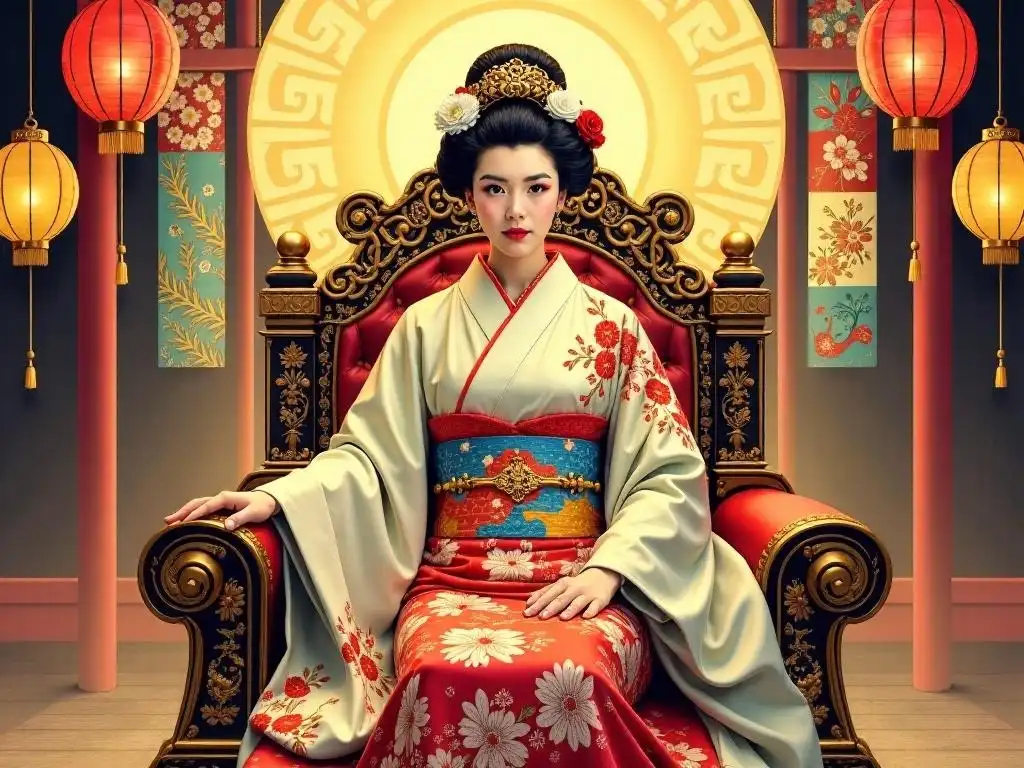
Welcome to Feudal Japan History, where we embark on a fascinating journey through the intricate tapestry of Japan’s feudal era. Dive deep into the legacy of emperors and discover how these powerful rulers not only shaped the political landscape but also left an indelible mark on the arts and entertainment. What drove their influence, and how did it transform Japanese culture? Prepare to unlock the secrets of a time long past as we unravel the profound connections between leadership and creativity. Your exploration begins now!
Introduction to Japanese Emperors and the Arts
In the rich tapestry of Japan's feudal era, the influence of emperors on arts and entertainment is profound and multifaceted. The Japanese emperors, though often seen as ceremonial figures, played a critical role in shaping the cultural and artistic landscape of their time.
Their patronage, preferences, and personal styles not only directed the production of various art forms but also established a cultural identity that resonates to this day. This article delves into the intricate relationships between the rulers and the artistic expressions that flourished under their reign, highlighting how their influence extended beyond mere governance to the very heart of Japanese culture.
Overview of Japanese Emperors' Role in Society
Throughout Japan's feudal history, emperors were regarded as the divine representatives on Earth, embodying the spiritual and cultural ethos of the nation. While the shogunate often wielded political power, the emperors maintained a crucial symbolic role that defined societal norms and values. They were seen as the ultimate patrons of the arts, commissioning works that reflected their tastes and aspirations. This patronage facilitated the flourishing of various art forms, ranging from painting and calligraphy to the performing arts.
- Symbol of Authority: Emperors represented the continuity of tradition and culture, influencing societal attitudes toward art.
- Cultural Patronage: By sponsoring artists and artisans, emperors ensured the proliferation of distinctive Japanese art styles.
- Spiritual Leadership: Their divine status intertwined with artistic expression, leading to the creation of works that emphasized spiritual and philosophical themes.
Importance of Arts and Entertainment in Feudal Japan
The arts and entertainment of feudal Japan served not only as forms of expression but also as vital components of social life. They provided a means for storytelling, cultural preservation, and communal bonding.
- Cultural Identity: Artistic endeavors reinforced a shared identity among the populace, celebrating historical events, myths, and legends.
- Social Cohesion: Festivals and performances fostered community spirit, allowing people to gather and partake in collective experiences.
- Economic Impact: The arts contributed significantly to the economy, with artisans, performers, and craftsmen forming an integral part of urban and rural livelihoods.
The Influence of Japanese Emperors on Art Forms
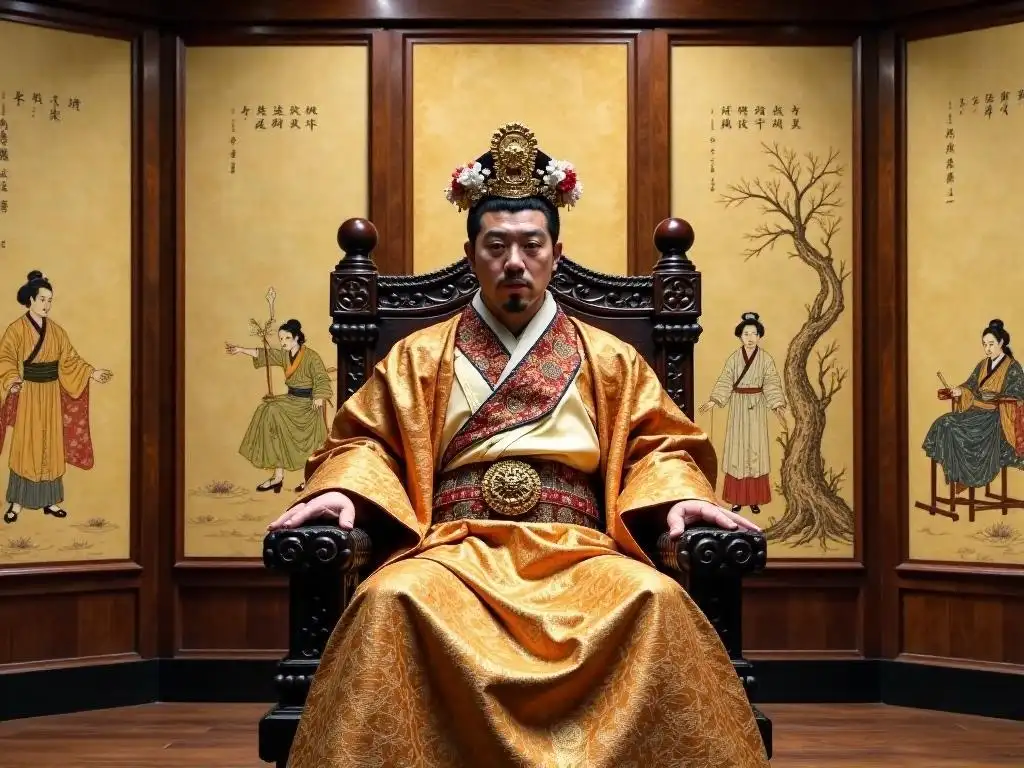
The influence of Japanese emperors on the arts can be observed through various mediums, each reflecting the rulers' tastes and the broader cultural currents of their times.
Traditional Painting and Calligraphy
Traditional painting and calligraphy flourished under the auspices of the emperors, with many rulers commissioning masterpieces that celebrated nature, mythology, and history.
- Emperor's Patronage: Emperors often invited renowned artists to create works that adorned their palaces and temples.
- Cultural Significance: Calligraphy, viewed as a high art form, was used to convey philosophical and poetic ideas, often reflecting the emperor's personal beliefs.
Sculpture and Architecture
The architectural marvels and sculptures of the era bear testament to the emperors' influence, with many structures designed to symbolize imperial power and spiritual significance.
- Religious Structures: Many shrines and temples were built during the reign of influential emperors, showcasing intricate sculptures and architectural styles.
- Symbolism in Design: The design elements often integrated traditional motifs that resonated with the cultural ethos of the time, reinforcing the emperor's divine authority.
Performing Arts: Noh and Kabuki
The performing arts, particularly Noh and Kabuki, were significantly shaped by imperial influence, providing entertainment that was both refined and accessible to the masses.
- Noh Theatre: Supported by the nobility, Noh developed as a sophisticated form of drama that intertwined poetry and music, often performed at court celebrations.
- Kabuki Theatre: Although it began as a popular entertainment form, Kabuki eventually garnered imperial patronage, blending elaborate costumes and storytelling that captivated audiences from all walks of life.
Through this exploration, we can see the profound legacy that Japanese emperors left on the arts and entertainment of their time, a legacy that continues to inform and inspire contemporary culture.
The Impact of Emperors on Literature and Poetry
The influence of Japanese emperors on literature and poetry during the feudal era is profound and multifaceted. Emperors often served as patrons of the arts, facilitating the creation and preservation of literary works that shaped the cultural landscape of Japan. Their support not only elevated the status of writers and poets but also ensured that literature became a vital part of courtly life. The themes explored in these literary works often reflected the values and aspirations of the imperial court, intertwining the personal with the political.
Historical Context of Literature in Feudal Japan
Literature in feudal Japan evolved against the backdrop of a complex social and political structure, particularly during the Heian period (794-1185). This era is often regarded as a golden age for Japanese literature, characterized by the flourishing of poetry, prose, and narrative forms. The imperial court was the epicenter of literary activity, where court nobles engaged in the creation of works that highlighted their experiences and philosophies.
The influence of Confucianism and Buddhism also permeated the literary landscape, encouraging themes of morality, nature, and the transient nature of life. This cultural context provided fertile ground for the development of unique literary styles and genres, such as waka poetry and monogatari (tales).
Noteworthy Literary Figures Supported by Emperors
Several prominent literary figures emerged during the feudal era, many of whom received direct support from emperors. One of the most notable is Murasaki Shikibu, the author of "The Tale of Genji," often considered the world's first novel. Her work was deeply informed by the values of the imperial court, reflecting themes of romance and the complexities of courtly life. Another significant figure is Sei Shonagon, known for her "Pillow Book," a collection of essays, lists, and anecdotes that provide a snapshot of court life. Both women exemplified how imperial patronage could elevate literary pursuits and influence cultural norms.
The Influence of Imperial Poetry on Japanese Culture
Imperial poetry, particularly the waka form, played a crucial role in shaping Japanese cultural identity. Composed of 31 syllables, waka poetry was a means of expressing personal feelings and societal observations, often employed in courtly communication. Emperors and aristocrats would compose poems during seasonal festivals, ceremonies, and personal reflections, further embedding poetry into the fabric of daily life. Over time, this emphasis on poetic expression influenced various aspects of Japanese culture, including the arts, theater, and even the tea ceremony, reinforcing the notion that poetry was not merely an art form but a way of life.
Cultural Exchanges: How Emperors Fostered International Influences
The role of Japanese emperors in fostering cultural exchanges during the feudal era was instrumental in shaping Japan’s artistic and cultural heritage. By engaging with neighboring countries, particularly China and Korea, Japanese rulers facilitated a flow of ideas, artistic techniques, and cultural practices that enriched their own society. This exchange was not only diplomatic but also deeply cultural, as emperors recognized the value of integrating foreign influences into their artistic expressions.
Trade and Cultural Exchange with Other Nations
Trade routes established during the feudal period were pivotal in promoting cultural exchanges. The Silk Road and maritime routes connected Japan with distant lands, allowing for the importation of goods, ideas, and artistic practices. Emperors, keen on enhancing their court's cultural sophistication, often sponsored trade missions that would bring back not just luxury items but also artistic inspiration from the continent. This included the introduction of Chinese painting techniques, Buddhist sculpture styles, and even the aesthetic principles of Chinese gardens, all of which left a lasting imprint on Japanese art and architecture.
Adoption of Foreign Art Styles and Techniques
The adoption of foreign art styles and techniques became a hallmark of Japanese artistic development during the feudal era. Influences from Chinese ink painting profoundly impacted the development of sumi-e (ink wash painting) in Japan, while the aesthetics of calligraphy were enriched through contact with Korean and Chinese traditions.
Emperors encouraged the synthesis of these foreign styles with indigenous practices, leading to the creation of uniquely Japanese forms of art that retained elements of their origins while evolving into distinct expressions. This blend of influences not only enriched Japanese art but also reinforced the idea of cultural adaptability and innovation, hallmarks of Japan's imperial legacy.
The Legacy of Emperors in Contemporary Japanese Arts
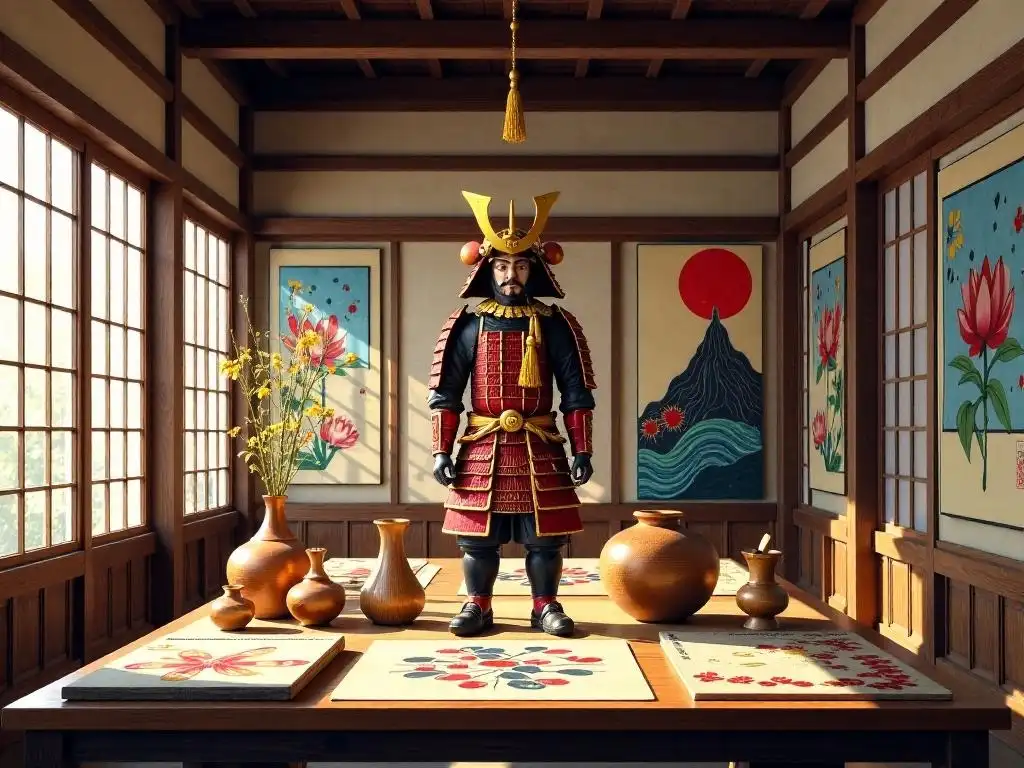
The legacy of Japanese emperors significantly shapes the contemporary arts scene in Japan. From the Heian period, where emperors like Emperor Kanmu patronized the development of literature and art, to the modern era, the influence of imperial patronage is evident in various art forms. The emperors not only provided resources but also established cultural norms that artists and performers continue to draw upon today. This patronage has fostered an environment where traditional and modern art forms coexist, often blending to create unique expressions of Japanese identity.
In contemporary Japan, the reverence for historical styles can be seen in various mediums, including painting, calligraphy, and even architecture. Artists frequently invoke themes and motifs from the past, showcasing the deep-rooted connection between the imperial lineage and the arts. Furthermore, the ceremonial aspects of Japanese culture, such as the tea ceremony and traditional festivals, are heavily influenced by imperial traditions, all of which contribute to the ongoing narrative of Japan’s cultural identity.
Continuation of Traditional Art Forms in Modern Japan
Traditional art forms such as Ikebana (flower arranging), Sumi-e (ink painting), and Noh theater continue to thrive in modern Japan, thanks in large part to the influence of emperors who historically supported these cultural practices. The preservation and promotion of these art forms have become crucial in maintaining a link to Japan’s rich history. Many contemporary artists find inspiration in these traditional practices, often reinterpreting them through a modern lens.
Educational institutions and government initiatives also play a vital role in ensuring these art forms are passed down to future generations. Festivals and exhibitions that celebrate traditional arts, often held in historic venues, underscore the enduring connection between Japan's imperial heritage and its artistic expressions. This continuity not only honors the past but also allows for innovation and adaptation, keeping these traditions relevant in today’s globalized world.
How Historical Influence Shapes Current Entertainment
The historical influence of Japanese emperors extends into modern entertainment, including television, film, and theater. Many contemporary narratives draw on historical events and figures from the feudal era, offering audiences a blend of entertainment and education. For instance, period dramas often depict the lives of emperors and influential figures, highlighting their impact on society and culture.
Moreover, the influence of the imperial court can be seen in the aesthetics and themes of modern performances. Elements such as costume design, music, and choreography often reflect the opulence and cultural richness of the past. This melding of history and entertainment not only preserves the narrative of the emperors but also captivates modern audiences, allowing them to engage with their cultural heritage in a meaningful way.
Conclusion: The Enduring Impact of Japanese Emperors on Arts and Entertainment
The influence of Japanese emperors on the arts and entertainment landscape is profound and multifaceted. Throughout history, emperors have acted as key patrons, supporting various art forms and ensuring their survival through the ages. Their legacy continues to resonate in contemporary practices, providing a rich tapestry of inspiration for artists and entertainers alike.
Summary of Key Points
- Japanese emperors historically supported and influenced various art forms, establishing cultural norms.
- Traditional art forms like Ikebana and Noh theater are preserved and adapt to modern interpretations.
- Contemporary entertainment often draws upon historical narratives and aesthetics linked to the imperial court.
- The enduring legacy of emperors fosters a unique blend of tradition and innovation in Japan’s cultural scene.
Final Thoughts on the Legacy of Imperial Influence in Japan
The legacy of Japanese emperors serves as a vital thread in the fabric of Japan's cultural identity. Their influence on the arts and entertainment not only shapes artistic expression but also contributes to a sense of continuity and belonging within society. As modern Japan navigates the complexities of globalization, the preservation and reinterpretation of this imperial legacy remain essential, ensuring that the rich history of the arts continues to thrive for generations to come. The relationship between emperors and the arts is not just a historical footnote; it is a living tradition that continues to inspire and engage.
References
The influence of Japanese emperors on the arts and entertainment during the feudal era is well-documented through various historical texts, scholarly articles, and cultural studies. These resources provide a comprehensive understanding of how the ruling class shaped cultural practices and artistic expressions. Below are some notable references that detail this intricate relationship.
Suggested Reading on Japanese Emperors and Arts
-
"The Tale of Genji" by Murasaki Shikibu
This classic work, often considered the world's first novel, provides insight into the Heian court's culture and the artistic endeavors encouraged by the emperors of the time.
-
"A History of Japanese Art" by Tadao Takemoto
This book offers an extensive overview of the evolution of Japanese art, highlighting key periods and the emperors' roles in patronizing artists and shaping artistic trends.
-
"The Japanese Arts and Crafts" by Paul Varley
Varley's work examines the relationship between the ruling class and various art forms, detailing how emperors influenced craftsmanship and aesthetic values in society.
-
"Emperors and the Arts of Japan" by William H. Coaldrake
This scholarly article discusses specific emperors' contributions to the arts, illustrating how their patronage led to significant cultural developments.
-
"The Power of the Emperor: The Relationship Between Art and Authority in Japan" by Kyoko Matsumoto
This text explores the complex dynamics between imperial authority and artistic expression, providing case studies that reveal how emperors commissioned artworks to reinforce their power.
Resources for Further Exploration of Feudal Japan's Cultural Heritage
-
National Museum of Japanese History
This institution offers a wealth of resources, including exhibitions and publications that delve into the cultural legacy of Japan's feudal period, with a focus on the role of emperors in shaping the arts.
-
The Tokyo National Museum
The museum's collections provide valuable insights into historical artifacts, art pieces, and documents that reflect the cultural environment fostered by Japanese emperors.
-
Japan National Tourism Organization (JNTO)
JNTO provides information on cultural heritage sites across Japan, many of which are tied to the historical influence of the emperors on arts and entertainment.
-
Online Archives of Japanese Literature
These archives host a range of literary works from the feudal era, allowing readers to explore how emperors influenced storytelling and artistic expression.
-
Cultural Heritage Online Databases
Various databases contain digitized collections of historical documents, artworks, and artifacts that illustrate the rich tapestry of Japan's feudal culture and the emperors' impact on it.
By engaging with these resources, readers can further their understanding of the significant influence that Japanese emperors had on the arts and entertainment, shaping a legacy that continues to resonate in contemporary Japanese culture.
- Introduction to Japanese Emperors and the Arts
- Overview of Japanese Emperors' Role in Society
- Importance of Arts and Entertainment in Feudal Japan
- The Influence of Japanese Emperors on Art Forms
- The Impact of Emperors on Literature and Poetry
- Cultural Exchanges: How Emperors Fostered International Influences
- The Legacy of Emperors in Contemporary Japanese Arts
- Conclusion: The Enduring Impact of Japanese Emperors on Arts and Entertainment
- References
- What role did Japanese emperors play in the arts during the feudal era?
- How did the political climate affect artistic expression in feudal Japan?
- What specific art forms were influenced by Japanese emperors?
- Were there any notable emperors who significantly influenced the arts?
- How did the legacy of these emperors continue to shape modern Japanese arts?
Frequently Asked Questions
What role did Japanese emperors play in the arts during the feudal era?
Japanese emperors had a significant influence on the development of the arts, promoting various forms including poetry, painting, and theater to reflect their cultural values and spiritual beliefs.
How did the political climate affect artistic expression in feudal Japan?
The political climate often dictated the themes and styles of artistic expression, with emperors using art as a means to solidify their power and convey their ideals to the populace.
What specific art forms were influenced by Japanese emperors?
Emperors notably impacted forms such as Noh theater, ink painting, and calligraphy, which were often used to convey narratives of power, beauty, and nature.
Were there any notable emperors who significantly influenced the arts?
Yes, emperors like Emperor Go-Toba and Emperor Meiji were pivotal in fostering artistic movements, with Go-Toba championing poetry and Meiji promoting Western art styles.
How did the legacy of these emperors continue to shape modern Japanese arts?
The legacy of feudal emperors persists in modern Japanese arts, where traditional themes and techniques are blended with contemporary styles, reflecting the ongoing cultural dialogue between past and present.
Final Reflection: The Enduring Influence of Japanese Emperors on the Arts
The legacy of Japanese emperors is not merely a chapter in history; it is a vibrant thread woven into the fabric of contemporary arts and entertainment. Today, we see their influence manifest in various forms, from traditional theater to modern cinema, underscoring the profound impact these rulers had on cultural expression. The artistic innovations and patronage of emperors have shaped not only the aesthetics of their time but also the very identity of Japan, reminding us that the past continues to resonate in our present.
The relationship between power and creativity is a dynamic one, and the emperors of Japan exemplified this connection through their support of the arts. Their reigns brought forth a flourishing of artistic endeavors that still inspire creators today. As we navigate the complexities of modern society, we can draw parallels to the words of the renowned artist Yoshitomo Nara: Art is a way of connecting with the past and the future.
This sentiment encapsulates the ongoing dialogue between historical influences and contemporary creativity, highlighting how the legacies of these rulers continue to inspire new generations of artists.
As we reflect on the profound impact of Japanese emperors on the arts, I invite you to consider how you can engage with this rich cultural heritage in your own life. Explore the art forms that resonate with you, whether through creating, appreciating, or sharing them with others.
By doing so, you not only honor the legacy of those who came before us but also contribute to the ongoing evolution of artistic expression. Let the stories of these emperors inspire you to forge your own path in the world of arts and entertainment, ensuring that their influence continues to thrive for generations to come.
Unleash Your Curiosity: Dive Deeper into the World of Emperors!
Thank you for exploring the fascinating legacy of emperors and their impact on the arts and entertainment! We hope you gained insights into how these influential rulers shaped cultural history. Now, it’s time for you to embark on your own journey of discovery and engagement.
Here are some exciting next steps you can take:
- Explore More: Delve into the specific art forms that flourished under various emperors. Check out our recommended readings or documentaries for a richer understanding.
- Share Your Thoughts: Connect with fellow history enthusiasts on our forums. Initiate a discussion about your favorite emperor or artistic movement!
- Experience the Arts: Attend local exhibitions or performances inspired by the aesthetics of historical cultures. Look for museums or cultural events that celebrate this unique heritage.
What aspect of imperial influence on the arts excites you the most, and how can you incorporate that into your everyday life?