
The Rise of the Tokugawa Shogunate: Unraveling the Power Dynamics of Early Modern Japan

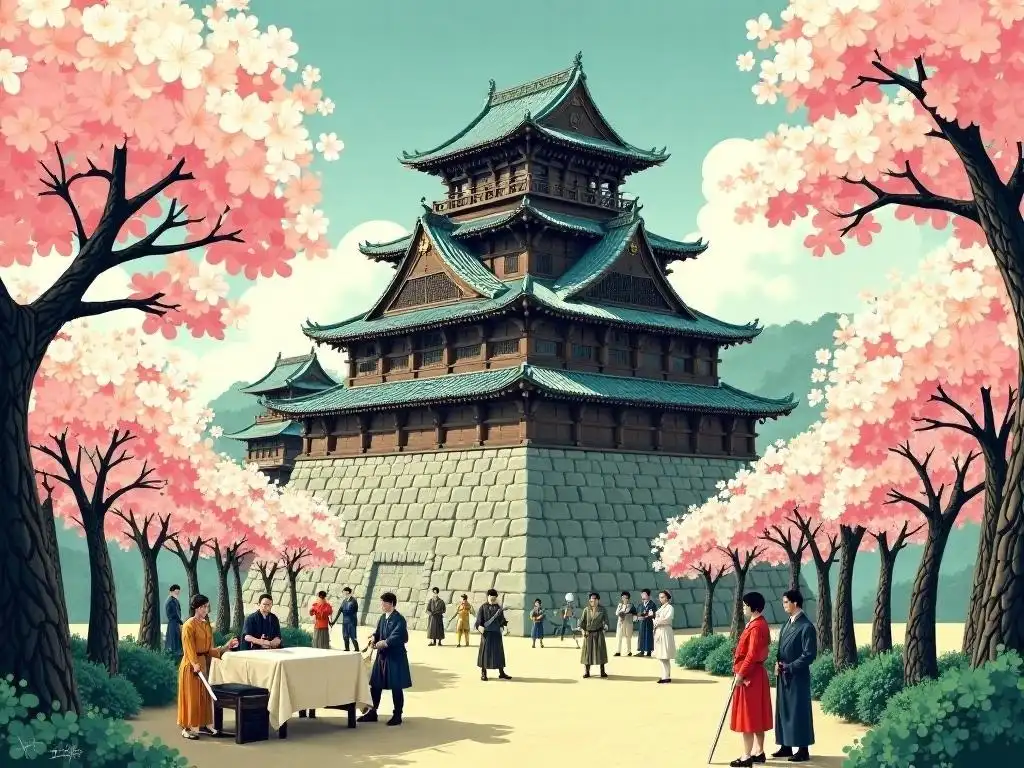
Welcome to Feudal Japan History, where the shadows of the past come alive through a comprehensive exploration of Japan's feudal era. Dive into the intricate tapestry of political history as we unravel the Tokugawa Shogunate power dynamics, a pivotal chapter that shaped early modern Japan. What forces were at play behind the rise of this formidable regime? Join us on this journey to discover the intersections of power, culture, and society that defined an entire era. Get ready to satisfy your curiosity and deepen your understanding—there's so much more waiting for you!
Introduction to the Tokugawa Shogunate Power Dynamics
The Tokugawa Shogunate, which reigned from 1603 to 1868, marks a pivotal epoch in Japanese history characterized by a unique and complex power structure. This period, often referred to as the Edo period, saw the consolidation of power under the Tokugawa clan, leading to a long-lasting peace known as Pax Tokugawa.
Understanding the Tokugawa Shogunate power dynamics is crucial to comprehending how this military government managed to maintain control over a fragmented nation and establish a new socio-political order. The interplay of feudal relationships, samurai loyalty, and central authority shaped the governance and culture of early modern Japan, laying the groundwork for its future.
Overview of the Tokugawa Era
The Tokugawa era was defined by several key characteristics:
- Centralized feudalism: While traditional feudal structures persisted, the Tokugawa Shogunate implemented strict governance that centralized power in the hands of the shogun.
- Isolationist policies: The sakoku policy limited foreign influence and trade, which helped to stabilize the nation but also led to stagnation in certain areas.
- Cultural flourishing: The stability of the period allowed for significant developments in arts, literature, and philosophy, contributing to what is often referred to as the "Genroku culture."
These elements not only illustrate the governance style of the Tokugawa Shogunate but also highlight the intricate power dynamics between the ruling class and various societal factions.
Importance of Power Dynamics in Feudal Japan
Power dynamics during the Tokugawa era were central to the functioning of Japanese society. The balance of power was maintained through:
- Vassalage: The relationship between the shogun and his daimyōs (feudal lords) was fundamental, as loyalty and military support were exchanged for land and protection.
- Social hierarchy: The rigid class system defined roles within society, from the samurai to the peasants, influencing everything from governance to daily life.
- Political maneuvering: Intrigues and alliances among the daimyōs often played a crucial role in the stability and longevity of Tokugawa rule.
Understanding these dynamics helps to explain how the Tokugawa Shogunate navigated challenges and maintained its authority over a diverse and often contentious landscape.
Historical Context Leading to the Tokugawa Shogunate
The Sengoku Period: Chaos and Warfare
Before the Tokugawa Shogunate, Japan underwent the Sengoku period (1467-1603), a time of nearly constant civil war and social upheaval. This era was characterized by:
- Power struggles: Numerous feudal lords vied for control, leading to shifting alliances and battles.
- Impact on society: The chaos of the Sengoku period caused widespread suffering and dislocation, creating a desire for peace and stability among the populace.
The end of this tumultuous period set the stage for Tokugawa Ieyasu to rise to power, ultimately establishing the shogunate that would bring about a new order.
Key Figures and Events Preceding Tokugawa Rule
Several influential figures and events paved the way for the Tokugawa Shogunate:
- Oda Nobunaga: A major unifier of Japan, his innovative military strategies and ruthless tactics set the groundwork for subsequent leaders.
- Toyotomi Hideyoshi: Nobunaga's successor, he further consolidated power and attempted to unify Japan, but his death left a power vacuum.
- Battle of Sekigahara (1600): This decisive battle marked the turning point that allowed Tokugawa Ieyasu to emerge victorious and establish the shogunate.
These historical developments were critical in shaping the political landscape that Ieyasu would navigate to solidify the Tokugawa regime and implement its unique power dynamics.
Establishment of the Tokugawa Shogunate

The Tokugawa Shogunate, established in 1603, marked a significant turning point in Japan's political landscape, leading to over 250 years of relative peace and stability known as the Edo period. Following a prolonged era of civil wars known as the Sengoku period (1467-1603), which was characterized by the fragmentation of power among various feudal lords (daimyos), the rise of the Tokugawa clan signified the consolidation of authority under a centralized government.
The unification efforts were not merely a result of military prowess; they also involved strategic marriages, alliances, and the astute management of resources, all orchestrated by Tokugawa Ieyasu and his successors.
The establishment of the Tokugawa Shogunate was formalized when Tokugawa Ieyasu was granted the title of shogun by the emperor after his decisive victory in the Battle of Sekigahara in 1600. This victory enabled him to exert control over the majority of Japan, laying the groundwork for a system that centralized power while maintaining the façade of imperial authority. The shogunate's governance model would emphasize a strict social hierarchy, a network of loyalty among the daimyos, and a focus on internal stability, setting the stage for the unique socio-political dynamics that characterized the Tokugawa era.
Tokugawa Ieyasu: The Architect of Unification
Tokugawa Ieyasu (1543-1616) was the mastermind behind the unification of Japan during the tumultuous late 16th century. Initially, he served under the powerful daimyo Oda Nobunaga, and later allied with Toyotomi Hideyoshi, further solidifying his military and political standing. However, Ieyasu's true ambition lay in establishing his own legacy, which he achieved through a blend of strategic military victories and diplomatic acumen.
His most significant contribution was the establishment of the Tokugawa Shogunate, which was based on a system of governance that balanced power among the daimyos while maintaining the absolute authority of the shogunate. Ieyasu implemented policies that promoted economic growth and cultural development, which were crucial for maintaining stability. His legacy extended beyond mere governance; he also laid the foundations for a political system that would endure for generations, characterized by a rigid class structure and a focus on isolationist policies that would define Japan's foreign relations for over two centuries.
The Battle of Sekigahara: Turning Point in Power Dynamics
The Battle of Sekigahara, fought on October 21, 1600, stands as a pivotal moment in Japanese history, serving as the decisive conflict that determined the fate of the nation. This battle saw Tokugawa Ieyasu lead a coalition of forces against the Toyotomi loyalists, marking the culmination of decades of conflict among rival factions. The strategic positioning of troops and the timely betrayal of key allies turned the tide in favor of Ieyasu, leading to a resounding victory.
The aftermath of the battle was significant, as it allowed Ieyasu to consolidate power and establish the Tokugawa Shogunate. He was able to eliminate opposition, secure the loyalty of remaining daimyos, and implement a governance system that would ensure stability and peace. The victory at Sekigahara effectively shifted the power dynamics in Japan, transitioning from a fragmented feudal system to a centralized authority under the Tokugawa regime, thus initiating a new era in Japanese history.
Structure of Power within the Tokugawa Shogunate
The Tokugawa Shogunate implemented a complex and hierarchical structure of power that defined the political landscape of early modern Japan. This structure was designed to maintain control over the daimyos while ensuring loyalty and stability throughout the realm. The governance model integrated feudal relationships with bureaucratic elements, creating a unique blend of authority that characterized the Tokugawa period.
The Role of the Shogun: Authority and Responsibilities
At the apex of the Tokugawa political system was the shogun, who wielded supreme military and political authority. The shogun's primary responsibilities included overseeing national defense, maintaining law and order, and managing relations with the daimyos. This authority was not merely dictatorial; the shogun had to balance the interests of various factions to maintain stability.
The shogunate established a bureaucratic framework that delegated power to various officials, ensuring that the shogun's commands were executed effectively throughout the realm. The shogun also held the title of "daimyo," which allowed for a dual position of both military leader and feudal lord, reinforcing their authority within the hierarchical structure. This system of governance emphasized loyalty and service, with the shogun serving as the ultimate arbiter in conflicts between daimyos and ensuring the enforcement of the shogunate's policies.
The Daimyo System: Feudal Lords and Their Influence
The daimyos were powerful feudal lords who played a crucial role in the governance of Japan during the Tokugawa period. Each daimyo governed a specific domain, exercising considerable autonomy over local affairs while still remaining subordinate to the shogun. The daimyos were responsible for collecting taxes, maintaining order, and providing military support to the shogunate when required.
The Tokugawa regime implemented a system of checks and balances to manage the influence of the daimyos. This included the "sankin-kotai" system, which required daimyos to spend every other year in Edo (modern-day Tokyo), thus limiting their ability to amass power in their own domains. This practice not only served to keep the daimyos in check but also facilitated the integration of various regions into the central power structure of the shogunate.
The relationships between the shogunate and the daimyos were characterized by a complex web of loyalty, obligation, and political maneuvering. This balance of power was essential in maintaining the stability that defined the Tokugawa era, as any significant challenge from the daimyos could have threatened the very foundation of the shogunate's authority.
Political Strategies of the Tokugawa Shogunate
The Tokugawa Shogunate, which ruled Japan from 1603 to 1868, implemented a series of political strategies that were crucial in establishing and maintaining their power. These strategies not only centralized authority but also created a stable social structure that suppressed dissent and fostered loyalty among various classes. The shogunate’s governance style was characterized by a combination of military might, strategic alliances, and a sophisticated administrative system that tailored local governance to the needs of the central authority.
Centralization of Power: Policies and Enforcement
One of the fundamental pillars of the Tokugawa Shogunate's power dynamics was the centralization of authority. Upon taking control, Tokugawa Ieyasu instituted policies aimed at consolidating power within the shogunate while diminishing the influence of the daimyōs (feudal lords).
- Establishment of the Shogunal Bureaucracy: The shogunate created a bureaucratic framework that allowed for direct oversight of regional domains. This included appointing officials who were loyal to the shogunate, thus ensuring that local governance aligned with Tokugawa policies.
- Control of the Daimyōs: The shogunate implemented the sankin-kōtai system, requiring daimyōs to spend alternating years in Edo (modern-day Tokyo). This practice not only limited their power by keeping them away from their domains but also allowed the shogunate to monitor their activities closely.
- Legal Codification: The Tokugawa regime established a legal framework that outlined the rights and responsibilities of various classes, thereby reinforcing the shogunate’s authority and reducing arbitrary rule by local lords.
The Baku-han System: Balancing Power Among Domains
The baku-han system was a critical aspect of the Tokugawa political structure, balancing power across various domains while maintaining shogunate supremacy.
- Division of Authority: The system divided Japan into approximately 250 domains, each governed by a daimyō. While they had considerable local autonomy, their power was curtailed by the shogunate’s overarching authority.
- Economic Regulation: The Tokugawa government imposed strict regulations on trade and agriculture, ensuring that each domain contributed to the shogunate’s treasury while preventing any one domain from becoming too powerful economically.
- Military Control: The shogunate maintained a standing army and required daimyōs to keep their own samurai forces in check, reducing the likelihood of rebellion and ensuring that military power remained centralized.
Role of the Samurai Class in Maintaining Tokugawa Power
The samurai class played a pivotal role in the maintenance of Tokugawa power dynamics. As the warrior elite, samurai were both enforcers of the shogunate’s will and beneficiaries of its policies.
- Loyalty and Service: The samurai were bound by a code of loyalty known as bushido, which emphasized honor and fidelity to their lords. The Tokugawa shogunate capitalized on this loyalty, requiring samurai to serve in both military and administrative capacities.
- Social Stratification: The Tokugawa regime solidified the social hierarchy, placing samurai at the top. This stratification not only legitimized the shogunate’s rule but also provided a sense of order and stability.
- Crisis Management: In times of unrest or rebellion, the samurai were mobilized to suppress dissent, thereby reinforcing the shogunate’s authority through military action and the maintenance of public order.
Cultural and social elements were integral to the Tokugawa Shogunate’s power dynamics, influencing governance and societal behavior.
The Impact of Confucianism on Governance
Confucian ideals profoundly influenced the political philosophy of the Tokugawa Shogunate, shaping both governance and societal norms.
- Meritocracy and Education: Confucianism promoted education and the idea of a merit-based society, leading to the establishment of schools and a bureaucratic class educated in Confucian texts. This helped the shogunate in creating a knowledgeable administrative body.
- Moral Governance: Tokugawa leaders viewed themselves as moral guardians of society, prioritizing the welfare of the people and emphasizing the importance of ethical governance, which helped legitimize their rule.
- Social Harmony: Confucian principles valued harmony and order, which aligned well with the shogunate’s efforts to minimize conflict and maintain social stability.
The Role of Religion and Spiritual Beliefs
Religion played a significant role in the Tokugawa era, influencing both governance and societal cohesion.
- Buddhism and Shinto: The shogunate promoted Buddhism and Shinto as means to unify the populace under a spiritual framework that reinforced loyalty to the state. Temples and shrines became centers of community life and moral education.
- Religious Control: The shogunate implemented policies to control religious institutions, ensuring that they did not become sources of rebellion or dissent. By regulating religious practices, they could maintain societal order and loyalty.
- Spiritual Symbolism: The Tokugawa rulers often used religious symbolism in their governance, portraying themselves as divinely sanctioned leaders, which strengthened their legitimacy.
Cultural Flourishing: Arts, Literature, and Society during Tokugawa Rule
The Tokugawa period was marked by significant cultural flourishing that both reflected and reinforced the power dynamics of the era.
- Ukiyo-e and Kabuki: The rise of art forms such as ukiyo-e (woodblock prints) and kabuki theater provided entertainment while also serving as vehicles for political commentary and societal critique, subtly shaping public perception of the shogunate.
- Literature and Education: The era saw an increase in literacy and the publication of literature that explored themes of loyalty, honor, and the samurai ethos. This literary culture contributed to a shared identity that aligned with Tokugawa values.
- Festivals and Community Events: Local festivals and events promoted social cohesion and loyalty to the shogunate, as they often celebrated the power and stability provided by Tokugawa rule, reinforcing the cultural narrative of peace and prosperity.
Through these varied political strategies and cultural influences, the Tokugawa Shogunate established a complex web of power dynamics that shaped early modern Japan, ensuring their dominance for over two centuries.
Challenges to Tokugawa Power Dynamics
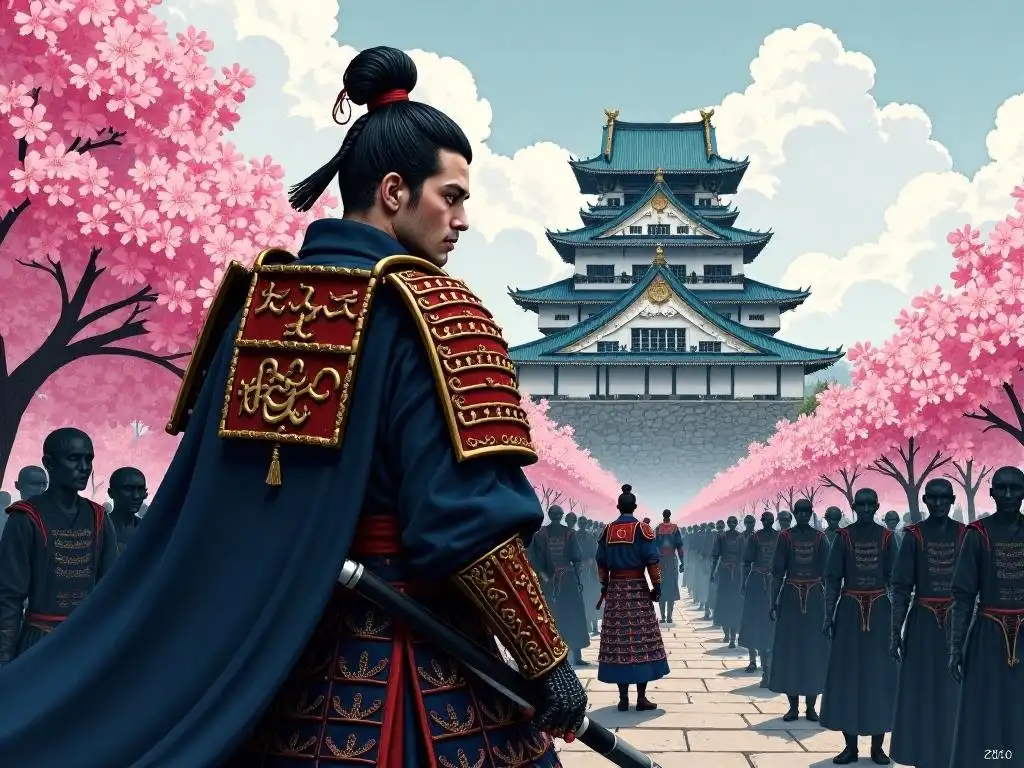
The Tokugawa Shogunate, despite its long-lasting reign and initial stability, faced numerous challenges that threatened its power dynamics. These challenges were both internal and external, impacting the shogunate's authority and its ability to govern effectively. Understanding these issues provides insight into the eventual decline of this powerful regime.
Internal Conflicts: Discontent Among the Daimyo
Within Japan's feudal structure, the daimyo, or feudal lords, played a crucial role in supporting the Tokugawa regime. However, as time progressed, many daimyo began to feel discontented with the shogunate's centralized control and restrictive policies. The system of alternate attendance, known as sankin-kōtai, required daimyo to spend every other year in Edo, which strained their finances and limited their autonomy.
Additionally, the disparity in wealth and power among the daimyo further fueled resentment. Wealthier daimyo could afford to maintain larger armies and exert greater influence, while poorer ones struggled under the shogunate's heavy taxation. This inequity led to increased tensions and occasional uprisings, as the discontented daimyo sought to reclaim their lost power and influence. The internal rifts within the daimyos' ranks weakened the shogunate’s grip on the feudal system, posing significant challenges to Tokugawa authority.
External Pressures: Encounters with Western Powers
The Tokugawa Shogunate also faced mounting external pressures, particularly from Western powers eager to establish trade relations with Japan. The isolationist policies of the shogunate, which had effectively kept foreign influence at bay for over two centuries, were increasingly challenged. The arrival of Western ships and the demand for trade not only threatened Japan's sovereignty but also exposed the weaknesses of the Tokugawa regime in dealing with foreign diplomacy.
These encounters precipitated a growing sense of urgency among some factions within Japan that advocated for modernization and reform. The inability of the Tokugawa government to respond effectively to these external pressures was a significant factor in undermining its authority and legitimacy among various social classes, leading to a broader call for change.
The Commodore Perry Incident: Catalyst for Change
The pivotal moment in the external challenges faced by the Tokugawa Shogunate was the arrival of Commodore Matthew Perry in 1853. His fleet of "Black Ships" arrived in Tokyo Bay, demanding that Japan open its ports to American trade. This incident not only marked the end of over two centuries of isolationist policies but also served as a wake-up call for the Tokugawa leadership.
Perry's show of military strength illustrated Japan's vulnerability and the ineffectiveness of the shogunate's policies. The subsequent Treaty of Kanagawa in 1854 forced Japan to open its ports to American ships and initiated a series of unequal treaties with Western powers. This humiliation galvanized dissent against the Tokugawa regime, as many viewed it as a sign of weakness that jeopardized Japan's sovereignty. The pressure from external forces catalyzed significant internal conflict and a push for reform, ultimately destabilizing the Tokugawa power dynamics.
The Decline of the Tokugawa Shogunate
As the 19th century progressed, the combination of internal discontent and external pressures led to the gradual decline of the Tokugawa Shogunate. The structural weaknesses that had developed over time became increasingly apparent, setting the stage for a dramatic political transformation in Japan.
Factors Leading to the Fall of Tokugawa Power
Several factors contributed to the fall of the Tokugawa power. The internal strife among the daimyo, coupled with the growing dissatisfaction of the samurai and common people, created a volatile political environment. Economic difficulties, exacerbated by natural disasters and poor harvests, further eroded loyalty to the shogunate.
Moreover, the influence of reformist thinkers and the rise of nationalist sentiments among the populace added to the pressure for change. Figures such as Yoshida Shoin and Sakamoto Ryoma began advocating for the overthrow of the Tokugawa regime and the restoration of imperial rule. Their ideas resonated with many disillusioned with the shogunate’s inability to maintain Japan's sovereignty and modernize effectively in the face of Western encroachment.
The Meiji Restoration: Transition from Shogunate to Emperor
The culmination of these factors was the Meiji Restoration of 1868, which marked the end of the Tokugawa Shogunate and the restoration of imperial rule under Emperor Meiji. This pivotal moment in Japanese history was characterized by a widespread movement to modernize and industrialize the nation, embracing Western ideas and technologies while rejecting the isolationist policies of the past.
The Meiji Restoration not only dismantled the feudal system but also led to profound societal changes, transforming Japan into a modern state capable of competing on the global stage. The fall of the Tokugawa Shogunate and the subsequent rise of the Meiji government signified a significant shift in power dynamics within Japan, setting the course for the nation's future development and its emergence as a prominent player in international affairs.
Conclusion: Legacy of the Tokugawa Shogunate Power Dynamics
The Tokugawa Shogunate, which ruled Japan from 1603 to 1868, established a complex framework of power dynamics that shaped the country's political, social, and cultural landscape. This era marked the transition from a fragmented feudal system to a centralized government under the shogun, instilling a sense of stability and order that had far-reaching effects. The legacy of the Tokugawa Shogunate is evident not only in historical narratives but also in the modern societal structures of Japan.
Lasting Impact on Japanese History and Society
The Tokugawa Shogunate's power dynamics laid the groundwork for significant historical developments. Its policies of sakoku (national isolation) safeguarded Japan from foreign influence and internal strife, allowing for cultural and economic development. The shogunate's strict social hierarchy reinforced the class system, with samurai, merchants, farmers, and artisans each playing distinct roles. This hierarchy influenced Japanese society's values, emphasizing loyalty, discipline, and respect for authority.
Moreover, the period's emphasis on peace—often referred to as the "Pax Tokugawa"—fostered advancements in art, literature, and philosophy. The flourishing of the ukiyo-e art movement and the rise of kabuki theater exemplify the cultural richness that emerged during this time. The Tokugawa era's legacy continues to resonate in contemporary Japan, where respect for tradition and social order remains integral to the national identity.
Reflections on Feudal Power Structures in Modern Japan
The power dynamics established during the Tokugawa Shogunate invite reflection on the nature of authority and governance in modern Japan. While Japan has transitioned to a democratic system, elements of the feudal past still permeate societal interactions. Concepts of loyalty and hierarchical relationships can be observed in both corporate and familial structures.
Additionally, the historical narrative surrounding the Tokugawa period often serves as a lens through which contemporary issues are examined. Discussions about leadership, community responsibility, and social hierarchy echo the feudal power structures of the past, highlighting the enduring influence of the Tokugawa legacy on Japan’s modern political and social landscapes.
References and Further Reading on Tokugawa Shogunate Power Dynamics
Key Historical Texts and Resources
- "The Tokugawa Shogunate: 1600-1868": by J. W. Hall - This comprehensive text offers an in-depth analysis of the political and social structures of the Tokugawa period.
- "Japan in the Tokugawa World" by James L. McClain - A valuable resource that contextualizes the Tokugawa Shogunate within the broader spectrum of Japanese history.
- "The Making of Modern Japan" by John W. Dower - This book explores the transitions in Japanese society from the Tokugawa period to modernity, providing insights into the lasting impacts of the shogunate.
Suggested Articles for In-Depth Exploration of Related Topics
- "The Role of the Samurai in Tokugawa Society" - An exploration of the samurai's influence on the social hierarchy and military structure during the Tokugawa era.
- "Cultural Developments in Tokugawa Japan" - This article delves into the artistic and cultural advancements that flourished under the shogunate.
- "The Impact of Isolationism on Tokugawa Japan" - A discussion on the effects of sakoku policies on Japan’s international relations and domestic developments.
By examining these resources, readers can gain a deeper understanding of the intricate power dynamics that characterized the Tokugawa Shogunate and their enduring legacy in Japan's historical narrative and contemporary society.
- Introduction to the Tokugawa Shogunate Power Dynamics
- Overview of the Tokugawa Era
- Importance of Power Dynamics in Feudal Japan
- Historical Context Leading to the Tokugawa Shogunate
- Establishment of the Tokugawa Shogunate
- Structure of Power within the Tokugawa Shogunate
- Political Strategies of the Tokugawa Shogunate
- Cultural and Social Aspects Influencing Power Dynamics
- Challenges to Tokugawa Power Dynamics
- The Decline of the Tokugawa Shogunate
- Conclusion: Legacy of the Tokugawa Shogunate Power Dynamics
- References and Further Reading on Tokugawa Shogunate Power Dynamics
Frequently Asked Questions
What was the Tokugawa Shogunate?
The Tokugawa Shogunate was a military government that ruled Japan from 1603 to 1868, characterized by a strict class hierarchy and political stability.
How did the Tokugawa Shogunate maintain power?
The Tokugawa Shogunate maintained power through a combination of political alliances, the daimyo system, and the Sankin-kotai system, which required feudal lords to spend time in the capital.
Society was structured into four main classes: samurai, farmers, artisans, and merchants, with samurai at the top, reflecting the feudal hierarchy of the time.
What role did culture play in the Tokugawa Shogunate?
The Tokugawa era saw a flourishing of arts and culture, including literature, theater, and painting, which were heavily influenced by the stability provided by the Shogunate.
How did the power dynamics change towards the end of the Tokugawa period?
By the mid-19th century, internal strife, foreign pressure, and economic challenges weakened the Tokugawa power structure, ultimately leading to the Meiji Restoration in 1868.
Final Reflection: Understanding the Tokugawa Shogunate Power Dynamics
The Tokugawa Shogunate power dynamics not only shaped the course of Japanese history but also resonate profoundly in today's world. As we navigate an era marked by political upheaval and shifting power structures, the lessons learned from the Tokugawa period remind us of the intricate balance between authority and societal stability. The ability of the Tokugawa Shogunate to maintain peace for over two centuries through a complex web of alliances and control is a striking testament to the enduring nature of power dynamics in governance.
The influence of the Tokugawa Shogunate on Japan's cultural and social landscape is still palpable today. The careful orchestration of power during this era fostered a unique cultural identity that continues to inspire modern Japan. As we reflect on how these historical dynamics have shaped contemporary society, we are reminded of the words of historian John W. Hall: The Tokugawa period was not merely a time of peace; it was a time of profound transformation.
This transformation laid the groundwork for the Japan we know today, illustrating the lasting impact of historical power structures on cultural evolution.
As we conclude this exploration of the Tokugawa Shogunate, I invite you to reflect on the lessons of power, governance, and societal cohesion. Consider how the dynamics of authority play out in your own life and community. What can we learn from the past to foster a more harmonious future? Embrace the opportunity to engage with these themes, recognizing that understanding history is not just about looking back, but about shaping the present and future.
Unveil the Secrets of Tokugawa Japan!
Thank you for diving into the fascinating world of the Tokugawa Shogunate! Your interest in early modern Japan opens the door to understanding how power dynamics shaped the nation. Now, let’s transform that knowledge into action and explore even further!
- Dive deeper into history! Discover our exclusive articles that highlight the influential figures of the Tokugawa era.
- Join the conversation! Share your thoughts on social media and connect with fellow history enthusiasts.
- Test your knowledge! Participate in our interactive quiz about key events of the Tokugawa Shogunate and assess how much you've learned!
Which aspect of the Tokugawa Shogunate intrigues you the most, and in what ways do you think it has influenced modern Japan?