
The Evolution of Language: How Samurai Films Reflect Changes in Japanese

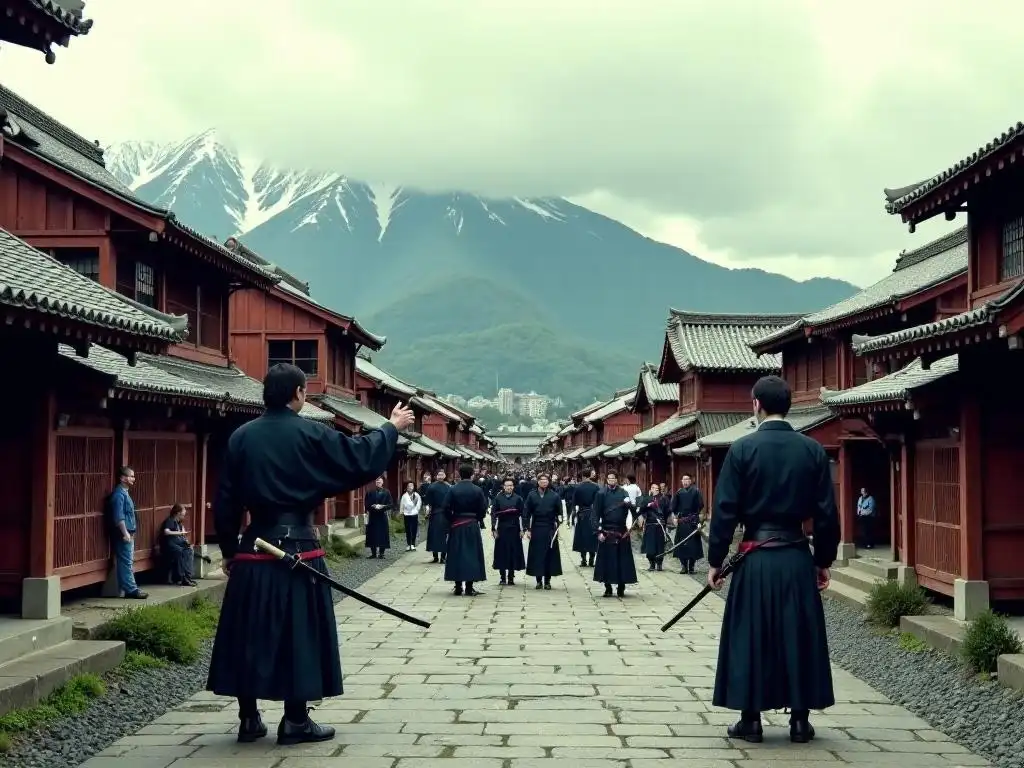
Welcome to Feudal Japan History! Here, we invite you to embark on a captivating journey through the intricate tapestry of Japan’s feudal era, where the echoes of the past come alive in the most unexpected ways. In our featured article, “The Evolution of Language: How Samurai Films Reflect Changes in Japanese,” we delve into the fascinating intersection of cinema and linguistics, revealing how iconic samurai films not only entertain but also mirror the dynamic evolution of the Japanese language.
Get ready to uncover the hidden narratives behind your favorite films and discover how they shape our understanding of culture and communication. Curious to learn more? Dive in and explore the rich interplay of history, language, and film!
-
The Evolution of Language: How Samurai Films Reflect Changes in Japanese Language
- Introduction to Samurai Films and Japanese Language
- Historical Context of Samurai Films
- Linguistic Features in Samurai Films
- Analyzing Dialogue and Language Techniques
- Language Learning Through Samurai Films
- Conclusion: The Future of Language in Samurai Cinema
- Additional Resources for Learning Japanese Through Film
- Frequently Asked Questions
- Final Reflection: The Timeless Dance of Language and Culture in Samurai Films
- Embrace the Journey of Language Evolution!
The Evolution of Language: How Samurai Films Reflect Changes in Japanese Language
Introduction to Samurai Films and Japanese Language
The intersection of samurai films and the Japanese language presents a fascinating lens through which we can explore the evolution of linguistic expression in Japan. Samurai films, often characterized by their portrayal of the bushido code, honor, and the complexities of warrior life, have not only captivated audiences but also played a significant role in shaping the way the Japanese language has been understood and utilized over time.
As these films gained popularity, they influenced not only cinematic storytelling but also the vernacular of Japanese society, reflecting cultural shifts and transformations in language. This article delves into the intricate relationship between samurai films and the Japanese language, examining how these cinematic narratives have mirrored historical changes and enriched the language itself.
Historical Context of Samurai Films
Understanding the evolution of language through samurai films necessitates a closer look at their historical context. The development of this genre is deeply rooted in Japan's feudal past, where the samurai class held significant influence over societal structures and cultural norms. The portrayal of these warriors in film has evolved over decades, reflecting shifting societal values and the linguistic changes that accompany them.
The Rise of Samurai Cinema in the 20th Century
The emergence of samurai cinema in the early 20th century marked a pivotal moment in Japan's film history. These films often depicted the struggles and virtues of the samurai, encapsulating the ideals of honor, loyalty, and sacrifice. Notable directors like Akira Kurosawa brought international attention to this genre, with films such as Seven Samurai (1954) showcasing not only gripping narratives but also a dynamic use of language that resonated with both domestic and global audiences.
As the genre progressed, filmmakers began to incorporate modern dialects and expressions, blending traditional language with contemporary vernacular. This evolution mirrored Japan's post-war societal changes and the influences of Western culture, leading to a richer, more diverse linguistic landscape within samurai films.
The Role of Feudal Japan in Shaping Language
Feudal Japan, characterized by its strict social hierarchies and cultural codes, significantly influenced the development of the Japanese language. The language spoken by samurai was often formal and laden with honorifics, reflecting the status and respect associated with their class. These linguistic features not only served as a means of communication but also as a symbol of the samurai's identity and values.
As samurai films began to depict these historical realities, they preserved and popularized various linguistic elements from the feudal era. This preservation played a crucial role in educating audiences about historical contexts while also allowing for a deeper understanding of how language has evolved over time. Through the lens of samurai films, viewers can witness the transformation of language as it adapts to changing cultural landscapes, revealing the profound impact of history on linguistic expression.
Linguistic Features in Samurai Films
Samurai films serve as a unique lens through which to examine the evolution of the Japanese language. These cinematic narratives often encapsulate historical and cultural contexts, reflecting the language's transformation over time. The linguistic features present in these films can be categorized into several distinct areas: vocabulary, honorifics, dialects, and idiomatic expressions.
In traditional samurai films, the language used is deeply rooted in the historical context, often employing archaic forms of speech that can be challenging for modern audiences to decipher. This linguistic complexity not only enhances the authenticity of the portrayal of samurai culture but also serves to immerse viewers in the era being depicted. In contrast, contemporary samurai films tend to adopt a more modern vernacular, often blending traditional elements with contemporary language, thereby making the dialogue more accessible to today's audience.
Additionally, the use of honorifics and politeness levels is a hallmark of the Japanese language, which is prominently featured in samurai films. Characters often navigate a complex web of social hierarchies through their speech, reflecting the societal norms of feudal Japan. This aspect of dialogue not only enriches the characters but also provides insight into the social dynamics of the time.
Traditional Japanese Language in Samurai Movies
Traditional samurai films, often set in the Edo period or earlier, utilize a form of Japanese known as "classical Japanese" (文語, bungo). This language is characterized by its use of archaic vocabulary and grammar, which can include words and expressions that have fallen out of common usage. For instance, honorific verbs and specific terms related to samurai culture, such as "katana" (刀, sword) and "bushido" (武士道, way of the warrior), are prevalent.
The dialogue in these films is often formal and laden with layers of meaning, reflecting the cultural importance of hierarchy and respect. The samurai's way of speaking is imbued with a sense of duty and honor, often illustrated through the use of metaphors and poetic language. This approach not only preserves the historical essence of the samurai ethos but also introduces viewers to the richness of the traditional language.
Moreover, the formal language used in these films can pose challenges for modern viewers who may not be familiar with such expressions. Subtitles often attempt to bridge this gap, but they can only partially convey the nuances of the original dialogue. Therefore, traditional samurai films serve as both a linguistic challenge and a cultural education for audiences.
Modernization of Language in Contemporary Samurai Films
In contrast, contemporary samurai films have embraced a more modern approach to language, reflecting shifts in societal norms and communication styles. The dialogue often incorporates colloquial expressions and slang, making it more relatable to modern audiences. This shift is particularly evident in films produced in the late 20th and 21st centuries, which blend traditional samurai themes with contemporary issues, creating a fusion of old and new.
The modernization of language in these films also involves a simplification of complex honorifics and archaic expressions, making the dialogue more straightforward. This change not only reflects the evolving nature of the Japanese language but also caters to a wider audience, including younger viewers and international audiences who may not have extensive knowledge of Japanese culture.
Furthermore, contemporary samurai films often explore themes of identity and societal change, which are mirrored in the language used. The characters may grapple with their roles in a modernizing society, and their dialogue often reflects this internal conflict. Through these linguistic choices, filmmakers highlight the dynamic nature of the Japanese language and its ability to adapt to changing cultural landscapes.
Analyzing Dialogue and Language Techniques
The dialogue in samurai films is not merely a vehicle for storytelling; it is a sophisticated interplay of language techniques that enhances the viewer's understanding of the characters and themes. Analyzing these techniques reveals deeper insights into the cultural and historical significance of the language used in these films.
Key Language Techniques Used in Samurai Films
Several key language techniques are prevalent in samurai films, contributing to their unique narrative style:
- Symbolism: Language in samurai films often employs symbols that resonate with Japanese culture. For instance, the use of nature-related metaphors can convey deep emotional states or moral dilemmas faced by characters.
- Paralinguistic Features: Elements such as tone, pitch, and pacing play a critical role in conveying emotions and intentions. Changes in these features can signal shifts in a character's state of mind or the gravity of a situation.
- Repetition: Repeating key phrases or words can emphasize a character's resolve or internal conflict. This technique often highlights the samurai's code of honor and the weight of their decisions.
- Dialect and Regional Variations: Different samurai films may incorporate regional dialects that reflect the characters' backgrounds, adding authenticity to the dialogue and providing viewers with a sense of geographical context.
Impact of Dialogue on Audience Understanding
The dialogue in samurai films significantly impacts the audience's understanding of the narrative. By using linguistic features that convey cultural nuances, filmmakers can deepen the viewer's engagement with the story. For instance, the strategic use of honorifics not only reveals social hierarchies but also allows the audience to grasp the subtleties of interpersonal relationships among characters.
Moreover, the emotional resonance of dialogue can evoke strong responses from the audience. Powerful speeches or poignant exchanges can linger in the viewer's mind long after the film has ended, highlighting the importance of language as a tool for storytelling.
In addition, the incorporation of modern language techniques in contemporary samurai films facilitates a broader understanding among diverse audiences. By making the dialogue more accessible, filmmakers bridge the gap between traditional samurai culture and modern sensibilities, allowing viewers to appreciate the rich history while relating it to contemporary issues.
Samurai films serve as vital artifacts that reflect the evolution of the Japanese language, showcasing the dynamic interplay between tradition and modernity through their unique linguistic features and dialogue techniques.
Language Learning Through Samurai Films
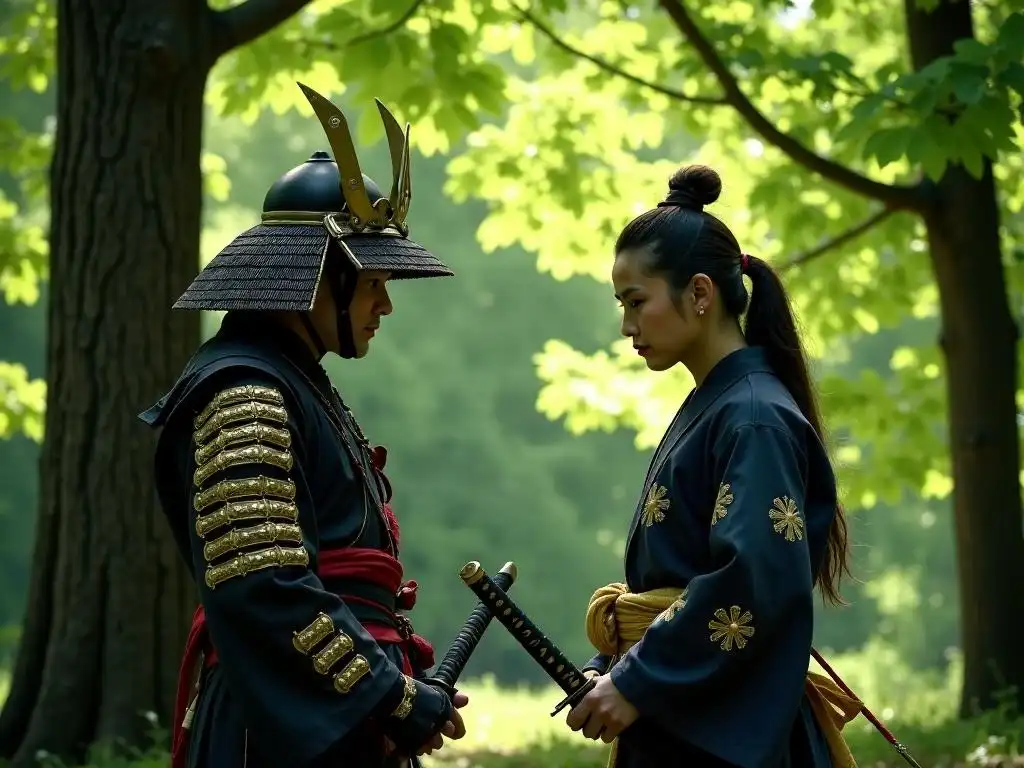
Samurai films, a prominent genre in Japanese cinema, offer a unique window into the historical and cultural evolution of the Japanese language. These films not only depict action and drama but also serve as a rich resource for language learners. Through the lens of samurai narratives, viewers can experience the nuances of Japanese dialogue, accent, and cultural context that traditional language learning methods may overlook. The use of specific jargon related to the samurai code of honor, combat terms, and societal hierarchies provides learners with an immersive experience, making language acquisition both engaging and practical.
Moreover, samurai films encapsulate various dialects and historical speech patterns, presenting an opportunity to hear the language as it was spoken in different eras. This exposure aids learners in mastering pronunciation and understanding context, which are crucial components of fluency. As viewers engage with the storyline, they also develop listening comprehension skills, enriching their vocabulary and grasp of sentence structure through real-life dialogues and interactions.
Benefits of Using Samurai Films for Learning Japanese
- Cultural Context: Samurai films provide cultural insights and historical context that are essential for understanding the evolution of the Japanese language. Learners gain a deeper appreciation for the social norms and values embedded in the language.
- Authentic Language Exposure: Watching characters converse in their native tongue exposes learners to authentic speech patterns, idiomatic expressions, and regional dialects that textbooks often lack.
- Visual Storytelling: The rich visual elements of samurai films enhance comprehension. Learners can connect dialogue with actions and settings, making it easier to infer meanings and context.
- Motivational Content: The engaging plots and dramatic narratives keep learners motivated and interested, encouraging them to continue their language studies outside of traditional classroom settings.
- Pronunciation Practice: Listening to the dialogue enables learners to mimic pronunciation and intonation effectively, which is vital for mastering the subtleties of spoken Japanese.
- Historical Language Variations: Exposure to archaic forms of the language allows learners to appreciate its evolution and recognize how modern Japanese has transformed over time.
Recommended Samurai Films for Language Learners
- Seven Samurai (1954): Directed by Akira Kurosawa, this classic not only tells an engaging story but also showcases a variety of speech styles and vocabulary related to the samurai era.
- Harakiri (1962): This film explores themes of honor and sacrifice, providing learners with rich dialogue that reflects the formal language of the period.
- The Twilight Samurai (2002): A more contemporary take on samurai life, this film offers insights into the everyday language of the era while providing emotional depth.
- Rashomon (1950): Another Kurosawa masterpiece, it presents multiple perspectives on a single event, allowing learners to hear different dialects and styles of speaking.
- 13 Assassins (2010): This film combines action with historical context, providing learners with vocabulary related to warfare and samurai ethics.
Conclusion: The Future of Language in Samurai Cinema
As samurai films continue to evolve, they will undoubtedly reflect the ongoing changes in the Japanese language. The genre's ability to adapt to contemporary themes while retaining its historical roots allows it to serve as a dynamic tool for language learning. Future productions may incorporate modern linguistic trends and cultural shifts, further enriching the language-learning experience for audiences.
Continuing Legacy of Samurai Films in Language Evolution
The legacy of samurai films in shaping the Japanese language is profound. Through their stories, characters, and dialogue, these films preserve a rich linguistic heritage while also highlighting the transformations that occur within the language over time. As new generations of filmmakers emerge, the challenge and opportunity lie in maintaining the balance between tradition and innovation. By continuing to explore the samurai narrative, these films will not only entertain but also educate, ensuring that the language—and the cultural values it embodies—remains vibrant and relevant for future learners.
Additional Resources for Learning Japanese Through Film
As the interest in samurai films and their linguistic elements grows, various resources have emerged to help learners delve deeper into the Japanese language. These resources not only provide insights into the language used in samurai cinema but also offer broader contexts that enrich the learning experience. Here are some valuable categories of resources to consider:
Online Courses and Platforms for Language Learning
In the digital age, numerous online platforms offer structured courses tailored to learning Japanese through various media, including films. Here are some notable options:
- Rosetta Stone: This platform uses immersive methods to teach Japanese, allowing users to engage with the language in a natural context. While not exclusively focused on samurai films, it provides a strong foundation in conversational Japanese.
- Coursera: Offers courses from universities that may touch on cultural aspects of Japan, including language used in film. Look for specific courses that focus on language learning through Japanese media.
- Udemy: A platform known for its wide range of courses, including specific ones on learning Japanese through popular culture. Some courses may analyze samurai films, focusing on dialogue and cultural nuances.
- JapanesePod101: This resource provides podcasts and video lessons that often reference popular media, including samurai films. It's a great way to learn conversational Japanese while exploring cinematic language.
- YouTube Channels: Channels like "Learn Japanese with JapanesePod101" or "Nihongo no Mori" often feature lessons that incorporate clips from samurai films, making language learning engaging and contextual.
Books and Articles on Samurai Films and Language
For those who prefer traditional reading materials, there are numerous books and scholarly articles that examine the intersection of samurai films and the Japanese language. Here are some recommendations:
- "Samurai Cinema: The Ultimate Guide" by David Dresser: This comprehensive book covers various samurai films and includes discussions on the language used, providing context and analysis that can enhance understanding for learners.
- "The History of Japanese Cinema: A Critical Guide" by Mark Schilling: This work offers insights into the evolution of Japanese cinema, with sections dedicated to samurai films. It discusses the cultural and linguistic shifts depicted in these films.
- "Language and Cultural Identity in Japanese Film" by David A. Dorsey: This book explores how language in films reflects cultural identity, with samurai films as a focal point. It’s an excellent resource for understanding the nuances of language in cinematic contexts.
- Academic Journals: Articles in journals such as the "Journal of Japanese Studies" often explore themes related to language and film. Searching for keywords like "samurai films" and "Japanese language" can yield insightful studies.
- Online Articles and Blogs: Websites like "The Japan Times" and "Nippon.com" frequently publish articles analyzing samurai films, including their language and cultural significance. These can provide contemporary perspectives on language evolution.
By utilizing these resources, learners can gain a richer understanding of both the Japanese language and the cultural significance of samurai films, enhancing their educational journey through this unique medium.
Frequently Asked Questions
What are samurai films?
Samurai films are cinematic representations of the samurai culture in Japan, often depicting themes of honor, loyalty, and conflict. They play a significant role in popularizing Japanese history and traditions globally.
How do samurai films reflect changes in the Japanese language?
Samurai films showcase the evolution of language through dialogue, terminology, and expressions, capturing the nuances of historical and modern Japanese. This evolution mirrors societal changes and cultural shifts over time.
Why are samurai films important for understanding Japanese culture?
These films are crucial for understanding Japanese values, traditions, and historical narratives. They offer insights into the samurai ethos and how it shaped Japanese identity throughout the feudal era and beyond.
How has the portrayal of samurai changed over time in films?
Over time, samurai films have evolved from idealized heroic figures to more complex characters, reflecting the changing perceptions of morality and duty in Japanese society. This evolution often aligns with broader cultural shifts and historical contexts.
What role does language play in samurai films?
Language is a vital tool in samurai films, as it conveys cultural nuances, emotional weight, and historical authenticity. The use of specific dialects and expressions helps immerse audiences in the feudal context of Japan.
Final Reflection: The Timeless Dance of Language and Culture in Samurai Films
The evolution of language is a mirror reflecting the cultural shifts within society, and this is profoundly illustrated in the realm of samurai films. As we explore how these cinematic masterpieces encapsulate the changes in the Japanese language, we recognize their power not only as entertainment but as a vital historical record. Samurai films serve as a bridge between the past and present, showcasing the resilience and adaptability of language in the face of societal transformation.
The impact of samurai films extends beyond mere storytelling; they have shaped our understanding of Japanese culture and identity. These films have not only preserved the linguistic nuances of different eras but have also influenced contemporary dialogue and expression. As we witness the evolution of language through these narratives, we are reminded of the words of filmmaker Akira Kurosawa: In every film, there is a reflection of the society that creates it.
This statement underscores the profound connection between language, culture, and the art of filmmaking, highlighting how samurai films continue to resonate with audiences today.
As we conclude this exploration, I invite you to reflect on the lessons embedded within the evolution of language as portrayed in samurai films. Consider how language shapes your own identity and the narratives you engage with. Let the stories of honor, duty, and transformation inspire you to appreciate the richness of your own linguistic heritage and to embrace the changes that come with time. In doing so, we not only honor the past but also pave the way for a more nuanced understanding of our present and future.
Embrace the Journey of Language Evolution!
Thank you for taking the time to explore how samurai films showcase the intricate evolution of the Japanese language. Your curiosity dives deep into the cultural shifts that shape our world today. Now, let's turn that interest into action!
- Delve Deeper: Watch a classic samurai film and pay attention to the dialogue; notice how language reflects the mindset of the era.
- Share Your Thoughts: Join our community on our website and discuss your favorite films along with their linguistic nuances.
- Explore Culture: Read more articles on our site about the evolution of language across different historical periods to understand its impact on contemporary Japanese.
How have the linguistic choices in samurai films influenced your understanding of Japanese culture?