
The Art of Dialogue: Analyzing Language Use in Iconic Samurai Movies

Welcome to Feudal Japan History, where we invite you to journey through the captivating tapestry of Japan’s feudal era. Here, you’ll uncover the rich historical, cultural, and societal intricacies that shaped a nation. Our featured article, “The Art of Dialogue: Analyzing Language Use in Iconic Samurai Movies,” offers an intriguing lens into the language that brings these legendary warriors to life on screen.
What secrets lie within the dialogue of these films, and how can they enhance your understanding of the samurai ethos? Dive in to unravel the connections between cinematic language and its historical roots, and let your curiosity lead you deeper into the world of feudal Japan.
- Introduction to Samurai Movies and Language Analysis
- Key Elements of Language in Samurai Movies
- Iconic Samurai Movies and Their Language Features
- Learning Japanese Through Samurai Films
- Comparative Analysis: Samurai Movies vs. Modern Japanese Films
- Conclusion: The Legacy of Language in Samurai Films
- Additional Resources for Language Learners
-
Frequently Asked Questions
- What are samurai movies primarily about?
- How does language play a role in samurai movies?
- Why is language analysis important in the context of samurai films?
- What themes are commonly explored through dialogue in these films?
- How can understanding the language in samurai movies enhance the viewing experience?
- Final Reflection: The Enduring Power of Language in Samurai Cinema
- Unveil the Power of Dialogue in Samurai Cinema!
Introduction to Samurai Movies and Language Analysis
Samurai movies have long captivated audiences worldwide, serving not only as thrilling narratives of honor, bravery, and conflict but also as rich cultural artifacts that reflect Japan's historical landscape. These films encapsulate the essence of the feudal era, showcasing the intricate language and dialogue that characterize the samurai's way of life. In this article, we will delve into "samurai movies language analysis," exploring how language is employed in these films and what it reveals about the broader societal norms and historical contexts of feudal Japan.
By analyzing the dialogues within iconic samurai films, we uncover layers of meaning that enhance our understanding of both the art of film and the complexities of the Japanese language. This exploration will not only benefit film enthusiasts but also those keen on learning Japanese through culturally significant mediums.
Understanding Samurai Films as Cultural Artifacts
Samurai films, or "chanbara," play a crucial role in preserving and interpreting Japan's feudal history. These films often dramatize the lives of samurai, highlighting their ethical codes, social hierarchies, and the conflicts that arise within this rigid structure.
- Historical Reflection: Samurai films serve as mirrors to the past, depicting the societal norms and values of their time. For instance:
- The Bushido code, which emphasizes loyalty, honor, and discipline, is frequently portrayed through the characters' dialogues and interactions.
- Cultural Nuances: The use of honorifics, formal language, and regional dialects in these films provides insight into the social hierarchies and relationships of the era.
Moreover, the dialogue in these films is not merely functional; it is an art form that conveys emotion, tension, and philosophical reflections. The choice of words, the rhythm of speech, and the pauses contribute significantly to the storytelling.
The Importance of Language in Historical Contexts
Language in samurai movies is a vital tool for understanding the historical context in which these stories are set. The dialogues often reflect the linguistic nuances and cultural realities of feudal Japan, allowing viewers to gain a deeper appreciation of the time period.
- Linguistic Features:
- Keigo (敬語): This form of respectful language is prevalent in interactions between samurai and their lords, showcasing the hierarchical nature of society.
- Regional Dialects: Variations in speech patterns can indicate a character's background and social status, adding depth to character development.
- Cultural Significance:
- Reinforcement of Values: The way characters communicate reinforces cultural values such as respect, loyalty, and the importance of one's word.
- Philosophical Depth: Many dialogues incorporate philosophical themes, prompting reflections on life, death, and duty that resonate with the samurai ethos.
The language used in samurai films is not only a means of communication but also a vital element that enriches our understanding of Japan's feudal history, offering valuable lessons for modern audiences and language learners alike.
Key Elements of Language in Samurai Movies

Dialogue and its Role in Character Development
In samurai movies, dialogue serves as a crucial mechanism for character development, offering insight into the inner workings of the protagonists and antagonists. The way characters speak reveals their motivations, backgrounds, and moral codes, often reflecting the complex hierarchy of feudal Japan.
- Exposition Through Dialogue: Many films use dialogue to provide context and background. For example, a character might recount their lineage or past battles, which not only adds depth but also sets the tone for their current actions.
- Conflict and Resolution: The exchanges between characters often highlight their conflicts, whether personal or ideological. A samurai's internal struggle may manifest in their hesitation to engage in battle, articulated through poignant exchanges that reveal their honor and duty.
- Dialogue as a Reflection of Values: The language used often mirrors the samurai's values, emphasizing themes of loyalty, honor, and sacrifice. For instance, when a character speaks of their lord, the reverence in their tone and choice of words illustrates their unwavering loyalty and the societal expectations placed upon them.
Symbolism and Metaphors in Samurai Language
The language in samurai movies is rich with symbolism and metaphors, often drawing on nature, historical references, and traditional Japanese aesthetics. This linguistic depth adds layers of meaning to the dialogue, making it not just a vehicle for communication but also an art form.
- Nature Imagery: Samurai films frequently employ nature as a metaphor for human emotions and conflicts. For instance, a storm may symbolize impending chaos, while a serene landscape could represent peace and honor. Such imagery allows the audience to grasp the emotional undertones of the dialogue.
- Historical References: Dialogue often includes allusions to historical events or figures, enriching the narrative and connecting characters to Japan's storied past. For example, a mention of famous battles or legendary samurai can evoke a sense of pride and duty among characters, reinforcing their motivations.
- Cultural Aesthetics: The use of traditional Japanese aesthetics, such as wabi-sabi (the beauty of imperfection), is prevalent in the language of samurai films. This concept is often conveyed through dialogue that reflects the characters’ acceptance of mortality and the transient nature of life, deepening the philosophical insights of the narrative.
Honorifics and Politeness Levels in Dialogue
In the context of samurai movies, the use of honorifics and varying levels of politeness in dialogue is pivotal in conveying social hierarchies and relationships. Understanding these nuances can enhance the viewer's appreciation of the intricate social fabric depicted in these films.
- Honorifics in Address: Characters often use specific honorifics (such as -san, -sama, and -kun) to denote respect or familiarity. The choice of honorific can signal the speaker's relationship with the addressee, illustrating the hierarchical nature of feudal society. For instance, a samurai addressing their lord will likely use a more formal honorific, showcasing their deference.
- Politeness Levels: The degree of politeness in speech is meticulously crafted in samurai films, reflecting the characters' status and emotions. A character's shift from formal to informal speech can indicate a change in their relationship dynamics, such as moving from a subordinate role to one of equality or friendship.
- Cultural Implications: The nuances of honorifics and politeness levels also serve to educate viewers on Japanese culture, highlighting the importance of respect and social order. This not only enriches the narrative but also provides a learning opportunity for those interested in the Japanese language and societal norms.
By examining these key elements of language in samurai movies, viewers not only gain a deeper understanding of the characters and their motivations but also engage with the cultural and historical context of feudal Japan.
Iconic Samurai Movies and Their Language Features
Akira Kurosawa's "Seven Samurai": A Study in Dialogue
"Seven Samurai," directed by Akira Kurosawa in 1954, stands as a monumental work in the realm of cinema, not only for its groundbreaking storytelling but also for the intricate language used throughout the film. The dialogue within "Seven Samurai" serves as a vital component that drives the narrative and develops character dynamics.
Language Strategies Used in "Seven Samurai"
The film employs a variety of language strategies that reflect the cultural context of feudal Japan. Honorifics are prevalent, underscoring the social status of individuals and the hierarchical nature of relationships. For example, characters use different speech levels based on their status and the context of their interactions. This nuanced use of language aids in establishing authority and respect among characters.
- Direct Address: The manner in which characters address each other often indicates their relationship. For instance, the samurai may use formal titles when addressing their superiors, showcasing their respect and deference.
- Colloquial Expressions: The use of colloquial language among the samurai displays their camaraderie and adds authenticity to their interactions. This informal language serves to humanize the characters, making their struggles relatable.
- Metaphors and Proverbial Language: Kurosawa incorporates traditional Japanese metaphors and proverbs, enriching the dialogue with cultural significance. This not only reflects the wisdom of the characters but also connects the audience to the cultural heritage of Japan.
Impact of Dialogue on Character Relationships
Dialogue in "Seven Samurai" plays a crucial role in shaping character relationships and developing the storyline. The interactions between characters reveal their personalities, motives, and growth throughout the film.
- Conflict and Resolution: Tensions among the characters often escalate through powerful dialogue, creating conflict that is essential to the narrative. For example, the philosophical debates between the samurai about honor and sacrifice highlight their differing perspectives.
- Character Development: The evolution of relationships is portrayed through changes in dialogue. As the characters face challenges together, their language becomes more collaborative and supportive, reflecting their growth and unity.
- Emotional Resonance: The emotional weight carried by dialogue enhances the film's impact. Moments of vulnerability, expressed through heartfelt conversations, resonate deeply with viewers, creating a lasting impression of the characters' journeys.
Masaki Kobayashi's "Harakiri": Language as a Narrative Tool
Masaki Kobayashi's "Harakiri," released in 1962, utilizes language as a powerful narrative tool, emphasizing the themes of honor, sacrifice, and social injustice. The dialogue serves not only to convey information but to deepen the viewer's understanding of the characters' motivations and societal context.
Analyzing the Use of Formal and Informal Language
In "Harakiri," the juxtaposition of formal and informal language is significant in portraying the characters' social standings and emotional states.
- Formal Language: The samurai often speak in a formal style, adhering to the expected decorum of their class. This formality reinforces their commitment to the samurai code and the weight of their decisions.
- Informal Language: In contrast, informal language is used in moments of intimacy or rebellion against the rigid social structure. This shift reveals the characters' true feelings and desires, showcasing their humanity beneath the societal expectations.
- Dialogue as a Reflection of Internal Conflict: The characters’ use of language mirrors their internal struggles, particularly in moments of doubt or challenge. For instance, the protagonist's dialogue shifts as he confronts the realities of his world, reflecting a deeper existential crisis.
How Language Reflects Social Hierarchies
The dialogue in "Harakiri" intricately illustrates the social hierarchies of feudal Japan, providing insight into the power dynamics at play.
- Hierarchical Speech Patterns: Characters use language that signifies their rank and position within the social structure. The samurai's interactions with lower-status individuals reveal the disparities in power and respect.
- Critical Commentary: The film’s language often serves as a critique of the rigid social hierarchies. Through poignant dialogue, characters challenge the status quo, questioning the very foundations of their societal roles.
- Symbolism in Language: The choice of words and phrases carries symbolic weight, representing broader themes of honor, loyalty, and sacrifice. This symbolism enhances the film’s narrative depth, allowing the audience to engage with the complexities of feudal society.
The language used in iconic samurai movies such as "Seven Samurai" and "Harakiri" not only enhances the storytelling but also serves as a critical lens through which viewers can explore the cultural and societal intricacies of feudal Japan. Through careful language analysis, audiences can gain deeper insights into character motivations and the historical context that shapes their actions.
Hiroshi Inagaki's "Samurai Trilogy": Language and Emotion
Hiroshi Inagaki's "Samurai Trilogy," comprising "Musashi Miyamoto" (1954), "Duel at Ichijoji Temple" (1955), and "Samurai I: Musashi Miyamoto" (1956), is a cinematic masterpiece that masterfully intertwines language and emotion. The trilogy tells the story of the legendary swordsman Miyamoto Musashi, highlighting his journey from a brash young warrior to a more introspective and philosophical figure. The dialogue throughout the trilogy plays a pivotal role in reflecting Musashi's emotional evolution and the cultural context of feudal Japan.
Inagaki utilizes a blend of formal and informal language to depict the social hierarchies and relationships in feudal Japan. The choice of words and expressions carries significant weight, revealing characters' motivations and emotional states. For example, the honorifics and formalities used by samurai in their interactions emphasize the strict codes of conduct and respect inherent in the samurai culture. In contrast, more colloquial speech is employed during moments of camaraderie or personal conflict, allowing the audience to connect with the characters on a deeper emotional level.
Dialogue Techniques to Convey Inner Conflict
Inagaki's skillful use of dialogue techniques helps to convey the inner turmoil experienced by Musashi and other characters throughout the trilogy. One prominent technique is the use of soliloquies and internal monologues, which provide insight into a character's thoughts and feelings. These moments allow viewers to witness Musashi's struggles with his identity, purpose, and the violent world around him.
Additionally, subtext plays a crucial role in the dialogue. Characters often express their true feelings indirectly, using metaphors or layered meanings that reflect the complexities of their emotions. For instance, when Musashi engages in a conversation about the philosophy of swordsmanship, the dialogue transcends mere combat and delves into deeper existential themes, illustrating his internal conflict between his warrior duties and personal growth.
Pauses and silences are also effectively employed in the trilogy. The strategic use of silence during pivotal conversations mirrors the weight of unspoken thoughts and emotions, allowing audiences to feel the tension and gravity of the moment. This technique contributes to a more profound emotional resonance, as characters grapple with their decisions and the consequences of their actions.
The Evolution of Language Throughout the Trilogy
The language used in the "Samurai Trilogy" evolves significantly across the three films, paralleling Musashi's character development and the changing dynamics of feudal society. In the first film, the dialogue is characterized by a more youthful and brash tone, reflecting Musashi's naivety and impulsive nature. The interactions among characters are often filled with bravado and aggression, encapsulating the chaotic spirit of a young warrior seeking recognition.
As the trilogy progresses, the language matures alongside Musashi. By the second film, there is a noticeable shift towards a more reflective and philosophical dialogue. Characters begin to engage in deeper discussions about honor, sacrifice, and the nature of conflict. This evolution represents Musashi's growing awareness and understanding of the world around him, moving beyond mere physical prowess to embrace a more profound wisdom.
In the final installment, the language reaches a level of sophistication that mirrors Musashi's complete transformation into a master swordsman and philosopher. Dialogue becomes more poignant and introspective, often addressing themes of mortality, legacy, and the search for meaning in life. The careful choice of words and the gravitas of the conversations reflect the weight of Musashi's experiences, making the emotional impact of the language even more significant.
Overall, the evolution of language in Hiroshi Inagaki's "Samurai Trilogy" serves as a powerful narrative device, enriching the story and enhancing the audience's understanding of the characters and the historical context of feudal Japan.
Learning Japanese Through Samurai Films
Language Learning Opportunities in Samurai Movies
Samurai movies are not only captivating cinematic experiences but also serve as rich resources for language learning. They present learners with a unique opportunity to immerse themselves in authentic Japanese dialogue, cultural nuances, and historical contexts. By engaging with these films, language learners can enhance their vocabulary, improve listening skills, and gain insights into the socio-cultural backdrop of feudal Japan.
Key Vocabulary and Phrases from Selected Films
One of the most effective ways to learn a language is by familiarizing oneself with commonly used phrases and terminology. Samurai movies often feature a variety of vocabulary associated with martial arts, honor, loyalty, and social hierarchy. Here’s a list of key vocabulary often encountered in samurai films:
- 侍 (samurai) - warrior
- 武士道 (bushido) - the way of the warrior
- 忠義 (chuugi) - loyalty
- 名誉 (meiyo) - honor
- 刀 (katana) - sword
- 戦 (sen) - battle
- 奉公 (houkou) - service to a lord
Moreover, iconic phrases such as "行け! (ike!)" meaning "Go!" or "名乗れ! (nanore!)" meaning "Identify yourself!" encapsulate the urgency and cultural significance prevalent in samurai narratives.
Pronunciation and Dialect Variations in Dialogue
Understanding pronunciation and dialect variations is crucial for effective communication in Japanese. Samurai movies often depict different dialects depending on the region and time period. For instance, the Kansai dialect is frequently heard in films set in the western part of Japan, providing learners with exposure to regional differences in speech.
Examples of pronunciation challenges include:
- The softening of consonants in certain dialects, such as the transformation of "s" sounds to "sh" sounds.
- Intonation patterns that differ between dialects, which can alter the meaning of similar words.
By paying attention to these variations, learners can better appreciate the diversity of the Japanese language and refine their pronunciation skills.
Utilizing Samurai Films as Educational Tools
Incorporating samurai films into language learning curricula can significantly enhance the educational experience. These films provide not only entertainment but also a context for learning language in action, making the study of Japanese more engaging and relevant.
Recommended Resources for Language Learners
For those looking to delve deeper into learning Japanese through samurai films, there are several resources available:
- Film Guides: Many educational institutions offer guides that analyze language use in popular samurai films, breaking down dialogues and cultural references.
- Subtitled Films: Watching samurai movies with Japanese subtitles can help learners connect spoken language with written forms, enhancing comprehension.
- Discussion Forums: Online platforms where language learners discuss their interpretations and understanding of samurai films can foster community learning.
Online Courses and Programs Focused on Samurai Cinema
Several online language learning platforms have developed courses specifically centered around samurai cinema. These courses often include:
- Interactive Quizzes: To test comprehension of vocabulary and phrases from selected films.
- Video Analysis: Breakdowns of key scenes to explore dialogue and cultural significance.
- Community Engagement: Opportunities to practice speaking with fellow learners through discussion groups or live sessions.
By leveraging these educational tools, learners can gain a deeper understanding of the language and culture surrounding samurai films, ultimately enhancing their overall language acquisition experience.
Comparative Analysis: Samurai Movies vs. Modern Japanese Films
The exploration of language in samurai movies offers a unique lens through which to understand cultural nuances, historical context, and the evolution of Japanese dialogue. By comparing these films to modern Japanese cinema, we can discern significant shifts in language usage, themes, and character interactions. This comparative analysis enables us to appreciate the artistry behind dialogue in samurai movies while recognizing its influence on contemporary storytelling.
Language Trends Across Different Eras
The language used in samurai movies is characterized by its formality and adherence to historical speech patterns. Often, characters engage in dialogues rich in honorifics, proverbs, and eloquent expressions that reflect the societal hierarchies of the Edo period. Key features include:
- Honorifics and Titles: The frequent use of titles like samurai, sensei, and daimyo not only serves to establish social status but also illustrates the respect embedded in their interactions. For instance, when a samurai addresses his lord, he often uses the humble form of speech, which creates a stark contrast to the assertive language of modern films.
- Poetic Language: Samurai films often incorporate poetic and metaphorical language, drawing on traditional Japanese aesthetics. This style enhances the emotional weight of scenes, as seen in films like Seven Samurai, where the dialogue reflects the characters' inner struggles and philosophies.
- Cultural Idioms: Idiomatic expressions in samurai films convey deep cultural meanings. Phrases like “ bushido” (the way of the warrior) encapsulate values such as loyalty, honor, and bravery, allowing viewers to engage with the moral complexities faced by the characters.
In contrast, modern Japanese films tend to favor a more casual and straightforward approach to dialogue. With the influence of globalization, the language has evolved to reflect contemporary societal dynamics:
- Casual Speech: The use of casual language, slang, and even English loanwords reflects a shift towards relatability in character interactions. This is evident in contemporary dramas and comedies, where dialogue mirrors everyday conversations.
- Diverse Genres: Modern films encompass a broader range of genres, leading to varied language styles. For example, romantic comedies might use playful banter, while thrillers may adopt terse and clipped dialogue to heighten tension.
- Digital Communication Influence: The rise of digital communication has introduced new vernacular, particularly among younger audiences. Texting lingo and abbreviations have made their way into film dialogue, representing a departure from the traditional linguistic structures found in samurai movies.
The evolution of language in Japanese cinema reflects broader cultural shifts, showcasing how dialogue is not merely a narrative device but a significant cultural artifact.
How Dialogue in Samurai Movies Influences Contemporary Cinema
The impact of samurai movie dialogue extends beyond its historical context, influencing modern filmmakers in various ways. Key influences include:
- Character Development: The depth of character portrayal in samurai films, achieved through intricate dialogue, has inspired contemporary screenwriters to focus on nuanced interactions. For instance, the moral dilemmas faced by samurai are mirrored in modern narratives, where characters navigate complex social issues through dialogue that reveals their motivations and struggles.
- Cinematic Techniques: Samurai films often utilize silence and pauses to heighten dramatic tension. This technique has been adopted in contemporary cinema to create suspense or emphasize emotional moments, encouraging filmmakers to explore the power of dialogue through contrast.
- Cultural Symbolism: The themes prevalent in samurai movies, such as honor, sacrifice, and loyalty, continue to resonate in modern films. As filmmakers reference these ideals, they often incorporate dialogue that echoes the philosophical underpinnings of the samurai ethos, establishing a bridge between past and present.
- Dialogue as Art: The appreciation for well-crafted dialogue in samurai films has fostered a greater emphasis on scriptwriting in contemporary cinema. Filmmakers now recognize that dialogue can elevate the narrative, serving not just to convey information but to evoke emotion and provoke thought.
The study of language in samurai movies offers invaluable insights into the evolution of Japanese cinema. By analyzing the linguistic trends and their influence on modern films, we gain a deeper understanding of how dialogue shapes storytelling across eras, making samurai movies a vital component of language learning and cultural appreciation in Japan.
Conclusion: The Legacy of Language in Samurai Films
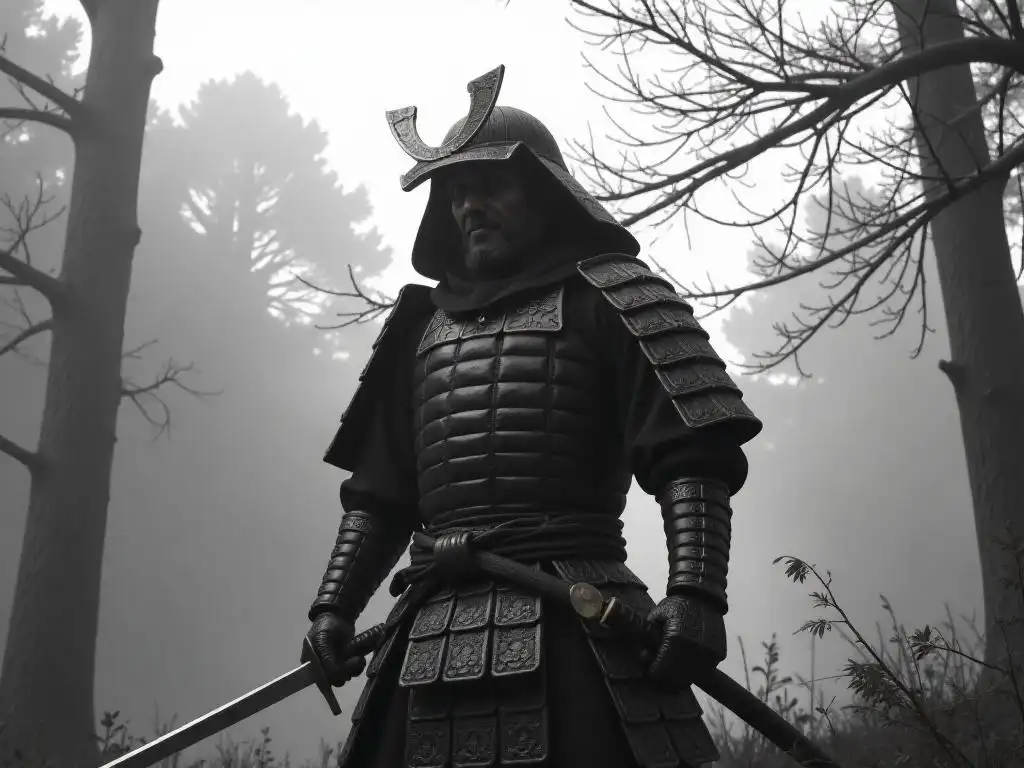
The exploration of language in samurai movies extends beyond mere entertainment; it serves as a vital tool for understanding the cultural and historical context of Japan's feudal era. Through an intricate tapestry of dialogue, these films encapsulate the values, social hierarchies, and philosophies that defined samurai life. The legacy of language in this genre not only enriches our appreciation of cinematic art but also plays a significant role in the educational landscape for learners of the Japanese language.
The Enduring Impact of Dialogue on Japanese Language Learning
The dialogues in samurai movies provide a unique resource for language learners, offering insights into various aspects of Japanese linguistics. Here are some key elements that contribute to this impact:
- Contextual Vocabulary: Samurai films often feature period-appropriate vocabulary, allowing learners to encounter historical terms that may not appear in modern conversational Japanese.
- Cultural Nuances: Language use in these films reflects the societal norms and values of the time, such as honor and loyalty. This exposure aids learners in understanding the cultural significance behind certain expressions.
- Language Variations: Different samurai films may depict various dialects and speech styles, showcasing the regional linguistic diversity within Japan. This variety is crucial for learners aiming to grasp the full spectrum of the language.
Furthermore, the emotional weight carried by the dialogue enhances comprehension skills. As learners engage with the characters' struggles and triumphs, they naturally absorb the language in a more meaningful context.
Future Trends in Samurai Movie Language Analysis
As the popularity of samurai films continues to rise globally, we can anticipate several emerging trends in the analysis of their language:
- Digital Linguistic Tools: The integration of AI-driven language analysis tools will allow for more sophisticated examinations of dialogue patterns in samurai films. This technology can help identify recurring themes and linguistic features that reflect cultural ideologies.
- Cross-Cultural Comparisons: Future studies may focus on comparing the language used in samurai films with other cultural cinematic traditions. This comparative analysis can highlight distinctive features and commonalities, enriching our understanding of global storytelling.
- Expanded Educational Frameworks: Language educators may increasingly incorporate samurai films into their curricula, utilizing specific scenes for teaching idiomatic expressions and historical context. This hands-on approach can deepen students' engagement with the language.
By exploring these trends, we can better appreciate the ongoing relevance of samurai movies in language learning contexts and their potential to bridge cultural divides through dialogue. The legacy of language in this genre will undoubtedly continue to inspire both scholars and students alike.
Additional Resources for Language Learners
Books and Guides on Samurai Cinema and Language
For those interested in deepening their understanding of samurai movies and their linguistic nuances, numerous books and guides are available. These resources not only cover the cinematic elements but also provide insights into the language used in these films, making them invaluable for language learners.
-
"Samurai Cinema: The Complete Illustrated Guide" by David Desser
This book offers a comprehensive overview of samurai films, discussing themes, plots, and character archetypes while analyzing the language styles employed. It is an excellent resource for understanding how dialogue reflects the cultural and historical context of the samurai era.
-
"The Samurai Film" by David Desser
This scholarly work delves into the evolution of samurai cinema, providing critical analysis on language and dialogue. Desser’s exploration of various films highlights how linguistic choices shape character development and narrative.
-
"Language and Culture in Japanese Cinema" by Yoshiko Matsumoto
Matsumoto’s book examines the interplay between language and culture in Japanese films, including samurai genres. It provides linguistic analysis, which can enhance a learner's grasp of nuanced expressions and cultural references in dialogue.
-
"The Samurai and the Sacred" by Michael K. Hattori
This guide is particularly useful for those interested in the spiritual and philosophical aspects of samurai films. It discusses the language of honor and ethics prevalent in samurai dialogue, enriching the learner's vocabulary and comprehension.
By integrating these resources into your study routine, you can enhance your understanding of both the language and cultural significance of samurai films.
Online Platforms for Learning Japanese Through Film
In addition to books, several online platforms offer courses and resources specifically designed to help learners engage with Japanese language and culture through samurai movies. Here are some notable ones:
-
JapanesePod101
This platform provides audio and video lessons that frequently reference popular samurai films. Learners can explore vocabulary and phrases used in context, making connections between language and the cinematic experience.
-
Coursera: Japanese for Beginners
This course often includes modules focused on cultural aspects, including samurai cinema. It integrates language learning with film analysis, allowing students to practice listening and comprehension skills through movie clips.
-
YouTube Channels
Channels like Nihongo no Mori and Learn Japanese with JapanesePod101 offer analyses of samurai films, breaking down language use and providing commentary on cultural significance. These channels are excellent for visual learners who benefit from seeing language in action.
-
Netflix Language Learning
Netflix has a variety of samurai films with subtitles in multiple languages, including English and Japanese. Utilizing the subtitle feature while watching can help learners pick up new vocabulary and phrases, as they see the dialogue in context.
-
Lang-8
This language exchange platform allows learners to write about their favorite samurai films in Japanese. Native speakers can then provide corrections and feedback, enhancing both writing skills and understanding of language nuances.
By utilizing these platforms, learners can immerse themselves in the language while enjoying iconic samurai films, effectively bridging cultural and linguistic gaps.
Frequently Asked Questions
What are samurai movies primarily about?
Samurai movies typically revolve around historical narratives that focus on the lives of samurai warriors, their honor, battles, and the cultural values of feudal Japan.
How does language play a role in samurai movies?
The dialogue in samurai movies serves to convey cultural nuances, character development, and the philosophical themes that are intrinsic to the samurai code and lifestyle.
Why is language analysis important in the context of samurai films?
Language analysis helps viewers understand the subtext and cultural references embedded in the dialogue, enhancing their appreciation of the storytelling and the historical context of the films.
What themes are commonly explored through dialogue in these films?
Common themes include honor, loyalty, the conflict between duty and desire, and the transience of life, all of which are articulated through the language used by the characters.
How can understanding the language in samurai movies enhance the viewing experience?
A deeper understanding of the language helps viewers grasp the emotional depth and cultural significance of the interactions, making the experience more immersive and impactful.
Final Reflection: The Enduring Power of Language in Samurai Cinema
The exploration of language in samurai movies reveals a profound connection between dialogue and cultural identity. As we dissect the intricate conversations and eloquent exchanges that define these cinematic masterpieces, we uncover not only the artistry of the filmmakers but also the timeless relevance of their themes. The way characters articulate their thoughts and emotions reflects the values and philosophies of their time, making these films resonate with audiences today. In an era where communication often feels fragmented, the eloquence of samurai dialogue serves as a reminder of the power of words.
Certainly, the language used in samurai films has shaped our understanding of honor, loyalty, and sacrifice, influencing both cultural narratives and personal reflections. The depth of these dialogues transcends mere entertainment; they invite us to ponder our own values and relationships. As the renowned filmmaker Akira Kurosawa once said, In every film, there is a part of the director's soul.
This sentiment encapsulates how the language in these films is not just a tool for storytelling but a vessel for conveying deeper truths about the human experience.
As we conclude our journey through the art of dialogue in samurai movies, I encourage you to reflect on the words you choose in your own life. Consider how language shapes your interactions and influences your understanding of the world. Let the lessons learned from these iconic films inspire you to engage in meaningful conversations that honor the spirit of dialogue—where every word carries weight, and every exchange has the potential to transform. Embrace the art of dialogue, and may it lead you to deeper connections and insights in your own narrative.
Unveil the Power of Dialogue in Samurai Cinema!
Thank you for exploring the fascinating intersection of language and culture in iconic samurai movies! You have gained insights into how dialogue shapes narratives and reflects deeper cultural values. Now, it's time to harness that knowledge and enrich your own understanding.
Take the next step with these actionable suggestions:
- Dive deeper into one of the films discussed by rewatching it and taking notes on language patterns and cultural nuances.
- Join our community! Share your own analyses or favorite quotes from samurai films in the comments below and connect with fellow enthusiasts.
- Explore related resources! Check out our recommendations for insightful books or documentaries that delve into the rich tapestry of samurai culture.
What aspect of samurai dialogue resonates with you the most, and how do you think it shapes our understanding of their world?