
Family Tragedies: How Warfare and Politics Disrupted Feudal Japanese Households

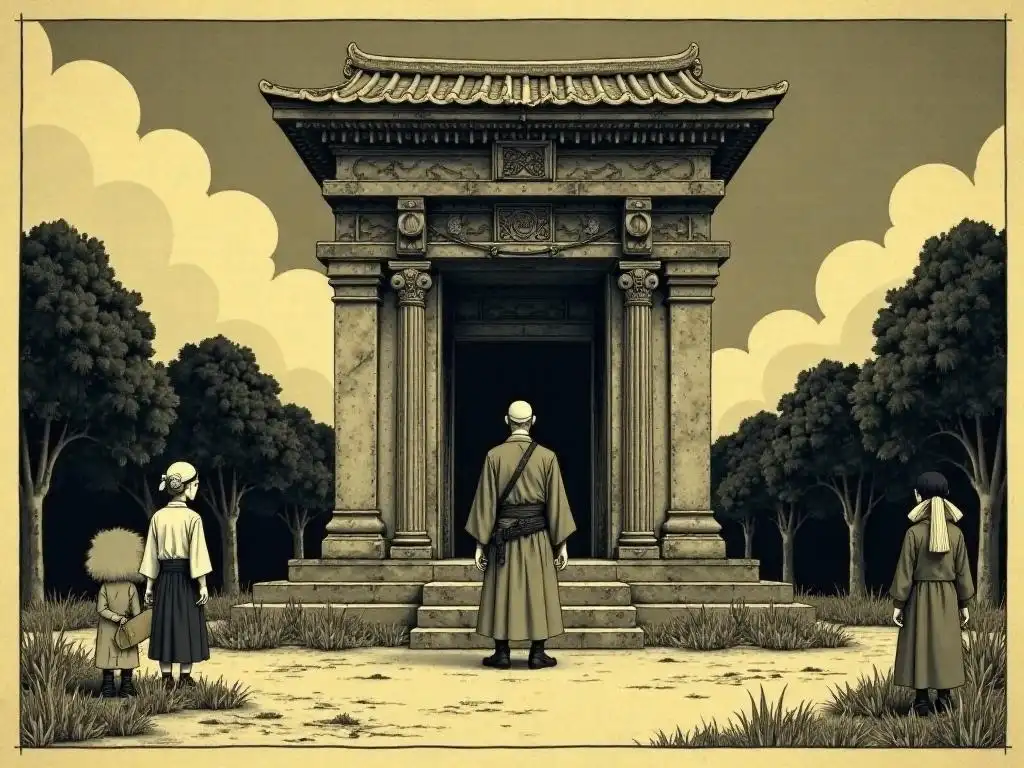
Welcome to Feudal Japan History, where we delve into the intricate tapestry of Japan's feudal era. In this realm of honor and conflict, the family tragedies that unfolded reveal the profound impact of warfare and politics on households across the nation.
Our featured article, "Family Tragedies: How Warfare and Politics Disrupted Feudal Japanese Households," invites you to uncover the heart-wrenching stories that shaped the lives of warriors and their kin. Join us as we explore the delicate balance of duty, love, and loss, and discover how these narratives echo through history, urging you to dig deeper into the societal complexities of feudal Japan.
- Introduction to Feudal Japan Family Tragedies
- Historical Context of Feudal Japan
- Warfare and Its Consequences on Family Life
- Political Intrigue and Family Disruptions
- Cultural Responses to Family Tragedies
- Resilience and Adaptation of Feudal Families
- Conclusion: The Legacy of Family Tragedies in Feudal Japan
- References and Further Reading on Feudal Japan Family Tragedies
-
Frequently Asked Questions
- What are the main causes of family tragedies in feudal Japan?
- How did warfare affect feudal Japanese families?
- Can you provide examples of political factors that led to family tragedies?
- How did these tragedies influence Japanese culture?
- What lessons can be learned from the family tragedies of feudal Japan?
- Final Reflection: The Enduring Legacy of Feudal Japan Family Tragedies
- Revive Your Curiosity: Explore the Impact of Warfare on Japanese Families
Introduction to Feudal Japan Family Tragedies
The feudal era of Japan, spanning from the 12th to the 19th century, was marked not only by the rise and fall of powerful clans but also by the profound impact of warfare and political intrigue on familial dynamics. During this tumultuous period, families were often caught in the crossfire of conflicts between rival factions, leading to significant tragedies that reshaped their lives and legacies. The concept of honor, loyalty, and duty played pivotal roles in the lives of these families, often compelling them to make heart-wrenching choices.
Understanding these family tragedies is essential for comprehending the broader societal context of feudal Japan, as they reveal the fragility of family bonds in the face of external pressures. This article delves into the intricate tapestry of familial relationships during this era, examining how warfare and political maneuvering disrupted the very foundations of Japanese households.
Understanding the Impact of Warfare on Japanese Families
Warfare in feudal Japan was not merely a backdrop for battles; it profoundly affected the structure and stability of families. The constant threat of conflict forced families to adapt and respond to ever-changing circumstances. Here are some key aspects of how warfare influenced Japanese families:
- Displacement and Loss: Many families faced displacement due to battles, leading to the loss of homes and lands. This forced migrations often resulted in the fragmentation of family units, as members were separated or killed.
- Increased Vulnerability: The presence of samurai and warlords created a climate of fear. Families were often caught in the struggle for power, making them vulnerable to raids and attacks. Women and children frequently suffered the most, as they lacked the means to defend themselves.
- Changes in Family Roles: Traditional gender roles shifted during times of war. Women were often required to take on responsibilities traditionally held by men, such as managing estates or defending their homes, which altered the family structure.
- Legacy of Honor and Shame: The samurai code of bushido emphasized honor and loyalty, leading to tragic decisions within families. Sons might be compelled to avenge a father's death, while daughters faced pressures to marry for political alliances, even at the cost of personal happiness.
Overview of Political Factors Affecting Family Structures
In addition to the ravages of warfare, political factors played a crucial role in shaping family dynamics during feudal Japan. The intricate web of alliances, betrayals, and power struggles among the ruling clans had a direct impact on the lives of ordinary families. Key points to consider include:
- Political Alliances through Marriage: Families frequently arranged marriages to forge alliances or secure peace between rival clans. These unions, while politically beneficial, often led to personal tragedies when loyalties shifted or conflicts erupted.
- Succession and Inheritance Issues: The question of succession was fraught with tension. Disputes over inheritance could result in familial strife, as rival factions within a family sought to claim power, sometimes leading to betrayal or violence.
- Influence of Daimyo and Shogunate Policies: The policies of powerful leaders, such as the daimyo and shogun, greatly affected the lives of their vassals and subjects. Taxation, land distribution, and military service obligations often strained family resources and relationships.
- Social Hierarchies and Class Struggles: The rigid class structures of feudal Japan meant that the impact of political factors varied significantly across different strata of society. Lower-class families faced different challenges than those of the samurai class, leading to a complex landscape of family tragedies.
The family tragedies of feudal Japan were deeply intertwined with the impacts of warfare and the political machinations of the time. This exploration provides a lens through which we can understand the resilience of families amidst chaos and the intricate dynamics that defined their relationships.
Historical Context of Feudal Japan

The historical context of feudal Japan is crucial for understanding the family tragedies that arose from warfare and political strife during this period. From the late 12th century until the mid-19th century, Japan transitioned into a feudal society characterized by a decentralized form of government. The power dynamics among the emperor, shoguns, daimyo (feudal lords), and samurai laid the foundation for a complex web of relationships that often led to familial discord and tragedy.
The Rise of Feudalism in Japan
Feudalism in Japan began to take shape during the late Heian period (794-1185), following a series of political and military upheavals. The Genpei War (1180-1185) marked a pivotal moment, leading to the establishment of the Kamakura shogunate. This shift from imperial authority to military rule fundamentally altered the structure of Japanese society. The emergence of the samurai class became integral to the feudal system, as they were bound to their lords through a code of loyalty known as bushido.
- Key Features of Feudalism:
- Decentralization of power: Local lords held significant authority, often leading to conflicts between clans.
- Land as currency: Control over land translated into power and wealth, intensifying competition among families.
- Samurai loyalty: The samurai's commitment to their daimyo often superseded familial ties, creating potential conflicts of interest.
The rise of feudalism created an environment where the stability of family units was frequently jeopardized by the ambitions of powerful clans. As wars erupted and alliances shifted, many families found themselves torn apart, leading to profound tragedies that would echo through generations.
Key Political Events Leading to Family Disruptions
Several key political events during the feudal era significantly impacted family structures and relationships. These events often resulted in shifts in power that directly affected the lives of ordinary families.
- The Onin War (1467-1477):
- A civil war that marked the beginning of the Sengoku period (Warring States period).
- Led to a breakdown of centralized authority and the rise of regional warlords, causing widespread displacement and family tragedies.
- The Battle of Sekigahara (1600):
- A decisive battle that established the Tokugawa shogunate, bringing about a long period of relative peace.
- Despite the eventual stability, the aftermath saw entire families wiped out or forced into exile as power transitioned to Tokugawa Ieyasu and his allies.
- The Meiji Restoration (1868):
- While not part of the feudal period, its roots lay in the upheaval of the late Edo period.
- The dismantling of the feudal system disrupted established family loyalties and the samurai class, leading to identity crises and familial estrangement.
These political events created a cycle of violence and instability, where families were often caught in the crossfire of political machinations, leading to profound personal losses.
The Role of Samurai in Family Dynamics
The samurai played a dual role in feudal Japan, serving as both warriors and family heads. Their obligations often placed them in difficult positions that could lead to family tragedies.
- Loyalty vs. Family Bonds:
- Samurai were expected to prioritize loyalty to their lords over familial ties. This often resulted in tragic choices where a samurai might have to choose between his duty and his family’s safety.
- Marriage Alliances:
- Marriages were frequently used as political tools to secure alliances between clans. The pressure to uphold these alliances could lead to emotional turmoil within families, especially if these unions were not based on love or mutual respect.
- Impact of Warfare:
- The constant state of warfare meant that many samurai families experienced loss, with fathers and sons frequently killed in battle. The psychological impact of these losses often reverberated through families, leading to long-lasting grief and disruption.
The role of samurai in family dynamics was complex and often tragic. Their commitments to their lords frequently overshadowed their responsibilities to their families, resulting in a myriad of family tragedies throughout feudal Japan.
Warfare and Its Consequences on Family Life
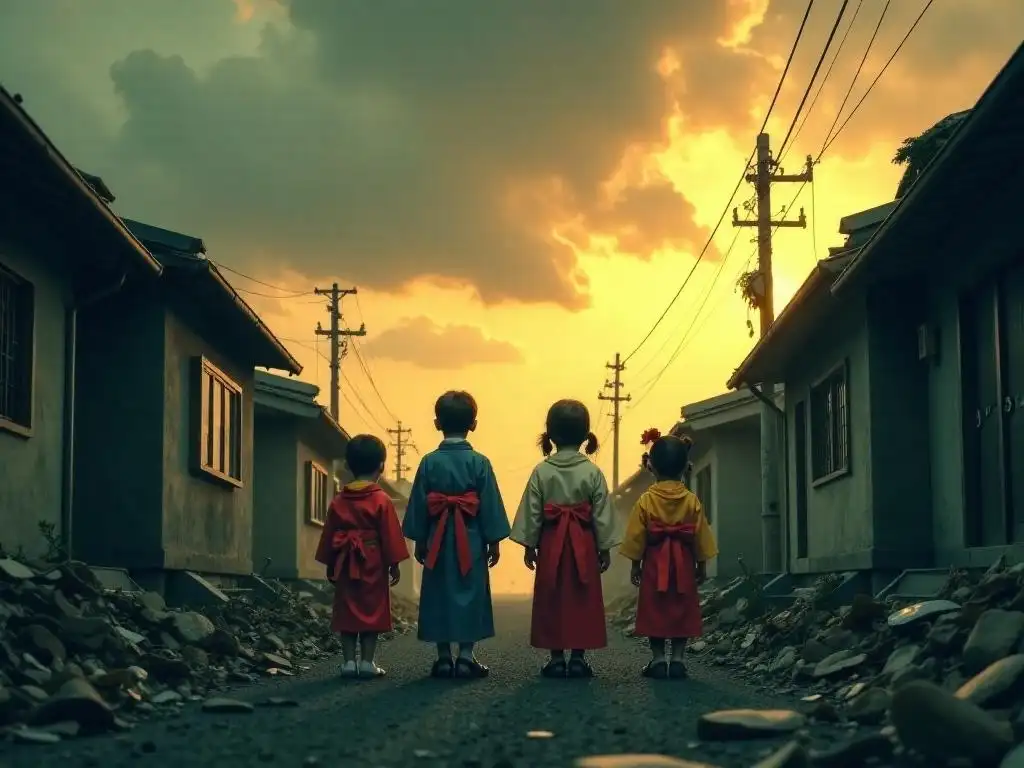
Types of Warfare in Feudal Japan
Feudal Japan was characterized by a variety of warfare types, each with distinct impacts on family structures. The most prominent forms included:
- Clan Wars: Conflicts often arose between powerful clans vying for dominance. These wars frequently led to significant casualties among warriors and non-combatants alike, disrupting family life and causing widespread grief.
- Sieges: Prolonged sieges of castles and towns created dire conditions for families living within the besieged areas. Starvation and disease often plagued these households, leading to tragic losses.
- Border Conflicts: Clashes over territory, particularly during the Sengoku period, saw families torn apart as men went off to battle, leaving women and children vulnerable. The instability created by these conflicts often resulted in the displacement of families.
- Political Assassinations: The feudal system was rife with political intrigue, where assassinations of leaders could lead to immediate family tragedies. The fallout from these actions typically extended beyond the immediate family, affecting entire clans.
The frequency and intensity of these warfare types had profound implications for family dynamics during the feudal era, often resulting in devastating consequences.
The Effects of Battles on Household Stability
The repercussions of battles on household stability were multifaceted. Families were not only affected physically but also psychologically and economically. Key effects included:
- Loss of Life: The death of a family member, particularly the head of the household, could lead to an immediate crisis. Women often found themselves in precarious situations, having to manage household affairs and protect their children without the support of male family members.
- Economic Strain: Warfare disrupted agricultural cycles and trade routes. Families reliant on farming faced starvation and poverty as battles ravaged their lands. This economic instability often led to increased mortality rates among children and the elderly.
- Displacement: Many families were forced to flee their homes due to ongoing conflicts. This displacement shattered family units and forced individuals into unfamiliar territories, complicating relationships and social structures.
- Psychological Trauma: The constant threat of violence and the aftermath of losing loved ones could lead to long-lasting psychological effects. Families dealt with grief, anxiety, and societal stigma, complicating their ability to rebuild and move forward.
These consequences illustrate how warfare fundamentally altered the fabric of family life in feudal Japan, creating a legacy of trauma that persisted across generations.
Case Studies of Notable Family Tragedies During Wars
Several notable family tragedies during feudal Japan highlight the profound impact of warfare on households. Here are a few key examples:
- The Takeda Clan: The downfall of the Takeda clan in the late 16th century is a stark example. After the death of Takeda Shingen, his family faced internal strife and external pressures from rival clans. The eventual defeat in the Battle of Nagashino led to the dissolution of their household, resulting in the loss of lives and the scattering of family members.
- The Hojo Clan: The siege of Odawara in 1590 marked the end of the Hojo clan. The family tragically lost not only their stronghold but also many members who chose death over capture. This event illustrates the brutal choices families had to make during warfare.
- The Uesugi Clan: Known for their rivalry with the Takeda clan, the Uesugi faced numerous battles that led to the deaths of key figures. The loss of Uesugi Kenshin, a renowned leader, resulted in a power vacuum and internal division within the clan, ultimately fracturing family ties.
These case studies reveal how warfare acted as a catalyst for family tragedies, uprooting lives and severing the connections that defined household stability in feudal Japan. The legacy of these events continues to resonate in Japan's historical narrative, underscoring the fragility of family amidst the chaos of conflict.
Political Intrigue and Family Disruptions
The feudal era in Japan was marked by intricate political maneuvers and a constant struggle for power, which significantly disrupted family structures. The influence of shogunates, power struggles among samurai clans, and political assassinations created an environment where family loyalty was often tested against political ambition. These dynamics not only altered the course of Japanese history but also had profound effects on the families involved, leading to tragedy and upheaval.
The Influence of Shogunates on Family Structures
The emergence of shogunates during the Kamakura period (1185-1333) fundamentally redefined the roles of families within the feudal system. The shogunate, as the military government, wielded immense power over the samurai class and their families. Families were often tied to specific shoguns through allegiance or service, leading to a hierarchy where familial status could rise or fall based on political favor.
- Loyalty vs. Family Ties: Samurai families had to navigate their loyalty to the shogunate while managing their internal affairs. Many families experienced fractures when members found themselves torn between allegiance to their lord and the interests of their kin.
- Marriage Alliances: Political marriages were common, often aimed at securing alliances between powerful families. Such unions could bolster a family's status but also placed them in precarious positions if political tides turned. For example, the marriage of Hojo Masako to Minamoto no Yoritomo reinforced the Hojo family's influence but later embroiled them in conflicts that led to their downfall.
- Disinheritance: Shogunal control often resulted in disinheritance for those who fell out of favor. Families faced the harsh reality of seeing their heirs stripped of titles and lands, resulting in emotional and financial ruin. This practice created a culture of fear and suspicion within households, where loyalty was constantly under scrutiny.
Power Struggles and Their Impact on Households
The struggle for power among feudal lords, or daimyo, often spilled over into their families, leading to devastating consequences. As clans vied for supremacy, the resulting conflicts created an environment rife with betrayal and loss.
- Civil Wars and Family Division: The Sengoku period (1467-1615) epitomized this chaos, with continuous warfare fracturing families. Clans such as the Takeda and Uesugi were embroiled in bloody conflicts, often leading to familial splits as members chose sides or were forced into exile.
- Loss of Estate and Resources: Families lost their ancestral lands during power struggles, which not only affected their financial stability but also their social standing. A notable example is the fall of the Takeda clan, which led to widespread displacement of their retainers and families, causing a ripple effect of suffering throughout their territories.
- Internal Strife: Power struggles within households also led to tragic outcomes. Rivalries among brothers or sons vying for their father's favor could result in violent confrontations, as seen in the Ashikaga family. Such infighting often ended in death, leading to the disintegration of family units.
Noteworthy Political Assassinations Affecting Families
Political assassinations were a common tool in the feudal era, serving as a means to eliminate rivals or consolidate power. These events not only altered the political landscape but also inflicted deep emotional wounds on the families involved.
- The Assassination of Ashikaga Yoshinori: In 1441, the assassination of Ashikaga Yoshinori, the shogun, shocked the nation and had severe repercussions for the Ashikaga family. His death led to a power vacuum that resulted in a series of conflicts among his heirs, devastating their household and diminishing their influence.
- The Murder of Oda Nobunaga: The betrayal and subsequent assassination of Oda Nobunaga in 1582 marked a pivotal moment in Japanese history. His death not only ended his ambitions of unifying Japan but also left his family vulnerable to retribution and conflict. The aftermath saw his son, Oda Nobutada, facing violent opposition, leading to the near annihilation of the Oda lineage.
- Impact on Retainers and Followers: The implications of such assassinations extended beyond immediate family members. Retainers and their families often faced dire consequences, including loss of status, lands, and in many cases, their lives, as they became collateral damage in the larger political machinations.
The intricate web of political intrigue during feudal Japan shaped family tragedies in profound ways, leaving a legacy of strife that echoed through generations. Understanding these dynamics is essential for grasping the complexities of daily life and societal structures in this historical context.
Cultural Responses to Family Tragedies
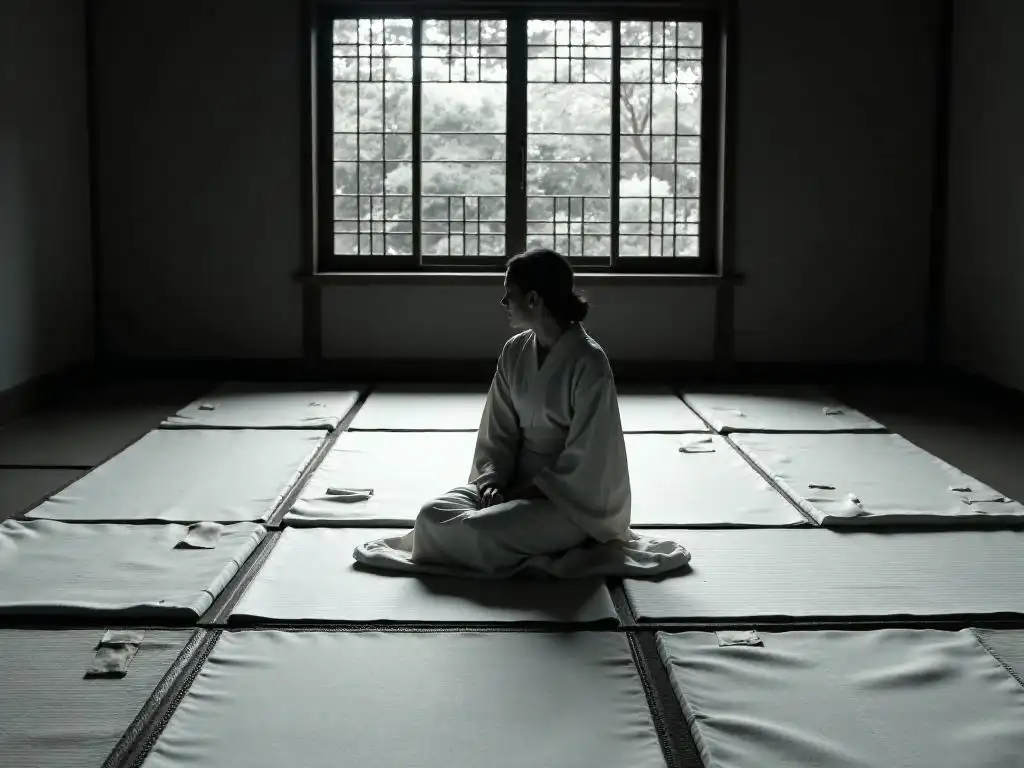
The family tragedies experienced during the feudal era of Japan were profound and left indelible marks on the cultural landscape. From literature and art to rituals and religious practices, these responses not only reflected the losses but also sought to provide solace to grieving families. Understanding these cultural responses sheds light on how feudal Japan coped with the pain of warfare and political strife.
Literature and Art Reflecting Family Losses
The literature and art of feudal Japan serve as poignant reflections of family tragedies. Renowned works often depict the emotional turmoil and societal impacts of loss, resonating deeply with the experiences of those who lived through these tumultuous times.
-
Classical Literature: Texts like The Tale of Heike center around the Genpei War and detail the fateful outcomes of prominent families, illustrating the fragility of power and the personal losses endured. This epic narrative not only recounts battles but also emphasizes the sorrow of families torn apart by conflict.
-
Poetry: Haiku and other poetic forms emerged as powerful expressions of grief. Poets like Matsuo Bashō captured moments of loss with profound simplicity, often evoking nature to reflect the transient nature of life. An example of such emotional depth can be seen in the lines:
The shattered blossoms,
Fall like tears on the pathway,
Echoing the loss. -
Visual Arts: Ukiyo-e woodblock prints often depicted scenes of tragedy, showcasing the suffering of families during wars. Artists like Katsushika Hokusai illustrated historical events, emphasizing the human cost of conflict. These artworks served as reminders of the fragility of life and the pervasive nature of loss within feudal society.
Rituals and Practices for Mourning in Feudal Japan
Mourning practices in feudal Japan were deeply rooted in cultural traditions, often reflecting a community's collective grief. These rituals were essential for both the deceased's family and society at large, providing structured ways to cope with loss.
- Funeral Rites: Traditional funerals were elaborate affairs, involving the entire community. The deceased was often cremated, and the ashes were interred in family graves, symbolizing the continuation of familial bonds beyond death. The rituals included offerings, prayers, and the recitation of Buddhist sutras, aimed at guiding the spirit of the departed toward a peaceful afterlife.
- Memorial Services: Following the funeral, memorial services (called sōshiki) were held at regular intervals, such as the 7th, 49th, and 100th days after death. These gatherings allowed family and friends to honor the memory of the deceased, reinforcing social ties and providing emotional support.
- Commemorative Practices: Families often displayed photographs or portraits of lost loved ones in their homes, creating a space for remembrance. Additionally, seasonal festivals, such as Obon, provided opportunities for families to honor their ancestors and seek solace in community gatherings, highlighting the importance of collective mourning.
The Role of Religion in Healing Family Wounds
Religion played a crucial role in the healing process for families affected by tragedy during feudal Japan. Buddhist practices and Shinto beliefs provided frameworks for understanding loss and seeking comfort.
- Buddhism: The Buddhist concept of impermanence (anicca) was central to coping with loss. Monks offered prayers and performed rituals to assist the deceased’s journey to the afterlife. Families would often engage in merit-making activities, such as donating to temples, to ensure favorable rebirth for their loved ones.
- Shinto Practices: Shinto rituals emphasized the connection between the living and the spirits of the deceased. Ancestral worship was ingrained in daily life, with families maintaining household altars (kamidana) to honor their ancestors, reinforcing the idea that the deceased continued to be part of the family.
- Spiritual Healing: Temples and shrines became places of solace for mourning families. They provided not only physical spaces for rituals but also spiritual guidance. The act of praying and making offerings served to alleviate sorrow and foster a sense of hope for the future.
Through these cultural responses, feudal Japan demonstrated resilience in the face of family tragedies, weaving a rich tapestry of literature, art, rituals, and religious practices that reflected the profound impact of loss on society. These responses not only honored the memories of those lost but also provided pathways for healing and continuity within the family structure.
Resilience and Adaptation of Feudal Families
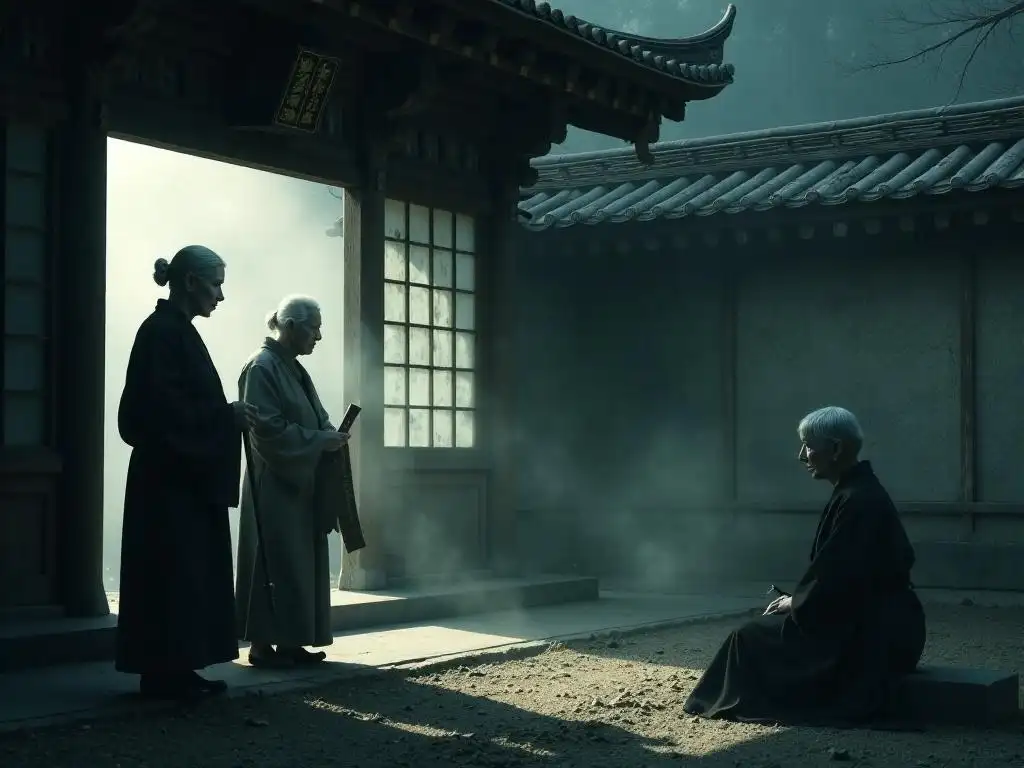
The feudal era in Japan was marked by significant political strife and warfare, which had profound impacts on family structures. However, amidst these challenges, families demonstrated remarkable resilience and adaptability. The ability of feudal families to navigate the turbulent landscape of warfare and shifting political allegiances is a testament to their strength and ingenuity.
Strategies for Family Survival during Turmoil
Feudal families employed various strategies to ensure their survival during periods of crisis. These strategies often involved a combination of political maneuvering, economic adaptation, and social networking.
-
Political Alliances:
Families often sought to forge alliances through marriage and diplomacy. For instance, the marriage of daughters to powerful samurai or clan leaders could secure protection and resources. Such alliances were crucial in ensuring the safety and stability of the family unit.
-
Land Management and Economic Diversification:
The management of land was pivotal. Families would diversify their agricultural practices, ensuring they could sustain themselves even in times of famine or conflict. This might include cultivating different crops or engaging in trade to bolster their economic standing.
-
Community Support Networks:
Feudal families frequently relied on their extended family and community networks. These networks provided mutual support during crises, offering assistance in terms of resources, manpower, and protection.
-
Military Preparedness:
Families with samurai lineage often maintained a degree of military readiness. This included training sons in martial arts and archery, ensuring they could defend their household when needed.
-
Adaptation of Roles:
The roles within the family would often adapt based on the prevailing circumstances. Women, for example, might take on more responsibilities in managing the household and finances during times of war when men were away.
The Evolution of Family Roles in Times of Crisis
The feudal period saw significant shifts in family roles, which were often dictated by the pressures of warfare and political instability.
-
Shift in Gender Roles:
With many men away fighting, women frequently had to assume leadership roles within the household. They managed estates, made critical decisions, and even led defenses against intruders. This evolution highlighted the resilience of women and their capacity to adapt to new responsibilities.
-
Children’s Roles:
Children were also affected by the circumstances of war. Sons were trained early in combat skills, while daughters were prepared for strategic marriages. The need for children to contribute to the family’s survival became more pronounced, influencing their upbringing and education.
-
Elderly and Ancestor Worship:
The elderly often played a crucial role in imparting wisdom and maintaining family traditions during turbulent times. Their experience was invaluable for decision-making and navigating crises. Additionally, ancestor worship became increasingly significant, providing a sense of continuity and stability for families amidst chaos.
Lessons Learned from Historical Family Tragedies
Examining the family tragedies of feudal Japan offers valuable insights into the complexities of resilience and adaptation during tumultuous periods.
-
The Importance of Unity:
Many families that survived crises did so through unity and collective effort. The strength of familial bonds often determined the ability to withstand external pressures.
-
Adaptability as Key to Survival:
The ability to adapt to changing roles and circumstances was a recurring theme. Families that embraced change and found innovative solutions to their problems often fared better in the long run.
-
Historical Precedents:
Learning from historical events, such as the fall of the Taira clan during the Genpei War, illustrates how political strife can lead to family disintegration. The Taira family's failure to adapt to changing alliances and their inability to unite in the face of adversity resulted in significant losses and tragedies.
Ultimately, the resilience of feudal Japan’s families was marked by their capacity to evolve, adapt, and support one another through the myriad challenges presented by warfare and shifting political landscapes. The lessons gleaned from these historical family tragedies continue to resonate, emphasizing the enduring strength of family ties in the face of adversity.
Conclusion: The Legacy of Family Tragedies in Feudal Japan
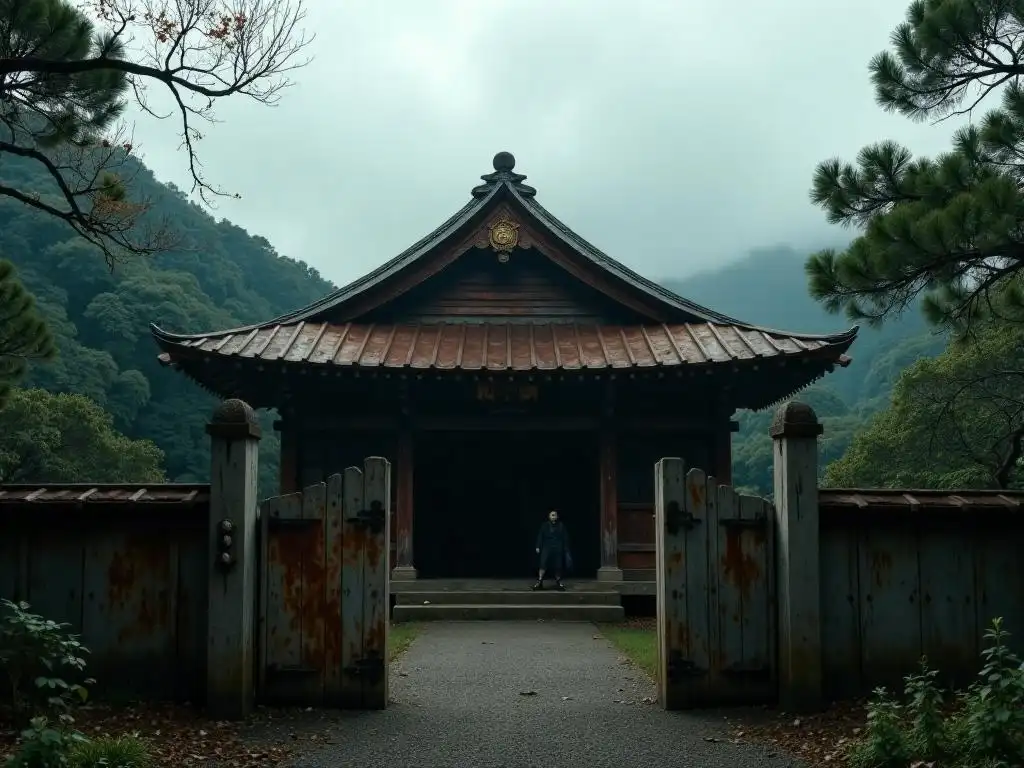
The feudal era in Japan was characterized by a complex interplay of warfare, political intrigue, and familial loyalty that often culminated in profound family tragedies. These events not only shaped the individual households involved but also reverberated throughout society, influencing the broader cultural and political landscape. The legacy of these tragedies can still be perceived in various aspects of modern Japanese society, particularly in the continued emphasis on family honor and the historical narratives surrounding family dynamics.
The impact of family tragedies during feudal Japan is evident in the way historical figures and events are remembered. The samurai code of honor, known as Bushido, emphasized loyalty and sacrifice, which often led to tragic outcomes for families caught in feudal conflicts. For example, the heartbreaking tale of the 47 Ronin, where a group of samurai avenged their master’s death, is a poignant reminder of how loyalty could lead to devastating consequences for families. The tragic narratives surrounding these events have been immortalized in literature, theater, and films, shaping the collective memory of the Japanese people.
Lasting Impacts on Modern Japanese Society
The family tragedies of feudal Japan have left an indelible mark on modern Japanese society, influencing cultural values and social structures. The concept of giri, or duty, remains strong in contemporary Japan, where individuals often prioritize familial obligations and social responsibilities over personal desires. This sense of duty can be traced back to the feudal era, where family honor was paramount, and failure to uphold it could lead to severe repercussions.
Moreover, the emotional weight of historical family tragedies continues to inform modern storytelling in Japan. Many contemporary films, novels, and anime explore themes of loyalty, betrayal, and the sacrifices made for family, echoing the complexities of feudal family dynamics. The resonance of these themes highlights how historical narratives shape current societal values and interpersonal relationships.
Reflection on the Importance of Family in Historical Narratives
The exploration of family tragedies during feudal Japan reveals the intricate relationships that defined the era. Understanding these narratives is essential for appreciating the broader historical context of Japan. Families were not just units of social organization; they were pivotal in shaping political alliances and cultural heritage. The tragedies that befell these families often serve as reflections of the societal norms and struggles of the time.
In historical narratives, the portrayal of family tragedies often emphasizes the emotional and psychological impact of warfare and politics on individuals. Such reflections allow us to grasp the human experience behind historical events, reminding us that history is not merely a collection of dates and battles but a tapestry woven from countless personal stories of loss, resilience, and honor.
The family tragedies of feudal Japan have profoundly influenced both historical understanding and contemporary society. They serve as a testament to the complexities of human relationships amidst the chaos of warfare and politics, offering valuable insights into the enduring significance of family across generations. The echoes of these tragedies remind us of the importance of remembering our past to understand our present and shape our future.
References and Further Reading on Feudal Japan Family Tragedies
Suggested Books and Articles for In-Depth Understanding
To gain a deeper insight into the complexities of family tragedies during the feudal era in Japan, the following resources provide comprehensive analyses and narratives:
-
"The Tale of the Heike"
A classic work that captures the tumultuous events of the Genpei War, illustrating the impact of warfare on noble families. This epic provides a narrative rich in emotional and familial conflict, showcasing how political strife led to personal tragedies.
Key themes: loyalty, honor, and familial bonds amidst warfare. -
"Samurai, Warfare and the State in Early Medieval Japan" by Karl F. Friday
This book delves into the military and political structures of feudal Japan, emphasizing the role of samurai families and how warfare disrupted their domestic lives.
Focuses on: the intersection of military duty and family obligations. -
"Japan's Feudal Age, 1185-1603" by John W. Dower
Dower’s work provides a clear examination of the socio-political landscape of feudal Japan. It highlights how political machinations and military conflicts affected family dynamics at all societal levels.
Important for understanding: societal impacts of feudal warfare on family structures. -
"Women and the Family in Japanese History" by K. H. Seigle
This scholarly article explores the roles of women within feudal families and the specific challenges they faced during times of political upheaval.
Highlights: gender dynamics and family tragedies within the wider context of warfare. -
"The Samurai and the Sacred" by John T. R. H. Rouse
This book explores the spiritual beliefs of the samurai class and how these beliefs influenced family life amidst the chaos of feudal conflicts.
Examines: the psychological impact of warfare on familial relationships.
Recommended Documentaries and Historical Sources
For those interested in visual narratives and historical documentation, the following documentaries and sources provide a captivating look into the family tragedies of feudal Japan:
-
"Feudal Japan: A History" (Documentary Series)
This series offers a detailed overview of the feudal era, with specific episodes dedicated to the impact of warfare on family structures. The storytelling includes personal accounts and expert interviews, making it a valuable resource.
Episode highlights: conflicts that led to family fragmentation. -
"The Last Samurai" (Film)
While a dramatization, this film provides insights into the samurai culture and illustrates the personal sacrifices made by families during the era of conflict. It serves as a narrative backdrop to the real tragedies faced by families.
Themes of honor, conflict, and family loyalty are central. -
"The Samurai: A History" (Documentary)
This documentary takes viewers through the evolution of the samurai and their families, addressing the societal pressures and tragedies that arose from feudal warfare.
Features: interviews with historians and depictions of family life. -
Historical Archives and Manuscripts
Access to primary sources such as family records and letters can provide first-hand accounts of the emotional toll of warfare on families. Libraries or museums in Japan often house these invaluable documents.
Look for: collections focusing on the Edo period and samurai families.
These references and resources will enrich your understanding of the profound effects of warfare and politics on feudal Japanese households, illustrating the intricate web of family tragedies that defined this era.
Frequently Asked Questions
What are the main causes of family tragedies in feudal Japan?
Family tragedies in feudal Japan were primarily caused by warfare and political intrigue, which often led to the disruption of households. Conflicts between rival clans could result in loss of family members and division of estates.
How did warfare affect feudal Japanese families?
Warfare significantly impacted feudal Japanese families by causing loss of life, displacement, and breakdown of social structures. Many families faced the death of key members, leading to a loss of leadership and stability.
Can you provide examples of political factors that led to family tragedies?
Political factors such as betrayal, alliances, and succession disputes often resulted in family tragedies. For instance, the Genpei War caused numerous families to be torn apart due to shifting loyalties and violent confrontations.
How did these tragedies influence Japanese culture?
The tragedies experienced by feudal families influenced Japanese culture by inspiring literature, theater, and art that reflect themes of loss, loyalty, and the harsh realities of feudal life. These narratives remain integral to Japan's cultural heritage.
What lessons can be learned from the family tragedies of feudal Japan?
The family tragedies of feudal Japan teach us about the fragility of power and the importance of unity. They highlight how external conflicts can have profound effects on familial bonds and societal structures.
Final Reflection: The Enduring Legacy of Feudal Japan Family Tragedies
The intricate web of warfare and political strife during feudal Japan has left an indelible mark on the fabric of Japanese society today. The family tragedies that unfolded during this tumultuous period serve as a poignant reminder of how external conflicts can shatter the very foundations of familial bonds. As we reflect on these historical events, we must recognize their relevance in our contemporary world, where the echoes of past conflicts continue to resonate in our understanding of family dynamics and societal structures.
Cultural narratives shaped by the tragedies of feudal Japan have profoundly influenced modern perceptions of honor, loyalty, and sacrifice within families. These themes remain relevant, as they remind us of the fragility of familial relationships in the face of adversity. The stories of loss and resilience from this era resonate with us today, urging us to consider the impact of our choices and the legacies we leave behind. In times of war, the family is both a refuge and a battleground.
This quote encapsulates the duality of familial love and conflict, highlighting how the struggles of the past continue to inform our present-day experiences.
As you reflect on the lessons drawn from the family tragedies of feudal Japan, I invite you to consider how these narratives can inspire personal growth and resilience in your own life. Take a moment to think about the importance of nurturing your relationships and understanding the historical context that shapes them.
Embrace the opportunity to learn from the past, allowing it to guide you in fostering stronger connections with your loved ones. In doing so, we honor the memories of those who endured hardship and tragedy, transforming their stories into a source of strength and inspiration for future generations.
Revive Your Curiosity: Explore the Impact of Warfare on Japanese Families
Thank you for diving into the complex world of feudal Japan with us! You've uncovered the intricate relationship between warfare and the politics that shaped families during this era. Now, let's keep the momentum going and explore how you can deepen your understanding of this fascinating history.
Here are a few ways to get involved:
- Join our community discussions on the impact of historical events in feudal Japan—share your insights and learn from others!
- Explore our recommended readings to gain a deeper understanding of family dynamics during this period and expand your knowledge further.
- Share this article with friends or on social media to spark conversations about how history influences modern society.
What aspect of feudal Japanese family life has surprised you the most? How do you think these historical experiences resonate in today’s world?